formal complaint against incompetent contractor work - Complaint Letters
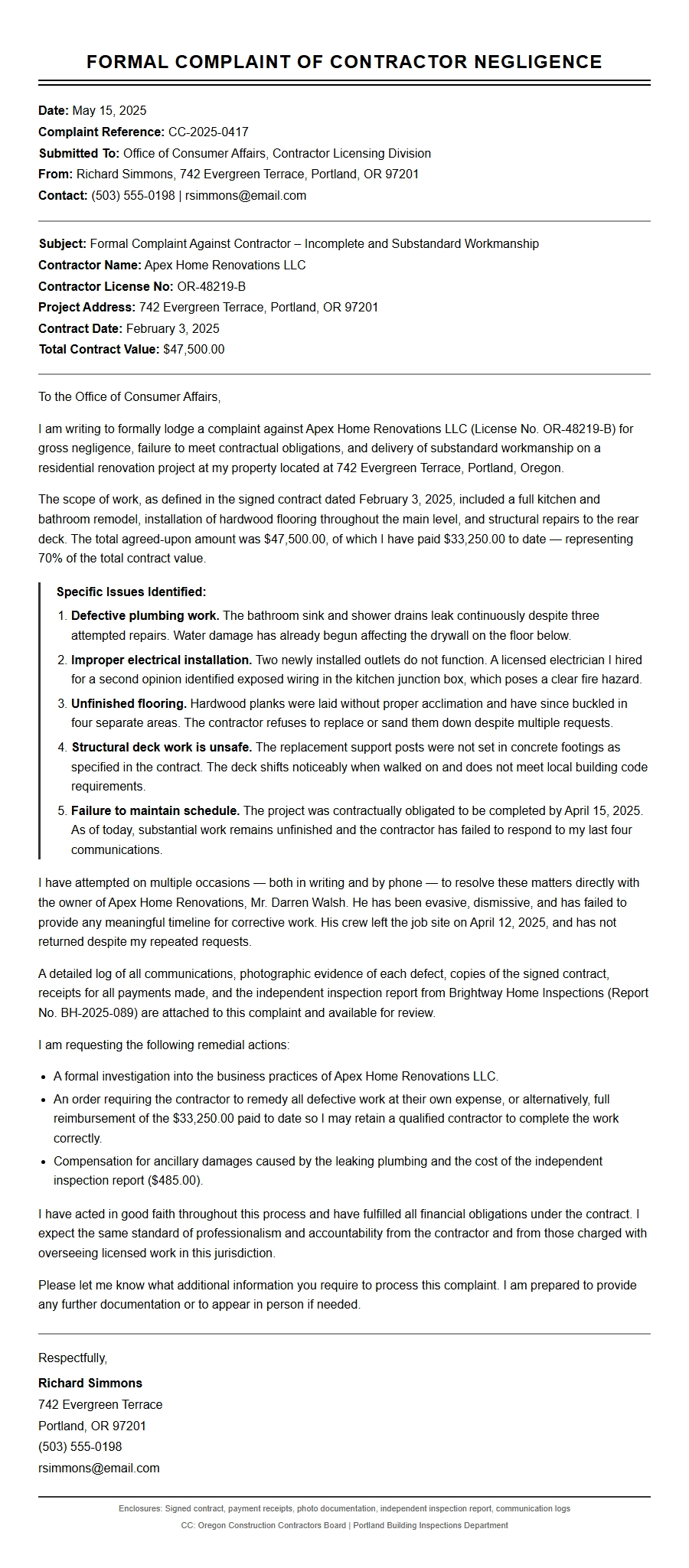
You’ve paid good money for a renovation, a repair, or a build. Instead of quality work, you get half-finished drywall, misaligned tiles, or a contractor who stops returning calls. That sinking feeling in your stomach is real. You need to write a formal complaint against incompetent contractor work, but you’re not sure where to start. That blank page feels like one more problem on top of the mess you already have.
Let’s be clear: using a sample letter isn’t cheating. It’s working smart. A good template gives you the structure, tone, and key phrases you need—while leaving room for your specific details. Think of it as a sturdy frame. You still get to paint the walls. The difference between a weak complaint and one that actually gets results often comes down to letter structure and knowing what to say.
Before you start typing, you need to pick the right letter template for your situation. A formal complaint to a licensed general contractor looks different from a dispute with a handyman. Both require professional correspondence, but the tone shifts. For serious breaches of contract, you’ll want something closer to a business letter format—complete with a proper salutation and closing. For smaller issues, a semi-formal approach often works better because it keeps the door open for resolution without sounding threatening.
Category: Formal Complaint Letters
How to adapt a sample without losing your voice
The biggest mistake people make is copying a sample word for word. It reads stiff, and the contractor will know it’s generic. Instead, read the sample through once. Then rewrite the opening paragraph in your own words. Mention the specific job, the date work started, and what was promised. This instantly makes your complaint feel real and specific. “On March 10, we agreed to a full bathroom remodel for $8,500” carries more weight than a vague opening about “services rendered.”
Pay attention to tone in writing. You’re frustrated—you have every right to be. But anger in writing often backfires. Stick to facts: what was agreed, what was delivered (or not delivered), and what you want as a resolution. That last part matters. Do you want a refund? A redo? A partial credit? Be specific. A contractor can’t respond to a vague complaint, but they can respond to a clear demand.
Common mistakes that weaken your letter
Ever received a letter that felt too stiff or too casual? Both extremes hurt your credibility. Using outdated salutations like “To Whom It May Concern” feels impersonal. So does skipping a letterhead design if you’re writing on behalf of a business. On the flip side, writing something that sounds like a rant won’t get taken seriously. Stick to the middle ground: professional but direct.
Another trap is forgetting the format. A digital letter format (email or PDF) requires a clear subject line and shorter paragraphs. A printed letter needs your contact info at the top and a signature block at the bottom. Don’t mix them up. If you’re sending via email, put the key facts in the body and attach a formal PDF for the record. This gives you both immediacy and documentation.
Before you send anything, spend five minutes on proofreading letter content. A typo in a complaint about poor workmanship might seem minor, but it undercuts your attention to detail. Read it out loud. Better yet, have someone else read it. Fresh eyes catch mistakes and awkward phrasing that you’ll miss because you’re too close to the frustration.
Real-world example of what works
Say your contractor installed windows that leak. A strong opening might read: “We contracted with your company on May 1 to replace four windows in our living room. The work was completed on May 15, but after the first rain, water entered through all four frames. Photos are attached. We request a full inspection and repair at no additional cost within 14 days.” That’s specific, factual, and gives the contractor a clear path to fix it. Compare that to “Your work was terrible and I want my money back”—which is harder to act on.
Some complaints end up in front of a licensing board, a lawyer, or an insurance adjuster. That’s when formal register language for corporate governance complaints becomes useful. Stick to neutral, documented language. Avoid emotional words like “scam” or “fraud” unless you have proof. Instead, use terms like “breach of contract,” “substandard workmanship,” or “failure to meet industry standards.” These phrases carry legal weight and show you’ve done your homework.
For executives or property managers who need a quick overview, a concise summary style for executive complaints can be effective. Lead with the bottom line: what went wrong, the cost impact, and the resolution you expect. Save the full timeline for an attachment.
Use the sample as a springboard, not a crutch
The best letters feel both professional and personal. They show you’ve taken the time to lay out your case clearly, but they also reflect your voice. The more you practice writing these letters, the faster the process gets. Start with a sample. Adapt it. Add your details. Then send it and move on to getting your project fixed. That’s the goal—not writing a perfect letter, but getting a problem resolved so you can get back to what matters.
Browse Sample Ideas
formal complaint against incompetent contractor work - Complaint Letters
Poor Workmanship and Project Delays
To: ABC Home Renovations Ltd. Date: March 12, 2025 Contract No: CON-2025-0178
I write to formally complain about the incompetent work performed by your crew at my residence (123 Oak Street) under the above contract. The project was a kitchen and bathroom remodel with a scheduled completion date of February 28, 2025. As of today, only 60% of the work is finished, and the quality is unacceptable.
Specific issues:
Tiles in the bathroom are misaligned and grout is uneven.
Kitchen cabinets installed at different heights, leaving visible gaps.
Plumbing connections leak under the sink.
Electrical outlets are not flush with the wall.
I have provided a detailed list of defects (attachment A). Despite three phone calls and one email, your foreman has not returned to correct these problems. I demand a full inspection and a revised timeline with penalty clauses for further delays. Please respond within 7 business days.
Thank you, John Doe jdoe@email.com
Unlicensed Contractor Fraud
To: State Licensing Board Date: April 5, 2025 Complaint ID: CL-2025-092
I wish to file a formal complaint against Mr. Carl Thompson, who represented himself as a licensed general contractor but refused to provide his license number. He performed a $12,000 basement waterproofing job at 45 Maple Avenue.
Evidence of incompetence:
Work began without required permits.
Waterproof membrane applied incorrectly; basement still leaks.
Used substandard materials (bargain sealant vs. specified brand).
Demanded full payment upfront then disappeared for two weeks.
I have attached copies of the signed agreement, receipts, and photos of the poor workmanship. Under state law RCW 18.27, performing unlicensed contracting is a violation. I request an investigation and possible revocation of any licenses he might hold under a different name, plus restitution of $12,000 paid.
Respectfully, Sarah Miller smiller@outlook.com
Dangerous Electrical Work
To: Spark Electric Inc. Date: March 30, 2025 Job #: E-4521
I am formally complaining about the electrical work performed at my workshop (15 Industrial Way). Your electrician, Mark, was supposed to rewire two circuits and install a subpanel. Instead, I discovered multiple safety hazards that could have caused a fire.
Problems identified by a licensed inspector:
Issue
Location
Code Violation
Loose wire connections
Main panel
NEC 110.12
No ground on new circuit
Workshop outlet
NEC 250.130
Undersized breaker
Subpanel feed
NEC 240.4
I reported these to your office on March 22 and requested a free rework within 48 hours. No one has responded. I demand a full refund of the $2,500 labor charges plus reimbursement of the $350 inspection fee. If unresolved by April 10, I will file a complaint with the City Electrical Inspector and take legal action.
Regards, Tom Harris
Leaking Plumbing Repairs
To: QuickFlow Plumbing Co. Date: February 18, 2025 Service Order: PLM-0215
I am filing a formal complaint regarding the plumbing repair done on February 5 at 22 Birch Street. Your plumber, Joe, replaced a section of pipe under my kitchen sink. Within three days, the new joint began leaking, causing damage to the cabinet floor and mold growth.
Despite calling your office on February 9 and 12, no technician has been sent to fix the leak. The temporary patch I applied is barely holding. This is completely unacceptable for a paid service.
Breakdown of losses:
Cost of repair: $450 (paid via credit card)
Cabinet replacement estimate: $600
Mold remediation quote: $300
I expect a full refund of the $450 plus coverage of the $900 in damages. I also request that a senior plumber inspect the entire kitchen plumbing system at no charge. Please respond within five days.
Sincerely, Linda Brown linda.b@example.com
Roof Leak After Recent Repair
To: TopCoat Roofing LLC Date: May 22, 2025 Claim Ref: ROOF-3421
This is a formal complaint about the roof repair performed on May 5 at 18 Pine Street. Your crew replaced shingles around the chimney and sealed flashing. The job cost $3,200. After the first heavy rain on May 14, water poured into the attic and stained the ceiling of my living room.
I contacted your office on May 15 and was promised a re-inspection within three business days. It is now a week later, and no one has arrived. I had to hire a third-party inspector who found that the new flashing was improperly nailed and the sealant was applied over dirt. This is clearly incompetent workmanship.
Action required:
Immediate revisit by your crew at no cost
Full correction of all roof issues
Reimbursement of $250 for the independent inspection
Written warranty covering the work for 2 years
If I do not hear from you by May 30, I will report this to the Better Business Bureau and file a lawsuit for damages including the ceiling repair ($1,200).
Yours truly, David Chen
Unfinished Deck Construction
To: Prime Builders Inc. Date: June 1, 2025 Contract: DB-2025-008
I am writing to formally complain about the incomplete deck construction at 77 Sunset Lane. According to our contract signed on March 1, the deck was to be completed by April 15 with a final cost of $8,500. I paid a deposit of $4,250, and another $2,000 was drawn mid-project.
Work stopped on April 10. As of today, the deck is only framed; no decking, railings, or stairs have been installed. Materials are scattered across my yard. I have made repeated calls and sent an email on May 20, but your project manager has not responded.
Current status:
Framing is exposed to weather - wood may warp
Missing hardware (joist hangers not fully fastened)
No safety railings - risk of fall
I demand either completion of the work within 10 days per the original specifications, or a full refund of the $6,250 paid plus $500 compensation for delay. Please provide a written commitment by June 5.
Awaiting your prompt action, Maria Gonzalez
Overcharged for Substandard Materials
To: Elite Flooring & Design Date: July 8, 2025 Invoice #: INV-2234
I am filing a formal complaint regarding the hardwood floor installation at 55 River Road. The contract specified premium white oak, 3/4-inch thickness, at $14 per square foot. Your crew installed a product labeled "oak-engineered" which is a thin veneer over plywood, worth at most $6/sq ft. Yet you charged the full premium rate.
Installation work was also sloppy: gaps between planks, uneven sanding, and nails popping up. I paid $9,800 in total (including labor). After two complaints, your supervisor admitted they used the wrong material but refused to replace it.
Comparison of what was promised vs. delivered:
Item
Contract
Actual
Wood type
Solid white oak 3/4"
Engineered oak 3/8"
Warranty
25-year
5-year
Finish
Site-sanded + polyurethane
Pre-finished
I demand a full refund of $9,800 plus $1,200 for disposal and removal of the incorrect flooring. Alternatively, remove the flooring and install the correct material at no extra cost. Respond within 7 days.
Regards, Robert Kim
Safety Violations on Construction Site
To: OSHA (Occupational Safety and Health Administration) Date: August 14, 2025 Site Address: 34 Commerce Drive, Unit 2B Contractor: BuildRight Construction LLC
I am a tenant in the adjacent unit and wish to file a formal complaint about unsafe work practices by BuildRight Construction while renovating the unit next door. For the past three weeks, I have observed numerous safety violations that put workers and neighbors at risk:
No hard hats or safety vests worn by workers
Ladders used without proper footing, one fell on my car (damage photo attached)
Electrical cables exposed and running through puddles
No fall protection on scaffolding over 10 feet high
Dust and debris not contained, causing respiratory discomfort
I reported these to the project manager on August 10 but was told it is "none of my business." The violations are threatening the safety of everyone in the building. I request an immediate inspection of the site and appropriate penalties against the contractor. I also seek compensation for the dent on my car hood ($400).
Thank you, James O'Brien j.obrien@tenant.org
Contractor Abandoned the Job
To: HomePro Renovations Date: September 5, 2025 Project: Full Bathroom Remodel @ 99 Park Avenue
This letter is a formal complaint against your company for abandoning the bathroom renovation project. Work started on August 12, with a completion date of August 30. After demolishing the old bathroom, your crew removed all fixtures and left the space empty. On August 22, the workers stopped showing up. I have called your office eight times and sent two emails since then. No explanation or return call has been received.
What I paid and what is missing:
Item
Amount Paid
Status
Deposit (50% of total $6,000)
$3,000
Paid
Materials ordered (tile, vanity, toilet)
$1,500
Not delivered
Plumbing rough-in work
$800
Incomplete, pipes exposed
My family is without a functioning bathroom for two weeks. This is causing extreme hardship. I demand a full refund of $3,000 deposit plus $800 for the incomplete rough-in, and compensation of $100 per day for hardship beginning August 30. If I do not receive a response within 5 days, I will pursue legal action and report your license to the state board.
Urgently, Angela Park
Property Damage Due to Negligence
To: GreenScape Landscaping Co. Date: October 11, 2025 Work Order: LS-3098
I am formally complaining about the landscaping work carried out on October 5 at 12 Willow Court. Your crew was hired to install a new retaining wall and regrade the backyard. Due to carelessness, they drove a skid-steer loader over my underground sprinkler system and severed two main lines. They also backed into my garden shed, collapsing one wall.
When I confronted the crew leader, he shrugged and said accidents happen. Your office has not returned my calls since October 7.
Summary of damages:
Sprinkler repairs: $450 (two zones dead)
Shed replacement: $1,200
Broken plants/landscaping: $200
Loss of water: estimated $50
Total: $1,900. I also paid you $2,000 for the wall installation, which is now half-done and leaning because the base was not compacted. I demand full reimbursement of $1,900 and either completion of the wall to professional standards or refund of the $2,000. This is gross negligence, and I will not accept less.
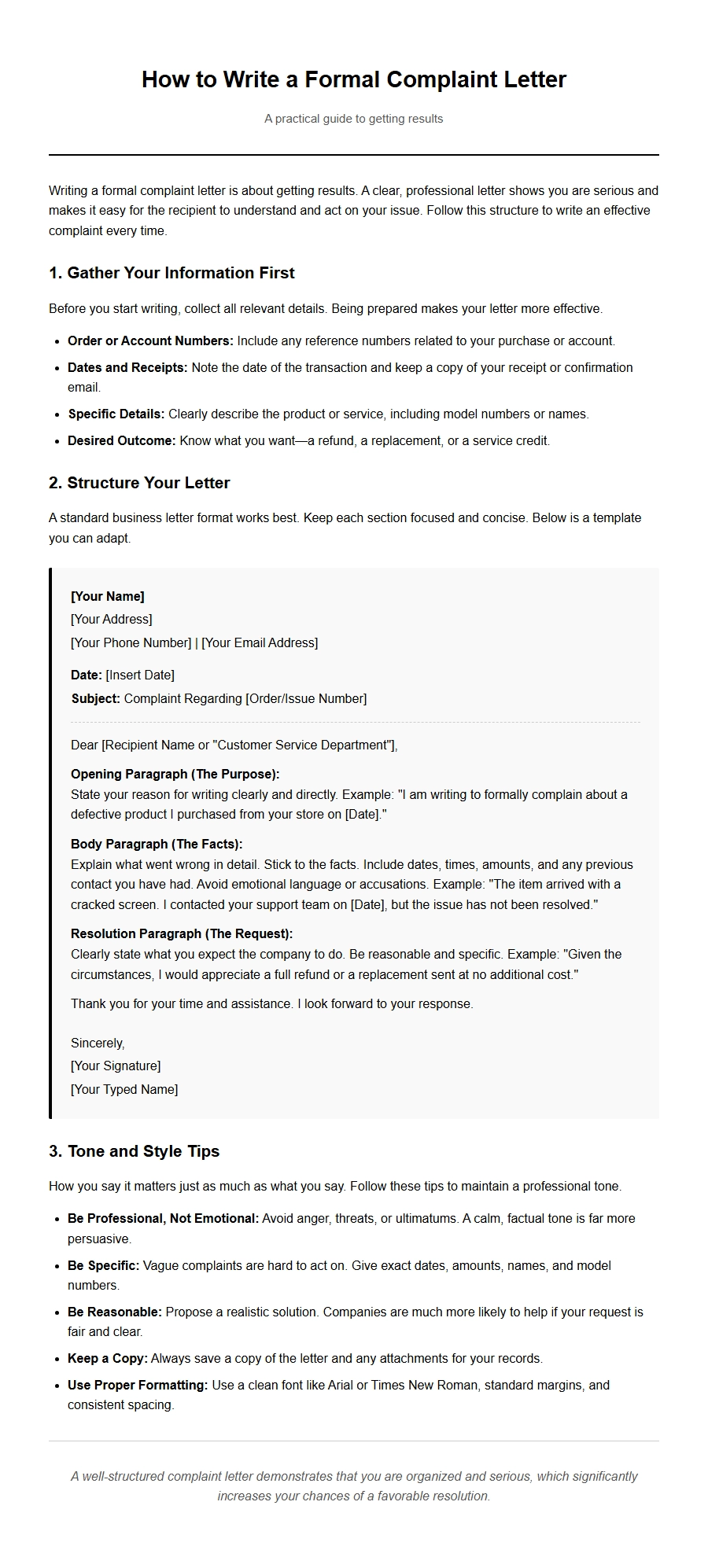 How to Write a Formal Complaint Letter
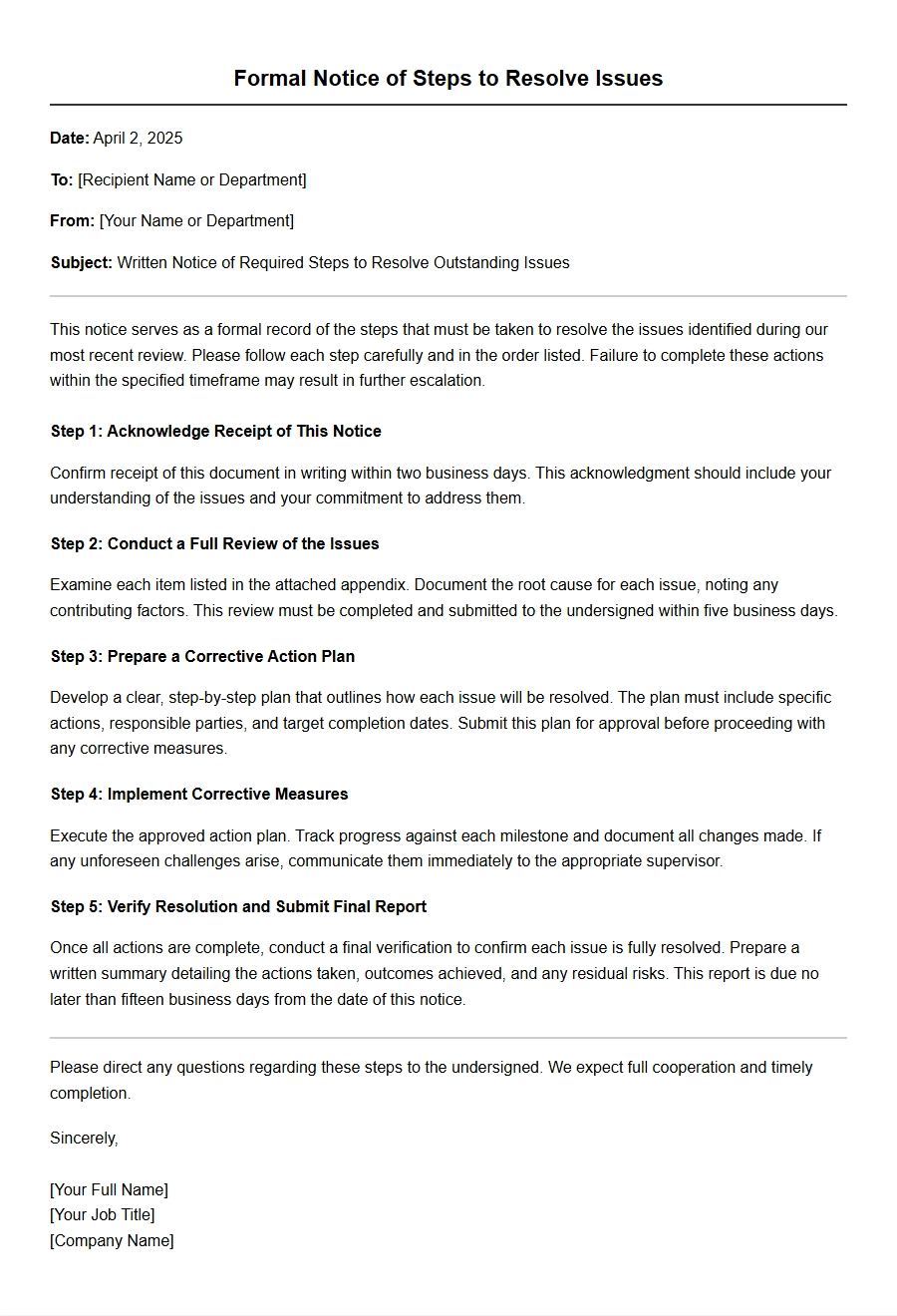 Steps to Resolve Issues via Written Notice
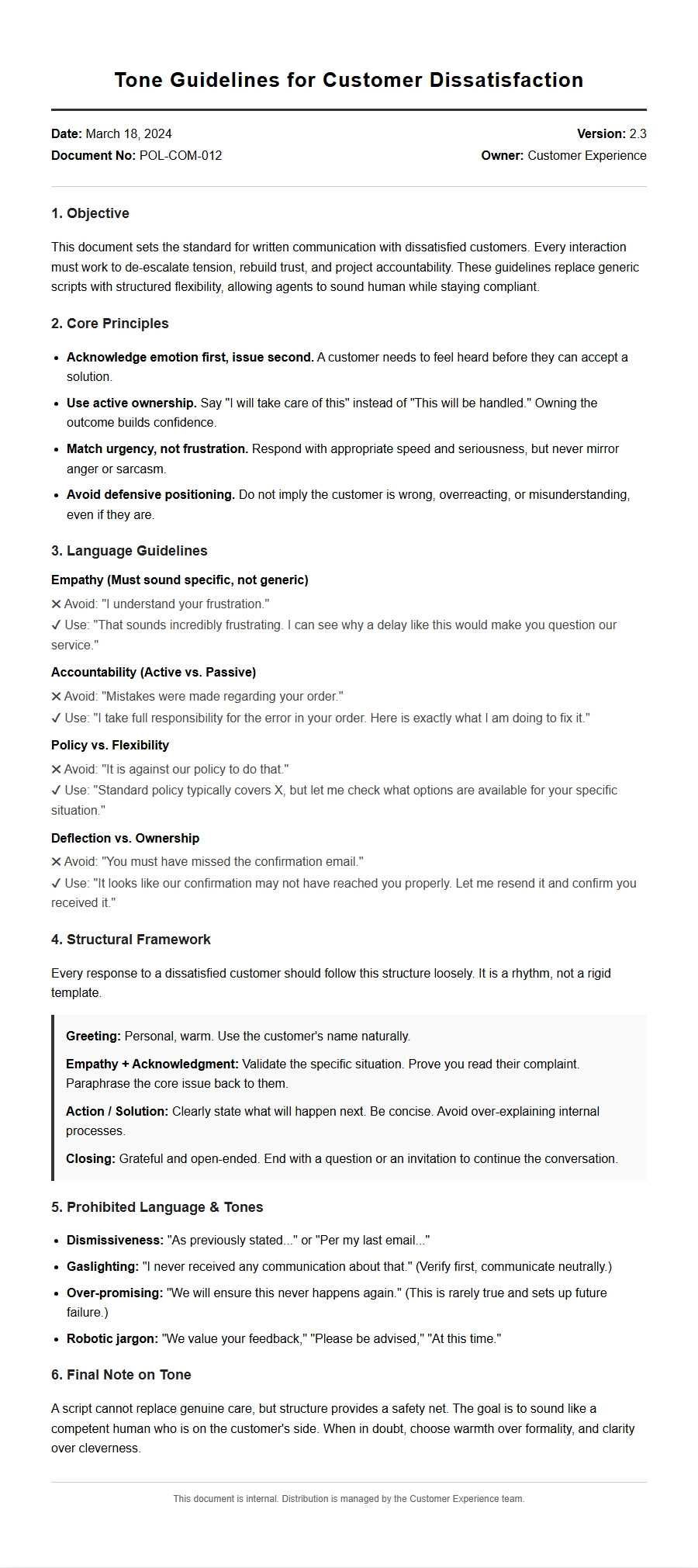 Tone Guidelines for Dissatisfied Customer Letters
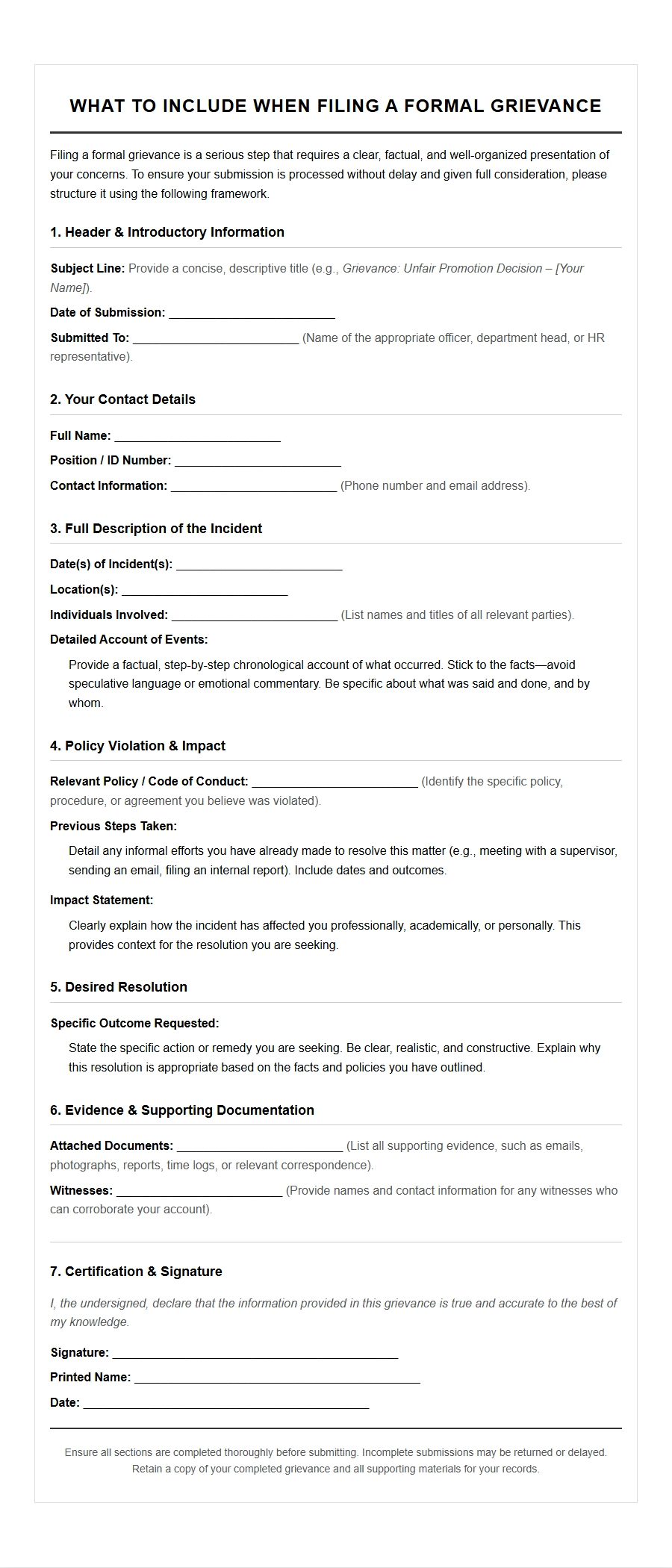 What to Include in a Formal Grievance Letter
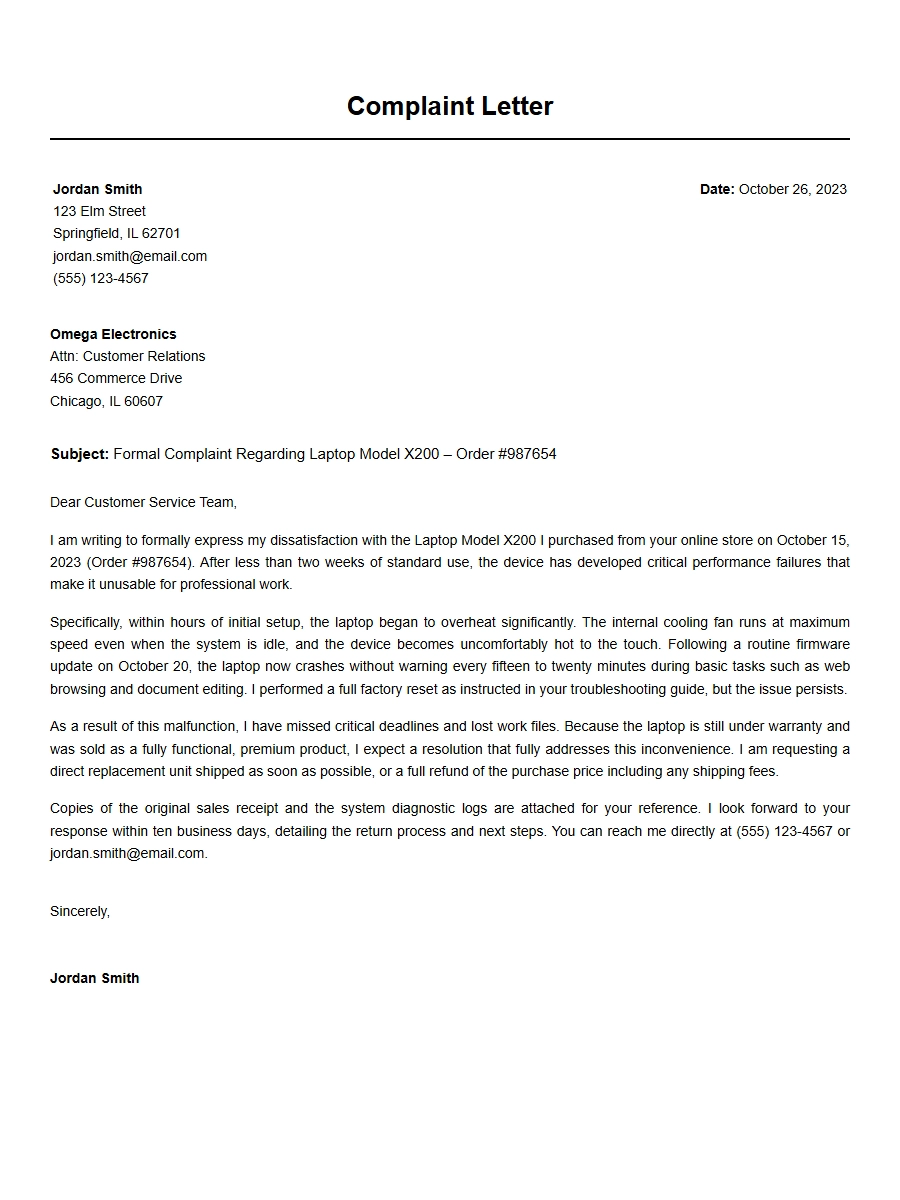 Structure of an Effective Complaint Letter
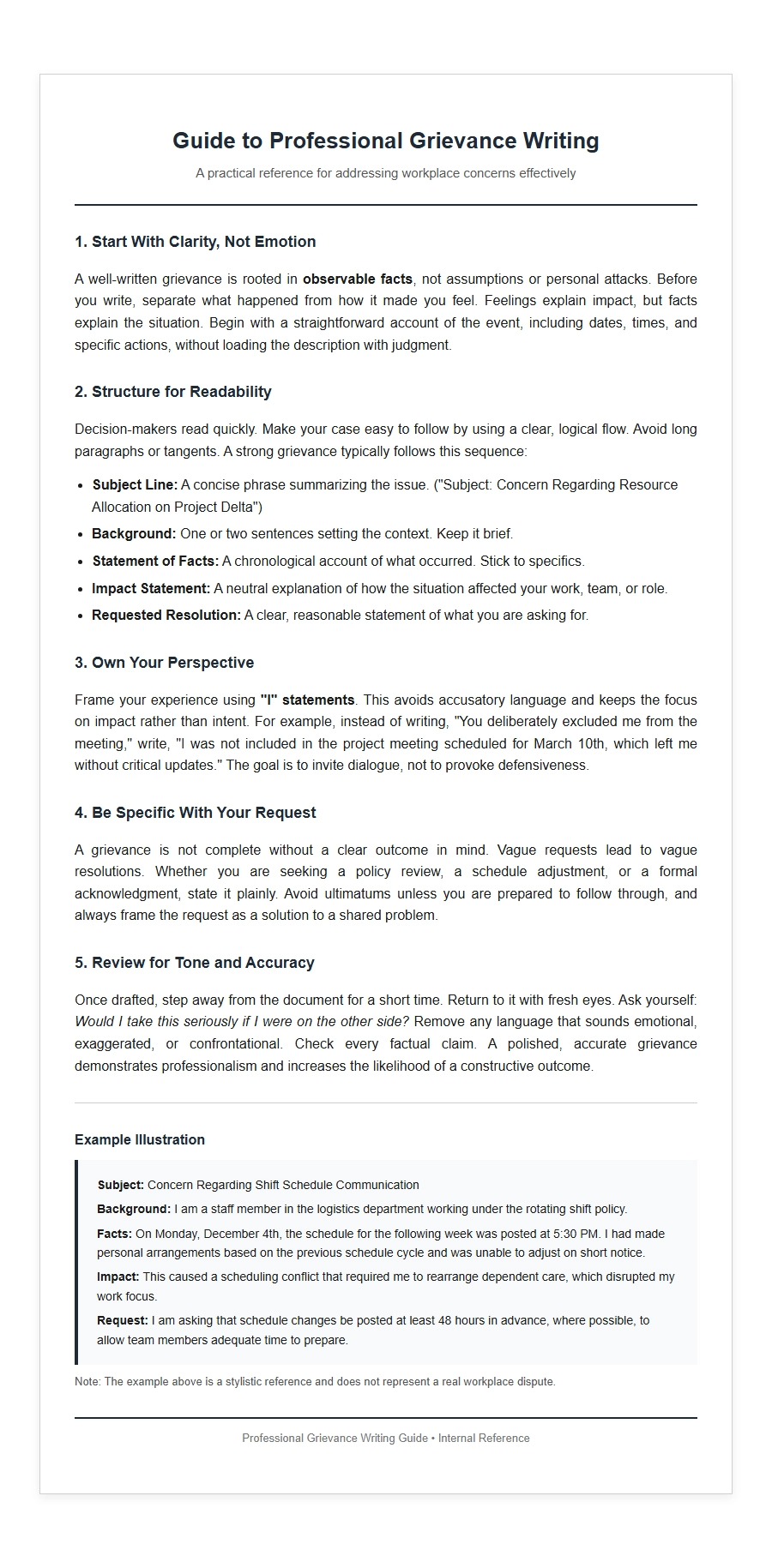 Best Practices for Writing Professional Grievance Letters