You finally picked a contractor. The estimate looked reasonable. Work started, and now the number keeps climbing. You're staring at a bill that makes the original quote look like a joke. It's frustrating, and writing a letter to challenge this feels like another hurdle you didn't ask for.
Before you draft anything, know this: using a letter sample isn't cheating. It's a smart way to start. A good sample gives you the right structure, the professional tone, and the key phrases you need. It saves time and keeps you from staring at a blank page. You still make it your own, but you don't have to invent everything from scratch.
What is a renovation estimate overrun?
An estimate overrun happens when the final cost of your renovation goes beyond what was quoted. Sometimes it's legitimate—unforeseen structural issues, for example. But often, it's poor planning or a contractor trying to pad the bill. You need to know the difference before you write.
When should you challenge an overrun?
You challenge it when the overrun wasn't explained upfront. If your contractor found asbestos behind a wall and called you immediately, that's one thing. If they simply added charges for "materials" without telling you, that's another. You also challenge it when the original estimate was vague and the final bill conveniently fills in those gaps with higher numbers.
How to write a letter to challenge the overrun
Start with your contract. Find the original estimate and any change orders you signed. You need facts, not feelings. Begin your letter with a clear subject line: "Request for Explanation of Cost Overrun on [Project Name]."
Your opening paragraph should state the problem directly. Say something like, "The original estimate for my kitchen renovation was $12,000. The final invoice is $16,500. I need a detailed breakdown of the additional $4,500." Don't apologize. Don't make excuses. Just state the facts.
Next, reference the specific parts of the contract that apply. If your agreement says the contractor must get written approval for changes exceeding 10% of the estimate, mention that. Be specific: "According to Section 3 of our contract, any change order over $1,200 requires my written consent. I did not authorize the additional work listed in your invoice dated June 10."
Attach copies of the original estimate, your contract, and any correspondence about changes. Never send originals. Keep a paper trail.
Now, address the tone of your letter. Tone in writing matters here. You want to be firm but professional. You're not angry (even if you are). You're seeking clarity. This keeps the door open for negotiation. A confrontational letter ends conversations. A firm but reasonable one invites solutions.
One common mistake is using outdated salutation and closing. "To Whom It May Concern" feels cold. If you know the contractor's name, use it. "Dear Mr. Henderson" works. Close with "Sincerely," followed by your name and contact information. Keep it clean. No cursive fonts or fancy letterhead design unless you're sending it on company stationery.
Proofread your letter. A typo makes you look careless. Read it out loud. Have a friend look it over. This is proofreading letter 101. A small error can undermine your argument.
What if you're sending this by email?
Email changes things. Your subject line becomes crucial: "Invoice Discrepancy—Kitchen Renovation." Keep your email shorter than a printed letter. Put the key points in the first paragraph. Use a digital letter format that's easy to read on a phone. No attachments unless necessary. Paste the relevant contract language right into the body. Make it easy for them to see your point without scrolling or downloading.
A quick checklist before you send
Did you include your contract reference number?
Did you attach supporting documents (not originals)?
Is your tone firm but polite?
Did you set a reasonable deadline for a response?
Did you proofread for typos and formatting issues?
One more thing: keep your expectations realistic. Some overruns are legitimate. Your letter should push for transparency, not necessarily a full refund. A good contractor will appreciate a client who knows their contract and communicates clearly. A bad contractor will try to bluff. Your letter calls that bluff.
Use a sample as your starting point. But don't let it become a crutch. The best letters feel professional and personal. They show you know your contract and you're serious about holding up your end. With practice, writing this kind of letter gets faster. You'll know exactly what to say the next time someone hands you a bill that doesn't match the estimate.
To: GreenBuild Renovations LLC Project: Kitchen & Bathroom Remodel – 45 Oak Street
I write to formally challenge the significant cost overruns on my home renovation, which far exceed the original estimate provided on January 10, 2025. The estimate quoted $34,500 for the full scope of work; however, your final invoice dated March 12, 2025, totals $42,870 — an overrun of $8,370 (24.3%). None of these additional charges were communicated or approved in writing as required by our contract.
Breakdown of Disputed Charges:
Item
Estimated
Actual Charged
Difference
Kitchen cabinetry
$8,200
$10,100
+$1,900
Tile installation labor
$3,500
$5,200
+$1,700
Plumbing fixtures
$2,800
$4,200
+$1,400
Permits & fees
$1,000
$1,850
+$850
Contingency margin
$1,500
$3,600
+$2,100
I request a revised invoice reflecting only the original estimate plus any mutually agreed extras (none were discussed). Alternatively, please provide detailed justification for each overrun. I expect a response within 10 business days or I will escalate to the state contractor board.
Sincerely, Margaret Chen
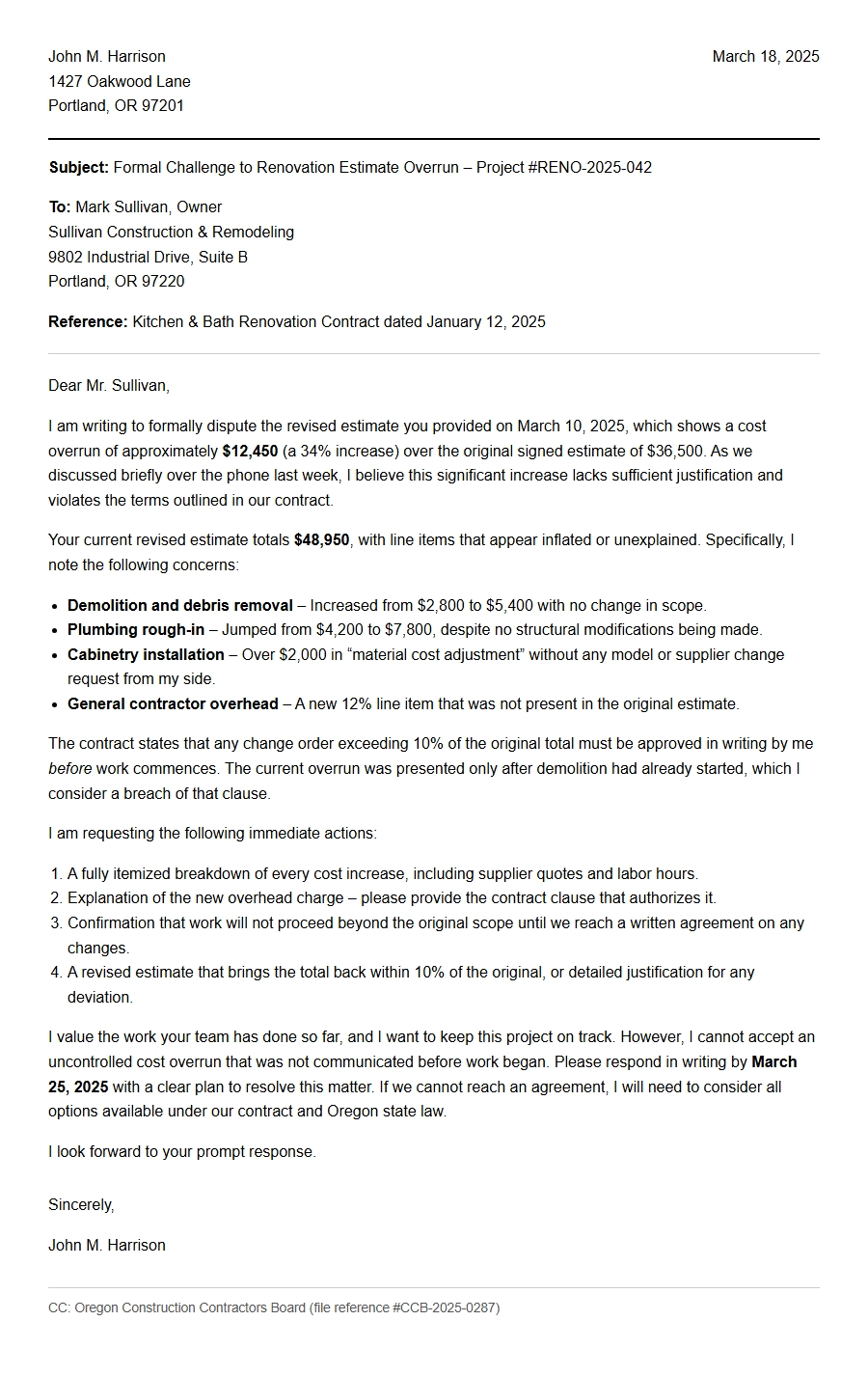
Dispute of Final Invoice Exceeding Original Estimate
Date: April 2, 2025
To: Premium Home Solutions Reference: Contract #PHS-2024-887 – Basement Finishing
I am writing to dispute your final invoice of $28,950, which is $6,450 more than the original estimate of $22,500 I approved on November 12, 2024. While I understand minor adjustments may occur, the magnitude of this overrun (28.7%) is unacceptable, especially given you never obtained my consent for the additional costs.
Your invoice lists the following uncapped additions:
Framing materials – $1,200 over (claimed lumber price increase)
Electrical work – $2,100 over (extra outlets not in scope)
Flooring upgrade – $1,800 over (unilaterally changed to premium vinyl)
Miscellaneous fees – $1,350 over (no itemization)
I am withholding payment of the disputed amount until we reach a resolution. I propose we either revert to the original material selections and adjust the invoice accordingly, or you provide written evidence that all changes were explicitly approved. Please send an updated invoice within 14 days.
I am formally requesting a refund of $3,200 for charges that were not part of the signed estimate. The original estimate dated February 1, 2025 was $19,800; the final bill on May 5 reads $23,000. After careful review, I found three specific overcharges:
Demolition permit fee – estimated $350, billed $890 (no explanation)
Custom vanity – agreed $2,500, charged $3,350 (different model than chosen)
Plumbing rough-in – quoted $1,200, actual $2,100 (extra labor not disclosed)
I have attached copies of the signed estimate, your invoice, and photos of the installed vanity which does not match our selection. These overruns violate our contract clause regarding prior approval for any cost increase exceeding 10% of a line item.
Please issue a refund check for $3,200 made payable to “Emily Tran.” If I do not receive confirmation within 15 days, I will file a complaint with the Better Business Bureau and consider small claims court.
Thank you, Emily Tran
Notice of Breach of Contract Due to Budget Overrun
Date: June 20, 2025
To: Apex Home Remodeling Inc. Attn: Legal Department
This letter serves as formal notice of breach of contract under Agreement #APX-501 signed on March 1, 2025 for the full-house renovation at 123 Maple Avenue. The contract specifies a fixed price of $87,000, with a 5% contingency clause for unforeseen structural issues.
Your interim invoice dated June 15 already totals $98,400, and you have indicated additional charges of $3,500 for “extended timeline” — bringing the overrun to $14,900 (17.1%). The contingency has been exhausted on items that were not structural in nature, such as:
Charge Description
Amount
Reason Given
My Notes
Extended rental of equipment
$4,200
Project delay due to tile backorder
Delay was not my fault
Additional supervisory hours
$3,000
“Coordination complexity”
Not in contract
Material substitution – windows
$6,500
Original discontinued
I was not consulted
Cleanup & debris removal
$1,200
Exceeded allowable dumpster usage
Not disclosed
I demand that you honor the fixed-price contract and reverse all unauthorized charges. Failure to correct within 15 days will result in termination of contract and legal action for damages.
Sincerely, Robert Kim
Appeal Against Additional Fees for Unforeseen Work
Date: July 8, 2025
To: Foundation First Contractors Project: Crawl Space Encapsulation & Insulation – 88 Pine Lane
I am appealing the $2,750 charge for “unforeseen structural work” added to your invoice #4567. The original estimate of $8,200 signed on May 12, 2025, did not mention any potential extra costs beyond typical adjustments. Your foreman discovered what you call “old termite damage” and immediately performed $2,750 of repairs without my knowledge or approval.
While I appreciate proactive work, our verbal agreement and contract required that any work exceeding $500 be pre-authorized. I have text messages from June 3 where you wrote “we’ll let you know if we find anything” — but no such notification was sent.
I will pay the original estimate of $8,200 in full, but I dispute the $2,750. Please provide a revised invoice showing only agreed scope. If you insist on this charge, I request a third-party inspection to verify the necessity and cost of the repairs.
Awaiting your written response by July 22.
Yours truly, Anna Patel
Complaint about Lack of Transparency in Cost Changes
Date: August 1, 2025
To: Skyline Custom Builds Project: Sunroom Addition & Deck – 2100 River Road
I am lodging a formal complaint regarding the complete lack of transparency in cost changes on my project. The original estimate dated April 3, 2025 was $48,000. Without any prior communication, I received a revised invoice on July 28 for $56,300 — an overrun of $8,300.
When I called your office, your project manager simply said “costs went up.” This is unacceptable. I require a detailed itemization of every dollar that exceeds the original estimate. Specifically:
Foundation concrete: up from $6,000 to $8,200 — why?
Roofing materials: quoted $5,500, billed $7,100 — what was substituted?
Labor hours: 120 hours in estimate, 148 hours billed — who authorized overtime?
Permit fees: $1,200 vs. $1,850 — please provide receipts
I will not pay the balance until I receive a transparent breakdown. I also request a meeting (in person or virtual) to discuss and negotiate a fair resolution. As a customer, I expected professionalism and open communication — not surprise charges.
Best regards, Samuel Green
Demand for Revised Invoice Reflecting Agreed Estimate
Date: September 5, 2025
To: The Design & Build Group For: Laura Myerson, Project #L109
I demand that you issue a revised invoice strictly reflecting the agreed estimate for my home office renovation. The signed estimate dated June 12, 2025, totals $14,000. Your invoice #8823 dated September 1, 2025, shows $17,900 — a difference of $3,900 for which I have no record of approval.
Your support staff claimed these were “necessary upgrades,” but I selected each fixture and finish myself, and no upgrades were discussed. I have prepared a comparison table to highlight the discrepancies:
Line Item
Estimate
Invoice
Variance
Carpentry (built-in shelves)
$3,200
$4,100
+$900
Paint & drywall
$1,800
$2,300
+$500
Lighting fixtures (supplied by owner)
$0
$1,200
+$1,200
Installation labor
$5,000
$6,300
+$1,300
Miscellaneous
$1,000
$2,000
+$1,000
I have already paid the original estimate balance. Any amount beyond that is not owed. Please send a corrected invoice and confirm zero balance. If not received by September 19, I will report this to the state consumer protection office.
Sincerely, Laura Myerson
Challenge to Unjustified Material Upgrade Charges
Date: October 10, 2025
To: Elite Home Improvement Inc. Ref: Contract #EHI-2025-332 – Hardwood Flooring Installation
I am challenging the $2,100 charge for “material upgrade” on my hardwood flooring project. The original estimate of $9,800 specified grade-2 red oak, which I approved. Your final invoice now shows grade-1 select red oak at $11,900. I never authorized this upgrade, and your salesperson never mentioned it.
Additionally, the estimate included $0 for underlayment, but the invoice includes $600 for “premium underlayment.” I believe these changes were made without my consent purely to increase profit. I am providing a side-by-side comparison:
Material cost: Estimate $5,400 (1,200 sq ft x $4.50) vs. Invoice $7,200 (1,200 sq ft x $6.00) – unjustified markup
Underlayment: Estimate $0 (included in labor) vs. Invoice $600 – not disclosed
Disposal fee: Estimate $300 vs. Invoice $500 – no prior notice
I request that the invoice be recalculated using the originally selected materials at the agreed prices. I will pay the revised amount promptly. Should you refuse, I will seek mediation through the National Association of the Remodeling Industry.
Thank you for your attention, Michael Brooks
Letter of Disagreement with Labor Cost Increases
Date: November 18, 2025
To: Pro Craft Renovators Project: Attic Conversion – 789 Elm Street
I strongly disagree with the significant increase in labor costs on my project. The original estimate dated August 20, 2025, allocated $12,000 for labor (160 hours at $75/hr). Your final invoice #A-225 claims 210 hours at $90/hr, totaling $18,900 — a $6,900 overrun.
You stated the extra hours were due to “complexities in roof framing,” yet no such complexity was flagged during the initial assessment. Furthermore, you unilaterally raised your hourly rate from $75 to $90 for all hours beyond the original estimate, a change I never agreed to.
I have documented the timeline of work performed. According to my daily log, no more than 175 hours of labor were actually on site. I request:
Detailed daily time sheets signed by a foreman
Justification for the rate increase
An adjusted invoice reflecting 175 hours at $75/hr = $13,125 (plus original materials)
I have already paid $15,000 on account. I will withhold the remaining balance until this matter is resolved. Please respond within 10 days or I will hire an independent auditor.
Regards, Jennifer Chu
Final Warning Before Legal Action Over Overrun
Date: December 5, 2025
To: Bright Future Renovations Inc.
This is my final written warning before pursuing legal action regarding the massive cost overrun on my home renovation at 55 Sunset Boulevard. The original contract price of $62,000 for kitchen, bathroom, and flooring has now ballooned to $81,400 — an overrun of $19,400 (31.3%). Despite my repeated emails and calls over the past three months, you have provided no detailed breakdown or justification.
I am giving you one last opportunity to settle this dispute. To avoid litigation, I propose the following:
Accept payment of the original contract amount of $62,000 (I have already paid $55,000)
Provide a signed waiver releasing me from any further liability
Issue a final invoice showing $62,000 total with remaining $7,000 due
If I do not receive your written agreement by December 19, 2025, I will file a complaint in superior court for breach of contract, fraud, and violation of state home improvement laws. I will also seek recovery of all legal fees.
I urge you to resolve this amicably. Please respond immediately.
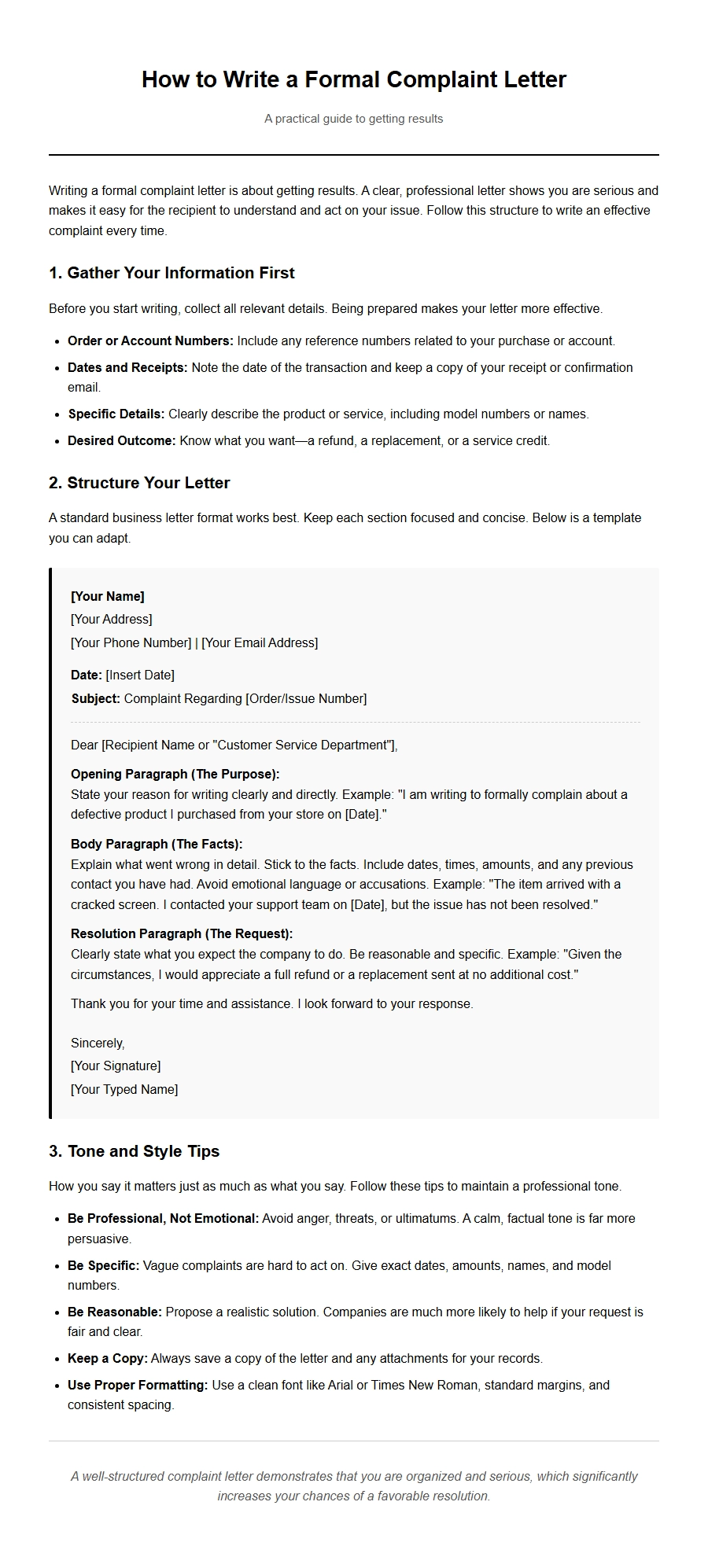 How to Write a Formal Complaint Letter
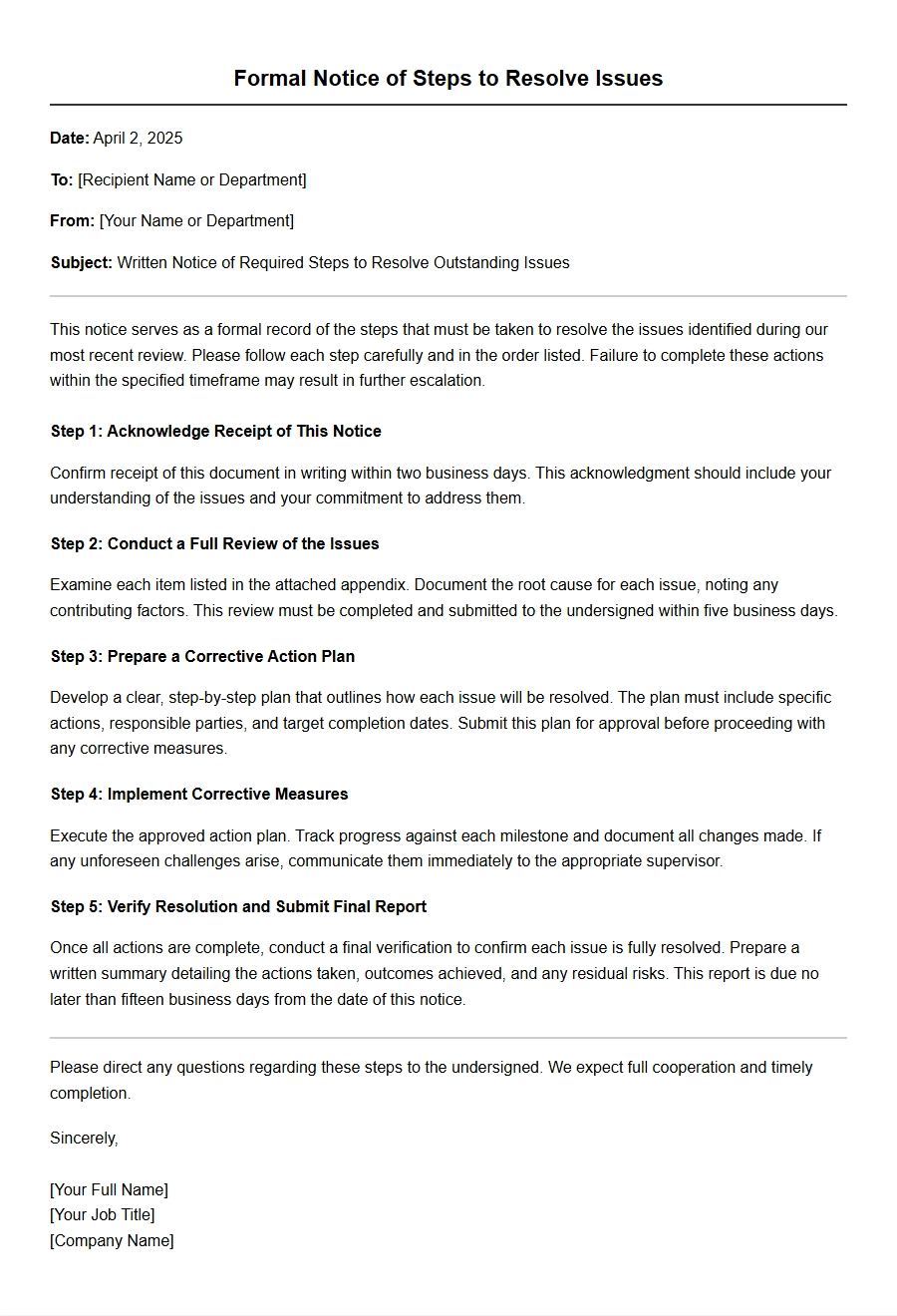 Steps to Resolve Issues via Written Notice
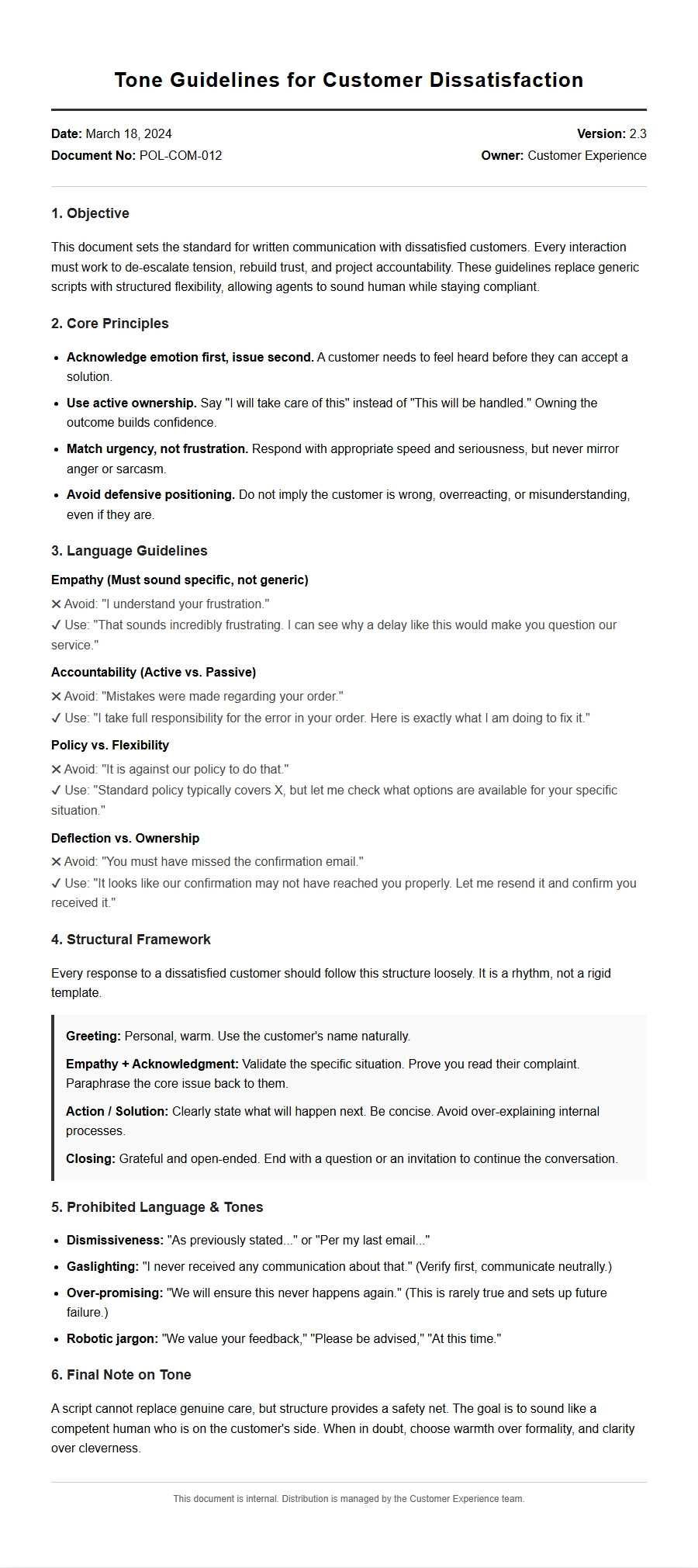 Tone Guidelines for Dissatisfied Customer Letters
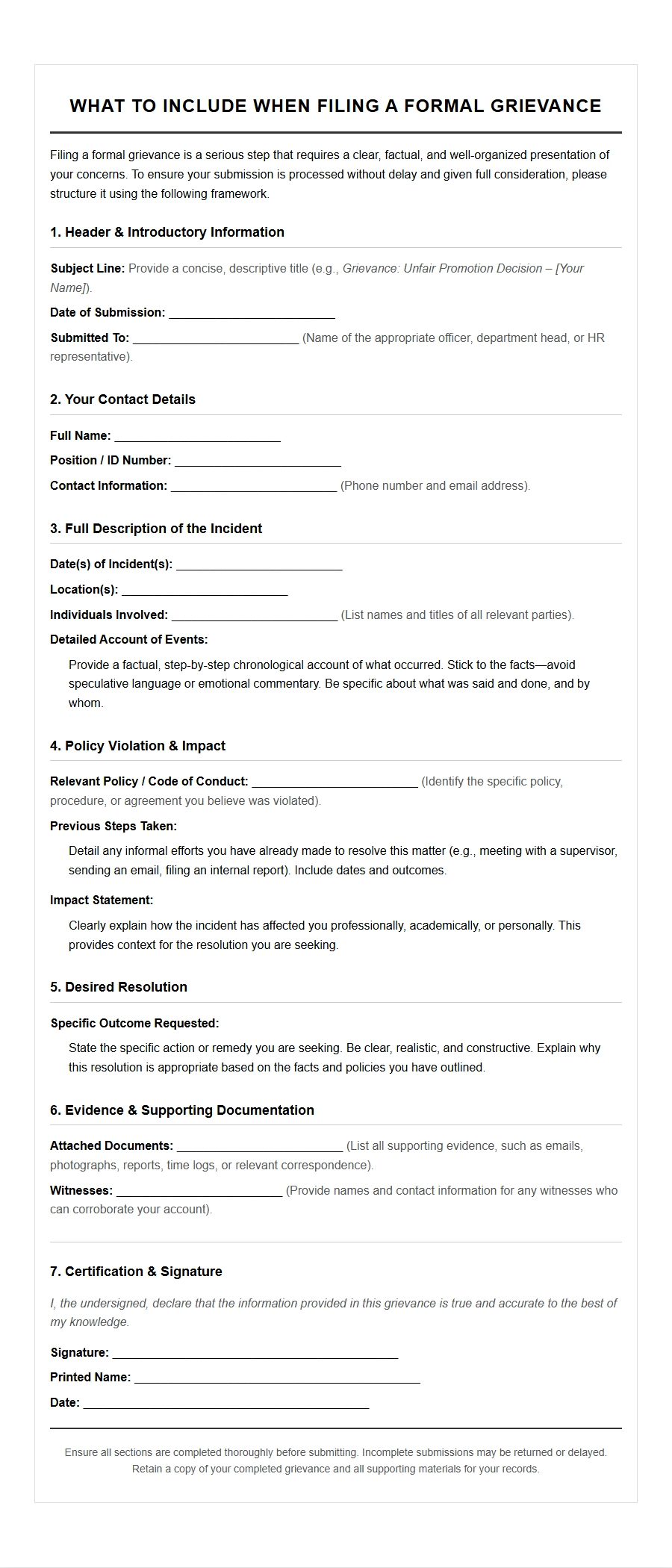 What to Include in a Formal Grievance Letter
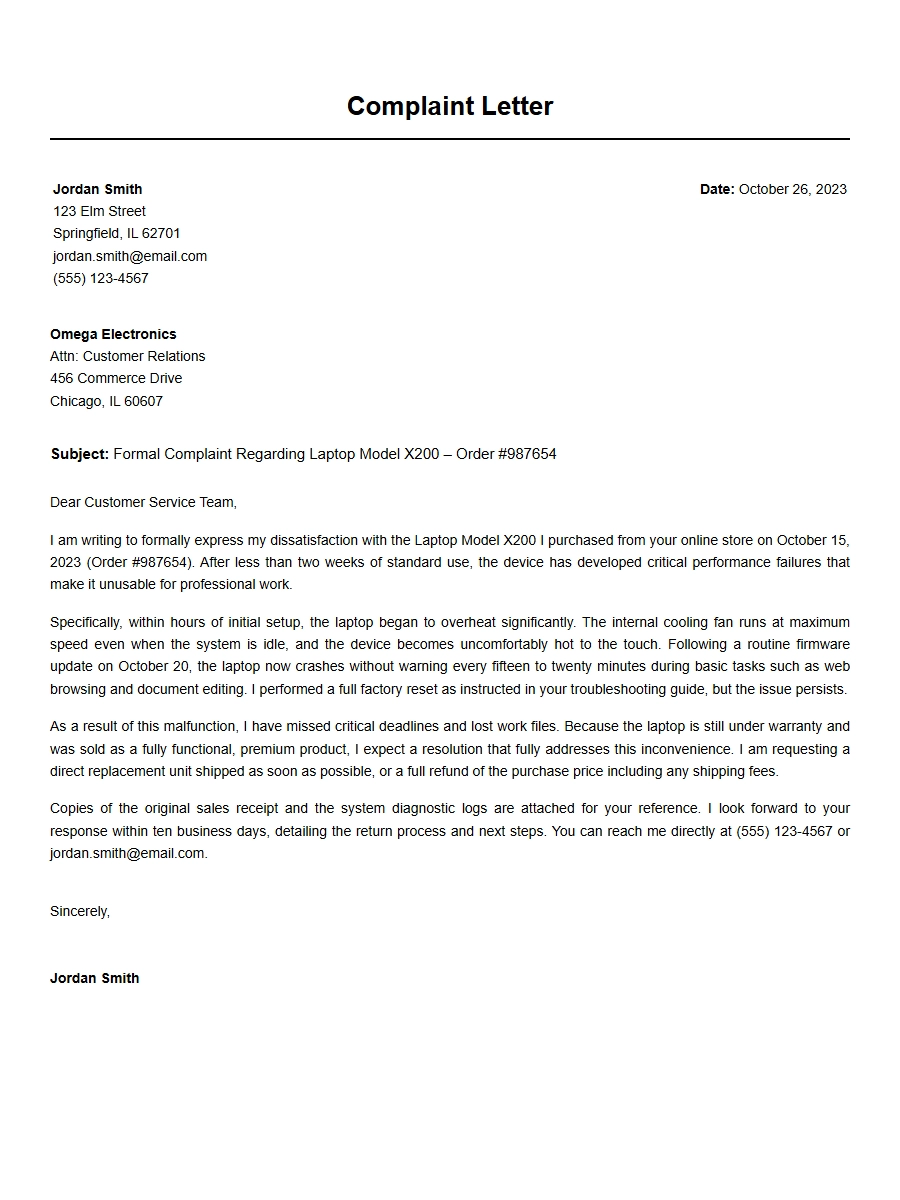 Structure of an Effective Complaint Letter
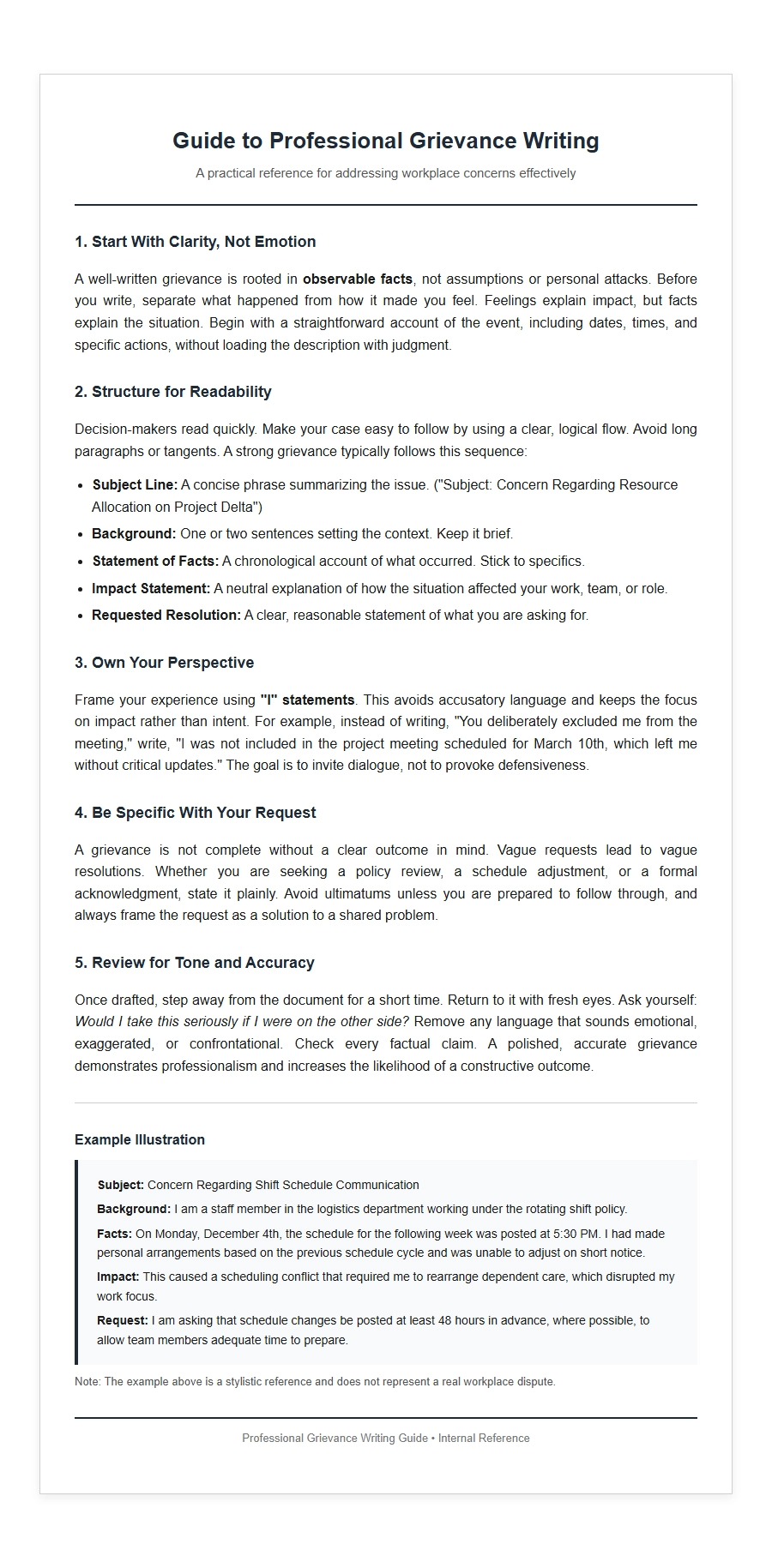 Best Practices for Writing Professional Grievance Letters