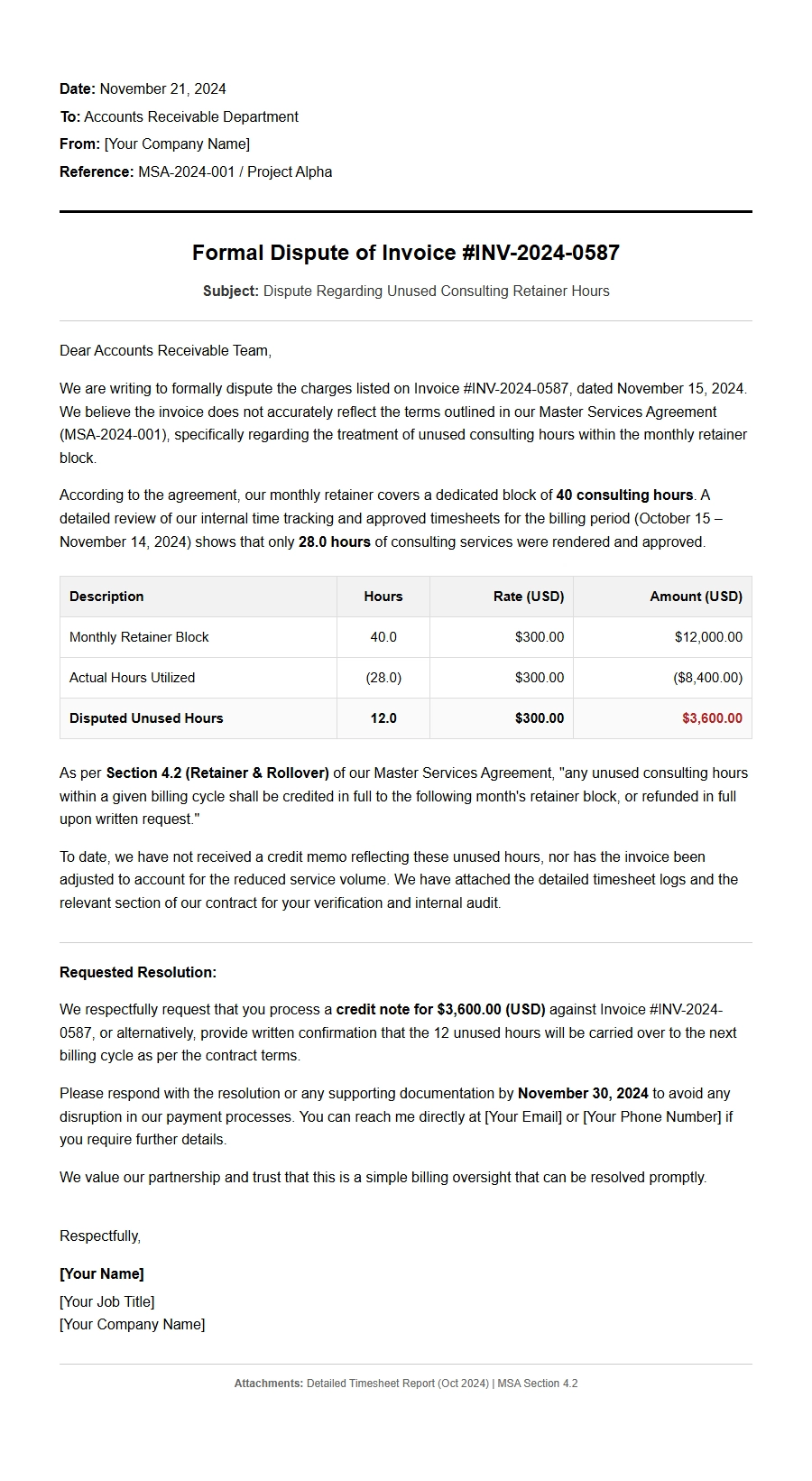
Dispute Invoice Charges for Unused Consulting Hours
You paid for a block of consulting hours expecting to use them all. Now you've got an invoice for charges you don't agree with, or you're being billed for time that wasn't used. It’s frustrating, especially when you needed those hours for a specific project that got cut short.
It's not "cheating" to use a sample letter when you need to dispute invoice charges for unused consulting hours. You're not being lazy. You're being smart with your time. A good sample gives you the letter structure, the right tone in writing, and the key phrases you need. All that's left is adding your specific details. That's just efficient professional correspondence.
Category: Dispute Letters | Business Correspondence
What does "unused consulting hours" really mean?
Sometimes a consulting agreement lets you buy hours in advance at a discount. Other times, you prepay a retainer. If you didn't use all those hours and the consultant still sends a bill for the full amount, you have a valid reason to question it. You're essentially being asked to pay for work that wasn't done. That's the core issue to address in your letter.
When would you use this kind of letter?
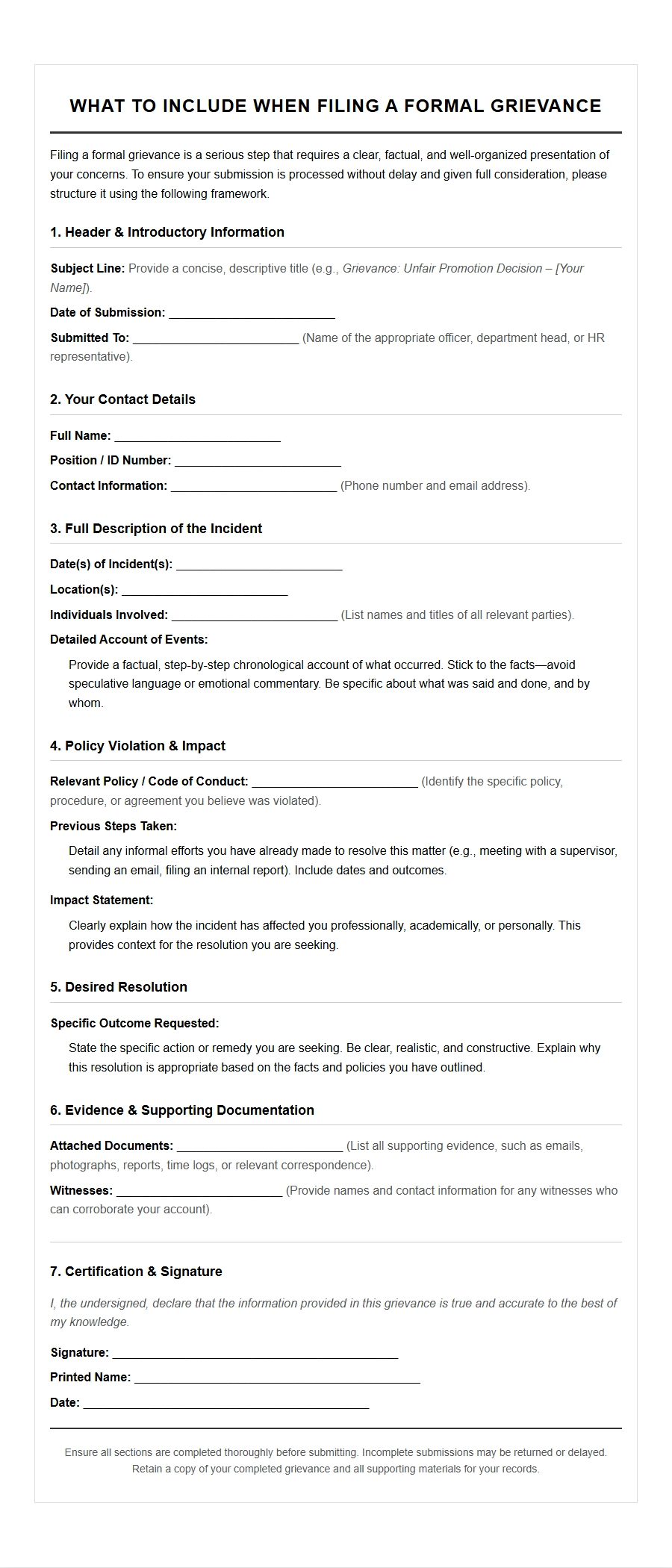
You'd write this after you've already tried a quick email or phone call. Maybe the consultant says, "Those hours expired," even though your contract didn't mention an expiration date. Or perhaps the project scope changed and you no longer need the remaining time. A formal letter shows you're serious and gives you a paper trail. This is a specific type of grievance that can be part of a formal dispute process, similar to what you'd include when you're filing a formal grievance complaint letter.
How to write your dispute letter (step by step)
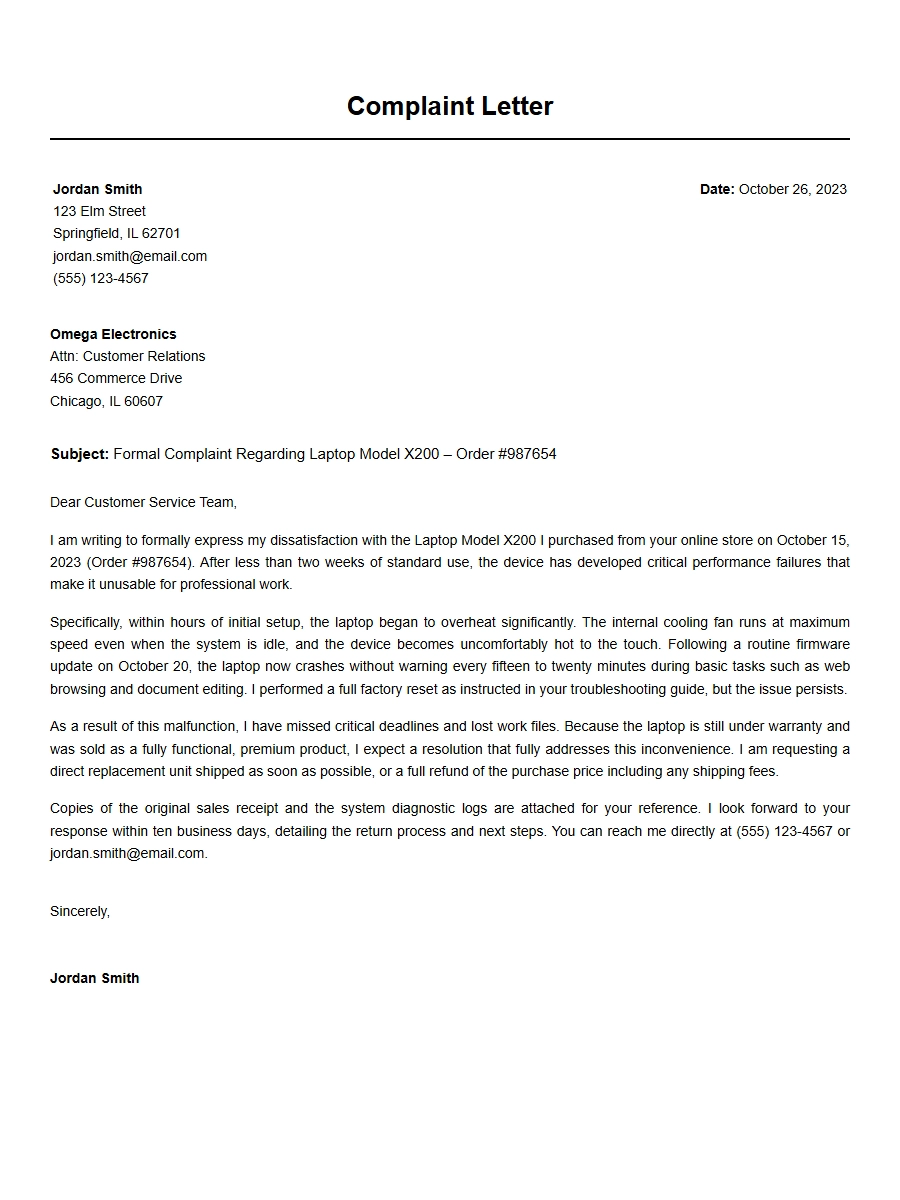
Start by finding a customizable letter sample that matches your situation. Don't grab a generic complaint letter if yours is about consulting hours. Look for something with the right business letter format. You want a standard letterhead design at the top or a clear digital letter format for email. Mixing formats can look sloppy.
Adapt the sample to your voice. If you're usually direct, keep it direct. If you're more formal at work, that's fine too. The sample should give you a skeleton, not a straitjacket. Stiff, robotic language hurts your credibility. Ever received a letter that felt too stiff or too casual? Find the middle ground.
Tailor the opening paragraph to grab attention. Don't start with "I am writing to you today regarding..." Instead, say something like, "I received invoice #1234 for consulting hours, but I believe there's an error. My contract states prepaid hours don't expire, and I have 10 hours remaining." That's clear and direct. It immediately addresses the dispute.
Include the key details: your contract number, invoice number, dates of service, and the specific amount you're disputing. Explain why the charges are incorrect. Reference the relevant clause in your agreement. If you have emails or notes supporting your case, mention them and offer to send copies. For a situation that needs faster action, you might want to send an urgent demand letter for immediate resolution.
Common mistakes to avoid
Using outdated salutation and closing like "Dear Sir" or "To Whom It May Concern" when you know the person's name. That's bad letter writing etiquette. If you don't know who handles billing, call and ask first. A simple "Dear Ms. Johnson" works.
Ignoring the format for email versus a printed letter. Email should have a clear subject line, a polite greeting, and your contact info in the signature. Don't attach a PDF without explaining in the body what it is. For a printed letter, use a standard business letter format with your address, date, and their address. Keep it simple.
Not proofreading your letter before sending. A typo in an amount or date makes you look careless. Read it out loud. Have a colleague glance at it. Small errors can undermine a solid argument.
Adapting the tone and focus
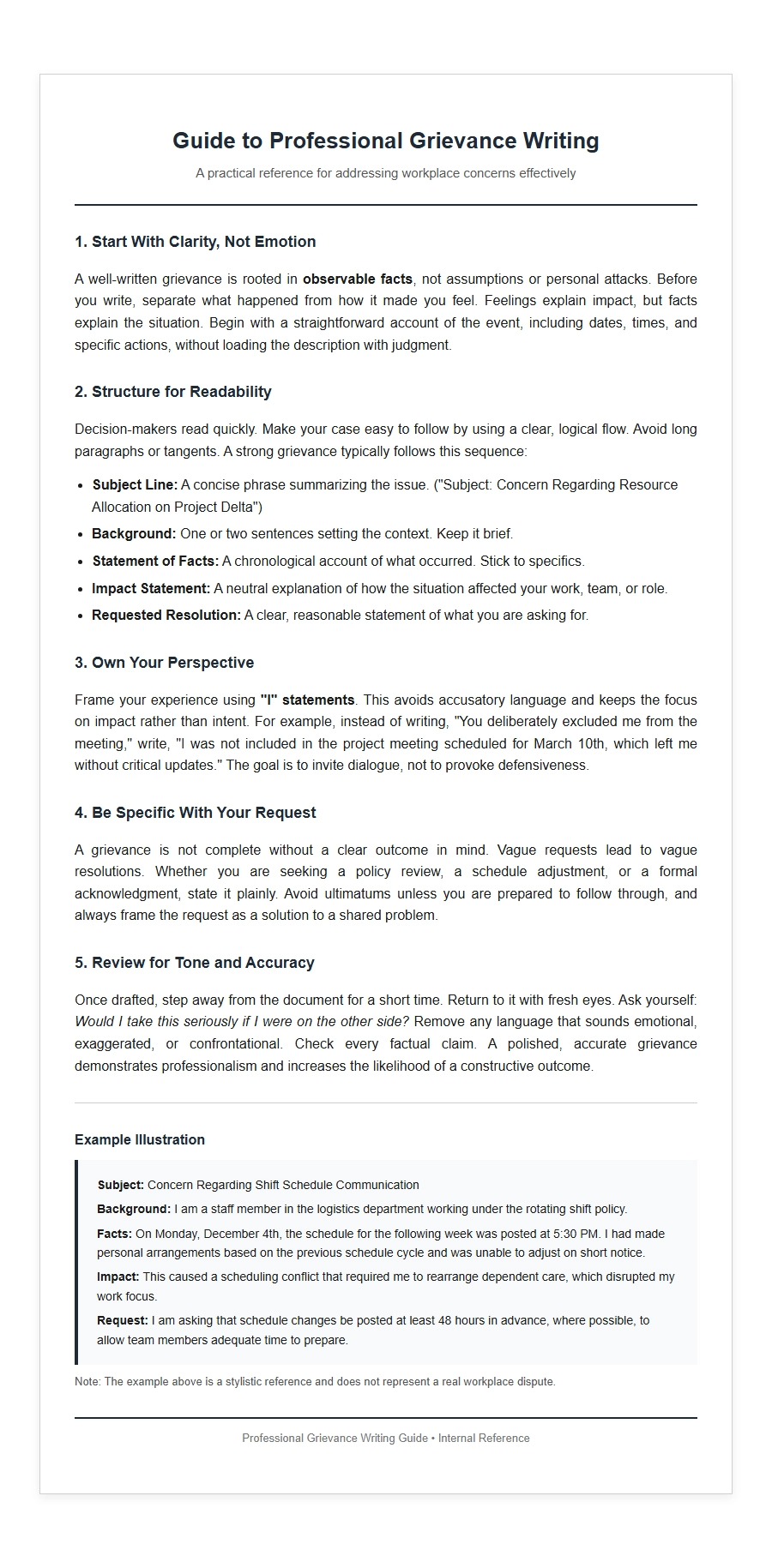
Stay factual. Don't get emotional or accusatory. Stick to "The contract states X, and the invoice shows Y, which doesn't match." That's harder to argue with than "You're overcharging me." Think of it like formal writing tips for a clear, calm dispute. You're not writing a letter of recommendation or a cover letter example, so keep the tone neutral and professional. It's closer to notifying a landlord of unsafe conditions in its seriousness.
Why a sample helps you, not hurts you
Letter templates save you from reinventing the wheel. You don't need to wonder about what to include or how to structure it. The hard part is already done. You just need to fill in the specifics about your consulting agreement and the disputed charges. That leaves you more energy to get the facts straight.
Think of the sample as a starting point. It handles the letter structure, the opening, and the closing. You handle the details that make it your own. That balance between efficiency and personalization is what makes a good professional correspondence work. Even something like writing to a government body, such as reporting public park vandalism to municipal council, benefits from the same structured approach.
What to do after you send the letter
Keep a copy for your records. Note the date you sent it and the method. If you don't get a response in a reasonable time (say, two weeks), follow up. A polite email or phone call asking if they received your letter keeps things moving. If the dispute drags on, you'll appreciate having a clear paper trail. This is a skill you'll use again, especially if you need to raise issues with other organizations, like notifying a school board of facility safety hazards.
Use the sample as a springboard, not a crutch. The best letters feel both professional and personal. Practice makes this process faster. The second time you need to dispute an invoice, you'll have your own custom template ready to go. That's the goal—not just solving today's problem, but getting better at handling the next one.
Helpful Examples
Dispute Invoice Charges for Unused Consulting Hours
Dispute Over Billed Hours After Project Termination
Date: March 10, 2025
Invoice #: INV-7843
Amount Disputed: $3,200.00
Dear Billing Department,
We received invoice INV-7843 covering 40 consulting hours for the month of February. However, our engagement was terminated effective February 15th. Per the termination clause, only hours worked up to that date are billable. The invoice includes 20 hours (totaling $1,600) that were never used or scheduled after termination.
Below is a breakdown of the disputed charges:
20 unused consulting hours at $160/hour = $1,600.00
Project termination date: February 15, 2025
Hours worked before termination: 20 (not disputed)
We request a corrected invoice reflecting only the 20 hours actually provided. A refund of $1,600 is expected. Please adjust or provide a revised invoice within 10 business days.
Sincerely, Jane Doe Accounts Payable, Acme Corp
Cancelled Sessions Still Billed
Invoice #: 9921-CONS
Date: January 5, 2025
Disputed Charge: $900.00
Dear Consultant,
I am writing to dispute a charge on your latest invoice. On December 20, I cancelled three consulting sessions scheduled for December 27, 28, and 29. I received confirmation of cancellation via email. Despite this, invoice #9921-CONS lists 6 hours for those sessions at $150/hour totaling $900.
The disputed items are:
Date
Hours
Rate
Amount
Dec 27
2
$150
$300
Dec 28
2
$150
$300
Dec 29
2
$150
$300
Our contract allows cancellation with 24-hour notice without charge. Please remove these charges and issue a corrected invoice. I have attached the cancellation confirmation for reference.
Thank you, Mark Roberts Project Lead
Retainer Hours Not Drawn Down Yet Charged
Invoice #: RET-2025-04
Date: April 1, 2025
Amount Disputed: $5,000.00
Dear Consulting Firm,
Our agreement states that a $5,000 monthly retainer covers up to 20 hours of consulting. Hours not used are carried forward or refunded at year-end. However, invoice RET-2025-04 charges the full retainer for March, even though we used only 5 hours. The remaining 15 hours ($3,750 of the retainer) were not utilized and should not be billed again under the same retainer model.
Usage Breakdown for March:
Retainer paid: $5,000 (20 hours)
Hours used: 5
Unused hours: 15 (value $3,750)
Contract clause: Unused hours carry forward or can be refunded upon request
Please either credit the unused hours to April’s retainer or issue a refund of $3,750. I request a corrected invoice reflecting only the hours actually consumed.
Best regards, Sarah Chen Finance Manager
Minimum Hours Clause Enforcement Dispute
Invoice #: MIN-1234
Date: February 28, 2025
Amount Disputed: $2,400.00
Dear Billing,
Invoice MIN-1234 charges a minimum of 20 consulting hours per month at $120/hour, despite no work being performed in February. Our contract includes a minimum hours clause only if we request services; we did not request any consulting hours for February. The 20 hours ($2,400) were never scheduled or used.
We were under the impression the minimum applied only to months with active engagement. Please clarify the contract clause. In the meantime, we dispute the entire $2,400 charge and request an invoice adjustment or supporting documentation showing we approved a monthly minimum.
We look forward to resolving this promptly.
Yours, Tom Ward CEO, Startup Inc.
Double Billing for Unused Hours
Invoice #: DBL-775
Date: March 15, 2025
Disputed Amount: $1,200.00
Dear Accounts,
I have identified a duplicate charge on our March invoice. Invoice DBL-775 lists two line items for “Unused consulting hours – January balance” each for 5 hours at $120/hour ($600 each) totaling $1,200. However, only one such balance existed. The unused hours from January were already billed and paid in February.
Disputed line items:
Description
Hours
Rate
Amount
Unused hours Jan (duplicate 1)
5
$120
$600
Unused hours Jan (duplicate 2)
5
$120
$600
Please remove the duplicate entry and credit $600. I can provide our previous invoice for verification. Thank you for correcting this error.
Regards, Mike Liu Procurement Officer
Charges for Hours Never Scheduled
Invoice #: NS-5647
Date: March 22, 2025
Disputed Charge: $1,750.00
Dear Consultant,
Your invoice includes 14 consulting hours ($125/hour) for “Strategic Planning sessions” on March 10 and 12. These sessions were never scheduled. I have reviewed my calendar and emails; no meeting invites were sent. The hours appear to be a billing error.
Details of disputed hours:
March 10: 7 hours – No appointment found
March 12: 7 hours – No appointment found
Total: $1,750
I request you verify your records and provide proof of scheduling or cancel these charges. A corrected invoice is expected within 5 days.
Thank you, Emily Zhang VP Operations
Preparatory Time Billed for Canceled Meeting
Invoice #: PREP-334
Date: April 5, 2025
Disputed Charge: $400.00
Dear Billing Team,
Invoice PREP-334 includes a charge of $400 for 2 hours of preparatory work for a consulting session scheduled on March 30. That session was canceled by you on March 29 (less than 24 hours notice). According to our contract, no charges apply for prep time if the session is canceled by the consultant. However, the invoice states “Prep for Mar 30 meeting – 2 hours.”
We disagree with this charge. The session never took place, and the cancellation was not our fault. Please remove the $400 line item and reissue the invoice. I have attached the cancellation email for reference.
Disputed item:
Preparation for canceled meeting (Mar 30): 2 hrs x $200 = $400
Awaiting your adjustment.
Sincerely, Anna Kim Program Manager
Unused Hours Refund Request per Contract
Invoice #: REF-2025-09
Date: April 10, 2025
Amount Disputed: $2,800.00
Dear Consultant,
Our contract (Section 7) states that any prepaid consulting hours not used within 90 days are refundable upon request. Our last prepayment of $5,600 covered 40 hours in January. As of April 9, only 20 hours have been used. The remaining 20 hours ($2,800) are now beyond the 90-day window, and we request a refund per the contract.
Usage summary:
Prepayment Date
Total Hours
Used
Unused
Value
Jan 10, 2025
40
20
20
$2,800
Please process a refund of $2,800 or apply the hours as a credit to future invoices. We expect a corrected invoice and confirmation within 10 business days.
Best, David Morse CFO, BrightTech
Invoice Includes Hours From Different Project
Invoice #: PROJ-MIX-01
Date: March 30, 2025
Disputed Charge: $1,600.00
Dear Billing Team,
Invoice PROJ-MIX-01 lists 10 consulting hours for “Project Alpha” at $160/hour, totaling $1,600. However, these hours belong to a separate engagement – Project Beta – which is billed under a different contract. The hours for Project Alpha were fully used and paid in February.
Discrepancy:
Project Alpha (this invoice): 10 hours billed – not ours
Actual Project Alpha hours used in Feb: 20 hours (already paid)
Project Beta hours (unused) should be $0 on this invoice
Please remove the $1,600 charge and issue a corrected invoice. If you need breakdowns of hours per project, I can provide them.
Thank you, Linda Okafor Contract Manager
Monthly Retainer Billed After Engagement Ended
Invoice #: RET-END-567
Date: May 1, 2025
Disputed Amount: $4,000.00
Dear Consultant,
Our consulting engagement ended effective April 15, 2025. Yet invoice RET-END-567 charges a full monthly retainer of $4,000 for April. We should only be billed for the 15 days of service, i.e., $2,000. The remaining $2,000 represents unused consulting hours for the second half of April, which we never authorized.
Breakdown of disputed charge:
Full retainer billed: $4,000 (20 hours)
Days in April engagement: 15/30 days
Pro-rated retainer : $2,000 (10 hours)
Disputed unused portion: $2,000 (10 hours)
Please adjust the invoice to reflect only the pro-rated retainer of $2,000. A corrected invoice would be appreciated.
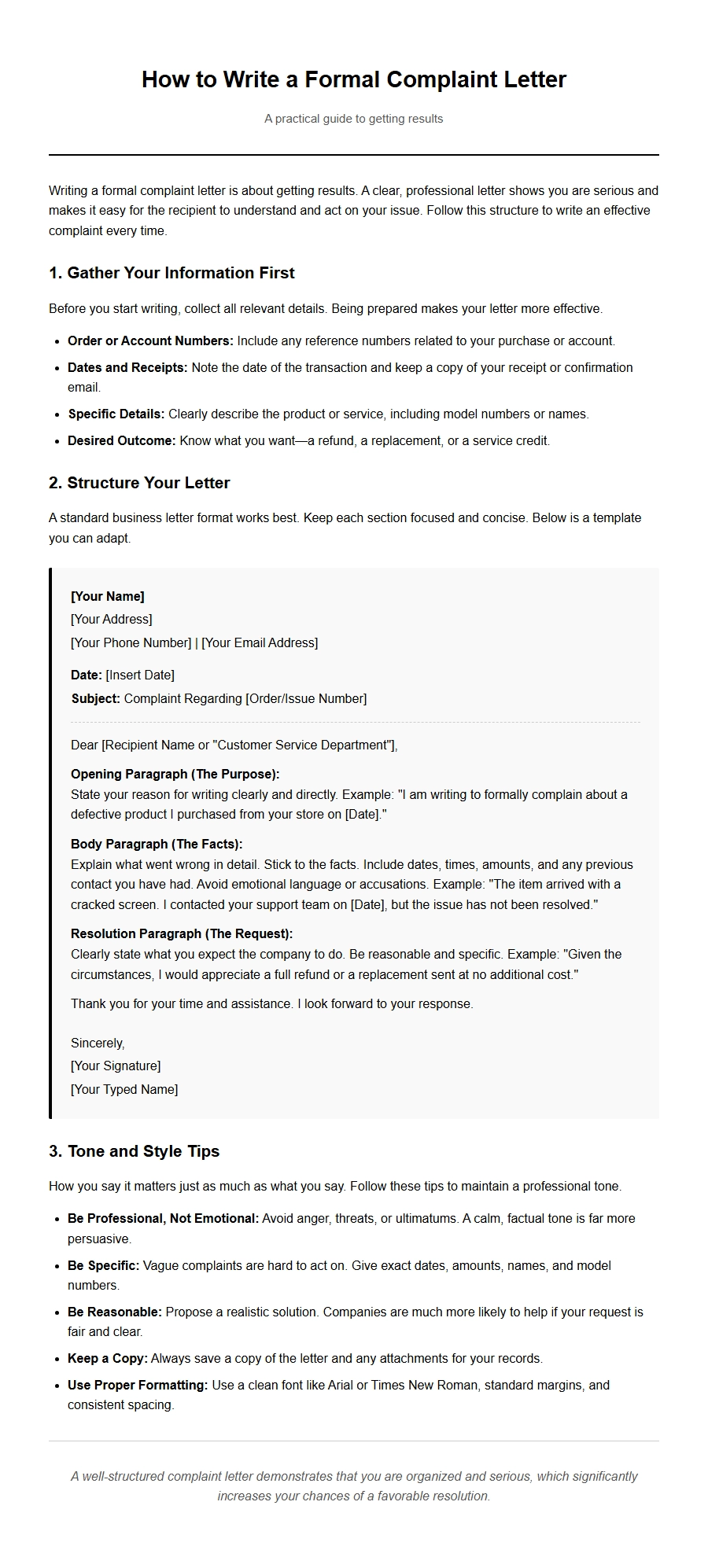 How to Write a Formal Complaint Letter
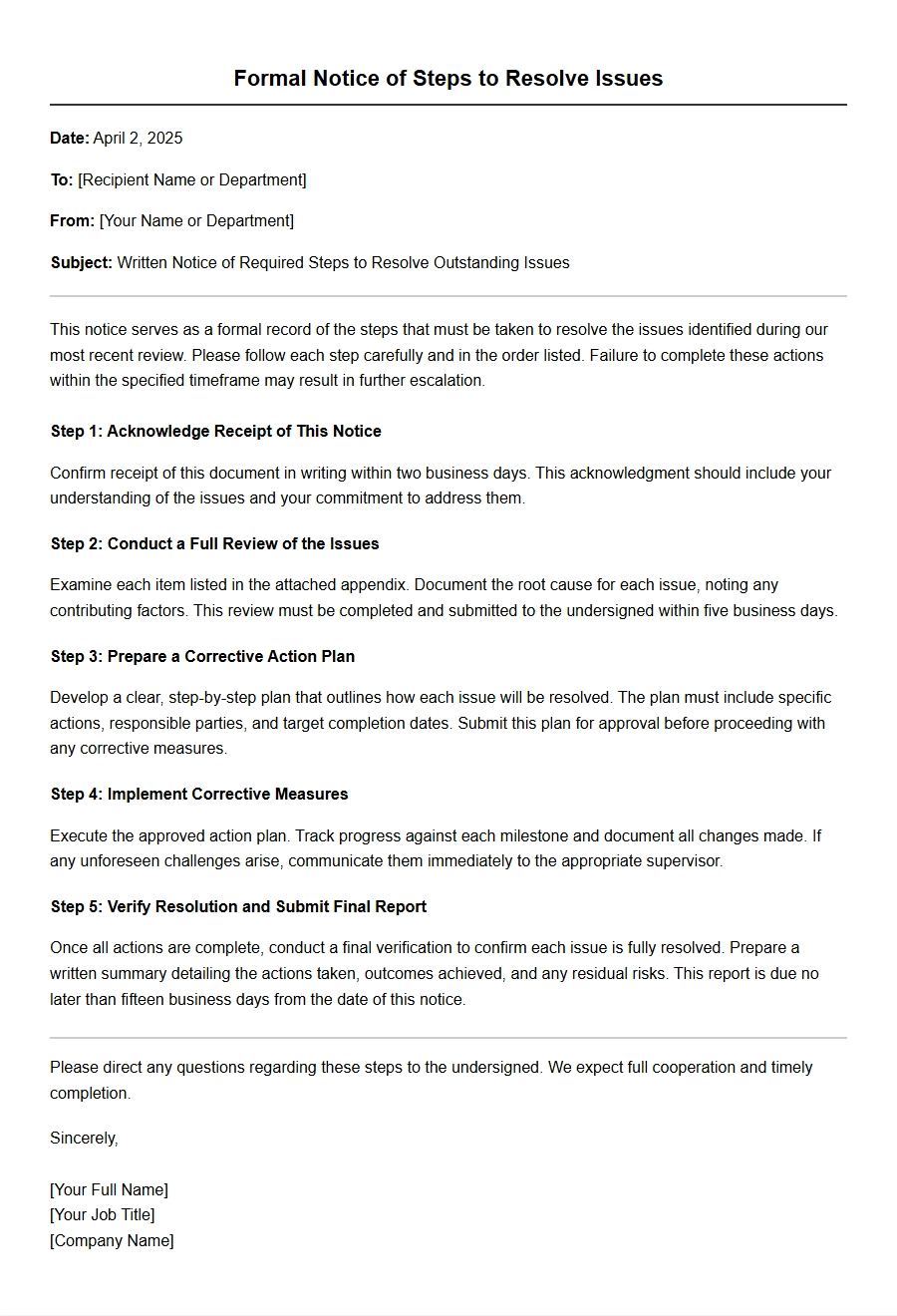 Steps to Resolve Issues via Written Notice
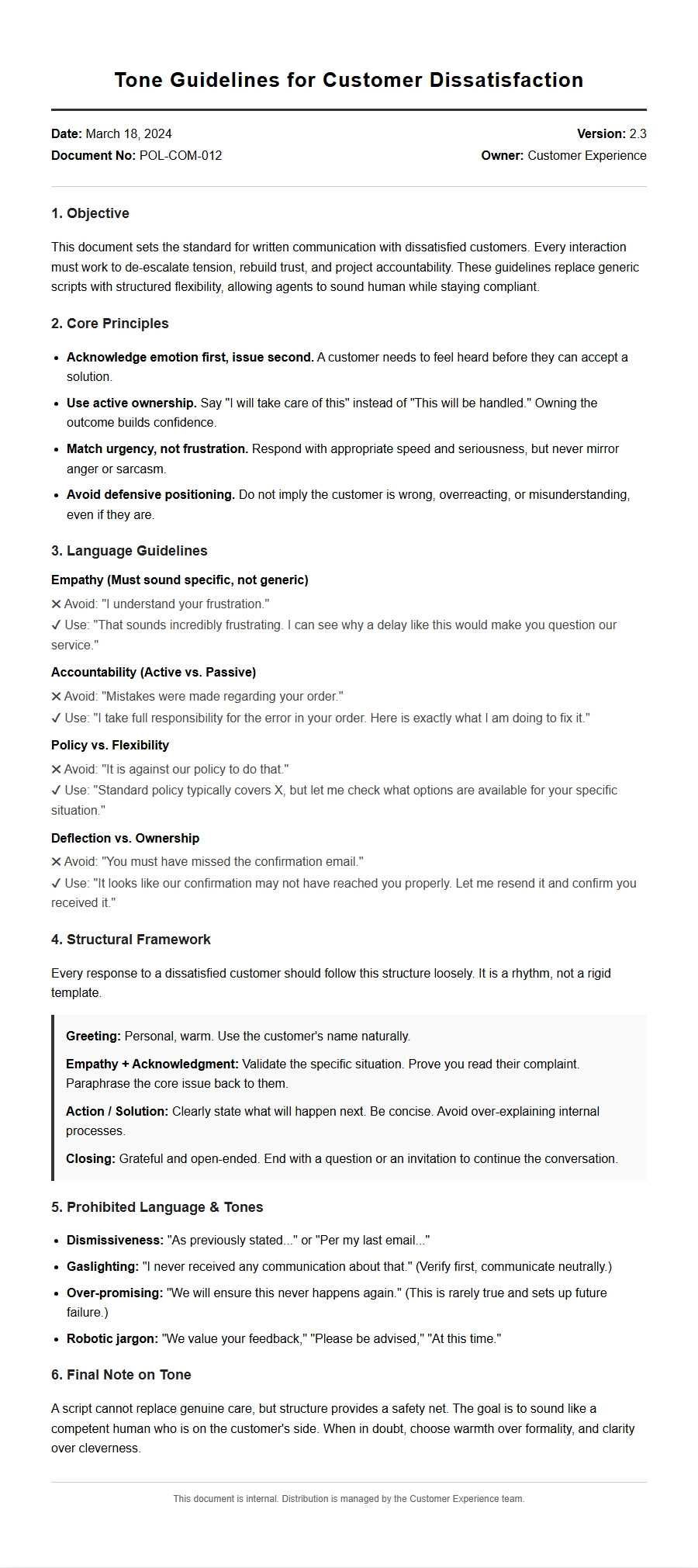 Tone Guidelines for Dissatisfied Customer Letters
 What to Include in a Formal Grievance Letter
 Structure of an Effective Complaint Letter
 Best Practices for Writing Professional Grievance Letters