You’re sitting down to write a sympathy letter for someone you’ve known for years—a long-term friend, a former colleague, a close neighbor. The relationship has history. And that’s exactly what makes the blank page so hard. You don’t want to sound generic. You want the letter to reflect the years of connection, not just a few polite sentences. A solid sympathy letter structure for a long relationship helps you get past that paralysis without losing the warmth that makes your words matter.
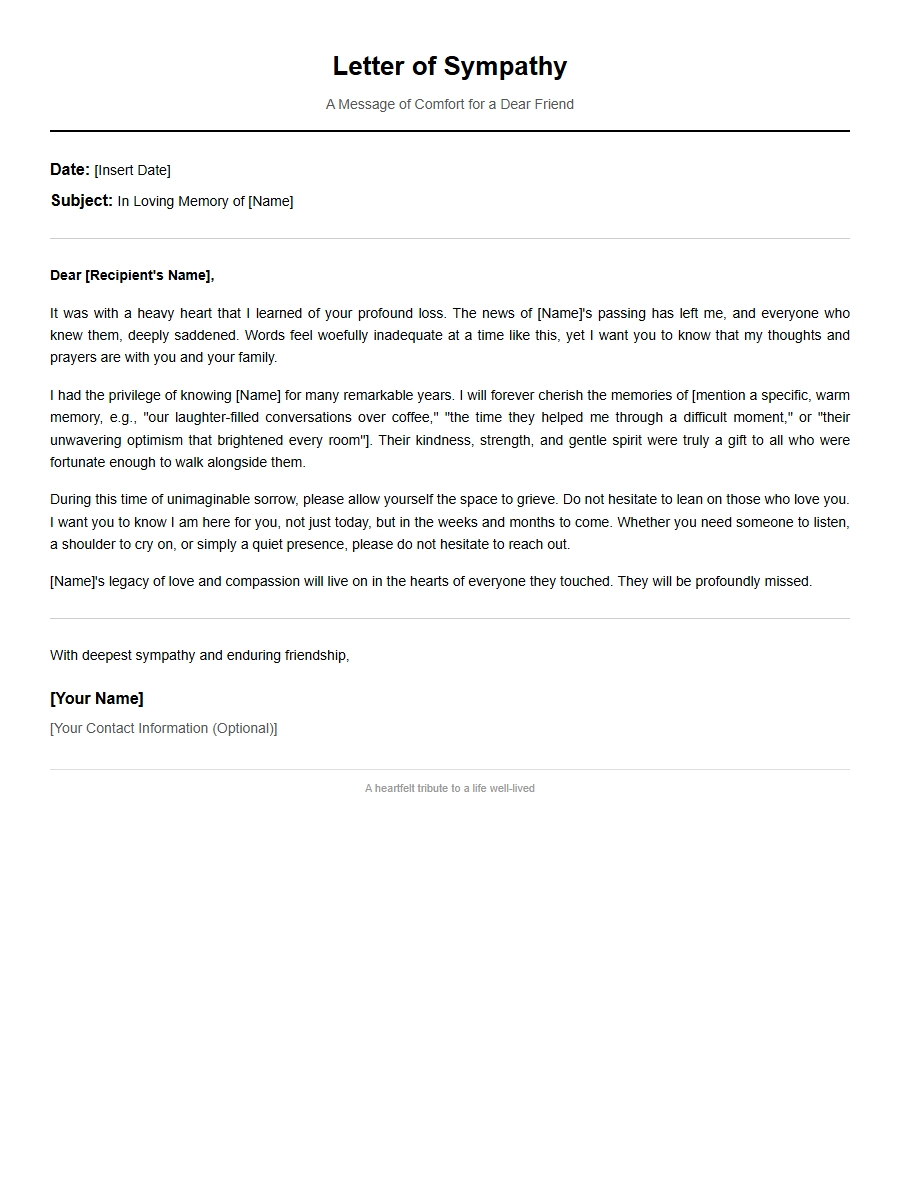
A letter sample isn’t a shortcut. It’s a starting point. It gives you a framework so you don’t have to invent the entire thing from scratch. You take the structure—the salutation, the opening, the body, the closing—and fill it with your own memories and voice. That’s not cheating. That’s professional correspondence done right. The best formal writing tips I can offer: use a sample as your blueprint, then make it sound like you.
Whether you’re writing a sympathy letter or a letter of recommendation, the principles are similar. You need a clear letter structure. You need to match the tone in writing to the relationship. And you need to avoid the kind of clunky phrasing that makes a reader pause. Let’s walk through how to do that when the relationship is long and the loss is real.
Why a long relationship changes the letter
When you’ve known someone for years, your note should carry that weight. A short, generic sentence like “I’m sorry for your loss” feels hollow when you’ve shared holidays, work projects, or quiet cups of coffee. The reader needs to feel the history. That’s where the sympathy letter structure for a long relationship comes in: it forces you to include a memory, a shared moment, something specific to your connection.
Start with the salutation. Use the name you normally use. If you’ve always called them “Mike,” don’t suddenly write “Mr. Johnson.” Keep it natural. Then open with a direct acknowledgment of the loss. Something simple: “I was so sad to hear about Diane.” That’s it. No long lead-in. You can then immediately pivot to a memory. “I keep thinking about that summer we all spent at the lake house.” That one sentence does more than any formal condolence message could.
How to adapt a sample without sounding fake
Here’s where people get stuck. They find a letter template and copy it word for word. That’s a mistake. The template is your skeleton. You add the flesh. Take the business letter format from a sample—yes, even personal letters benefit from a clear structure—and replace the generic lines with your own details.
For example, a standard sample might say: “Your loved one will be deeply missed.” That’s fine, but you can make it stronger: “I’ll miss the way Tom could make anyone laugh during a tough meeting.” That’s specific. That’s real. That’s a long relationship speaking.
A quick tip on tailoring the opening paragraph: grab attention by naming the relationship. “We’ve been friends for over twenty years.” That sets the stage for everything that follows. It tells the reader, “This isn’t a form letter. This is from someone who knows.”
Mistakes to avoid when writing from a sample
One common error is using outdated salutations. “To whom it may concern” has no place in a sympathy letter. Neither does “Dear Sir or Madam.” You know this person. Use their name. If you’re sending the letter via email, the digital letter format is simpler—no need for a formal letterhead design, just a clean subject line like “Thinking of you.”
Another mistake is ignoring the format. A printed letter on nice paper feels different than an email. If you’re mailing it, use a proper salutation and closing—something like “With deepest sympathy” or “With love.” If it’s digital, you can be slightly more casual, but still respectful.
Don’t forget to proofread. A typo in a sympathy letter hurts. It distracts. Read it out loud before you send it. That’s the best proofreading letter advice I can give.
What to include in the body of the letter
The body is where you show the relationship. For a long-term connection, include one or two specific memories. Mention a quality you admired. “She was the most generous person I’ve ever known.” That’s better than “She was a good person.” Be specific about how they helped you or others. “He stayed late to help me prepare for that big presentation.” That kind of detail makes the letter stand out.
If you’re not sure what to say, think about a moment that captures the person’s character. You don’t need a long story. A sentence or two is enough. The key is to make the reader feel seen. A formal condolences message for a business partner might lean more on professional respect, while a friend gets a warmer tone. Match the tone in writing to the actual relationship, not to what you think a letter “should” sound like.
If the person was a caregiver for a long time, or if the loss came after a prolonged illness, you can acknowledge that too. Examples of supportive notes for caregiver burnout show that you see the full picture. A simple line like “I know the last few years were hard, and you were so strong through it all” can mean a lot.
Should you offer help in the letter?
Yes, but be specific. “Let me know if you need anything” is too vague. Instead, say “I’ll bring dinner on Thursday” or “Can I pick up the kids from school this week?” That’s actionable. How to offer help in a condolence letter comes down to one rule: if you offer, mean it, and be specific.
You can also mention that you’re there to talk. “If you ever want to share stories about her, I’d love to listen.” That’s a gift for someone grieving a long relationship—the chance to keep the person alive through conversation.
Closing the letter with care
End with a line that matches your relationship. “With deepest sympathy” works for almost anyone. “With love and memories” fits a close friend. “Thinking of you” is safe for a colleague. Avoid anything that sounds like a business closing. You’re not signing off a quarterly report.
If the person was a business partner or client, you might want a more formal approach. A sample letter for loss of an ex-spouse or connection can guide you if the relationship is complicated. The same structure applies, but the tone shifts to reflect that nuance.
For those who prefer a faith-based note, a religious condolence letter example can help you find the right words. The key is to know your audience. If the person is religious, a prayer or scripture reference can be comforting. If they’re not, keep it secular.
The best sympathy letters feel both professional and personal. They follow a structure, but they breathe with real emotion. Use the sample as your framework. Fill it with your memories. And don’t overthink it. The fact that you’re writing at all says more than any perfect sentence ever could.
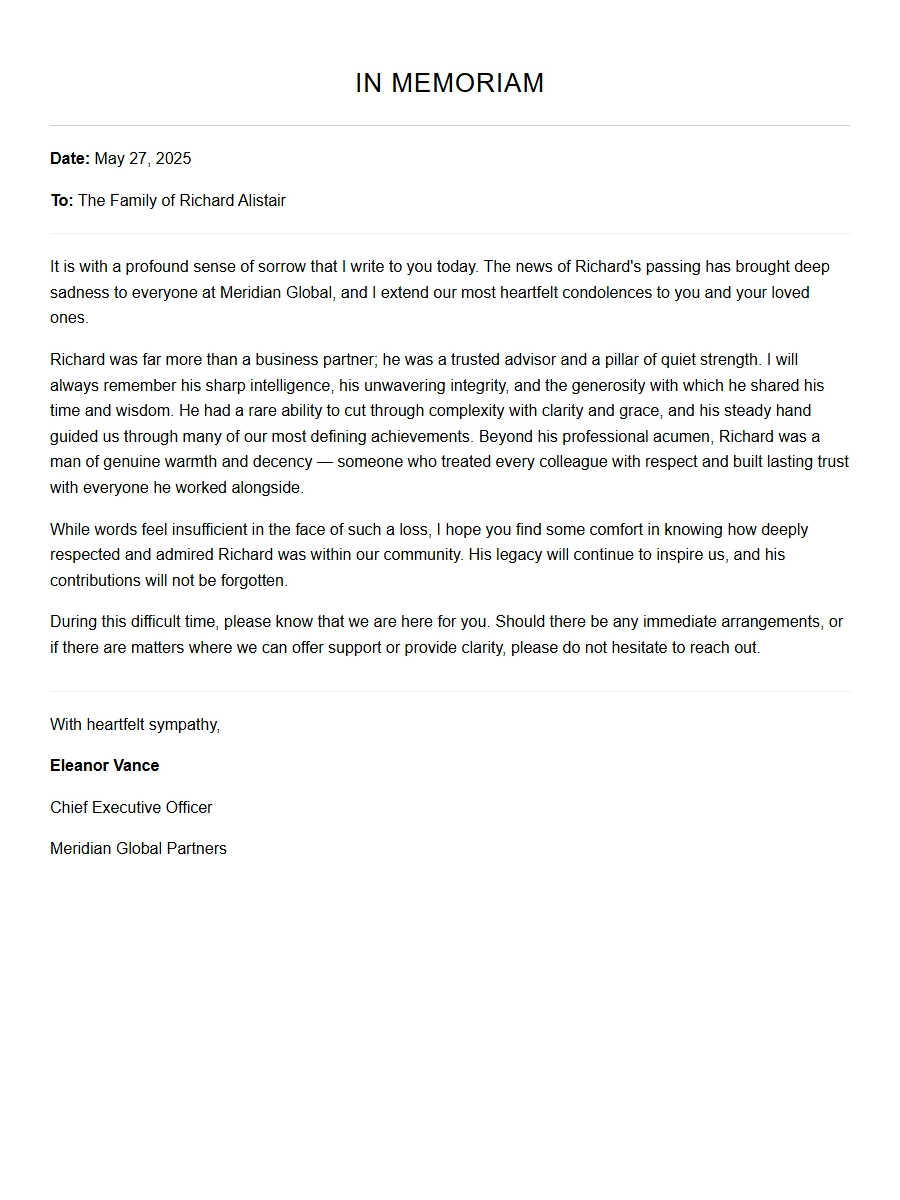 Formal Condolence Message for a Business Partner
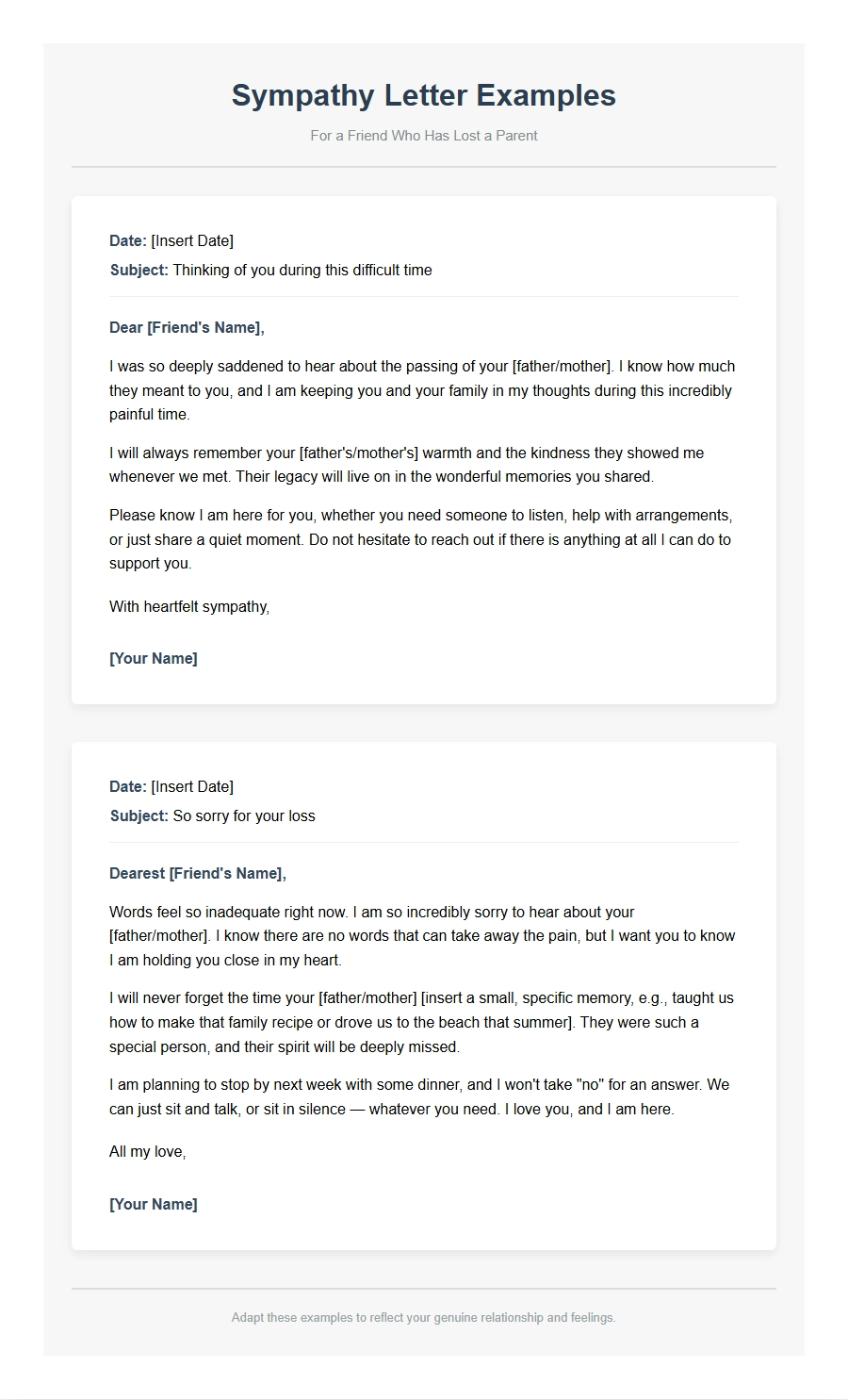 Sympathy Letter Examples for a Friend Who Lost a Parent
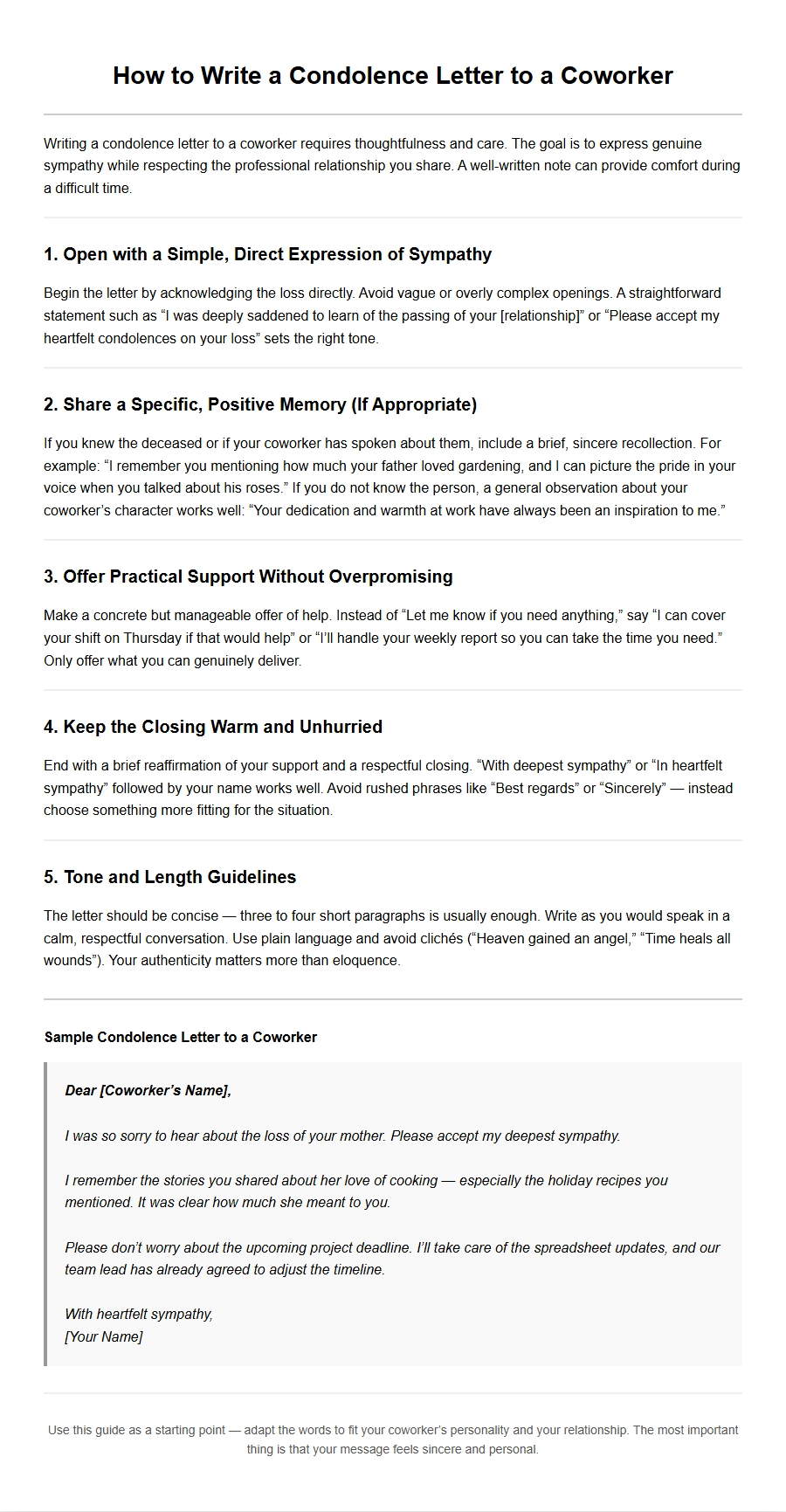 How to Write a Condolence Letter to a Coworker
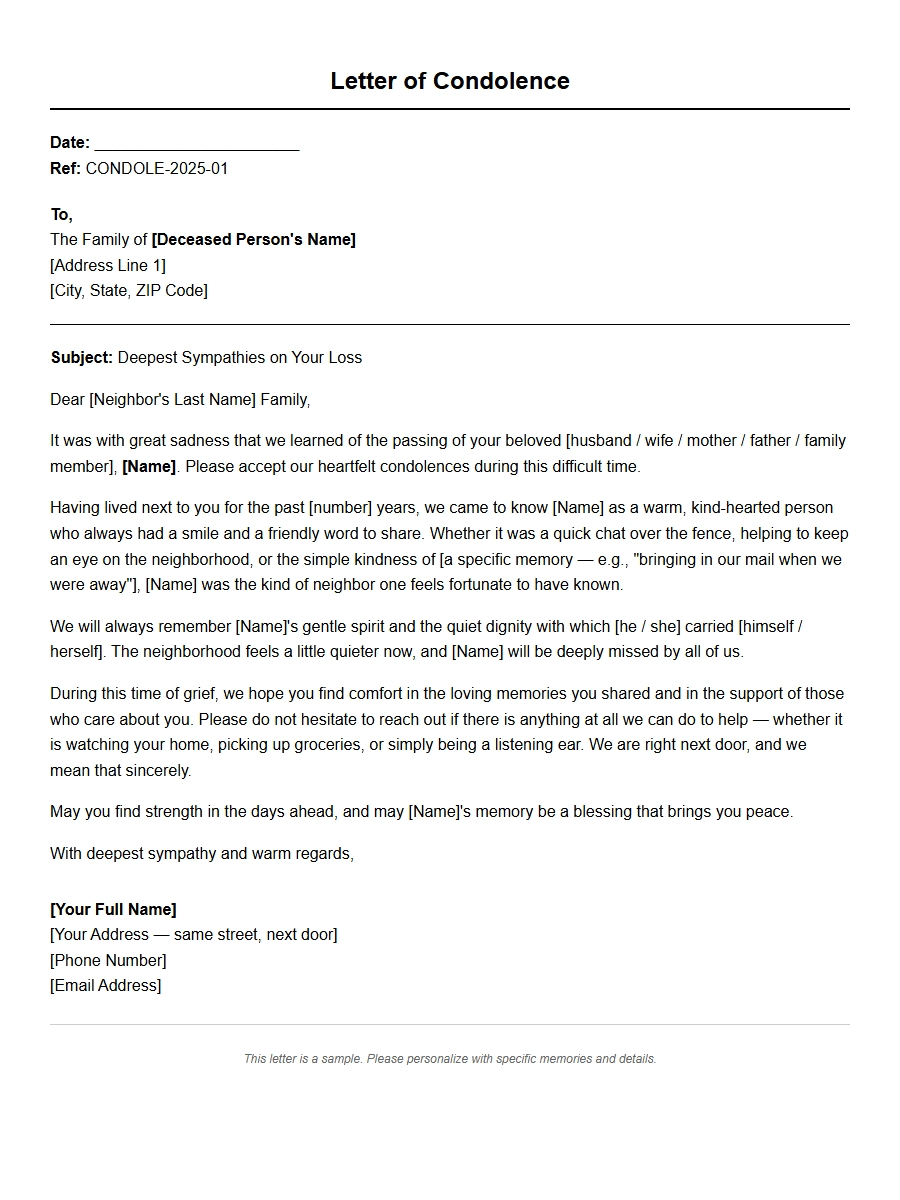 Condolence Letter Sample for a Neighbor
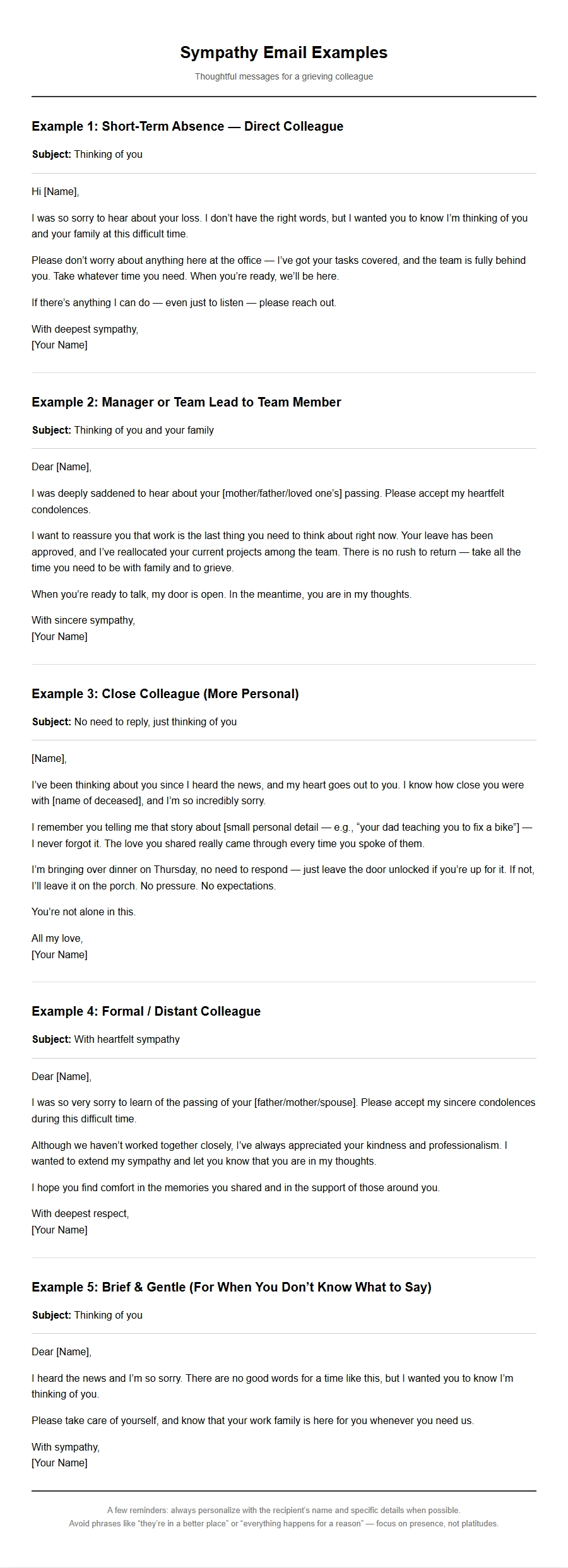 Sympathy Email Examples for a Grieving Colleague
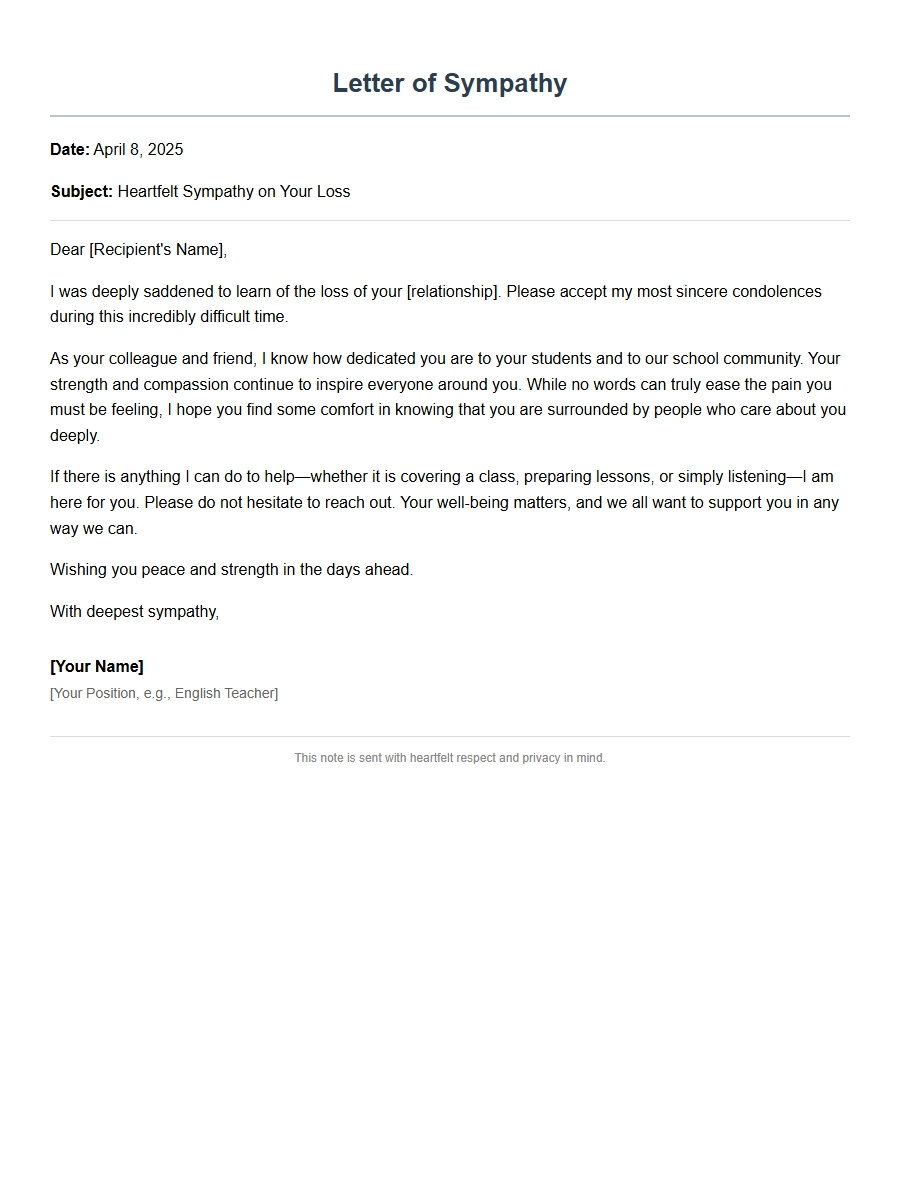 Condolence Words for a Teacher