You open the invoice and there it is—a shipping charge that's way higher than it should be. Maybe you were promised free shipping, or you selected standard ground but got billed for express. It's frustrating, and now you need to write a letter to fix it. The blank page stares back at you, and you wonder how to phrase it so the company actually listens. I've been there, and the good news is you don't need to start from scratch. Using a sample letter for a dispute over shipping charges applied incorrectly isn't cheating—it's a smart shortcut. A good template gives you the structure, tone, and key phrases so you can focus on getting the details right.
The reason samples work is that professional correspondence follows predictable patterns. You need a clear subject line, a polite but firm opening, a concise explanation of the error, and a specific request for correction. A strong letter template provides that skeleton, and you fill in your specific invoice number, dates, dollar amounts, and any reference to the original agreement. It saves time and reduces the chance you'll forget something important. This advice fits under the broader category of dispute resolution letters, but it's targeted directly at shipping charge errors.
How to pick the right sample for your situation
Not all shipping disputes are the same. Maybe a third-party carrier added a surcharge without notice工作了. Maybe the seller's system incorrectly calculated weight or dimensions. Or perhaps you were promised free shipping during a promotion and the discount didn't apply. The best letter template for you is one that matches the root cause. If you're disputing a charge added by the shipping company, you'll need a business letter format that addresses both the seller and perhaps the carrier. If it's purely an error by the seller, a more straightforward complaint letter works.
Look for a sample that includes placeholders for things like "Order #12345" and "Shipping charge of $X.XX." The best ones also give you a phrase for referencing your proof—like a screenshot of the checkout page showing free shipping, or a copy of the original quote. Avoid templates that are too generic, like "I am writing to dispute a charge." That doesn't give the company the exact information they need to fix it quickly.
Adapt the sample without losing your voice
You want the letter to sound like you—professional, but natural. A common mistake is to copy a template word-for-word and end up sounding stiff. Instead, read the sample aloud and then rewrite the opening sentence in your own words. For example, a template might say "I am writing to bring to your attention an erroneous shipping charge." You could change that to " feeling a bit confused about the shipping charge on my recent order—it doesn't match what I agreed to at checkout." See? You keep the formal structure but add your tone.
Also, pay attention to the salutation and closing. "To whom it may concern" feels outdated and impersonal. If you have the name of a customer service rep or the shipping department, use "Dear [Name]." If not, "Dear Customer Support Team" is better. For closing, "Sincerely" is fine, but "Best regards" works too. Avoid "Yours faithfully" unless you're writing a very formal letter. This attention to letter writing etiquette makes a difference in how seriously your request is taken.
Tailor the opening to grab attention
The very first sentence should state the issue clearly and politely. Don't bury it in a long explanation. Something like: "I am writing to dispute the shipping charge of $25.95 on invoice #98765, dated March 10, 2025. At checkout I selected standard ground shipping, which should have been $9.95." That's direct, factual, and immediately tells the reader what the problem is. Compare that to "I recently received an order and noticed the shipping cost seemed high." The second version forces them to read further to understand. Strong openers reduce back-and-forth emails.
If you're writing an email rather than a printed letter, your subject line is equally important. Use something like "Dispute of shipping charge on order #12345" rather than "Help" or "Question about my order." That way it gets routed to the right person faster. This is a key tip for digital letter format—most companies handle disputes via email now, so format your letter accordingly with your contact info at the top.
Common mistakes to avoid
One frequent error is forgetting to attach the proof. If you have a screenshot of the checkout page showing the correct shipping cost, mention it in the letter and actually include it. Another mistake is being too aggressive. You might be angry, but a heated tone can make the company defensive. Stick to facts: "I agreed to $9.95, I was charged $25.95, please refund the difference." Also, don't use outdated business letter format with addresses at the top if you're pasting this into an email form. Keep it clean and scannable.
The best letter is one that feels both professional and personal. Once you've written a few dispute letters, you'll get faster at it. You'll learn which phrases get results and which parts you can skip. Over time, you won't need the template at all—you'll just mentally structure your letter. But until then, a solid sample is your friend. Copy the bones, add your voice, and send it off with confidence. The blank page doesn't have to win. Write the draft, proofread it once for typos, and hit send. You'll be glad you did.
Samples for Inspiration
Dispute Over Incorrect Shipping Charges
Free Shipping Promo Not Applied
Dear Customer Service,
I am writing to dispute a shipping charge of $12.99 applied to my recent order #ORD-7843 placed on March 15, 2025. Your website clearly stated "Free Shipping on orders over $50" during checkout. My order total was $67.50, which qualifies. Despite this, my invoice shows a shipping fee.
Here is the order summary:
Item
Price
Widget Deluxe
$42.00
Gadget Pro
$25.50
Total
$67.50
The shipping charge should have been $0. I request an immediate refund of $12.99. Please correct this error and confirm by email. Thank you.
Sincerely, Jane Doe Order #ORD-7843
Higher Shipping Quote at Checkout
To the Billing Department,
I believe I was overcharged for shipping on order #SH-2091. Your website quoted $8.50 for standard shipping to my ZIP code, but my final invoice shows $15.75. I have attached a screenshot of the initial quote for reference.
Breakdown of charges:
Item cost: $34.99
Tax: $3.15
Quoted shipping: $8.50
Charged shipping: $15.75
Difference: $7.25 overcharge
This discrepancy seems to be a system error. Please refund the extra $7.25 to my original payment method. If you need additional details, contact me at j.smith@email.com.
Thank you for resolving this promptly.
Regards, John Smith
Multiple Shipping Charges for Single Order
Dear Support Team,
I am disputing three separate shipping charges applied to order #MULTI-584. I placed one order containing three items, expecting a single shipping fee. Instead, your system charged $6.99 per item, totaling $20.97, when it should have been $6.99 for the entire order.
Order details:
Item A (SKU: 101) – shipped separately but same order
Item B (SKU: 202) – shipped separately
Item C (SKU: 303) – shipped separately
Your policy states "One shipping fee per order unless items ship from different warehouses". All items arrived in one box, so the extra charges are invalid. Please refund the excess $13.98. I await your correction within 5 business days.
Best, Maria Lopez
International Shipping Mistake in Rate Calculation
To Whom It May Concern,
I am writing to correct an error in the shipping charges for my international order #INT-4521 to Canada. Your website calculated shipping based on a wrong weight. The package weight is 2.3 kg, but you used 4.5 kg, resulting in a charge of $45.00 instead of the correct $28.50.
Evidence:
Detail
Actual
Charged
Weight
2.3 kg
4.5 kg
Zone
Canada Zone 2
Same
Shipping cost
$28.50
$45.00
I already provided the courier receipt showing the correct weight. Please adjust the invoice and refund the overpayment of $16.50. I expect this to be resolved immediately.
Yours truly, Anna Chen
Subscription Box Shipping Fee Increase Not Disclosed
Dear Billing Support,
I am disputing a $5.00 increase in shipping charges on my monthly subscription box (plan ID: SUB-876). For the past six months, shipping was consistently $4.99. This month, I was charged $9.99 with no prior notification.
Your terms state: "Subscription fees may change with 30 days notice." I received no email or alert about this increase. The box contents and delivery address are unchanged.
Previous shipping: $4.99
Current charge: $9.99
Unexpected extra: $5.00
I request a reversal of the $5.00 and a clarification of current shipping policies. If this is an error, please correct my next invoice to reflect the original rate. Otherwise, cancel my subscription.
Sincerely, Robert Kim
Wrong Shipping Method Selected, Overcharge Result
Customer Service,
I have been incorrectly charged for expedited shipping on order #EX-3342. I selected Standard Ground (3-5 days) at $7.99, but your system processed it as Next Day Air at $29.99. The order did not arrive early—it took 4 days, confirming standard delivery was used.
Invoice comparison:
Service
My Choice
Charged
Method
Standard Ground
Next Day Air
Cost
$7.99
$29.99
Delivery time
3-5 days
Shipped ground
The overcharge of $22.00 must be refunded. I also request your team verify the checkout process to prevent this for other customers. Please confirm correction within 48 hours.
Thank you, Lisa Brown
Promotional Discount on Shipping Not Honored
Dear Claims Department,
I am writing regarding a disputed shipping charge on order #PROMO-901. During checkout, I applied a promo code SHIP20 that offered "20% off shipping". The discount was accepted in the cart, but my final invoice shows the full shipping price of $10.00 without the 20% reduction.
Expected vs. actual:
Original shipping: $10.00
20% discount: -$2.00
Expected charge: $8.00
Actual charge: $10.00
Difference: $2.00 overcharge
I have a screenshot of the applied code. Please refund the $2.00 to my card ending in 4567. This is a small amount, but it reflects a broader issue with promo code functionality. I hope you can fix it and honor the discount.
Sincerely, Paul Garcia
Return Shipping Charge Not Refunded as Promised
To the Returns Department,
I am disputing a $9.99 shipping charge that was supposed to be refunded along with my return. On order #RTN-662, I returned a defective item. Your return policy states "We will refund the original shipping cost if the item is defective." However, my refund of the item price ($45.00) did not include the shipping fee.
Details of my return:
Component
Refunded?
Item price ($45.00)
Yes
Original shipping ($9.99)
No
Return shipping label (free)
N/A
I request the additional $9.99 refunded immediately. This error has caused unnecessary follow-up. Please process it and send a confirmation.
Regards, Susan White
Shipping Charge for Backordered Item Still Applied
Dear Client Services,
I am disputing a shipping charge on order #BACK-1008 that includes a backordered item. I placed an order with two items on March 1; one item shipped immediately, the other is still on backorder. Yet your invoice includes a full shipping charge of $8.99 for the entire order.
Your policy says: "If an item is backordered, we will adjust shipping to reflect only the shipped portion." The partial shipment should have cost $5.99 for one item, not $8.99.
Item 1 (shipped): $5.99 shipping expected
Item 2 (backordered): shipping should be $0 until shipped
Total charged: $8.99
Correct charge: $5.99
Please refund the overcharge of $3.00 and adjust the backorder invoice. Thank you for your attention.
Best, David Lee
Address Correction Led to Extra Shipping Fee
To the Billing Team,
I am disputing a $5.00 surcharge applied to my order #ADDR-657 after I corrected my delivery address. I initially entered my address incorrectly and immediately updated it before the order shipped. The change did not affect shipping cost or carrier. Nevertheless, your system added a "Address Correction Fee" of $5.00 to the original shipping charge of $6.99, making it $11.99.
According to your FAQ, address corrections are free if made before shipment. My update was within 10 minutes of placing the order, well before processing. The extra charge is unwarranted.
I request a refund of the $5.00 fee and confirmation that the shipping charge is corrected to $6.99. Please also review your automated fee logic to avoid similar errors.
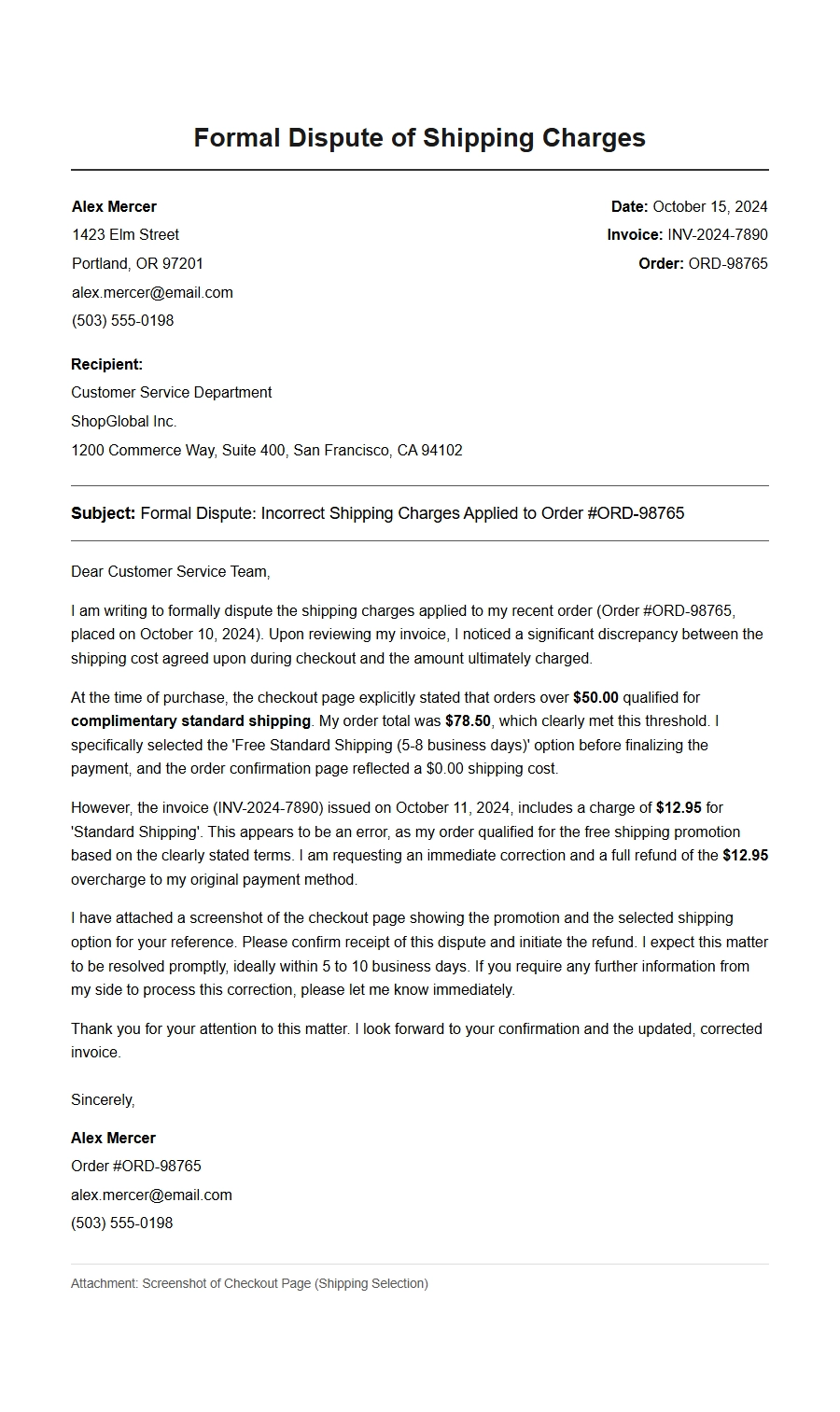
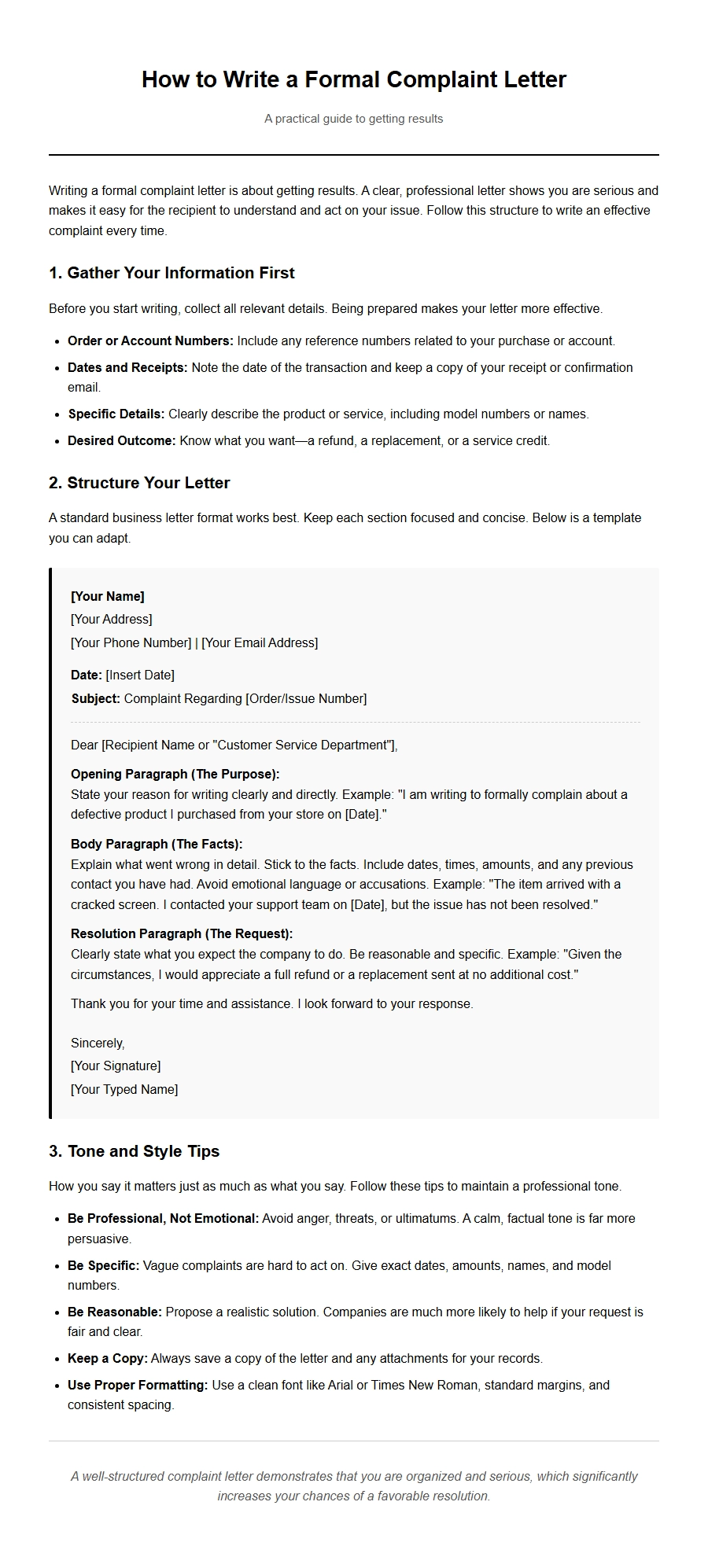 How to Write a Formal Complaint Letter
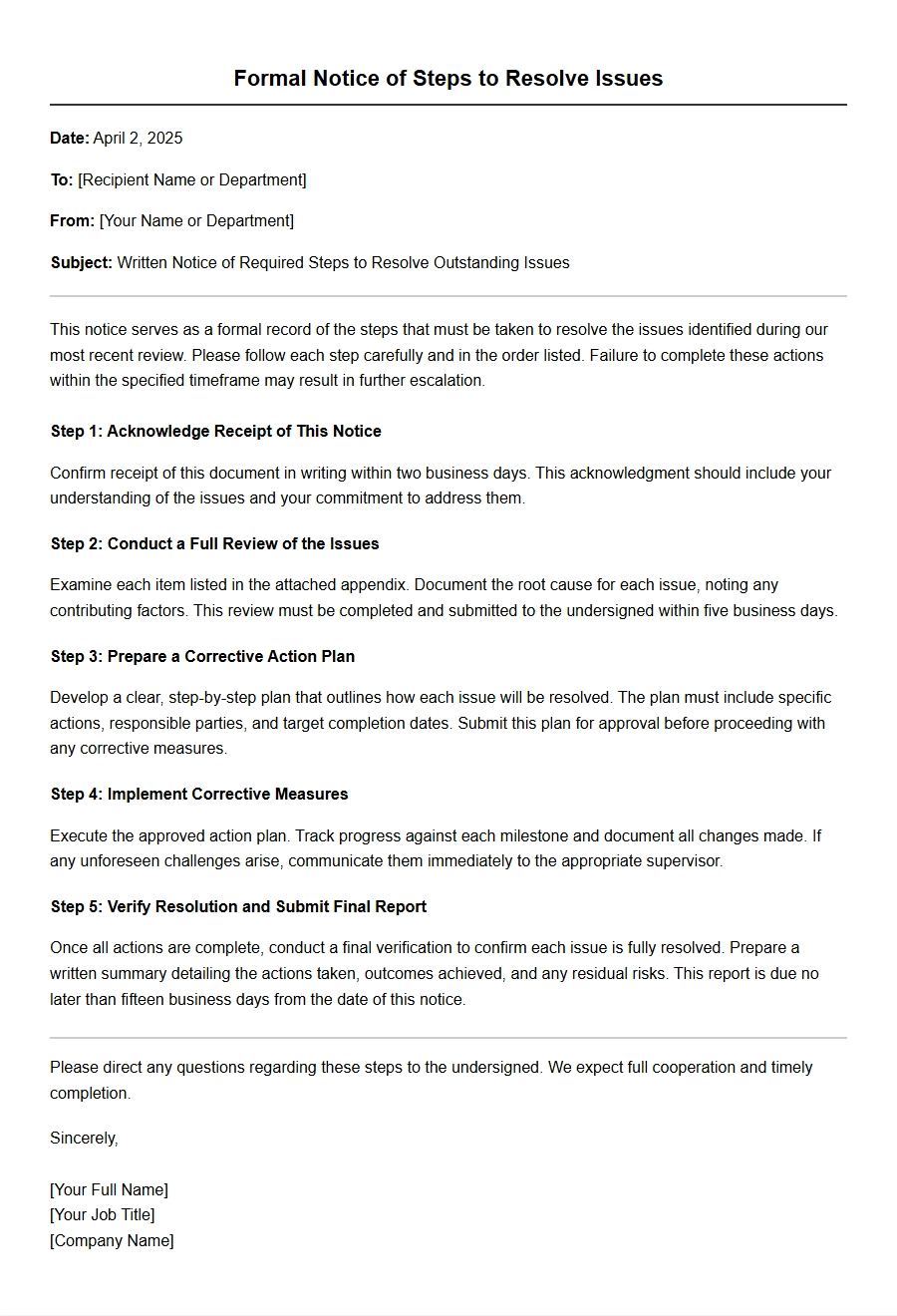 Steps to Resolve Issues via Written Notice
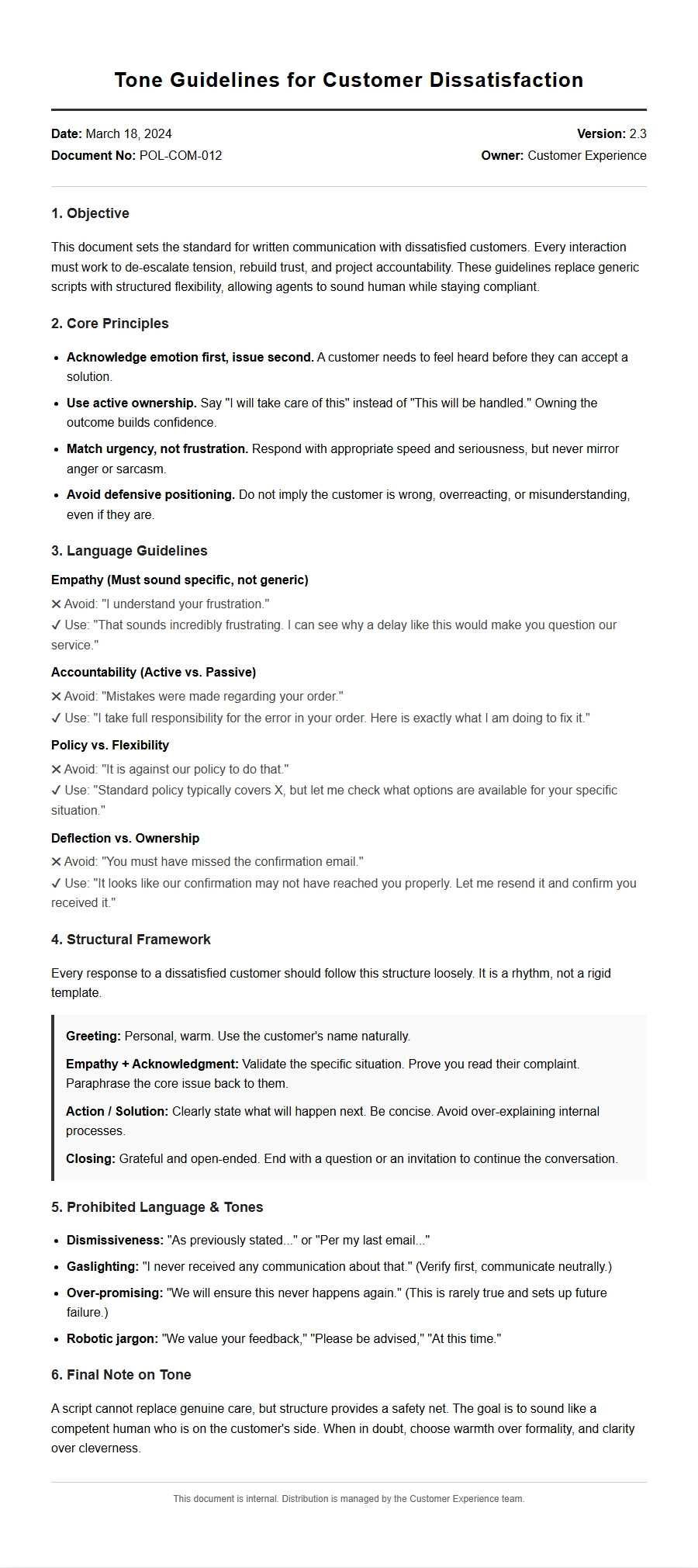 Tone Guidelines for Dissatisfied Customer Letters
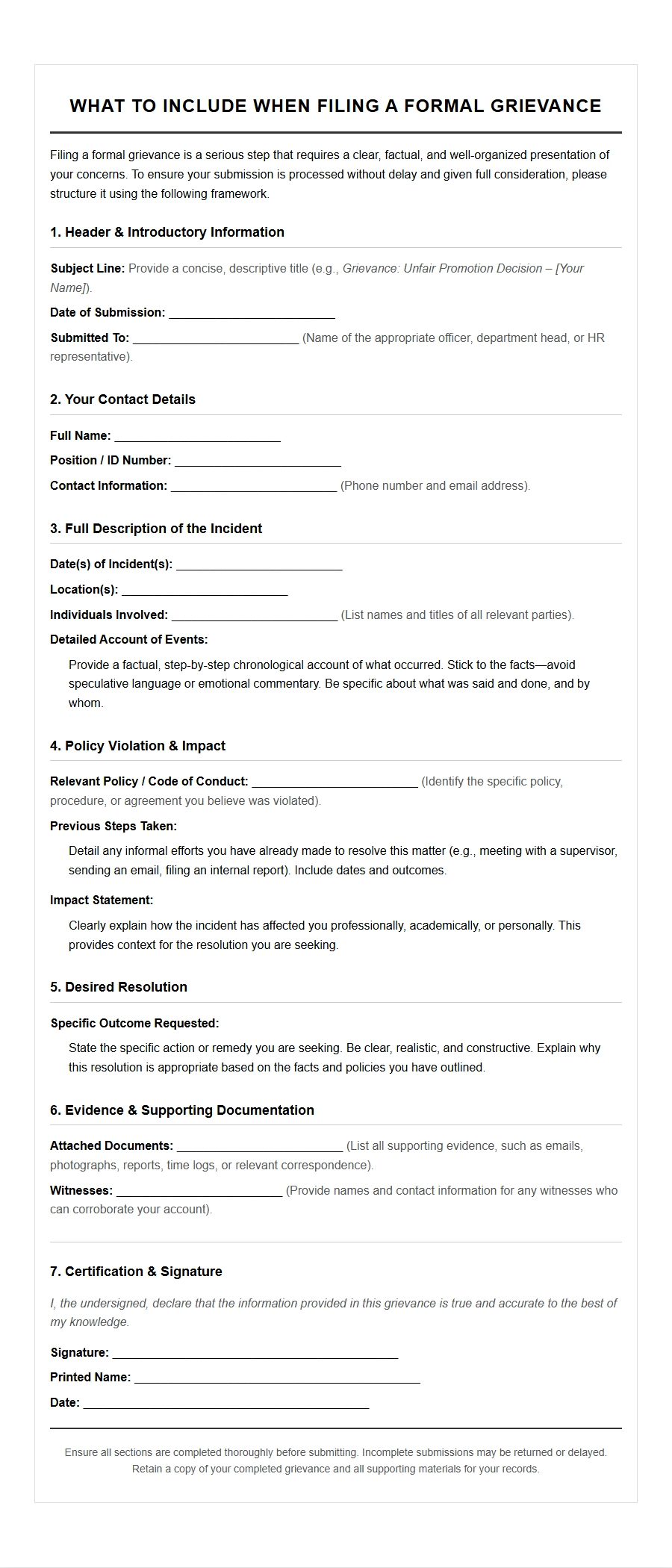 What to Include in a Formal Grievance Letter
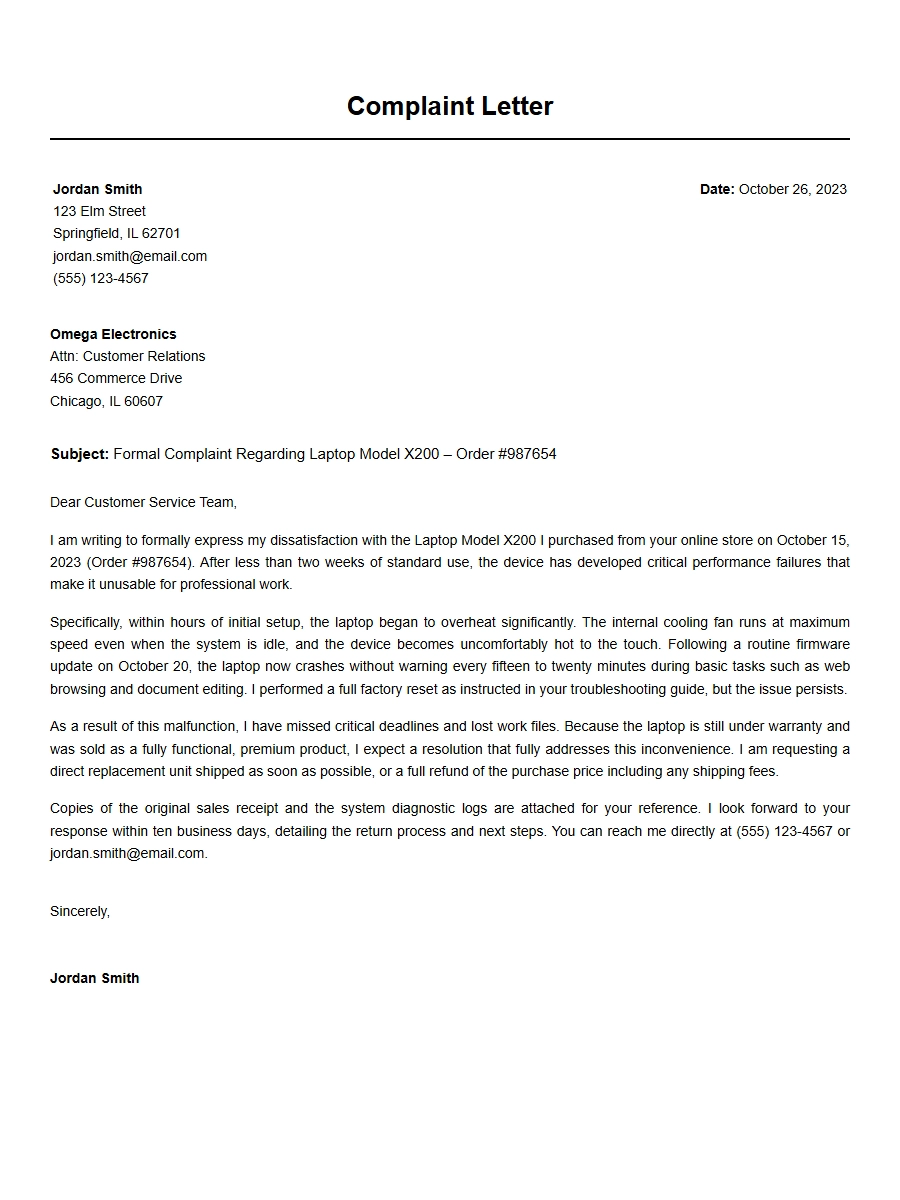 Structure of an Effective Complaint Letter
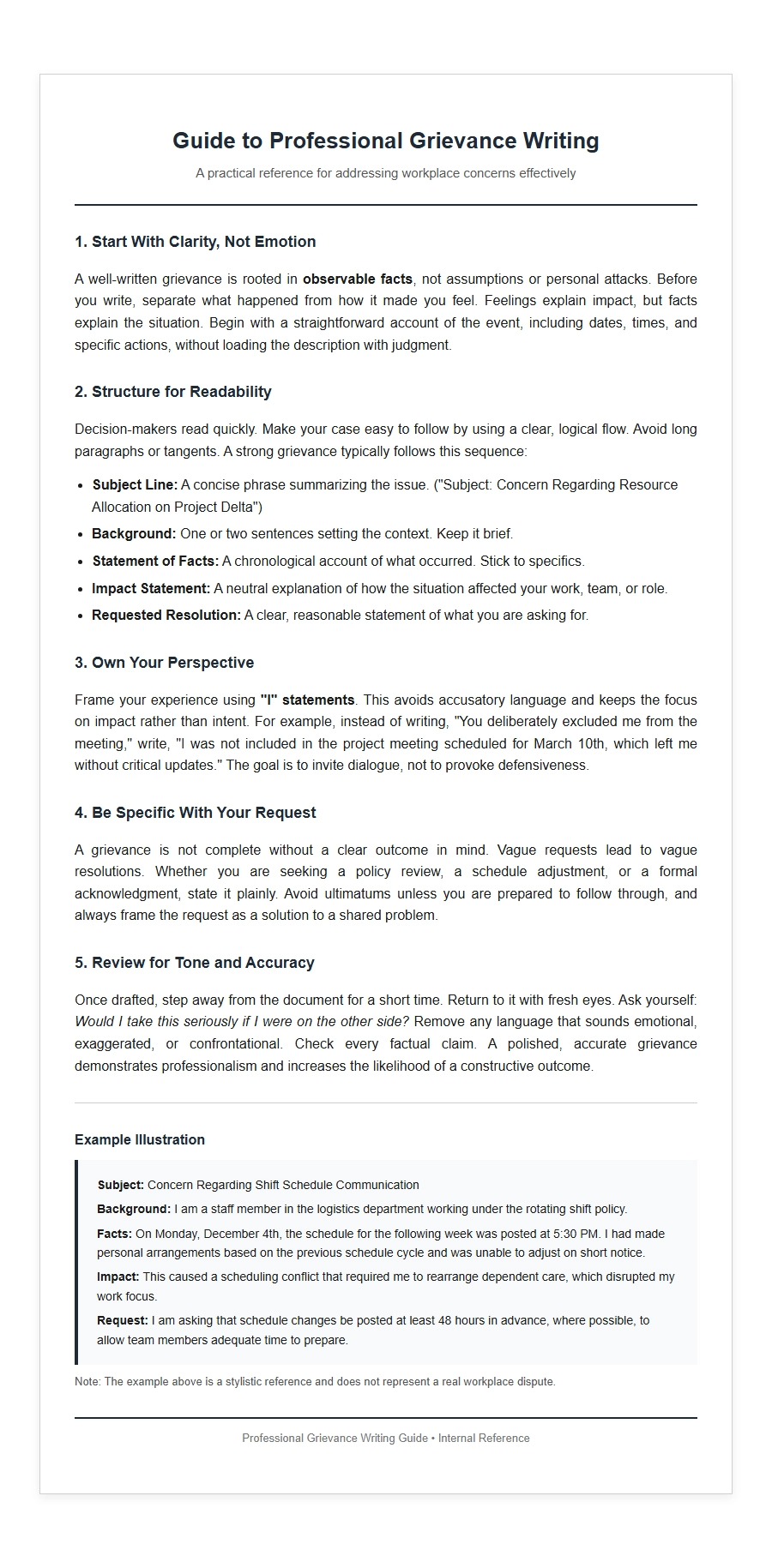 Best Practices for Writing Professional Grievance Letters