Dispute a Debt Validation Request from Collection Agency
Staring at a blank page when you need to write a debt validation request to a collection agency can feel paralyzing. You know you have rights under the Fair Debt Collection Practices Act, but turning that knowledge into a clear, professional letter isn't always straightforward. The right sample transforms that anxiety into a confident draft you can customize in minutes.
Using a letter sample isn’t cheating. It’s a smart time-saver. A well-written sample gives you the correct structure, the right tone, and the key phrases you need—while leaving room for your personal details. Think of it as a template, not a script. You’ll adapt it to your situation, and that’s exactly how professional correspondence works.
Category: Credit & Debt
What is a debt validation request and when do you need one?
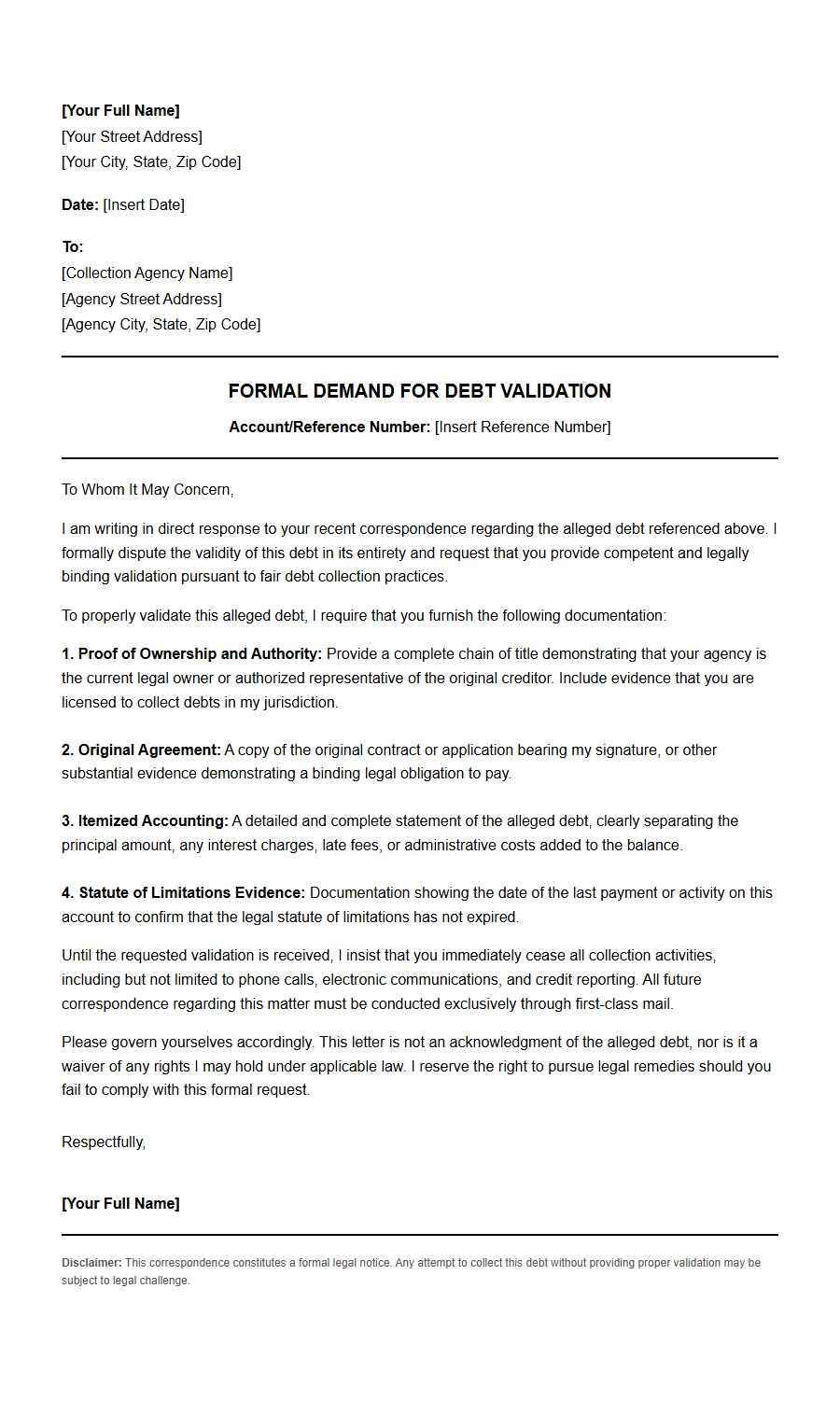
A debt validation request is a formal letter you send to a collection agency asking them to prove that you actually owe the debt they’re trying to collect. Under federal law, you have 30 days from their first contact to request validation. If they can’t provide it, they must stop collection efforts. This letter is your first line of defense against incorrect or fraudulent claims.
You’d send this when a debt collector contacts you about a bill you don’t recognize, an old account you’ve already paid, or a debt that might be past the statute of limitations. It’s not about being difficult—it’s about protecting yourself.
How to choose the right sample for your situation
Not all debt validation letter templates are created equal. Some are very formal, others are more conversational. Pick a sample that matches your comfort level and the seriousness of the situation. If the debt is large or the collector is aggressive, lean toward a formal business letter format. For a smaller, simpler dispute, a semi-formal tone works fine.
Look for a letter template that includes a reference number field, your name and address, the agency’s address, and a clear statement like “I dispute this debt and request validation.” Avoid samples that are too long or filled with legal jargon you don’t understand. You want something you can read, fill in, and send.
Adapting the sample without losing your voice
The best professional correspondence sounds like a real person wrote it. Start with the sample’s structure, then swap in your own words. For example, instead of copying “Pursuant to my rights under FDCPA,” you can say “Under federal law, I’m asking you to prove this debt.” Keep the core elements: your request, a deadline, and a request to cease contact until validation is provided.
Tailor the opening paragraph to grab attention. Don’t beat around the bush. Write something like: “I received your letter dated [date] regarding account #[number]. I do not recognize this debt and I am formally disputing it.” That’s direct and clear.
If you’re sending the letter via email instead of print, adjust the digital letter format. Use a clear subject line like “Dispute of Debt – Account #[number]” and keep the body concise. For printed letters, include your letterhead design (just your name and address at the top) and use a standard font.
Common mistakes to avoid
Even with a good sample, people slip up. One mistake is using an outdated salutation and closing. “To Whom It May Concern” is fine, but “Dear Sir or Madam” feels stiff. Use “Dear Collections Department” or “Dear [Agency Name]” if you know it. For closing, “Sincerely” or “Respectfully” works.
Another error is ignoring letter writing etiquette for certified mail. Always send your debt validation request via certified mail with return receipt requested. That gives you proof they received it. Don’t rely on regular mail or email alone—collectors may claim they never got it.
Some people forget to include their account number or reference number. Without that, the agency may not connect your letter to the right file. Double-check before sending.
Tone in writing: firm but not hostile
Your tone in writing should be professional and assertive, not angry or threatening. You’re exercising a legal right, not starting a fight. Phrases like “I request” or “Please provide” keep things civil. Avoid emotional language like “This is harassment!”—it undermines your credibility.
If you receive a response that doesn’t satisfy you, you may need to escalate. For that, review the key elements of a business dispute letter to build a stronger case. If the agency ignores your validation request, an escalation email to senior management can sometimes resolve the issue faster.
Proofreading and final checks
Before you send, proofreading your letter is essential. Read it aloud to catch awkward phrasing. Check for typos in dates, amounts, and account numbers. Ask someone else to glance at it if you’re unsure. A clean, error-free letter shows you’re serious.
Think of the sample as your starting point. Once you’ve sent a couple of letters, you’ll get faster at customizing them. You’ll learn what works and what doesn’t. Over time, you may not even need a sample—you’ll know the structure by heart.
The best debt validation letters feel both professional and personal. They show you understand your rights and you’re willing to stand up for them. With a good sample and a bit of practice, you’ll turn that blank-page anxiety into a confident, effective letter in minutes.
Samples to Guide You
Dispute a Debt Validation Request from Collection Agency
General Debt Validation Request
January 15, 2025
ABC Collections, Inc. 123 Debt Collector Lane Anytown, ST 12345
Re: Account # 456-789-0123 – Dispute and Validation Request
To Whom It May Concern:
I am writing to dispute the debt you have listed on my credit report and to request validation pursuant to the Fair Debt Collection Practices Act (FDCPA). I have no record of this debt and require proof that the amount is accurate and that you have the legal right to collect it.
Please provide the following:
A copy of the original contract or agreement bearing my signature.
An itemized statement of the alleged debt, including interest and fees.
Proof that you are licensed to collect debts in my state.
Until you provide this validation, I demand that you cease all collection activities and remove any negative marks from my credit report. This letter is not an acknowledgment of the debt.
Sincerely, John Q. Doe 123 Main Street Othertown, ST 67890
Dispute for Incorrect Amount
January 15, 2025
XYZ Debt Recovery PO Box 999 Collection City, ST 54321
Re: Account # 111-222-333 – Amount Dispute
Dear Sir or Madam:
I dispute the balance of $5,432.10 you claim I owe. My records show a different amount, and I request full validation of the total. The original creditor, First National Bank, reported a balance of $3,876.00 at charge‑off. Please explain the additional charges and provide documentation.
Item
Your Claim
My Record
Principal
$3,876.00
$3,876.00
Interest
$890.10
$0.00
Fees
$666.00
$0.00
Total
$5,432.10
$3,876.00
Unless you provide a signed contract and a complete accounting, I consider this dispute valid under FDCPA § 809. Please cease collection until validation is received.
Sincerely, Jane Smith 456 Oak Avenue Springfield, ST 11111
Identity Theft – Wrong Debtor
January 15, 2025
Global Collections Group 567 Recovery Road Bigcity, ST 90210
I am the victim of identity theft. The debt you are attempting to collect from me is not mine. I have filed a police report (Case # 2025-IT-1234) and placed a fraud alert with the credit bureaus.
Pursuant to the Fair Credit Reporting Act and FDCPA, I demand you:
Provide a copy of the application or contract with the purported debtor's signature.
Verify that the name, Social Security number, and address match my records.
Cease all collection activity against me immediately.
I have enclosed a copy of the police report and my identity theft affidavit. Please confirm in writing that you have closed this account and removed it from my credit report within 30 days.
Sincerely, Robert Taylor 789 Pine Street Smallville, ST 33333
Time‑Barred Debt – Statute of Limitations
January 15, 2025
Debt Recovery Partners 222 Collector Blvd Anytown, ST 44444
Re: Account # 555-444-333 – Statute of Limitations Dispute
Dear Collector:
I dispute this debt because the statute of limitations has expired in my state. The last payment was allegedly made in March 2017, and your first contact with me was January 2025. Under [State Name] law, the limitation period for this type of debt is four years.
I request validation that includes:
The date of first delinquency or last payment.
A copy of the original contract showing the governing law.
Proof that the statute has not run.
I have no intention of paying a time‑barred debt and will report any attempt to sue me to the Consumer Financial Protection Bureau and my state attorney general. Please remove this account from my credit file.
Sincerely, Anna Lee 321 Elm Drive Lakeview, ST 55555
Debt Already Paid – Receipt Enclosed
January 15, 2025
National Collection Agency 100 Debt Lane Metropolis, ST 66666
Re: Account # 777-888-999 – Paid in Full Dispute
To Whom It May Concern:
I am disputing this debt because it was paid in full on March 22, 2023. I have attached a copy of my cancelled check and the original creditor's zero‑balance statement.
Please validate how you can claim a balance of $1,200.00 when the debt was satisfied. If you cannot provide a signed agreement or proof that the original creditor assigned a valid balance to you, I demand immediate deletion of this account from all credit bureaus.
Date
Payee
Amount
Check #
03/22/2023
First Credit Union
$2,500.00
1042
Failure to correct this error will result in a complaint to the CFPB and a possible lawsuit for FDCPA violations.
Sincerely, Michael Brown 654 Birch Road Hometown, ST 77777
No Original Contract Provided
January 15, 2025
Collection Services LLC 789 Debt Avenue Cityville, ST 88888
Re: Account # 111-222-444 – Lack of Contract Dispute
Dear Sir or Madam:
I dispute the alleged debt referenced above. You have not provided any original contract or agreement that I signed. Without that document, you cannot prove that the debt is mine or that the amount is correct.
Under FDCPA § 809, I request the following specific validation:
A copy of the contract bearing my signature.
An itemized statement from the original creditor showing charges, payments, and interest.
Proof of assignment from the original creditor to your agency.
If you cannot supply these documents within 30 days, you must cease all collection efforts and remove the account from my credit report. This letter is a formal dispute; do not continue collection without proper validation.
Sincerely, Jessica White 987 Cedar Lane Midtown, ST 99999
Medical Debt Dispute – Billing Error
January 15, 2025
Health Recovery Collections 55 Hospital Way Medcity, ST 11111
I am disputing the medical debt in the amount of $3,450.00. I believe this bill contains errors: I was never treated on the date listed, and my insurance already paid the correct amount.
I request full validation including:
An itemized bill from the healthcare provider (dates, services, provider names).
Copies of Explanation of Benefits from my insurance.
Proof that the amount was not already satisfied by insurance.
I have requested a copy of my medical records from the provider. Until you verify these details, please suspend all collection activity. If the debt is invalid, you are required by the FDCPA to notify the credit bureaus of the dispute.
Sincerely, David Green 444 Maple Avenue Healthtown, ST 22222
Credit Card Debt – Lack of Agreement
January 15, 2025
Card Debt Collectors 888 Finance Drive Capital City, ST 33333
I am writing to dispute the credit card debt you have reported. I do not recognize this account and have no records of any agreement with the alleged original creditor, Quick Cash Bank.
Please provide the following documentation:
The signed credit card application or agreement.
A complete history of charges, payments, and balances.
Proof that your agency owns this debt (bill of sale or assignment).
I also note that your reporting of this debt on my credit file is inaccurate unless validated. I reserve the right to sue for damages under the FCRA and FDCPA if you continue reporting without proper verification.
Sincerely, Sarah Johnson 777 Walnut Street Suburbia, ST 44444
Student Loan – Improper Collection
January 15, 2025
Student Aid Recovery Inc. 123 Education Lane College Town, ST 55555
Re: Loan # US-DOE-987654 – Dispute and Validation
To Whom It May Concern:
I dispute the student loan debt you are collecting. I believe the amount is incorrect because my loan was in forbearance and I have made payments that are not credited. Additionally, you have not provided proper validation.
Demand the following:
A complete payment history from the original lender (Department of Education or servicer).
A copy of the promissory note I signed.
Proof that the statute of limitations has not expired.
I have attached my payment receipts and forbearance approval letter. Remove this debt from my credit report until you provide full validation. Collecting on an invalidated debt is a violation of the FDCPA.
Sincerely, Thomas Reed 101 College Avenue University City, ST 66666
FDCPA Rights – Cease and Desist with Validation Request
January 15, 2025
Aggressive Collections Agency 999 Harassment Blvd Badcity, ST 77777
Re: Account # 000-111-222 – Cease and Desist / Validation
Dear Harassing Collector:
I am exercising my rights under the Fair Debt Collection Practices Act. I dispute the debt you claim I owe and request you cease all communication except as required by law.
I demand validation that includes:
Your license to collect in my state.
Original contract or itemized statement.
Amount of the debt, and a breakdown of principal, interest, and fees.
You have previously called me eight times in one day and threatened wage garnishment. This letter serves as a formal notice that I will not tolerate abusive practices. If you cannot validate this debt within 30 days, you must delete it from my credit report and cease collection permanently. I will file a complaint with the CFPB and my state attorney general.
Sincerely, Laura Davis 333 Lake Drive Seaside, ST 88888
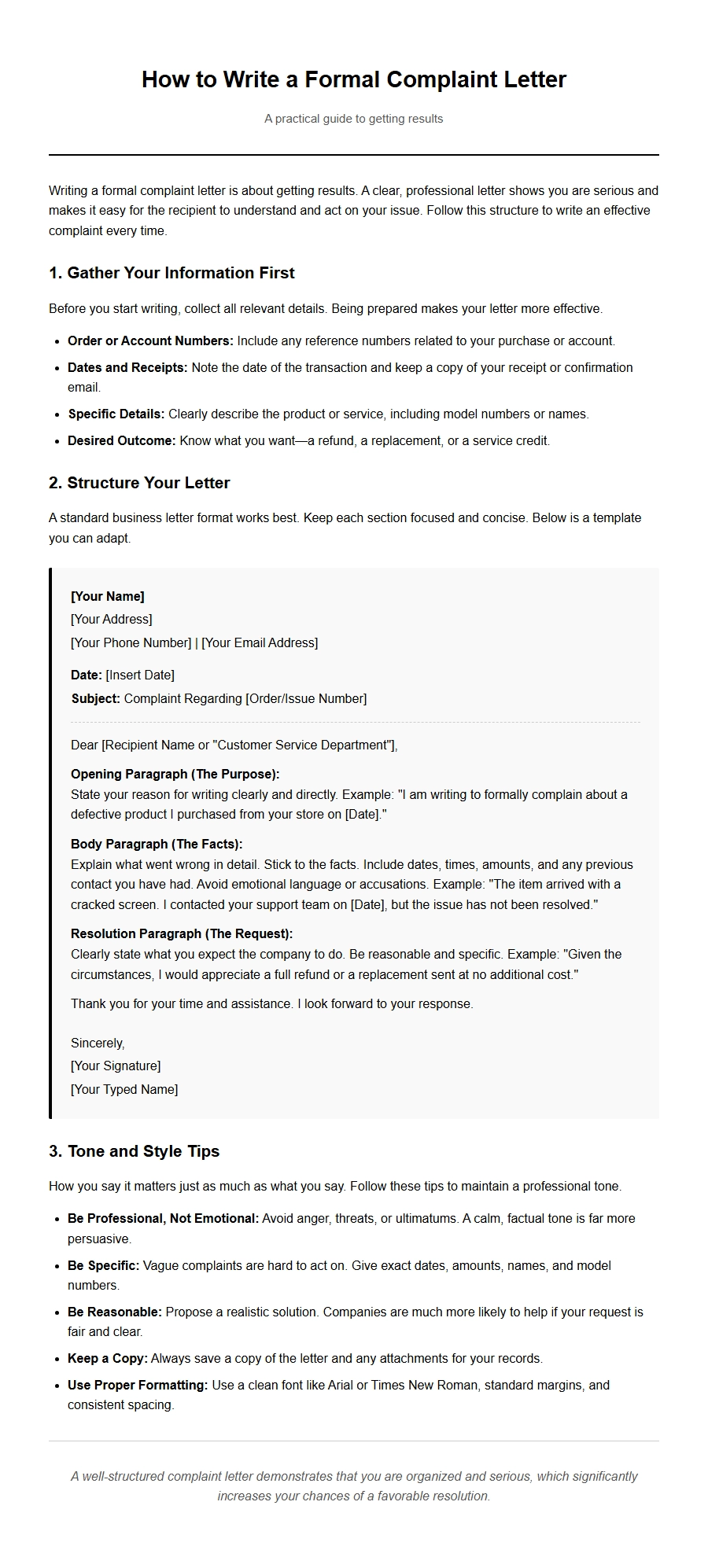 How to Write a Formal Complaint Letter
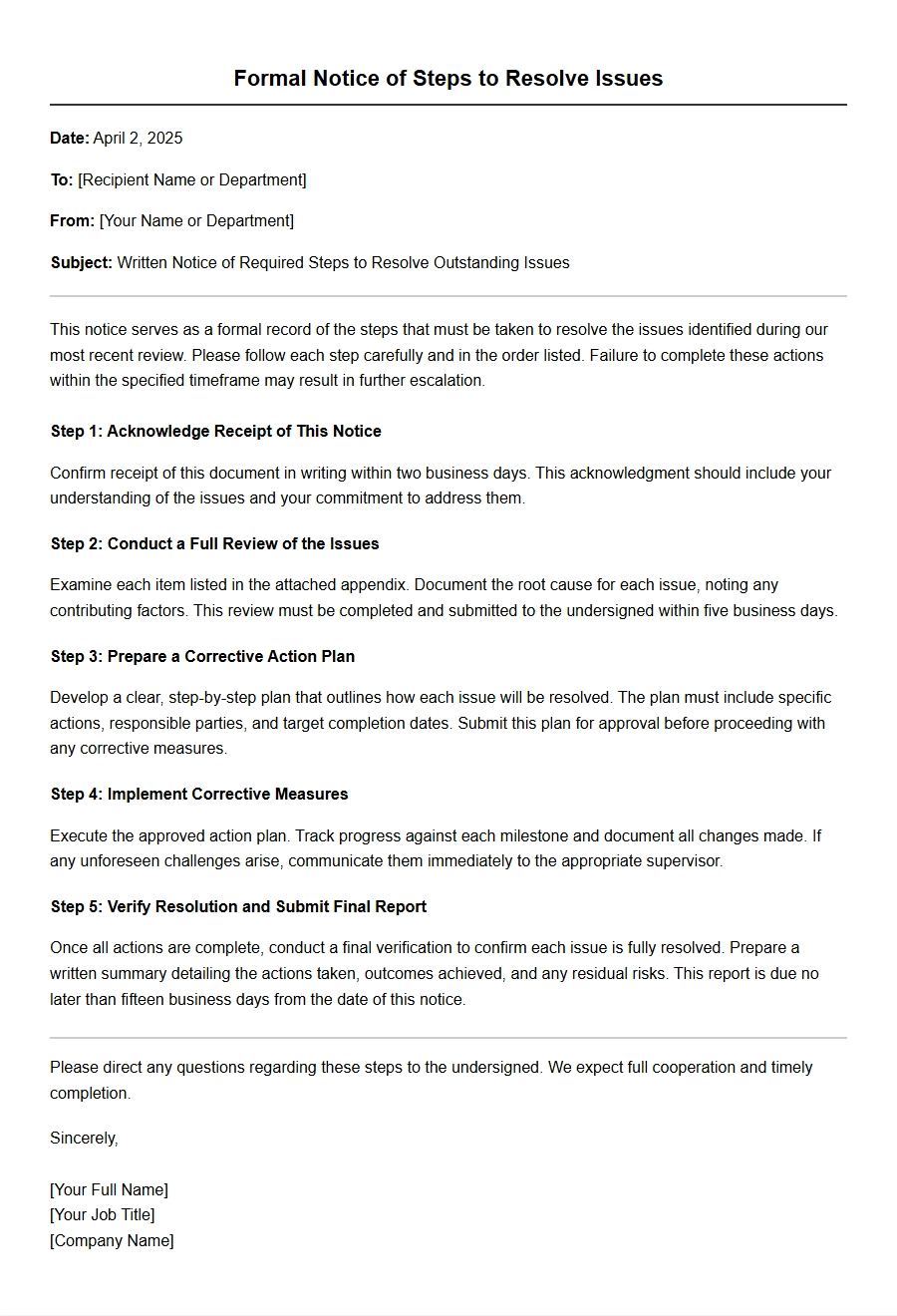 Steps to Resolve Issues via Written Notice
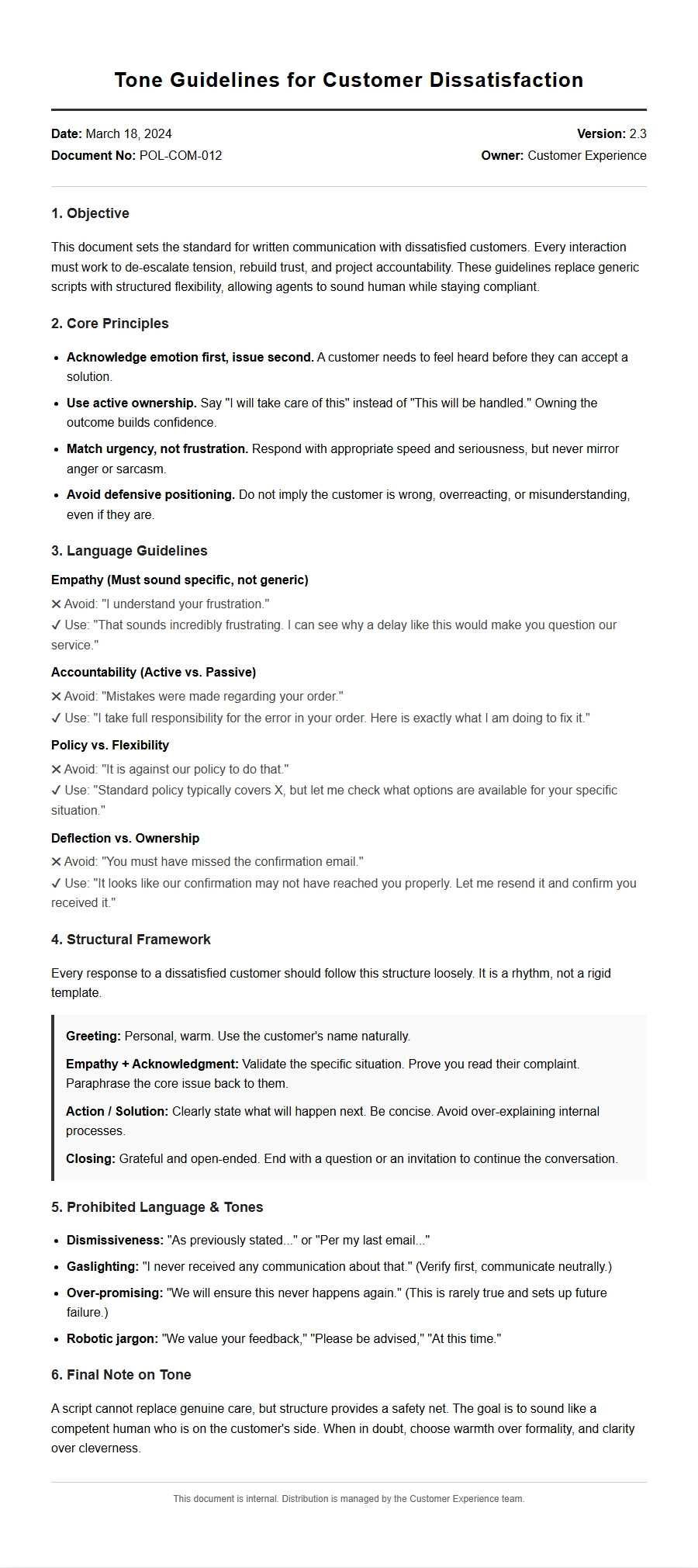 Tone Guidelines for Dissatisfied Customer Letters
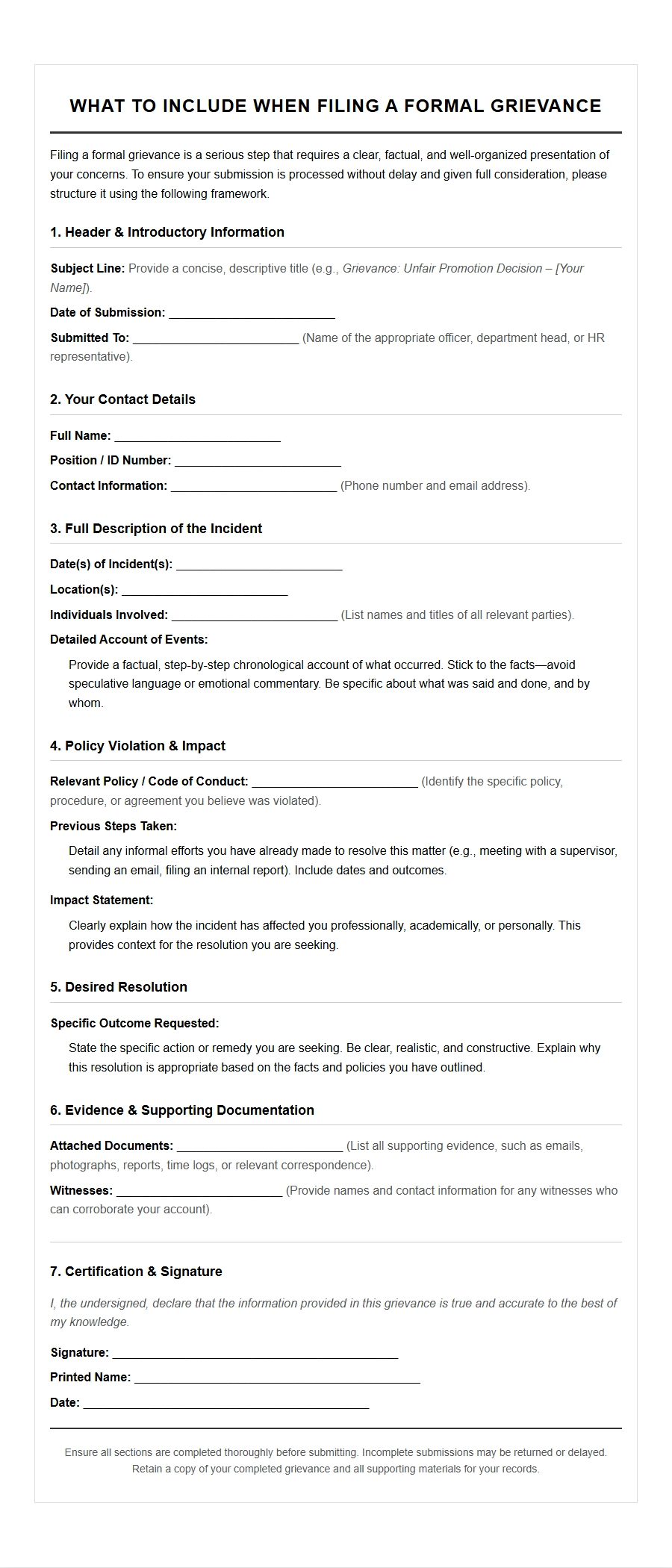 What to Include in a Formal Grievance Letter
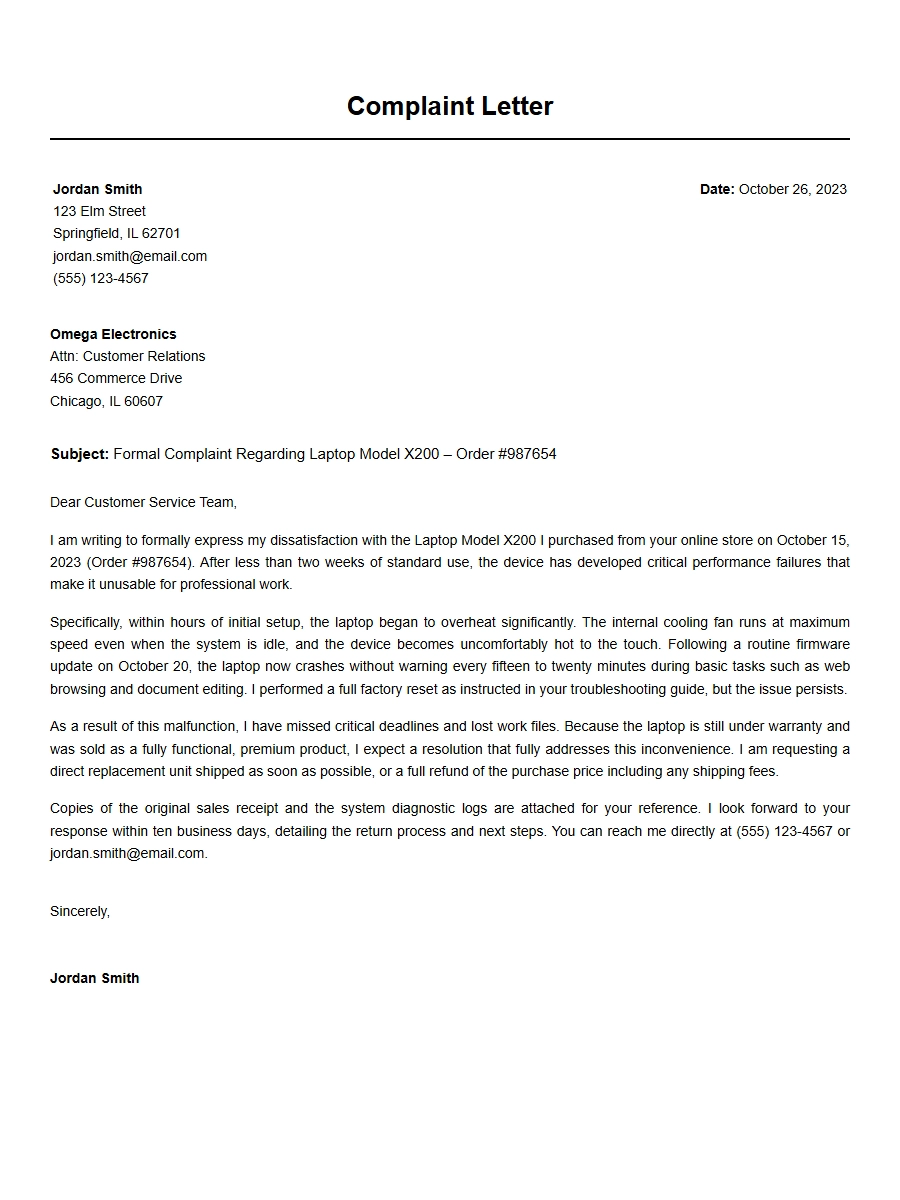 Structure of an Effective Complaint Letter
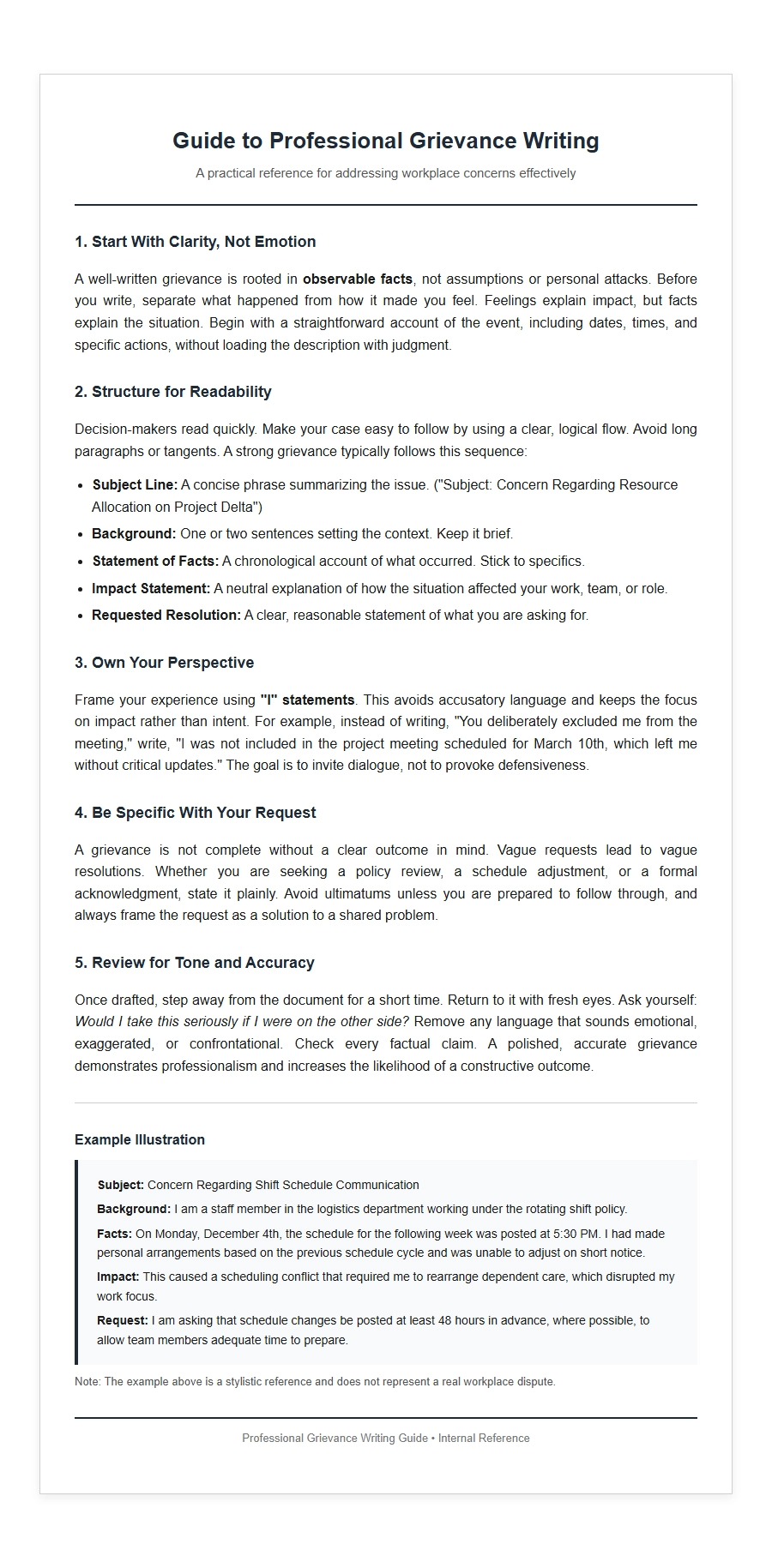 Best Practices for Writing Professional Grievance Letters