Complaint Letter to Social Security for Identity Theft
Finding out someone has stolen your Social Security number is unsettling. You know you need to contact the Social Security Administration (SSA), but writing that notification letter from scratch can stall you. The blank page makes everything feel bigger.
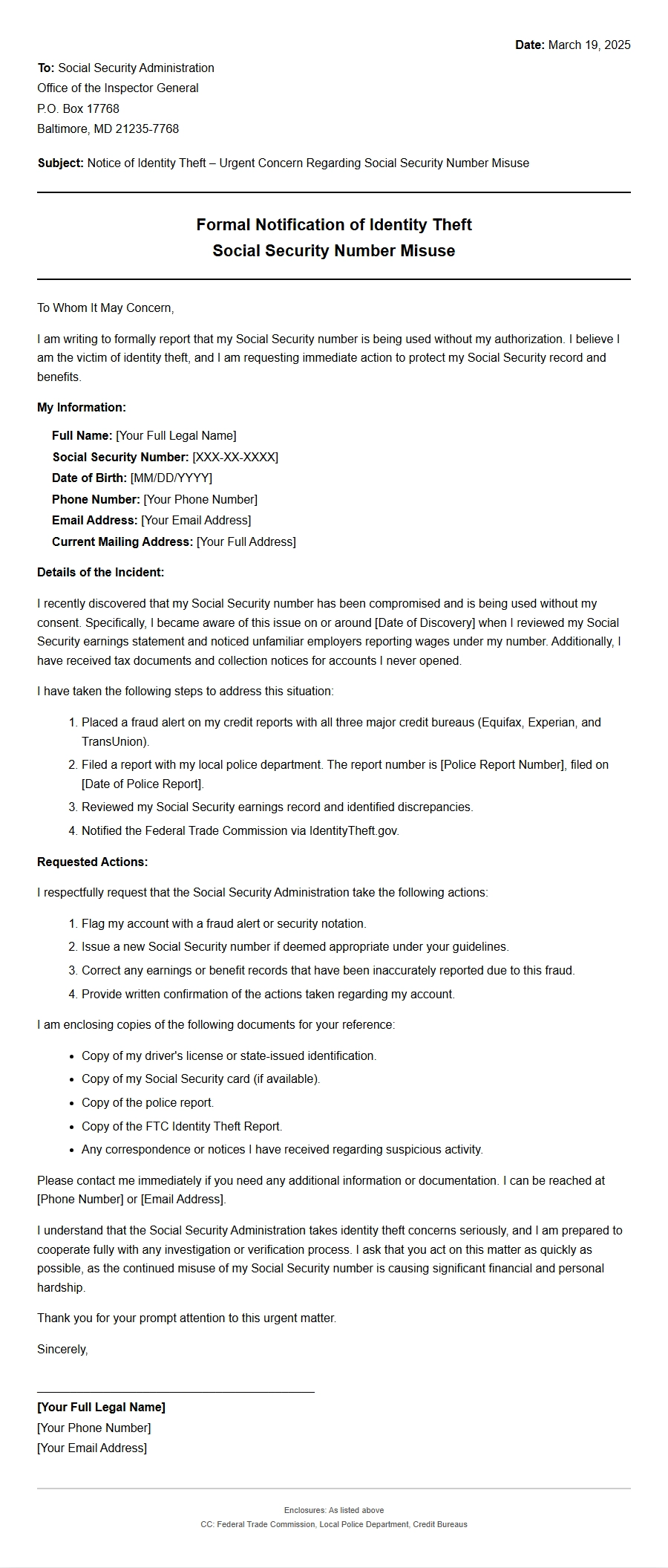
Using a letter sample for identity theft notification isn't a shortcut—it's a smart strategy. It gives you a clear structure, ensures you include all necessary details like your SSN, date of birth, and a description of the fraud, and sets the right tone for formal correspondence. You can then customize it with your specific facts.
Category: Identity Theft Notification
What Should a Letter to Social Security About Identity Theft Include?
Not all letter templates are the same. Look for one designed specifically for notifying Social Security of identity theft. It should include sections for your personal information, the nature of the theft, and the action you're requesting, such as a block on your account or a new number. A good template follows professional correspondence standards but leaves room for your details.
Keep the business letter format with clear paragraphs. State your request early. For example, "I am reporting identity theft and requesting a fraud alert on my record." This helps the SSA act quickly. The letter structure should lead with the most urgent info.
How Do I Personalize a Letter Sample Without Losing Professionalism?
When adapting a sample, use your own voice. You don't need to sound like a lawyer. Write clearly: "On [date], I discovered that someone used my Social Security number to file a claim for benefits." Then explain what you've done so far, like filing a police report or contacting the FTC. Authenticity makes your letter more effective than overly formal language.
The opening paragraph grabs attention. Start by stating that you're reporting identity theft and include identifying details early. For example: "This letter is to notify the Social Security Administration of identity theft involving my Social Security number, [number]." This sets the stage for the rest of the letter and ensures the salutation and closing remain consistent throughout.
What Formatting Mistakes Can Slow Down My Notification?
One frequent error is using vague salutations like "To Whom It May Concern." Instead, address it to "Fraud Department" or "Social Security Administration." Also, don't ignore proofreading. A small typo in your SSN or date could slow down processing. Check your grammar and formatting carefully. The same letter writing etiquette applies here as with any official document.
For digital letter format, save as PDF to preserve formatting. If mailing, use a simple letterhead design with your contact info at the top. Ensure your salutation and closing are appropriate – "Dear SSA Fraud Department" works, close with "Sincerely" followed by your signature. This formal writing tip keeps your letter professional and scannable.
Writing this notification is one step in a larger process. After you send it, monitor your credit reports and follow up with other agencies. Use the sample as a springboard – the more you practice writing clear, factual letters, the faster it becomes. You'll handle identity theft notifications with more confidence next time. If you need guidance on other types of complaint letters, you might find the steps to resolve issues via written notice helpful here.
Common Sample Formats
Complaint Letter to Social Security for Identity Theft
Report of Stolen Social Security Number to SSA
To the Social Security Administration,
I am writing to notify you that my Social Security number has been compromised and used without my authorization. I discovered fraudulent activity on my credit report indicating that my SSN has been used to obtain credit and employment. I request that you place a fraud alert on my account and investigate any unauthorized use.
My personal details are as follows:
Field
Information
Full Name
Jane Doe
SSN
XXX-XX-1234
Date of Birth
03/15/1980
Phone
(555) 123-4567
Email
jane.doe@email.com
I have also filed a report with the Federal Trade Commission and my local police. Please contact me at your earliest convenience to confirm receipt of this notification and advise on next steps.
Request for Fraud Alert on SSA Account
Dear Social Security Administration,
My identity was stolen recently, and I believe my Social Security number is being used fraudulently. I respectfully request that you place a fraud alert on my account to prevent any unauthorized changes or benefit claims. I have attached a copy of my police report and FTC identity theft affidavit.
My identifying information:
Name: John Smith
SSN: XXX-XX-5678
Date of Birth: 07/22/1975
Address: 123 Main St, Anytown, ST 12345
I am concerned that the thief may attempt to redirect my benefits or access my earnings record. Please notify me immediately if any changes are attempted. I can be reached at (555) 987-6543 or john.smith@email.com.
Complaint: Unauthorized Employment Using My SSN
To the Social Security Administration,
I am filing a formal complaint regarding identity theft where my Social Security number was used by an unknown individual to obtain employment. My 2023 Social Security earnings statement includes wages from a company I have never worked for.
Details of fraudulent employment:
Employer reported: XYZ Corp, 456 Oak Ave, Somewhere, ST 67890
Year: 2023
Reported wages: $45,000
I have no relationship with XYZ Corp.
I request that you correct my earnings record and investigate this misuse. I have already filed a complaint with the FTC (case #123456) and my local police department (case #PD789). Please send me a confirmation letter and any forms I need to complete to resolve this.
Notification of Tax Fraud Using My SSN
Dear SSA Office of Inspector General,
I am writing to report identity theft that has resulted in tax fraud using my Social Security number. Someone filed a false tax return in my name claiming a refund. The IRS notified me of this discrepancy, and I suspect the same individual may have used my SSN for other purposes affecting my Social Security record.
Known fraudulent activities:
Activity
Details
False tax return
Filed 02/2024, refund $8,000
Credit card opened
Chase card, balance $2,500
Cell phone account
Verizon, 555-123-9999
I have attached the IRS notice and my identity theft report. Please investigate and correct my SSA record. I can be reached at (555) 222-3333.
Identity Theft Impacting SSDI Benefits
To the Social Security Administration,
I am a disabled individual receiving SSDI benefits. My identity was stolen, and I am concerned that the thief may attempt to redirect my benefit payments or alter my eligibility status. I am notifying you immediately to protect my account.
Actions I have taken:
Placed a fraud alert with all three credit bureaus
Filed FTC Identity Theft Report (case #456789)
Filed a police report with my local precinct
My SSA benefit details:
Benefit type: SSDI
Monthly benefit: $1,450
Payee: Direct deposit to my bank account
Please ensure that no changes are made to my direct deposit information or mailing address without my explicit verbal confirmation. I will provide additional documentation if needed. Thank you for your prompt assistance.
Report to SSA OIG: Identity Theft and Benefit Fraud
To the Social Security Administration Office of Inspector General,
I am reporting a case of identity theft that may involve fraudulent benefit claims under my Social Security number. I recently received a letter from SSA stating that someone applied for retirement benefits using my SSN, even though I am only 40 years old and not yet eligible.
My contact information:
Field
Details
Name
Robert Johnson
SSN
XXX-XX-9012
Date of Birth
11/30/1983
Phone
(555) 444-5555
Email
rjohnson@email.com
I have attached the SSA letter and my police report. Please investigate and take action to prevent any benefit payments. I request a case number for tracking.
Dispute of Incorrect Earnings Due to Identity Theft
Dear Social Security Administration,
I am disputing the earnings posted to my Social Security record for the years 2022 and 2023. My identity was stolen, and someone else used my SSN to work and file taxes. The earnings shown do not belong to me.
Comparison of correct vs. posted earnings:
Year
My Actual Earnings
Fraudulent Earnings Posted
2022
$35,000
$62,000
2023
$38,000
$70,000
I have completed Form SSA-7005 and attached it along with my W-2s from my actual employers. Please correct my record and notify me of the changes. I can provide additional evidence if required.
Alert: Unauthorized Address Change on SSA Account
To the Social Security Administration,
I am writing to report that my address on file with SSA may have been changed without my knowledge due to identity theft. I recently checked my account online and noticed my mailing address was updated to an unknown location.
Timeline of events:
June 5, 2024: Received an email about an address change confirmation from SSA (I did not request this).
June 6, 2024: Logged into my account and saw new address: 789 Pine St, Fakeville, ST 00000.
June 7, 2024: Called SSA; told to notify in writing.
I have already changed my address back online and placed a fraud alert. Please investigate the unauthorized change and ensure that no further modifications occur without my consent. I have attached a copy of my driver's license and recent SSA statement.
Request for New Social Security Number Due to Identity Theft
Dear Social Security Administration,
I am a victim of severe identity theft. Despite taking all preventive measures, the thief continues to use my SSN for illegal activities. I am writing to request a new Social Security number as a last resort to protect my identity and financial future.
Supporting documentation being submitted:
FTC Identity Theft Report (case #IDT2024-9876)
Police report from Anytown PD (case #2024-555)
Equifax fraud alert confirmation
Notarized statement detailing the misuse
I understand that I must provide evidence that my current SSN has been substantially misused and that reassigning a new number may impact my credit and benefits. However, I believe it is necessary. Please send me the application forms and instructions.
Follow-Up Complaint: Identity Theft Report Status
To the Social Security Administration,
I am following up on my identity theft complaint filed on March 15, 2024, regarding unauthorized use of my SSN. I have not yet received a response or confirmation that my account has been flagged.
Case details from initial report:
Field
Details
Case Reference
SSA-CASE-2024-12345
Date of Report
03/15/2024
Submitted via
Online portal
SSN last 4
4321
Status of actions taken so far:
FTC report: filed, case #FTC-4567
Police report: filed, case #PD-2024-88
Credit bureau alerts: active
Please provide an update on your investigation and any additional steps I should take. I can be contacted at (555) 777-8888 or email: followup@email.com.
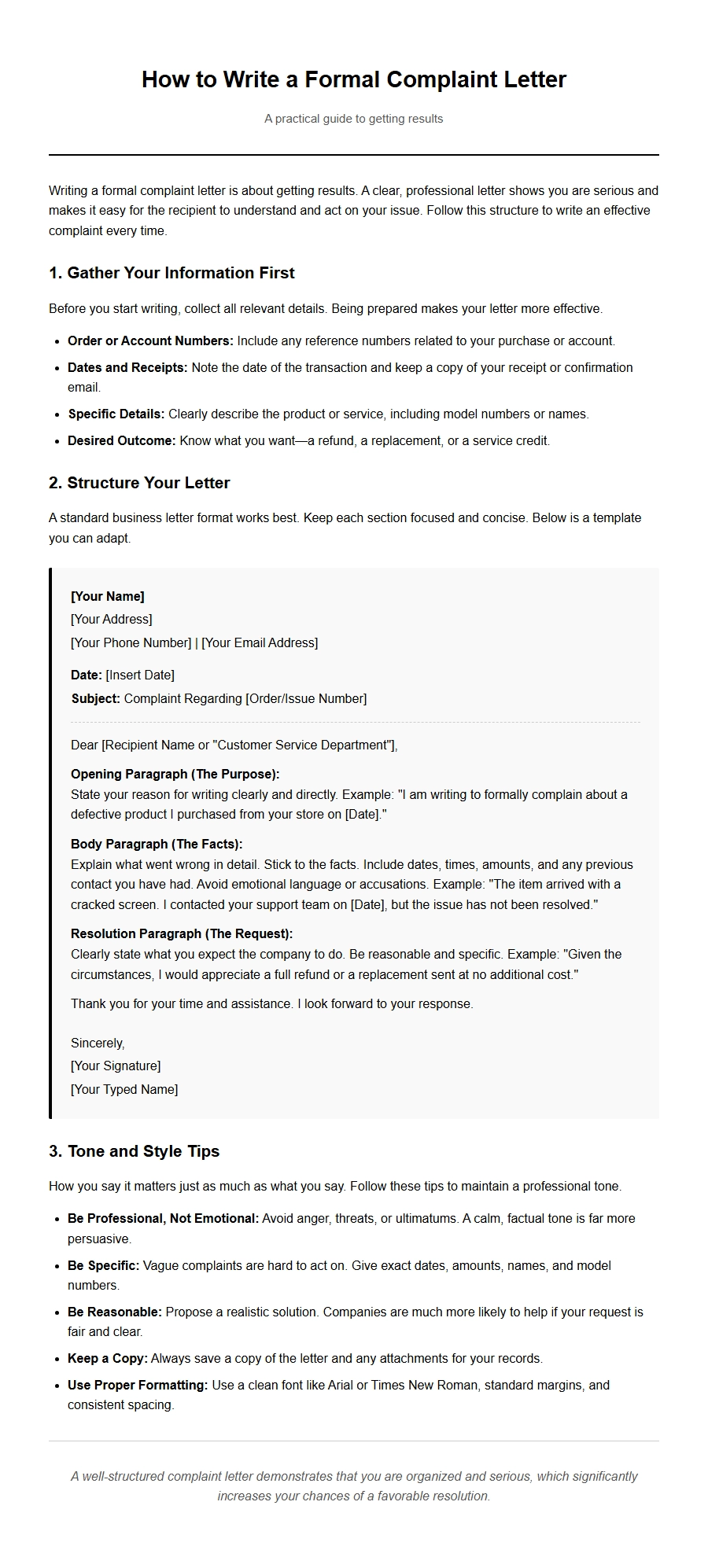 How to Write a Formal Complaint Letter
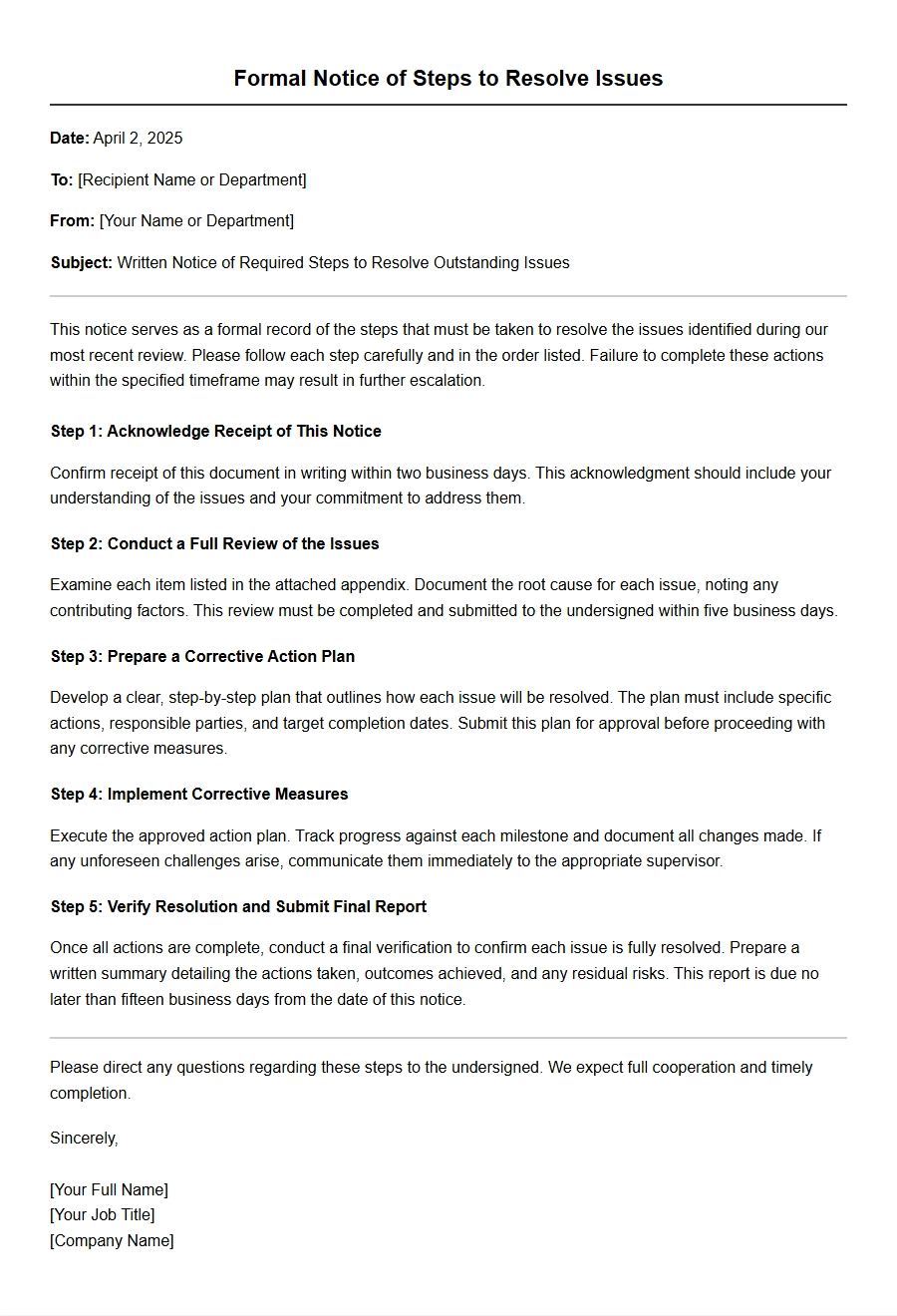 Steps to Resolve Issues via Written Notice
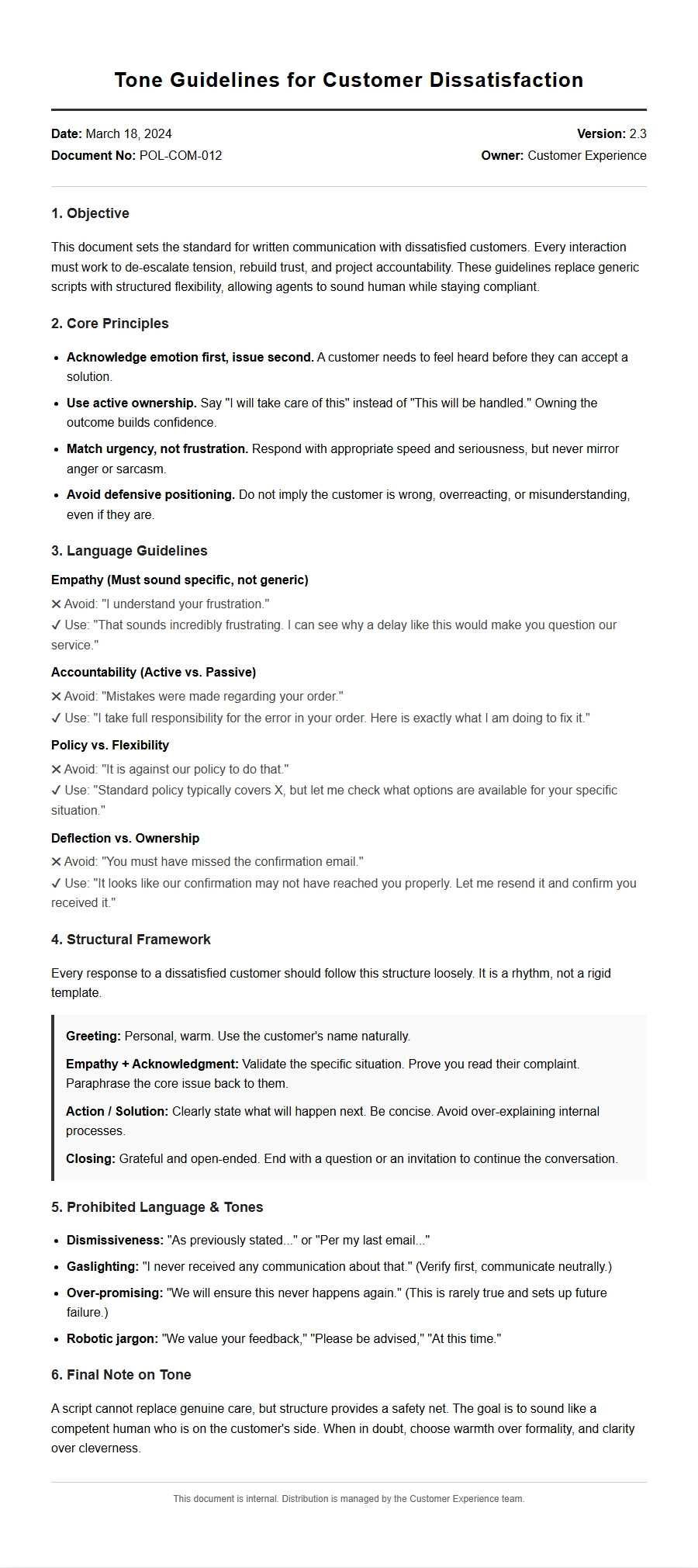 Tone Guidelines for Dissatisfied Customer Letters
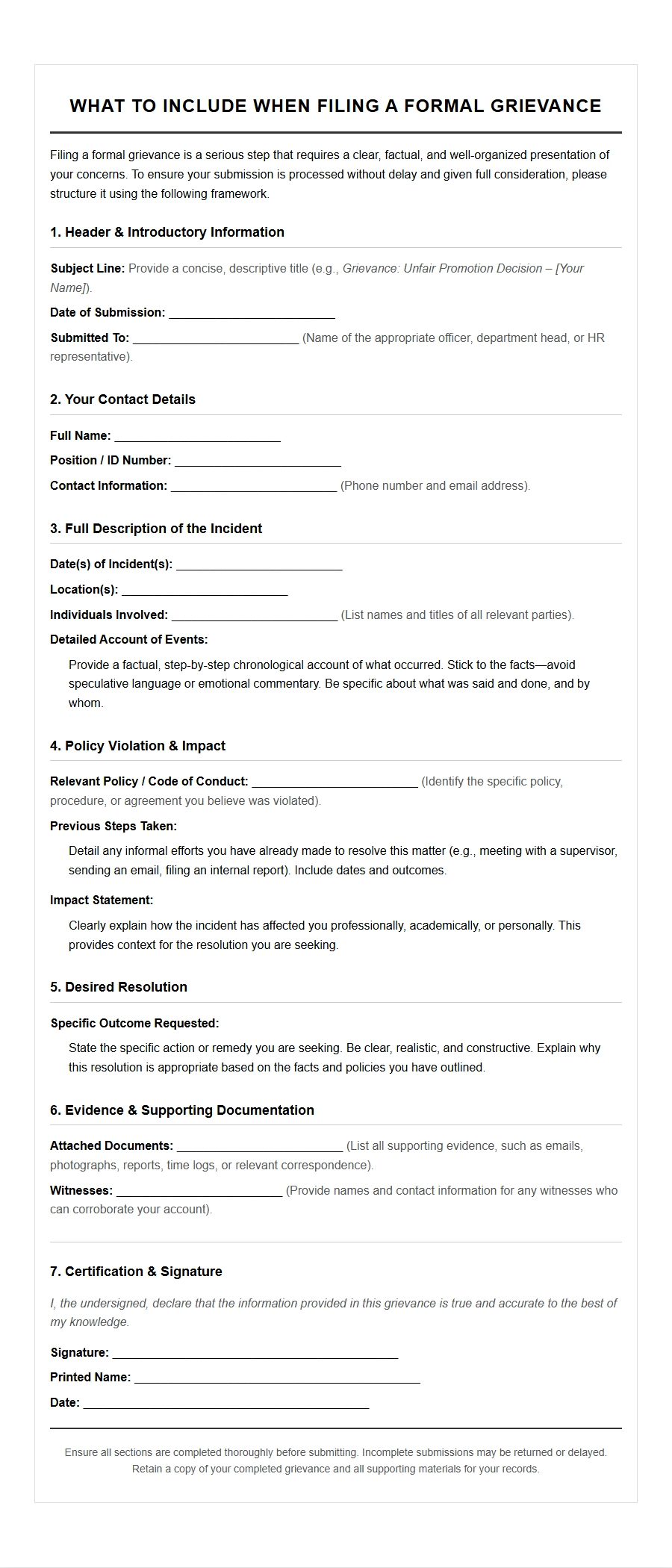 What to Include in a Formal Grievance Letter
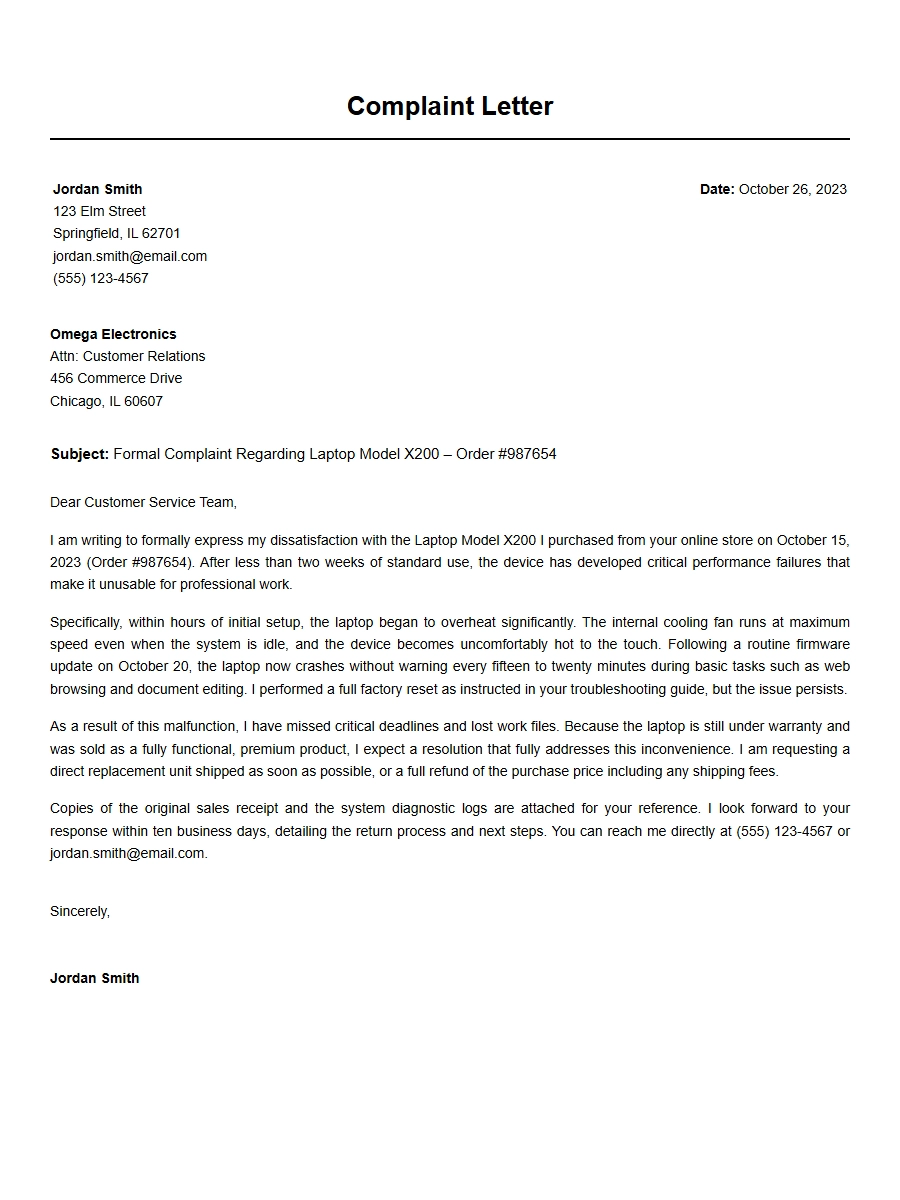 Structure of an Effective Complaint Letter
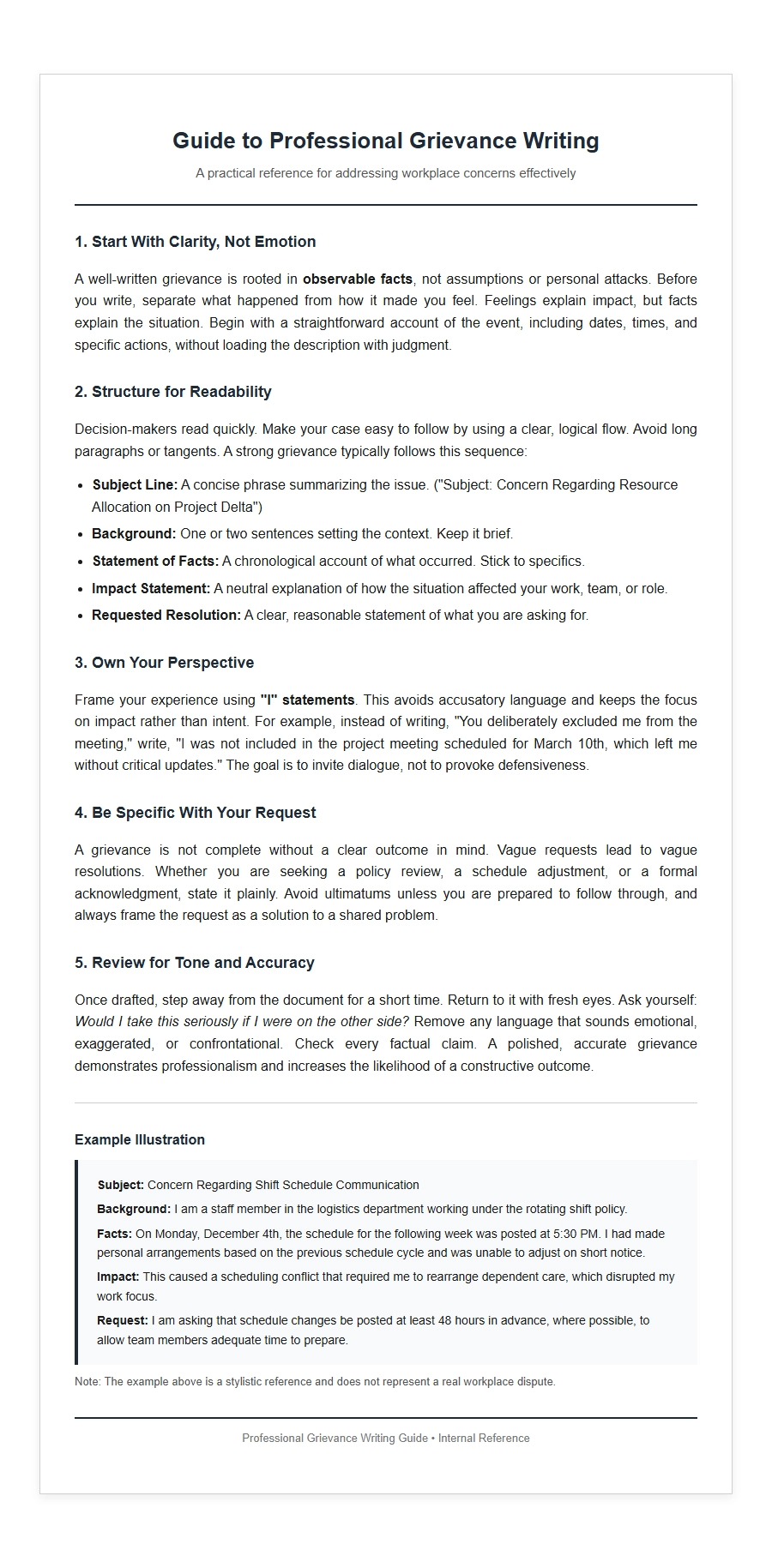 Best Practices for Writing Professional Grievance Letters