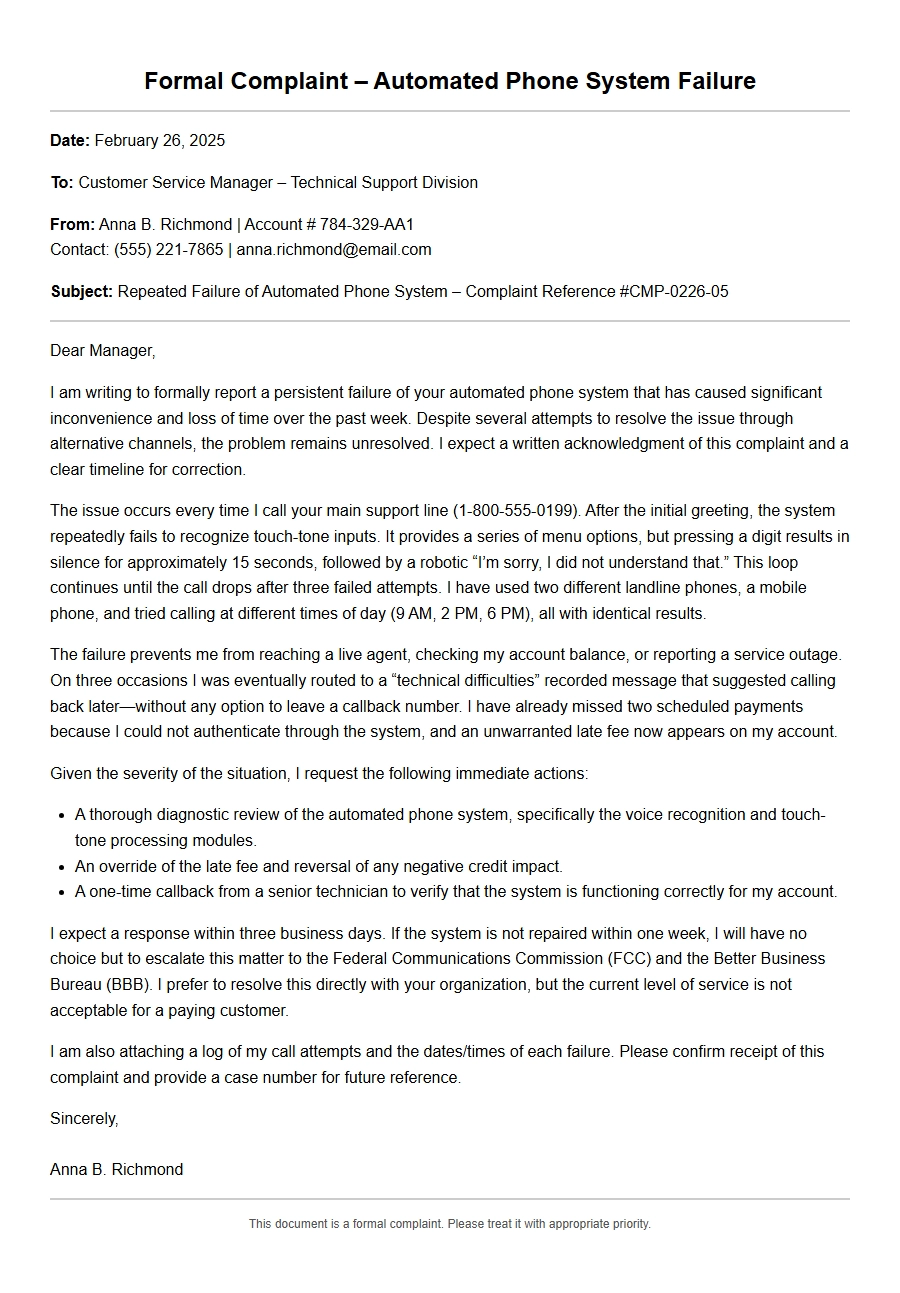
Complaint Letter About Automated Phone System Failure
You’ve been trapped in an endless loop of automated menus, transferred three times, and still haven’t spoken to a human. Writing a complaint about automated phone system failure can feel like screaming into the void – but a well-crafted letter cuts through the noise. Whether you’re sending it to customer support, a supervisor, or the company’s executive team, the right structure makes your frustration clear without sounding like a rant.
Using a letter sample isn’t cheating. It’s a smart shortcut. Samples give you a proven business letter format, a professional tone, and the key phrases you need – like “I am writing to formally document” or “I request immediate resolution.” You still get to add your personal details and voice. Think of it as a template your future self will thank you for.
Category: Complaint Letters
What makes a good complaint about automated phone system failure?
The strongest letters do two things: describe the problem clearly and state what you expect to happen next. Start with the date and time you called, the number you dialed, and how long you waited. Mention the specific menu options you selected and what went wrong – maybe the system hung up, failed to transfer, or gave you a recording that didn’t match your issue.
For example: “On March 10, I called your customer service line at 9 AM and followed the prompts for billing. After selecting option 2, the system played a recorded message and then disconnected me. I called back twice with the same result.” That’s concrete and specific.
How to choose the right sample for your situation
Not every complaint needs the same tone. If you’re writing to a small business, a direct email may work. For a large company, a formal printed letter carries more weight. Look for a complaint letter sample that matches the level of formality you need. Many free letter templates include both a formal and a semi-formal version.
If the problem involves a lost order or billing error, you might adapt a template for reporting fraudulent charge to merchant processor or a general customer service complaint. For repeated system failures, you could use a structure similar to a complaint about unlicensed tradesperson – where you document broken promises and request a fix.
Adapting a sample without losing your voice
The best customizable letter is one that feels like you. Once you have a sample, swap out generic phrases for your own words. Instead of “I am dissatisfied with your service,” try “Your phone system wasted an hour of my workday, and I still have no answer.” That’s honest and direct.
Pay attention to tone in writing. You can be firm without being rude. Use “I need” rather than “you must.” Avoid blaming the individual who reads the letter – it wasn’t their fault the system failed. Keep your focus on the company’s responsibility to provide working support channels.
Common mistakes to avoid
One frequent error is using outdated salutation and closing like “To Whom It May Concern” if you know the person’s name. Do a little research. A quick scan of the company’s website or LinkedIn can give you the right contact. For email, use a clear subject line like “Complaint – Automated Phone System Failure – March 10.”
Another mistake is ignoring digital letter format. If you send an email, don’t attach a scanned PDF unless asked. Paste the letter in the body and include your contact info. For a printed letter, use a simple letterhead design with your name, address, and date at the top.
Proofreading letter before sending is crucial. Read it aloud – if you stumble, rewrite that part. Triple-check the dates and phone numbers. A small typo can make you look careless, and you want the company to take you seriously.
Step-by-step: Writing your own complaint
Start with your contact information and the date. Then add the company’s name and address. Use a formal salutation and closing like “Dear Customer Service Manager” and “Sincerely.”
Open with a clear statement: “I am writing to file a formal complaint about your automated phone system on [date].” Then describe what happened in two or three sentences. Stick to facts. Avoid emotions like “I was furious” – instead say “I was unable to reach a representative after four attempts.”
Next, explain the impact. Did you miss a deadline? Couldn’t pay a bill? Lost a sale? Be specific. Then state your desired resolution – “I request that you credit my account for the late fee I was charged because your system was down” or “Please provide a direct phone number to a human representative.”
Close by asking for a response by a certain date. If you haven’t heard back, you may need to escalate. That’s where escalating a customer service issue in writing becomes your next step.
When a letter isn’t enough
If the automated system failure caused financial harm or repeated problems, you might need to send a copy to a regulatory agency or your bank. For disputes over fees or charges, our guide on contesting fines and payment notices can help you structure that request. If you suspect the phone system issue was part of a larger pattern of poor service, a complaint letter to HR may also be appropriate if the company has a dedicated employee relations team.
Remember, the goal is not just to vent – it’s to get the company to fix the problem. A clear, professional letter increases your chances of a real response. And if you need to report a fraudulent charge that resulted from the system failure, use our fraudulent charge complaint template to document the issue properly.
Make the letter work for you
Use the sample as a springboard, not a crutch. The best letters feel both professional and personal. They show you know letter writing etiquette but aren’t afraid to be human. After you send it, keep a copy for your records. If you don’t hear back in a week, follow up. Every good complaint is a step toward holding companies accountable for their broken systems.
Helpful Examples
Complaint Letter About Automated Phone System Failure
Complaint About Endless Loop in Automated Menu
Date: October 15, 2023
To: Customer Service Manager, National Telecom Inc.
Subject: Repeated failures of the phone system – cannot reach a human agent
I am writing to formally complain about the automated phone system at National Telecom. Over the past week, I have called your customer service line three times, and each time I have been trapped in an endless loop of menus. Even after selecting “representative,” the system circles back to the main menu. I spent over 20 minutes on hold yesterday without ever speaking to a person.
The following table summarizes my call attempts:
Date
Time
Duration
Outcome
Oct 9
10:15 AM
12 min
Auto-disconnected
Oct 11
2:30 PM
18 min
Menu loop – hung up
Oct 14
4:00 PM
22 min
Never reached agent
This system failure has prevented me from resolving an urgent billing dispute. I expect your company to provide a working phone system or offer a direct callback option. Please investigate and contact me within 3 business days.
Thank you, Jane Doe Account #: 784-332-0192
Complaint About Automated System Not Recognizing Voice Input
Date: November 2, 2023
To: Support Team, HealthFirst Insurance
Subject: Voice recognition failure – unable to use automated system
I am a long-time customer of HealthFirst, but recently your automated phone system has become unusable. Whenever I try to use the voice commands, it fails to understand my simple requests like “claims status” or “representative.” Instead, it repeatedly asks me to repeat my statement, then eventually disconnects. This has happened four times in the last two weeks.
Key issues:
System misinterprets “speak clearly” prompts even when I am in a quiet room.
No option to bypass voice commands and use touch-tone for all steps.
After three failed voice attempts, the line drops without a transfer.
I attempted to file a claim on October 28 and after 25 minutes of frustration, I gave up. I am attaching a detailed log of calls. Please upgrade your voice recognition software or provide a manual entry fallback. I expect a prompt reply and a working number to reach a human agent.
Sincerely, Mark Wilson Member ID: HFC-8876
Complaint About Automated System Dropping Calls During Transfer
Date: December 5, 2023
To: Customer Relations, Skyway Airlines
Subject: Automated phone system drops calls when transferring to agent
I am highly dissatisfied with your automated phone system. Every time I finally navigate the menus and get transferred to a live agent, the system drops the call after a long silence. This has occurred on three separate occasions in the past month. Each time I had to redial and repeat all menu selections.
Details of the failures:
Nov 20 – waited 8 minutes on hold, then got a “transfer failed” message.
Nov 28 – after 12 minutes of menus, the line went dead when it said “connecting you.”
Dec 3 – same issue again, with no callback offered.
I am trying to change a flight reservation for a medical emergency, and this system is preventing me from getting help. I request that you either fix the transfer mechanism or provide a direct line to the customer service desk. Please escalate my complaint if necessary.
Regards, Emily Hart Reservation: A7K-2039
Complaint About Long Hold Times After Automated Menu
Date: January 10, 2024
To: Office of the President, Universal Utilities
Subject: Unacceptable hold times caused by automated system failure
I am writing to express my frustration with your automated phone system. On January 8, I called to report a power outage. The automated system made me go through six menu options, then placed me on hold for over 45 minutes. When I finally reached an agent, the call dropped accidentally, and I had to start over.
My call log:
Call #
Wait time
What happened
1
47 min
Spoke to agent briefly, then disconnected
2
52 min
System hung up after “all agents busy”
3
–
Gave up after 15 min on menu
I eventually drove to the local office to get service restored. This is unacceptable for an essential utility. I demand that your company either reduce automation complexity or provide a callback system. Please confirm steps taken to avoid this in the future.
Yours truly, Robert Chen Account #: 651-09-8372
Complaint About Automated System Not Accepting Account Number
Date: February 14, 2024
To: Billing Department, SecureBank
Subject: Automated phone system repeatedly rejects my valid account number
I am writing to complain about your automated phone system, which refuses to accept my account number. Every time I enter the 10-digit number, the system says “invalid account” and resets the call. I have tried using both touch-tone and speaking the digits, but the result is the same. This has blocked me from accessing my account information or making payments over the phone.
Details:
Account number: 9023-4456-78 (correct per my statement)
Attempted on Feb 10, 12, and 13 — three times
System does not allow me to skip the entry or talk to a human without “valid” account.
I even verified the number with a branch teller, who confirmed it is correct. Meanwhile, I cannot pay my credit card bill because the website is down. Please fix the system immediately or add an option to bypass account validation. I expect a call or email within 48 hours.
Thank you, Lisa Nguyen Phone: (555) 123-4567
Complaint About Automated System Giving Incorrect Information
Date: March 20, 2024
To: Technical Support Manager, DataCloud Hosting
Subject: Automated phone system provides outdated and wrong information
I am extremely frustrated with your automated system, which recently fed me incorrect data about my hosting plan. I called to check my disk usage and it told me I had 5GB free, but when I logged into the web control panel, I actually had exceeded my limit by 2GB. This led to my website going offline for six hours.
Incidents:
March 15 – system said “account in good standing” but I had an unpaid invoice.
March 18 – system reported billing due date as April 1, actual due date was March 20.
March 19 – the verbal usage stats were outdated by three days.
I rely on accurate data to manage my business. Please audit your automated system’s data synchronization. If this cannot be fixed, provide a live agent option without long holds. I await your written response.
Sincerely, James Okafor Account ID: DCH-7842
Complaint About Missing Callback Feature in Automated System
Date: April 1, 2024
To: Customer Experience, RetailMax
Subject: No callback option despite repeated failures of automated system
I am writing to complain about your automated phone system that offers no callback option. After being stuck in the menu for 15 minutes, I had to hang up and call again multiple times. Three attempts later, I still had not spoken to anyone. Many companies now offer a callback feature – why does RetailMax not have one?
Call summary:
Attempt
Time spent
Issue
1: 8:30 AM
12 min
Menu loop – hung up
2: 9:15 AM
18 min
On hold, then disconnected
3: 10:00 AM
25 min
System error message
My order #3859 is delayed and I need to speak to an agent urgently. I request that you implement a callback system that saves a customer’s place in line. Please address this complaint seriously; otherwise, I will escalate to the Better Business Bureau.
Best regards, Anna Kowalski Phone: (555) 789-1234
Complaint About Automated System Practicing Deceptive Silence
Date: May 5, 2024
To: Compliance Officer, GlobalConnect Communications
Subject: Automated phone system uses deceptive silence to avoid transfers
I am filing a formal complaint regarding your automated phone system’s deceptive silence tactic. After I navigate the menu and request a live agent, the system goes silent for 30–60 seconds, then plays a busy signal or repeats the same menu. This has wasted hours of my time.
Key observations:
The silence occurs exactly after pressing “0” for operator.
System never gives a wait time or progress indicator.
On May 3, I stayed on for 4 minutes of silence, then got disconnected.
This appears to be intentional design to reduce agent interactions. I am currently unable to cancel a subscription because the system prevents me from reaching a human. I request an investigation and a direct line to a supervisor. If not resolved, I will file a complaint with the Federal Trade Commission.
Respectfully, David Liu Account #: GCOM-9934
Complaint About Automated System Failing to Recognize Touch-Tone Input
Date: June 12, 2024
To: Technical Support, MediCare Pharmacy
Subject: Touch-tone keypad not recognized by automated system after upgrade
Since your recent system upgrade, my phone’s touch-tone input is not recognized. I press “1” for English, but the system does not acknowledge it. I tried both my landline and cell phone – same problem. The system keeps repeating “I’m sorry, I didn’t catch that,” then eventually disconnects.
I need to refill a time-sensitive prescription (order #RX-3421). The web portal is not working either. I have attempted to call four times over two days, each time failing at the first menu. A friend helped me test: his phone works fine, so it may be an issue with certain network tones. Please roll back the upgrade or add a voice option for those whose DTMF signals are not detected.
I look forward to a solution within 24 hours.
Yours, Margaret Taylor Patient ID: 887-43-2101
Complaint About Automated System Not Allowing Emergency Bypass
Date: July 22, 2024
To: Emergency Services Manager, PowerGrid Electric
Subject: No emergency bypass option in automated phone system during outage
I am writing to complain about your automated phone system, which lacks any emergency bypass option. During the widespread storm outage on July 20, I called to report a downed power line near my home. The system forced me through seven menu options about billing and account info before offering an outage line. It took over 10 minutes just to reach the reporting menu, and when I finally did, the system put me on hold for 30 minutes. This is dangerous.
Outcome:
Call duration: 42 minutes total.
Never spoke to a person; line dropped.
Had to call 911 instead, which took valuable resources.
There must be a dedicated emergency phone number or a simple “press 0 for urgent hazard” option that bypasses all menus. I demand immediate implementation. Please send confirmation of changes made.
Concerned citizen, Raj Patel Address: 124 Oak Street
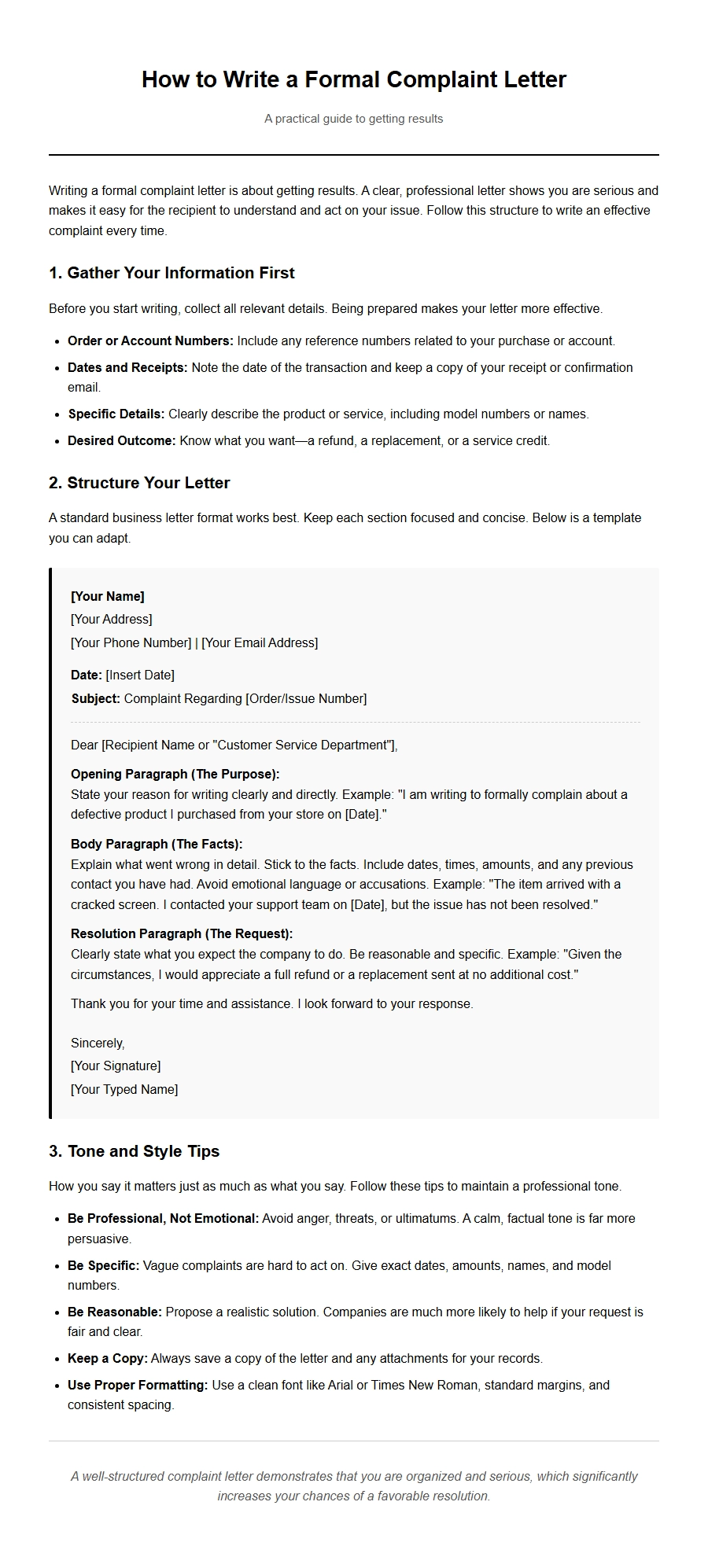 How to Write a Formal Complaint Letter
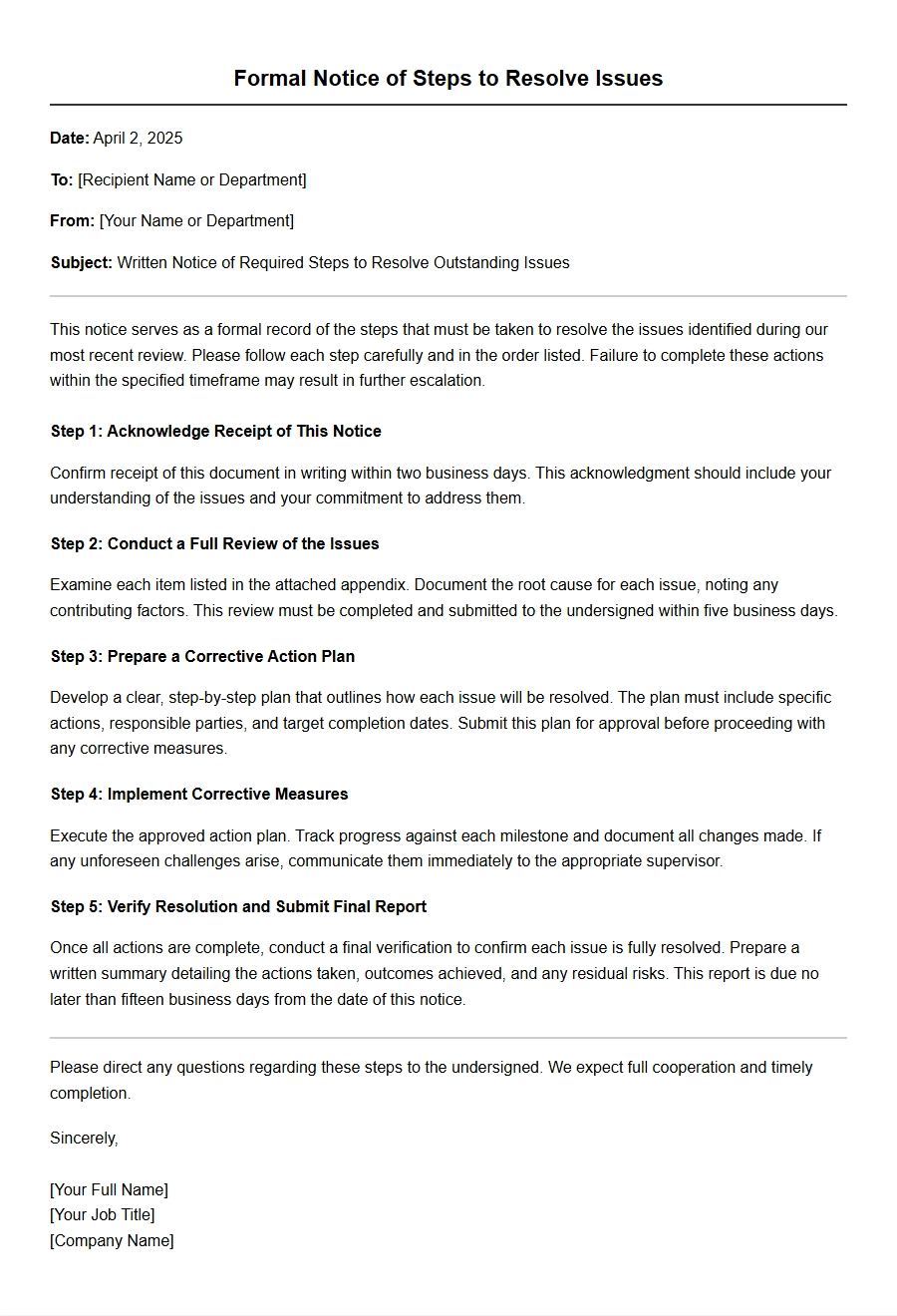 Steps to Resolve Issues via Written Notice
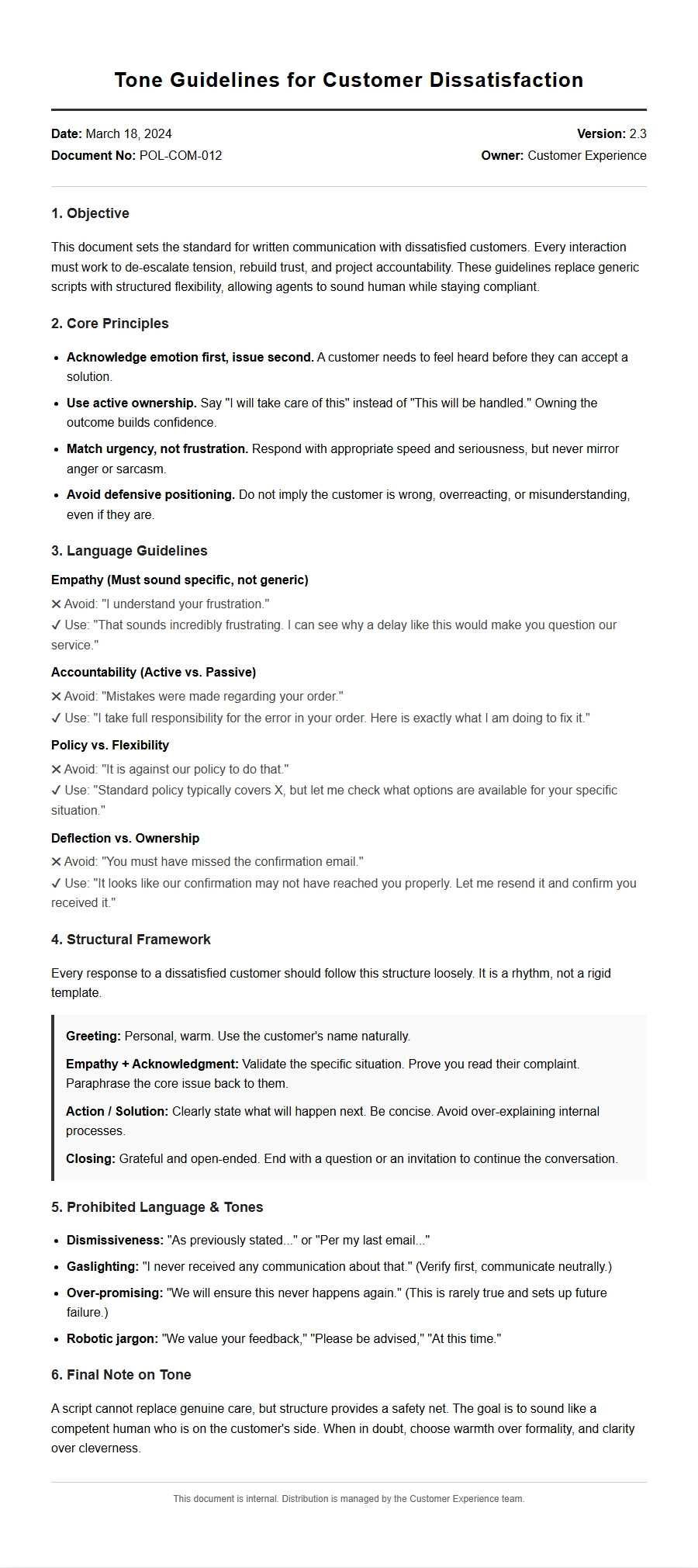 Tone Guidelines for Dissatisfied Customer Letters
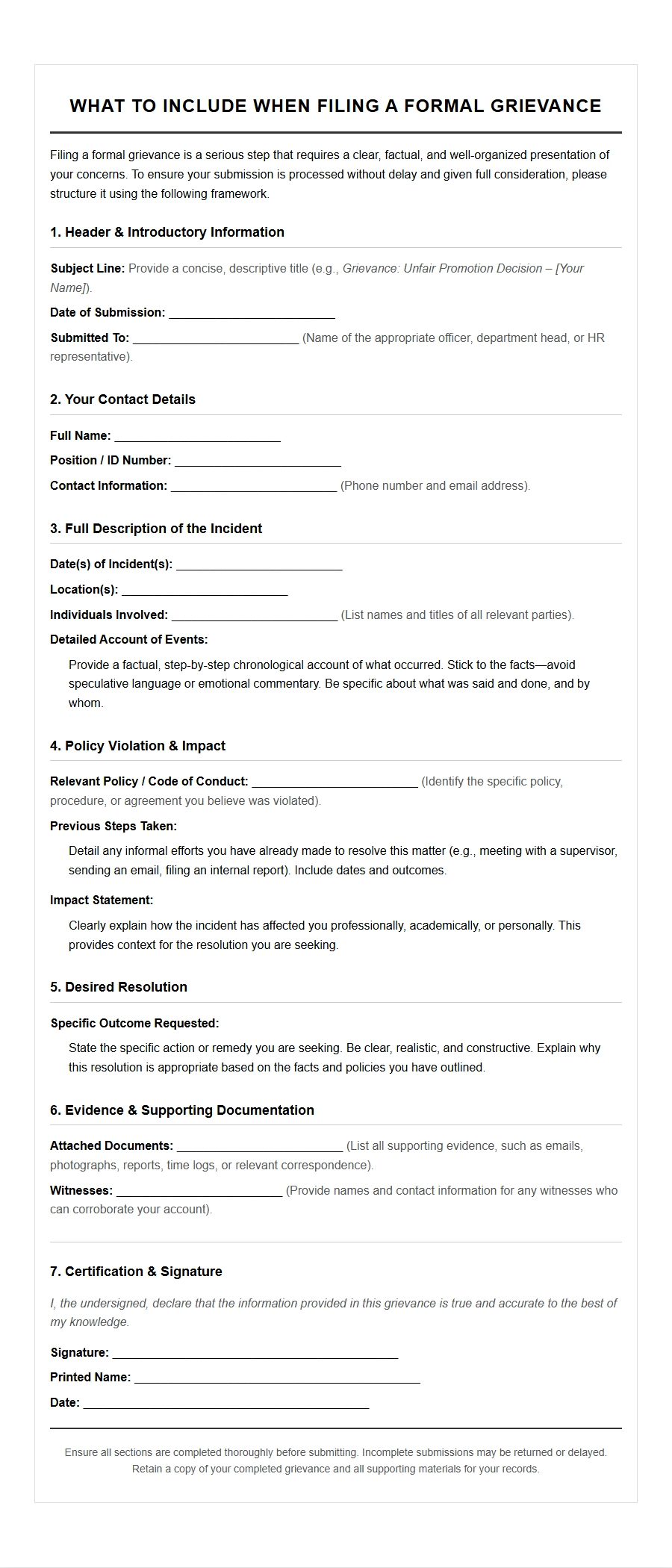 What to Include in a Formal Grievance Letter
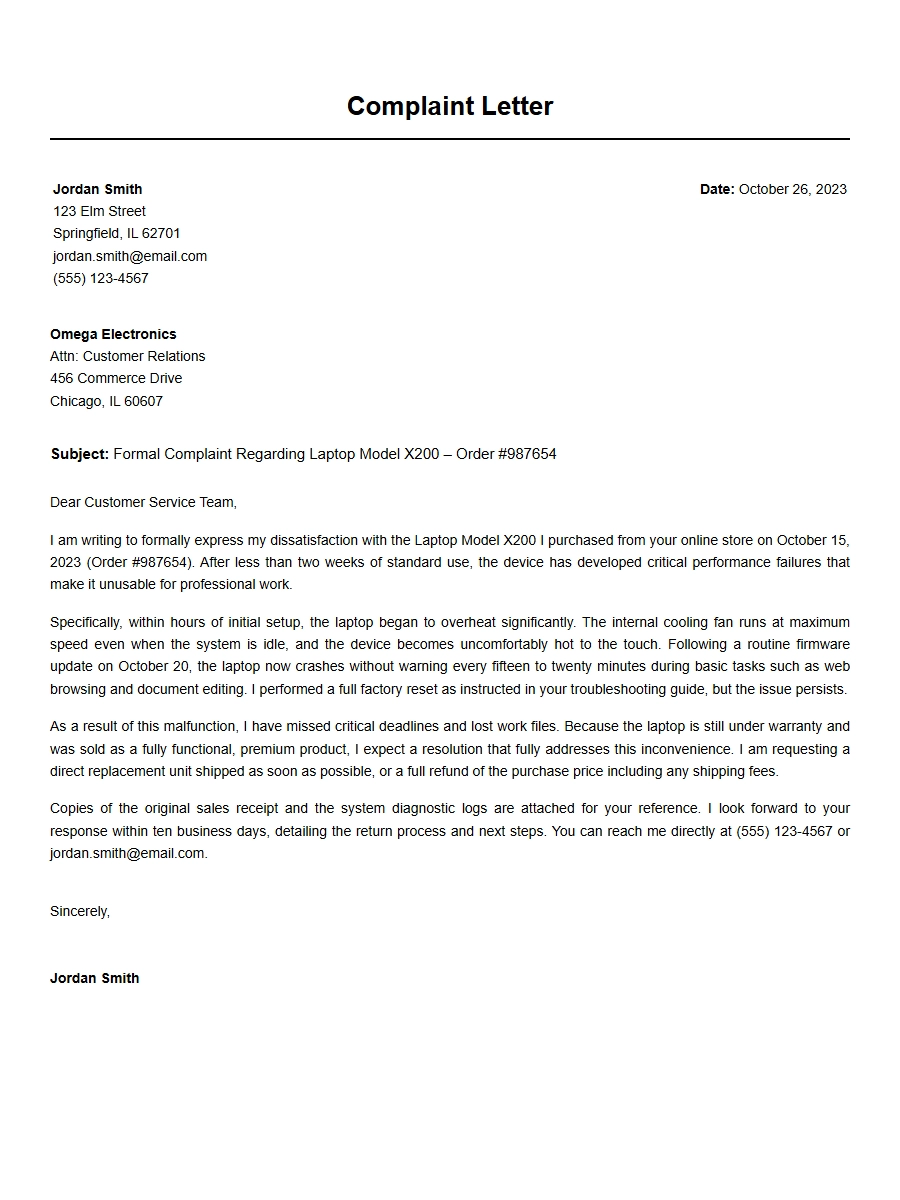 Structure of an Effective Complaint Letter
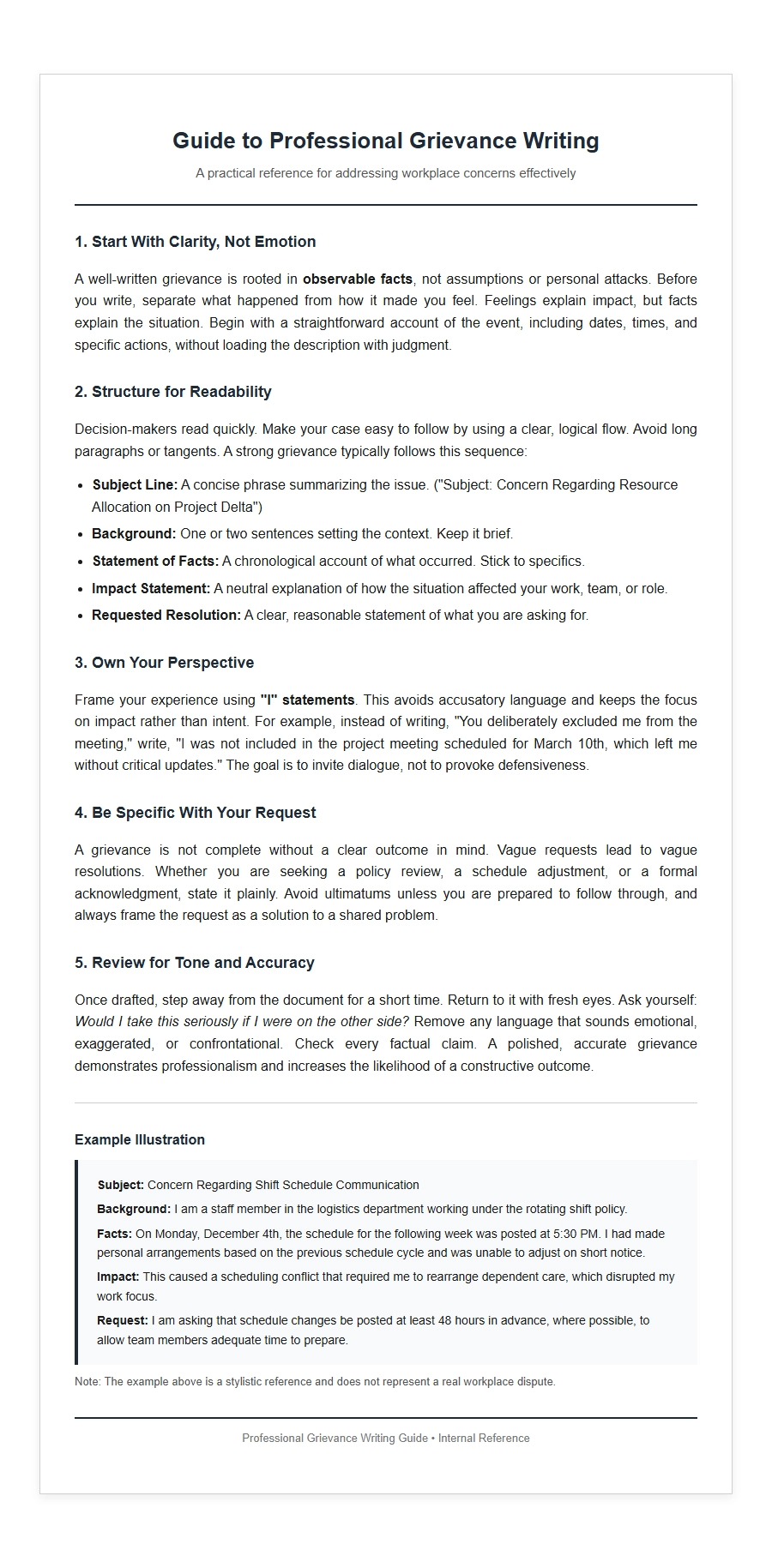 Best Practices for Writing Professional Grievance Letters