You just received a product referral from a client or colleague. You know you should send a thank‑you letter, but what exactly do you say? You want it to feel genuine, not like a form letter. Meanwhile, you need to get it out the door quickly. That blank page stares back. The good news? A thoughtfully chosen sample can turn that anxiety into a polished draft in minutes—without sounding robotic.
Using a letter template isn’t cheating. It’s a smart way to start. Samples give you a solid structure, the right tone, and key phrases like “I appreciate your trust” or “your referral made a real difference.” Then you add your own details. That combination saves time and keeps your message personal. The trick is knowing how to adapt a sample so it still sounds like you.
Category: Thank‑You Letters and Referral Acknowledgments
Let’s talk about the specific situation you’re in: a product referral service. Maybe a customer recommended your software to a friend. Or a business partner sent a lead your way. Either way, your thank‑you letter is a piece of professional correspondence that strengthens that relationship. A warm, well‑written note can turn a one‑time referral into an ongoing partnership.
Choose the Right Format and Tone
Before you pick a sample, think about your audience. Are you writing to a long‑time client or to a new acquaintance? For a formal business letter format, use block style with your letterhead at the top. For a quick email, you can skip the letterhead but still include a proper salutation and closing — “Dear [Name],” and “Sincerely,” work well. The tone should match your relationship: friendly but grateful, not overly casual or stiff.
Ever received a note that felt too stiff or too pushy? That happens when the tone doesn’t fit the context. For a product referral, keep it warm but professional. Mention the specific product they referred. Say why it helped. That makes the note customizable and genuine.
How to Adapt a Sample Without Losing Your Voice
Start by replacing the placeholder details: the referrer’s name, your product name, and the outcome (“Thanks to your referral, we were able to solve [problem] for [new client]”). Then adjust the opening paragraph to grab attention. Instead of “I am writing to thank you,” try “Your referral of [product] to [person] meant a lot to me — and to them.” That’s more natural and direct.
One common mistake is using outdated salutations like “To Whom It May Concern.” Never use that for a thank‑you note. Address the person directly. Another mistake: forgetting to proofread. Proofreading a letter before sending catches small errors that can undermine your gratitude. Read it aloud or use a simple tool — your recipient will notice the care.
Digital vs. Printed Letters
Most product referral thank‑yous go by email. That’s fine, but don’t treat it like a text message. Use a clear subject line like “Thank you for referring [product].” Keep the body short — three or four sentences work. If you’re sending a printed letter, pay attention to letterhead design (a simple logo at the top is enough) and use quality paper. For digital letter format, a plain email with a friendly font reads best.
Think of this as a cousin to other thank‑you notes you might write. For example, a thank‑you note for a hair styling appointment shares the same need for sincerity and a personal touch. Or if you’re acknowledging a project that went well, an appreciation message for a project manager follows similar principles. The structure is flexible — your voice makes it unique.
Letter Writing Etiquette to Keep in Mind
Letter writing etiquette matters even in a digital age. For a product referral, always thank the person within a week of the referral. Be specific: “Your referral helped us close a deal that was struggling.” Avoid generic phrases like “I appreciate your support” — instead, say what the support actually led to. That shows you value their recommendation beyond just the gesture.
Also consider the letter structure: opening (thank you), body (impact of the referral), closing (renewed gratitude and open door). That’s all you need. No fluff. If you’ve ever used cover letter examples for a job search, you know the same principle applies — a clear, logical flow makes the reader feel respected.
Common Pitfalls to Avoid
Don’t make the letter about yourself. It’s about them and their referral. Avoid long explanations of your product’s features — they already know about it. And don’t forget to include a next step, like “If you ever have another client who could benefit, I’d love to hear from you.” That keeps the door open without sounding pushy.
Another pitfall: ignoring the difference between an email and a printed letter. An emailed thank‑you can be shorter, but still use proper salutation and closing. A printed letter might include your full letterhead design — but if you don’t have one, a simple name and address at the top works fine.
The sample you pick is a starting point, not a final product. Add your own voice. Change a word here, a phrase there. The best thank‑you letters feel both professional and personal. They show you took a moment to write something real. Over time, writing these notes will feel quicker and more natural. You’ll develop your own rhythm.
So grab a thank‑you letter for product referral service template, tailor it to your situation, and send it today. Your referrer will appreciate the effort — and you’ll feel good knowing you handled it the right way.
Simple Examples
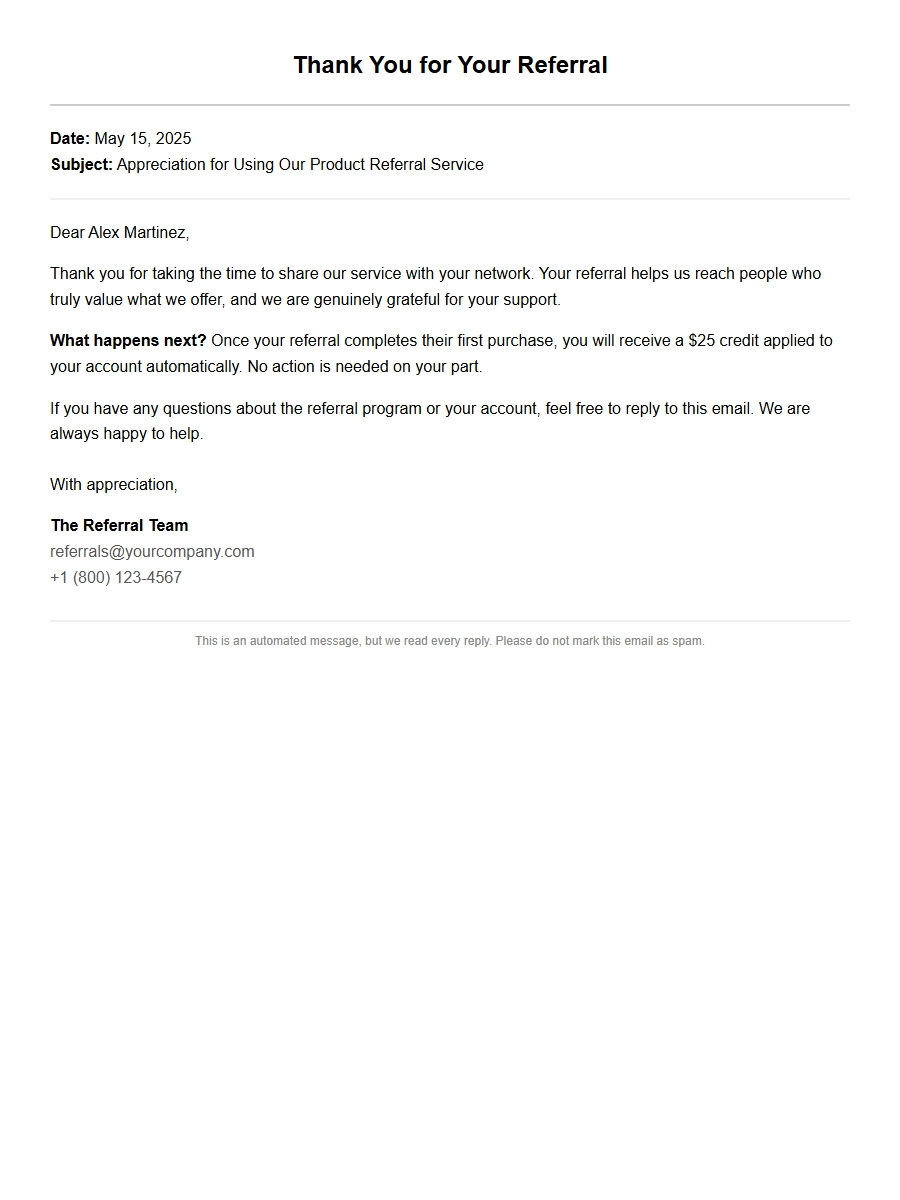
Thank You Letter for Product Referral Service
Referral Thank You with Bonus Credit
Dear [Referrer Name],
Thank you for referring [Friend Name] to our [Product Name] service! We greatly appreciate your confidence in us.
As a token of our gratitude, we have credited $50 to your account. Below are the details:
Referral Date
Referral Name
Bonus Credited
[Referral Date]
[Friend Name]
$50.00
Your bonus is now available for use on your next subscription renewal. Thank you for helping us grow!
Warm regards, The [Company Name] Team
Personalized Thank You for Product Referral
Hi [Referrer Name],
We just wanted to send a personal note to say thank you for referring [Friend Name] to our [Product Name]. Word-of-mouth like yours is the highest compliment we can receive.
Your referral means a lot to us because it shows you genuinely believe in what we do. To show our appreciation, we have sent you a special gift card worth $25 via email (check your inbox for the code).
Referral made: [Referral Date]
Your reward: $25 Gift Card
Your new referral balance: 1 referral (you’re now part of our VIP program!)
Thank you again for your support. If you need anything, just reply to this email.
Best, [Referral Program Manager]
Corporate Thank You for Referral Service
Dear [Client Company Name],
We are writing to formally thank you for using our Product Referral Service and for recommending our platform to [Referred Company Name]. Your partnership is invaluable.
As a result of your referral, we have processed a referral fee as per our agreement. Please find the invoice details below:
Invoice #
Referral Fee
Date
Status
INV-2024-[Number]
$1,200.00
[Current Date]
Paid
We look forward to continuing our collaboration. Thank you for trusting us with your referrals.
You rock! Thanks for sharing the love about our [Product Name] with your friend [Friend Name].
Your referral just helped us gain a new happy customer. As a thank-you, we’ve added 500 bonus points to your loyalty account. Here’s a quick summary:
Points added: 500
Current points balance: [Balance]
Referral date: [Date]
You can redeem these points for discounts on your next purchase. Keep those referrals coming!
Cheers, The [Company Name] Team
Thank You for Referral - Subscription Service
Dear [Referrer Name],
Thank you for referring [Friend Name] to our [Product Name] subscription service. We appreciate your support in spreading the word.
Because your referral signed up for an annual plan, you have earned one month free on your subscription. The free month will be applied to your next billing cycle. Below are the details:
Referral
Reward
Applied On
[Friend Name]
1 Month Free
[Next Billing Date]
If you have any questions about your account, please contact our support team.
Thank you again, [Company Name] Referral Team
Thank You for Product Referral - Small Business
Hi [Referrer Name],
We’re so grateful that you took the time to refer [Referred Business Name] to our [Product Name]. As a fellow small business, your recommendation means the world to us.
To say thanks, we have processed a referral commission of $150 to your account. Check your dashboard for the updated balance.
Referral source: [Business Name]
Referral fee: $150.00
Payment status: Sent via PayPal on [Date]
We hope to keep helping you grow your business. Thanks for being a part of our community!
With appreciation, [Your Name]
Thank You for Referral Service Feedback
Dear [Referrer Name],
Thank you for not only referring [Friend Name] to our [Product Name], but also for sharing your feedback about our referral process. We value your opinion and have implemented some improvements based on your suggestions.
As a token of gratitude, we have added 1,000 loyalty points to your account. Here is your referral activity summary:
Referral Name
Date
Points Earned
Total Points
[Friend Name]
[Date]
1,000
[Total]
We look forward to your continued support.
Best regards, The [Company Name] Referral Team
Thank You for Referral - Enterprise Plan
Dear [Referrer Name],
Thank you for referring [Referred Company Name] to our Enterprise Product Referral Service. We appreciate your trust in our platform.
Your referral has resulted in a new enterprise client, and we are pleased to confirm the following commission:
Referral Commission: $2,500.00
Payment method: Wire transfer to account ending in [XXXX]
Expected payment date: [Date]
We have also extended your referral agreement for another year as a thank-you.
If you need any further assistance, please reach out to your account manager.
Sincerely, [Company Name] Enterprise Referrals
Thank You for Ongoing Referral Contributions
Hi [Referrer Name],
Just a quick note to say thank you for your continuous referrals to our [Product Name]. You have now referred 5 friends this quarter, and we are thrilled to have you in our referral program.
To recognize your efforts, we are upgrading your account to Gold Referrer Status, which comes with the following benefits:
Benefit
Details
Referral Bonus per new signup
$75 (was $50)
Priority support
24/7 dedicated line
Exclusive access
Beta features
Thank you for being an amazing advocate. We look forward to your continued referrals!
Best, [Company Name] Referral Team
Thank You for Referral Service During Trial
Dear [Referrer Name],
Thank you for referring [Friend Name] to our [Product Name] during your trial period. We appreciate your enthusiasm for our product.
Because of your referral, you have earned a 30-day extension to your trial, completely free. Here are the updated trial details:
Original trial end date: [Original Date]
New trial end date: [New Date]
Referral reward: 30 days added
We hope you enjoy exploring all the features. Thank you for helping us grow!
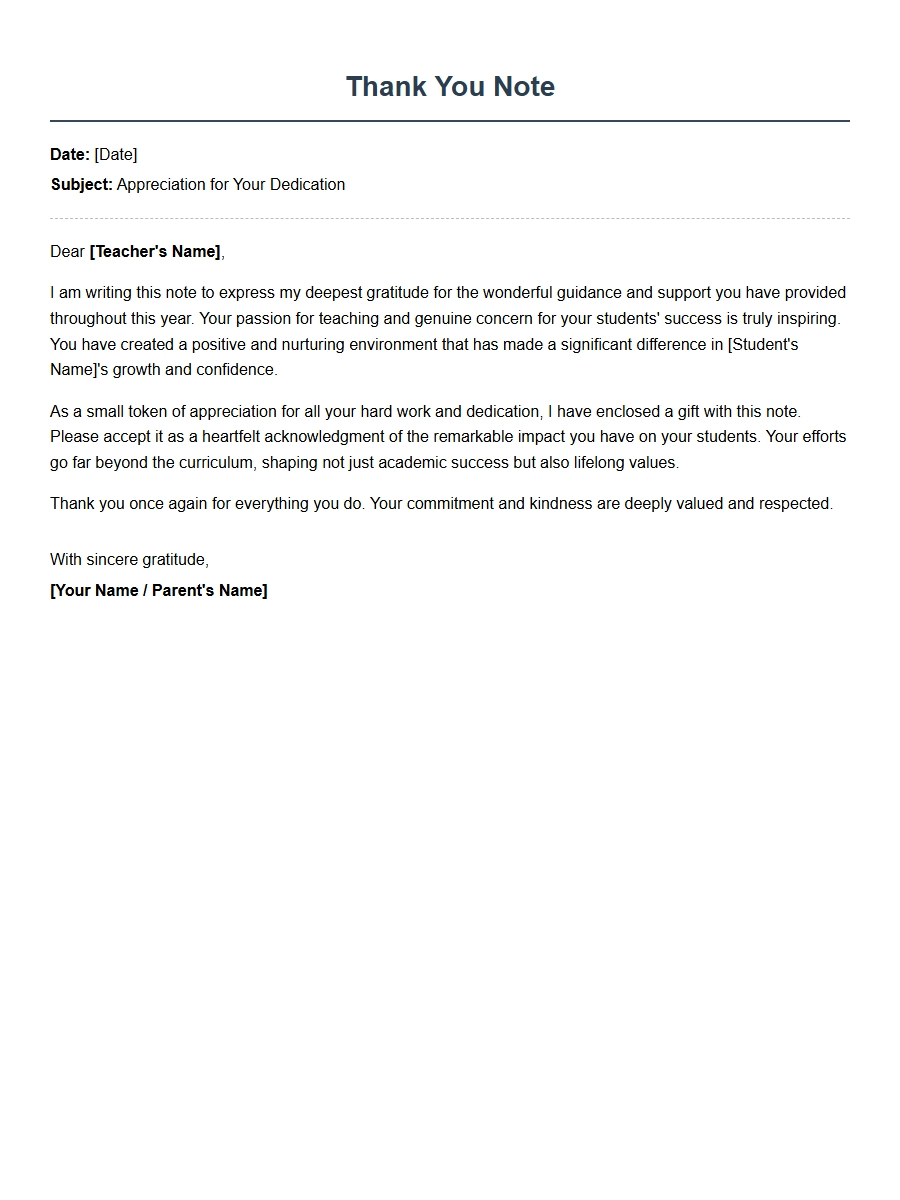 Sample Thank You Note for Teacher Gift
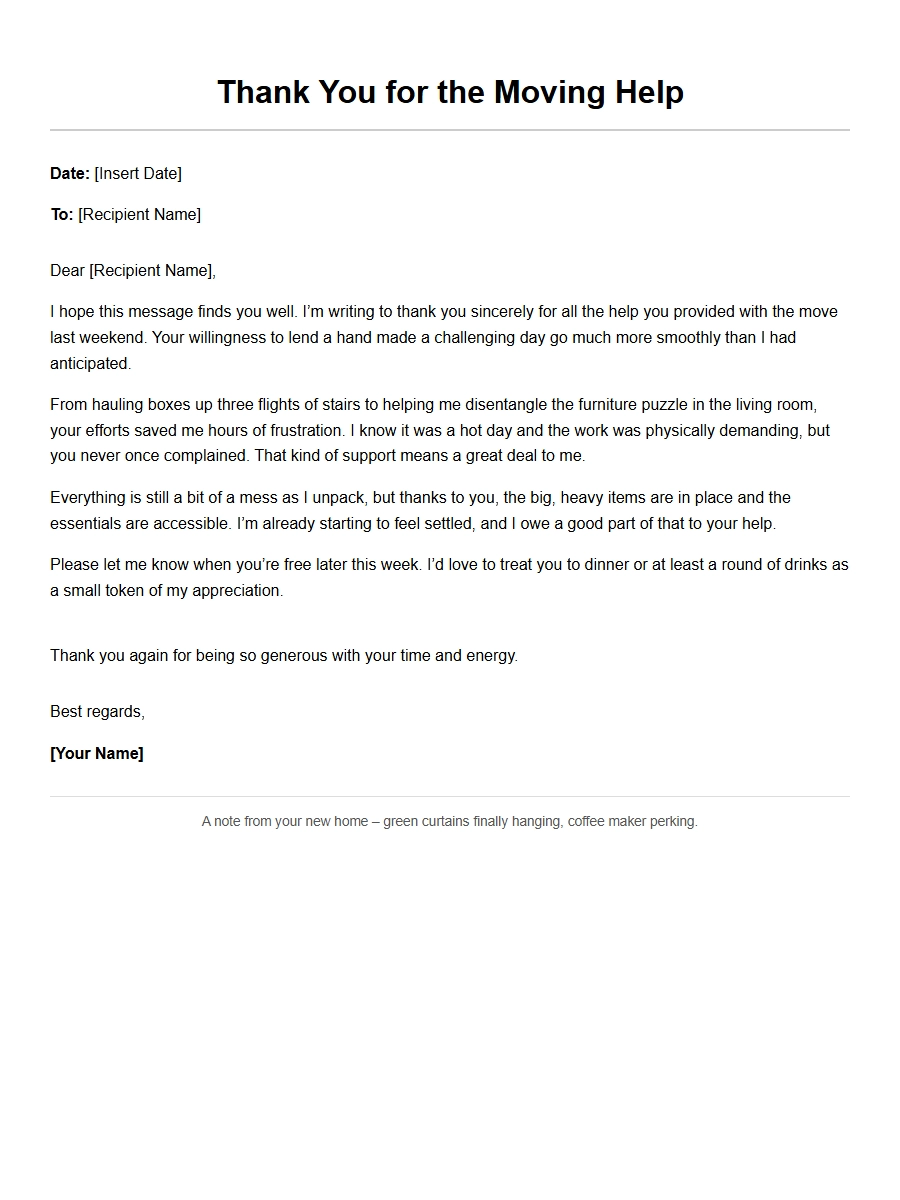 Thank-You Letter for Help with Moving
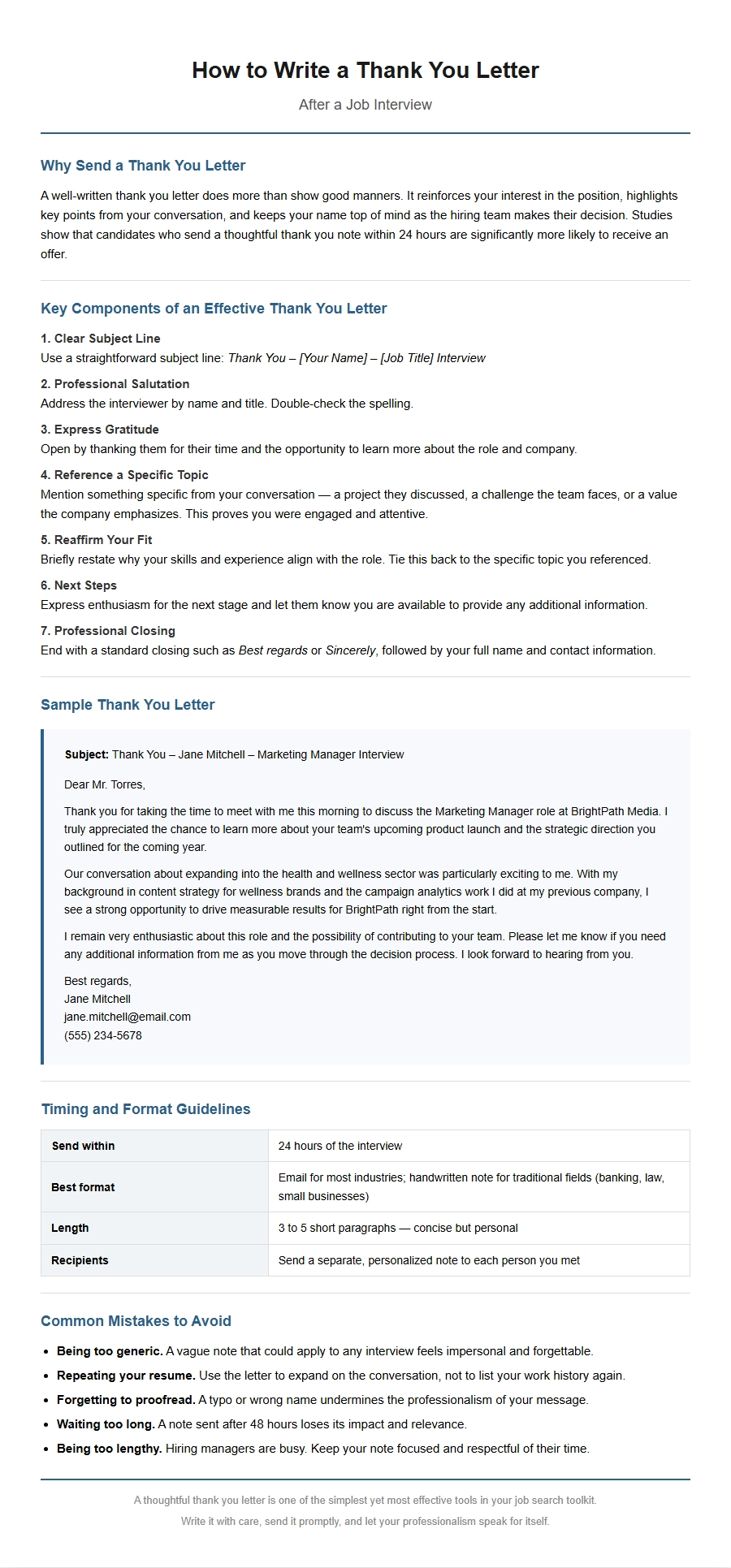 How to Write a Thank You Letter After an Interview
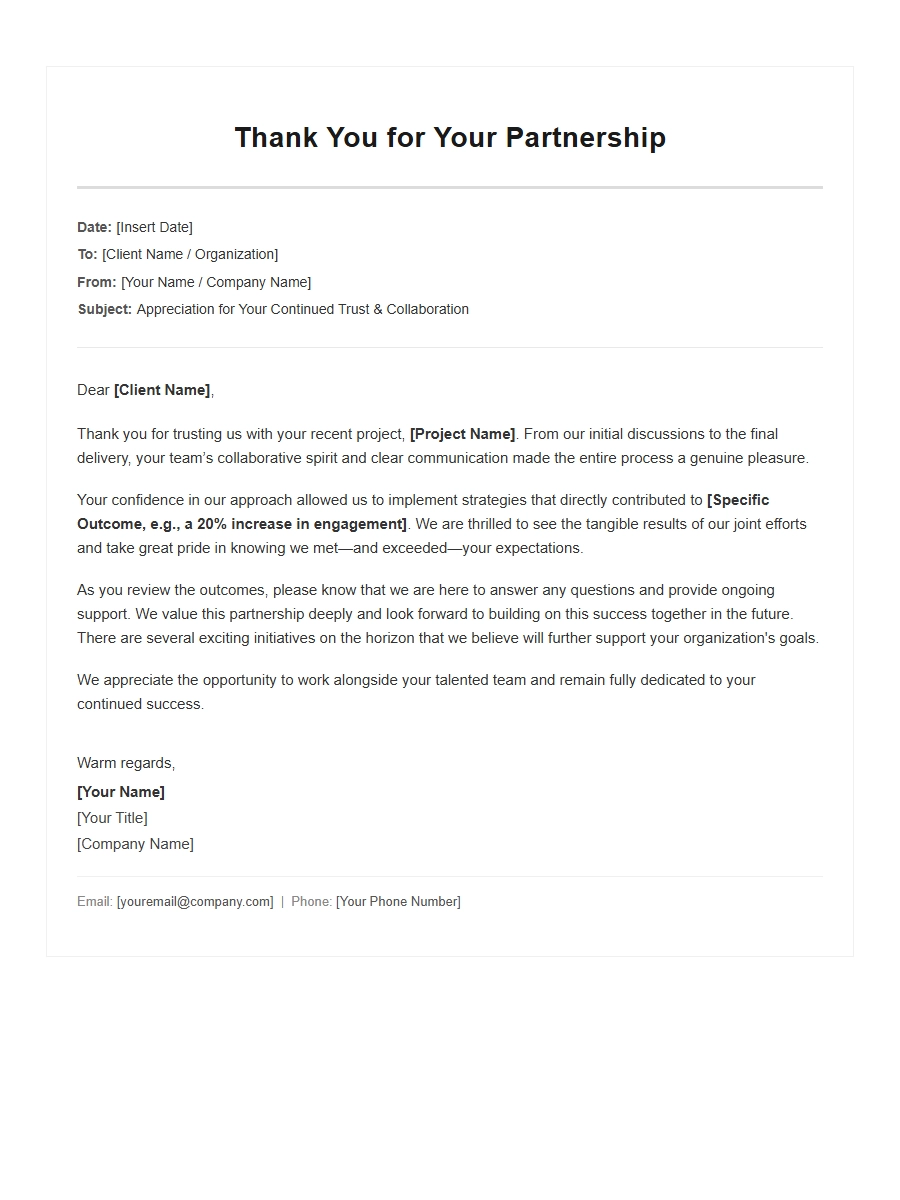 professional thank you email example for client - Thank-You Letters
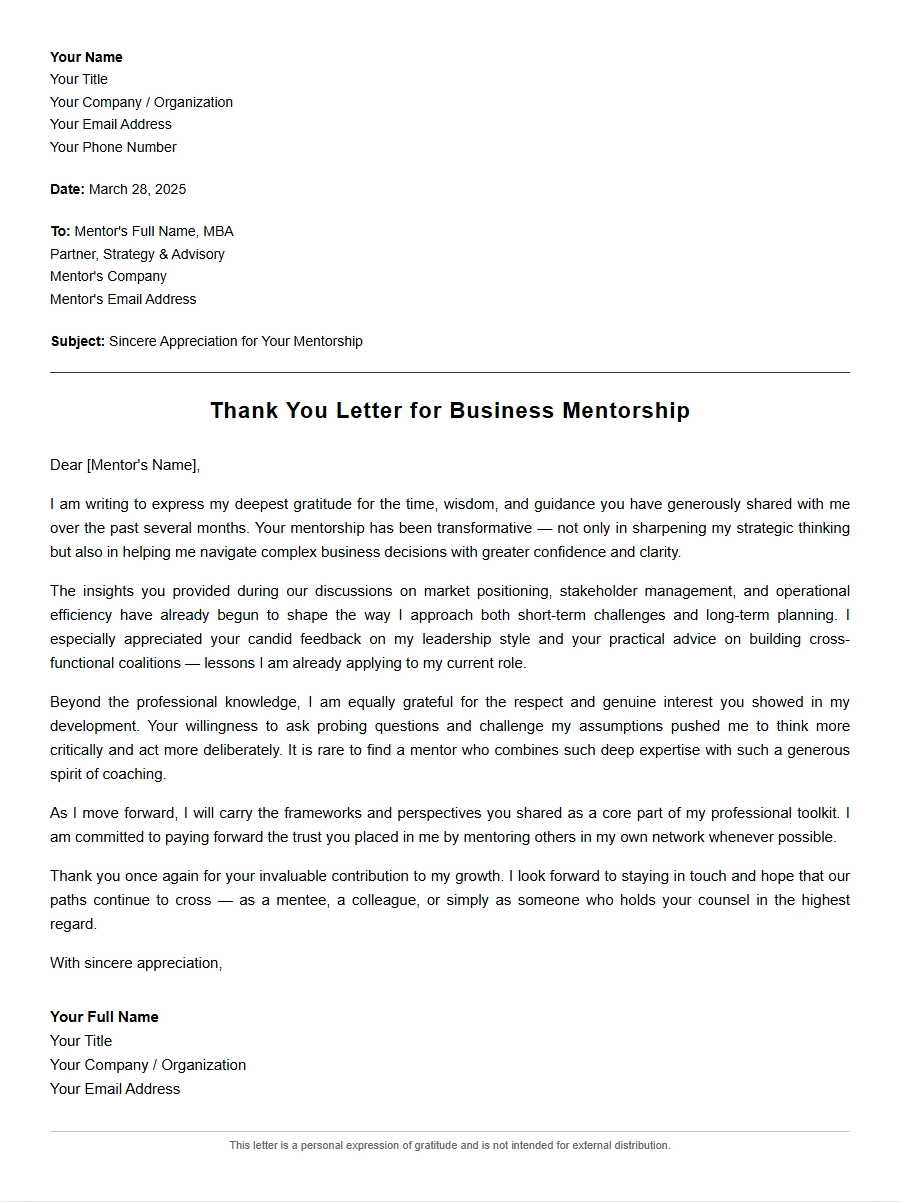 Business Mentor Thank-You Letter Guide
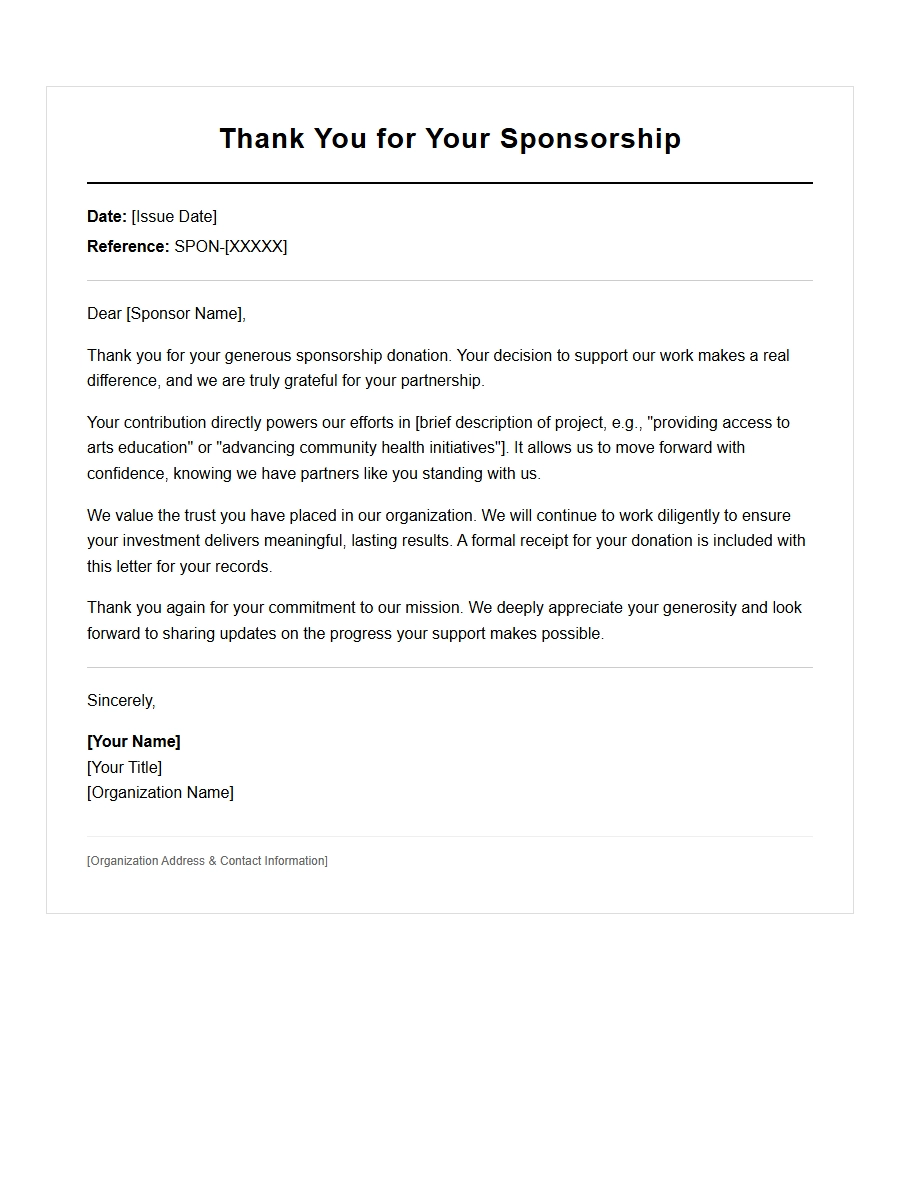 Thank You Letter for Sponsor Donation