You just received a holiday party invitation and need to send a thank-you note. But what do you say? You don’t want to sound stiff or too casual. That blank page feeling is real—but a good sample can turn anxiety into a confident, polished note in minutes.
Using a gratitude note template isn’t cheating. It’s a smart shortcut. A sample gives you the structure, the right tone, and key phrases you can adapt. You still make it personal. Think of it as a starting point, not a final draft. Professional correspondence often relies on proven formats, and holiday party replies are no exception.
Category: Holiday Party Thank-You Notes
The first step is picking the right sample for your situation. Are you close with the host? Then a warm, informal note works. Is this a boss, a client, or a neighbor you don’t know well? Stick with a more formal tone. A good sample will let you see the difference. For example, a note to your team lead might start with “Dear [Name],” while a note to a close friend could open with “Hi [Name].” The key is matching the relationship.
Once you have a sample, don’t copy it word for word. Make it yours. Add a specific detail from the invitation—maybe the party theme, the date, or how much you appreciate being included. That small personal touch shows genuine thought. If you’re sending the note via email, pay attention to digital letter format. Keep the subject line clear, like “Thank You for the Holiday Party Invitation.” For a printed card, a simple salutation and closing will do. Avoid outdated phrases like “To Whom It May Concern” for a personal invitation—it feels distant.
Common mistakes? Using a tone that doesn’t fit (too formal for a friend or too casual for a professional connection). Another is skipping the proofreading step. A typo in a thank-you note can undercut your sincerity. Read it out loud to catch awkward phrasing. And remember, letter writing etiquette isn’t rigid—it’s about showing respect and warmth. If you’re unsure about the salutation, “Dear [Name]” is safe for almost everyone.
When adapting any sample, think about the recipient’s role. The same gratitude note structure can be tweaked for different people. For instance, an appreciation email for a software developer who helped you might use a more technical tone, while a note to a project manager could highlight their organizational skills. But for a holiday party invitation, the focus is on your thanks for the invitation itself—not on their work. Keep it centered on the event.
You might also find it useful to look at how other formal correspondence is handled. A thank-you letter for legal counsel advice is more structured, but the core principles of clarity and sincerity apply here too. Similarly, if you’ve ever written a thanks for technical troubleshooting, you know how a specific detail makes the note stand out. The same goes for holiday party replies—mention something you’re looking forward to.
When you’re ready to write, start with a warm opening. Thank them for the invitation. Mention how it made you feel—pleased, honored, excited. Then, confirm your attendance (or politely decline if you can’t make it). Close with a positive note, like looking forward to celebrating together. A sample can give you these sentences, but you fill in the specifics. That’s where your authentic voice comes through.
Don’t overthink it. A simple, sincere note is better than a perfect, impersonal one. Use the sample as a springboard. With practice, writing these notes becomes quicker and more natural. The more you do it, the less you’ll rely on a template. But until then, a good sample is your best friend.
Templates and Samples
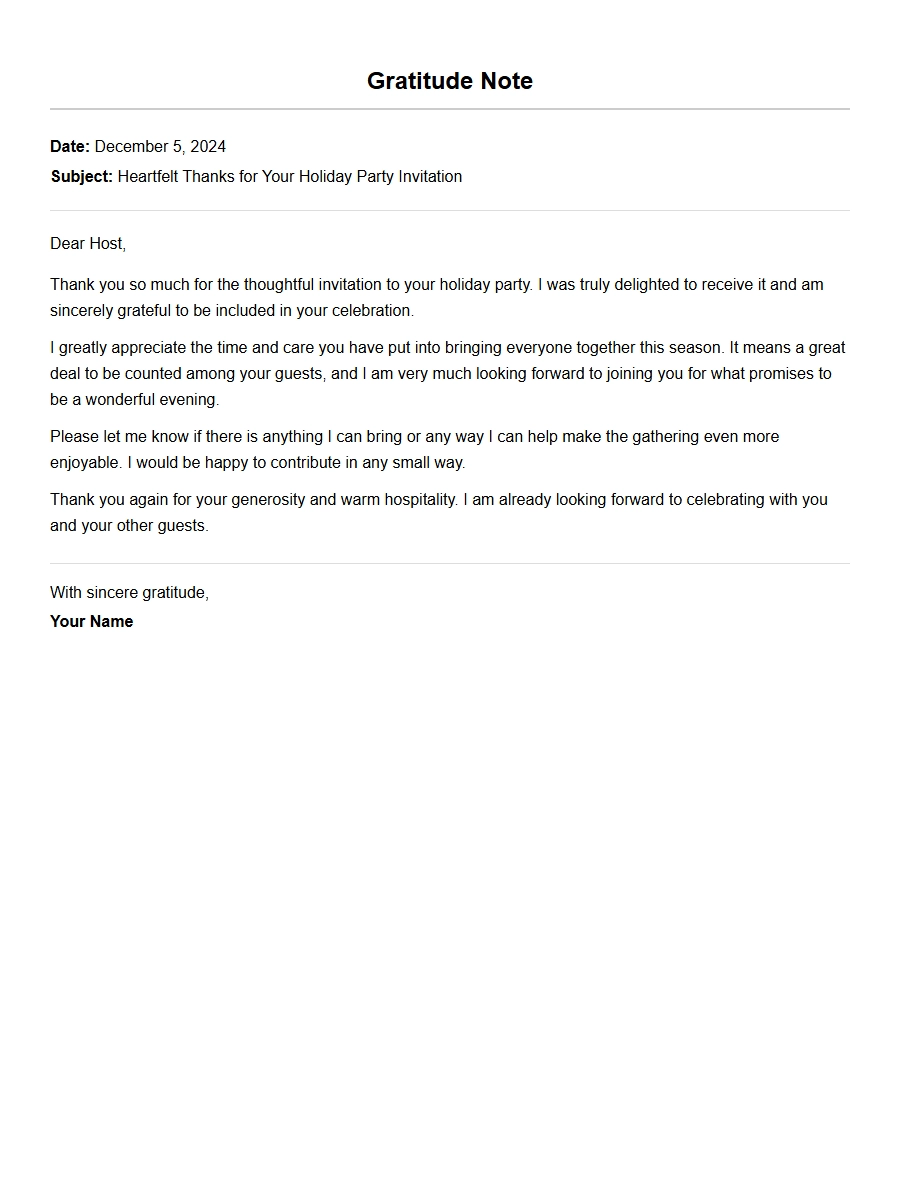
Gratitude for Your Holiday Party Invitation
Thankful for a Christmas Party Invite
Dear Sarah and Tom,
Thank you so much for the beautiful invitation to your Christmas party on December 22. We were truly touched to be included in your holiday celebration. The thought of gathering with friends, enjoying your famous spiced cider, and sharing stories by the fire sounds like the perfect way to start the season.
We would love to attend and will bring a small dessert to share—perhaps my grandmother’s gingerbread cookies. Please let us know if there is anything else we can contribute.
Thank you again for your warm invitation. The kindness and thoughtfulness you’ve extended mean a great deal to us.
With heartfelt gratitude, Emily and Mark
Gratitude for a New Year’s Eve Invitation
Dear Aunt Linda,
Thank you so much for the wonderful invitation to your New Year’s Eve party. I was delighted to open the card and see the festive details you planned—the countdown, sparkling cider toast, and the promise of great music. It sounds like a lovely way to welcome 2025.
I will be happy to help with setup or cleanup. Just let me know what time you’d like me there and if you need me to bring anything, such as extra glasses or appetizers.
You are always so generous with your hospitality, and I feel lucky to be part of your family gathering. Please know that I truly appreciate being included.
Warmly, Your niece, Jessica
Thank-You Note for a Team Holiday Party
Dear Mr. Henderson,
Thank you for the invitation to the company holiday party on December 18. I sincerely appreciate being included in this festive event, especially after such a productive year together. The party will be a wonderful opportunity to celebrate our team’s achievements and enjoy some well-deserved fun.
I will attend and look forward to connecting with colleagues outside of the usual work setting. If I can assist with any party preparations or bring a dish for the potluck, please let me know.
Your effort to create a joyful and inclusive atmosphere for the entire team does not go unnoticed. Thank you again for this thoughtful invitation.
Best regards, Michael Torres
Neighbor’s Holiday Open House Response
Dear Jean and Bob,
Thank you for the lovely invitation to your annual Holiday Open House on December 15. We were so pleased to receive it. The open house has always been a highlight of the neighborhood season, and we feel honored to be invited again this year.
We plan to stop by and would be happy to bring a savory snack or a bottle of wine. Please let us know if there’s a preferred contribution or any special theme you’re following.
Your generosity in opening your home to neighbors is truly inspiring. We look forward to sharing some cheerful conversation and holiday cheer with you and the others.
With gratitude, Tina and Steve
Gratitude for a Thanksgiving Party Invite
Dear Grandma,
Thank you so much for the heartwarming invitation to your Thanksgiving dinner. I was so happy to receive it. There is nothing quite like the aroma of your roasted turkey and pumpkin pie filling the house, and I’m grateful to be included in your table this year.
I would love to come and will bring a homemade cranberry relish and a bottle of apple cider. Please let me know if there’s any other dish you’d like me to prepare or if you need help with setting the table.
Thanksgiving with you is always a joyful time, and I cherish these moments. Thank you for thinking of me.
With love, Your granddaughter, Lily
Thankful for a Holiday Brunch Invitation
Dear Mrs. Patel,
Thank you for inviting me to your Holiday Brunch on December 26. I was delighted to receive the invitation and appreciate your thoughtfulness. Your brunch gatherings are known for their delicious food and warm company, and I am excited to join.
I will attend and plan to bring a fresh fruit salad and a loaf of banana bread. If there is any menu theme or dietary considerations I should know about, please let me know.
Your hospitality is always so generous, and I am grateful for your kindness in including me. I look forward to celebrating with you and the other guests.
Sincerely, Anita
Gratitude for a Friends’ Holiday Party
Dear Lisa and David,
Thank you so much for the beautiful invitation to your Holiday Fiesta on December 20. We were thrilled to receive it and admire the creative touch you added—the hand-drawn snowflakes made it extra special. We know your parties are always full of laughter, good food, and great music.
We would love to come and will bring a batch of spicy hot chocolate and a platter of churros. Should we bring any decorations or games? We’re happy to help make the evening even more fun.
Your friendship means a lot to us, and we feel blessed to be invited to your celebration. Thank you for being such wonderful hosts.
Warmly, Keisha and Omar
Holiday Party Invitation Thanks – Formal
Dear Dr. and Mrs. Harrison,
Thank you for the gracious invitation to your Holiday Dinner on December 21. My wife and I were honored to receive it and very much look forward to joining you for the evening. The dinner promises to be a refined and joyful gathering.
We will attend with pleasure. Please inform us if we may contribute a dessert or assist in any way with the evening’s arrangements. We are happy to follow your guidance regarding attire or timing.
Your generosity and hospitality are deeply appreciated. It is a privilege to be included in your celebration, and we anticipate sharing a memorable evening with you and your guests.
With sincere thanks, Aaron and Margaret Chen
Thank-You for a Virtual Holiday Party Invite
Dear Jamal,
Thank you so much for inviting me to the virtual holiday party on December 18. I was glad to receive the invitation and appreciate your effort to keep our group connected during the season. The planned activities—a cookie bake-along, trivia, and a gift exchange—sound like a fantastic way to celebrate.
I will be delighted to join via the Zoom link. I will prepare my favorite gingerbread cookie recipe and a small homemade gift for the exchange. Please let me know if you still need someone to host a trivia round; I would be happy to help.
Your thoughtfulness in organizing this shows how much you care about our friendships. Thank you for making the holidays special even from a distance.
Warmest regards, Hannah
Gratitude for a Holiday Party Invite – Last Minute
Dear Marcus,
Thank you for the spontaneous invitation to your holiday party this Saturday! I know you sent it out quickly, so I truly appreciate you thinking of me. The casual potluck format sounds fun and relaxing—exactly what I need after the holiday rush.
I would love to come and will bring a warm spinach and artichoke dip and a baguette. Let me know if there’s a specific time I should arrive or if you need extra chairs or tableware.
Your generosity in opening your home on short notice is wonderful. I’m looking forward to celebrating with you and meeting the other guests. Thank you for including me.
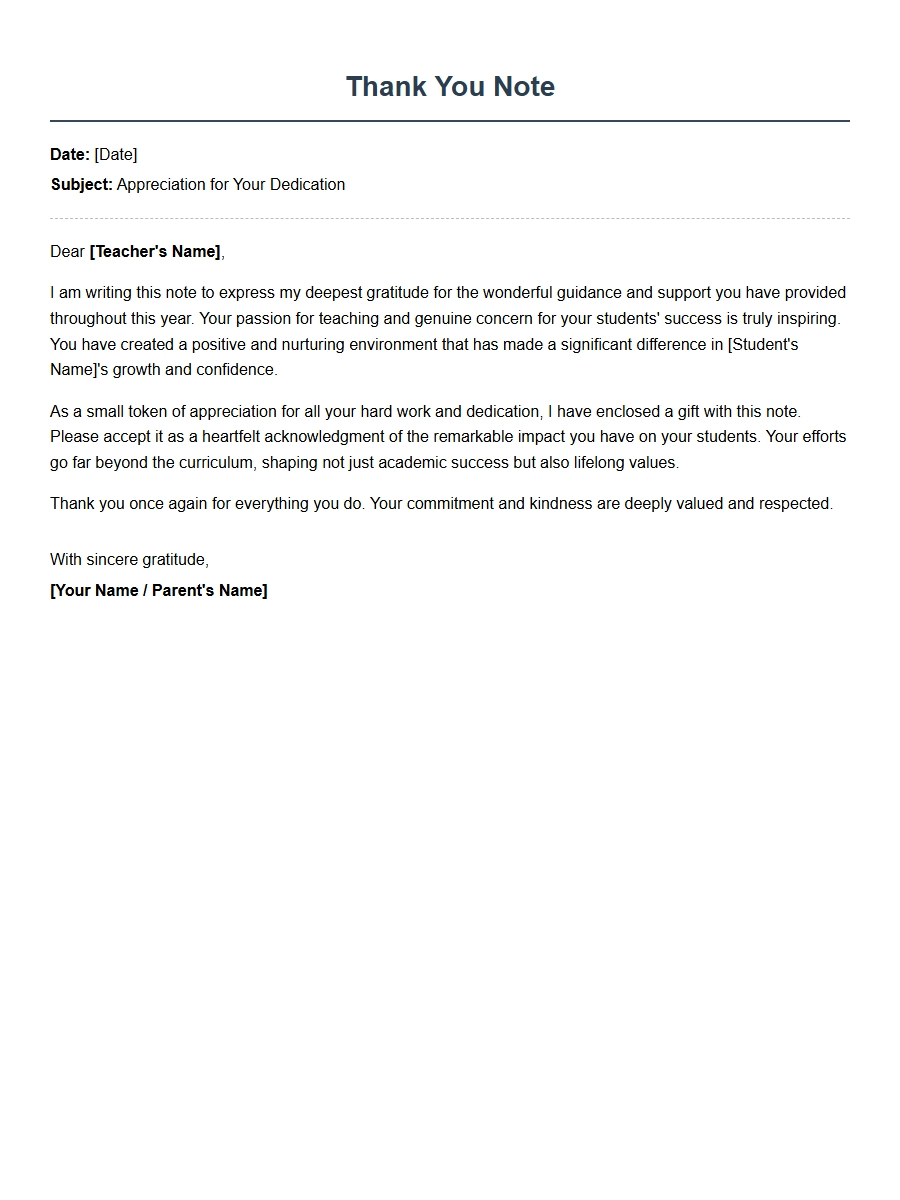 Sample Thank You Note for Teacher Gift
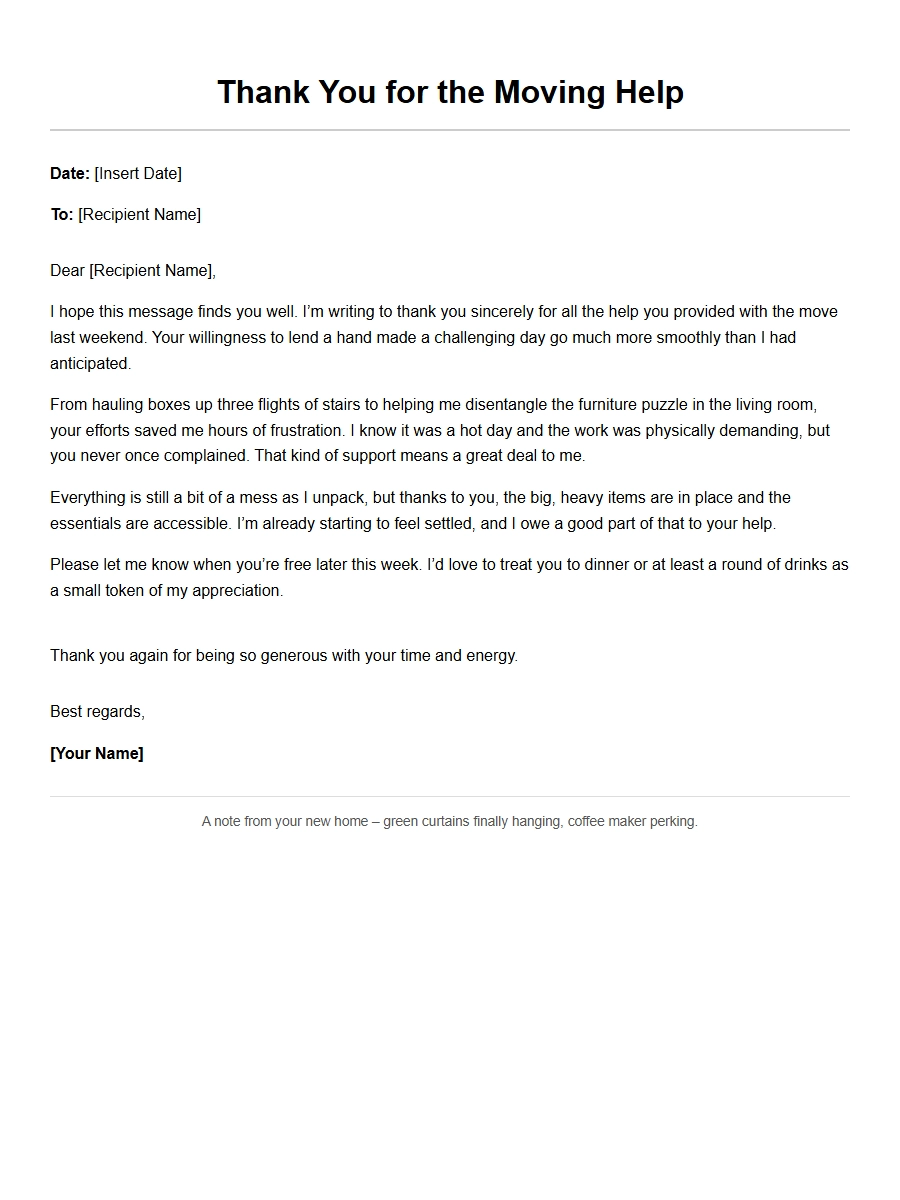 Thank-You Letter for Help with Moving
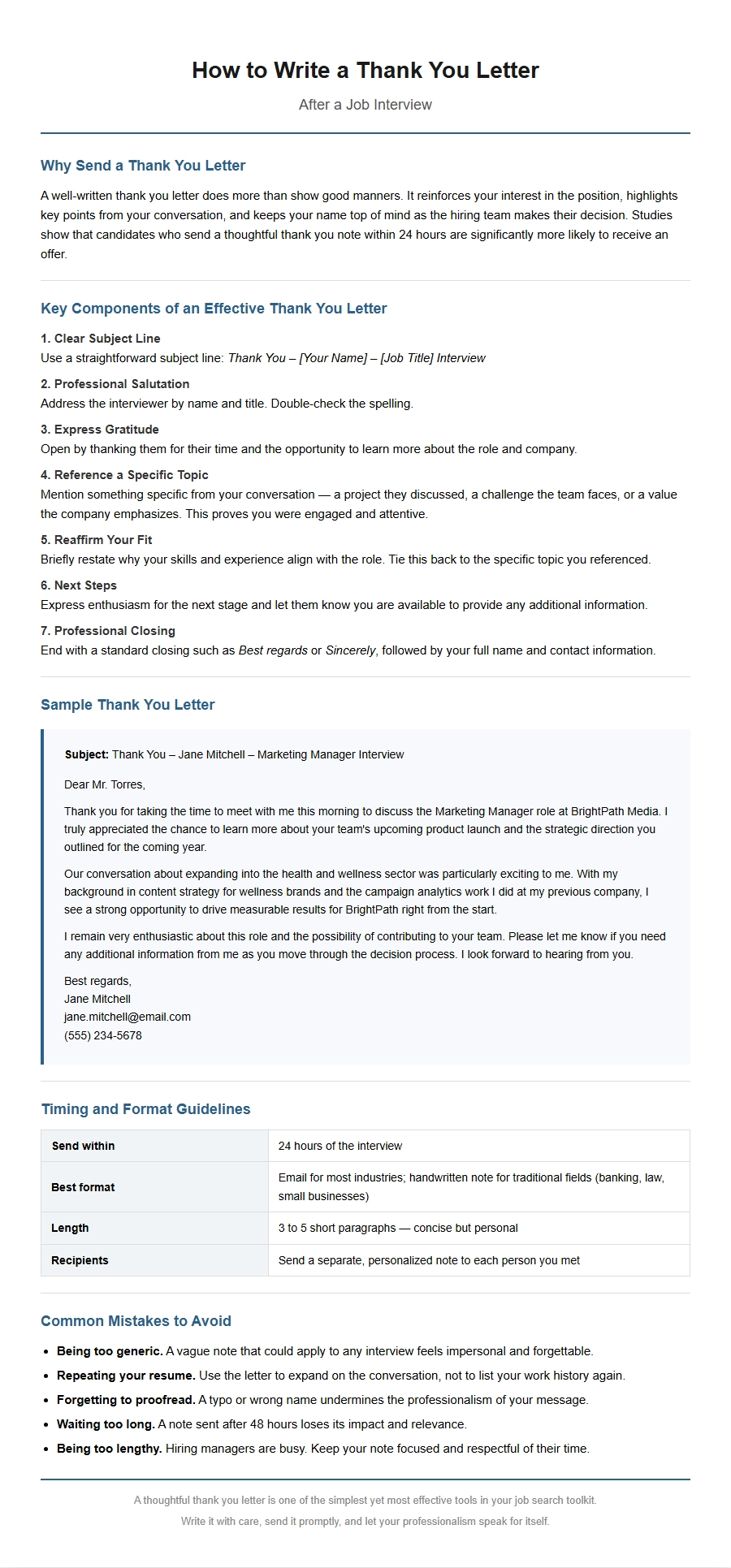 How to Write a Thank You Letter After an Interview
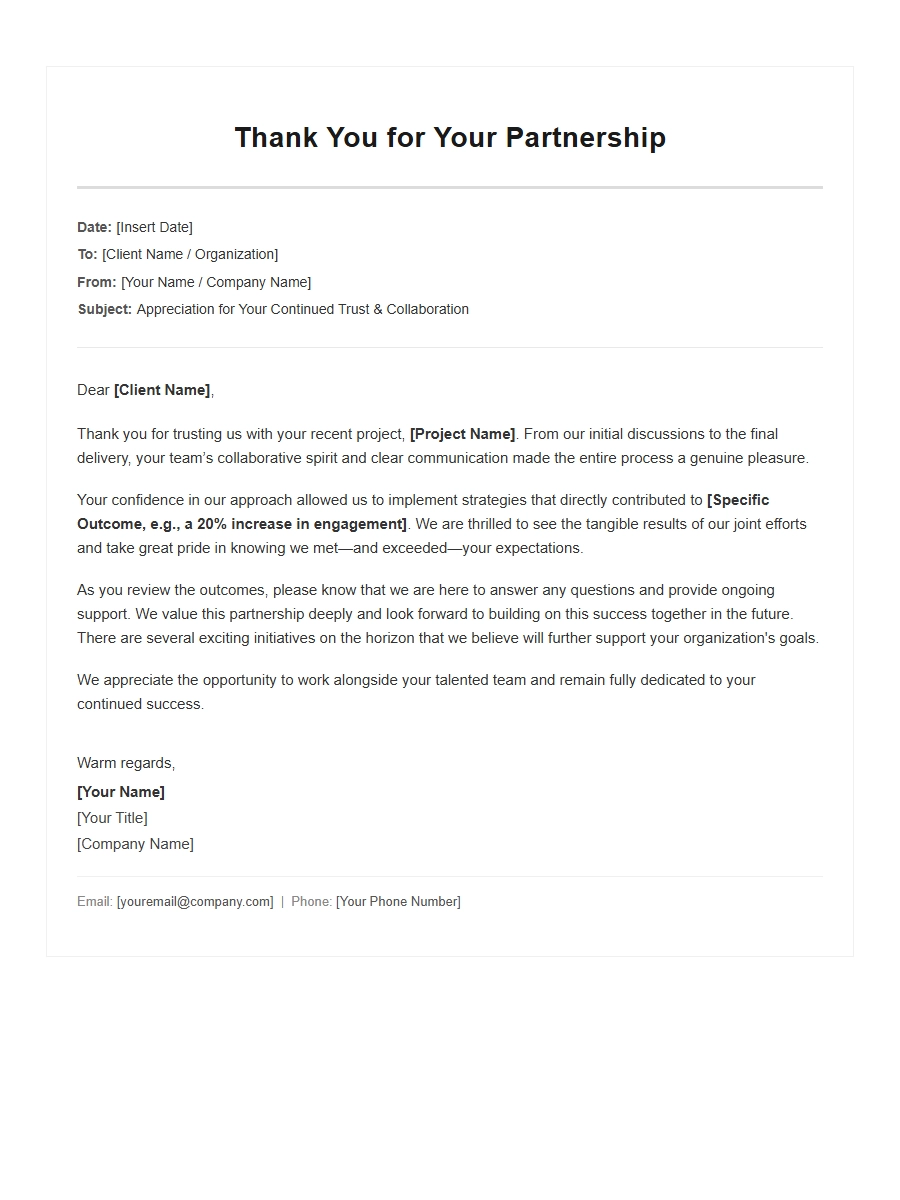 professional thank you email example for client - Thank-You Letters
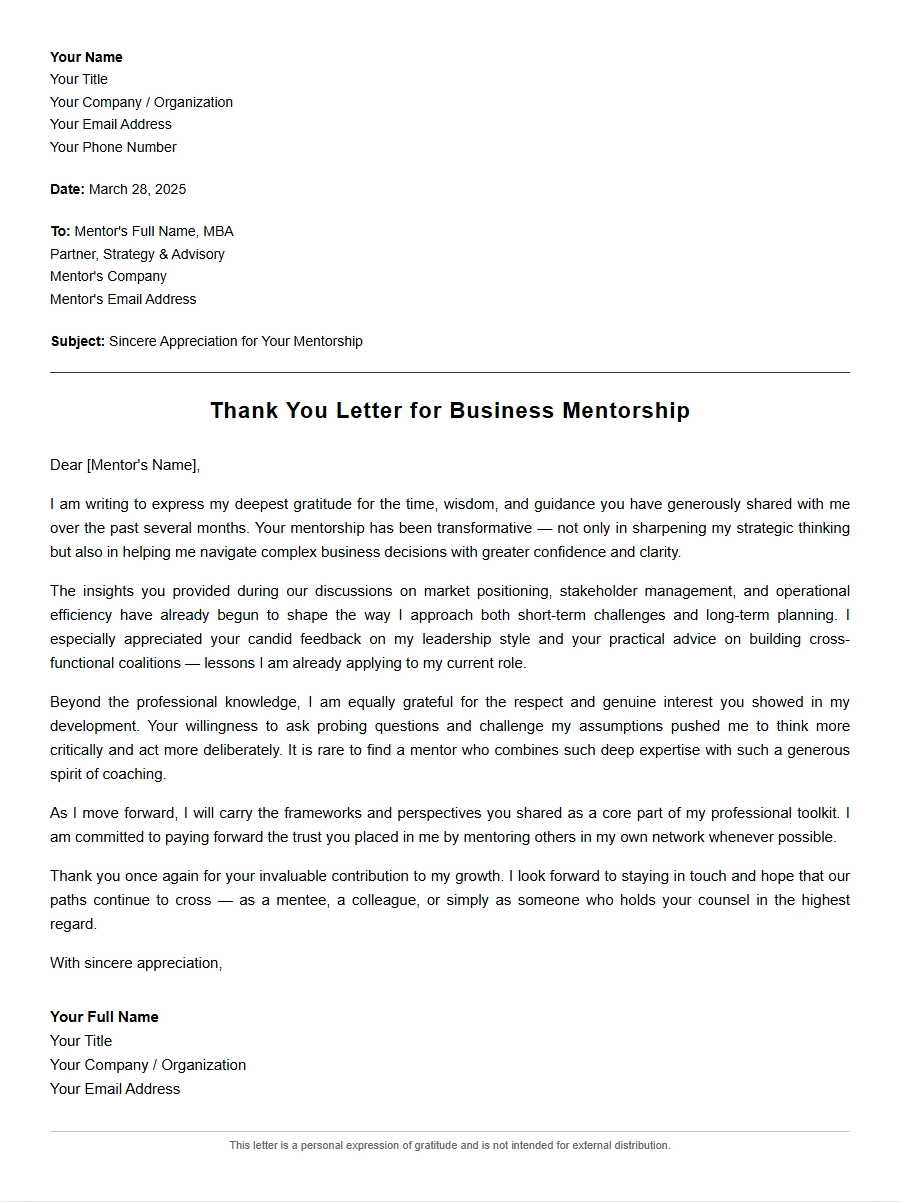 Business Mentor Thank-You Letter Guide
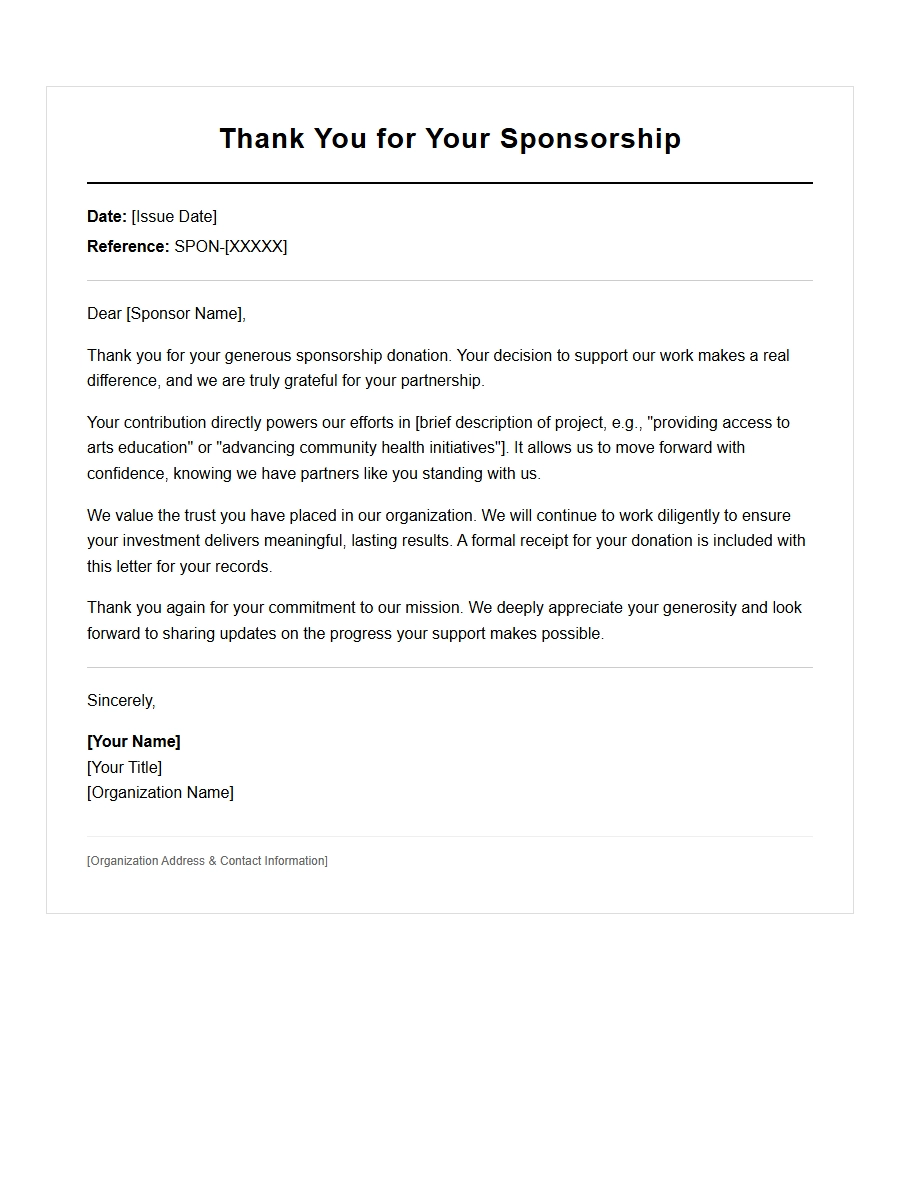 Thank You Letter for Sponsor Donation