You missed an appointment. Maybe you forgot, got stuck in traffic, or had an emergency. Now you need to write a personal note saying sorry. It feels awkward. You don’t want to sound careless or insincere. But a well-written apology can actually strengthen a relationship — whether it’s with your doctor, your client, or your friend. And using a sample or template isn’t cheating. It’s smart. It gives you a starting point so you don’t have to stare at a blank page. You just adapt the structure and make it your own.
Think of it this way: professional correspondence follows a certain rhythm. A letter template helps you get the salutation right, the tone right, and the closing right. You leave room for your personal voice. That’s where the real apology lives. The sample is just the skeleton. You provide the heart.
Category: Apology Letters
So how do you pick the right example for your situation? First, decide how formal it needs to be. A note to your dentist is different from one to a job interviewer. For professional correspondence, use a business letter format — your contact info, date, subject line. For a friend, a simple email or handwritten note works. The key is matching the tone to your relationship. A too-stiff apology can feel cold. A too-casual one can seem disrespectful.
When you adapt a sample, don’t just swap names. Read it aloud. Does it sound like you? Change the phrasing until it feels natural. Maybe you use “I’m truly sorry” instead of “I apologize.” Maybe you add a specific reason: “My car battery died on the highway” instead of “unexpected circumstances.” Specificity shows honesty. It also helps the other person understand what happened.
Your opening paragraph matters most. State the apology clearly. Don’t bury it in excuses. A simple “I’m writing to sincerely apologize for missing our appointment on Tuesday” works. Then briefly explain why (keep it short and factual). Then offer to reschedule or make things right. That’s the core structure of any apology note: acknowledgment, reason, remedy.
Common mistakes? Using outdated salutations like “To whom it may concern” when you know the person’s name. Or ignoring the format differences between email and printed letter. For email, a clear subject line helps: “Apology for missed appointment – [Your Name].” For a printed letter, proper letterhead design adds professionalism. Also, avoid over-apologizing. One sincere apology is enough. Repeating “I’m so sorry” ten times feels needy, not genuine.
Proofreading your letter is essential. A typo in an apology can make you look careless — exactly the image you’re trying to fix. Read it once for content, once for tone, once for spelling. If you’re sending it digitally, use a digital letter format that’s easy to read on screen.
Apologizing doesn’t have to be painful. A good note can actually rebuild trust faster than a face-to-face conversation because you have time to choose your words. For example, if you missed a medical appointment, a polite note shows the doctor you value their time. That can help you get a new slot quickly. For personal situations, like apologizing to a spouse for missing a dinner date, a heartfelt note can smooth things over. You can even use a forgiveness request letter to spouse sample for guidance, adapting it to your specific situation.
Sometimes the apology is part of a larger issue. If you missed an appointment because of a maintenance problem at home, you might also need to notify your landlord about a maintenance issue. That’s a separate letter, but the same principle applies: clear, honest, and respectful.
Or maybe you missed a feedback session with a company. You could later send a feedback submission on product experience as a follow-up, which also shows you care about the relationship. The apology letter is just one part of ongoing communication.
Even in healthcare settings, you might need to write a note about withdrawing patient consent for treatment after a missed appointment. That’s a more complex document, but the courteous tone remains the same.
What about boundaries with neighbors? If you missed a fence repair appointment, you could discuss fence boundary issues amicably in a follow-up letter. The key is to avoid blame and focus on resolution.
No matter the context, your apology note should feel both professional and personal. Don’t copy a sample word for word. Use it as a springboard. Add your voice, your specific details, your genuine regret. With practice, writing these notes becomes faster. You’ll internalize the structure and the etiquette. And next time you miss an appointment, you won’t panic — you’ll just open a document and start writing.
Simple Examples
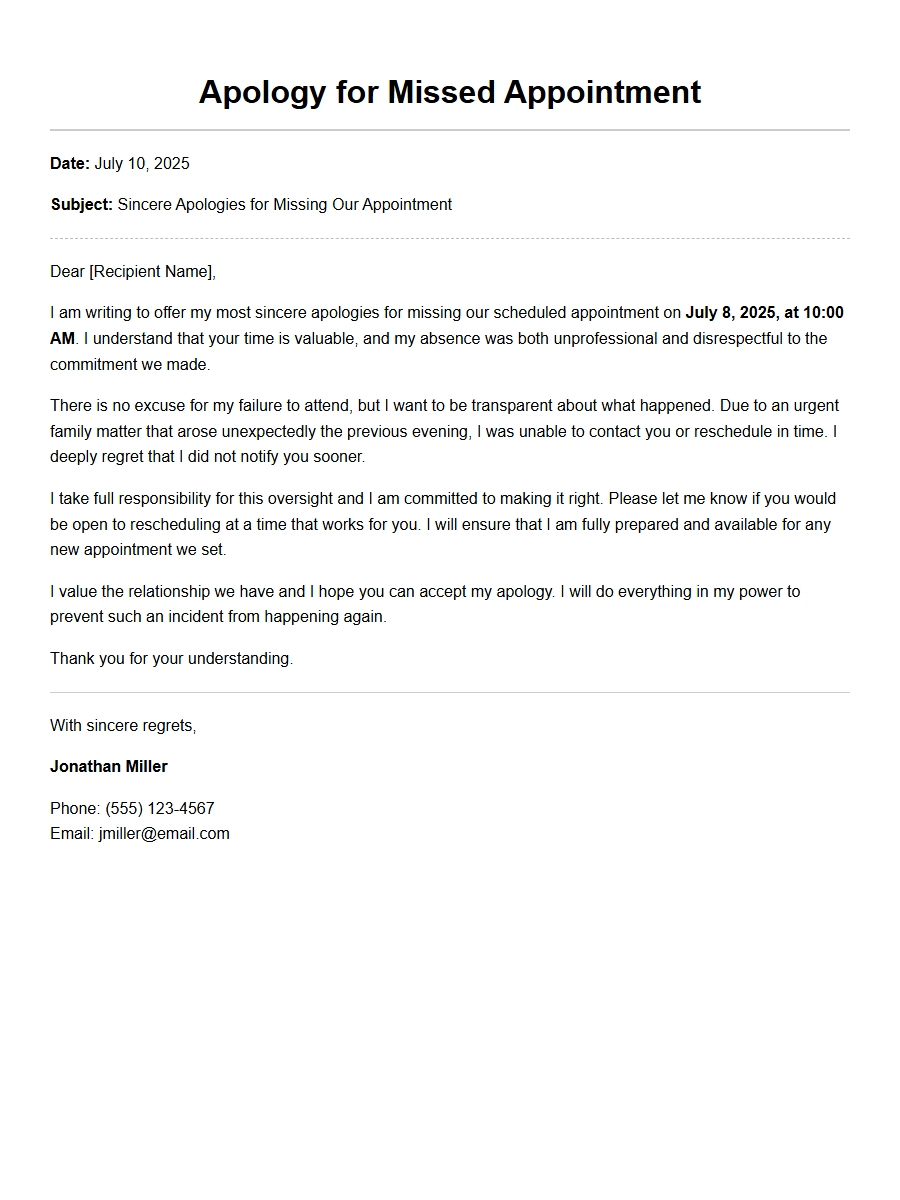
Apology Note for a Missed Appointment
Missed Coffee Date Apology
Dear Sarah,
I am so sorry I missed our coffee date this morning. I woke up with a terrible migraine and couldn't even check my phone until now. I know you had blocked out time for us, and I feel awful for leaving you waiting.
To make it up to you, I would love to reschedule. Here are some times that work for me this week:
Day
Time
Cafe
Wednesday
10:00 AM
Brew & Bean
Thursday
2:00 PM
The Daily Grind
Saturday
11:30 AM
Sunrise Cafe
Let me know which slot suits you, or suggest another. I promise to be there this time. Thanks for understanding.
Warmly, Emma
Doctor's Appointment Missed
Dear Dr. Patel's office,
I sincerely apologize for missing my 3:00 PM appointment yesterday, February 12th. A family emergency came up, and I was unable to call ahead. I understand that this inconveniences both the doctor and other patients.
I would appreciate the opportunity to reschedule. Below are my available times for next week:
Monday: 9:00 AM – 11:00 AM
Wednesday: 1:00 PM – 3:00 PM
Friday: 10:00 AM – 12:00 PM
Please let me know if any of these work. If a cancellation fee applies, I am happy to pay it. Again, I am truly sorry for the no-show. Thank you for your understanding.
Best regards, James Miller Phone: (555) 123-4567
Dental Cleaning Missed
Dear Dr. Lee and staff,
I am writing to apologize for missing my dental cleaning appointment yesterday at 10:30 AM. I mistakenly wrote the time down as 11:00 AM and arrived to find the slot had already passed. This was entirely my error, and I am very sorry.
I value the care you provide and would like to reschedule as soon as possible. Could we please arrange a new appointment? My preferred times are:
Day
Morning
Afternoon
Tuesday
8:00 – 10:00
1:00 – 3:00
Thursday
9:00 – 11:00
2:00 – 4:00
If there is a fee for missed appointments, please inform me and I will pay promptly. Thank you for your patience, and I look forward to hearing from you.
Sincerely, Maria Gonzalez
Missed Professor Office Hours
Dear Professor Chen,
I am very sorry that I missed your office hours this afternoon. I had planned to discuss my term paper outline, but an unexpected work conflict arose and I was unable to notify you beforehand. I understand that your time is valuable, and I regret the inconvenience.
If possible, could I come see you during your next office hours? According to the syllabus, they are:
Tuesday: 2:00 PM – 4:00 PM
Thursday: 10:00 AM – 12:00 PM
I will be there on Tuesday at 2:00 PM sharp unless I hear otherwise. Alternatively, if you prefer to schedule a separate short meeting, I am available any weekday after 3:00 PM. Thank you for your understanding, and I apologize once more.
Best, Alex Rivera
Client Meeting Apology
Dear Mr. Thompson,
Please accept my sincere apologies for missing our scheduled meeting this morning at 10:00 AM. A technical issue with my calendar caused the appointment to disappear, and I only realized the error when you emailed. This is unacceptable, and I take full responsibility.
To make things right, I propose we reschedule at your earliest convenience. Below are the slots I have open this week:
Date
Time
Location
March 5
9:00 AM or 2:00 PM
Your office or Zoom
March 6
11:00 AM
Virtual only
March 7
1:00 PM
Your office
Please let me know which works best. I will also prepare a summary of what we would have discussed to ensure we cover everything efficiently. Thank you for your patience.
Respectfully, Linda Park
Family Dinner No-Show
Dear Mom and Dad,
I am so sorry I didn't make it to Sunday dinner last night. I know you had cooked a big meal and everyone was waiting. My car broke down on the highway, and by the time I got it towed and sorted, it was too late. I should have called earlier – I'm really sorry for worrying you.
To make up for it, I'd love to host dinner at my place this Saturday. Here's what I'm planning:
Spaghetti carbonara (my specialty)
Caesar salad
Garlic bread
Chocolate mousse for dessert
Dinner at 6:00 PM – let me know if you can come. Also, I promise to call first next time, no matter what. Love you both!
Your son, Eric
Hairdresser Missed Appointment
Dear Jade,
I am so sorry I missed my haircut appointment this afternoon. I mixed up the time and thought it was at 4:00 PM instead of 2:00 PM. I hope I didn't mess up your schedule too much – I know you book back-to-back.
I really need the trim, so could we please reschedule? My availability for the coming week:
Day
Available Times
Tuesday
10:00 AM, 1:00 PM, 3:00 PM
Wednesday
11:00 AM, 2:00 PM
Friday
9:00 AM, 4:00 PM
Let me know what works. If you require a deposit for missed appointments, I am happy to pay. Thanks for being understanding, and I look forward to seeing you soon!
Best, Sophie
Gym Training Session Missed
Hey Mike,
I want to apologize for missing our personal training session this morning. I slept through my alarm after a late night at work. I know you had prepared a program for me, and I feel terrible about wasting your time.
To get back on track, I'd like to book a make-up session. Here are my free slots this week:
Wednesday: 6:00 AM or 7:00 AM
Friday: 6:00 AM or 12:00 PM
Saturday: 8:00 AM
I'll also pay for the missed session if your policy requires it. Please let me know which time works and I'll set three alarms. Thanks for your patience, and I'm ready to push hard next time!
Regards, Chris
Therapy Session No-Show
Dear Dr. Bennett,
I am writing to apologize for missing my therapy appointment yesterday at 4:00 PM. I had an anxiety attack that morning and found myself unable to leave the house or even call. I know that our sessions are important, and I regret not reaching out sooner.
I would like to reschedule as soon as possible. Please see my availability below:
Day
Time
Monday
3:00 PM – 5:00 PM
Wednesday
11:00 AM – 1:00 PM
Friday
2:00 PM – 4:00 PM
I understand there may be a late cancellation fee. Please bill me accordingly. Thank you for your compassion, and I look forward to continuing our work together.
Sincerely, Megan
Missed One-on-One with Boss
Dear Ms. Rodriguez,
I sincerely apologize for missing our weekly one-on-one meeting this morning. I had a conflict with an urgent client call that ran over, and I forgot to send you a note. I know this was disrespectful of your time, and I am very sorry.
To reschedule, I suggest the following times this week:
Thursday: 9:00 AM – 9:30 AM
Friday: 11:00 AM – 11:30 AM
Friday: 3:00 PM – 3:30 PM
I will also prepare a brief written update of my project progress so we can use our time efficiently. Again, I apologize for the oversight and appreciate your understanding.
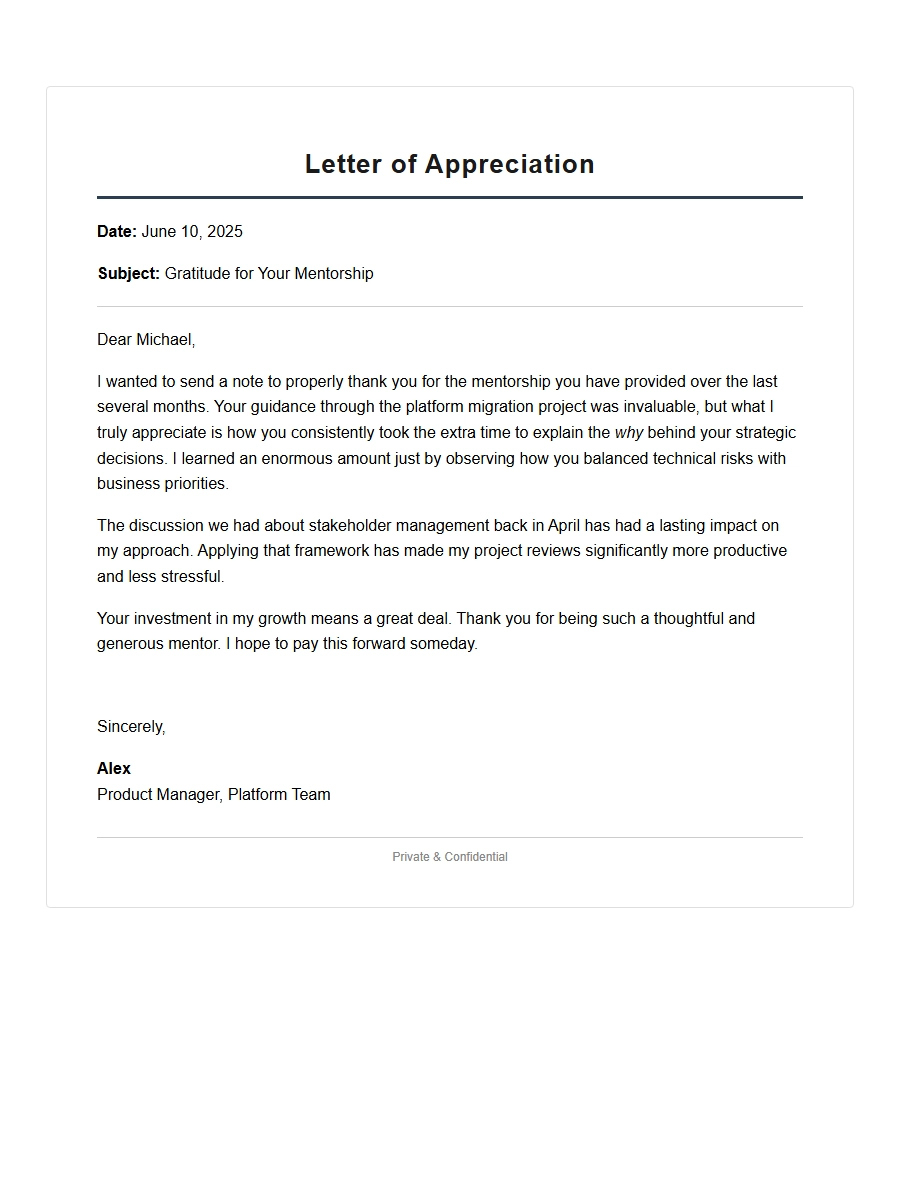 Thanking a Mentor for Guidance: Sample Messages
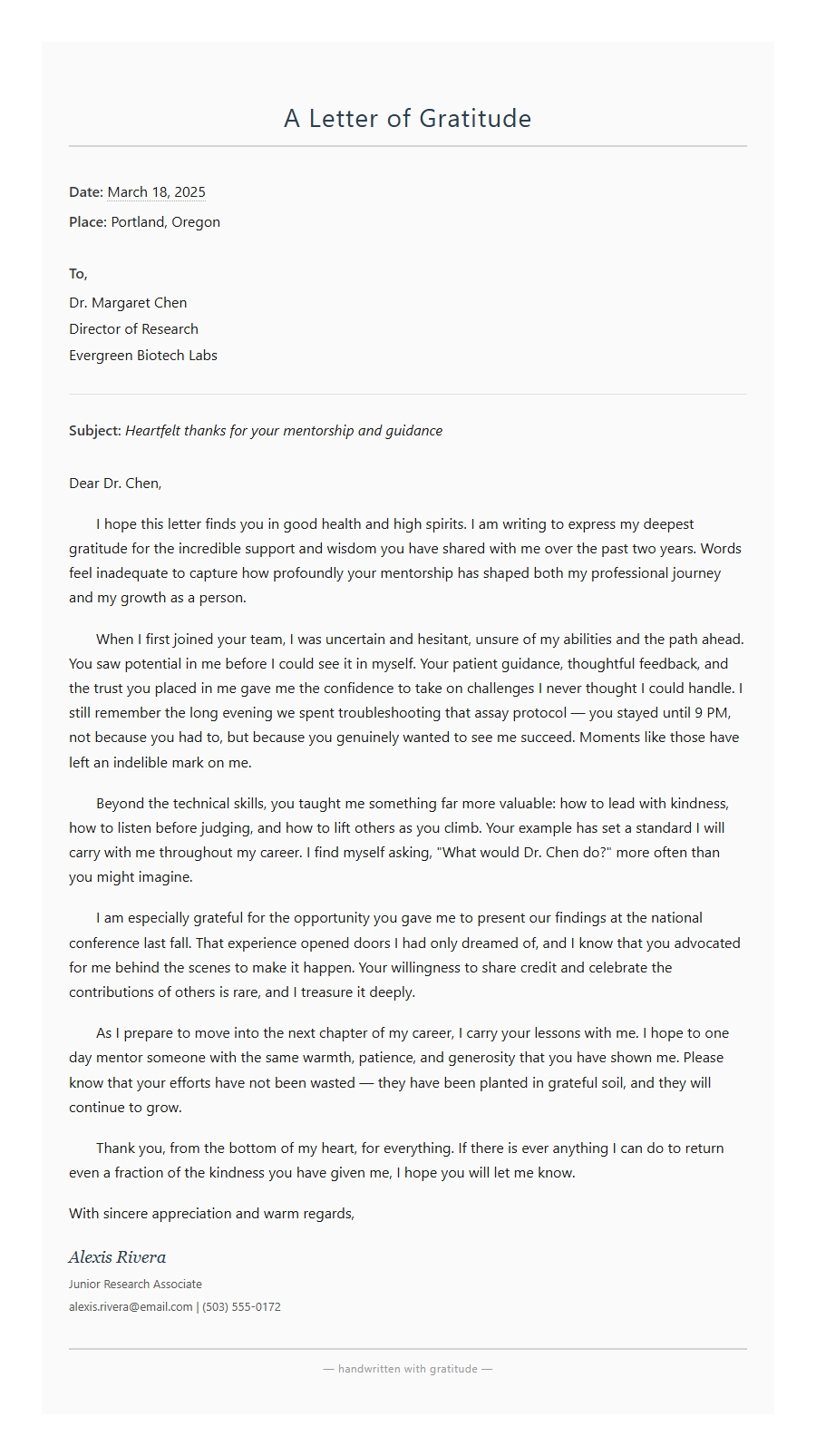 Expressing Gratitude: Handwritten Letter Example
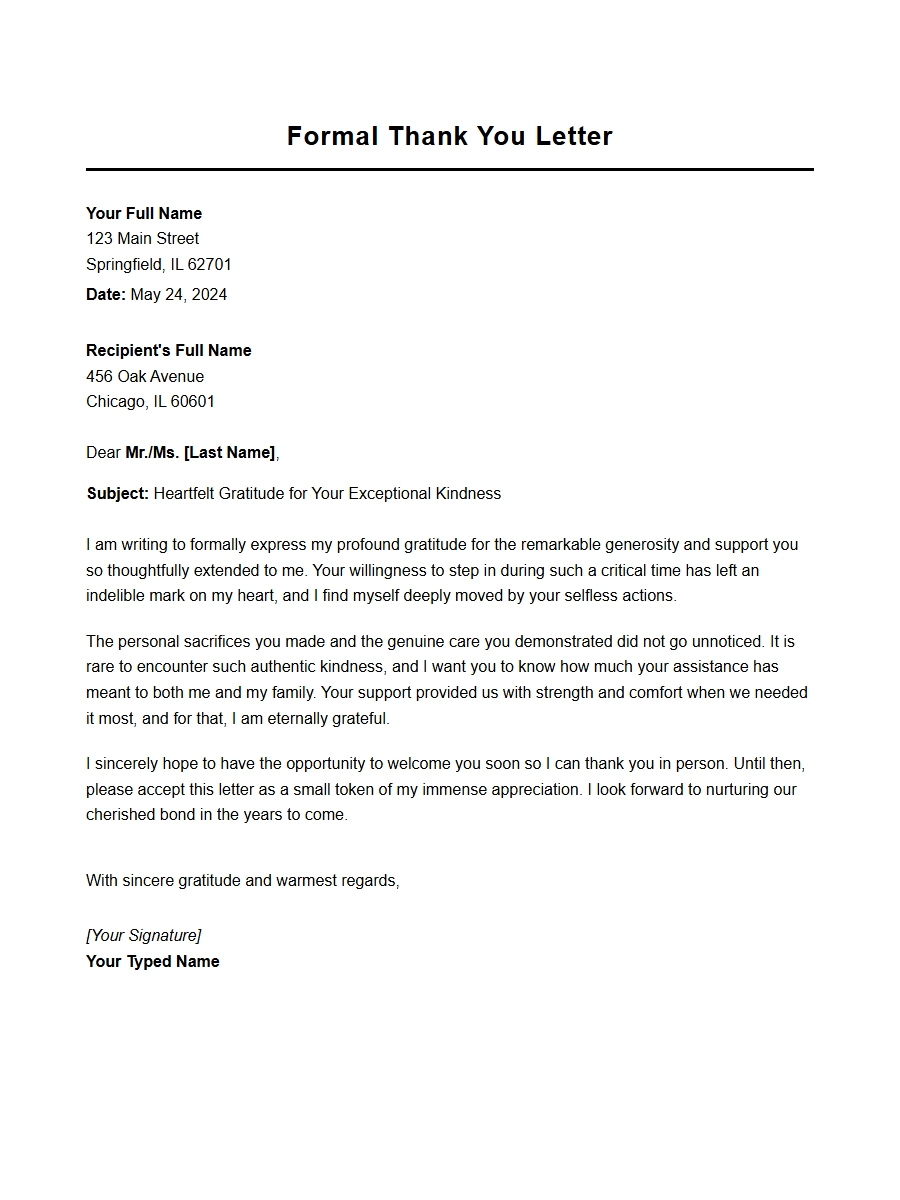 Expressing Thanks in a Formal Personal Letter
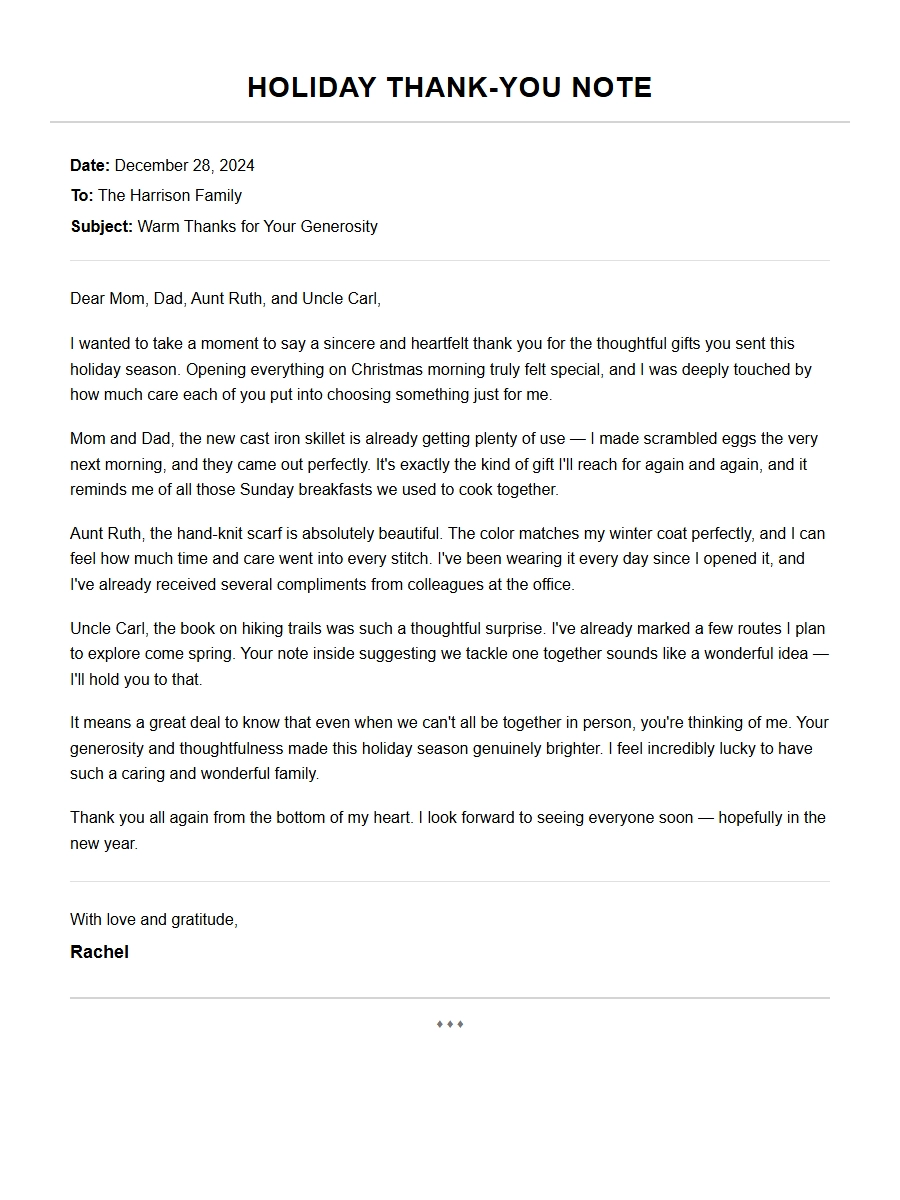 Thank You Letter Examples for Family Holiday Gifts
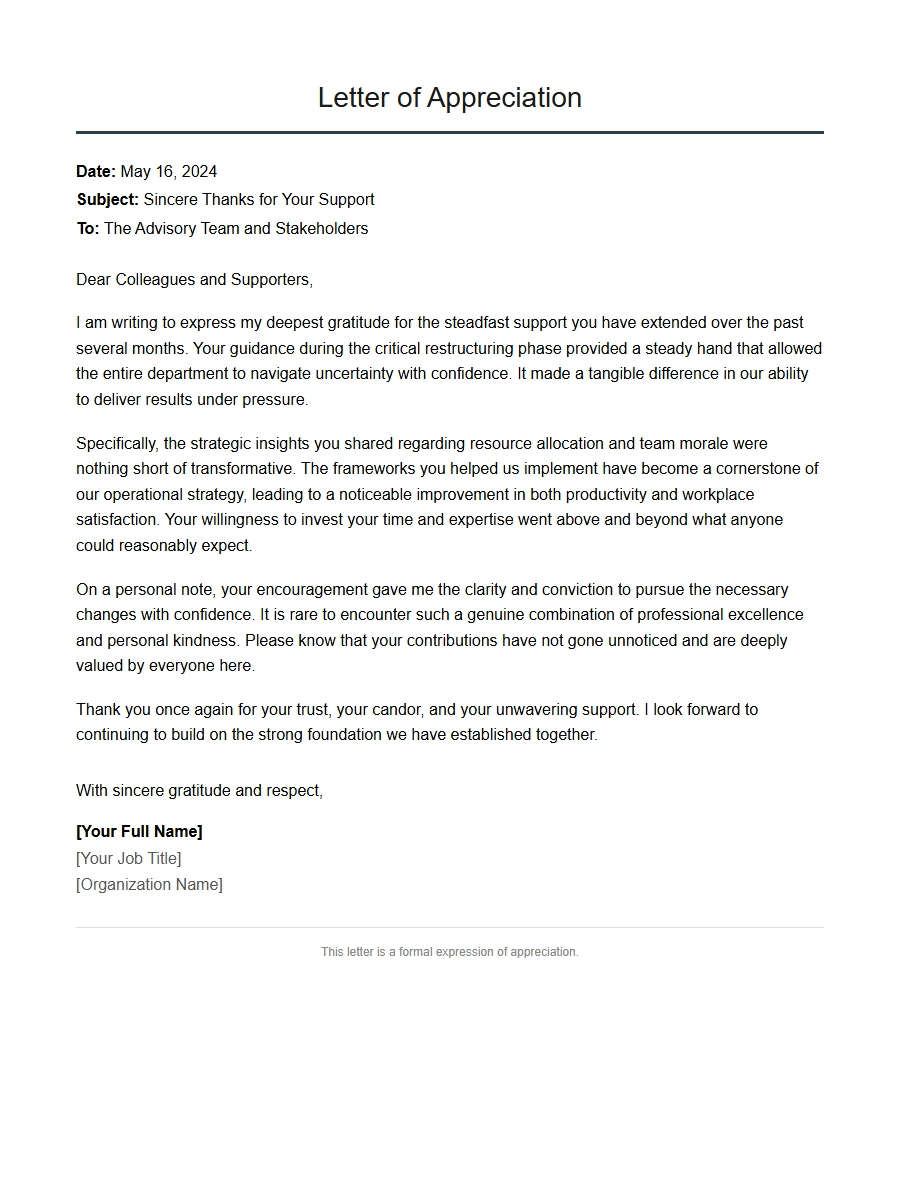 Sample Thank You Letter for Support
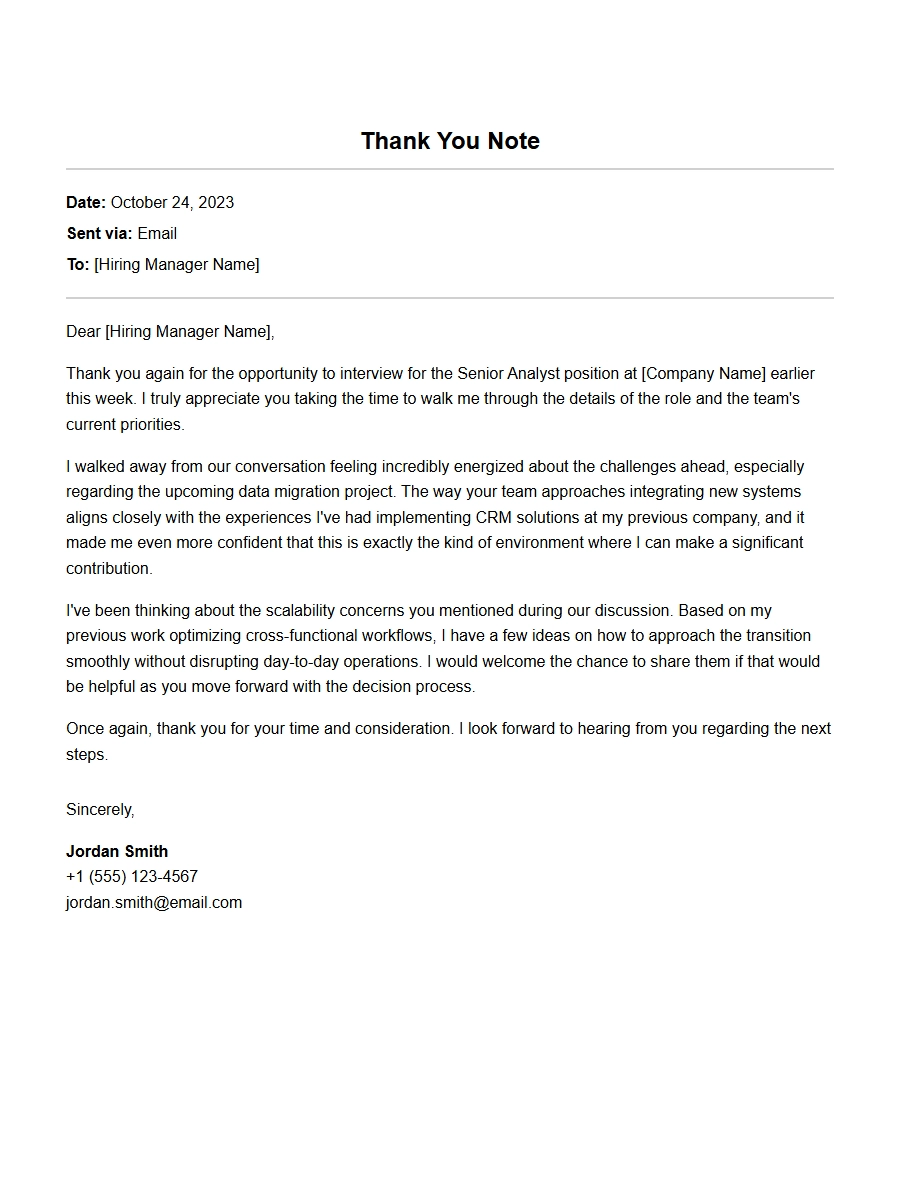 How to Write a Personal Thank-You Note After an Interview