sample thank you for public speaking engagement slot - Thank-You Letters
You just finished a speaking engagement—the Q&A went well, the applause felt genuine, and now you need to send a thank-you note. But your mind goes blank. What do you say? How formal should it be? And where do you even start?
A sample thank-you letter for a public speaking engagement slot isn’t a shortcut to something lazy. It’s a smart starting point. It gives you a reliable structure, sets the right tone, and saves you from staring at a cursor for twenty minutes. The best part? You can adapt it so it still sounds like you—not a robot.
Why a sample helps (and isn’t cheating)
Writing professional correspondence from scratch is harder than it looks. You have to balance gratitude with professionalism, mention specific details, and keep it short enough to be read. A good letter template handles the heavy lifting: the salutation and closing, the flow of ideas, the key phrases that make the message feel polished. All you do is drop in your unique experiences and personality.
[Category: Thank-You Letters]
How to choose the right sample for your situation
Not all thank-you notes are the same. If you spoke at a formal event—say, a university conference or a corporate leadership summit—your tone should be more structured. Use full sentences, a traditional business letter format, and avoid casual slang. If the engagement was a local community meetup or a friendly panel, you can relax the rules. A warm, conversational tone works better there.
Think about your audience. Organizers want to know you appreciated their hospitality and logistics. They also want to feel that your talk mattered. So the sample you pick should leave room for you to mention something specific: the interesting question someone asked, the snack table that kept you going, or the way the audience leaned in during your story.
Adapting a sample without losing your voice
The biggest mistake people make is copying a template word for word. That creates a letter that feels stiff and impersonal. Instead, treat the sample as a skeleton: keep the letter structure (opening, body, closing) and the professional tone in writing, but replace generic phrases with your own words.
For example, if the sample says “Thank you for the opportunity to speak at your event,” you can change it to “I really enjoyed speaking at your conference yesterday—the energy in the room was fantastic.” The second version is specific and genuine. It shows the organizer you were paying attention.
Quick tips for a strong opening paragraph
The first sentence should grab attention and show immediate gratitude. Avoid outdated openings like “I am writing to express my sincere gratitude.” That sounds like a form letter from 1995. Instead, lead with something direct: “Thank you for inviting me to speak at [event name]” or “Speaking to your team yesterday was a highlight of my month.”
That personal touch makes the reader feel valued. It also sets the stage for the rest of the note, which can include a brief reflection on what you enjoyed and a forward-looking comment (e.g., “I hope we can collaborate again soon”).
Common mistakes to avoid
One frequent error is using an improper title or gender assumption in the salutation. If you’re unsure how to address the person, “Dear [First Name]” or “Hello [First Name]” is safe for most non-military settings. Another mistake: ignoring the medium. If you’re sending a digital letter via email, skip old-fashioned elements like a full letterhead design and a scanned signature. Use a clean digital letter format with a subject line and a simple sign-off.
Also, don’t forget to proofread the letter before sending. A typo in a thank-you note can undermine your professionalism. Read it out loud, or ask a friend to glance at it.
Real-world sample phrases you can borrow
Here are a few pieces you can slide into your own note:
“I appreciated how smoothly you handled the logistics—it let me focus on delivering a great talk.”
“The questions from the audience showed me how engaged they were, and I’m grateful for that.”
“If any of the attendees want a copy of my slides or additional resources, I’d be happy to share.”
“Please extend my thanks to the AV team as well—everything worked perfectly.”
These examples feel natural and specific. They also show that you noticed the effort behind the event.
A note on formal writing etiquette
Even though your tone can be warm, keep the letter writing etiquette in mind. Use standard structure: a greeting, a body with two or three short paragraphs, and a closing with your name and contact info. For email, include a meaningful subject line like “Thank you for having me speak at [event].” That helps the recipient instantly recognize the context.
If you’re unsure about formal writing tips, remember this: be polite, be specific, and be brief. Most thank-you notes shouldn’t exceed a few paragraphs. The organizer is busy, so respect their time while still showing genuine appreciation.
Using this letter as a springboard
Don’t treat the sample as a crutch. Use it as a tool. Over time, writing these notes becomes faster and more natural. Each time you thank an organizer, you’re also building a relationship. A thoughtful letter can lead to future speaking invitations, referrals, or even a stronger professional network.
So go ahead—grab a sample, tweak it until it sounds like you, and hit send. Your future self will thank you, and so will the people who invited you.
sample thank you for public speaking engagement slot - Thank-You Letters
Formal Speaker Thank-You to Conference Organizer
Dear Ms. Rodriguez,
Thank you so much for selecting me as a speaker for the upcoming FutureTech 2025 conference. I am truly honored to receive one of the limited speaking slots and appreciate the trust you have placed in my expertise.
I have attached the final version of my presentation slides and a brief speaker bio as requested. Please let me know if any additional materials are needed before the event. I look forward to connecting with your audience and contributing to what promises to be an outstanding program.
My sincere thanks again for this opportunity. I will do my utmost to deliver a memorable and valuable session.
Warm regards, Dr. Alan Hayes Chief Innovation Officer, DataSphere Inc.
Brief Email Thank-You from Speaker to Event Coordinator
Hi Jamie,
Just a quick note to say a huge thank you for confirming my speaking slot at the Design Summit next month. I know the selection process was competitive, so I feel very grateful to be included in the lineup.
I have reviewed the logistics document and will arrive at the venue by 8:00 AM as requested. If there are any changes to the schedule or room assignments, please keep me posted.
Thanks again for making the coordination so smooth. I am excited to share my insights with the community!
Best, Sophia Chen
Organizer Thank-You to Speaker for Accepting the Slot
Dear Dr. Nakamura,
On behalf of the entire Global Health Conference committee, I want to express our deepest gratitude for accepting the speaking slot in our keynote session. Your willingness to share your groundbreaking research on infectious diseases is a tremendous addition to our program.
We have reserved the following for you:
Travel: Business class round-trip from Tokyo to Geneva
Accommodation: Hotel President, three nights (check-in Oct 12)
Honorarium: $2,500 (processed after the event)
Please review the attached speaker agreement and return a signed copy by next Friday. We are all looking forward to your inspiring talk.
With warm appreciation, Maria Santos Conference Director
Attendee Thank-You for Being Given a Speaking Slot
Dear Mr. Thompson,
Thank you so much for allowing me to take the speaking slot originally offered to my colleague. I know it was a last-minute change, and I really appreciate your flexibility and confidence in my ability to present.
I have prepared a focused 20-minute talk on Renewable Energy Trends in Urban Planning, complete with case studies from three cities. I will ensure the session is interactive and ends promptly to respect the schedule.
Please let me know if you need me to submit a handout or a summary beforehand. I am truly grateful for this chance to share my work with such a distinguished audience.
Thank you again, and I look forward to seeing you at the reception.
Sincerely, Priya Mehta
Panelist Thank-You to Moderator for the Slot
Dear Professor Lee,
I wanted to personally thank you for reserving a panelist slot for me at the Education Innovation Forum. Having the opportunity to sit alongside such distinguished panelists is an honor, and I credit your recommendation for making it possible.
I have prepared my opening remarks on Equity in EdTech and will keep them under three minutes as you requested. I have also reviewed the moderator questions and am ready to engage with the audience.
Please let me know if there is anything else I can do to support the success of this panel. I am truly excited to contribute.
With gratitude, Carlos Mendez, Ph.D.
Keynote Speaker Thank-You to Host Organization
Dear Mr. Okafor,
Thank you from the bottom of my heart for awarding me the keynote speaking slot at your annual Leadership Summit. It is a privilege to address such a motivated group of professionals, and I am fully committed to delivering a talk that leaves a lasting impact.
I have already begun tailoring my presentation to align with your theme of Resilient Leadership. I will include personal stories, actionable frameworks, and a Q&A segment. I will send you the final slide deck by Friday.
Please extend my thanks to the entire selection committee. I am deeply grateful for this opportunity to share my journey and learn from your community.
All the best, Elena Petrov CEO, Global Inspire Group
Workshop Leader Thank-You to Event Team
Dear Amanda and the Events Team,
Thank you so much for securing the workshop leader slot for me at the Creative Mornings event next quarter. I am thrilled to lead a hands-on session on Design Thinking for Non-Designers.
I have noted the following requirements from your email last week:
Item
Details
Room capacity
40 participants, theater style
Equipment
Projector, whiteboard, flip chart
Duration
90 minutes, including break
Materials needed
Sticky notes, markers, handouts
I will prepare the materials accordingly. Please let me know if there is a budget for printing the handouts. Thank you again for this wonderful opportunity to engage with the community.
Warmly, Jordan Blake
Team Member Thank-You to Manager for Recommending Speaking Slot
Dear Sarah,
I want to express my sincere gratitude for nominating me to fill the speaking slot at the Internal Knowledge Share Day. I know you had to pull some strings to get me on the agenda, and I do not take that for granted.
I have decided to speak on Lessons Learned from Our Last Product Launch – sharing both the successes and the pitfalls. I believe this will be valuable for the whole product team. I will keep it to 20 minutes with 5 minutes for questions.
I am also grateful for the coaching you provided during our prep session last week. Your advice on structuring the story arc was superb.
Thank you again for believing in me. I will make sure our team looks great!
Best, David Kim
First-Time Speaker Thank-You to Mentor for Opportunity
Dear Dr. Gupta,
I cannot thank you enough for giving me the speaking slot at the upcoming Young Scientists Symposium. As a first-time presenter, I was nervous about the idea, but your encouragement and guidance have made all the difference.
Attached is my abstract for the talk entitled My Journey into Microbiome Research. I have also practiced the presentation twice with your feedback, and I feel ready to deliver it with confidence.
I will be sure to acknowledge your mentorship during my opening remarks. This opportunity is a dream come true, and I promise to represent our lab with professionalism and enthusiasm.
Thank you for opening doors for me.
With deep gratitude, Ananya Singh Graduate Research Assistant
Student Thank-You to Professor for Speaking Slot in Class
Dear Professor Martinez,
Thank you for offering me the speaking slot during next week’s Environmental Policy Seminar. I am honored to have the chance to lead the discussion on Carbon Pricing Mechanisms – a topic I have been researching for months.
I will structure my presentation as follows:
Introduction to carbon pricing (5 min)
Case study: European Union Emissions Trading System (10 min)
Comparative analysis with U.S. approaches (10 min)
Interactive debate with classmates (5 min)
I have also prepared a one-page handout with key data points and references. Please let me know if you would like me to share the slides with you beforehand.
Thank you again for trusting me with this slot. I will do my best to make it an engaging and informative session for everyone.
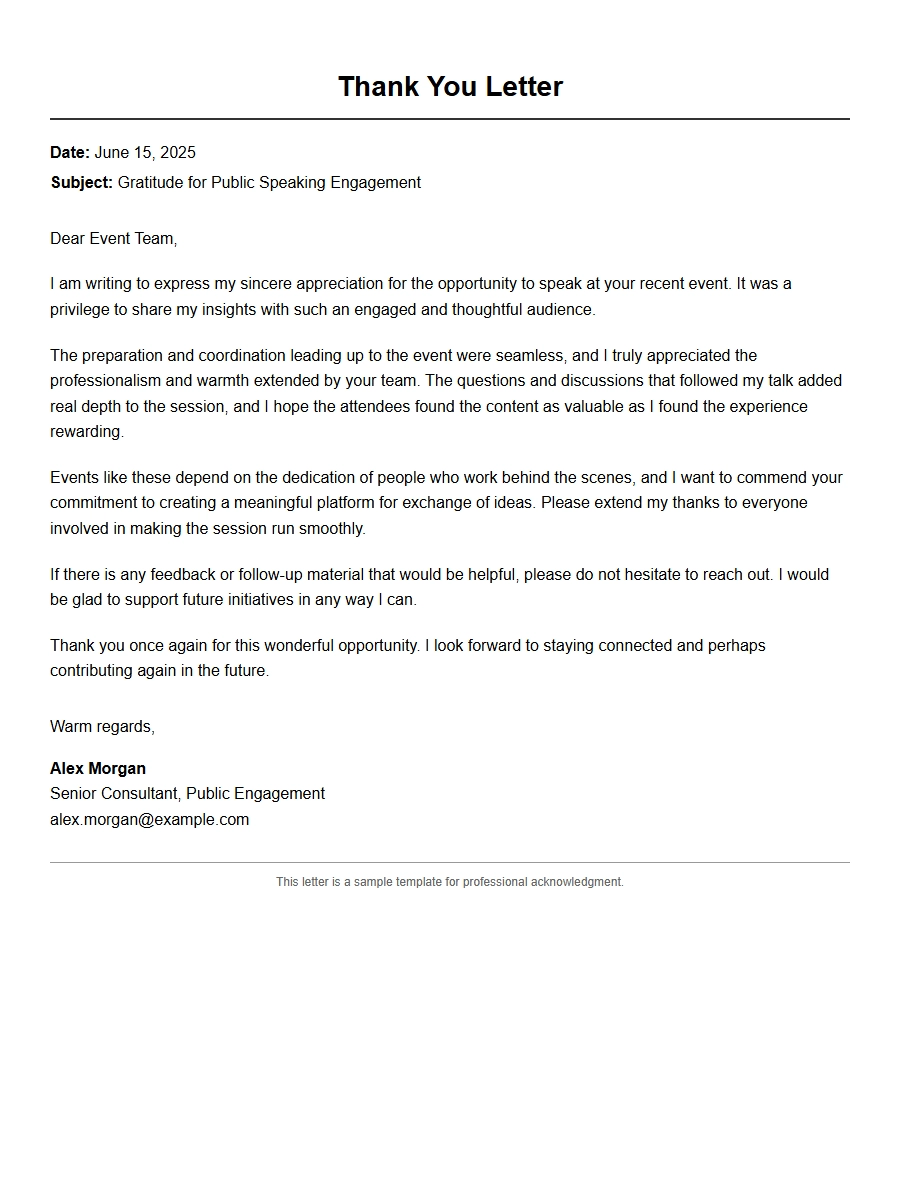
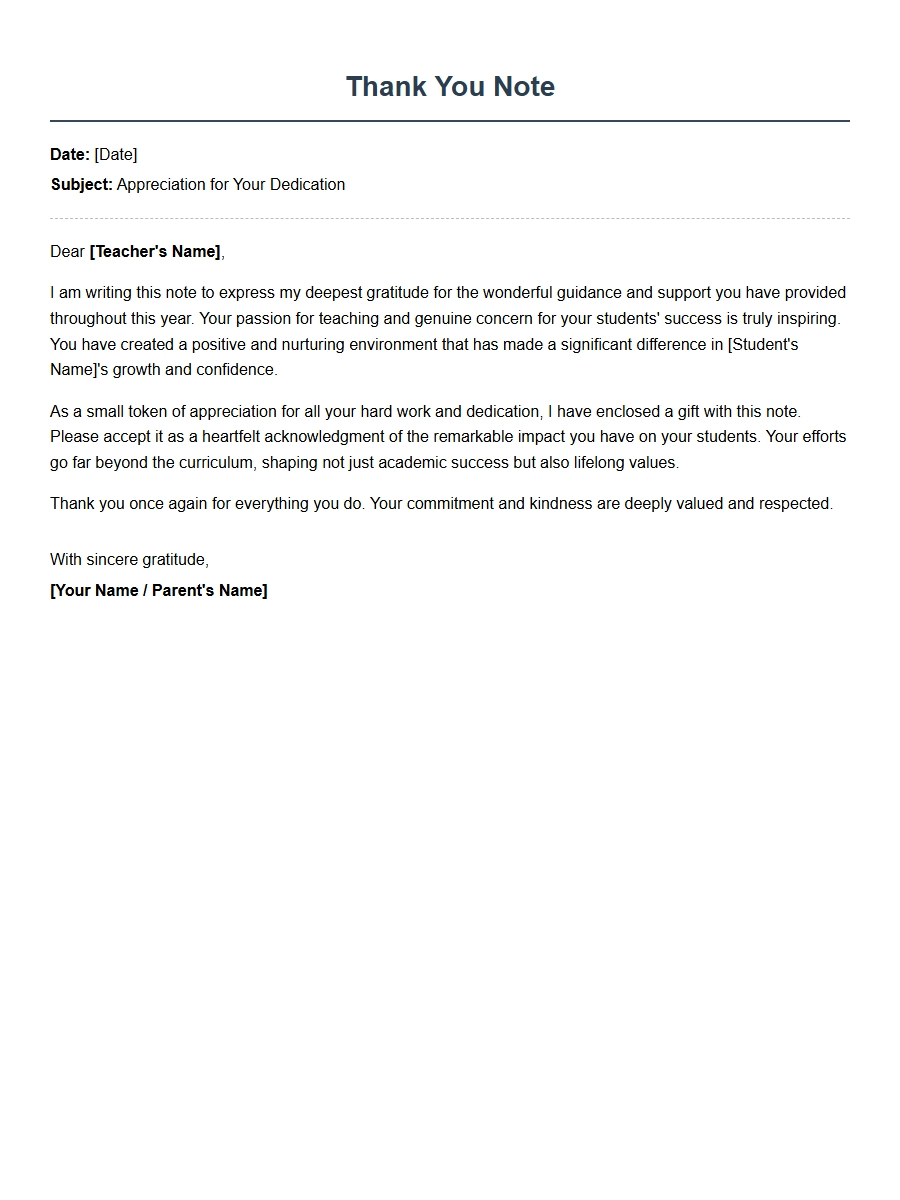 Sample Thank You Note for Teacher Gift
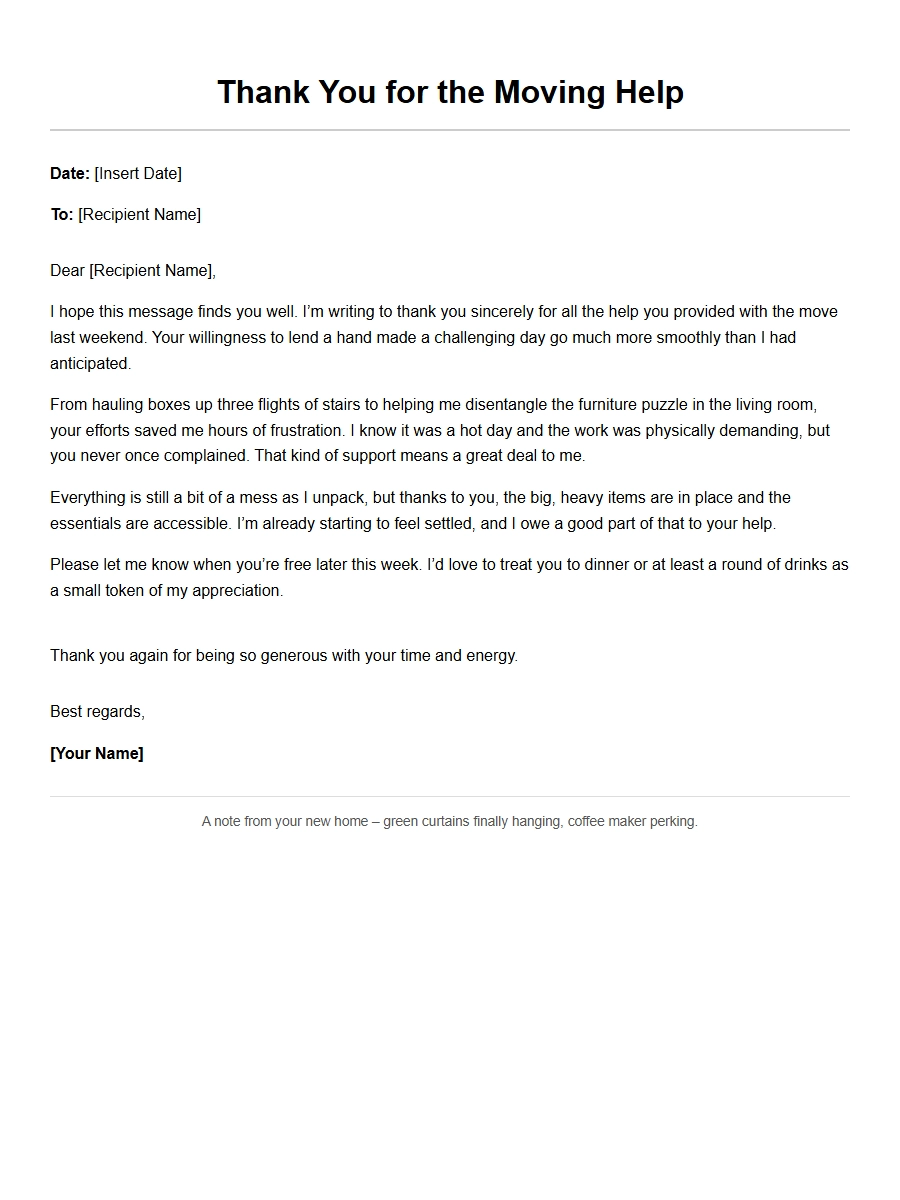 Thank-You Letter for Help with Moving
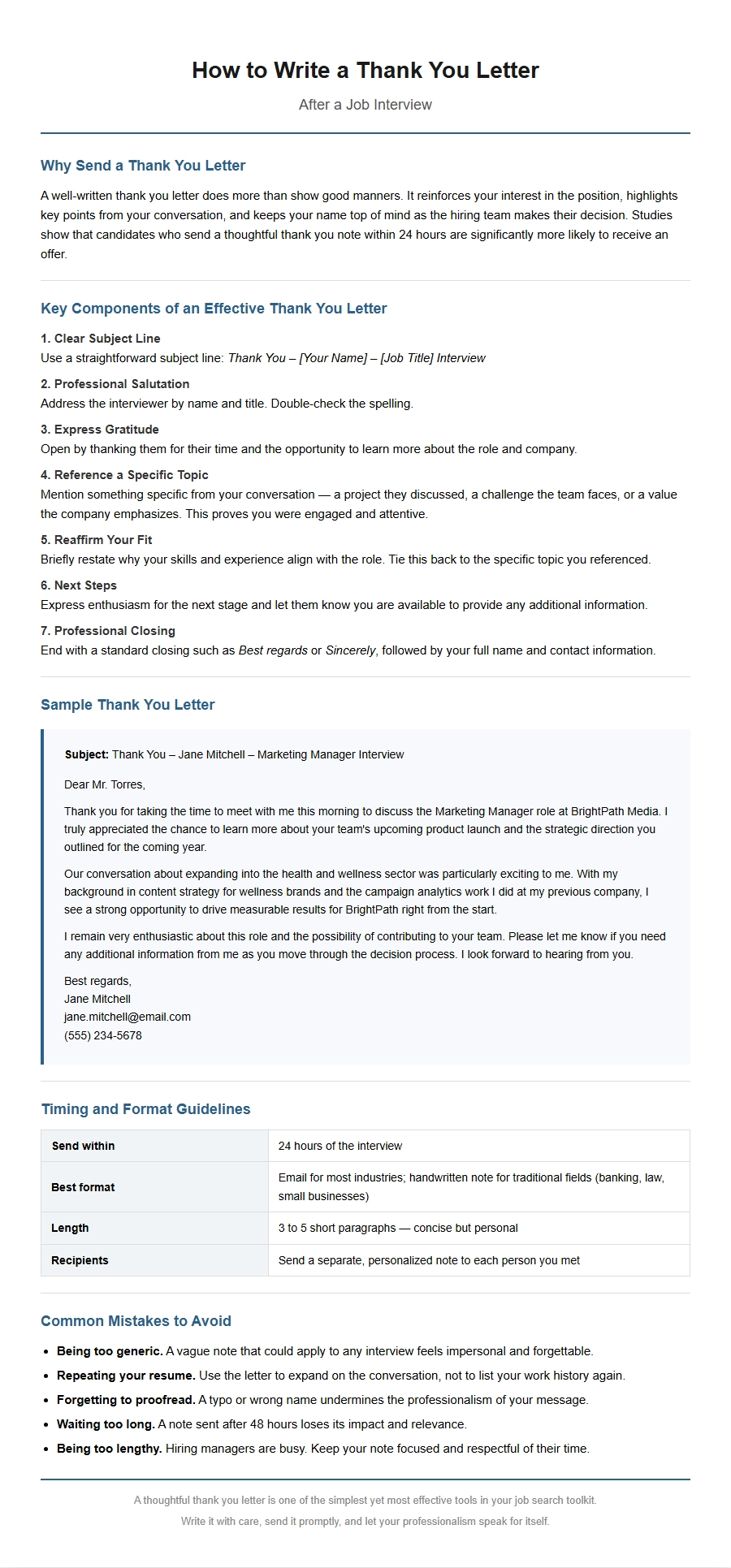 How to Write a Thank You Letter After an Interview
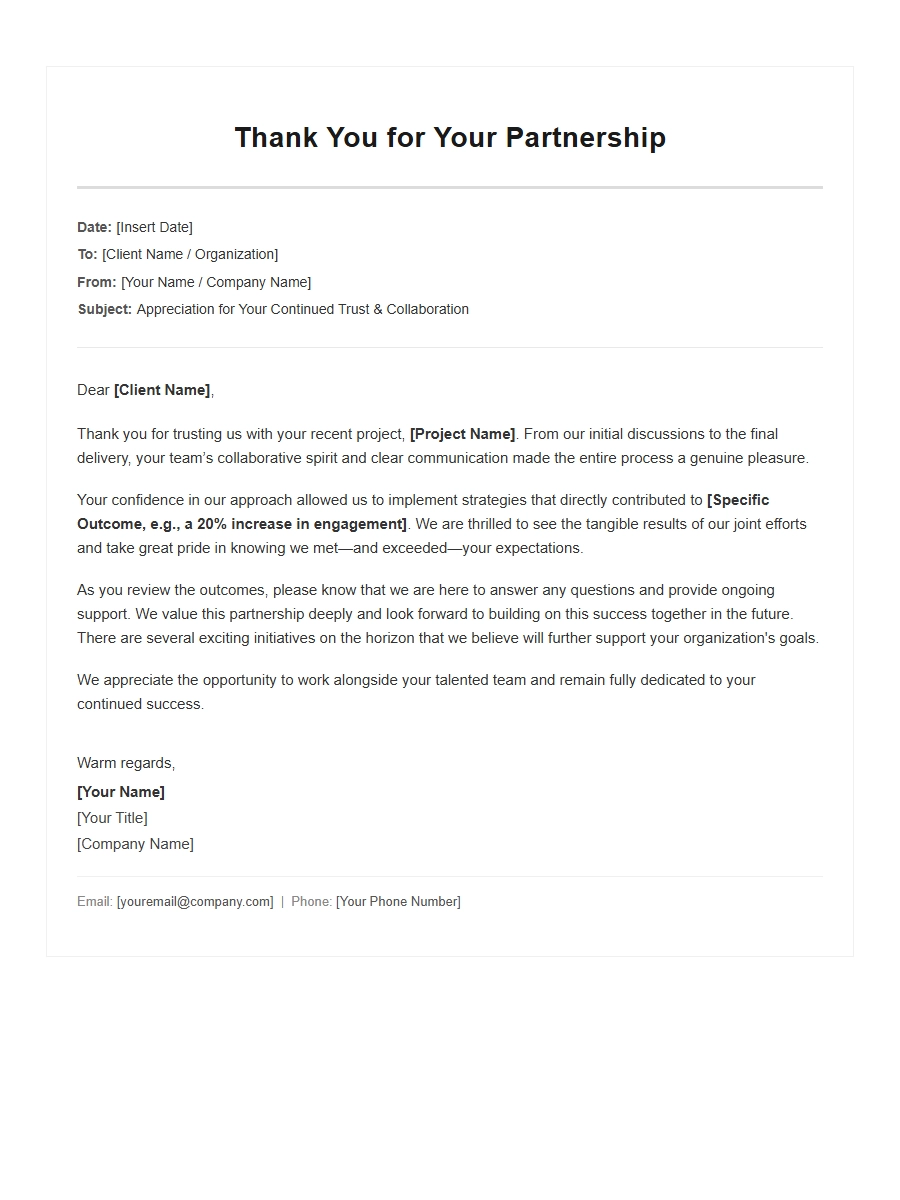 professional thank you email example for client - Thank-You Letters
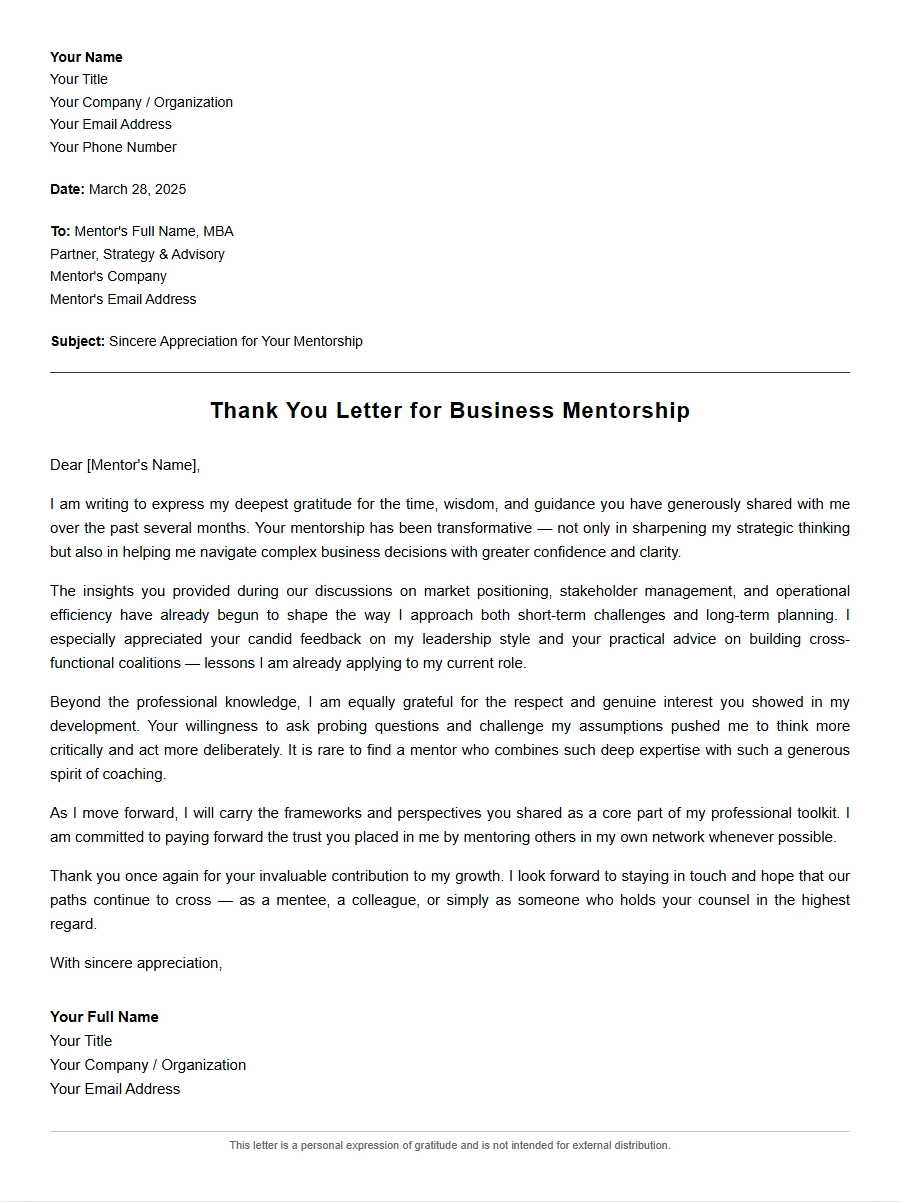 Business Mentor Thank-You Letter Guide
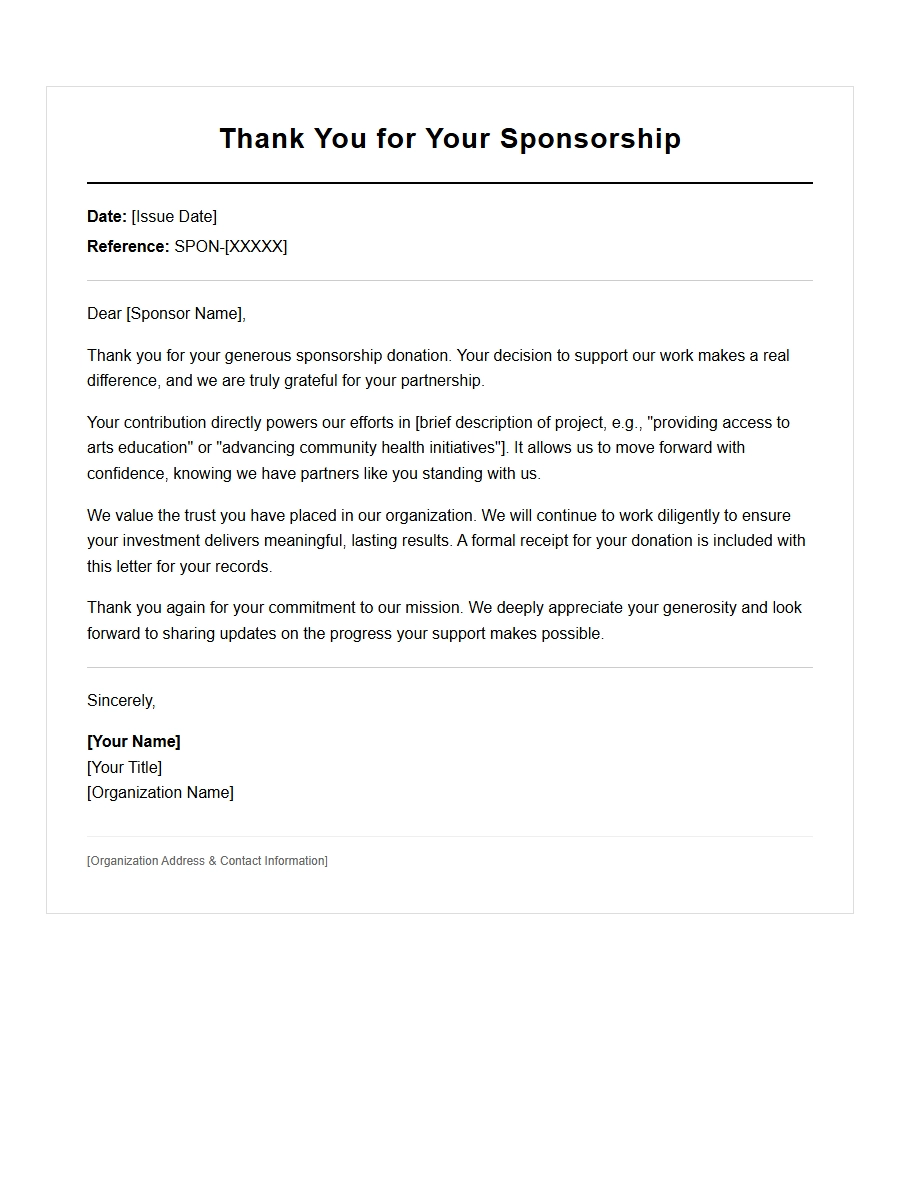 Thank You Letter for Sponsor Donation