How to Request Pet Permission from Your Property Manager
You’ve found the perfect apartment, signed the lease, and then you remember—you have a cat. Or a dog. Or maybe a hamster that you swore you’d leave at your parents’ place. Now you need to write a letter asking your property manager to allow the pet. That blank page can feel like a wall. But the right sample turns that anxiety into a confident, polished draft in minutes.
Using a letter sample isn’t cheating. It’s a smart shortcut. A good sample gives you the structure, tone, and key phrases while leaving room for your own details. Think of it like a recipe—you follow the basic steps, but you add your own ingredients. In professional correspondence, a letter template saves you from second-guessing the salutation, the body, and the closing. You get to focus on what matters: making a clear, respectful case.
Category: Personal Letters
So where do you start? First, choose a sample that fits your situation. Are you writing to a large property management company or a small landlord? For a corporate manager, a formal business letter format works best—think “Dear [Manager’s Name]” and a clear subject line. For a landlord you’ve met in person, a slightly warmer, semi-formal tone is fine. The key is to match the relationship. Ever received a letter that felt too stiff or too casual? Exactly. Get the tone right from the start.
Once you’ve picked a sample, don’t just copy and paste. Customize it. Use your own words for the opening paragraph—explain why you’re asking, mention your pet’s size and temperament, and offer reassurance. For example, “I’m writing to request permission to keep my 8-year-old golden retriever, Max, in the apartment. He is house-trained, quiet, and has lived in rentals before without any issues.” That grabs attention and shows you’re responsible. Common mistakes include using outdated salutations like “To Whom It May Concern” when you could use the manager’s name, or ignoring whether the letter will be emailed or printed. For a digital letter, include a clear subject line and avoid fancy letterheads. For a printed version, a simple letterhead design with your name and contact info is enough. If you’re unsure about the format, check out our guide on how to write a thank-you letter for help—the same principles of tone and structure apply.
Another tip: adapt the sample without losing your authentic voice. If you’re naturally informal, don’t force overly formal language. You can write “I hope you’ll consider this request” instead of “I respectfully submit this petition.” The core need is permission, but the underlying message is trust. Show the manager you’re reliable. Mention any previous pet references or a deposit you’re willing to pay. Confirming your presence at a reunion event requires a similar balance of politeness and clarity—you can borrow that structure for your opening.
Proofreading is non-negotiable. A small typo can make you seem careless. Read the letter out loud, or ask a friend to check it. Check the salutation and closing—are they appropriate? For most pet requests, “Sincerely” works. Avoid “Cheers” or “Best” unless you know the person well. And remember, a well-written letter can set the tone for the entire tenancy. If you need inspiration for how to explain a personal situation, see how others handle sensitive topics in sharing mental health struggles in a safe space—the same careful empathy applies here.
Finally, treat the sample as a springboard, not a crutch. The best letters feel both professional and personal. They show you’ve thought about the manager’s concerns—noise, damage, complaints—and addressed them head-on. Practice makes the process faster. The next time you need to write a similar request, you’ll already know the structure. And if you ever need to network with a cold contact, the same letter writing etiquette will serve you well.
So grab a sample, adapt it, and send it off. You’ve got this.
Realistic Samples
How to Request Pet Permission from Your Property Manager
Initial Inquiry About Pet Permission
Dear [Property Manager's Name],
I hope this message finds you well. I am writing to kindly request permission to adopt a small cat for my apartment at [Property Address]. I have been a tenant here for [Number] years and always followed the lease terms.
To address any concerns, I would like to propose the following conditions:
The cat will be an indoor-only pet and will not be allowed on common areas.
I will pay a refundable pet deposit of $[Amount] as discussed.
I will provide proof of spaying/neutering and up-to-date vaccinations.
I will cover any damages beyond normal wear.
I would be happy to meet with you in person to discuss this further. Please let me know what additional paperwork or fees are required. Thank you for your time and consideration.
Sincerely, [Your Name] [Your Phone Number]
Formal Pet Permission Request with References
Dear [Property Manager's Name],
I am writing to formally request permission to keep a small, well-behaved dog (breed: [Breed], weight: [Weight] lbs) in my unit at [Address]. I understand the building’s pet policy and assure you I will adhere to all rules.
Attached are references from my previous landlord and a neighbor who can confirm my responsible pet ownership. I am also willing to sign an addendum to the lease regarding pet responsibilities.
For your convenience, here is a summary of what I propose:
Item
Details
Pet Type
Dog (neutered, vaccinated)
Deposit Offered
$[Amount] (refundable)
Monthly Pet Rent
$[Amount] if required
Insurance Provided
Renter’s liability (covers pet damage)
I am ready to schedule a quick meeting to finalize this request. Thank you for considering my proposal.
Best regards, [Your Name] [Your Email Address]
Pet Permission Request with Prior Approval Evidence
Dear [Property Manager's Name],
I am writing to request permission to bring a small, hypoallergenic cat into my apartment at [Address]. I have already obtained a written letter from my veterinarian confirming the cat is healthy, spayed, and flea-free. Moreover, I can provide proof that this pet did not cause issues in my previous unit (reference letter enclosed).
To minimize any risk to the property, I will:
Keep the cat indoors at all times.
Use a scratching post and regularly clean the litter box.
Pay for any carpet cleaning upon move-out if needed.
I am prepared to pay a one-time non-refundable pet fee of $[Amount] as per the building’s policy, if applicable. Please let me know the next steps. I appreciate your prompt response.
Thank you, [Your Name] [Your Unit Number]
Polite Reminder Regarding Pending Pet Request
Dear [Property Manager's Name],
I hope you are doing well. I am writing to kindly follow up on my pet permission request submitted on [Date] regarding adopting a small pet (a [type of pet]) for my apartment at [Address].
I understand you may be busy, but I would appreciate an update so I can plan accordingly. If you need any additional information, such as vaccination records or a reference letter from my previous landlord, please let me know.
For your convenience, I have listed the original details:
Pet: [Type], [Weight], [Age]
Proposed deposit: $[Amount]
Monthly pet rent: $[Amount] (if required)
I am eager to ensure that everything is in order. Thank you for your attention to this matter.
Best regards, [Your Name] [Your Phone Number]
Pet Permission Request for an Emotional Support Animal
Dear [Property Manager's Name],
I am writing to formally request permission to have my emotional support animal (ESA) live with me in my apartment at [Address]. My licensed mental health professional has recommended this animal to help manage my condition. Attached is a letter from my therapist confirming the need for an ESA.
I understand that emotional support animals are not pets under typical rules, but I want to ensure full transparency. My animal is a [breed/species], well-behaved, and housebroken. I will keep it under control at all times and clean up after it.
In compliance with fair housing laws, I request reasonable accommodation. Should you need additional documentation, I am happy to provide it. I would appreciate a written response confirming approval or further steps.
Thank you for your understanding and cooperation.
Sincerely, [Your Name] [Your Unit Number]
Pet Permission Request with Damage Liability Agreement
Dear [Property Manager's Name],
I am writing to request permission to keep a small, well-trained dog in my apartment at [Address]. To address any concerns about potential damage, I would like to propose a formal agreement as outlined below:
Condition
My Commitment
Pet deposit
$[Amount] refundable
Damage coverage
I will cover any repairs beyond normal wear
Noise control
I will ensure my dog does not disturb neighbors
Waste cleanup
I will clean up immediately on property grounds
I am also willing to sign a pet addendum that outlines my responsibilities. My dog is up-to-date on vaccinations and spayed. I can provide records and a reference from my previous landlord. I hope we can come to a mutually agreeable arrangement.
Thank you for considering this request. I look forward to your response.
Best, [Your Name] [Your Contact Information]
Pet Permission Request with Pet Resume
Dear [Property Manager's Name],
I am excited to apply for permission to bring my well-mannered cat, [Pet Name], into my apartment at [Address]. I have prepared a short “pet resume” to demonstrate her excellent behavior and low risk to the property.
Here are the highlights:
Age: [Age] years, spayed, all shots current
Temperament: Quiet, does not scratch furniture (uses scratching post)
History: Lived in an apartment for [Number] years with no complaints
I am willing to pay a pet deposit of $[Amount] and sign any required addendum. If acceptable, I can also provide a video of [Pet Name] in a controlled setting. Please let me know what else you need from me. I sincerely hope you will approve this request.
Thank you for your time and positive consideration.
Sincerely, [Your Name] [Your Phone Number]
Pet Permission Request with Limited Duration
Dear [Property Manager's Name],
I am writing to request temporary permission to keep a small pet (a guinea pig) in my apartment at [Address] for the next [Number] months. This is due to a family emergency where I need to care for my sister’s pet while she is away. The guinea pig is caged, odorless, and will not cause any damage.
I understand the building’s pet policy normally does not allow this, but I am hoping for a short-term exception. I propose the following:
The guinea pig will stay in its cage at all times, except for supervised floor time.
I will pay a one-time fee of $[Amount] to cover any cleaning or risk.
I will provide a written cleanup and care schedule.
After the [Number] months, the animal will be removed. Your approval would greatly help my family situation. I appreciate your understanding.
Thank you, [Your Name] [Your Unit Number]
Pet Permission Request as a New Tenant
Dear [Property Manager's Name],
I recently signed a lease for unit [Number] at [Address] and I am writing to request permission to bring my cat with me. I apologize for not including this in my initial application; I realized my error after reading the pet policy more carefully.
My cat is [Age] years old, spayed, and very calm. I have kept her in rental properties before without any issues. To make this request easier, I offer the following:
Item
Details
Pet deposit
$[Amount] (refundable, willing to pay immediately)
Vaccination records
Available upon request
Landlord reference
From previous property manager
Photograph of pet
Can be provided separately
I understand if there is a pet fee. Please let me know the exact amount and any forms I need to sign. I am committed to being a responsible pet owner and to maintaining a harmonious environment. Thank you for your consideration.
Sincerely, [Your Name] [Your Email Address]
Pet Permission Request for a Small Bird
Dear [Property Manager's Name],
I am writing to request permission to keep a small, caged bird (a budgie) in my apartment at [Address]. The bird is quiet, clean, and will remain in its cage at all times. This pet does not cause any mess outside the cage and has no odor.
I understand the building’s pet policy may require a deposit, and I am happy to pay a reasonable amount. For your reference, here are the details:
Pet type: Budgerigar (parakeet)
Cage size: [Dimensions] (placed on a table, not on floor)
No potential for damage to walls or floors
I also commit to keeping the cage clean and changing the liner regularly. If approved, I will sign any necessary addendum. Please let me know if you have any concerns or need additional information.
Thank you for your understanding and prompt response.
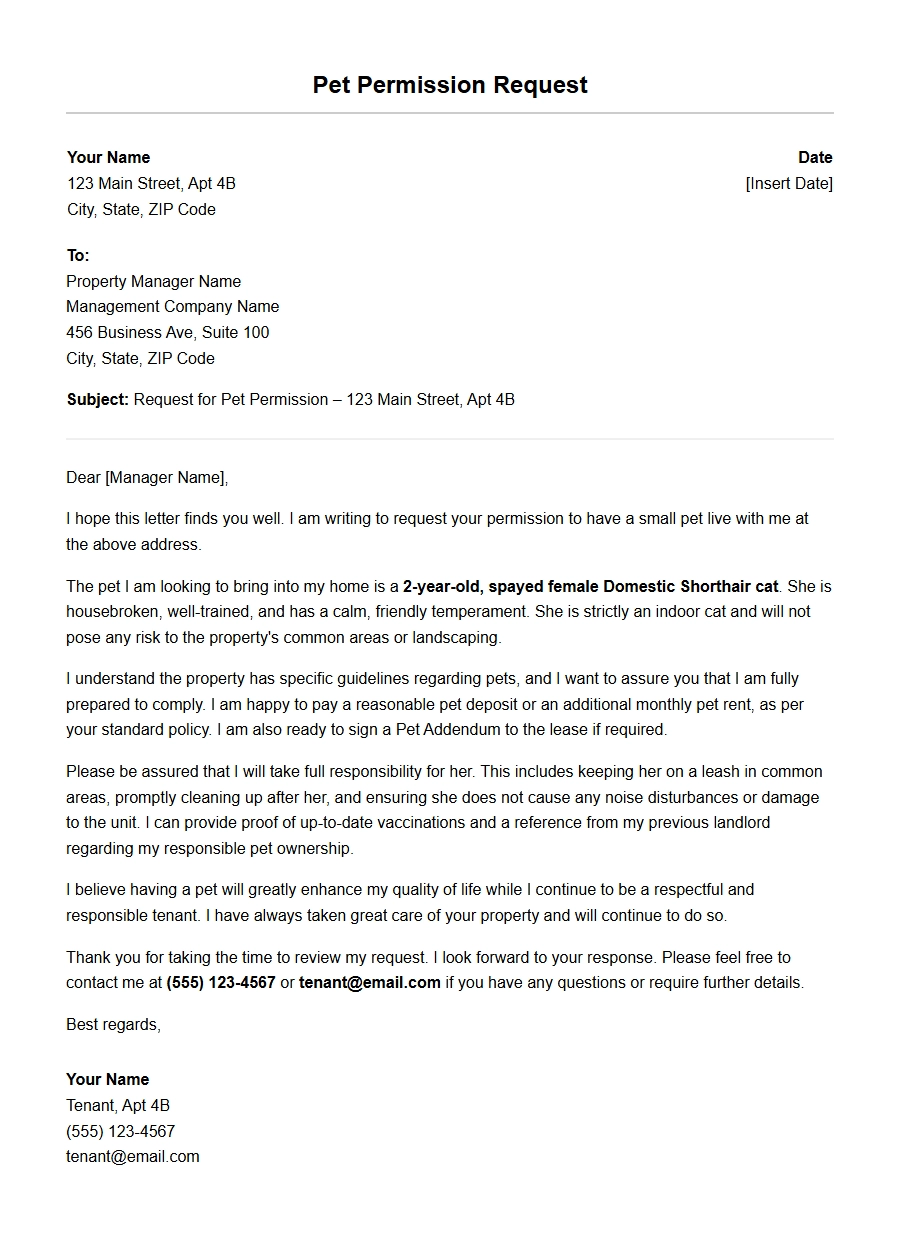
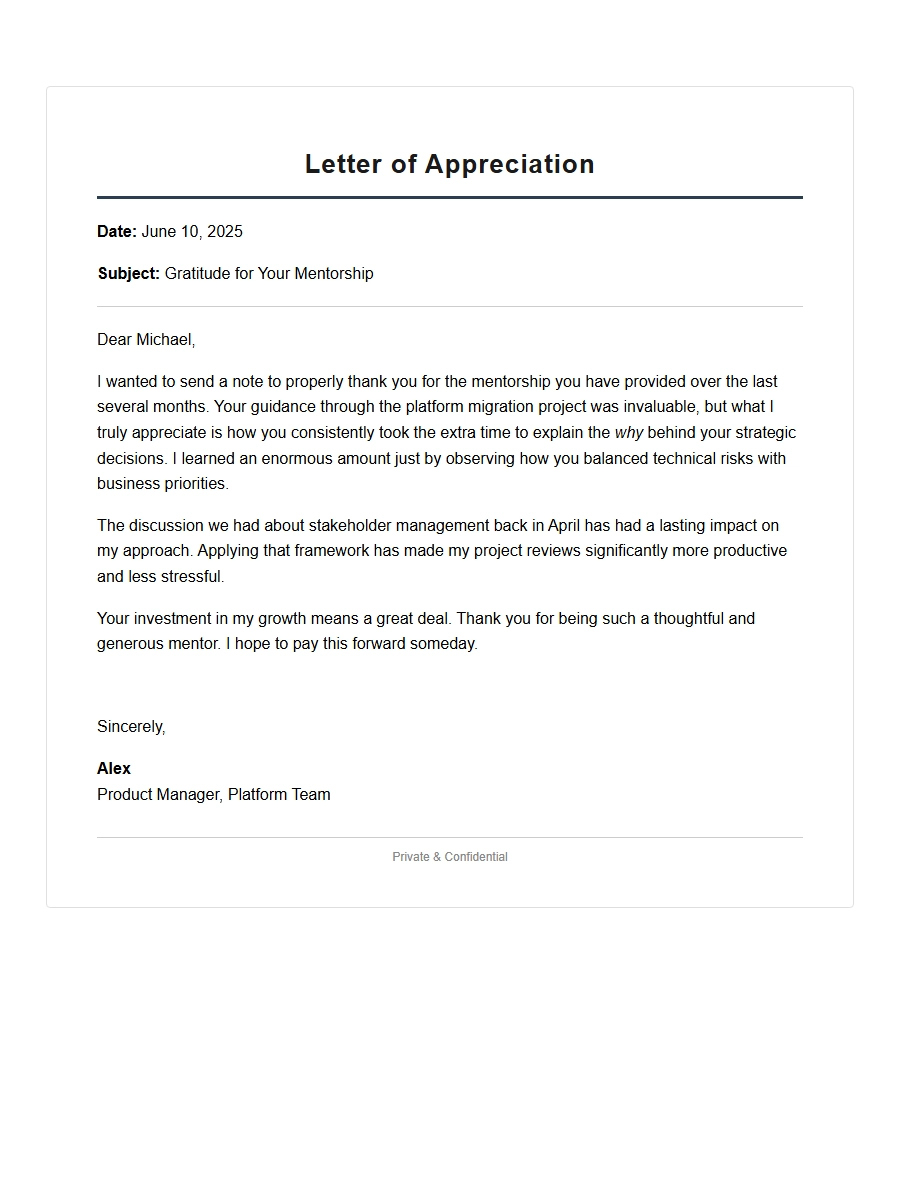 Thanking a Mentor for Guidance: Sample Messages
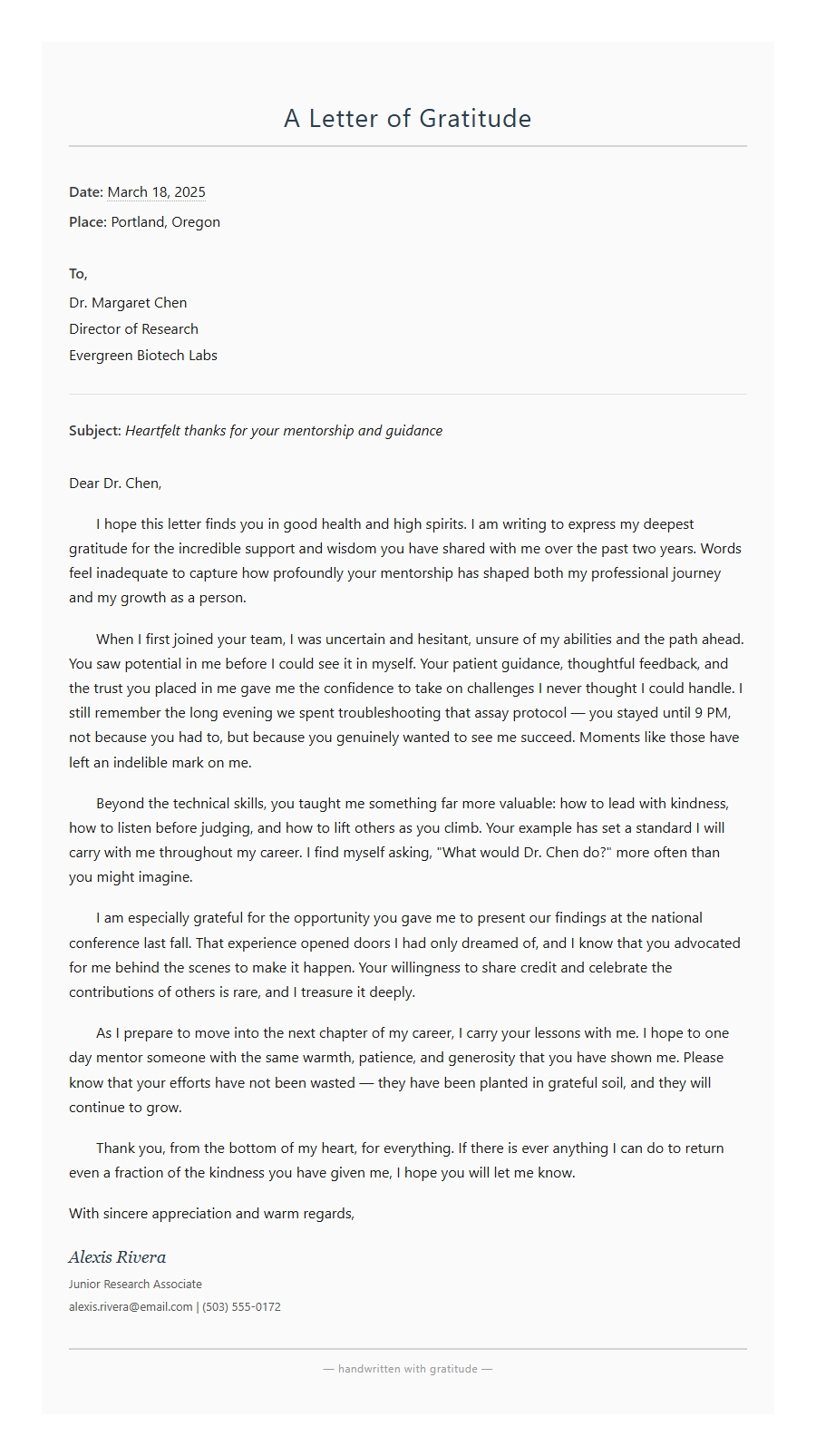 Expressing Gratitude: Handwritten Letter Example
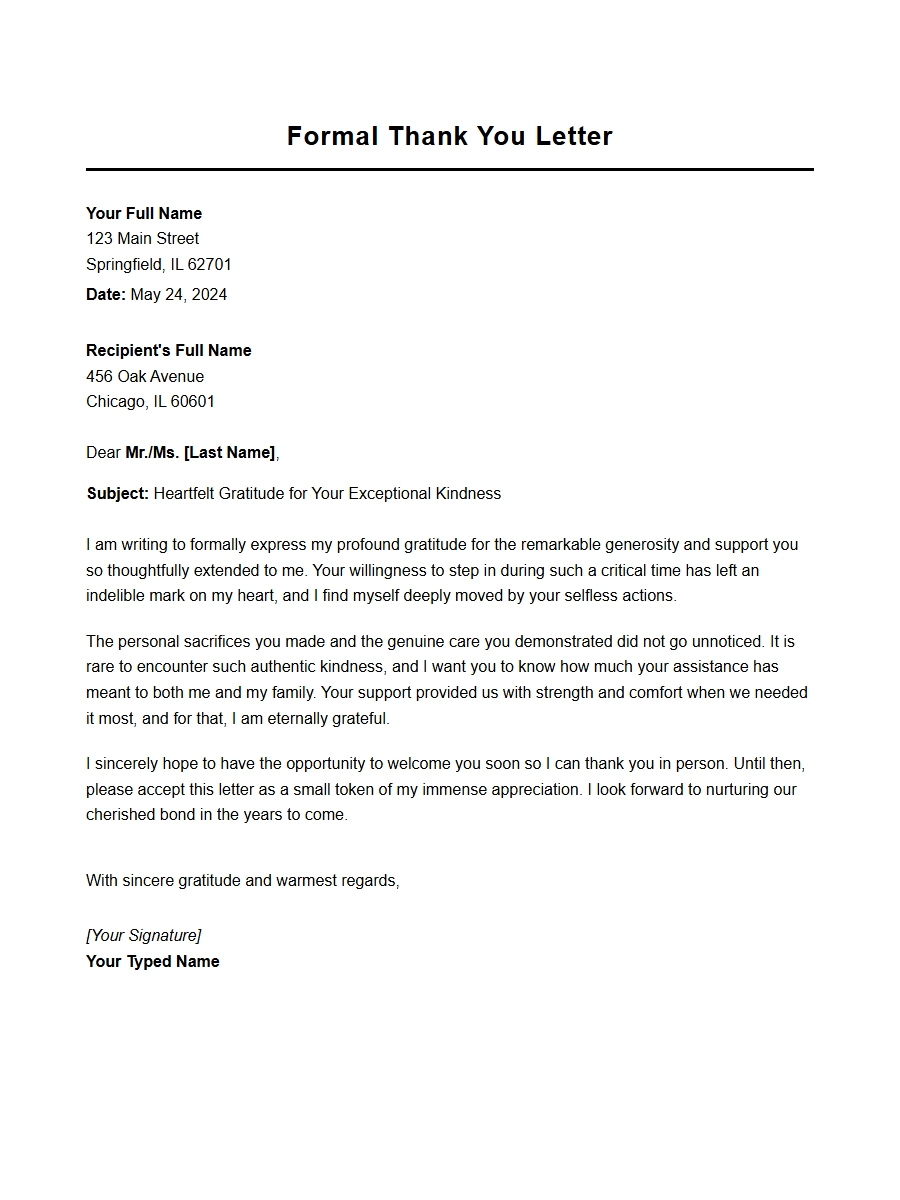 Expressing Thanks in a Formal Personal Letter
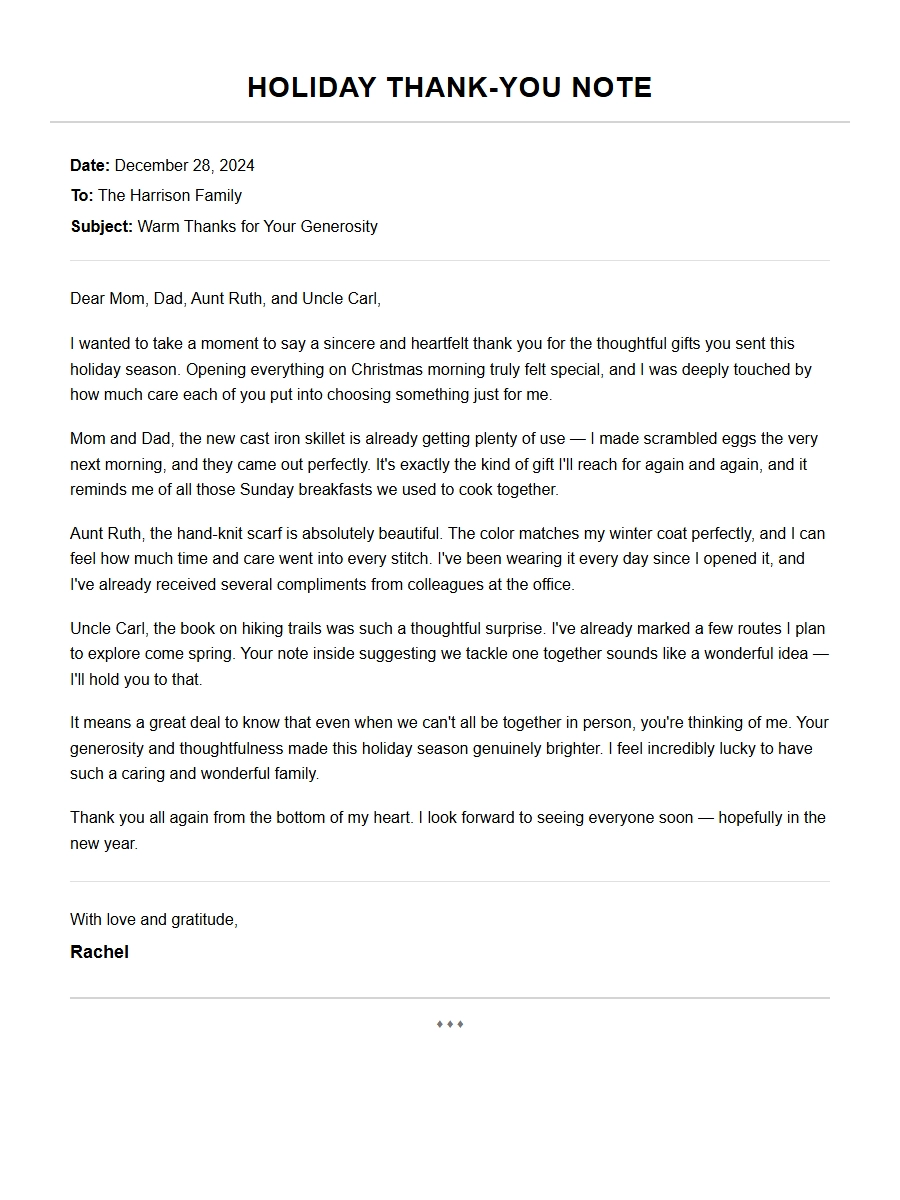 Thank You Letter Examples for Family Holiday Gifts
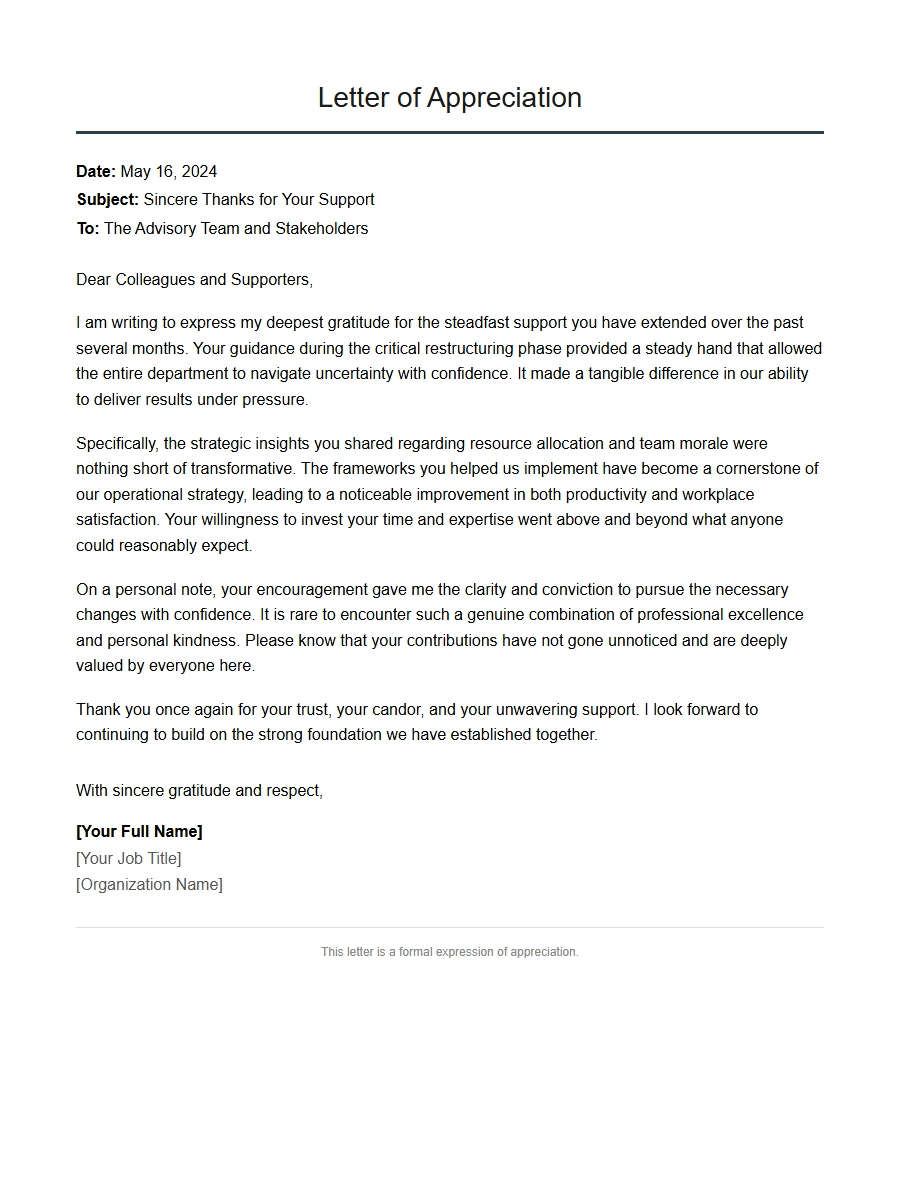 Sample Thank You Letter for Support
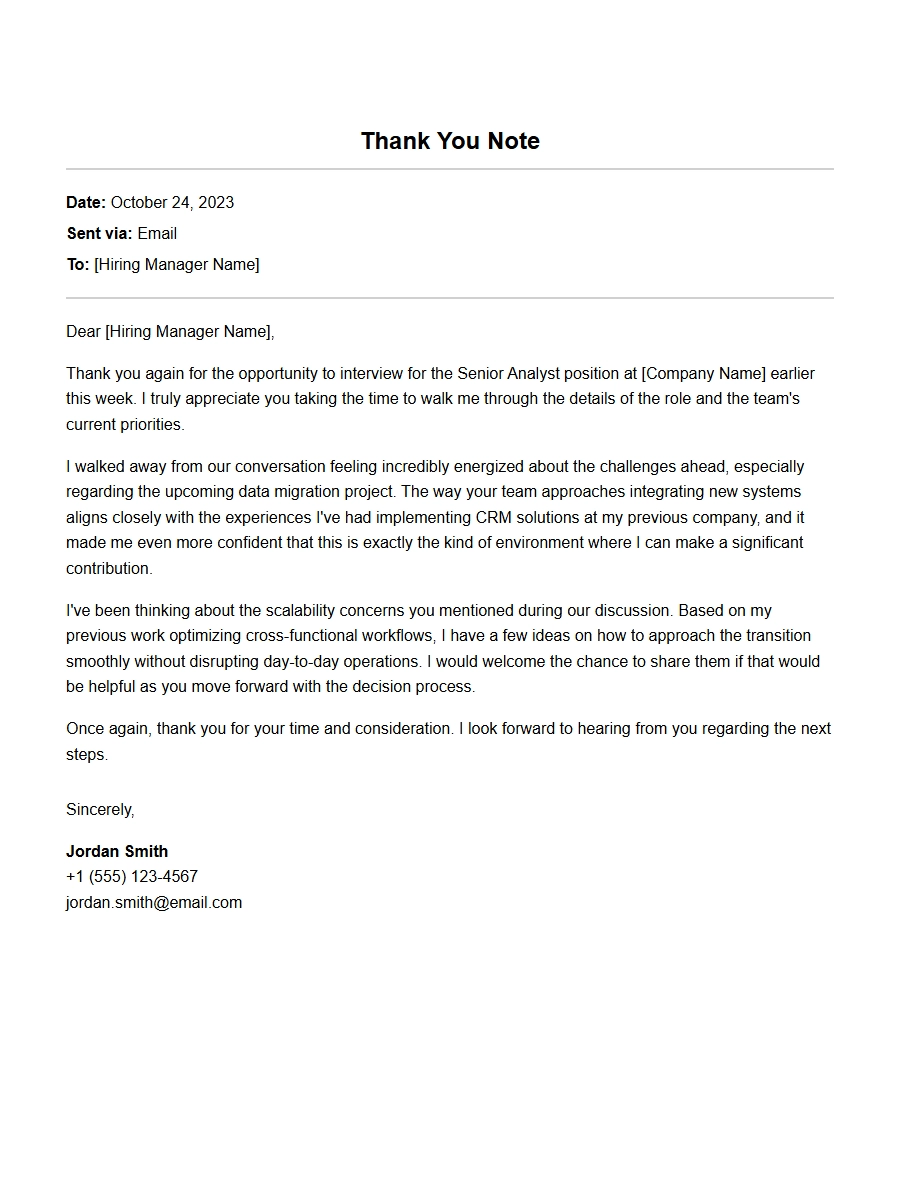 How to Write a Personal Thank-You Note After an Interview