You’ve confirmed the guest list, finalized the menu, and sent out the invitations. Then it happens. The original venue falls through, becomes unavailable, or simply won’t work. Now you need to tell everyone where to go instead. Writing a notifying guests about venue change letter feels stressful, especially when you’re already juggling a dozen other details. The good news is that a well-written notice can actually reassure your guests and keep your event on track.
Why a sample helps (and it’s not cheating)
A pre-written example gives you a solid starting point. It’s not about copying something generic. It’s about having a reliable letter structure so you don’t forget the basics: the new address, the date, and a clear reason for the switch. A good letter template gives you the framework, and you fill in the personal details. This is professional correspondence that saves you time and reduces the chance of confusion. Think of it as a smart shortcut, not a crutch.
What to include in your venue change notice
Your letter needs to cover a few essential points. Start with a clear subject line or opening that states the change directly. Don’t bury the lead. For example: “Important Update: New Location for the Smith Wedding Reception.” Then explain why the change happened in a brief, neutral way. You don’t need to overshare. A simple “Due to an unexpected issue with the original space” is honest and keeps things simple.
Next, give the full new address, including parking details or public transit options if it helps. Mention if the new venue is nearby or if guests need to adjust their travel time. Finally, apologize briefly for the inconvenience, but keep the tone positive. You’re still excited to host them—now it’s just in a different spot. End with a clear call to action, like asking them to RSVP again if needed, or to check your event website for updated details.
Choosing the right tone and format
The tone in writing depends on your relationship with the guests. For a formal wedding or corporate gala, stick with proper letter writing etiquette. Use a standard business letter format with a formal salutation and closing. For a casual birthday party or a small community gathering, a warm email with a friendly tone works just fine. Your guests will appreciate the directness more than the formality.
Most venue change notices today are sent via email, so pay attention to digital letter format. Keep the subject line specific. Use short paragraphs for easy reading on a phone. If you’re mailing a printed version, consider a simple letterhead design with your event name or logo to keep it looking polished. Whatever format you choose, make sure the new venue details are impossible to miss. Put them in bold or in a separate box if you can.
Mistakes to avoid
One common error is sounding too apologetic or dramatic. A simple “we’re sorry for the change” is enough. Over-explaining makes guests wonder if there’s a bigger problem. Another mistake is using outdated salutations like “To Whom It May Concern” when you’re writing to people you know personally. Address them by name or use “Dear Friends and Family.”
Also, don’t forget to proofread. A typo in the new address can lead to real confusion. Read your letter out loud before hitting send. If possible, have someone else check it. Good proofreading letter habits catch small mistakes that could cause big headaches later.
Personalize without losing the structure
Your customizable letter should still sound like you. If you’re hosting a backyard BBQ that moved indoors, keep the language light and casual. For a more formal event, stick with the sample’s professional tone but add a sentence about your personal excitement or relief that the new venue is even better. That small touch keeps the message authentic. You’re adapting the sample, not replacing your own voice.
If the change affects travel or accommodations, offer a quick tip or local recommendation. For example, “The new hall is right next to the train station, and there’s free parking after 6 PM.” This kind of detail shows you’ve thought about their experience, not just logistics.
When to send the letter
Send your notice as soon as you confirm the change. Delaying only increases the chance of someone showing up at the wrong place. Two to three weeks before the event is ideal for bigger gatherings. For last-minute changes, send the email immediately and follow up with a phone call to key guests like family members or vendors. If you’re also handling other event correspondence, you might find hosting open house invitation draft example personal letters helpful for getting the initial wording right before you need to revise it.
A venue change can feel like a setback, but a clear, prompt notice keeps your event on track. Your guests will understand. Most people have dealt with similar changes themselves. By handling the communication well, you show them that you’re organized and considerate. That trust goes a long way.
Use the sample as your starting point
Think of a notifying guests about venue change letter sample as a reliable map. It shows you the route, but you still get to drive. Take the structure, adjust the tone to fit your event, and add your specific details. Over time, you’ll get faster at this kind of writing. Each letter you write becomes a little easier. And next time you face an unexpected change, you’ll already have a process in place. For more formal situations, you can also adapt elements from apologizing for missing appointment personal note personal letters to help strike the right balance of apology and clarity. If you need to manage follow-up communication or related updates, notifying guests about venue change letter personal letters has additional examples you can reference.
Before you finish, check your letter one more time. Is the new address correct? Is the tone consistent with your event? Did you thank them for their understanding? A little attention now saves a lot of confusion later. That’s the kind of care that makes your gathering run smoothly, even when plans shift.
Helpful Reference Samples
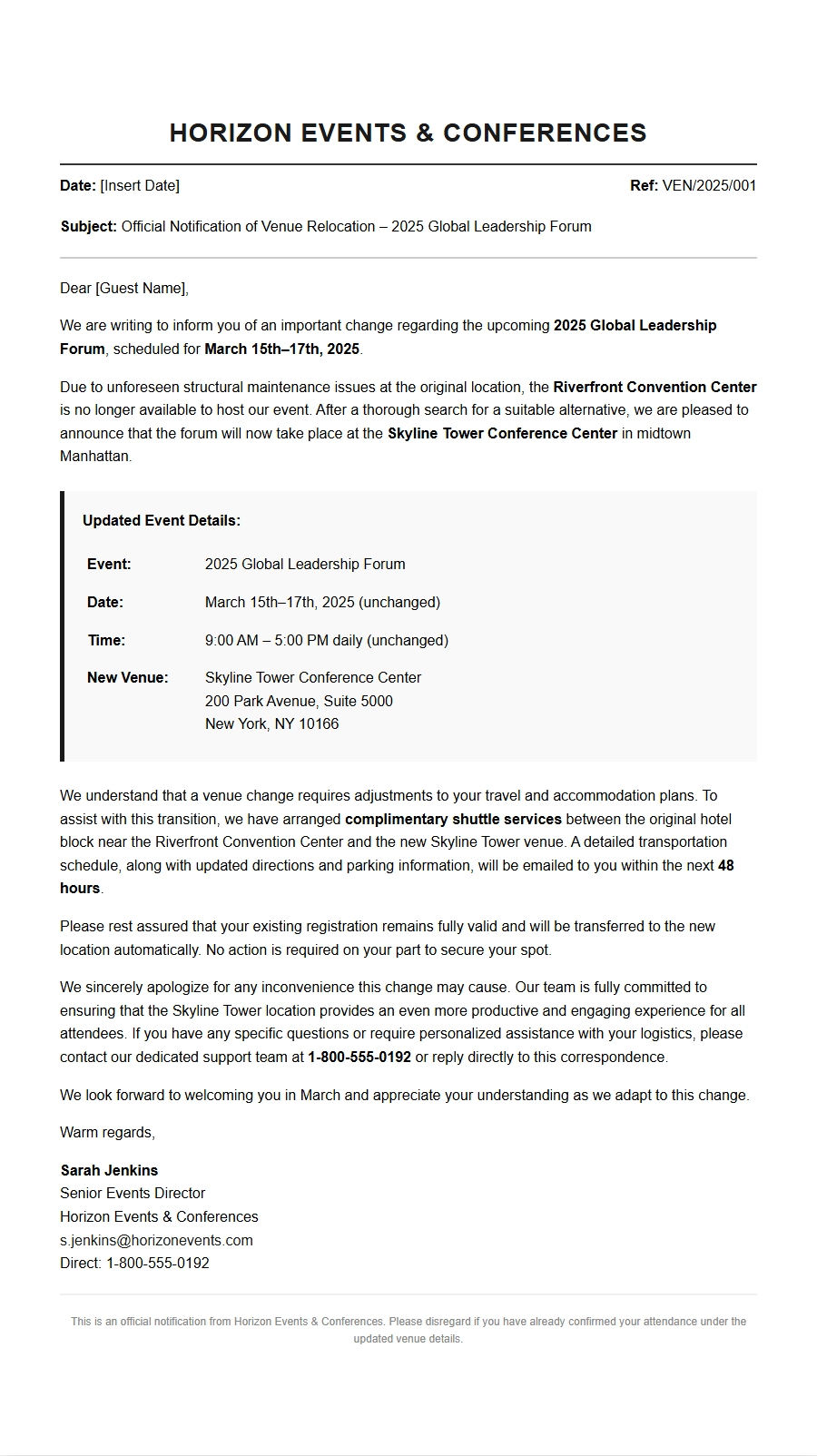
Notifying Guests of a Venue Change Letter
Wedding Venue Change Notice
Dear Family and Friends,
We are writing to let you know that the venue for our wedding celebration has changed. Due to unforeseen circumstances at the original location, we have moved the reception to The Grand Oak Banquet Hall.
Please find the updated details below:
Item
Original
New
Venue
Sunset Gardens
The Grand Oak Banquet Hall
Address
123 Blossom Lane
456 Maple Drive, Suite 200
Date
June 15, 2025
Same
Time
5:00 PM
5:30 PM (doors open at 5:00)
We apologize for any inconvenience this change may cause. Ample parking is available at the new location, and we have arranged a shuttle from the original venue for those who might go there first. Please update your navigation accordingly.
If you have any questions, please reply to this email or call us at (555) 123-4567. We look forward to celebrating with you.
With love, Sarah & Michael
Birthday Party Venue Relocation
Hi everyone,
I’m excited to celebrate my 30th birthday with you, but there’s been a last-minute change. The Downtown Rooftop Lounge had a water main break, so we are moving the party to The Backyard BBQ Pit.
Here’s what you need to know:
New address: 789 Oak Street, just two blocks from the old spot.
Time: Same – 7:00 PM to 11:00 PM.
Food: The BBQ menu is even better – ribs, brisket, and vegan options available.
I apologize for the short notice. The new venue is more casual and has a great outdoor deck. Please RSVP again only if you can’t make it to the new location by texting me. Otherwise, I’ll assume you’ll be there!
Thanks for understanding, and I can’t wait to see you all.
Cheers, Kevin
Corporate Networking Event Venue Update
Dear Colleagues and Guests,
Due to a scheduling conflict at the original site, we have relocated the quarterly networking mixer to The Harbor Conference Center. We regret any inconvenience and assure you the new venue offers enhanced facilities.
Revised Event Details:
Detail
Previous
Updated
Venue
City View Tower
Harbor Conference Center
Address
100 Skyline Blvd
200 Marina Way, Room 304
Parking
Paid garage
Free lot on-site
The time (6:00 PM – 9:00 PM) and date (April 12) remain unchanged. We have also added a short tour of the harbor after the event. Please update your calendar and share the new address with any attendees you are bringing.
We look forward to seeing you there. For questions, contact the events team at events@company.com.
Best regards, Jane Thompson Events Coordinator
Family Reunion Venue Change Letter
Dear Family,
As we finalize plans for the annual family reunion, we must inform you that the venue has changed from Green Valley Park to Lakeview Pavilion due to a fire damage closure at the park.
The new location is even more beautiful, with a covered pavilion and a sandy beach area. Here are the updated details:
Address: 4500 Lakeshore Drive, Eastside
Date: August 10, 2025 (same day)
Time: 11:00 AM – 6:00 PM (still a potluck lunch at 1:00)
We have also increased the parking capacity. Please bring your own chairs if you prefer extra seating. I know this is a change, but the new spot offers swimming and a playground for the kids.
If you need directions or want to help with setup, please call Aunt Marie at (555) 222-3333. We apologize for the late notice and appreciate your flexibility.
Love, Uncle Bob & Aunt Marie
Graduation Party Location Change
Hello everyone,
We are thrilled to celebrate Mark’s graduation, but there’s been a hiccup. The original venue, The Garden Terrace, double-booked our slot. We have moved the party to The Community Center at Hilltop.
Here’s the new information at a glance:
Item
Original
New
Venue
The Garden Terrace
Hilltop Community Center
Address
300 Blossom Court
500 Summit Road
Capacity
80
120 (more room!)
The time remains 2:00 PM to 6:00 PM. The center has a beautiful view and a large kitchen. We will still have the same BBQ menu and the slideshow of Mark’s school years. We’ve also added a volleyball net.
Please disregard any previous directions. The new parking lot is free. If you’re using GPS, search “Hilltop Community Center.” Sorry for any trouble, and we hope to see you there to cheer for Mark!
Warmly, Laura & Tom
Baby Shower Venue Change Notice
Dear friends and family,
I’m so excited to shower the mom-to-be, but unfortunately we have to move the baby shower location. The original venue (Sweet Petals Café) is undergoing emergency repairs, so we are now hosting at The Cozy Nook Event Room.
What’s changed:
Address: 12 Elm Street, Suite 5 (next to the old one)
Time: Still 2:00 PM to 5:00 PM on March 22
Parking: Free lot behind the building
The new space is even cuter – decorated in soft pinks and golds – and it has a small kitchen for the cake. We will have the same diaper raffle and games. Please update your GPS and let me know if you have any trouble finding it.
I deeply apologize for the change; the café called me this morning. I promise the new place is just as charming. See you all there!
Thanks, Megan (the host)
Anniversary Party Venue Relocation
Dear loved ones,
We are celebrating 50 wonderful years of marriage, and we want you to be part of it. There has been a last-minute venue change that we regret to announce. The original venue, The Golden Hall, had a structural issue, so we are moving to The Riverside Banquet Facility.
Please note the new details:
Detail
Old
New
Venue
The Golden Hall
Riverside Banquet Facility
Address
100 Gold Street
200 River Road
Phone
555-0100
555-0200
The celebration date (October 5) and time (5:30 PM dinner) remain the same. Riverside has a beautiful patio overlooking the water, so the evening will be lovely. We have arranged for valet parking at no extra charge.
Please call us if you have any dietary restrictions we missed. We apologize for any confusion and look forward to celebrating our golden anniversary with you.
With love, George & Evelyn
Holiday Party Venue Reschedule Notice
Dear team and guests,
Due to a burst pipe at our original holiday venue (Snowflake Ballroom), we have moved the company’s festive gathering to The Winter Garden Hotel.
Here is the updated information:
Date: Still December 15, 2025
Time: 7:00 PM – midnight (unchanged)
New address: 888 Pine Street, Grand Ballroom
Dress code: Same – festive cocktail
The Winter Garden has offered us a complimentary coat check and a larger dance floor. We have updated the directions in the calendar invitation. Please note that the parking ramp is on Cherry Ave, adjacent to the hotel.
We apologize for the short notice, but we promise the evening will be just as magical. There will still be a secret Santa exchange and a photo booth. See you there!
Happy holidays, The Events Committee
Charity Fundraiser Venue Change
Dear supporters,
Thank you for your commitment to our annual charity gala. We must inform you that the venue has changed from The Downtown Convention Center to The Botanical Gardens Exhibition Hall.
This change was necessary because the Convention Center is hosting an emergency relief event. We are proud to support that cause, and we hope you’ll follow us to the new location.
Key differences:
Item
Original
New
Venue
Convention Center
Botanical Gardens
Capacity
500
400 (limited, but cozy)
Parking
$10 valet
Free self-parking
The gala date (November 8) and time (6:00 PM) remain the same. We have added a live acoustic set and extended the silent auction by 30 minutes. Please update your tickets – they are still valid, just with the new address.
We apologize for any inconvenience and thank you for your flexibility as we support our community.
Sincerely, The Hope Foundation Board
Workshop/Seminar Venue Change Letter
Dear participants,
We are writing to inform you that the workshop “Mastering Public Speaking” has been relocated due to a heating failure at the original building. The new venue is Room 205, Innovation Hub, located at 1500 Tech Park Drive.
Updated schedule details:
Date: March 2, 2025 (same)
Time: 9:00 AM – 4:00 PM (unchanged)
New room: 205 (instead of 101)
The Innovation Hub is a modern facility with state-of-the-art A/V equipment. We have arranged for coffee and pastries from a local café. Please note that the new location has a different entrance – use the west side doors near the bike rack.
We apologize for the sudden change. Your registration remains valid. If you need a refund due to this change, please contact us by March 1. Otherwise, we look forward to seeing you there.
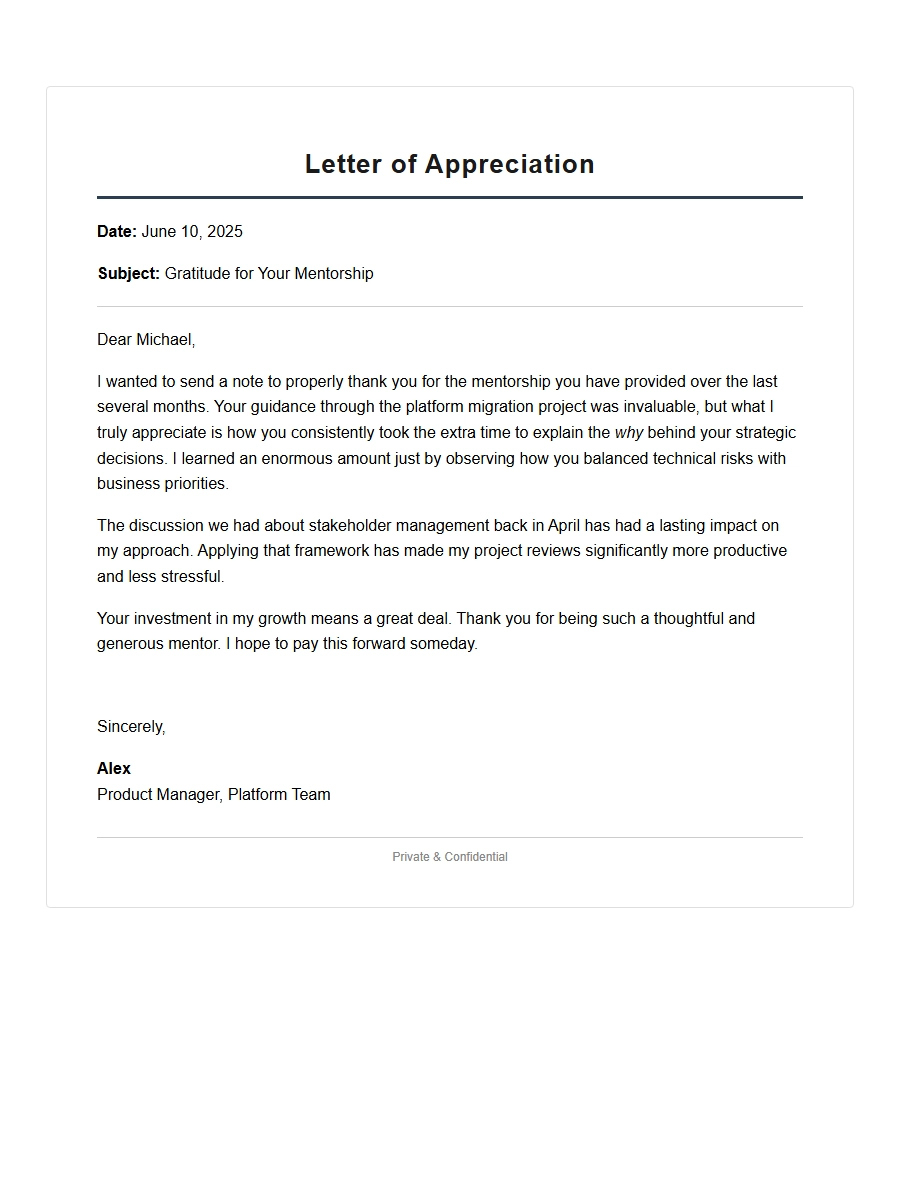 Thanking a Mentor for Guidance: Sample Messages
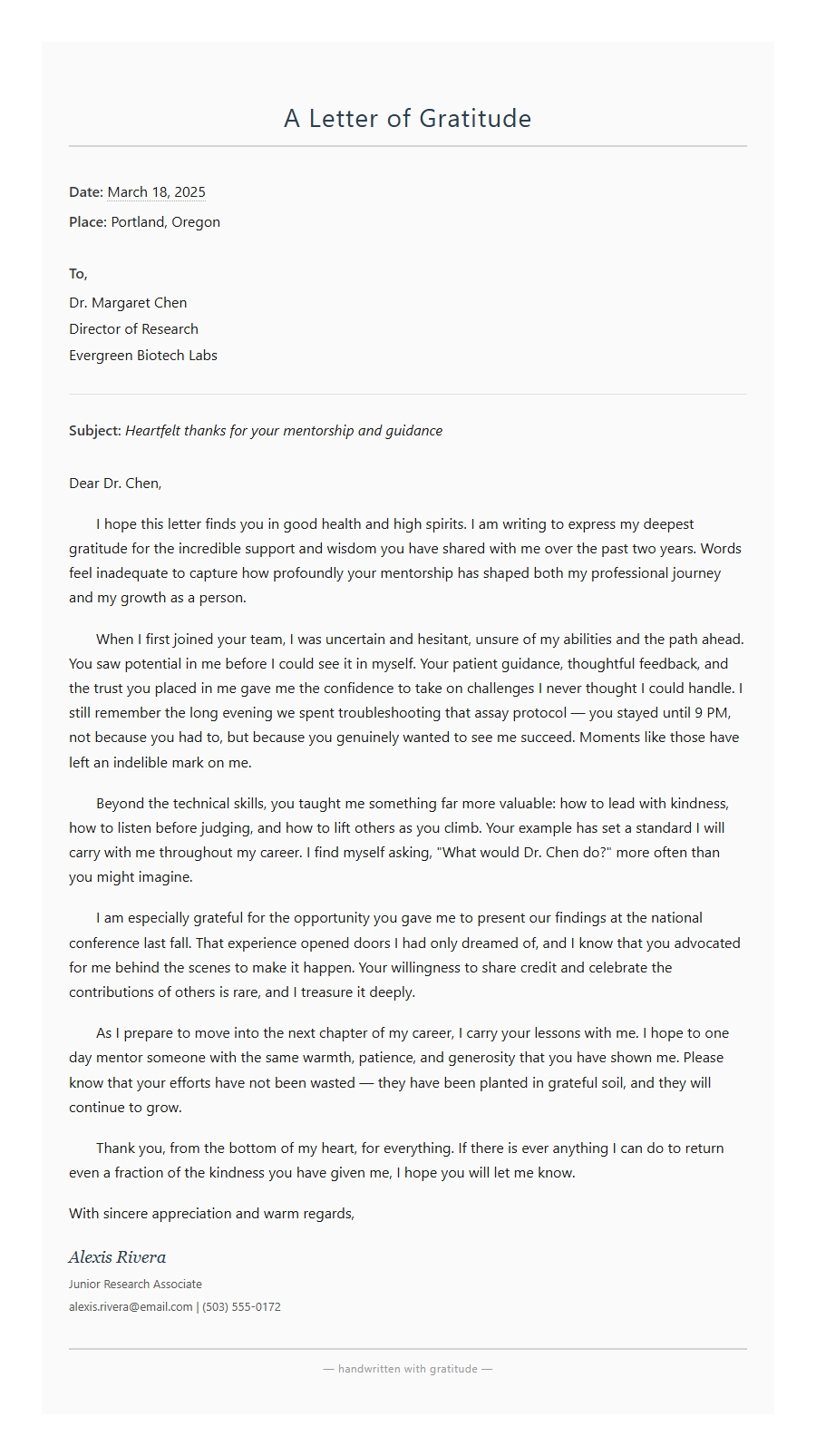 Expressing Gratitude: Handwritten Letter Example
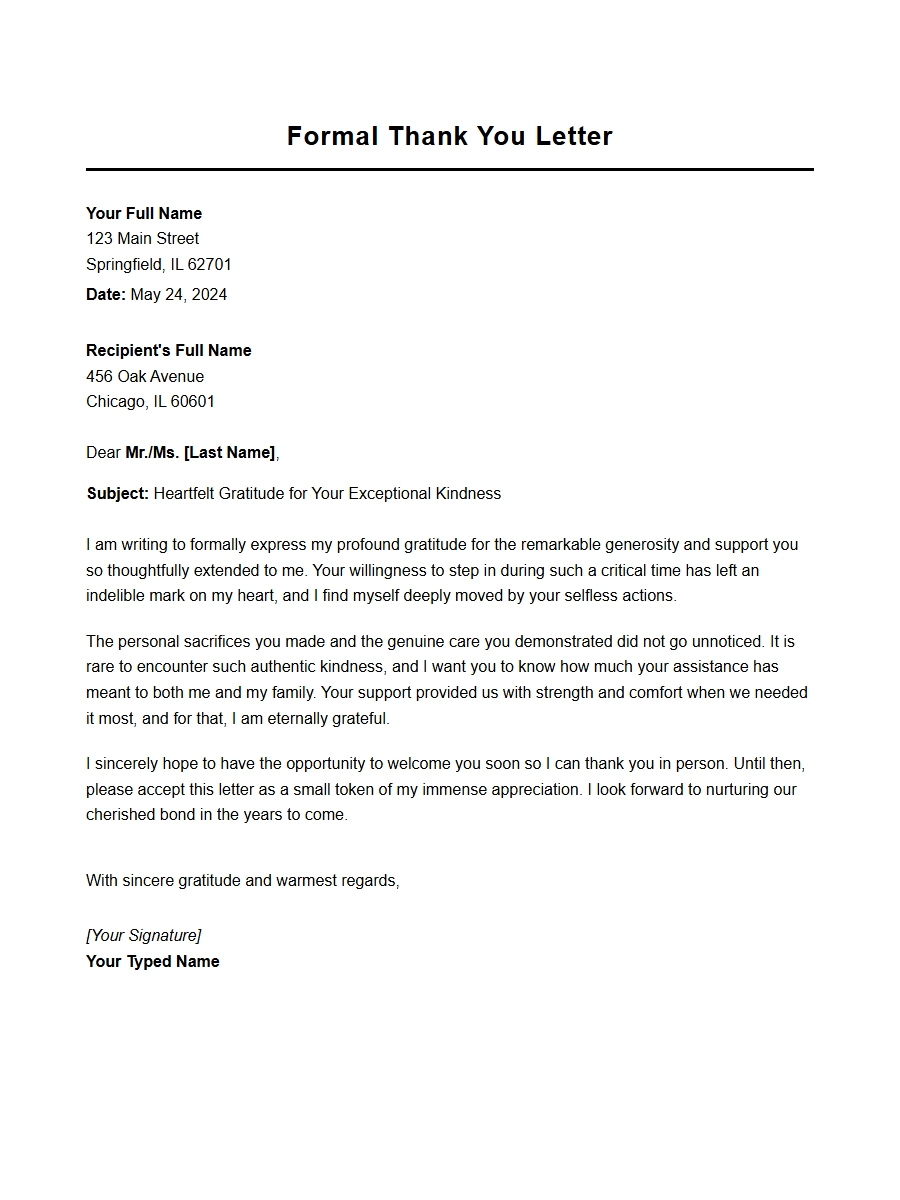 Expressing Thanks in a Formal Personal Letter
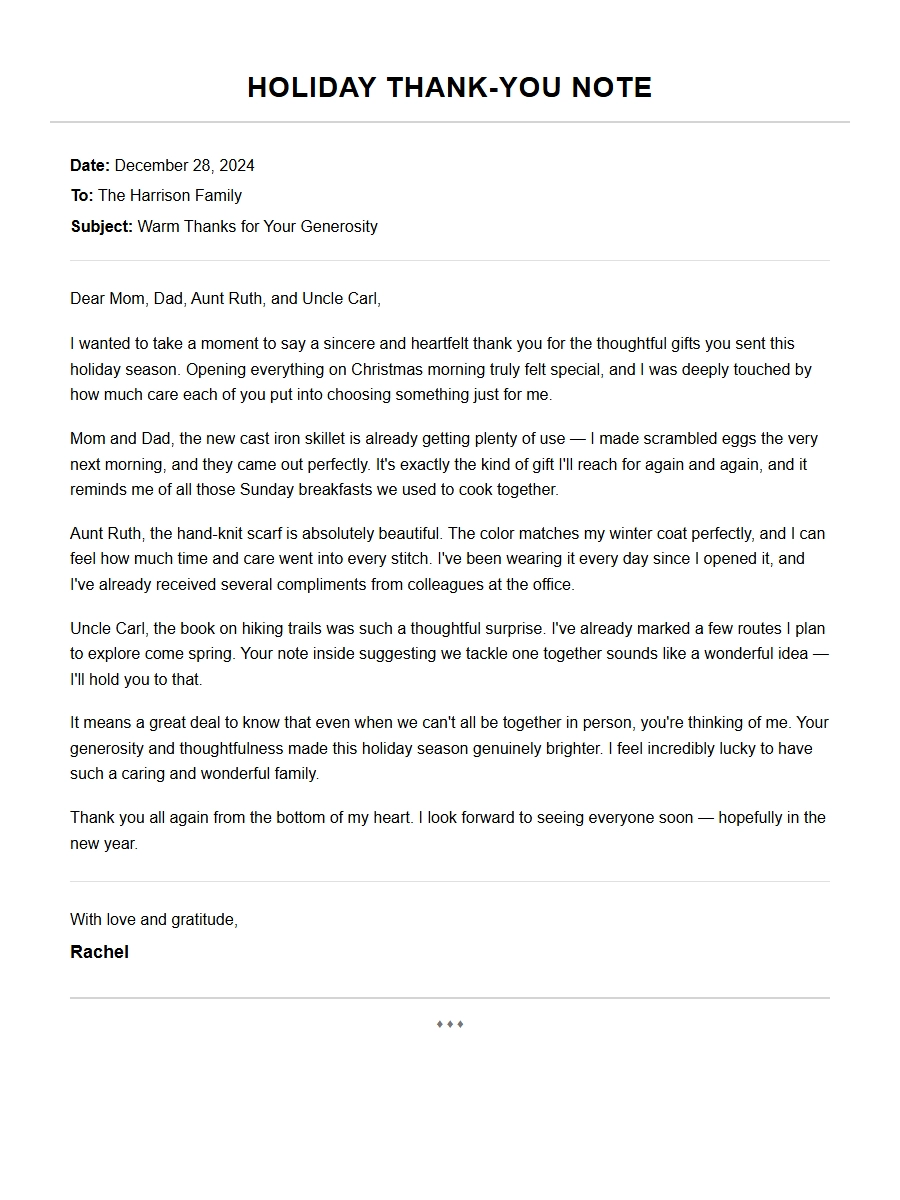 Thank You Letter Examples for Family Holiday Gifts
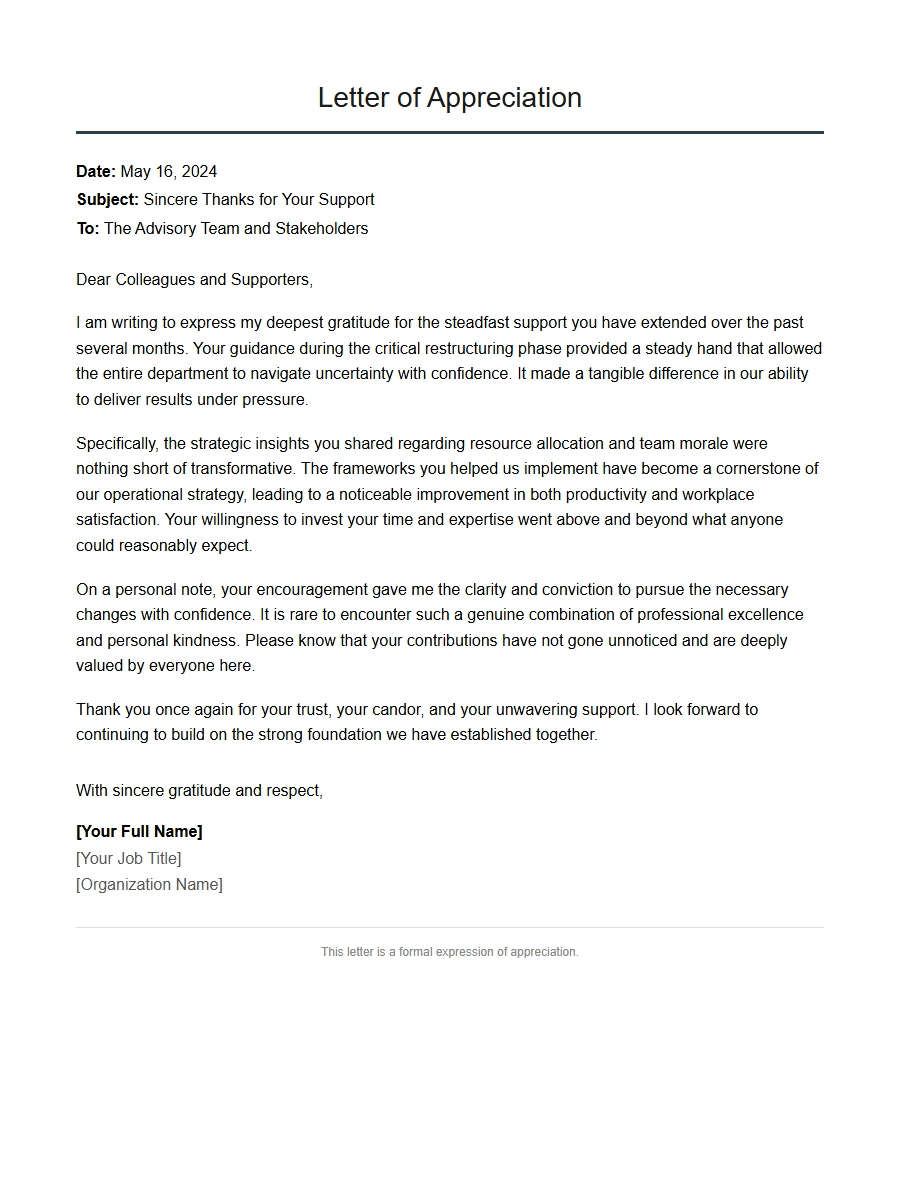 Sample Thank You Letter for Support
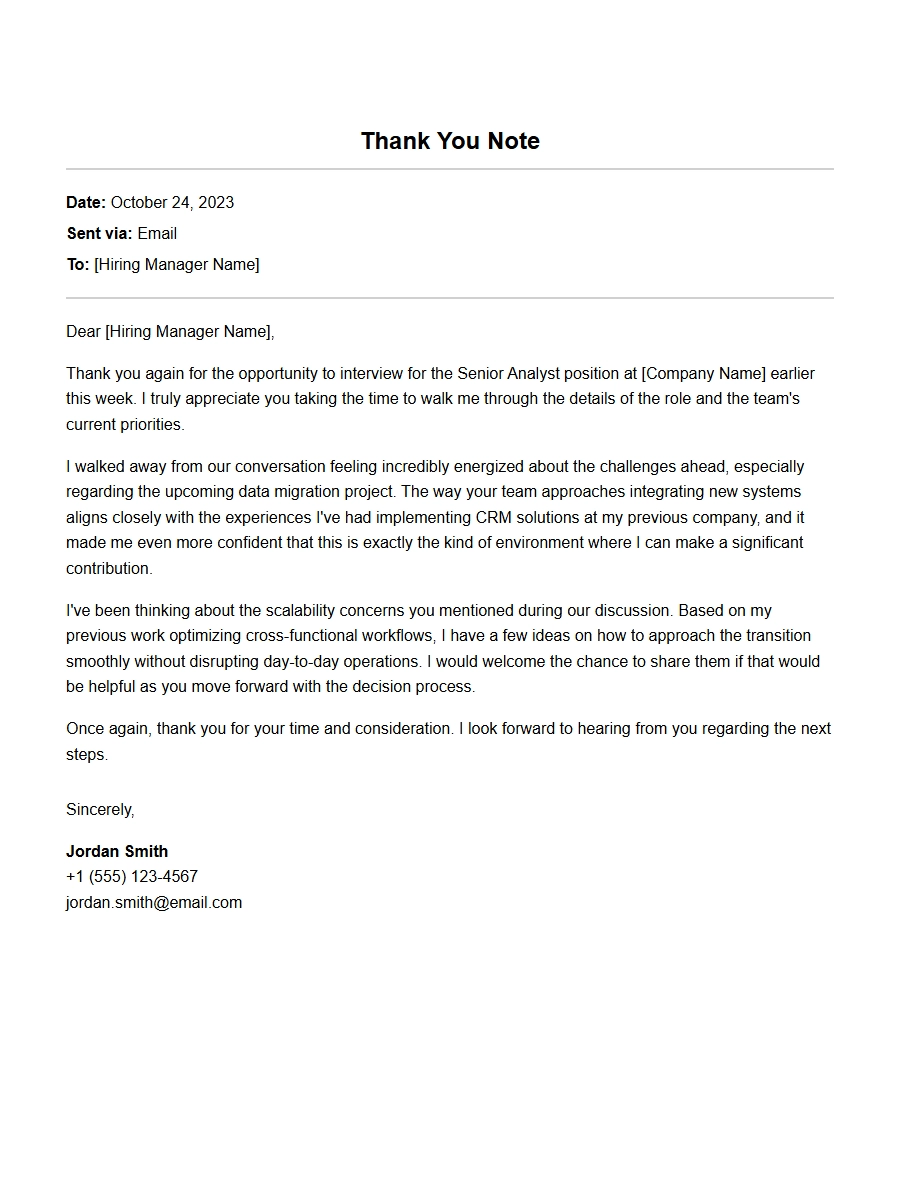 How to Write a Personal Thank-You Note After an Interview