Staring at a blank page when you need to write an open house invitation can feel paralyzing—especially when you’re juggling listing details, timing, and the pressure to make a good first impression. The right draft example turns that anxiety into a polished, confident invitation in minutes.
Why using a sample is the smart move
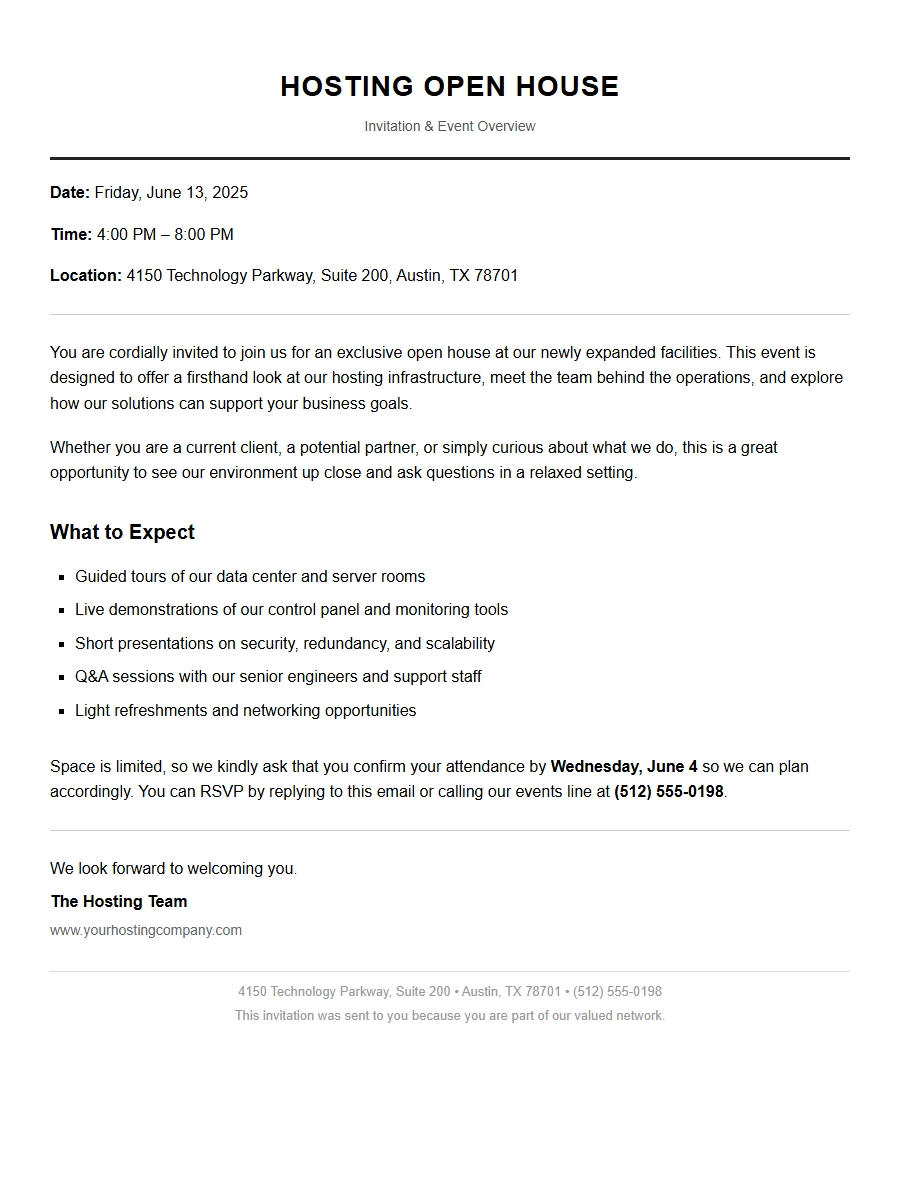
Grab a sample, and you’re not cheating—you’re working efficiently. A good invitation draft gives you a proven structure, the right tone (warm but professional), and key phrases you can tweak. It saves you from second-guessing every comma or wondering whether “you are cordially invited” still works. And it leaves plenty of room for your own voice.
Category: Real Estate Invitations
How to pick the right sample for your open house
Not all open house invitations are the same. Are you hosting an informal weekend open house for neighbors? Or a private broker’s preview with a formal RSVP? Your sample should match the setting. For a casual event, choose a template that uses “stop by” and “refreshments served.” For a professional listing, look for business letter format with clear date, time, and contact info.
Think about the medium too. A printed card mailed to nearby residents needs a different layout than an email blast. Digital invitations might skip the letterhead design but still need a clear subject line and a polite salutation and closing.
Tailoring the template without losing your natural tone
The best invitations feel both professional and personal. Start by swapping out generic phrases. If the sample says “We invite you to view,” change it to “Come see” if that sounds more like you. Keep the structure—but make the opening paragraph grab attention. For example, lead with a benefit like “Discover the hidden gem of Maple Street” instead of “We are hosting an open house.”
Also watch out for outdated salutations. “To Whom It May Concern” feels cold for a neighborhood event. Use “Dear Neighbor” or “Hi there” when it fits. And if you’re sending via email, skip the two-inch letterhead and keep the format scannable. Common mistakes include copying the sample word-for-word without adjusting the format for digital versus print. Proofreading matters too—a misspelled address or wrong time kills credibility.
Adding a personal touch that still feels polished
Your invitation isn’t just an announcement—it’s a conversation starter. Mention something specific about the property or event. “The backyard garden is in full bloom” or “Fresh lemonade on the porch” creates a picture. This kind of detail is similar to the warmth you’d find in a thank-you note after an interview—genuine and specific.
If you’re nervous about striking the right tone, think of it as scheduling an appointment via written request. The format gives you a framework; your personality fills it in. That balance keeps the invitation from feeling stiff or overly salesy.
Common pitfalls and how to avoid them
One big mistake is treating the open house invitation like a generic brochure. Skip the excessive real estate jargon. Instead, use clear language that answers “Why should I come?” Also, don’t forget the RSVP instruction—if you need a headcount, say “Kindly reply by Friday.” And if you’re mailing, check the postage and print quality. Nothing says “careless” like a smudged date.
Need a nudge on tone? Look at how you’d write admitting mistakes in personal correspondence—humble, direct, and human. That same honesty makes an invitation feel welcoming rather than pushy. If you’re writing for a bereaved family selling a home, adjust the warmth even further, much like comforting words for a bereaved friend.
Using your sample as a springboard, not a crutch
The best open house invitations feel like a friendly note from a trusted neighbor—not a robot-generated flyer. Start with a draft that handles the boring structure (date, address, parking info) so you can focus on the fun part: creating interest. Over time, you’ll develop a go-to style that works for your audience.
Remember, even the most polished samples are just starting points. The real magic happens when you tweak the language, test different subject lines, and learn what gets people through the door. Practice makes the process faster, and soon you’ll dash off an invitation in ten minutes flat.
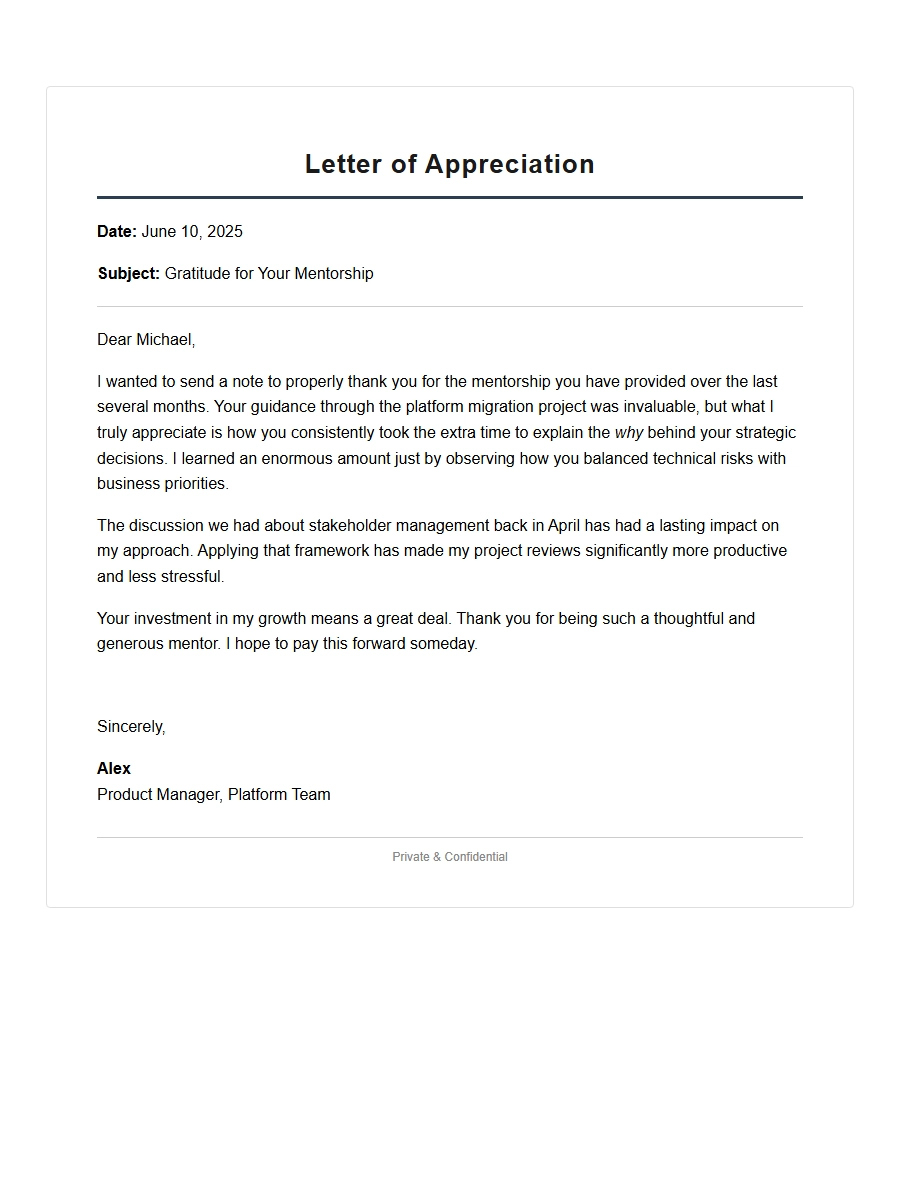 Thanking a Mentor for Guidance: Sample Messages
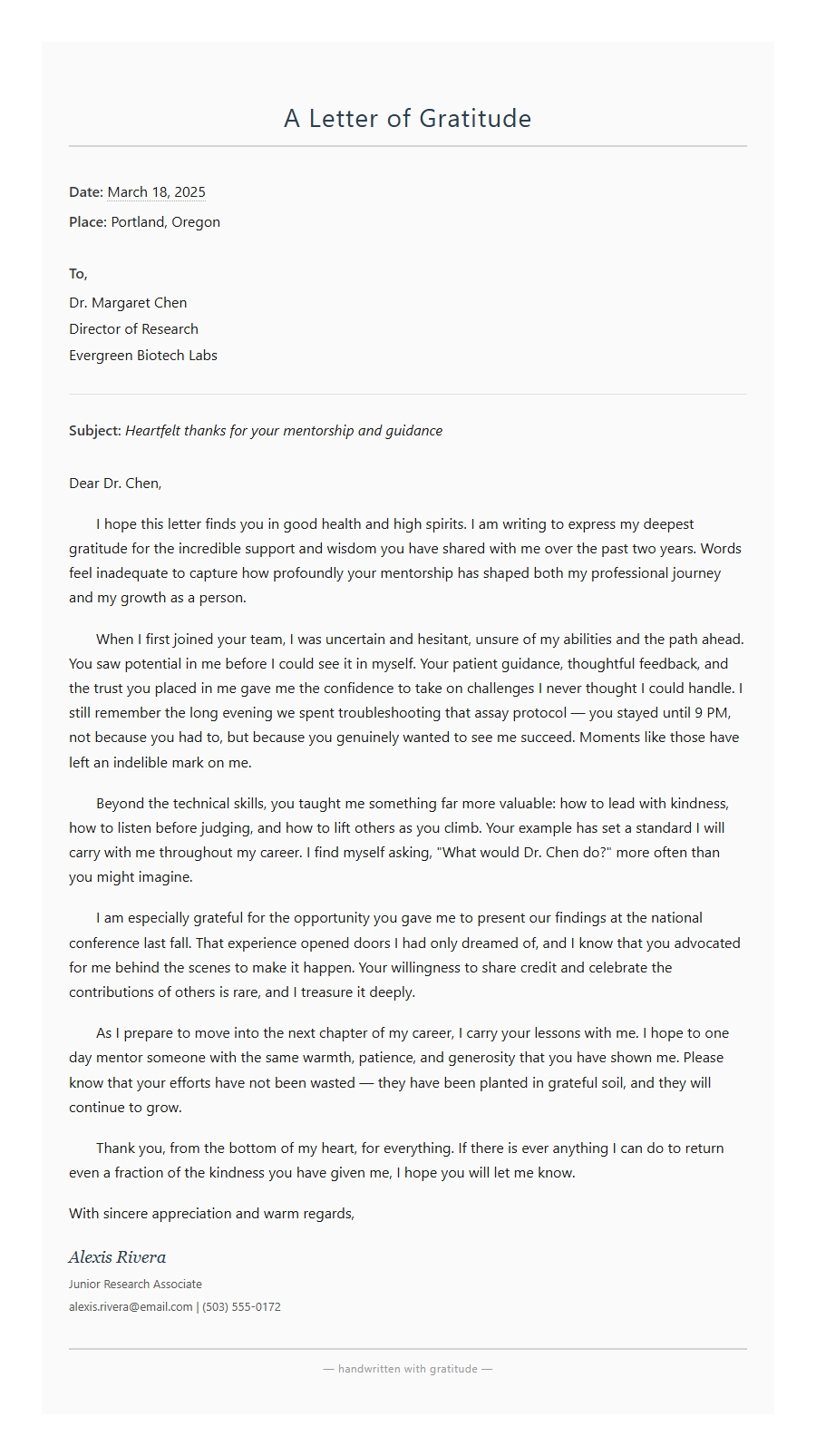 Expressing Gratitude: Handwritten Letter Example
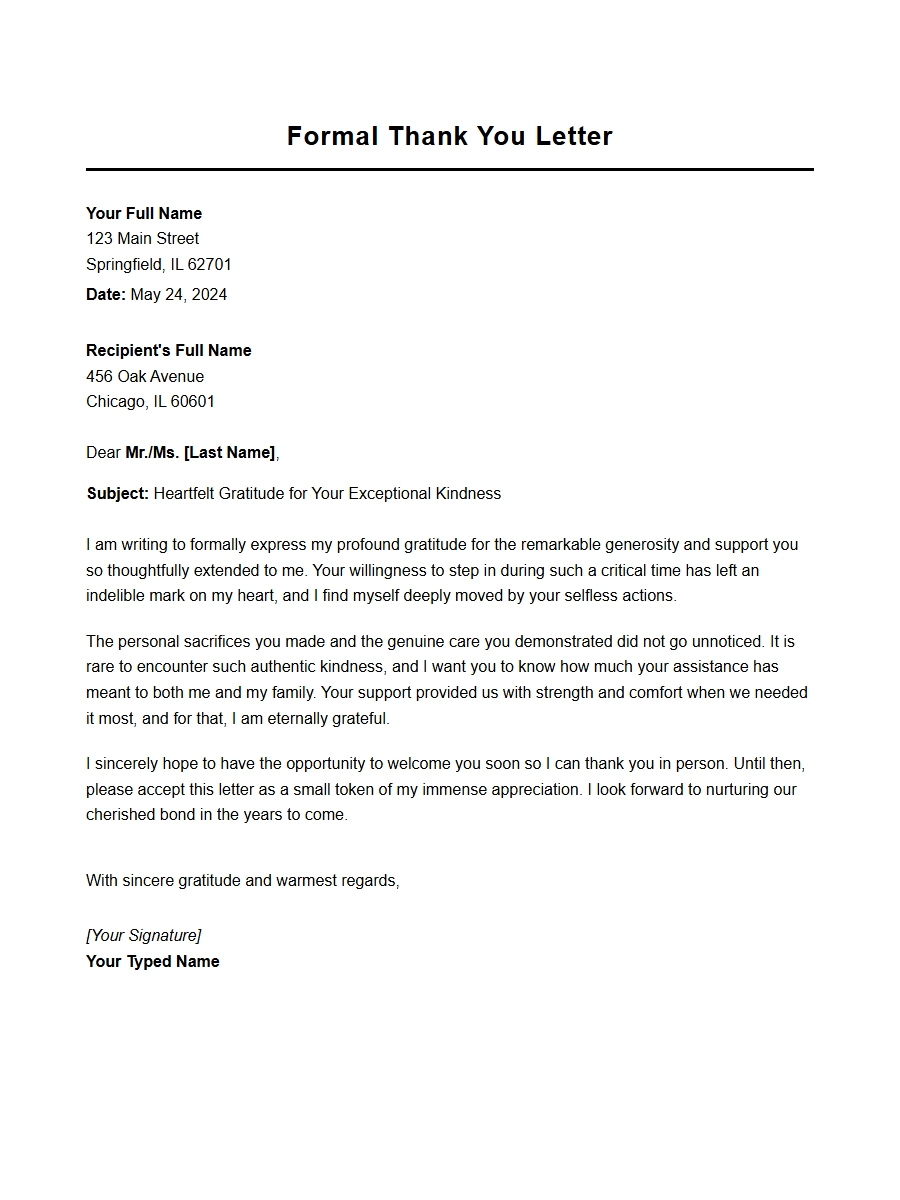 Expressing Thanks in a Formal Personal Letter
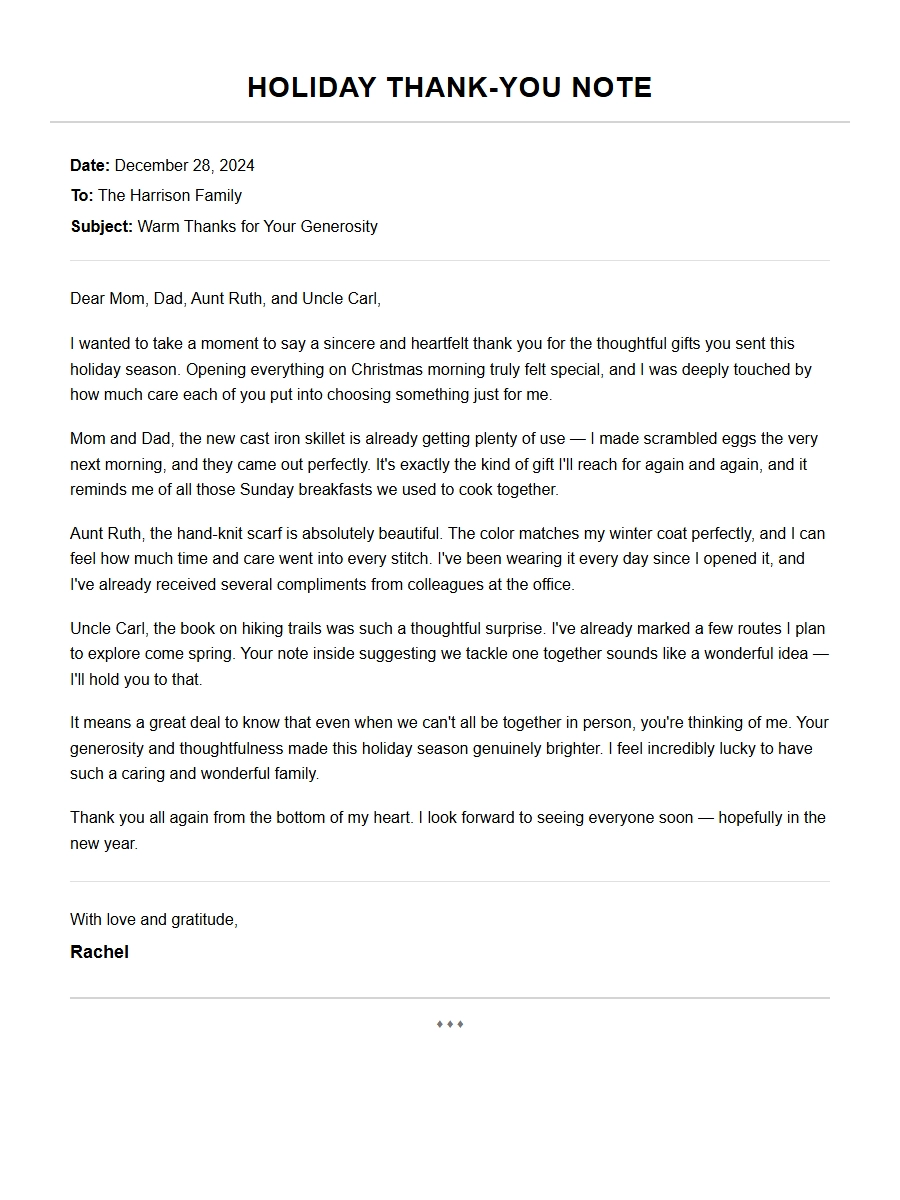 Thank You Letter Examples for Family Holiday Gifts
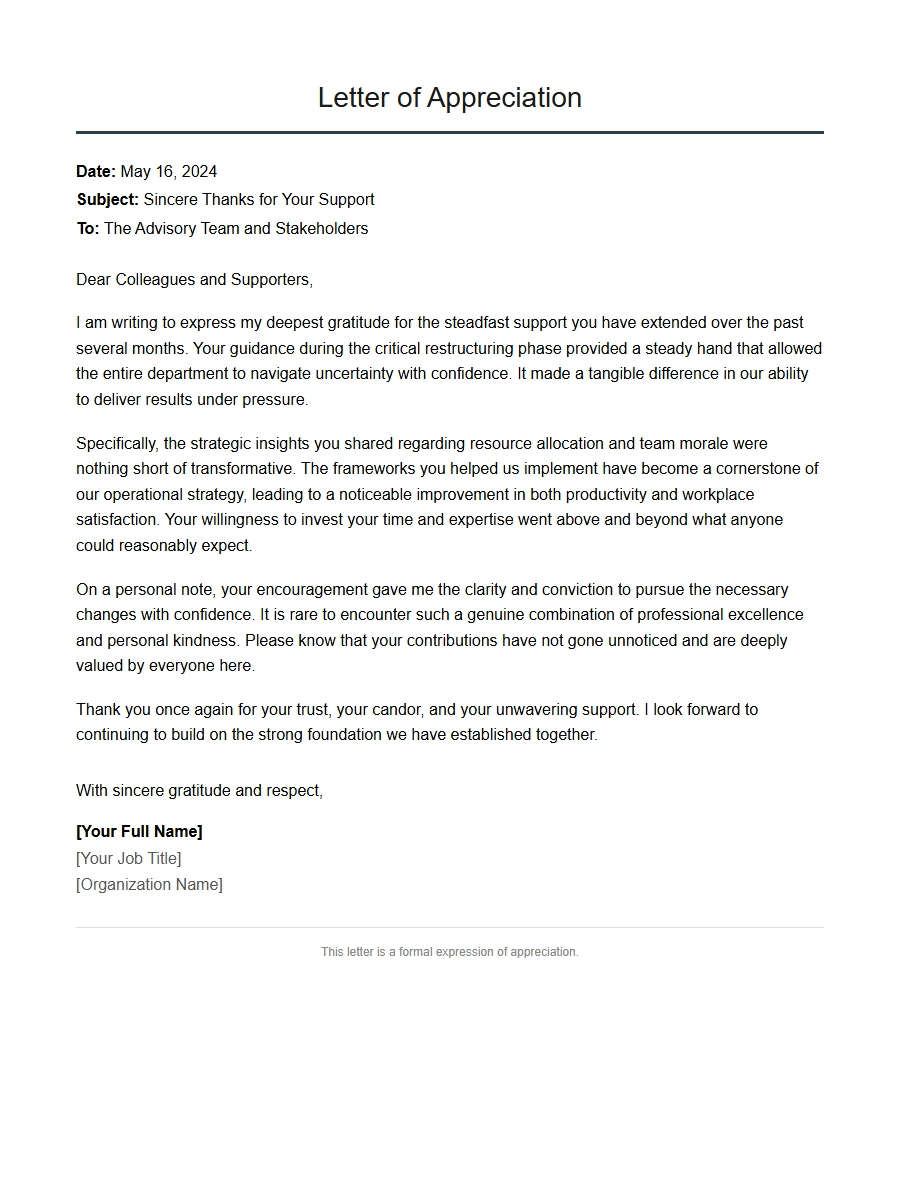 Sample Thank You Letter for Support
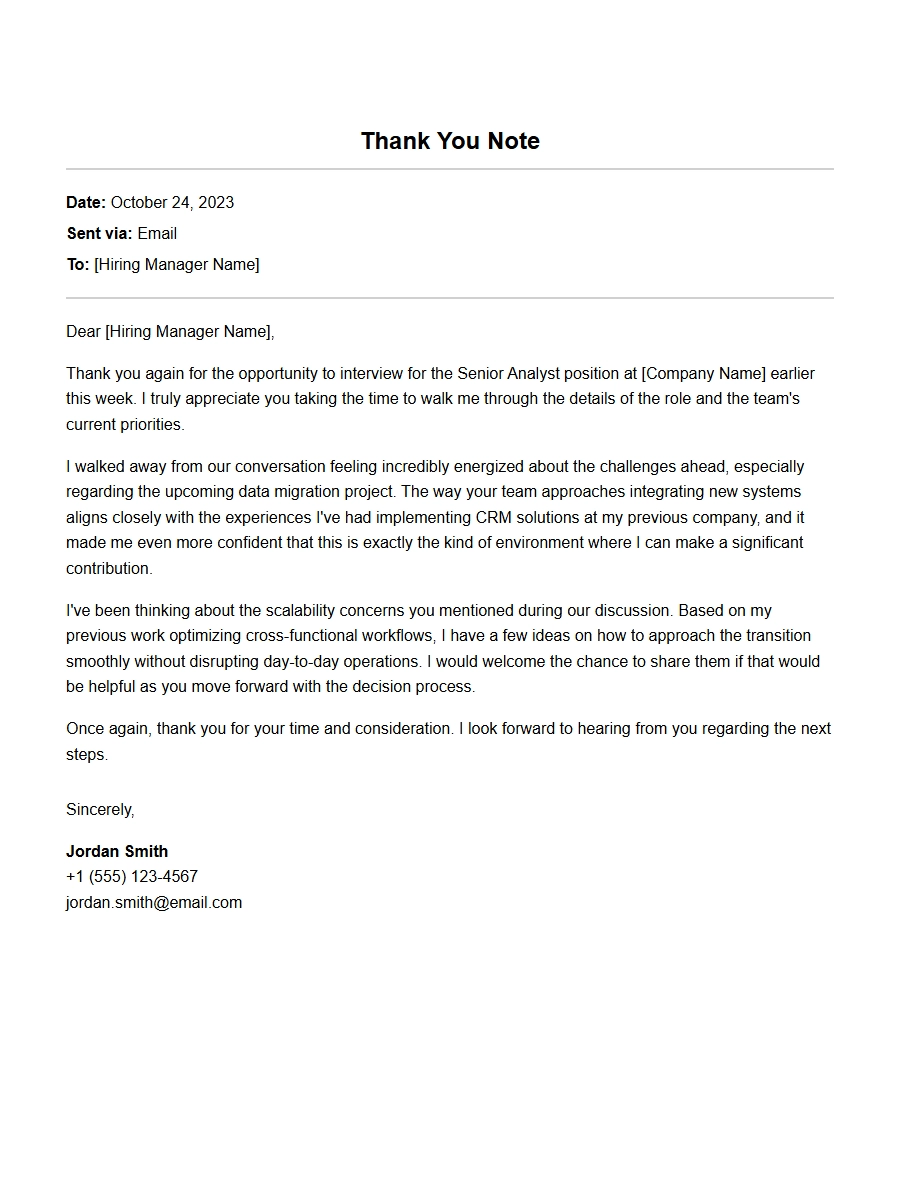 How to Write a Personal Thank-You Note After an Interview