Staring at a blank page when you need to write a long term lease renewal request can feel just as paralyzing as any other professional letter. You know what you want to say — you want to stay, you want to renegotiate terms, or you want to communicate a change — but turning that into a clear, respectful letter isn’t always easy. The pressure to get it right, especially when a lease renewal involves money, timelines, and legal wording, can stop you before you even start.
Here’s the thing: using a sample isn’t cheating. It’s a smart, time-saving strategy that gives you a proven structure, a professional tone, and key phrases you can adapt. Think of it like a map. You still drive the car, but you don’t have to guess every turn. A good letter template lets you focus on your specific details — like the lease length, rental amount, or any changes you want — without worrying about format or etiquette.
What a long term lease renewal request actually needs
A renewal request isn’t just a “yes, I want to stay” note. It’s a piece of professional correspondence that sets the tone for the next year (or more). It should clearly state your intention, reference your current lease, and propose any changes you’re asking for — whether that’s a rent adjustment, a longer term, or updated maintenance expectations. You don’t need to write a novel, but you do need to be clear and polite.
Most good samples follow a standard business letter format: a clear salutation, a body that states your request, and a professional closing. The trick is matching the formality to your relationship with your landlord or property manager. If you’ve been renting the same place for five years and have a casual rapport, you can soften the tone. If it’s a large corporate property, stick with formal writing tips and use full names, titles, and addresses.
How to pick the right sample and make it yours
The best letter template for you depends on your situation. Are you a tenant initiating the renewal? Or a landlord proposing new terms? Are you asking for a rent reduction, or simply confirming you want to stay? Don’t grab the first sample you see. Look for one that matches your intent. For instance, a landlord might need a tenancy history confirmation letter to document a tenant’s reliability — that’s a different tone than a request to renew. Similarly, a property manager might use an occupancy statement to verify lease terms for a bank or new owner. Match the sample to the audience.
Once you have a sample, adapt it without losing your authentic voice. Change the opening paragraph to sound like you. Ever received a letter that felt copied and pasted? It’s obvious and off-putting. Instead, read the sample, understand its structure, then rewrite the key parts in your own words. If the sample says “I wish to formally request a renewal of the lease agreement,” but you’d never say “wish to formally request,” swap it for “I’d like to renew my lease starting [date].” Keep the professional frame, but fill it with your natural language.
Common mistakes that kill a renewal letter
One of the biggest slip-ups is using outdated salutations. “To whom it may concern” feels impersonal and lazy in a renewal request. If you know your landlord’s name, use it — “Dear [Name]” or “Hi [Name]” depending on your relationship. Another mistake is ignoring the format for digital vs. printed letters. If you’re emailing the request, keep it short and attach a PDF if formal signatures are needed. A printed letter on letterhead design carries more weight for official documents, but for a quick renewal confirmation, email is fine.
Don’t forget to proofread your letter. A typo in a rent amount or date can cause real headaches. Read it out loud, or have a friend check it. Good letter writing etiquette means you double-check the closing too — “Sincerely” is safe, “Best regards” is fine, but avoid overly casual sign-offs like “Cheers” unless you know the person well.
Using samples as a springboard, not a crutch
The best letters feel both professional and personal. They show you respect the process and the relationship. A sample gives you the skeleton, but you provide the muscle and skin. Over time, writing these requests gets easier. You’ll learn which phrases work and which feel stiff. Don’t be afraid to experiment. And if you ever need a letter of recommendation from a previous landlord or manager, you’ll already have a good model to follow — just repurpose the structure for a different audience, like a job application referral request or even a musician gig recommendation — the core principles of clear, respectful communication stay the same.
So next time you’re staring at a blank page, grab a sample. Tweak it. Personalize it. Send it with confidence. That’s how you turn anxiety into a polished draft in minutes.
Browse Sample Ideas
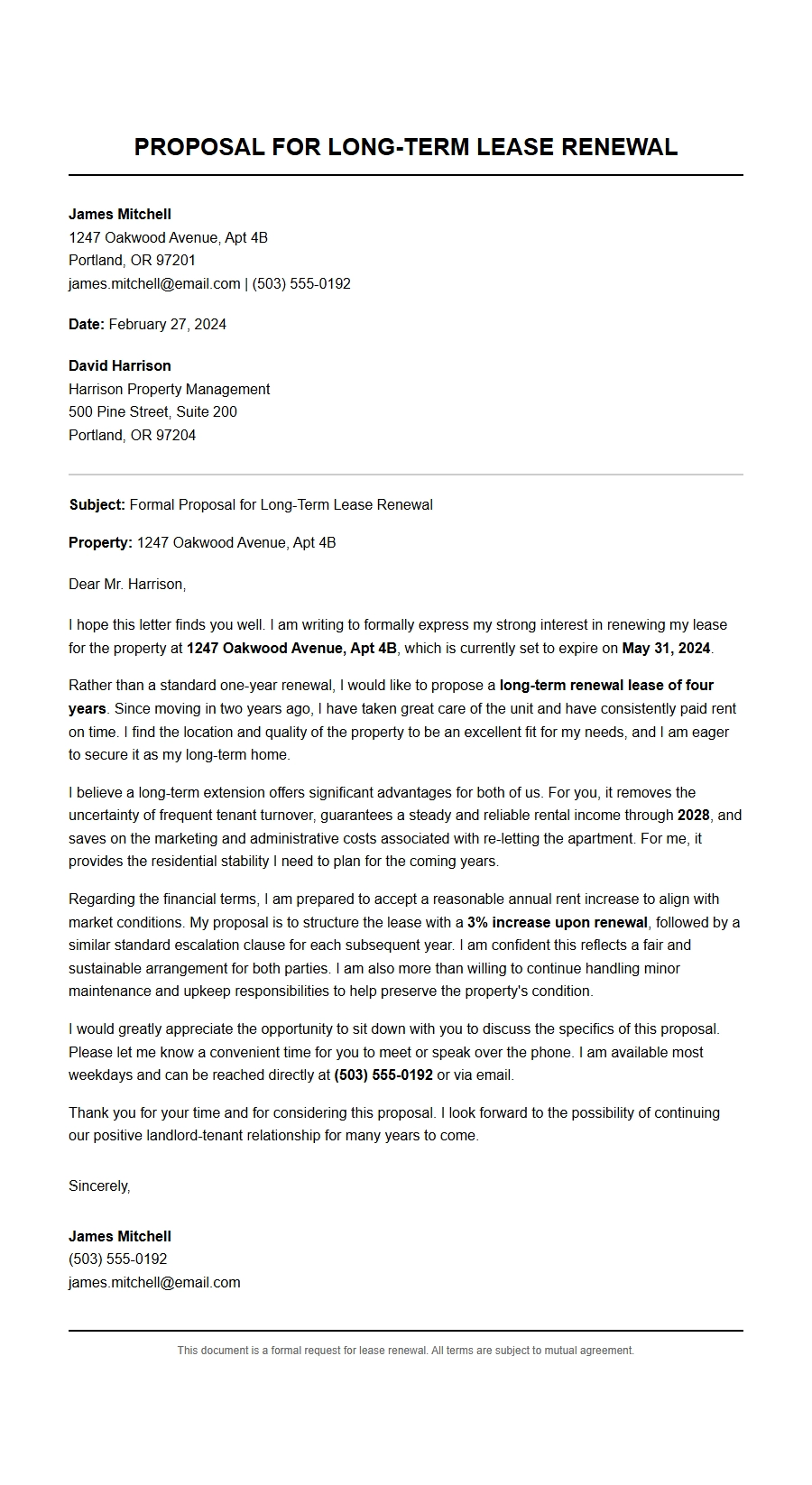
Sample Long Term Lease Renewal Request Letter
Landlord Recommendation for Tenant Lease Renewal
To the Property Owner Committee,
I strongly recommend renewing the long-term lease for John and Sarah Mitchell at 123 Oak Avenue. They have rented this unit for 7 years with consistent on-time payments and zero complaints.
Key tenant attributes:
No late rent payments in 84 months
Properties maintained to high standards
Respectful communication with management
Regularly renews annual maintenance checks
The Mitchells also improved the property by installing energy-efficient windows at their own cost. As the landlord, I value their stability and long-term care for the home. Granting a renewal at a modest 3% increase ensures continued occupancy and minimal turnover costs.
I fully endorse this renewal request and ask the committee to approve the same terms with the proposed rent adjustment.
Property Manager Recommendation for Commercial Lease Renewal
To the Board of Directors,
As property manager for the Downtown Plaza, I recommend renewing the long-term lease with GreenTech Solutions Inc. for Suite 400. Their 10-year tenancy has been exemplary.
Criteria
Performance
Rent payments
100% on time
Common area usage
Considerate, no violations
Tenant improvements
Invested $50k in upgrades
Sublease requests
Zero
GreenTech has become an anchor tenant, attracting other businesses to the plaza. They consistently exceed building standards for cleanliness and safety. Renewing their lease for another 5 years will provide revenue stability and align with our strategic goal of retaining high-quality occupants.
I strongly urge the board to approve a renewed term at current market rates with a 10% escalation clause every 3 years.
Bank Recommendation for Tenant Lease Renewal
To the Landlord,
As the relationship manager at First National Bank, I recommend renewing the long-term lease for our client, Baker & Sons Law Firm, at 55 Main Street.
Baker & Sons has maintained a commercial account with us for 12 years. Their financial records show:
Average monthly balance of $150,000
No overdrafts or bounced checks
Strong credit score (780+)
Consistent revenue growth of 8% annually
This financial stability assures timely rent payments for years to come. I also note their professional reputation in the community contributes positively to the building's prestige. Renewing their lease for a 5-year term at a 5% increase is fiscally sound for both parties.
Please consider this recommendation with confidence.
Employer Recommendation for Residential Lease Renewal
To the Leasing Office,
I am writing on behalf of my employee, Maria Gonzalez, who has been a tenant at your Lakeside Apartments for three years. As the Director of Human Resources at TechCorp, I can attest to Maria's reliability and financial responsibility.
Maria has been with TechCorp for 8 years with a current salary of $78,000. Her employment is permanent and her performance consistently exceeds expectations. She has never received a pay deduction or violated company policy. I have reviewed her rental payment history through voluntary disclosure; she has never missed a rent payment.
I strongly recommend renewing her lease. Her stability as a tenant mirrors her stability as an employee. Should any rental concerns arise, I am available to facilitate communication.
Please accept this letter as a robust endorsement of her lease renewal request.
Real Estate Agent Recommendation for Tenant Renewal
To the Property Management,
As the licensed real estate agent who originally placed David Kim at 899 Pine Street six years ago, I strongly endorse his long-term lease renewal.
David has been an ideal tenant: clean rental history, timely payments, and proactive communication. I recently inspected the unit and found it in excellent condition, with upgrades he financed himself (new appliances, fresh paint).
Market analysis shows that comparable units in the area have a vacancy rate of 4%, while this building enjoys near-full occupancy partly due to stable tenants like David. Renewing his lease at $1,500/month (a $50 increase over current) is below market but retains a proven occupant.
I recommend a 3-year renewal with a 2% annual escalation clause. Thank you for considering this recommendation.
Former Landlord Recommendation for Lease Renewal
To the Current Landlord,
I am the former landlord of Emily and Robert Chen, who rented from me at 222 Maple Drive for five years (2017–2022). I am pleased to recommend renewing their lease at your property.
During their tenancy, the Chens:
Paid rent early 48 out of 60 months
Maintained a pristine garden and interior
Reported maintenance issues promptly
Left the property in better condition than received
I executed a full deposit return and even gave them a bonus for outstanding care. They are respectful, quiet, and financially responsible. I am confident they will continue to be exemplary tenants in your building.
Please renew their lease without hesitation. They bring long-term value to any rental property.
Business Partner Recommendation for Commercial Lease Renewal
To the Landlord,
As a long-time business partner of Pioneer Logistics, I recommend renewing their lease at 300 Industrial Way. I have collaborated with them for 8 years and witnessed their operational excellence.
Year
Revenue Growth
Client Retention
2021
12%
90%
2022
15%
92%
2023
8%
95%
Pioneer Logistics consistently meets contractual obligations and has never defaulted on any business agreement. Their warehouse operations are efficient, and they treat the leased space with care. Renewing their lease for 5 more years would ensure a reliable tenant who contributes to the industrial park's reputation.
I fully support their lease renewal request.
Accountant Recommendation for Tenant Lease Renewal
To the Landlord,
I am the certified public accountant for Dr. Karen Walsh, a tenant at 77 Park Lane. With full access to her finances, I can unequivocally recommend renewing her long-term lease.
Dr. Walsh’s financial profile includes:
Annual income: $245,000 (stable for 6 years)
Total assets: $680,000
Debt-to-income ratio: 18%
Rent portion of income: 17%
Her rental history with your property shows consistent payment within the grace period. There are no credit issues or pending liabilities. Tax returns confirm steady earnings from her medical practice. She has substantial savings to cover emergencies.
Renewing her lease at current terms is financially sound. I recommend a 2-year renewal with a 3% annual increase, which is well within her budget.
Community Leader Recommendation for Lease Renewal
To the Property Management,
As the president of the Hillside Neighborhood Association, I recommend renewing the lease for the Lee family at 45 Cedar Lane. They have been model tenants for 9 years.
The Lees contribute positively to our community:
Organize annual block clean-ups
Volunteer at local school events
Maintain a visually appealing property
Resolve any noise issues amicably
Their long tenure brings stability to the neighborhood. Losing such engaged residents would diminish community spirit. I have personally observed their respectful interaction with all neighbors and their careful upkeep of the rental unit.
I urge you to approve their lease renewal request. They are an asset to this building and area.
Legal Advisor Recommendation for Lease Renewal
To the Landlord,
I am the legal counsel for Premier Healthcare Group, current tenant at 120 Medical Plaza. I recommend renewing their long-term lease for another 10 years.
Premier Healthcare has occupied this space since 2010 with zero disputes. Their compliance with lease terms is impeccable:
Lease Term
Compliance
Rent payment
Always on time
Insurance requirements
Met constantly
Maintenance obligations
Exceeded expectations
Use clauses
Strictly followed
They have invested heavily in medical equipment and tenant improvements. Their practice draws steady patient traffic, benefiting adjacent retail spaces. From a legal perspective, the lease renewal poses minimal risk and ensures consistent revenue.
I strongly advise approving the renewal with a 5% rent adjustment every 5 years.
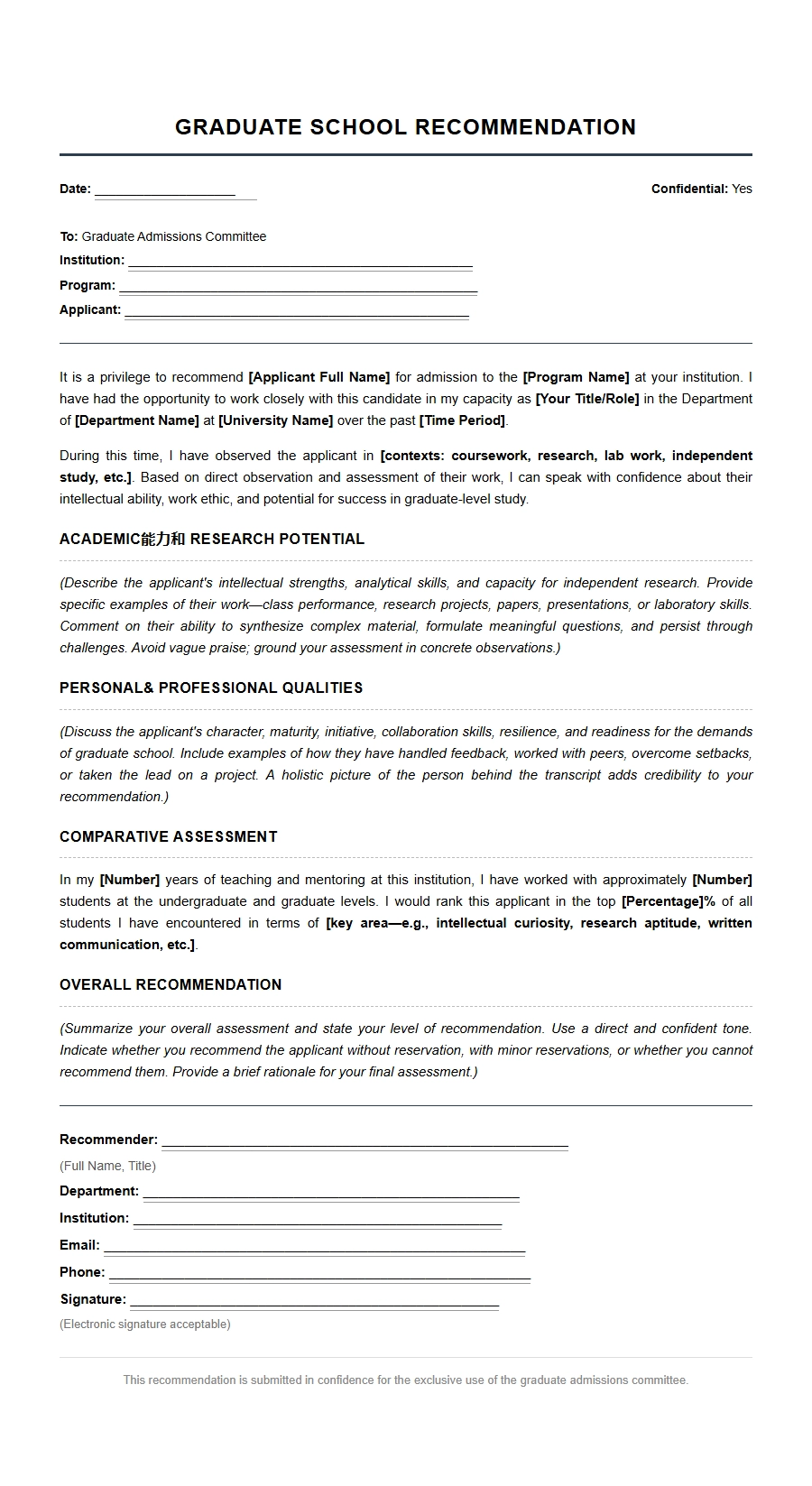 Format for Graduate School Faculty Recommendation Letters
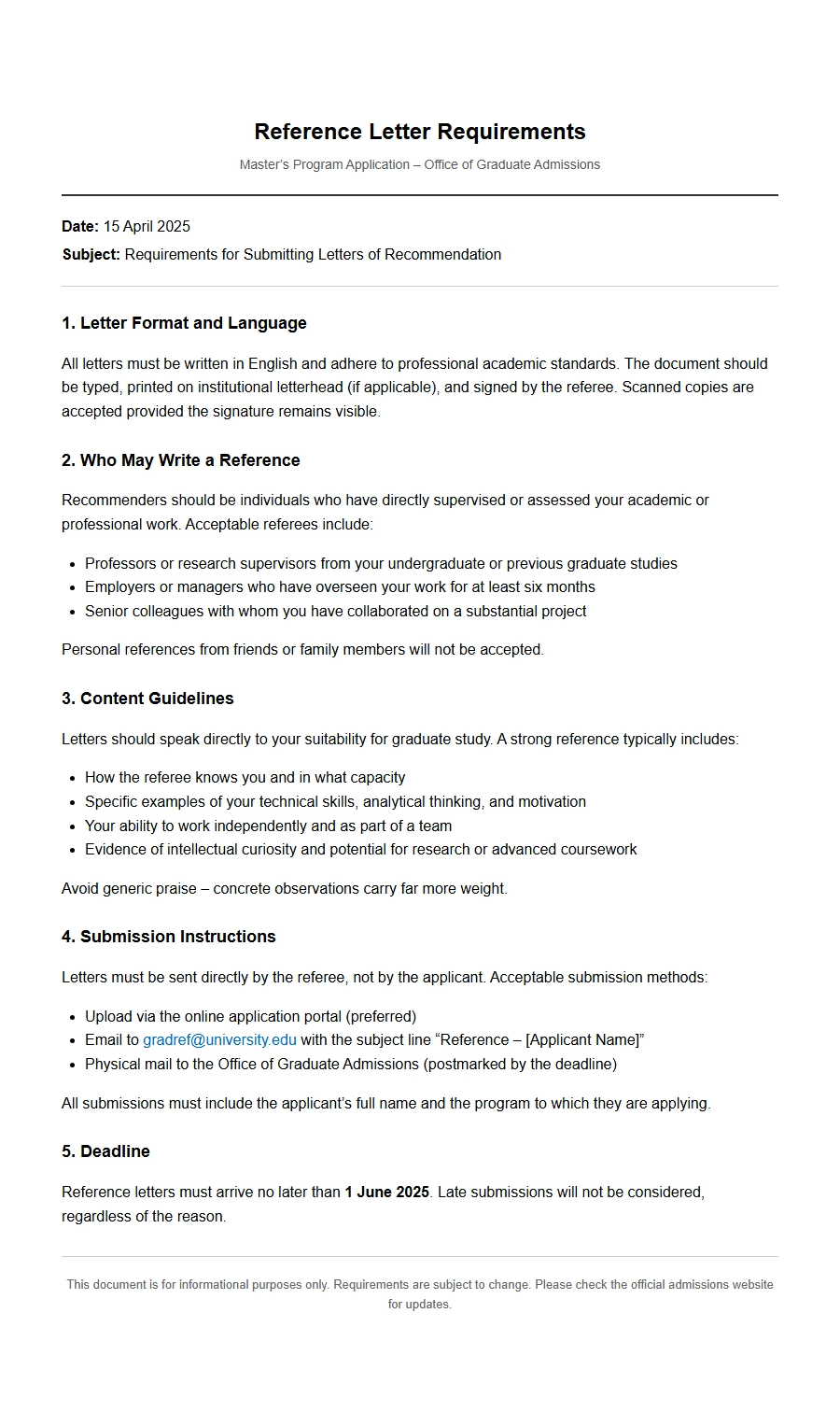 Master's Program Reference Letter Requirements
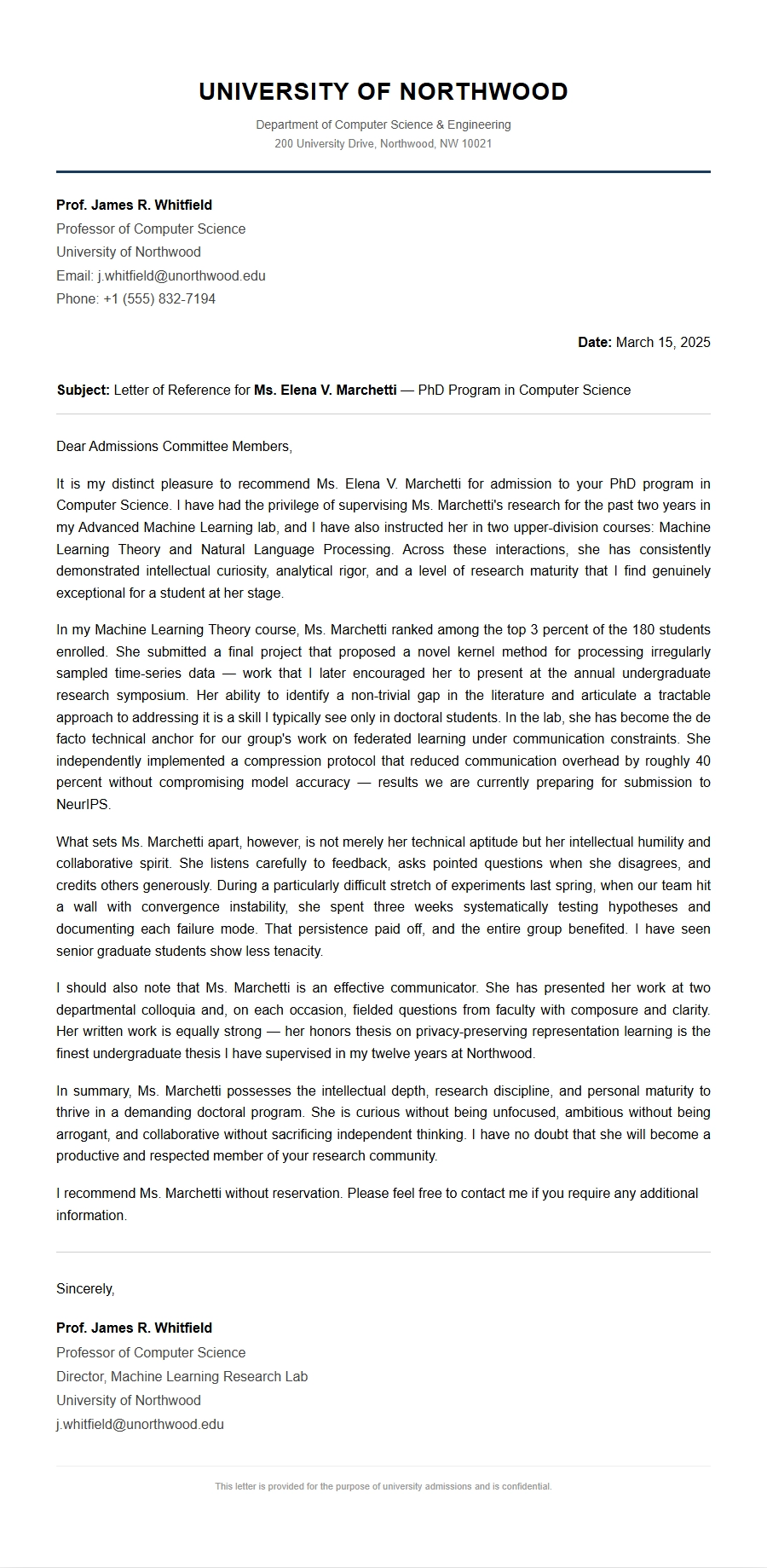 The Perfect Structure for a University Reference Letter
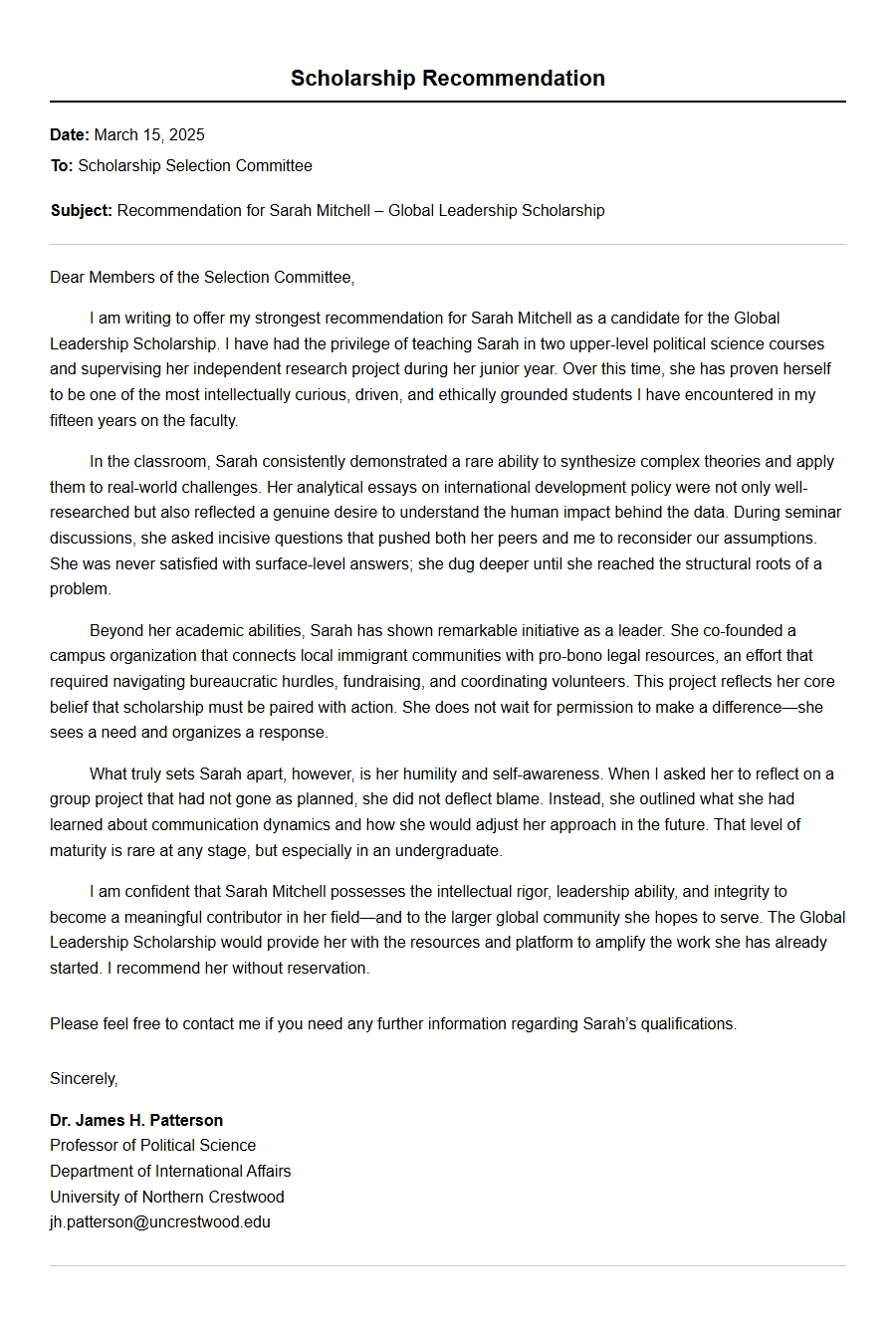 scholarship essay recommendation portion - Recommendation Letters
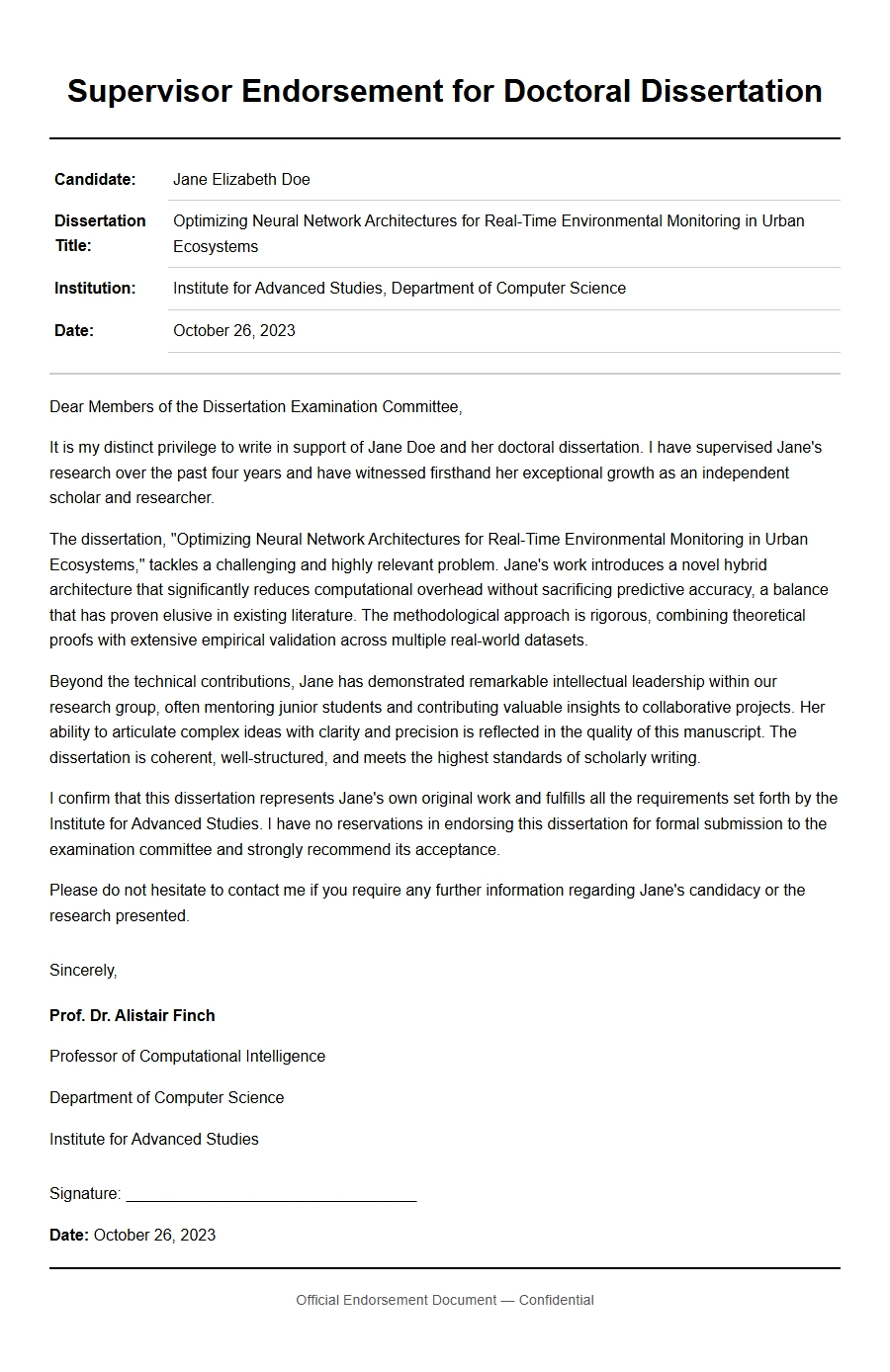 Sample PhD Supervisor Endorsement Letter
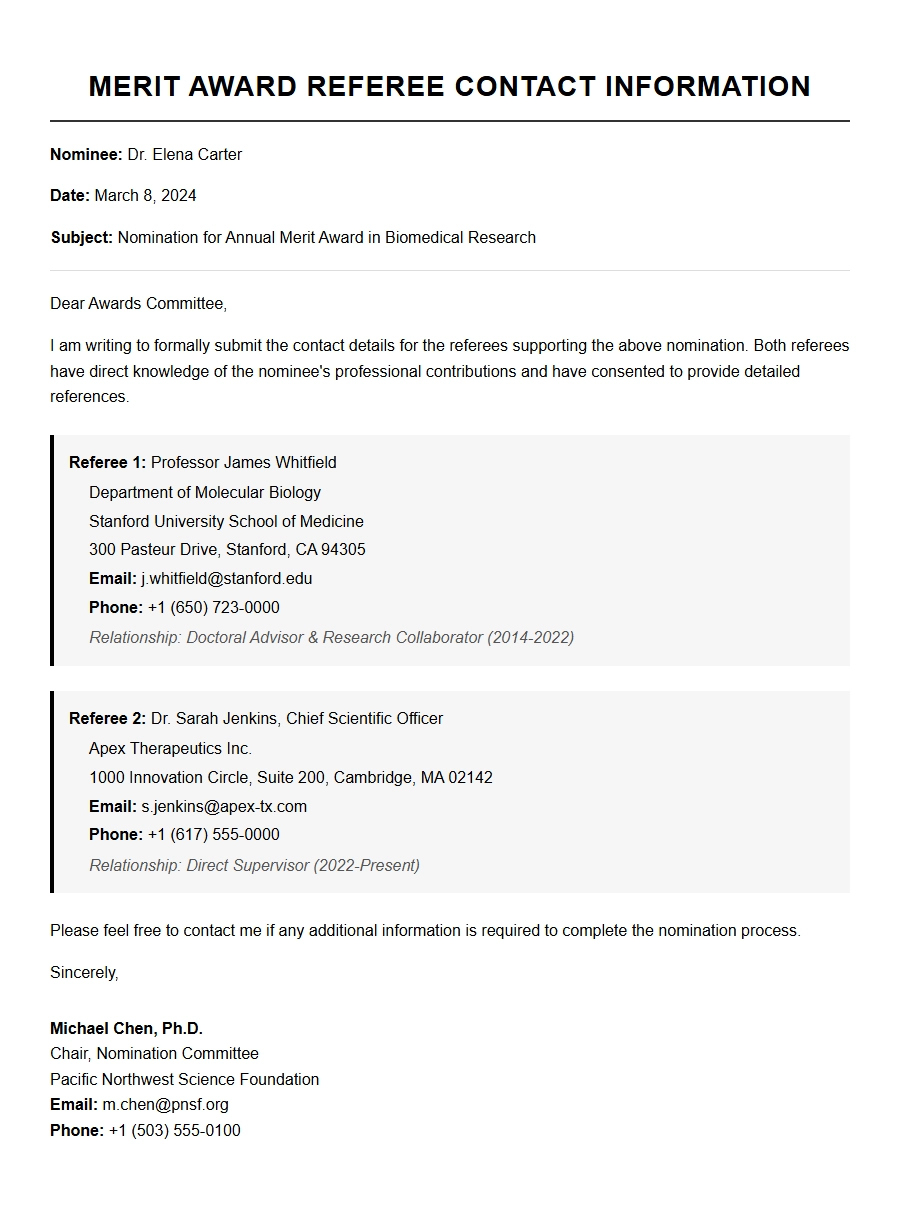 How to Find Your Merit Award Referee Contact Info