You need to confirm a tenant’s rental history, but you’re not sure what to ask or how to phrase it. Maybe you’re a landlord checking an applicant, or a property manager verifying a previous lease. Either way, the right sample letter keeps you from sounding too demanding or too vague. It saves time and helps you get the facts you need—without the awkward guesswork.
What is a landlord tenancy history confirmation?
It’s a formal request from one landlord or property manager to another, asking for details about a past tenant. You usually want to confirm dates of tenancy, rent payment habits, property care, and whether the lease ended on good terms. This isn’t a casual email—it’s a professional correspondence that helps you decide if someone is a reliable renter.
Using a letter template here isn’t cheating. It gives you a solid letter structure so you don’t forget key questions. You still personalize it with your name and specific concerns. Think of it as a shortcut to a clean, effective message.
When do you use a tenancy history confirmation letter?
You might send one during the screening process for a new rental. Or you could need it when a tenant applies for a mortgage and their lender wants proof of on-time payments. Some tenants ask for a letter of recommendation themselves to help with future housing applications. In each case, the goal is the same: get clear, honest facts about past behavior.
This is different from a generic reference check. A tenancy confirmation focuses on lease-specific facts—move-in and move-out dates, monthly rent amount, any deposits returned. It’s about the business relationship, not personal character.
How to write a landlord confirmation letter that works
Start with a clear subject line or heading. Mention the tenant’s name and the property address right away. The recipient (another landlord) needs to know which application this refers to within seconds. A good salutation and closing keep things professional: “Dear Property Manager” or “To the Landlord of [Address]” works fine.
Ask specific questions. Don’t just say “was the tenant good?” Instead, ask: Did they pay rent on time every month? Were there noise complaints? Did they give proper notice before moving out? These details matter more than vague praise. Keep your questions short so the other landlord can answer quickly.
Watch your tone in writing. You want polite but direct. Avoid sounding suspicious or demanding. You’re simply gathering information. A sample phrase like “I’d appreciate a brief response to a few questions” keeps things cooperative.
Common mistakes to avoid
One big error: using outdated language. “To whom it may concern” feels stiff and impersonal now. Instead, address the person by title or property name. Another mistake is ignoring digital letter format. If you send a confirmation request by email, don’t paste a printed letterhead design that looks messy on a phone screen. Keep the design clean and readable—plain text with a polite greeting works best.
Don’t forget proofreading letter basics. A typo in the tenant’s name or the move-in date makes you look careless. Read it out loud before sending. If it feels awkward, simplify it.
Adapting a sample without losing your voice
A customizable letter is only useful if you make it sound like you. Don’t copy a sample word for word. Swap out generic lines for your usual phrasing. If you normally write short and direct, do that. If you prefer a friendlier tone, add “thanks for your help” or “much appreciated.” The sample gives you the bones; you add the personality.
Your opening paragraph should grab attention by stating your purpose clearly. “I’m reviewing an application from [Tenant Name] and would appreciate your confirmation of their tenancy at [Address] from [Date] to [Date].” That’s direct and respectful.
Real example: what a strong confirmation letter looks like
Say your applicant lived at 123 Oak Street for two years. You might write: “Dear Landlord of 123 Oak Street, I am processing a rental application for Jane Doe, who listed you as a reference. Could you please confirm that she rented from you from March 2022 to March 2024? Specifically, did she pay rent on time, and were there any lease violations? Thank you for your time.”
This is clear, polite, and gets straight to the point. The other landlord can answer in a few minutes. That’s the goal.
Quick tip: one or two questions are better than ten
Landlords are busy. If your letter asks for a long paragraph about every detail, they might ignore it. Ask the most important questions first—payment history and lease end reason—and leave open a spot for “anything else I should know?” You’ll get better responses with fewer questions.
Also consider sending a follow-up if you don’t hear back in a week. A short, polite reminder shows you’re serious about the process. Use the same business letter format as before, but add “quick follow-up” to the subject line.
When the confirmation letter is used for a recommendation
Sometimes the tenant needs a recommendation letter for their next rental. If you’re the former landlord writing it, keep it factual. State the dates, rent amount, and that they left the property in good condition. Avoid emotional language like “best tenant ever”—that can sound exaggerated. Stick to verifiable facts. You can find examples of how to handle similar professional correspondence in resources like manager feedback templates or leadership endorsement letters that follow a similar structure.
If you are the one requesting this confirmation, you might also need it for legal or estate purposes. Some situations—like confirming tenancy for an executor of an estate—require a more formal tone. Adjust accordingly.
Last thought: use the sample, then make it yours
A good letter sample is a starting point, not a final draft. Fill it with your questions, your name, your honest tone. Practice writing a few of these letters—after three or four, you’ll know exactly what to ask without looking at a template. That’s when the process becomes fast and natural.
Common Sample Formats
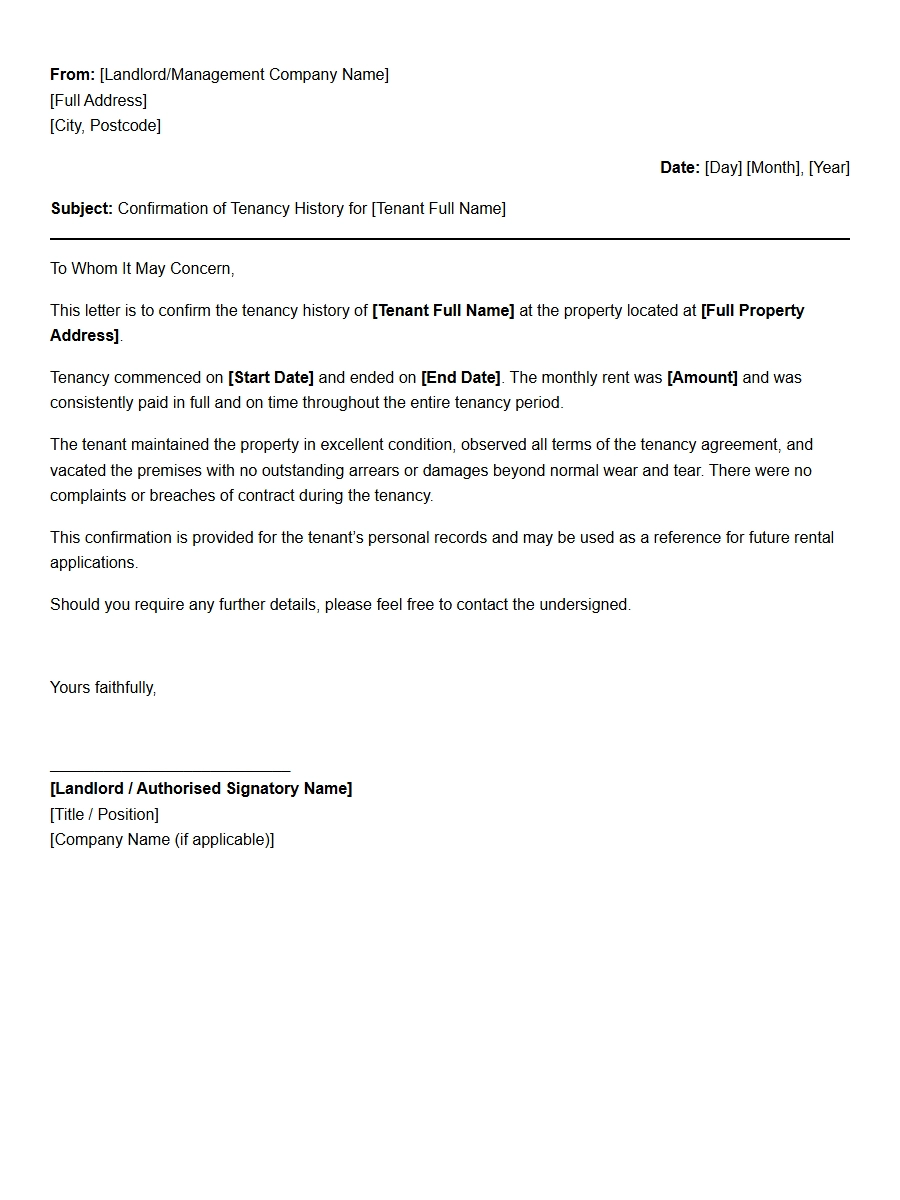
Landlord Tenancy History Confirmation Letter
General Tenancy History Recommendation
To Whom It May Concern:
This letter confirms that [Tenant Name] has rented the property at [Address] from [Start Date] to [End Date]. During this period, they consistently paid rent on time and maintained the property in excellent condition.
Aspect
Rating
Comments
Rent Payment
Excellent
Always on or before due date
Property Care
Good
Minor wear only, no damage
Communication
Very Good
Prompt responses, respectful
I would re-rent to this tenant without hesitation. Please contact me at [Phone] or [Email] if further details are needed.
Sincerely, [Landlord Name] [Date]
Positive Payment History Confirmation
Subject: Confirmation of Rental Payment History for [Tenant Name]
I am writing to confirm that [Tenant Name] was a tenant at [Property Address] from [Start] to [End]. They paid a monthly rent of $[Amount]. Below is a summary of their payment record:
Total months leased: [Number]
On-time payments: [Number] months
Late payments: 0 (none)
Outstanding balance: $0.00
The tenant also provided a security deposit of $[Deposit], which was fully refunded at move-out due to the property being left in immaculate condition.
I strongly recommend [Tenant Name] as a reliable and responsible renter. For verification, call [Landlord Phone].
Best regards, [Landlord Name]
Property Condition Reference Letter
Reference for Tenant:[Tenant Name]
I have owned the property at [Address] for over 10 years. [Tenant Name] occupied it from [Start] to [End]. They treated the home as their own, ensuring routine maintenance was done and reporting issues promptly.
Check Area
Condition at Move-Out
Walls and Paint
No holes or marks beyond normal wear
Flooring
Clean, no stains
Appliances
All functional and clean
Yard/Garden
Maintained, plants healthy
I conducted a walkthrough with the tenant; they left the property cleaner than expected. There were no repair costs deducted from their deposit.
I highly recommend this tenant for any future rental. Contact me at [Email].
Rental History Verification Form
Landlord Tenancy History Verification
This form confirms the tenancy history of [Prospective Tenant Name] based on records from [Landlord Name].
Field
Information
Property Address
[Address]
Lease Period
[Start – End]
Monthly Rent
$[Amount]
Rent Paid On Time?
Yes / No (if no, details: [explanation])
Notice Given Properly?
Yes – 60 days written notice
Late Fees Assessed
0
Deposit Refunded?
Yes, full amount $[Amount]
Additional comments: [Tenant] was a model tenant – no complaints from neighbors, no lease violations.
Signature: _____________________ Date: [Date]
Behavioral and Conduct Recommendation
Letter of Recommendation – Tenant Conduct
I am pleased to provide this reference for [Tenant Name] who rented my property at [Address] for [Duration]. Beyond paying rent punctually, their conduct was exemplary.
Neighbor Relations: Received no noise complaints; tenant was courteous and respectful.
Pet Policy: Had one cat – property was left without pet damage or odors.
Communication: Always responded to maintenance requests within 24 hours.
Lease Compliance: No subletting or unauthorized occupants.
The tenant’s behavior reflects responsibility and maturity. I would absolutely rent to them again and consider them an ideal occupant.
For further confirmation, reach me at [Phone].
Respectfully, [Landlord Name]
Reference Check for Prospective Landlord
RE: Rental Reference for [Tenant Name]
As the previous landlord for [Tenant Name] at [Address], I am happy to share the following details to assist with your screening process.
Criteria
Assessment
Income Reliability
Stable employment; rent was 30% of income
Creditworthiness
No missed payments; co-signed not needed
Housekeeping
Property left spotless; no pest issues
Lease Renewal
Renewed for a second year without hesitation
The tenant fully vacated on the agreed date and handed over keys without delay. I consider them low-risk and highly recommend them.
Please call me at [Phone] if you need any further clarification.
Yours truly, [Landlord Name]
Employer-Supported Housing Reference
Landlord Confirmation for Employee Relocation
This letter confirms the tenancy history of [Employee/Tenant Name], who rented from me while employed at [Company Name]. The property was located at [Address] for the period [Start]–[End].
Monthly rent: $[Amount] – paid via direct deposit
Lease type: 12-month fixed term
Occupants: [Tenant] alone (no issues)
As part of the employer’s relocation package, I provide this verification: the tenant has never defaulted, caused damage, or violated any lease term. Their employment stability contributed to a smooth tenancy.
I am willing to provide a similar tenancy for any future housing needs. Contact: [Email] or [Phone].
Regards, [Landlord Name]
Student Housing History Confirmation
Tenancy History Letter – Student Renter
I write to confirm that [Student Name] rented a room in my property at [Address] from [Start] to [End] while attending [University].
Item
Detail
Room rent
$[Amount]/month (all utilities included)
Shared areas
Used responsibly; no complaints from flatmates
Study environment
Quiet hours respected
Deposit
$[Deposit] – fully returned
The student balanced studies and tenancy obligations well. They maintained cleanliness and adhered to house rules. I would gladly accommodate them again.
For verification: [Landlord Phone].
Best wishes, [Landlord Name]
Long-Term Tenancy Testimonial
Recommendation for Tenant – 5+ Year Lease
It is my pleasure to recommend [Tenant Name], who rented my property at [Address] for [Number] years. Few tenants stay that long, which speaks volumes about their reliability.
Total rent collected over tenancy: $[Total]
Rent increases: accepted two modest increases without dispute
Maintenance: performed minor repairs themselves (e.g., changing air filters)
The tenant treated the home as a long-term investment of care. They even planted a garden that improved curb appeal. When they decided to move, they gave 90 days notice, allowing ample time to find new tenants.
I unequivocally endorse this tenant for any future lease. Contact [Email] for more information.
Sincerely, [Landlord Name]
Past Landlord Reference for Lease Application
To the New Landlord of [Tenant Name]
I am responding to your request for a tenancy history confirmation. [Tenant Name] was my tenant at [Property Address] from [Start] to [End]. Below is a summary of my experience:
Category
Rating (1-5)
Note
Rent Payment
5
Never late in 24 months
Property Upkeep
5
Better than average
Noise/Consideration
5
No complaints from neighbors
Overall Satisfaction
5
Ideal tenant
I would re-rent to this person in a heartbeat. Their rental history is impeccable. Please feel free to contact me with any questions.
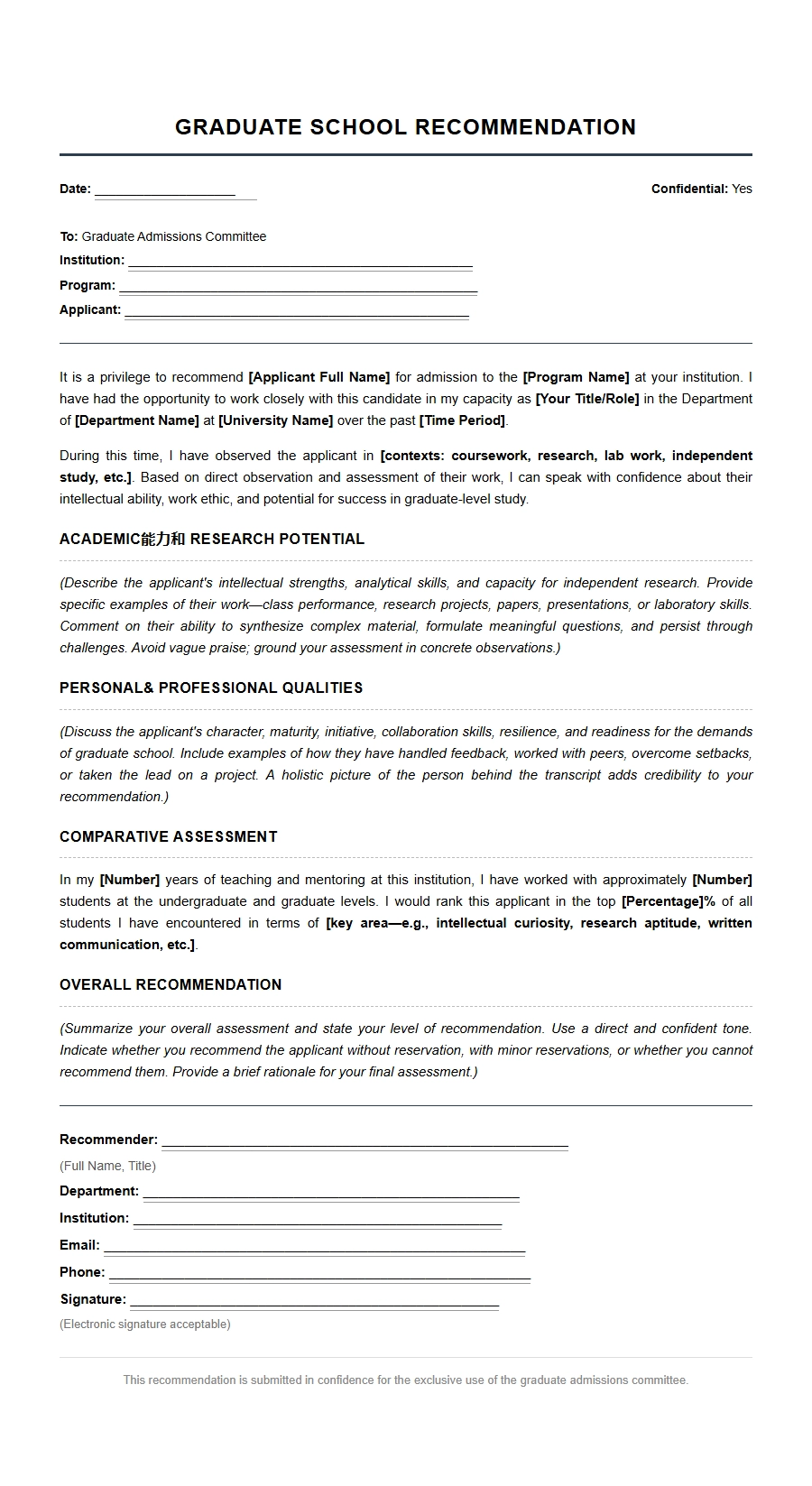 Format for Graduate School Faculty Recommendation Letters
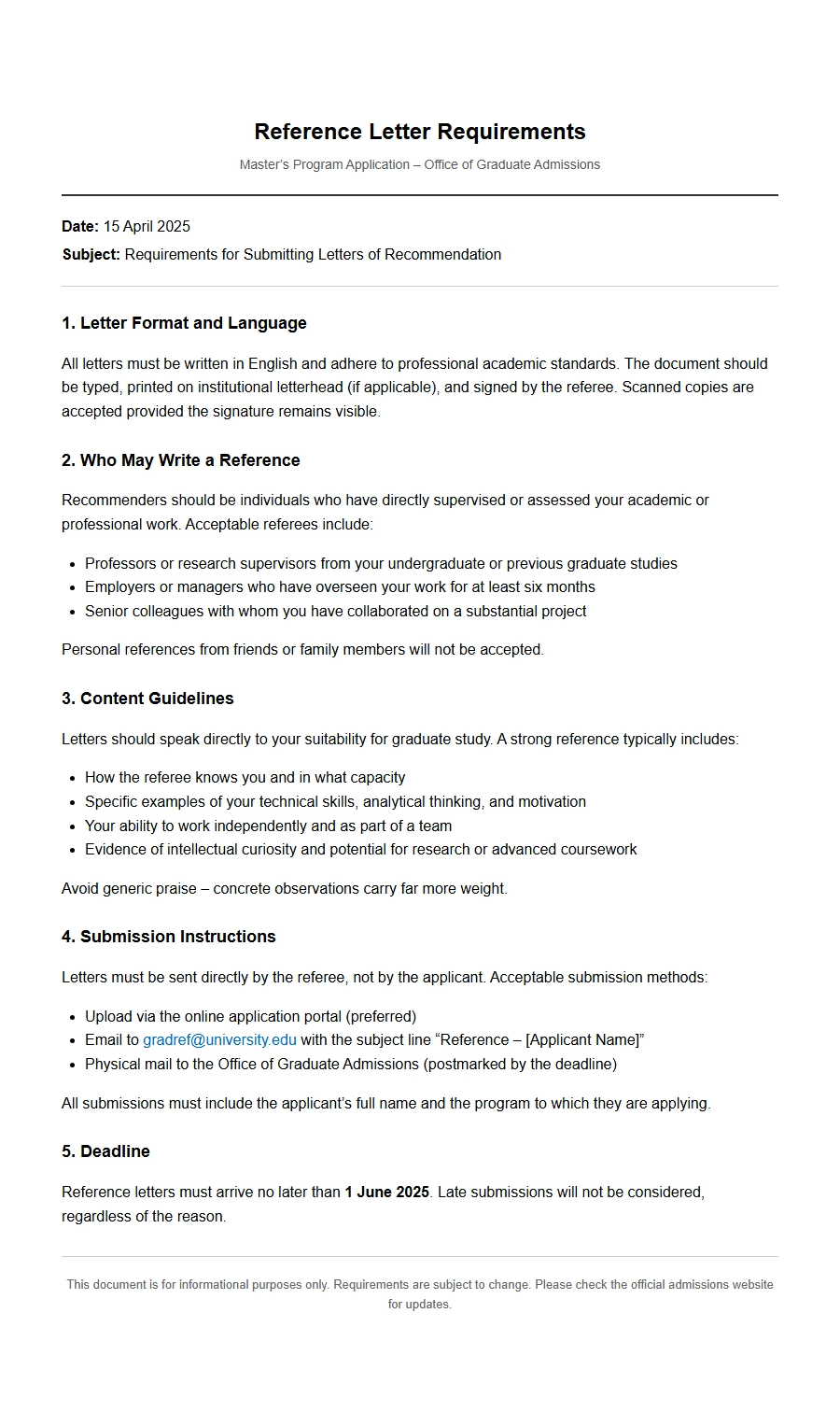 Master's Program Reference Letter Requirements
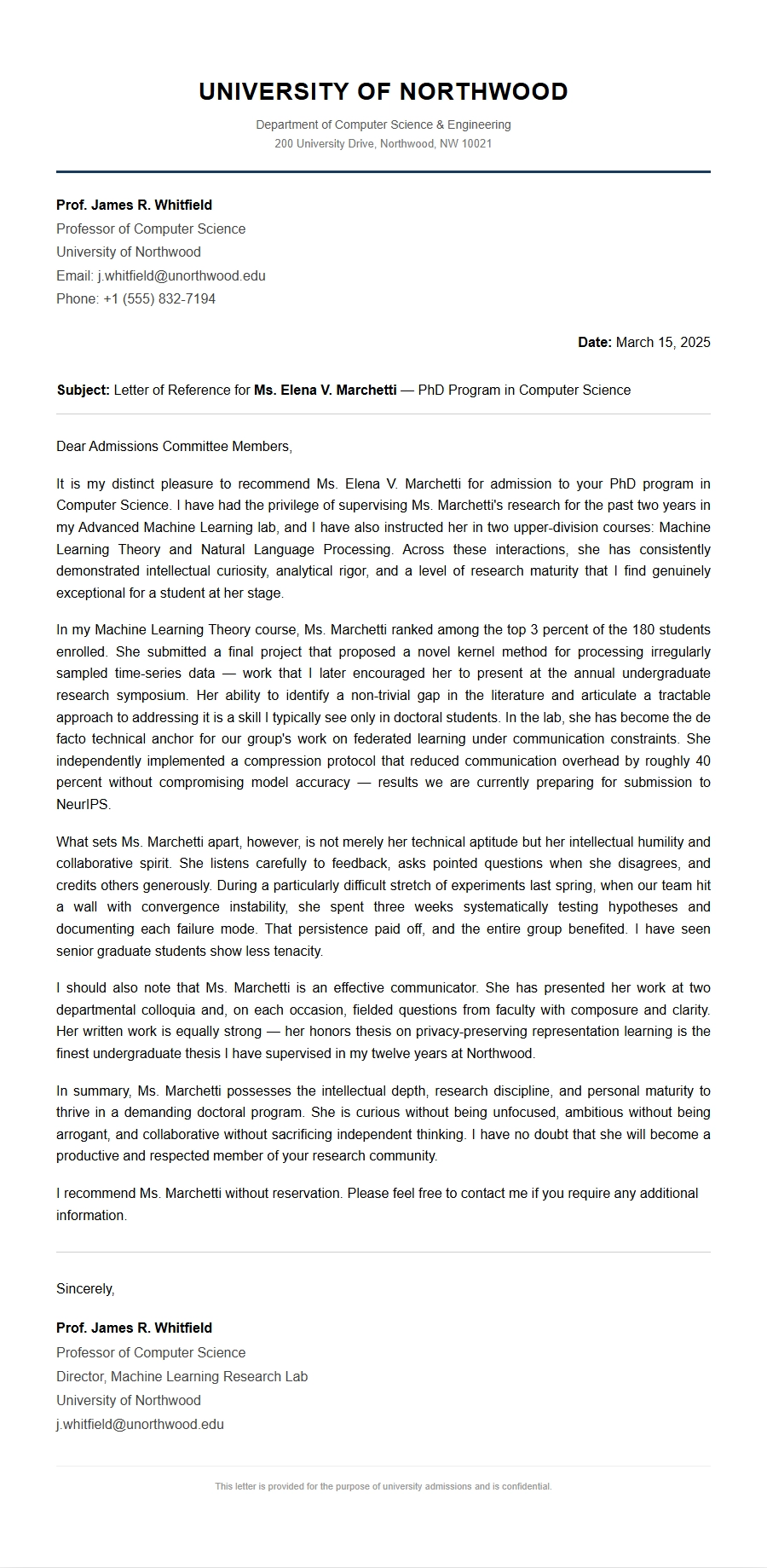 The Perfect Structure for a University Reference Letter
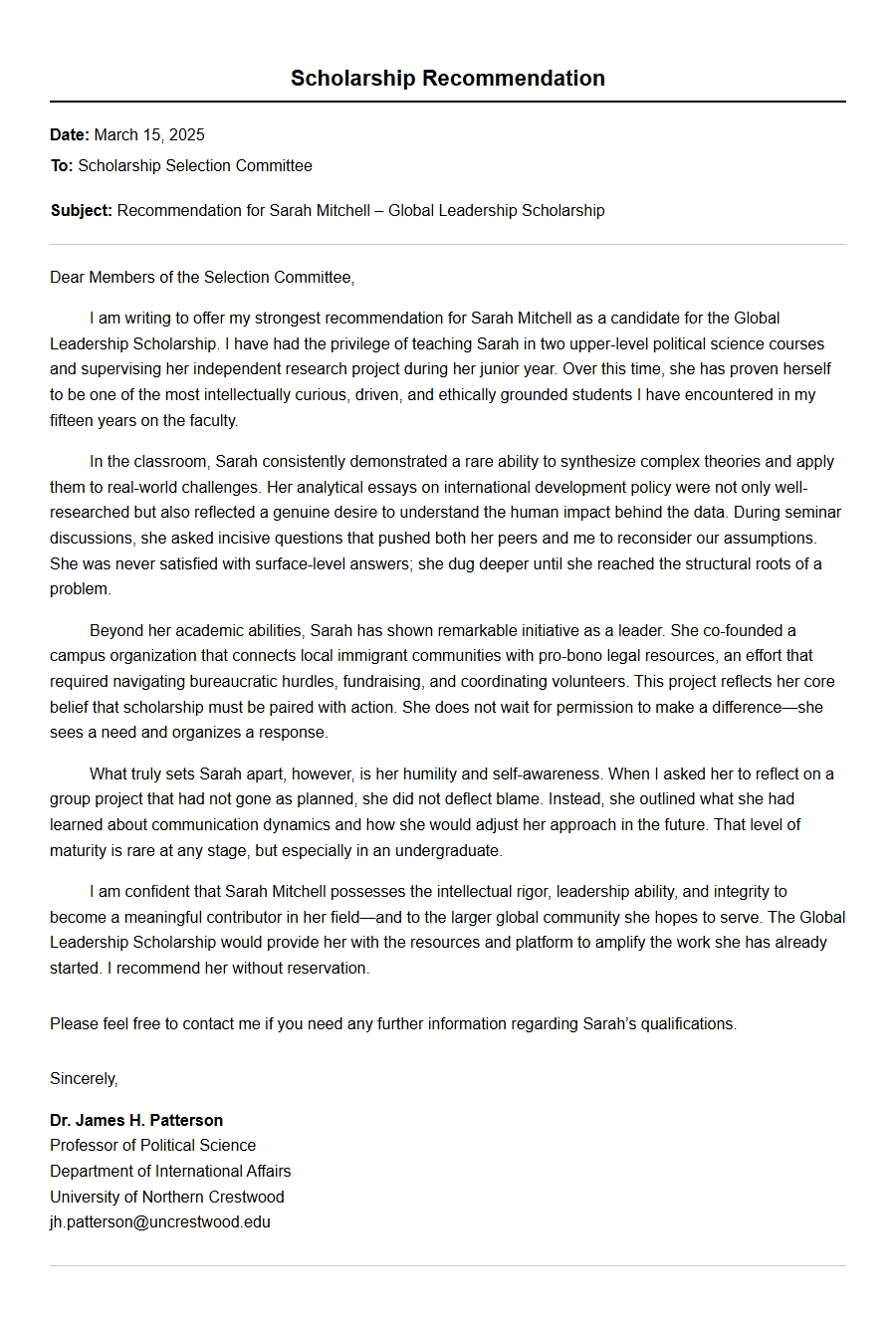 scholarship essay recommendation portion - Recommendation Letters
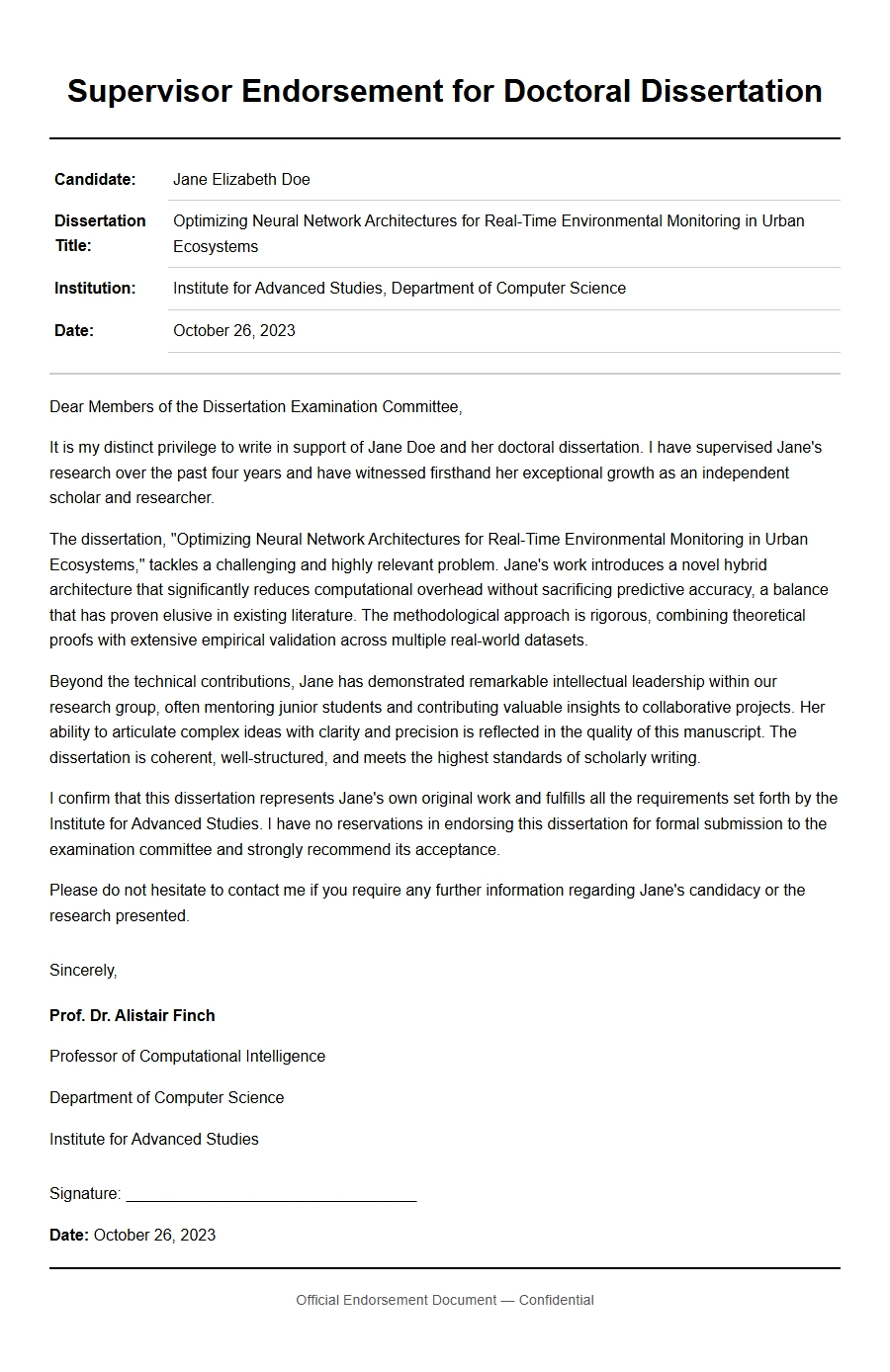 Sample PhD Supervisor Endorsement Letter
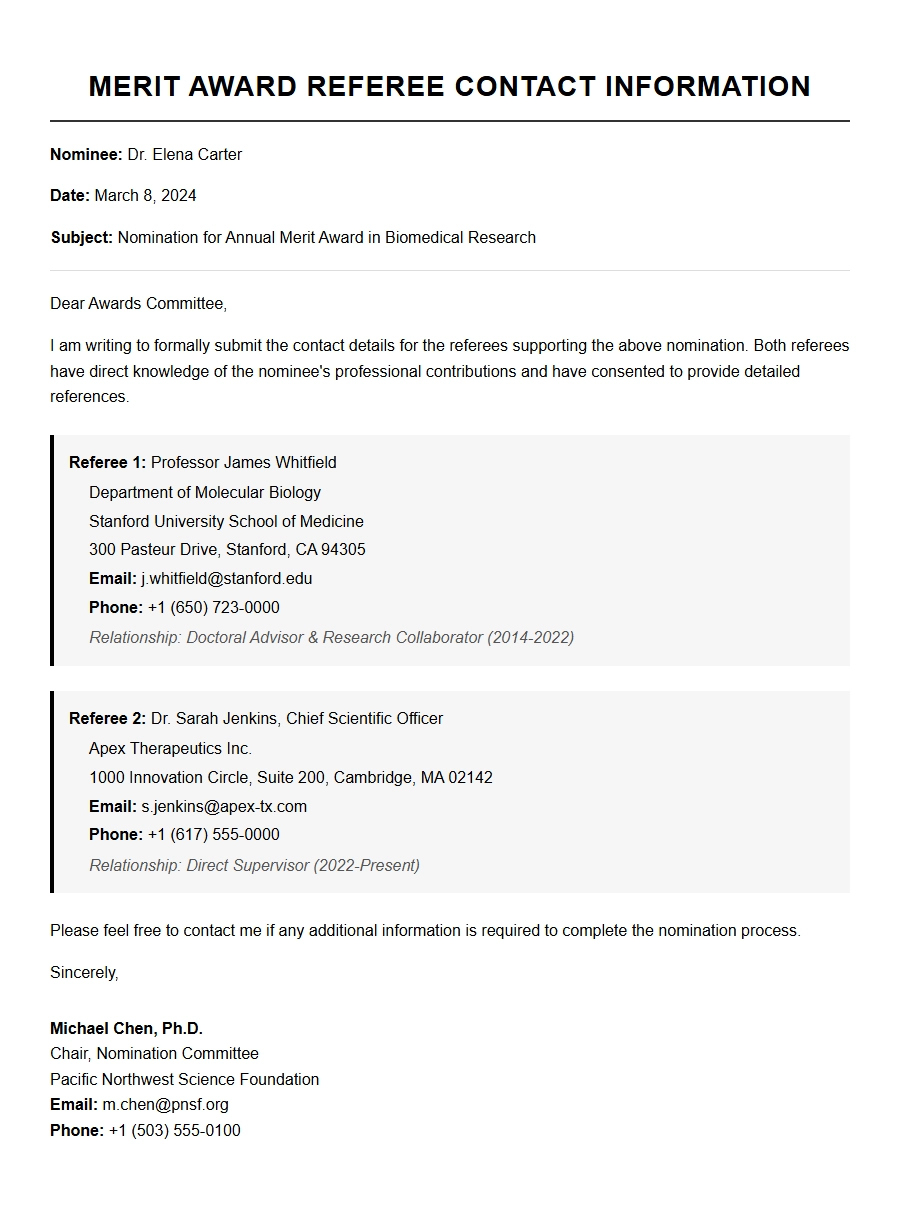 How to Find Your Merit Award Referee Contact Info