You’re preparing for an eviction hearing and someone who saw what really happened has agreed to help. Maybe it’s a neighbor who heard the landlord’s threats, or a friend who witnessed the cash rent payment. But now you need to get their account onto paper in a way the judge will take seriously. Staring at a blank page when you need to write that witness statement can feel paralyzing. The right sample turns that anxiety into a confident, polished draft in minutes. It’s not cheating. It’s working smarter.
Why a witness statement sample actually helps
A good witness statement template gives you structure and tone. It shows you what a professional correspondence looks like in a legal setting. You don’t have to guess where to put the date, how to introduce the witness, or what to call the judge. The sample handles the framework. You just fill in the facts.
Using a customizable letter format also saves time. You can adapt the opening paragraph to grab attention right away. Start with the witness’s name, their relationship to the case, and what they observed. That immediate clarity helps the court understand why this person matters.
Category: Legal Documents
What an eviction defense witness statement actually is
This is a written statement from someone who has direct knowledge of facts that support your defense. It’s not a character reference. It’s not an opinion. It’s a factual account of what the witness saw, heard, or did. For example, a neighbor might write that they saw you hand cash to the landlord on the first of every month, and the landlord took it without complaint. That’s evidence.
A formal witness statement usually follows a standard business letter format. You’ll want a clear salutation and closing. Use “Dear Judge [Last Name]” or “To the Honorable Court.” End with “Respectfully submitted” and the witness’s signature. Tone in writing matters here. Keep it calm, factual, and respectful. Avoid emotional language or accusations.
How to adapt a sample without losing your voice
Take a witness statement sample and treat it as a starting point. Read it through. Then rewrite the witness’s story in their own words. The sample gives you structure, but the facts and the voice should come from the real person. If the witness speaks plainly, don’t dress it up with legal jargon. Judges read hundreds of these. They can tell when a statement sounds coached.
A common mistake is using outdated salutations like “Dear Sir or Madam.” That feels cold and generic. Instead, use the correct name and title of the judge if you know it. If you don’t, “Your Honor” is fine.
Watch out for format traps
Are you submitting this in person or electronically? A digital letter format might require a typed signature and a scanned ID. A printed version might need to be notarized. Check your court’s rules before you finalize anything. The wrong format can get your statement rejected before anyone reads it.
Also pay attention to proofreading letter details. A typo in the witness’s name or the date of an incident can make the whole thing look sloppy. Have someone else read it before you submit.
Make the opening paragraph count
The first few sentences should answer three things: who the witness is, how they know you, and what specific incident they observed. Don’t bury the lede. If the witness saw the landlord refuse to fix a broken heater for three months, say that upfront. A strong opening makes the judge want to keep reading.
Real examples of what to include
Let’s say your witness is a former tenant who lived in the same building. They can write about how the landlord routinely ignored maintenance requests and then used those same complaints as a reason for eviction. The statement should include dates, what was said, and any documentation the witness has, like text messages or photos.
If you’re helping a witness write their statement, walk them through the facts one by one. Don’t rush. Let them recall details in their own way. Then organize those details into a clear timeline. A well-structured letter makes it easy for the court to see the pattern.
Use samples as a springboard, not a crutch
The best witness statements feel both professional and personal. The sample shows you the path. Your witness’s story provides the footsteps. Over time, writing these becomes faster and more natural. You’ll learn what judges look for and how to present facts clearly.
Start your witness statement today. Use a sample to get the bones right, then fill it with the witness’s true account. That combination is what makes a statement credible and useful in court.
Everyday Writing Examples
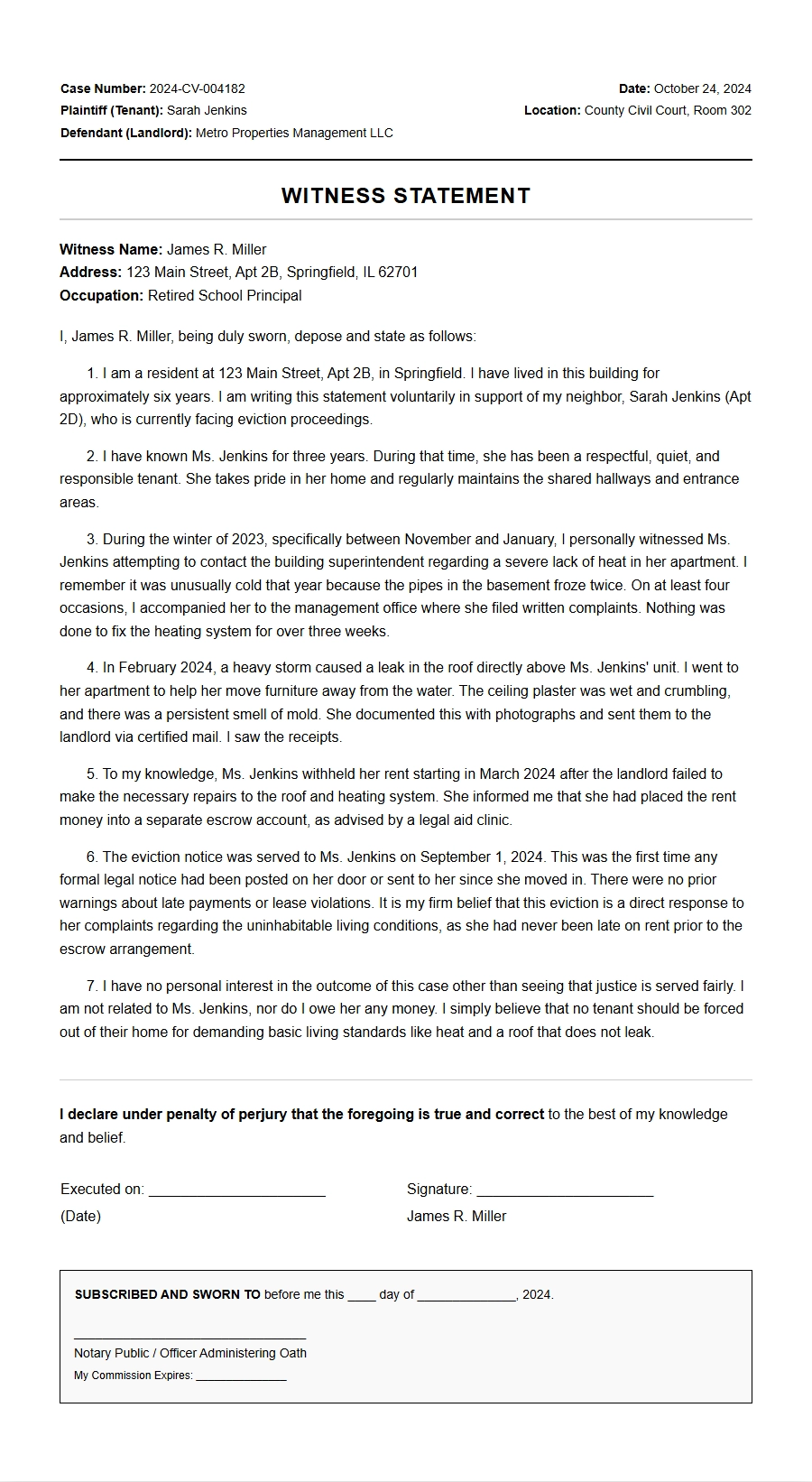
Eviction Defense Witness Recommendation
Character Reference for Tenant
To the Honorable Court,
I am writing this letter in support of [Tenant Name], who has been my neighbor for the past five years. During this time, I have known [Tenant Name] to be a responsible, respectful, and community-minded individual. They always pay their rent on time, maintain their apartment in good condition, and have never caused any disturbances.
Recently, [Tenant Name] informed me of their eviction case due to a temporary financial hardship caused by unexpected medical bills. I can attest that their situation is not a result of negligence or poor character. They have always been proactive in resolving issues and have even helped other neighbors during emergencies.
I strongly believe that [Tenant Name] deserves a fair chance to remain in their home. I am confident that once their financial situation stabilizes, they will continue to be a model tenant.
Sincerely, [Your Name] [Your Address]
Landlord Statement of Rental History
Witness Statement for [Tenant Name]
I, [Landlord Name], am the landlord of [Property Address], and I have rented to [Tenant Name] for three years. This statement is to provide a factual account of their tenancy. [Tenant Name] has consistently paid rent on time, except for a two-month period in 2023 due to a job loss, which they later fully repaid with agreed-upon late fees.
There have been no property damages or violations of lease terms. The only reason for the eviction filing is a recent non-payment after [Tenant Name] lost their job. I have personally spoken with them, and they have provided proof of job applications and a new employment offer starting next month.
Below is a summary of their rental payments for the past year:
Month
Rent Amount
Paid On Time
Jan 2024
$1,200
Yes
Feb 2024
$1,200
Yes
Mar 2024
$1,200
Yes
Apr 2024
$1,200
Yes
Employer Verification Letter
To the Court,
This letter confirms the employment status and character of [Employee Name], who works as a [Job Title] at [Company Name]. I have been their direct supervisor for two years. [Employee Name] is a reliable, hardworking, and honest employee who consistently meets performance targets.
[Employee Name] recently experienced a temporary layoff due to company restructuring, which caused a financial setback. They have since been reinstated and have returned to full-time work as of [Date]. I can confirm that their income is now stable at $[Amount] per month, and they have no history of financial irresponsibility.
I sincerely believe that [Employee Name] will be able to resume rent payments promptly. Their job is secure, and they have a good track record of managing their finances.
Please feel free to contact me at [Phone Number] for further details.
Respectfully, [Supervisor Name] HR Manager
Social Worker’s Testimonial
Witness Statement – [Tenant Name]
I am a licensed social worker at [Agency Name], and I have been assisting [Tenant Name] since [Month, Year]. They were referred to our housing stability program after facing eviction due to domestic violence. [Tenant Name] has shown remarkable resilience and has actively participated in counseling and financial management workshops.
They have been making consistent progress, including securing a part-time job and applying for rental assistance. The eviction filing is based on rent arrears accumulated during the time they were fleeing an abusive partner, not from willful non-payment. With continued support, they can maintain stable housing.
I recommend that the court consider a repayment plan or a stay of eviction to allow [Tenant Name] to catch up. Their situation is a temporary setback, not a pattern of behavior.
I am available to provide more information if needed.
Neighbor’s Affidavit of Good Conduct
Declaration of [Neighbor Name]
I have lived next door to [Tenant Name] at [Address] for four years. I offer this statement to support their character and tenancy. [Tenant Name] is a quiet, helpful, and considerate neighbor who always respects property boundaries and noise ordinances.
I have personally witnessed them assisting elderly neighbors with groceries and maintaining a clean, well-kept apartment. When I was hospitalized last year, they even collected my mail and watered my plants without being asked.
The financial difficulties they now face are due to a recent illness, not irresponsibility. I strongly believe they should be given a chance to stay, as they are an asset to our community.
I am ready to testify in person if required.
Known them for 4 years
No complaints about noise or behavior
Trustworthy and reliable
Proof of Rental Assistance Application
Statement Regarding Rental Assistance for [Tenant Name]
I am a caseworker at [Agency Name], and I have been processing the rental assistance application for [Tenant Name]. They applied for emergency rental assistance on [Date] due to job loss. The application is currently under review and expected to be approved within 30 days.
Below is the status of their application:
Item
Details
Application ID
#[Number]
Amount Requested
$[Amount]
Date Submitted
[Date]
Status
Pending – All documents received
This assistance would cover all back rent owed. I recommend the court grant a temporary stay to allow the assistance to be disbursed, preventing unnecessary displacement. [Tenant Name] has been fully cooperative throughout the process.
Thank you for your consideration.
Family Member Support Letter
To the Presiding Judge,
I am [Tenant Name]’s parent, and I am writing to provide context for their eviction case. My child has always been a responsible individual, but they faced a sudden medical emergency that led to mounting bills and a temporary inability to pay rent.
Our family has stepped in to help. We have arranged a loan of $[Amount] to cover the missed rent, and we are also assisting with future payments until [Tenant Name] recovers fully. Attached is a bank statement showing the funds are available.
I ask the court to consider a repayment agreement rather than eviction. [Tenant Name] is employed again and their prognosis is good. Eviction would cause undue hardship, including loss of their job and disruption to their healthcare.
We are committed to ensuring this situation does not recur.
Thank you for your understanding.
Medical Professional’s Witness Statement
Medical Letter in Support of [Tenant Name]
I am [Doctor Name], a physician at [Hospital/Clinic]. I have treated [Tenant Name] for [condition] since [Date]. The eviction filing is based on rent arrears that accumulated during their hospitalization and recovery period from [Month] to [Month].
During that time, [Tenant Name] was unable to work and incurred significant medical costs. However, they have now been cleared to return to work part-time, and their long-term prognosis is positive. They are compliant with treatment and have a stable support system.
I recommend the court consider a hardship exemption or a payment plan. Forcing eviction would severely impact their recovery and mental health, as stable housing is a critical component of ongoing treatment.
Hospitalization: [Dates]
Current work capacity: Part-time
Expected full recovery: [Date]
Past Landlord Reference Letter
To Whom It May Concern,
I was the landlord of [Tenant Name] for two years at [Previous Address]. I am writing this statement to support their eviction defense. During their tenancy, [Tenant Name] was an exemplary tenant: they paid rent on time every month, kept the apartment in excellent condition, and caused no issues with neighbors.
They left the property clean and damage-free, and I returned their full security deposit. I have no hesitation in recommending them as a reliable tenant. The current eviction appears to be an isolated event due to circumstances beyond their control.
I have attached a copy of their move-out inspection report and a ledger of on-time payments for reference.
Please contact me if you need additional information.
Best regards, [Former Landlord Name]
Repayment Plan Agreement Proposal
Proposed Repayment Plan for [Tenant Name]
We, the undersigned, propose this repayment plan to resolve the current rent arrears and prevent eviction. This plan demonstrates good faith and ability to pay.
Month
Amount Due
Payment Date
July 2024
$400
1st of month
August 2024
$400
1st of month
September 2024
$400
1st of month
October 2024
$400
1st of month
Total arrears: $1,600, to be paid over 4 months. [Tenant Name] has already made the first payment of $400 as of [Date]. Their current employment provides a stable income of $[Amount] per month, sufficient to meet ongoing rent plus these additional payments.
We ask the court to accept this plan in lieu of eviction, which would harm all parties. We are committed to full compliance.
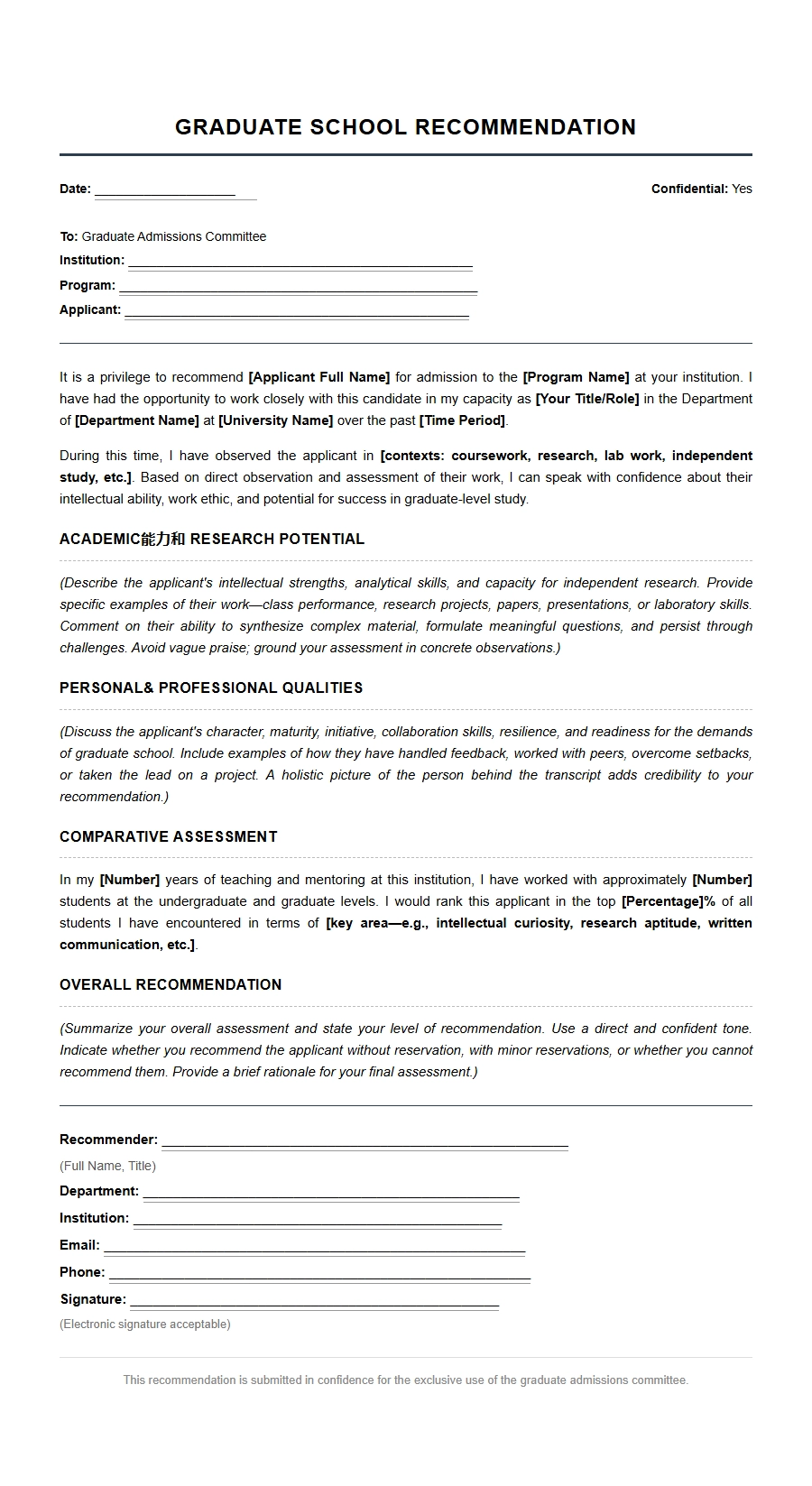 Format for Graduate School Faculty Recommendation Letters
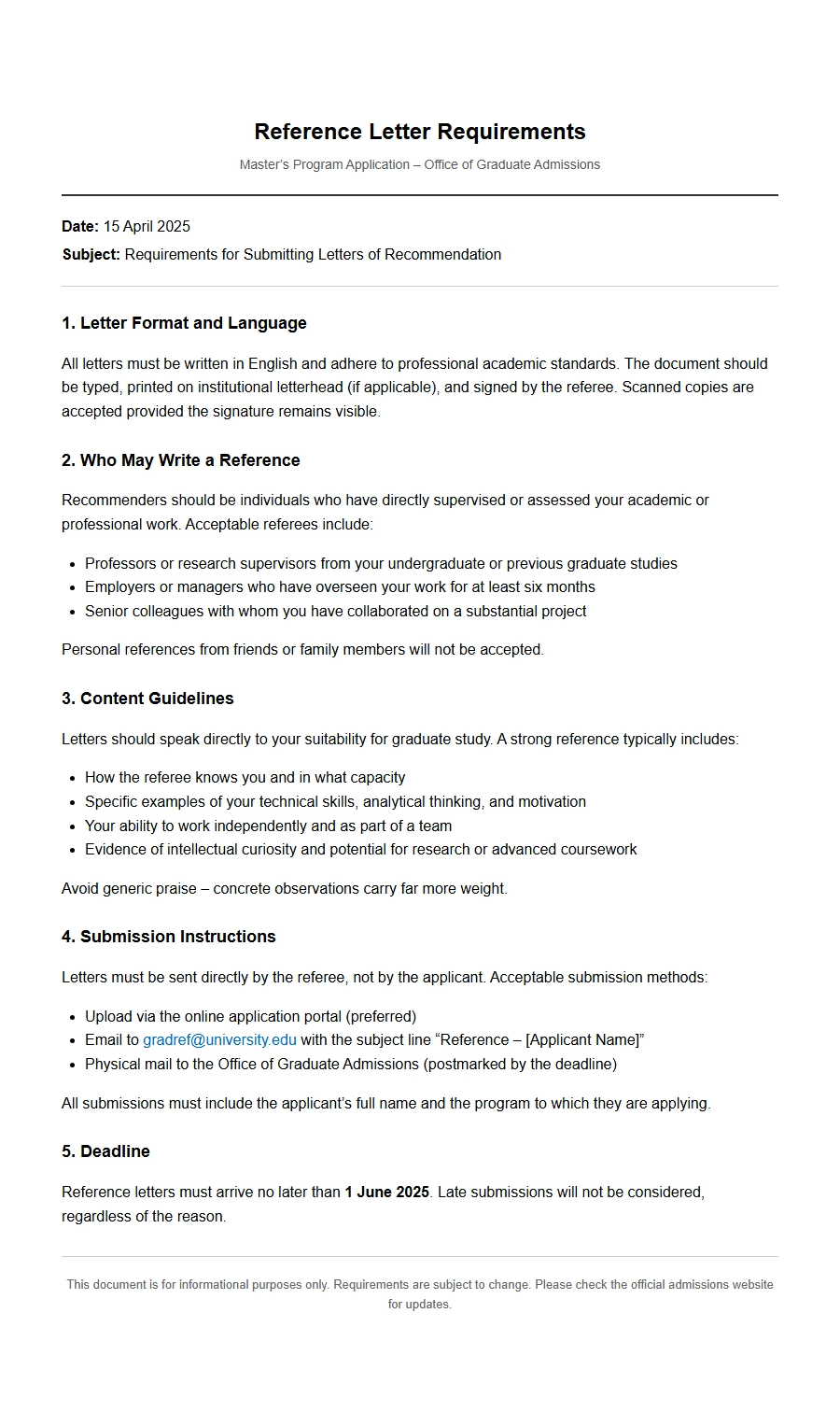 Master's Program Reference Letter Requirements
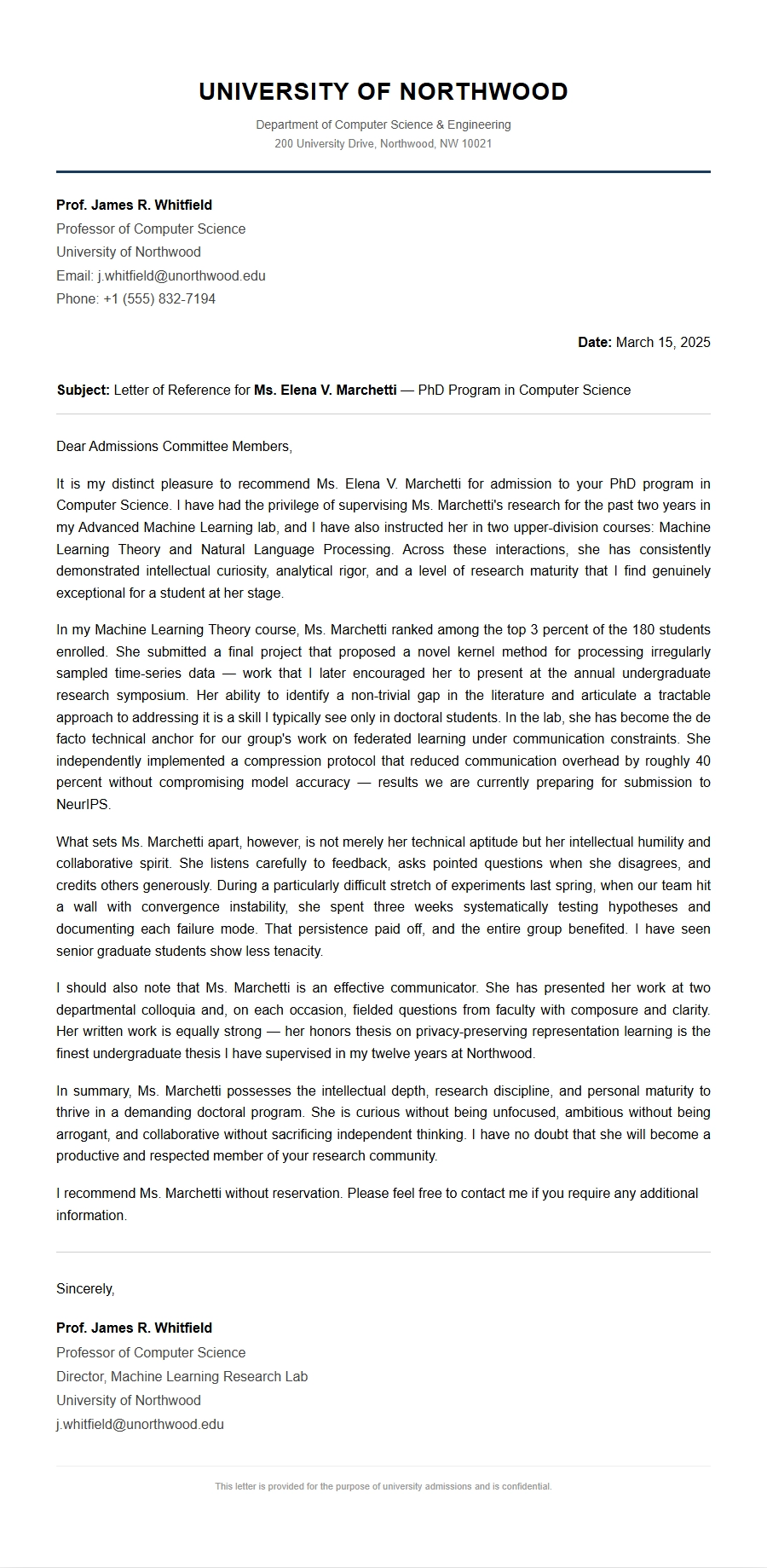 The Perfect Structure for a University Reference Letter
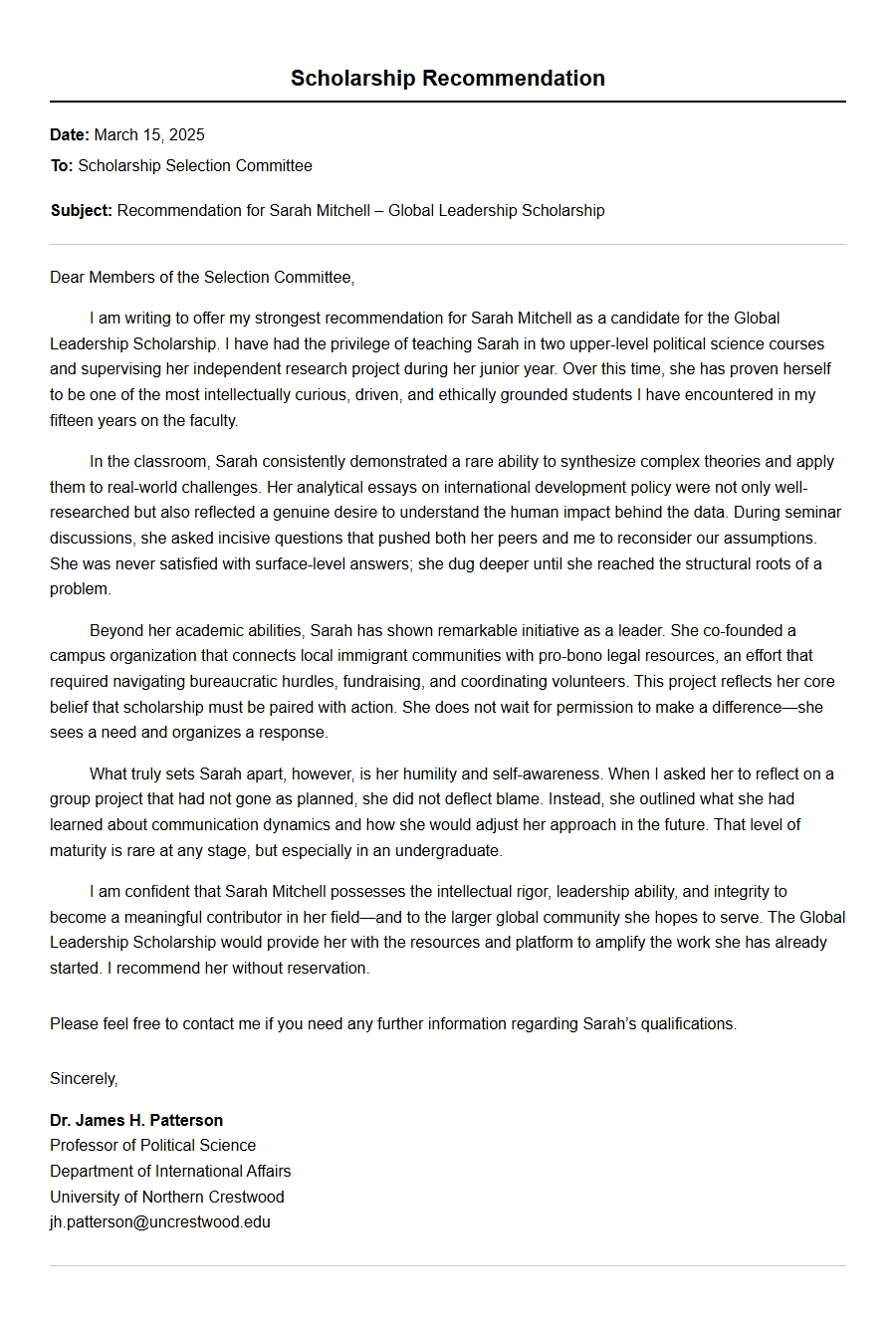 scholarship essay recommendation portion - Recommendation Letters
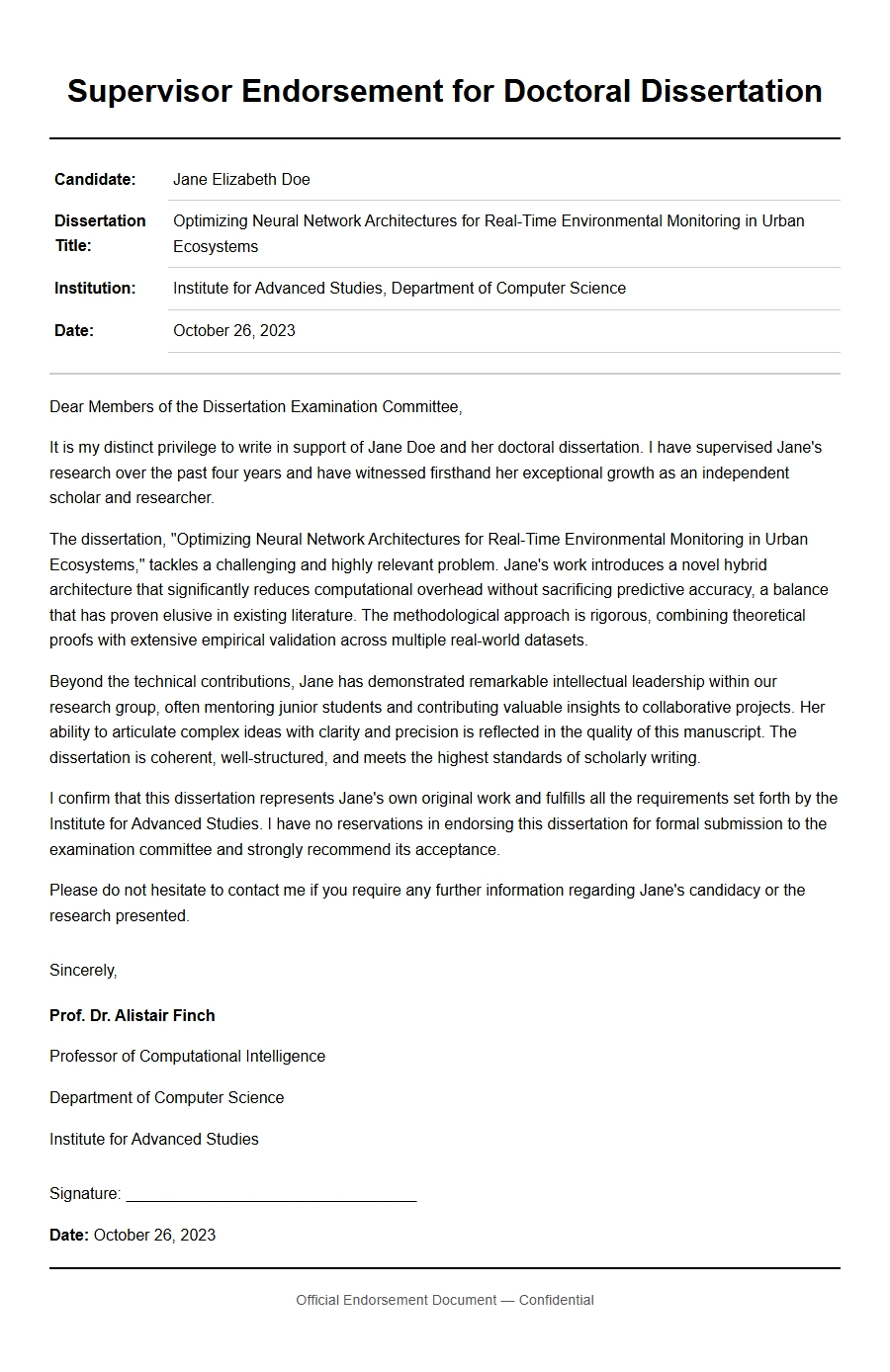 Sample PhD Supervisor Endorsement Letter
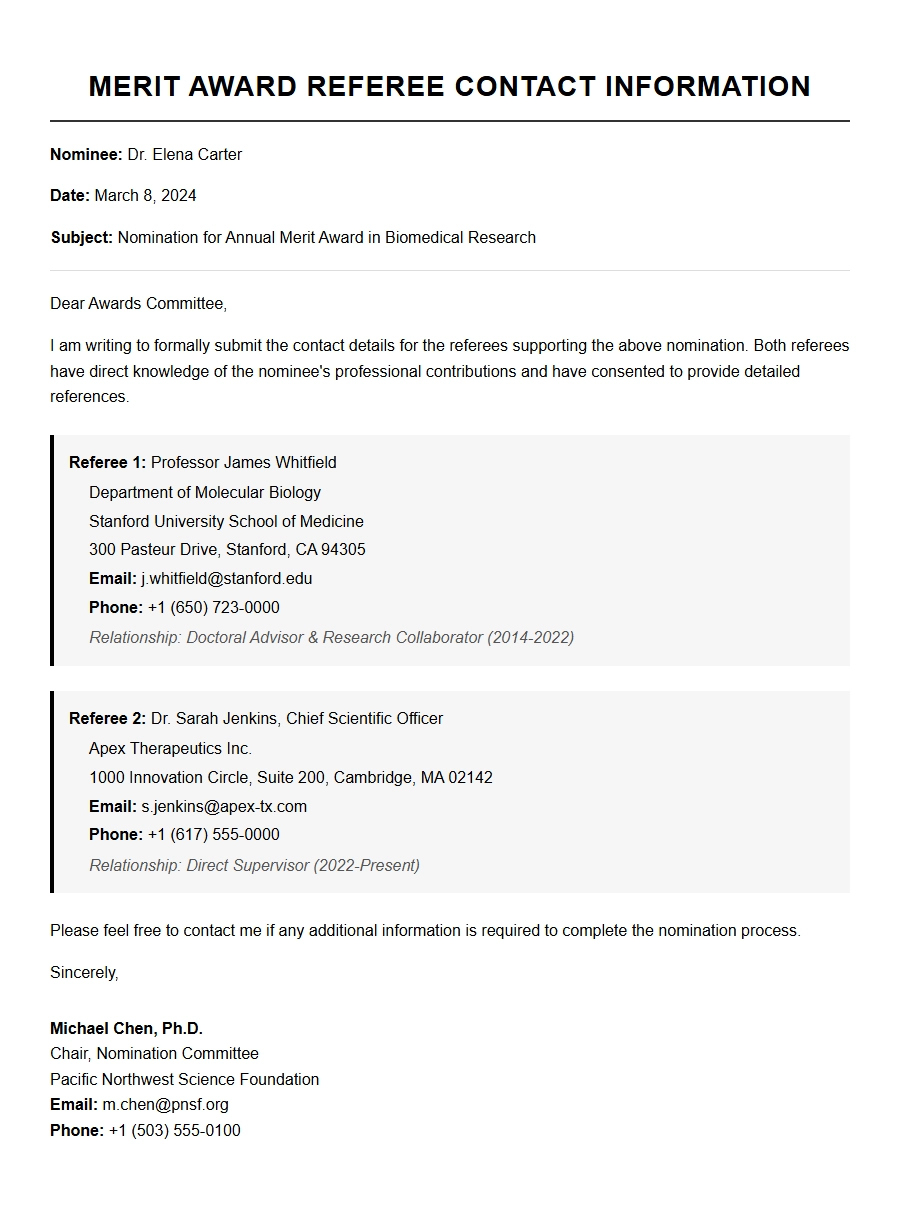 How to Find Your Merit Award Referee Contact Info