You’ve just unpacked in your cruise cabin and immediately notice the grimy bathroom tiles, a musty smell from the carpet, and what looks like last week’s crumbs under the desk. You want to enjoy vacation, not spend it cleaning. But writing a complaint letter about cruise ship cabin cleanliness feels awkward—how do you sound firm without being rude? The right complaint letter sample turns that irritation into a clear, professional note that gets results fast.
Using a sample isn’t cheating. It’s a smart shortcut. A well-crafted letter template gives you the structure, tone, and key phrases you need, while leaving plenty of room for your own details. Think of it as a sturdy frame: you add the personal story, the specific photos of the dirty curtains, the exact date you reported the problem to guest services. Professional correspondence about cabin cleanliness follows a predictable format—salutation, clear description of the issue, your expectation (full refund or discount), and a polite closing. A sample saves you from guessing what to include.
Category: Consumer Complaint Letters
Start by picking the right sample for your situation. If you’re writing an email to the cruise line’s customer service, you’ll want a digital letter format that’s concise and easy to forward. For a formal paper letter to the head office, lean on a business letter format with your contact info, date, and proper salutation. A common mistake is using a too-casual tone for a formal complaint. “Hey, your room was gross” won’t get you far. Instead, adapt the sample’s language—stay polite but direct. For example: “I was disappointed to find the cabin in unsanitary condition upon arrival, which affected my enjoyment of the first two days of the cruise.” That’s tone in writing that works.
When you adapt a sample, keep your authentic voice. Don’t copy phrases that feel unnatural. If you’re normally straightforward, write: “The cabin was not clean. I found hair in the shower and stains on the sheets.” That’s fine. The sample helps you remember to include key elements: a subject line, a clear timeline, and a request. One tip: tailor the opening paragraph to grab attention. Instead of “I am writing to complain,” try “My family and I booked a balcony cabin for the Caribbean sailing on May 10 and expected a clean environment. Instead, we found problems that forced us to ask for housekeeping three times.” That’s specific and hard to ignore.
Another common mistake is ignoring the difference between email and printed letter. For email, skip letterhead design and use a clear subject line like “Cabin cleanliness complaint – booking #12345.” For a printed letter, include your address and the cruise line’s HQ address. Also watch out for outdated salutation and closing—avoid “To Whom It May Concern” if you can find a name. “Dear Customer Relations Team” works. Close with “Sincerely” or “Thank you for your prompt attention.”
After you draft, proofreading your letter is essential. A typo in a complaint undermines your seriousness. Read it aloud. Check that you’ve attached any evidence (photos, receipts). If you’re sending via the cruise line’s online portal, follow their required letter structure—some have fields for cabin number, booking ID, and description. A well-organized complaint shows you’re credible.
Sometimes a cleanliness issue is part of a larger problem, like poor service or lack of response. For those situations, you might need to escalate further. If you’ve already written to guest services and got nowhere, consider an escalation email to senior management. Or, if the cruise line refuses to address the issue, you can contact a city official if the port city has a consumer protection office. Unlikely? Maybe, but it shows you’re serious.
Don’t overthink it. The best complaint letter feels both professional and personal. Use a sample as a springboard, not a crutch. You’ll get faster with practice. And next time you book a cabin, you’ll know exactly what to write if something’s off—hopefully you won’t need to.
Samples to Guide You
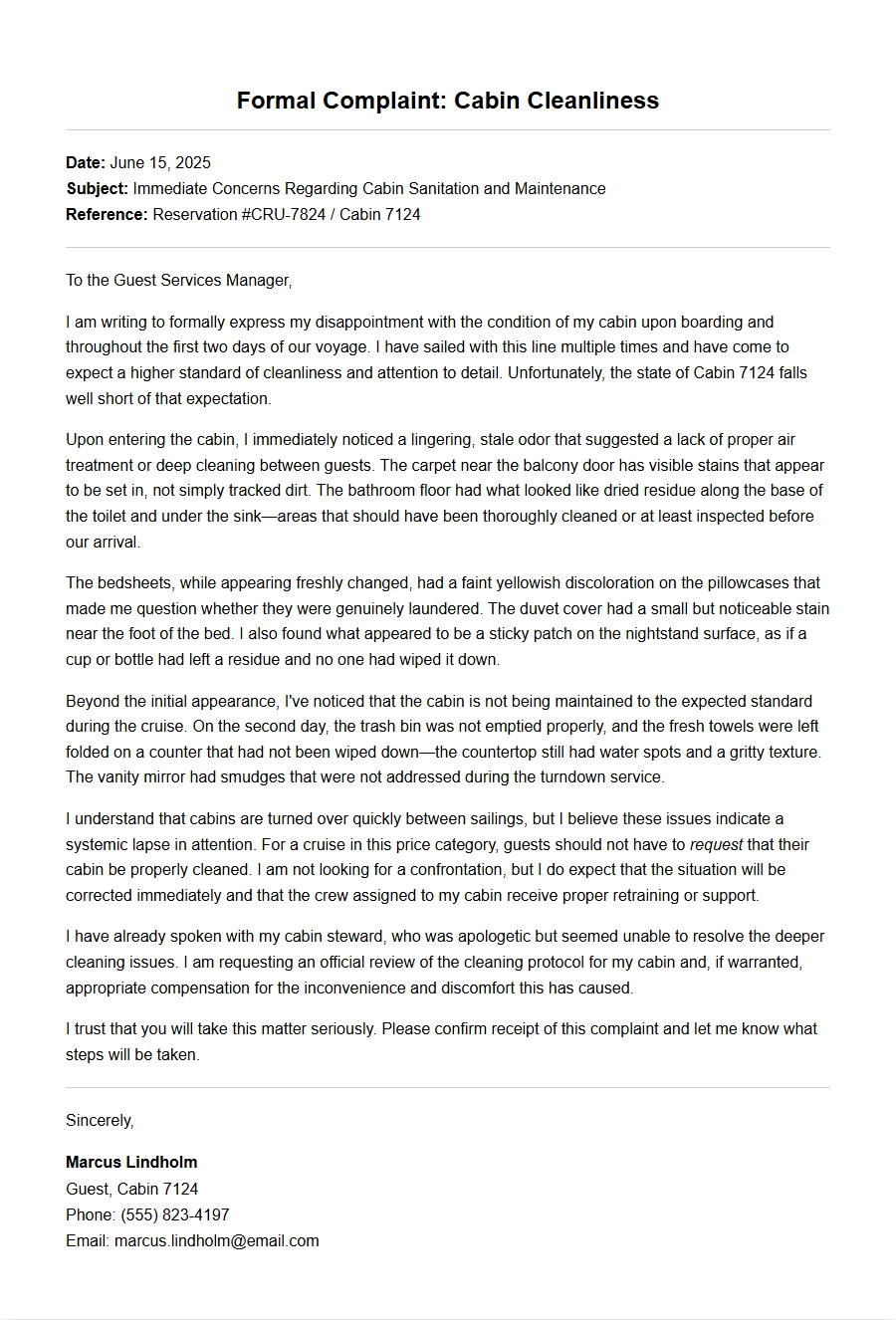
Complaint Letter About Cruise Cabin Cleanliness
Unacceptable Cabin Cleanliness on Arrival
Dear Customer Service Team,
I am writing to formally complain about the unclean condition of my cabin upon boarding the MS Ocean Dream on March 3, 2025. I was assigned Cabin 1023, and the room had clearly not been properly prepared for new guests.
The following issues were immediately apparent:
Sticky, stained carpet near the entrance and under the desk.
Thick dust on the nightstand, lamp base, and window sill.
Black mold spots on the bathroom ceiling above the shower.
A faint sour smell coming from the air conditioning vent.
I reported this to guest services at 3:30 PM. A steward came within 20 minutes, but only vacuumed and wiped one surface. The mold and odor remained for the entire 7-night cruise. This is unacceptable for a premium cruise line.
I expect a full refund of my cabin fare and a written apology. Please advise on your resolution.
Sincerely, Jane M. Thompson
Mold and Mildew in Bathroom
Dear Guest Relations,
I am extremely disappointed with the state of the bathroom in Cabin 214 aboard the SS Horizon during our cruise from April 10–17, 2025. My family and I were greeted by a strong musty odor and visible mold growth.
Specific problems observed:
Issue
Location
Severity
Black mold
Shower curtain corners
Extensive
Mildew
Grout between tiles
Widespread
Rust stains
Sink drain
Moderate
Scaly buildup
Faucet aerator
Blocked flow
We complained twice, and maintenance applied bleach, but the mold returned within hours. My son developed a cough that I attribute to the poor air quality. This is a health hazard.
I request compensation for medical expenses plus a 50% refund for this cabin. I await your reply.
Regards, Robert K. Davis
Dirty Bed Linens and Pillowcases
Dear Customer Service,
My wife and I were assigned Cabin 501 on the MS Royal Seas (May 5–12, 2025). Upon retiring, we discovered that the bed linens were not fresh. The fitted sheet had yellow stains and there were dark marks on the pillowcases.
Details of the issue:
Stains on both pillowcases (looked like makeup and sweat).
Fitted sheet had a large yellowish discoloration at the foot.
Duvet cover had a tear and a suspicious brown spot.
Blanket smelled of stale perfume.
I called housekeeping at 10 PM. They replaced the sheets but took 40 minutes and the replacement set also had a small stain. The pillowcases were not changed until the next morning. We slept poorly worrying about hygiene.
For a cruise that cost over $4,000, I expect fresh, clean bedding. I demand a full night’s refund or a complimentary specialty dinner for two. Please confirm.
Yours, Susan Park
Lingering Smoke Odor in Non-Smoking Cabin
Dear Customer Relations,
I booked a guaranteed non‑smoking Cabin 304 aboard the SS Ocean Breeze for the June 1–8, 2025 sailing. To my dismay, the entire cabin reeked of stale cigarette smoke, even though the vessel’s policy prohibits smoking inside.
Observations and actions:
Time
Action Taken
Result
3:00 PM (arrival)
Reported to front desk
They apologized but said no other cabins available
5:00 PM
Ozone machine brought in
Smell reduced slightly but returned within hours
Next morning
Deep cleaning of carpets and upholstery
Odor still present, especially in closet and bathroom
The smell triggered my asthma, and I had to sleep on the balcony in a lounge chair. This ruined our vacation.
I expect a full refund for this cabin and compensation for the distress caused.
Sincerely, David Chen
Cockroach Infestation Found
Dear Management,
I am writing with disgust about the presence of pests in Cabin 708 of the MS Caribbean Dream (July 15–22, 2025). On the second night, my son screamed and pointed at a cockroach crawling on the bathroom counter. I killed it, but later found a second one under the mini-fridge.
Incident report:
Date: July 16, 2025 at 10:15 PM.
First roach – bathroom counter, ~2 cm long.
Second roach – discovered at 11:30 PM near the refrigerator.
Third roach – seen dead in the closet baseboard on July 18.
I contacted guest services immediately. They sent an exterminator the next morning, but no follow‑up cleaning was done. The cabin still felt dirty. My family could not relax, worrying about more insects.
This is a clear violation of hygiene standards. I request a full refund for this cabin and a complimentary future cruise. Please provide a written response.
Regards, Maria Gonzalez
Unclean Balcony and Furniture
Dear Guest Services,
We booked a premium balcony cabin (1201) on the SS Pacific Voyager for August 8–15, 2025. One of the main reasons we paid extra was to enjoy the private balcony. Unfortunately, the balcony was filthy upon arrival.
Condition of the balcony:
Item
Issue
Floor
Bird droppings, dried leaves, and sticky spots
Chairs (2)
Mildew on cushions, spider webs between slats
Small table
Ring stains and dirt crusted on surface
Glass railing
Smudged with fingerprints and salt residue
I requested cleaning at 2 PM; a crew member came at 6 PM with a hose and rag. They only sprayed the floor and wiped one chair cushion. The other chair remained dirty until the last day. We could not use the balcony comfortably.
I expect a refund of the balcony upgrade fee and a formal apology. Thank you.
Sincerely, Andrew Lee
Housekeeping Skipped Multiple Days
Dear Customer Service,
We traveled on the MS Northern Lights from September 1–8, 2025 in Cabin 908. Despite the cruise line advertising twice‑daily housekeeping, our cabin was serviced only once on the first day and then not again until the final morning.
Daily service log (our record):
Day 1 (Mon): Full service – AM and PM.
Day 2 (Tue): No service – towels not changed.
Day 3 (Wed): No service – trash overflowing.
Day 4 (Thu): Complained to concierge – promised service, but none came.
Day 5 (Fri): No service – ran out of toilet paper.
Day 6 (Sat): Partial service – only trash emptied, no fresh towels.
Day 7 (Sun): Full service only after final complaint.
We had to request toiletries and towels multiple times. The cabin became messy and uncomfortable. This is not the level of service we paid for.
I request a 25% refund of the cruise fare as compensation. Please respond promptly.
Yours faithfully, Olivia Brown
Soiled Towels and Bathrobes
Dear Guest Relations,
I am writing to express my disappointment with the cleanliness of the towels and bathrobes provided in Cabin 401 aboard the SS Explorer (October 2–9, 2025). Upon opening the bathroom cabinet, I found sets of towels that clearly had not been properly laundered.
Items found:
Item
Condition
Bath towel (large)
Yellowish stain in the middle, faint odor
Hand towel
Makeup stains and gray fuzz
Washcloth (2)
One with lipstick mark, one with a brown spot
Bathrobe (adult)
White with visible dirt on the collar and cuffs
I called housekeeping at 8 PM. They replaced the towels after 30 minutes, but the replacement bathrobe also had a stain on the sleeve. The second robe was acceptable after a second exchange.
This indicates a breakdown in laundry procedures. I demand a compensation of $200 for the inconvenience and a written assurance of improved hygiene.
Sincerely, James A. Martinez
Excessive Dust Triggering Allergies
Dear Customer Service,
I stayed in Cabin 1122 on the MS Star Princess from November 10–17, 2025. Within hours of arrival, I began sneezing and my eyes became itchy. I inspected the cabin and found heavy dust accumulation.
Areas with visible dust:
Top of the wardrobe and shelves in the closet.
Behind the desk – dust bunnies and debris.
Air conditioning vent – thick gray dust on the grille.
Under the bed – dust and a forgotten sock and candy wrapper.
I requested a thorough cleaning. A steward came and dusted surfaces, but the vent and under‑bed areas remained untouched. I had to purchase antihistamines from the onboard pharmacy ($35). My cruise was marred by constant discomfort.
This cabin should have been deep-cleaned before my arrival. I request reimbursement for the $35 medication and a $150 onboard credit as goodwill.
Regards, Lisa Chang
Overall Cabin Neglect and Grime
Dear Management,
Our experience on the SS Royal Dawn (December 1–8, 2025) in Cabin 607 was spoiled by the overall lack of cleanliness. The cabin appeared superficially tidy but was fundamentally dirty.
Detailed issues observed during our stay:
Area
Problem
Floors (tile and carpet)
Sticky and gritty – bare feet pick up dirt
Windows
Fingerprints, smudges, and water spots inside
Trash can in bathroom
Old coffee grounds and a used tissue left from previous guest
Minibar area
Spilled syrup on counter, not wiped
Telephone
Greasy, buttons sticky
We reported these issues on day one. Housekeeping came and swept, but the floors were still sticky. The windows were never cleaned. The telephone remained greasy until we cleaned it ourselves.
I am requesting a 30% refund of the cruise price and a letter of apology. This is simply not acceptable for a luxury cruise.
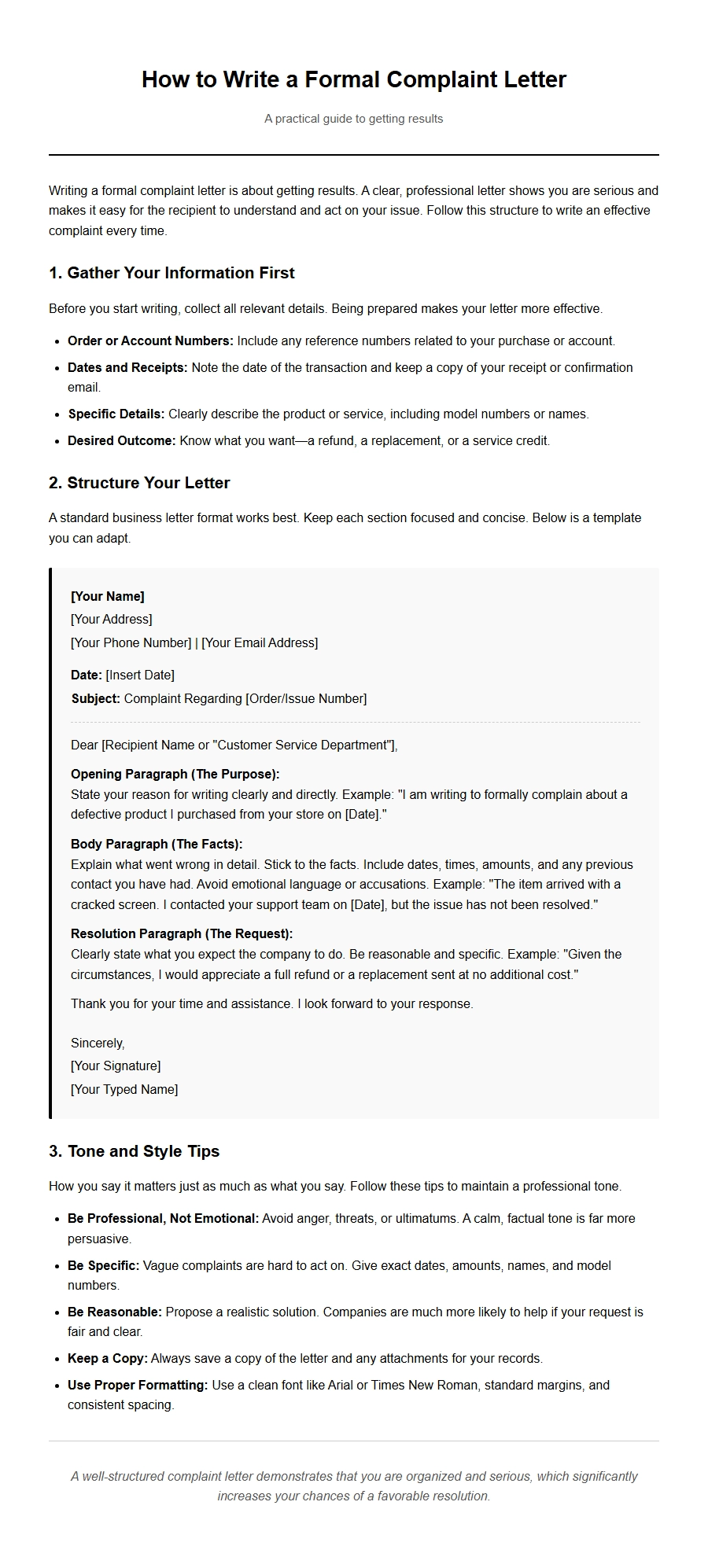 How to Write a Formal Complaint Letter
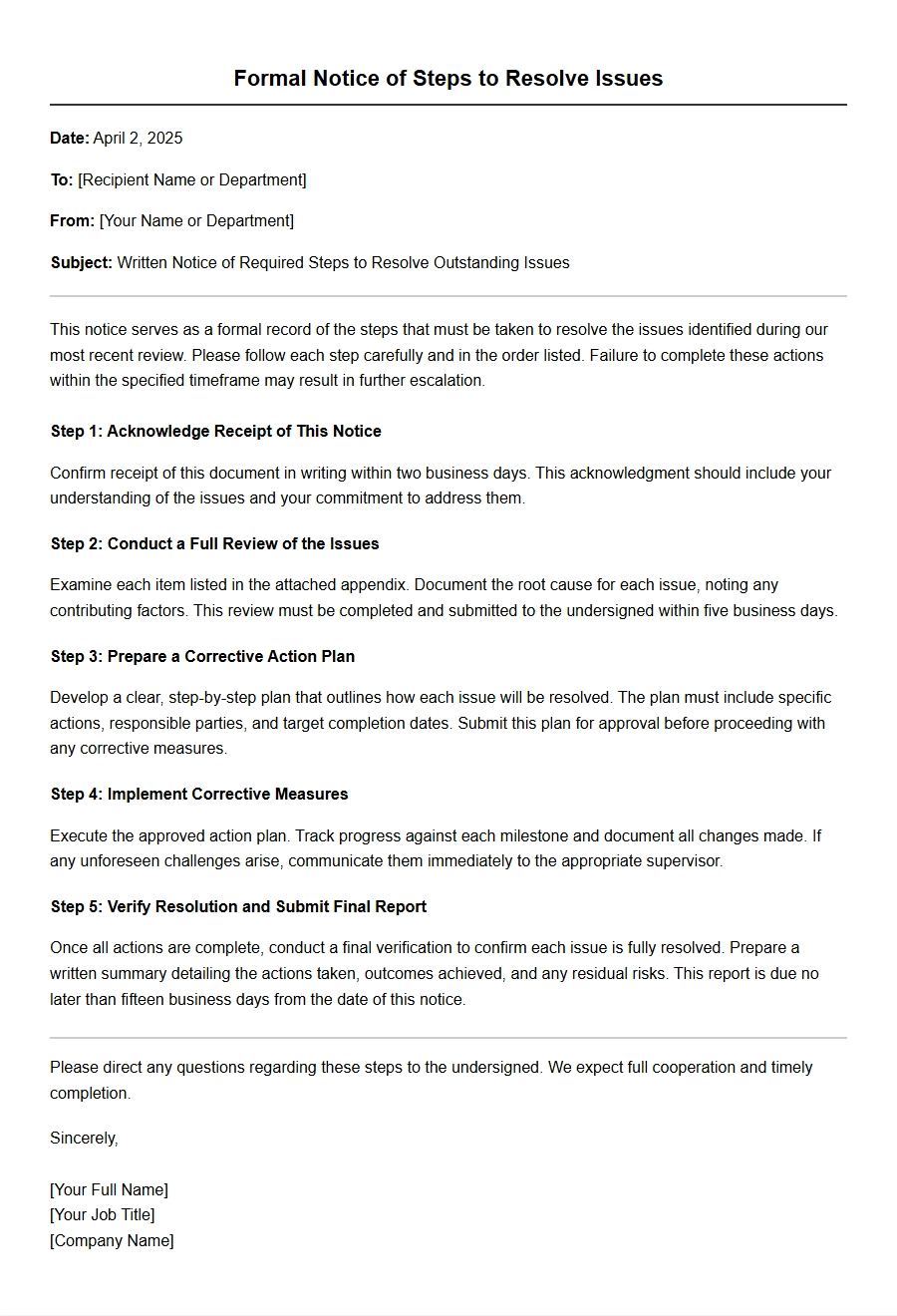 Steps to Resolve Issues via Written Notice
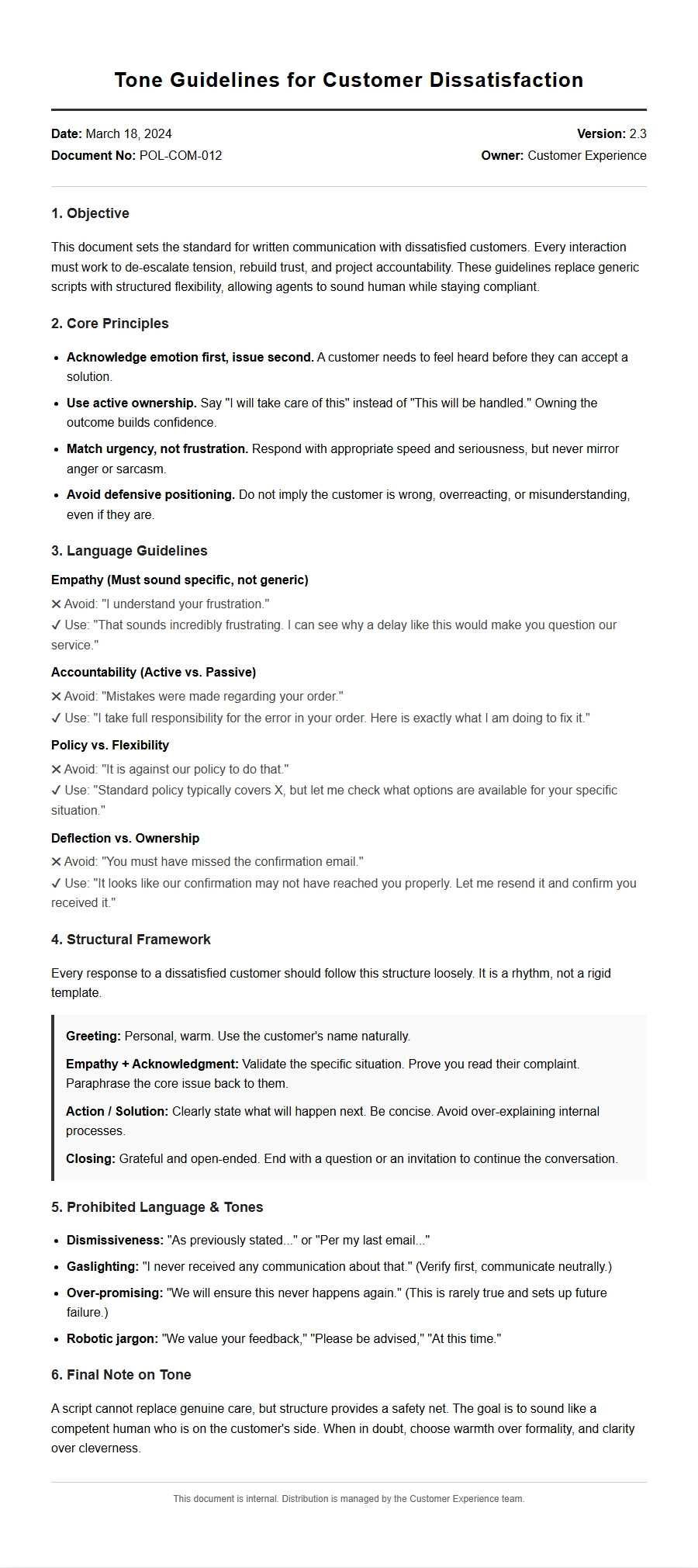 Tone Guidelines for Dissatisfied Customer Letters
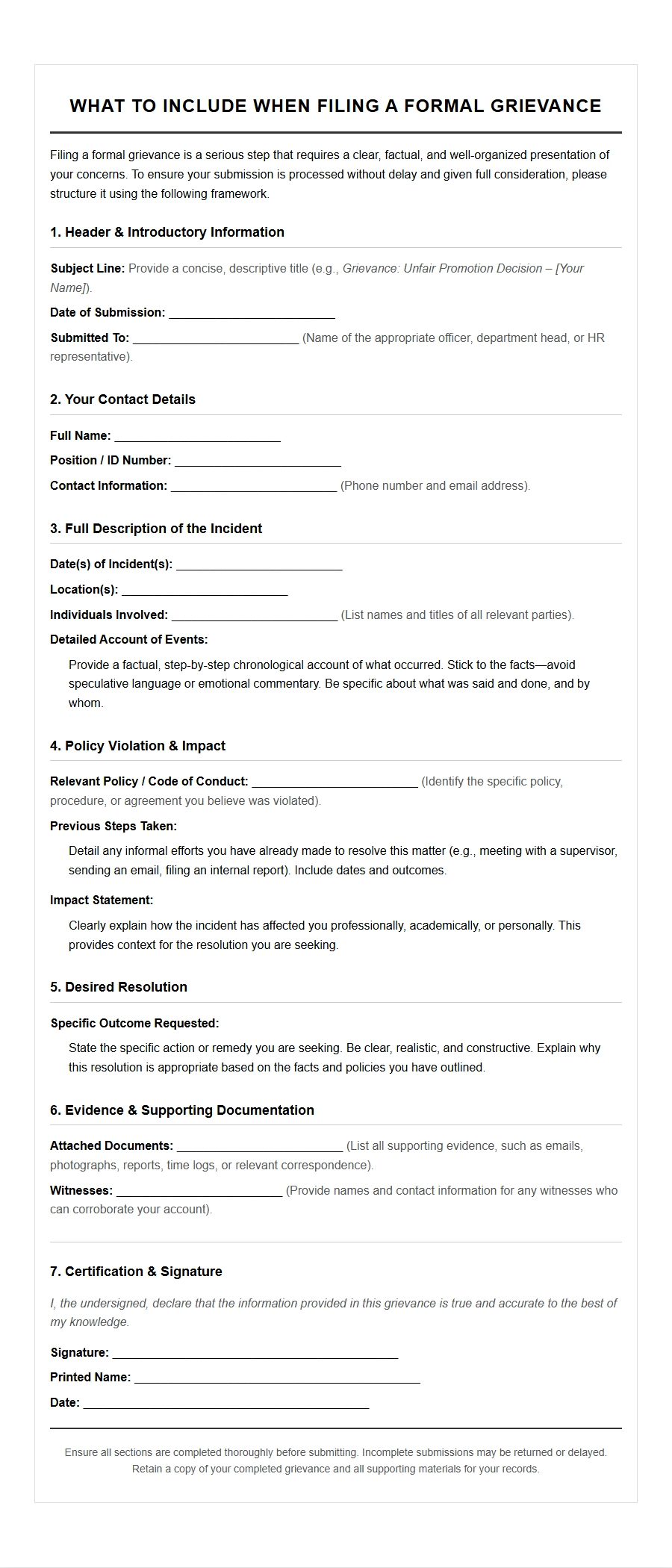 What to Include in a Formal Grievance Letter
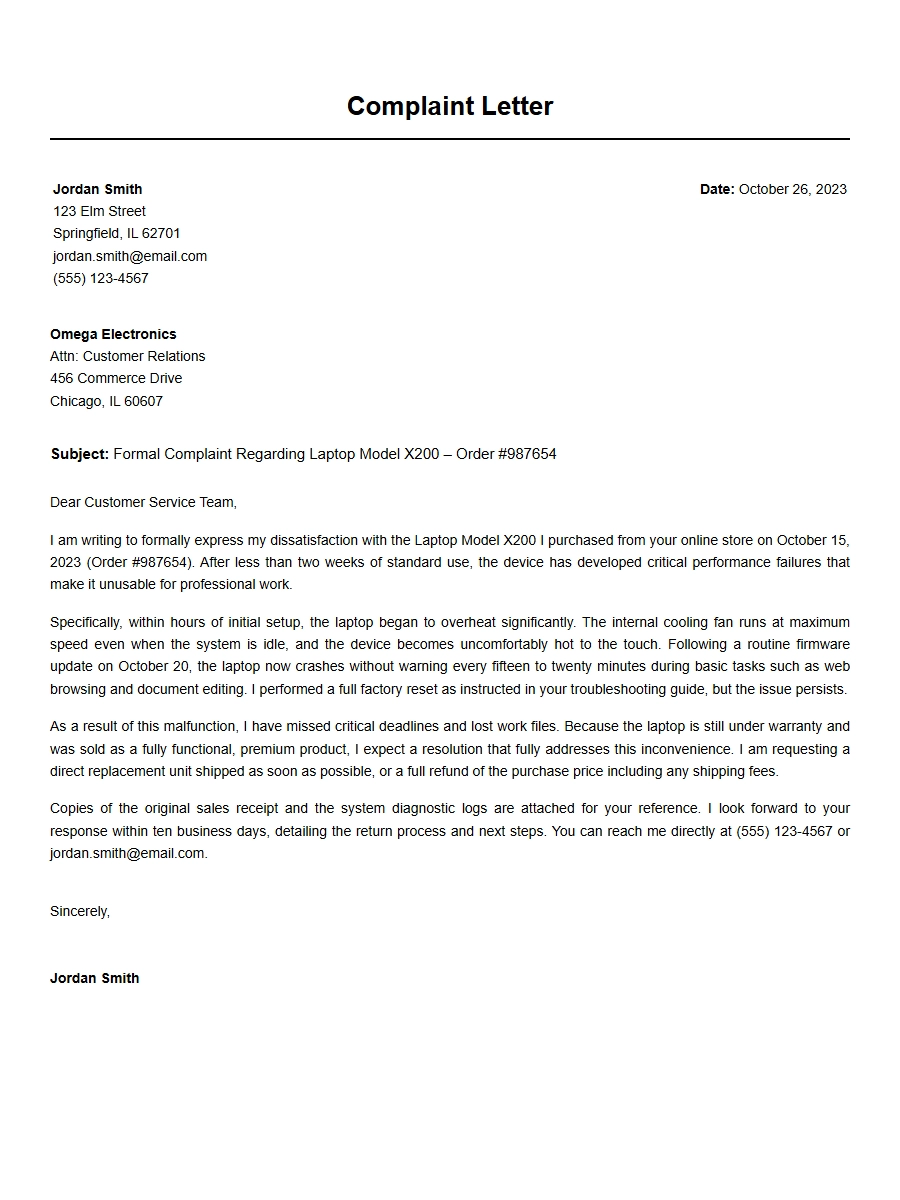 Structure of an Effective Complaint Letter
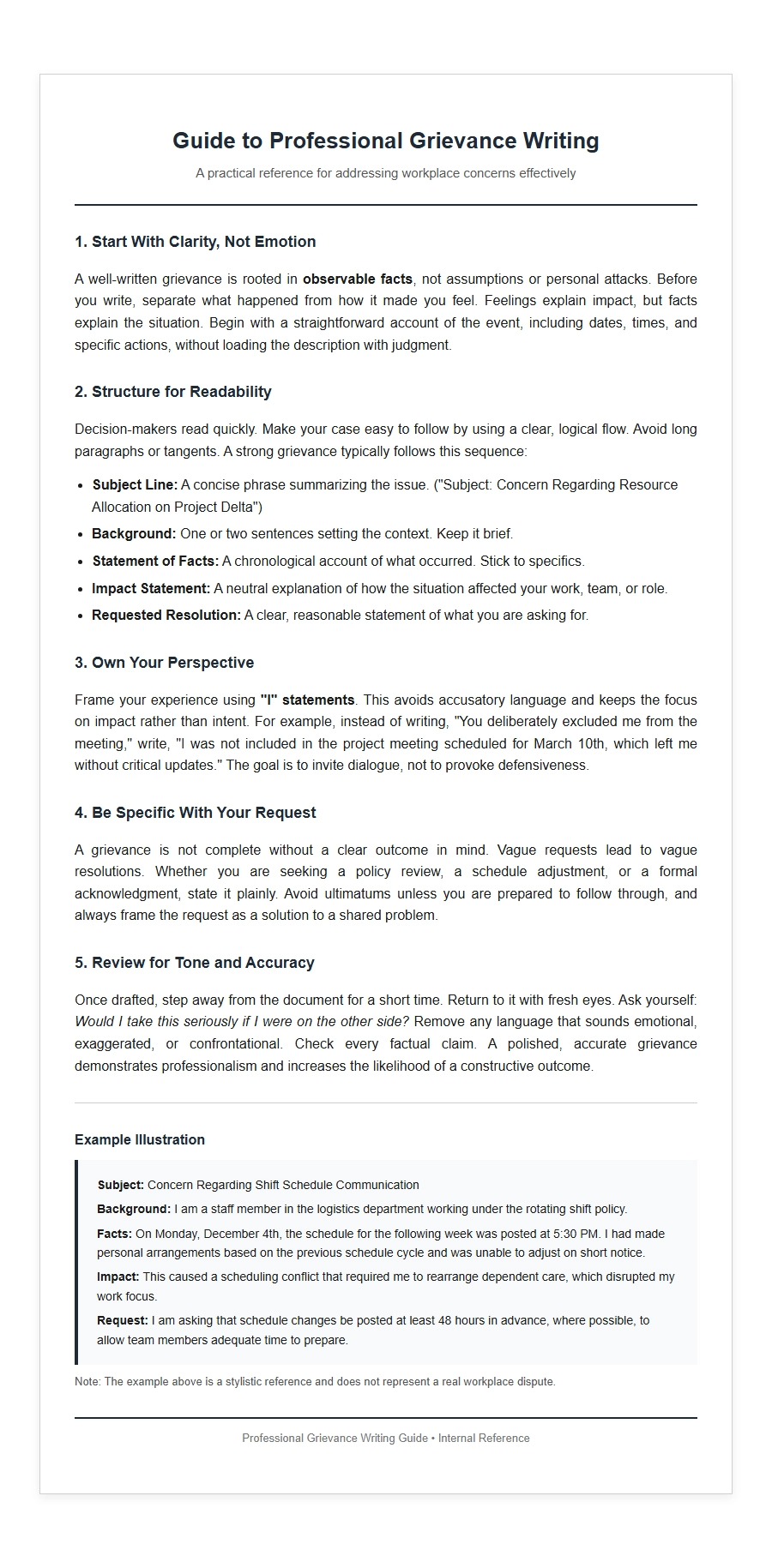 Best Practices for Writing Professional Grievance Letters