Guide to Theater Actor Role Breakdown Recommendation Letters
You've got a talented actor who needs a strong letter for a role, but you're staring at a blank screen. Maybe you're a director writing a recommendation, or an actor drafting a cover letter to accompany their headshot. Either way, the pressure to get it right—and fast—feels real. The good news? A well-chosen sample can turn that anxiety into clarity in minutes.
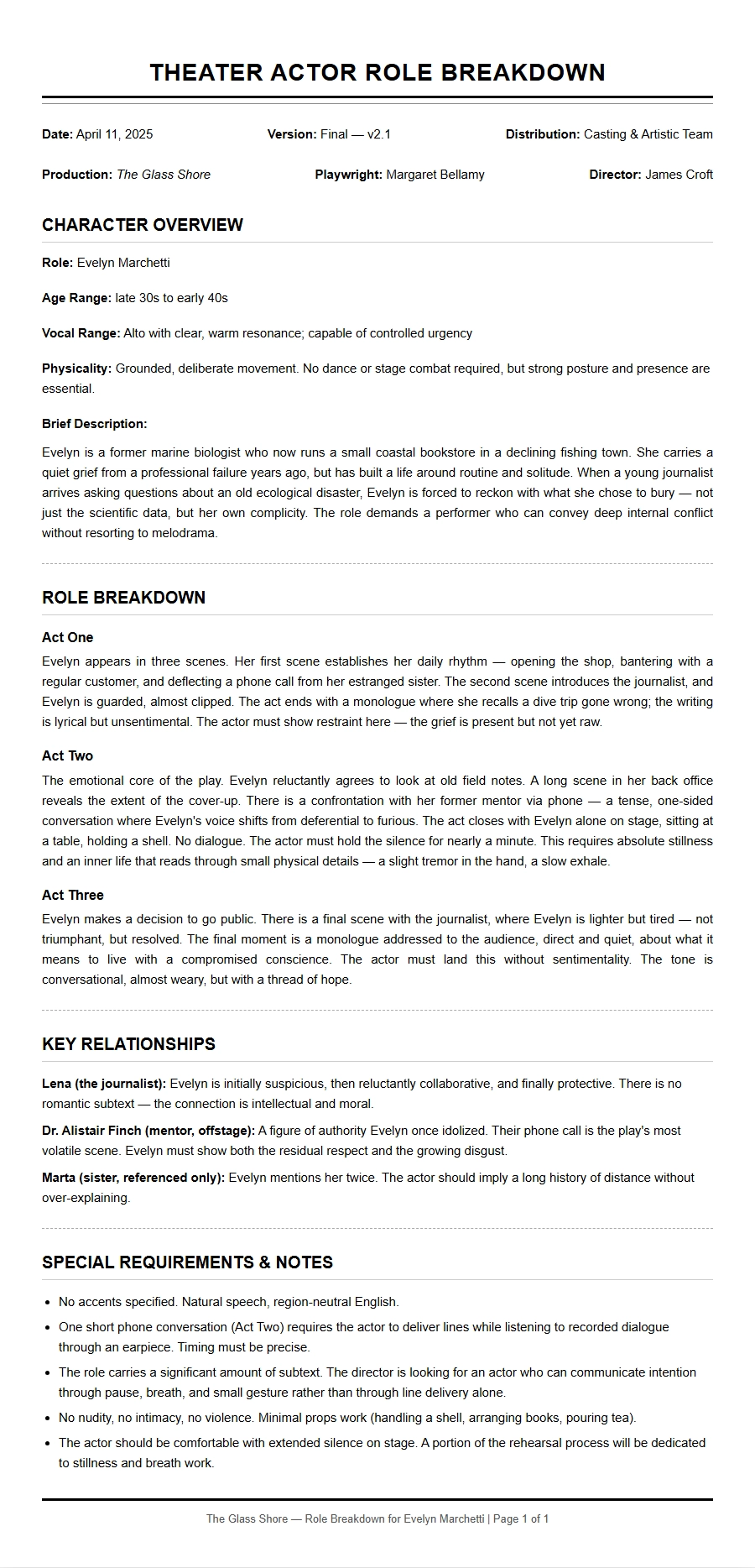
Using a letter template isn't cheating. It's a smart shortcut that gives you structure, appropriate tone, and key phrases you can adapt. The trick is knowing how to customize it so the final letter sounds like it came from you, not a robot. For theater actors, the "role breakdown" is often the key document—it lists the character's age, personality, vocal range, and movement style. That breakdown is exactly what you need to tailor your professional correspondence to the specific production.
How do you pick the right sample for an actor's letter?
Start by matching the format to the situation. A letter of recommendation from a director should feel authoritative and specific—mentioning moments from rehearsal or performance that demonstrate the actor's strengths. A cover letter from the actor themselves, on the other hand, should be confident but not arrogant, and directly reference the role breakdown. For example, if the breakdown calls for "a physical comedian with strong improvisation skills," your letter should include a concrete example of the actor doing exactly that.
Pay attention to industry norms. Theater is a small world, and letter writing etiquette matters. Avoid overused salutations like "To Whom It May Concern" unless you have no name. Instead, do a little research to find the casting director or artistic director's name. A personalized greeting shows you've done your homework. For email submissions, use a digital letter format—plain text is often safer than fancy formatting that might break in an inbox.
Adapt the sample without losing your voice
Take the sample's structure but swap out generic phrases for real details. If the sample says, "She is a dedicated performer," change it to, "She showed up twenty minutes early to every rehearsal and helped the understudy learn the blocking." Specificity builds credibility. Also, watch the tone: a letter for a classical theater role might be more formal, while one for experimental or fringe work can be warmer. Tone in writing should match the production's vibe.
A common mistake is copying an entire paragraph from a cover letter examples site without adjusting the details. Casting directors can spot that immediately. Instead, use the sample as a guide for flow—opening paragraph that hooks, body that gives evidence, closing that reiterates your recommendation. And always proofread the letter before sending. A typo in an actor's name or the show title looks careless.
Quick tip: tailor the opening paragraph
Start with the actor's name and the role they're being considered for. Then add one sentence that shows why this actor is a strong fit. For example: "I recommend Jamie Torres for the role of Mercutio because his energy and wit exactly match the passionate, quick-tongued character described in your breakdown." That immediately grabs attention. Avoid vague openings like "I am writing to recommend this talented individual."
Also consider the medium. If you're sending a letter via email, you don't need a full letterhead design—just your name, title, and contact info at the bottom. For a printed letter, keep the business letter format clean: your address, date, recipient address, salutation, body, closing, and signature. Use a standard font like Times New Roman or Calibri at 11 or 12 points. Letter structure should be easy to scan, with short paragraphs.
Common mistakes to avoid
Using outdated salutation and closing formulas like "Dear Sir" or "Sincerely yours" can feel stuffy. "Dear Ms. Chen" or "Best regards" works for most theater correspondence. Another mistake: ignoring the difference between a letter for a stage role versus one for a film or commercial. The theater world values vocal projection, stage presence, and collaboration—mention those if the breakdown asks for them.
If the actor is applying for a leadership role in a theater company, you might draw on a more structured approach, like an executive leadership capability assessment to highlight their organizational skills. Or if they're transitioning from another field, a job application referral request can be adapted with theater-specific details.
Use the role breakdown as your roadmap
Every detail in the letter should connect back to the breakdown. If the role requires a specific accent, say how the actor mastered it. If it demands physical stamina, mention their training. This shows you're not just sending a generic recommendation—you're responding directly to the production's needs. A customizable letter that feels personal is far more likely to get noticed.
For ensemble roles or community theater, you can be less formal. A short, enthusiastic note from a past director can be more effective than a lengthy, stiff recommendation. The key is to be honest and specific. If the actor struggled with something, either leave it out or frame it as growth. Formal writing tips often say to avoid negatives, but if you must mention a challenge, show how it was overcome.
Make the letter feel both professional and human
The best letters balance professional correspondence with genuine warmth. You're not writing a legal document; you're vouching for someone's talent and character. Use the actor's first name appropriately, share a short anecdote, and let your enthusiasm show. Practice makes this easier. After writing a few letters, you'll develop your own rhythm and won't need to rely so heavily on samples.
If you need additional context for a letter of recommendation in a neighbor or tenor-related theater situation, a neighbor noise complaint reference might seem unrelated, but the structure—clear, specific, and respectful—can be adapted. Similarly, a landlord tenancy history confirmation shows you how to document reliability, which transfers to an actor's punctuality and dependability.
Use the role breakdown as your springboard, not a crutch. Each letter you write will get easier, and the actors you recommend will appreciate the thoughtful effort. Your words can open doors—make them count.
Writing Examples
Guide to Theater Actor Role Breakdown Recommendation Letters
Recommendation Letter for Lead Actor – Role Breakdown Included
It is my distinct pleasure to recommend James Harrison for any leading role in your upcoming production. I had the privilege of directing James in The Tempest, where he portrayed Prospero with remarkable depth and command of the stage. His ability to break down the character’s emotional arc—from vengeful sorcerer to forgiving father—was extraordinary.
James’s preparation included a detailed role breakdown document that covered key moments, objectives, and subtext for each scene. He approached Prospero’s standout soliloquy (‘Our revels now are ended’) with a clear understanding of its vulnerability and finality. This rigorous analysis translated into a performance that captivated audiences and earned rave reviews.
Beyond his acting skill, James demonstrates leadership, punctuality, and an infectious collaborative spirit. I am confident he will bring the same thorough role preparation to any production he joins. Please feel free to contact me for further details.
Recommendation Letter for Supporting Actor – Role Contribution Analysis
I am delighted to recommend Sarah Mitchell for a supporting role in your ensemble production. Sarah played Hermia in my staging of A Midsummer Night’s Dream, and her nuanced performance elevated every scene she shared with the lead actors. She prepared a detailed breakdown of Hermia’s relationships, vulnerabilities, and comic timing, which she shared with the cast during rehearsal.
Her role breakdown highlighted how Hermia’s defiance and passion serve as a foil to Helena’s desperation, and she used this analysis to create key contrasts in blocking and delivery. Sarah’s willingness to dig into the script’s language—finding pauses, crescendos, and subtext—made her character both relatable and memorable.
Offstage, Sarah is reliable, supportive, and always willing to run lines. She fully understands that a supporting role, when broken down with care, can shine just as brightly as a lead. I strongly recommend her for your production.
Recommendation Letter for Ensemble Actor – Group Role Dynamics
I write this letter with great enthusiasm for Michael Torres as a dedicated ensemble performer. In our recent production of Cabaret, Michael was part of the Kit Kat Klub ensemble, a role that required precise choreography, vocal harmony, and character consistency. He submitted a self-prepared role breakdown that examined the ensemble’s function: to embody the hedonistic decline of 1930s Berlin.
Michael’s breakdown included specific choices for reactions during each musical number—such as the shift from carefree laughter in ‘Willkommen’ to haunted stillness in ‘Tomorrow Belongs to Me.’ This level of analysis helped unify the group and gave each ensemble member a clear narrative purpose. His professionalism and positive attitude also made him a natural leader among the cast.
If you need an actor who treats the ensemble as a vital story-telling unit, Michael is an exceptional choice. I confident that his role breakdown approach will benefit any production.
Theater Role Recommendation Form – Structured Evaluation
Candidate Name: Emma Collins Role for Which Recommended: Juliet (Romeo and Juliet) Recommender: Dr. Alan Foster, Theatre Professor
Role Breakdown Assessment
Script Analysis: Excellent – deep understanding of Juliet’s arc from innocence to tragic resolve.
Character Objectives: Clearly articulated for each scene; strong use of active verbs.
Physicality & Voice: Good posture and vocal projection; needs work on stage combat.
Subtext & Emotional Layers: Exceptional ability to convey inner conflict through pauses and facial expression.
Overall Recommendation: Strongly recommended for the role. Emma’s thorough breakdown of Juliet’s psychology and relationships suggests she will be a compelling, nuanced performer in any Shakespeare production.
Proposal for Comprehensive Recommendation Package for Theater Actors
To: Upstage Talent Agency From: Sterling Theatre Consulting
Subject: Customized Recommendation Letters Integrating Role Breakdown Analysis
We propose a package of three recommendation letters tailored to actors seeking specific roles (lead, supporting, ensemble). Each letter will be accompanied by a detailed role breakdown summary prepared by a qualified theatre educator.
Package Details
Component
Description
Cost
Lead Role Letter
In-depth analysis of actor’s approach to a lead role, including script breakdown and character objectives.
$150
Supporting Role Letter
Focus on how actor enriches the narrative through a supporting role breakdown.
$100
Ensemble Role Letter
Emphasis on collaboration and character choices within the ensemble.
$80
Optional Role Breakdown Appendix
Detailed table of scene-by-scene objectives, obstacles, and tactics.
$50
We deliver polished letters on official letterhead within 5 business days. This package supports actors in showcasing their preparation process to casting directors.
Agreement for Actor–Recommender Role Breakdown Letter
Agreement Date: January 15, 2025 Between:[Actor Name] and [Recommender Name]
This agreement outlines the scope of the recommendation letter that will incorporate a theater actor role breakdown analysis.
Role to be Analyzed: The actor and recommender will agree on one specific role (lead, supporting, or ensemble) for which the actor has been cast or is auditioning.
Breakdown Deliverables: Recommender will write a letter (400–600 words) that includes at least three specific examples of how the actor broke down the role (e.g., scene objectives, character relationships, subtext).
Actor’s Responsibilities: Provide the recommender with a written role breakdown (1–2 pages) no later than 10 days before the letter deadline.
Review and Edits: The actor may request one round of minor editorial changes. No substantive changes to the assessment will be made.
Fee: $0 (voluntary letter); if a fee applies, it must be stated in writing.
By signing below, both parties agree to these terms. This ensures the letter authentically reflects the actor’s preparation process.
Theater Actor Role Breakdown Evaluation Checklist
Use this checklist when preparing or reviewing a recommendation letter that includes a role breakdown. This ensures a thorough and objective assessment.
This checklist can be attached to the letter as an appendix for casting directors who want a quick reference.
Recommendation Letter for Character Actor – Niche Role Breakdown
I am pleased to recommend Jessica Wu for a character role in your production. Jessica portrayed the Nurse in Romeo and Juliet under my direction, and her approach to role breakdown was meticulous. She created a backstory map that detailed the Nurse’s relationship with Juliet from infancy, specifying moments of comic relief versus genuine concern.
Her breakdown included specific physical choices: a hunched posture when gossiping, a hurried walk when delivering Julia’s messages, and a quivering voice during the discovery of Juliet’s supposed death. These were not arbitrary; Jessica derived them from the text’s clues about the Nurse’s social status and age. The result was a three-dimensional character who won over both audiences and critics.
For any production needing a character actor who will dig into the script and create a vivid, consistent persona, Jessica is an outstanding candidate. Her role breakdown method ensures she never misplaces a punchline or emotional beat.
Recommendation Letter for Understudy – Role Coverage Breakdown
I write with confidence to recommend Daniel Kim as an understudy for any lead role in your show. Daniel served as understudy for the role of Brutus in Julius Caesar during our fall season. He prepared a comprehensive role breakdown that covered not only his primary understudy assignment but also three smaller roles in the ensemble.
His breakdown documents included scene-by-scene objectives for Brutus, alternative blocking options, and even costume quick-change strategies. Daniel attended every rehearsal, quietly observing and taking notes. The week the lead actor fell ill, Daniel stepped in with zero hesitation, delivering a Brutus that was both intellectually clear and emotionally stirring. The cast later praised his preparation as “seamless.”
An understudy who treats the role breakdown seriously is a lifeline for any production. I wholeheartedly recommend Daniel for any understudy or swing position.
Appendix: Role Breakdown Summary for Recommendation Letter
Actor: Anna Martinez Role: Lady Macbeth Production: Macbeth, Spring 2024 Recommender: Dr. Robert Lin, Theatre Director
Below is a summary of the actor’s role breakdown, as referenced in the accompanying recommendation letter.
Super-objective: To secure the throne for Macbeth and herself at any cost; later, to escape the guilt of her actions.
Key Scene Objectives:
Act 1, Scene 5: Persuade Macbeth to seize the crown through manipulation and flattery.
Act 2, Scene 2: Establish alibi while covering up the murder.
Act 5, Scene 1: Relive the trauma of the murders through fragmented speech and compulsive hand-washing.
Physical/Vocal Choices: Sharp, commanding posture in early scenes; a hushed, broken voice in the sleepwalking scene.
Relationship Breakdown: Lady Macbeth uses her intimate knowledge of Macbeth’s weaknesses to control him; in the final act, that control collapses into shared madness.
This appendix confirms that the actor engaged deeply with the text to create a layered performance.
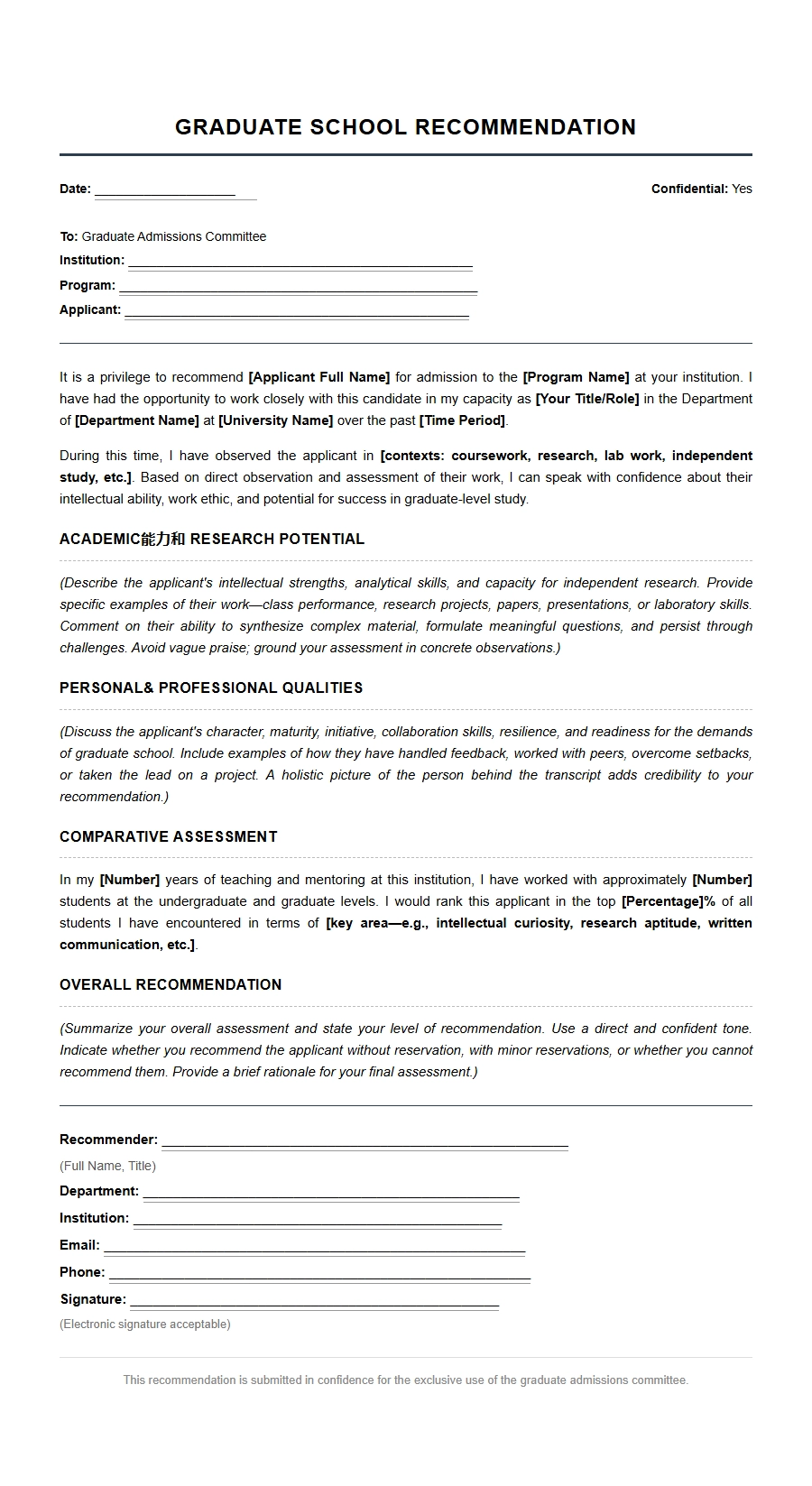 Format for Graduate School Faculty Recommendation Letters
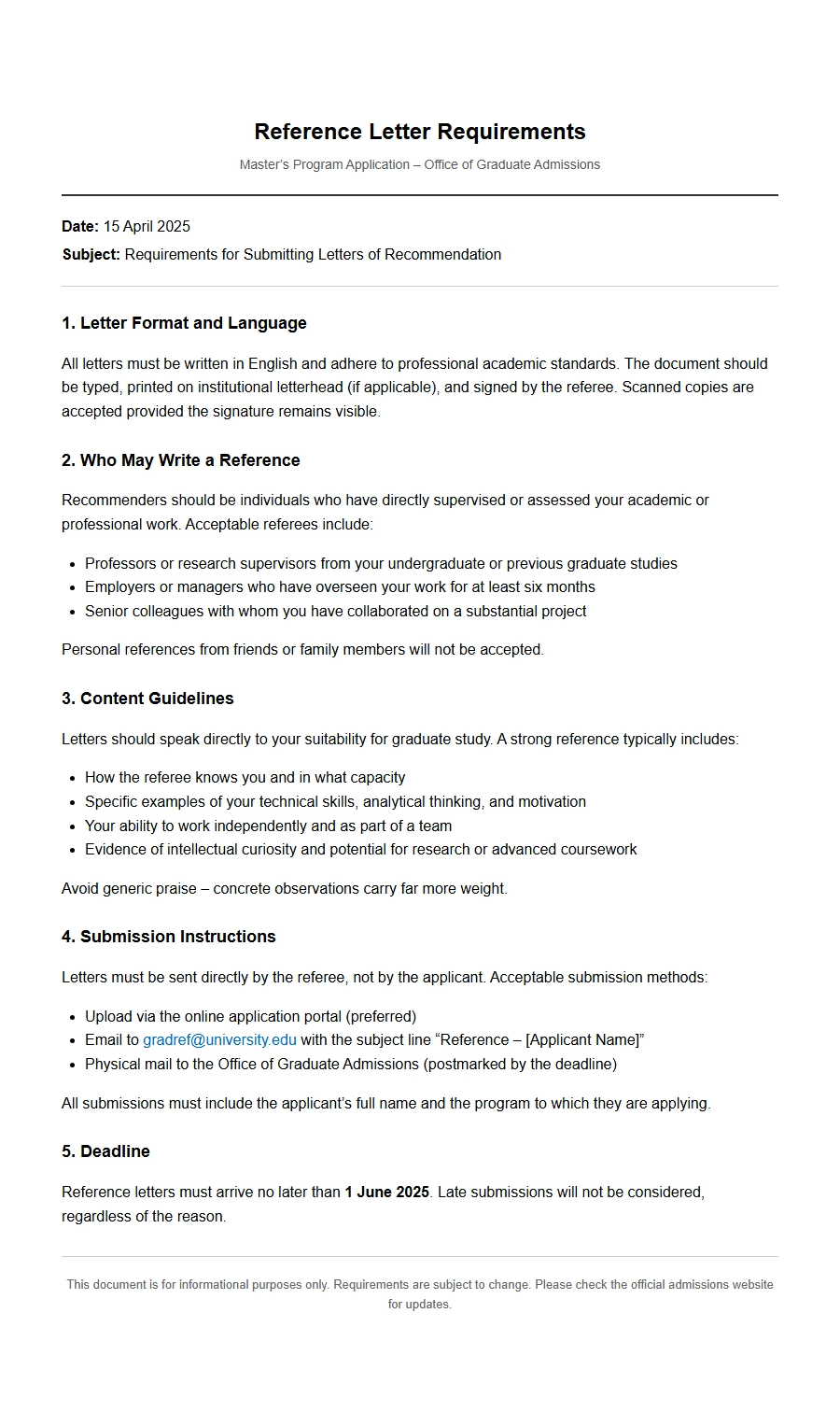 Master's Program Reference Letter Requirements
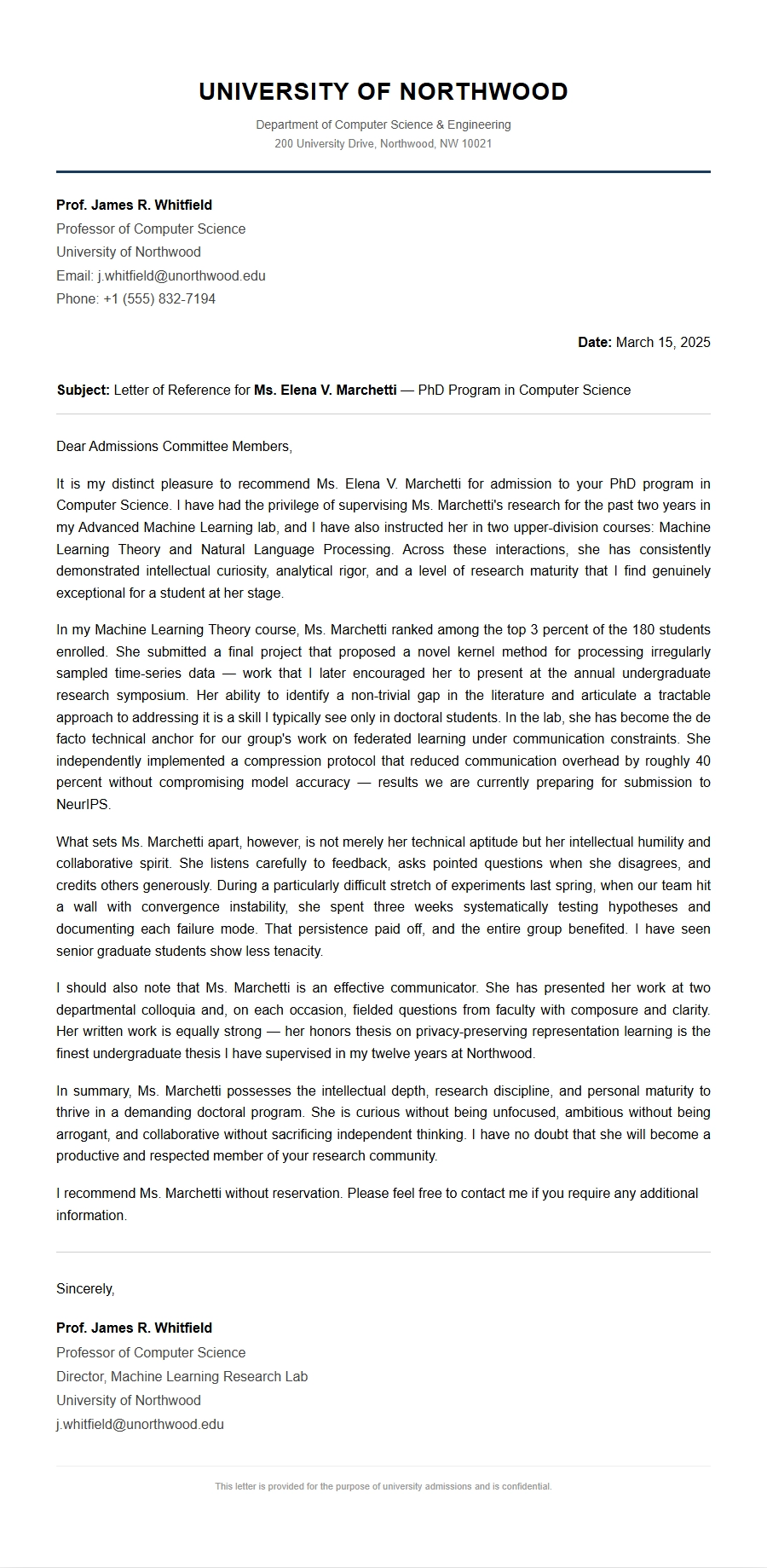 The Perfect Structure for a University Reference Letter
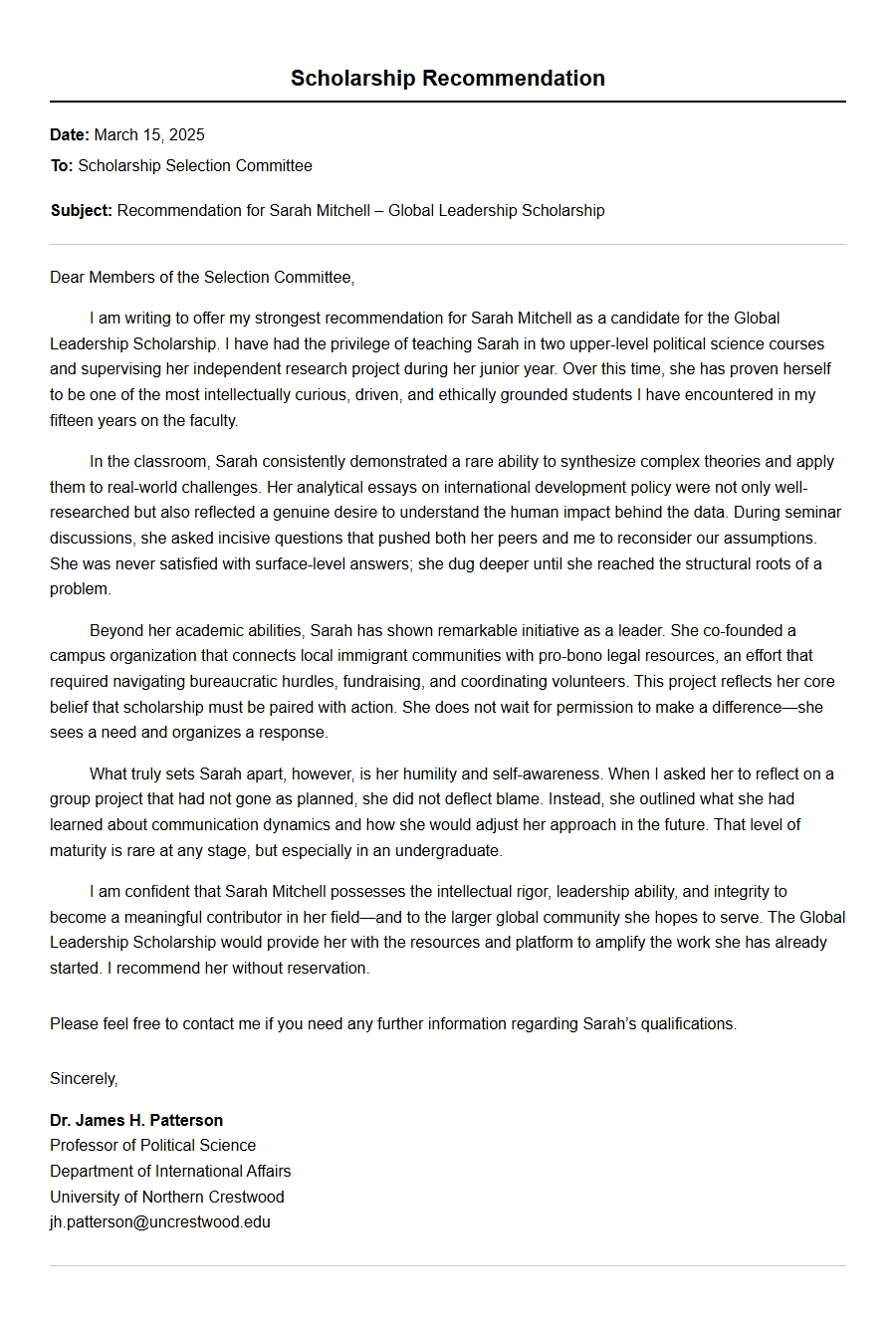 scholarship essay recommendation portion - Recommendation Letters
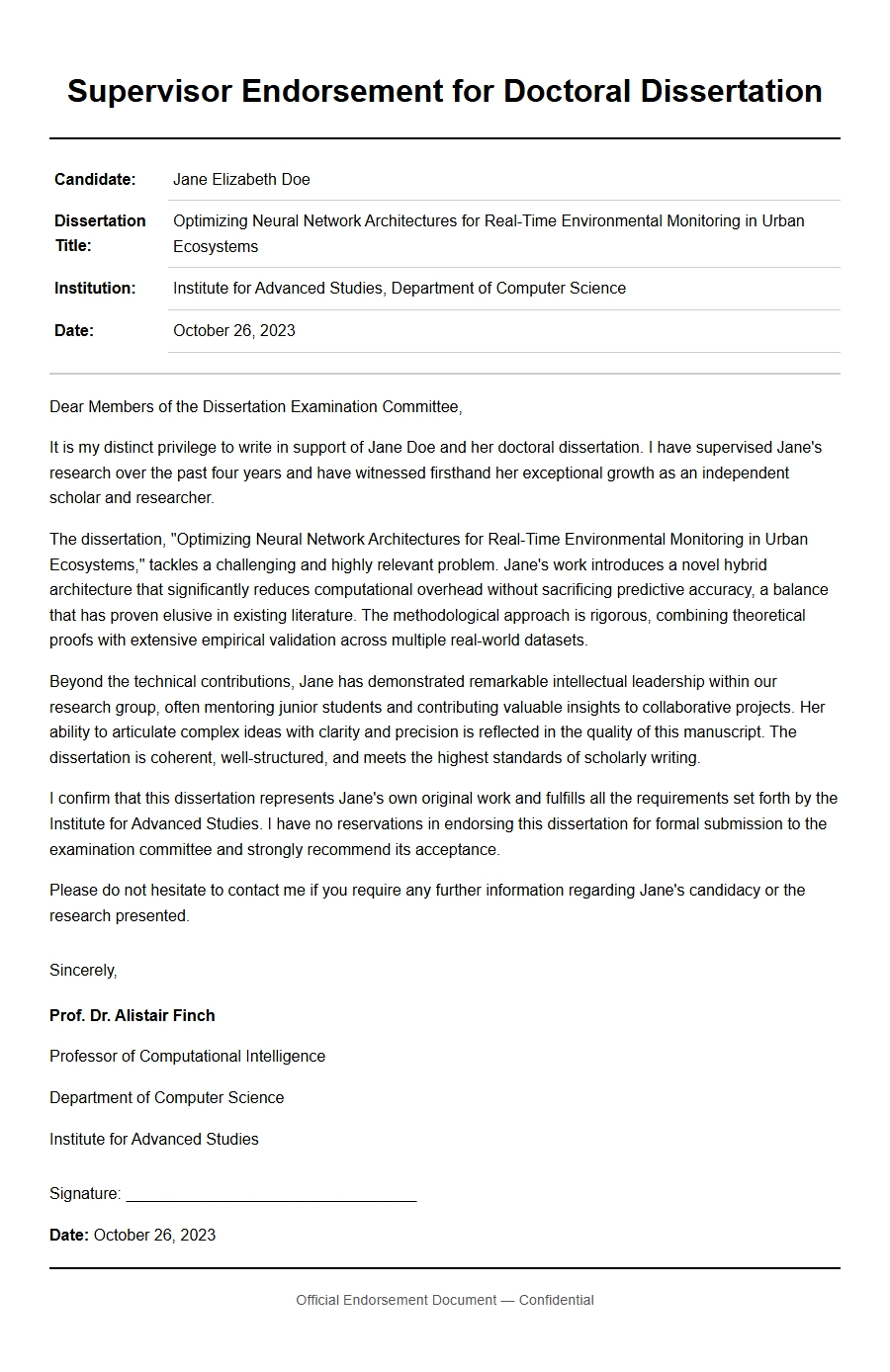 Sample PhD Supervisor Endorsement Letter
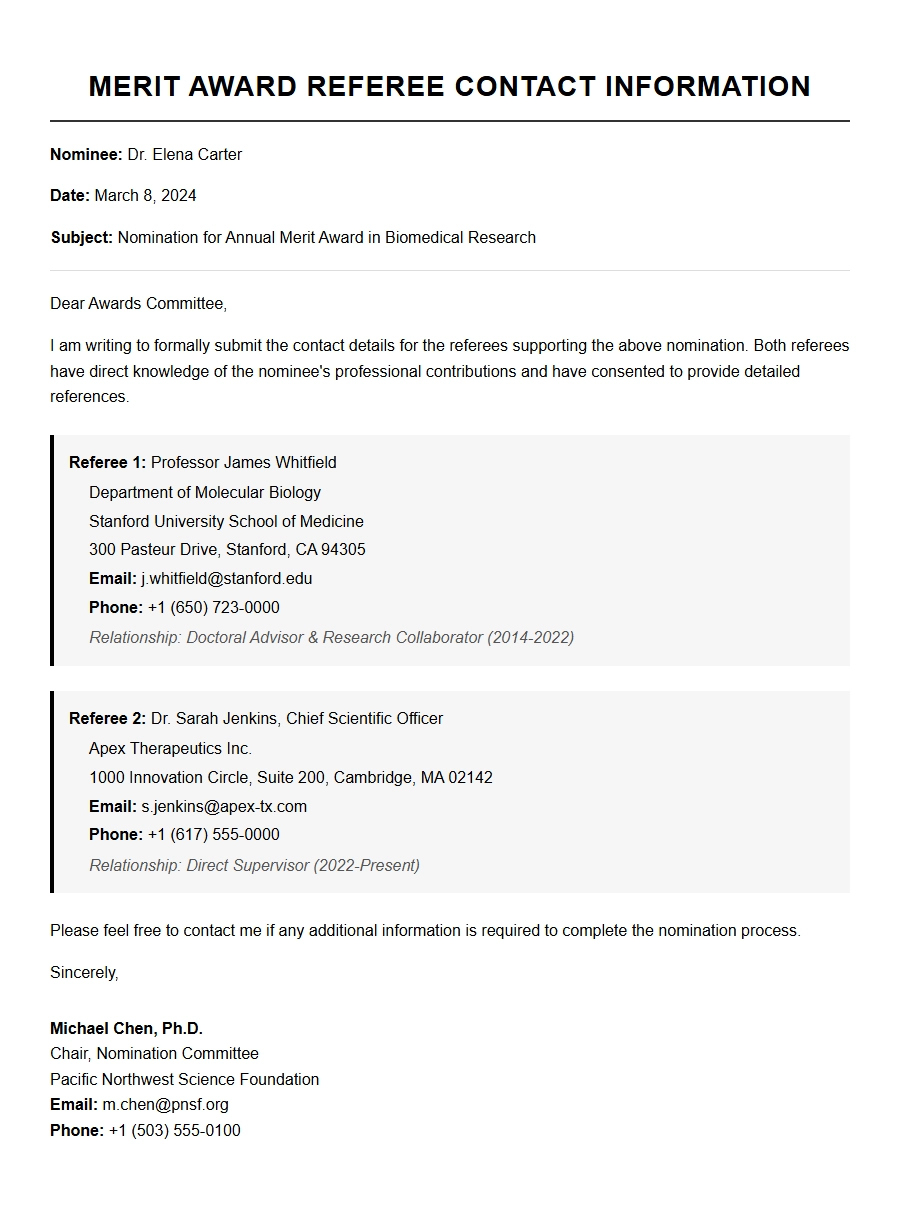 How to Find Your Merit Award Referee Contact Info