You just spent hours at the hospital bedside of a family member, and a friend or colleague took time out of their day to visit. Now you want to send a thank-you note, but the blank page stares back at you. That feeling is completely normal—most people freeze when they need to put gratitude into words.
Using a sample thank-you note isn’t cheating. It’s a smart shortcut. A good template gives you the structure, tone, and key phrases you need, so you don’t have to invent everything from scratch. You still get to add your personal touch—that’s what makes the note genuine.
This type of letter falls under the category of personal thank-you notes, but the same principles apply to many forms of professional correspondence as well.
Why a Sample Isn’t Cheating
When you’re emotionally drained from a family health situation, the last thing you need is to stress over wording. A letter template does the heavy lifting. It handles the letter structure, salutation and closing, and overall tone in writing. You just fill in the details that matter—the name, the specific visit, and how it made you feel.
That’s not lazy. It’s efficient. And it frees you up to focus on the honest gratitude you want to convey. Whether you’re sending a handwritten card or an email, a good sample keeps you from staring at a blinking cursor for twenty minutes.
How to Personalize Without Losing Your Voice
Start by choosing the right sample for the relationship. A note to a close friend should feel casual and warm. A note to a coworker or distant relative needs more formality, though still sincere. Look for a customizable letter that lets you adjust the length and tone.
Then tailor the opening. Instead of a generic “Thank you for visiting,” write something specific: “I really appreciated you stopping by to see Mom last Thursday. She told me later how much your visit lifted her spirits.” That small detail makes the note feel real. It also shows you remember the moment—not just the gesture.
Even with a good template, it’s easy to slip. Watch for outdated salutations like “To whom it may concern” or “Dear Sir or Madam.” Those feel stiff for a personal visit note. Use the person’s name and a warm greeting—“Dear Sarah,” or just “Hi Mark,” depending on your closeness.
Another mistake: ignoring the format. If you’re printing and mailing a note, consider a simple letterhead design or a nice card. If you’re sending an email, use a clear subject line (e.g., “Thank you for visiting Dad”) and keep the body short. Digital letter format still needs a proper opening and closing—don’t treat it like a text message.
Proofreading is non-negotiable. A typo can make the note feel rushed. Read it out loud. Check your spelling of names and dates. You want the reader to feel appreciated, not confused by errors.
Putting It All Together
Here’s a practical flow: pick a sample that matches the tone you need. Swap in the person’s name, the family member’s name, and one specific detail about the visit. Write a closing that feels natural—like “With gratitude” or “Warmly.” Then proofread once, and send it.
If you’re ever stuck, remember that a letter of recommendation or cover letter examples follow similar rules of structure and etiquette. The same formal writing tips apply: be clear, be sincere, and avoid fluff. Even a short note can carry a lot of weight.
For more practice, you can look at how others handle similar situations. A sample thank you for accepting a promotion reference shows how to keep a professional tone while still being personal. That same balance works here.
Remember, the sample is a springboard, not a crutch. With practice, you’ll get faster at writing these notes. The goal is to send something that feels both professional and personal—and that gets easier each time you do it. Your thank-you will mean more because it came from you, not because you used perfect grammar. So start with a good template, add your own story, and hit send or drop it in the mail. You’ve got this.
Ready-to-Use Examples
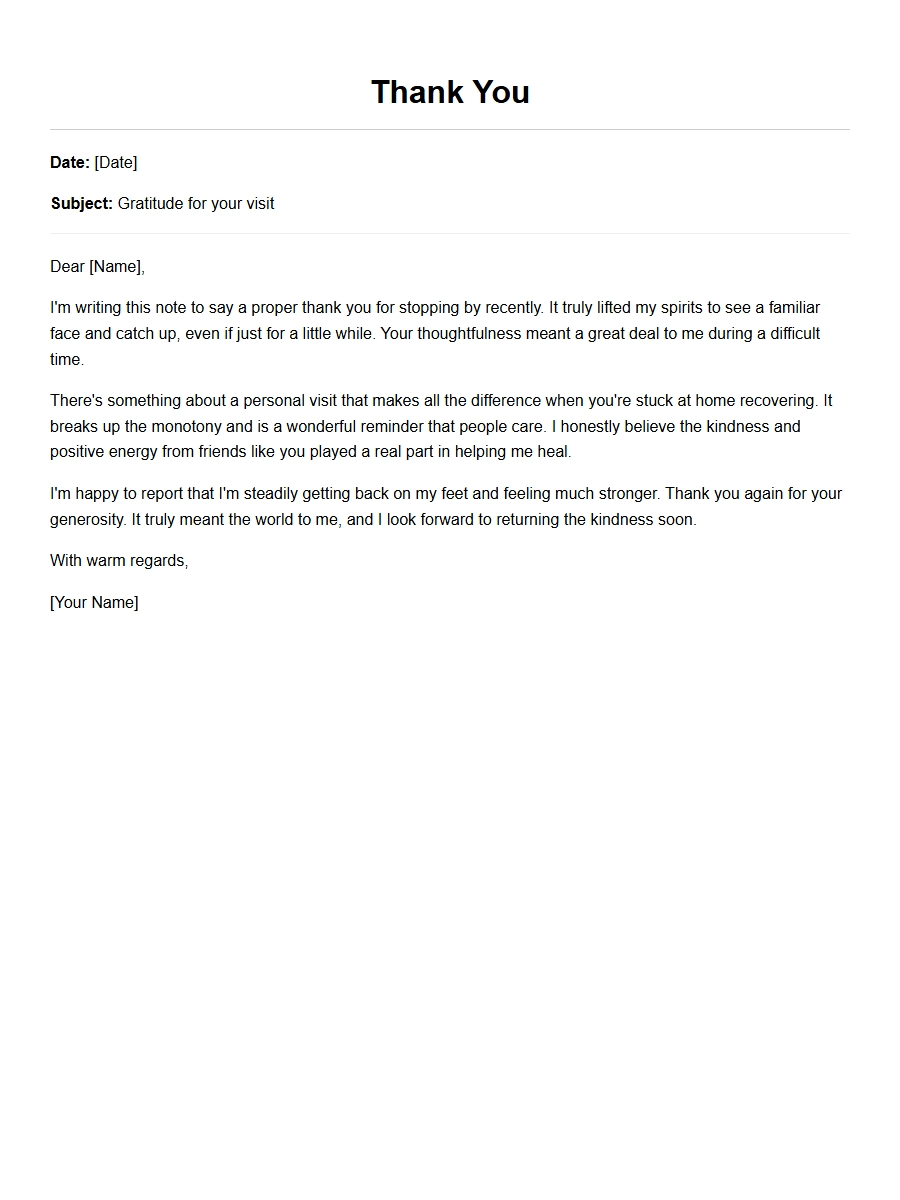
Thank You Note for Visiting a Sick Family Member
Grateful for Your Visit to My Mother
Dear Sarah,
Thank you so much for taking the time to visit my mother at the hospital last Tuesday. Your presence truly lifted her spirits during a difficult week. She told me how much she enjoyed reminiscing about old times with you, and I could see the genuine smile on her face when I arrived later that day.
Your kindness meant more than words can express. Here are just a few ways your visit helped:
You kept her company while I had to step out for an urgent errand
You brought her favorite magazine and a small plant for her bedside table
You listened patiently as she talked about her recovery journey
We are both deeply grateful for your friendship and support. Please know that your compassion does not go unnoticed. If there is ever anything I can do to return the favor, please do not hesitate to ask.
With heartfelt thanks, Emily
Thanks for Visiting My Father at Home
Dear Uncle Mark,
I wanted to send a warm thank you for stopping by to see my father last Sunday. As you know, he has been recovering from surgery at home and gets lonely during the day. Your visit gave him such a welcome distraction and reminded him that he is still very much part of the family.
I especially appreciate that you brought along some of his favorite homemade cookies—he ate three right away! More importantly, you took the time to sit with him and watch the football game, something he has missed doing with others. It meant the world to him.
Your thoughtfulness in reaching out to check on his progress beforehand and then making the long drive over shows how much you care. We are truly blessed to have you in our lives.
Thank you once again for your kindness and generosity of time.
Love, Jessica
Appreciation for Visiting My Brother
Hi Mike,
I can't thank you enough for coming to see my brother Alex in the rehabilitation center last Thursday. He has been struggling with his recovery, and your visit was exactly what he needed. You managed to make him laugh for the first time in days, and I am deeply grateful for that.
Your visit was especially helpful because:
You brought a puzzle book that kept him engaged for hours
You encouraged him to try walking a little further with your support
You updated his friends on his progress, which saved me many phone calls
Seeing Alex smile and chat with you reminded me how important strong friendships are during tough times. Please know that your effort and care have made a real difference in his outlook. If you ever need anything, our family will be there for you without hesitation.
With sincere thanks, Daniel
Thank You for Brightening Grandma's Day
Dear Mrs. Thompson,
I wanted to express my heartfelt gratitude for visiting my grandmother last Friday. She has been feeling quite low since her fall, but your cheerful presence brought a spark back into her eyes. She talked about your visit for days afterward, especially the old photo album you brought along.
It was so kind of you to spend nearly two hours with her, sharing stories and helping her sort through some family pictures. Your patience and warmth truly shone through. I also appreciate that you helped water her plants and adjusted her pillows to make her more comfortable.
Your visit reminded me that community and compassion can heal in ways medicine alone cannot. Thank you for being such a wonderful friend to our family. Please accept this small token of our appreciation—though no gift can truly repay your kindness.
Warmly, Olivia
Gratitude for Visiting My Son in Hospital
Dear James,
My wife and I cannot thank you enough for coming to see our son Ethan at the children's hospital last Saturday. He had been feeling scared and isolated, but your visit completely turned his mood around. You brought his favorite superhero comic and even did a dramatic reading that had the whole room laughing.
Your visit meant so much because:
You gave us a much-needed break to grab a coffee together
You played board games with Ethan for over an hour
You encouraged him to do his breathing exercises, which he had been avoiding
Your ability to connect with him and make him feel normal again is something we will never forget. We are lucky to have such a caring friend in our lives. Thank you from the bottom of our hearts.
With deep appreciation, Tom and Lisa
Thank You for Supporting My Husband
Dear Chloe,
I am writing this note with immense gratitude for your visit to my husband, David, last Wednesday evening. He has been hospitalized for several weeks, and the monotony and worry were taking a toll. Your arrival with a stack of his favorite sci-fi novels and a big smile changed everything.
You stayed until visiting hours ended, discussing everything from work to old travel memories. You also gently encouraged him to eat a little more dinner, which he had been refusing to do. That small act of care meant more than you know.
On behalf of our entire family, thank you for being the kind of friend who shows up when it matters most. Your presence gave David hope and reminded him that he is not alone in this fight. We are forever grateful.
With love and thanks, Maria
Grateful for Your Visit to My Aunt
Dear Ryan,
I wanted to send a sincere thank you for visiting my Aunt Helen at the nursing home last Thursday. She has been recovering from a stroke and often feels forgotten, but your visit truly made her week. She told me how you listened to her stories and even helped her write a letter to an old friend.
Your thoughtfulness in bringing her favorite flowers and a crossword puzzle book was wonderful, but more importantly, you treated her with dignity and respect. You didn't rush; you sat with her for over an hour, and that quiet companionship meant everything.
Our family is deeply touched by your kindness. It is not easy to find the time, but you did, and it has made a lasting difference. Please know that we are here for you as well, anytime.
With heartfelt thanks, Liam
Thanks for Visiting My Cousin in Recovery
Hi Jenna,
I can't thank you enough for visiting my cousin, Mark, at the rehab facility last Tuesday. He has been going through a tough time after his accident, and your visit gave him a huge emotional boost. You brought his favorite board game and spent the afternoon playing and laughing with him.
Your visit had a wonderful impact:
Mark felt more motivated to attend his physical therapy sessions
He finally opened up about his fears, which he had been bottling up
You shared some encouraging news from mutual friends that lifted his mood
Seeing him smile and engage with life again was such a gift. Your compassion and dedication to his well-being are truly inspiring. Thank you for being such an amazing friend and cousin. We are all so grateful for you.
With love, Sophie
Heartfelt Thanks from a Recovering Patient
Dear Aunt Linda,
I am writing this note from my hospital bed, and I want you to know how much your visit last Friday meant to me. Being sick and away from home is lonely, but seeing your familiar face walk through that door was like a ray of sunshine. You brought the homemade chicken soup and the crossword book—exactly what I needed.
We talked for hours, and for the first time in days, I forgot about the pain and the worry. You listened without judgment, laughed with me, and even helped me organize my bedside table. Your warmth and care made me feel loved and less afraid.
Thank you for making the long drive and for giving up your afternoon to be with me. I will never forget this kindness. I hope to repay it someday.
With all my gratitude, Nora
Thank You for Visiting My Co-Worker's Family Member
Dear Team,
On behalf of our colleague, Michael, and his family, I want to express sincere thanks to everyone who visited his father at the hospice care center last weekend. Michael was deeply moved by the outpouring of support from his work family during such a difficult time.
Your visits provided comfort not only to Michael's father but also to Michael and his mother. Here is a summary of the support offered:
Visitor
Date
Kindness Shown
Sarah
Saturday 10 AM
Read poetry, brought tea
Tom
Saturday 2 PM
Helped organize medical papers
Priya
Sunday 11 AM
Stayed with patient while family rested
Each of you gave a piece of your time and heart, and it made a world of difference. Michael asked me to pass along his deepest thanks. Your compassion reflects the best of our workplace community.
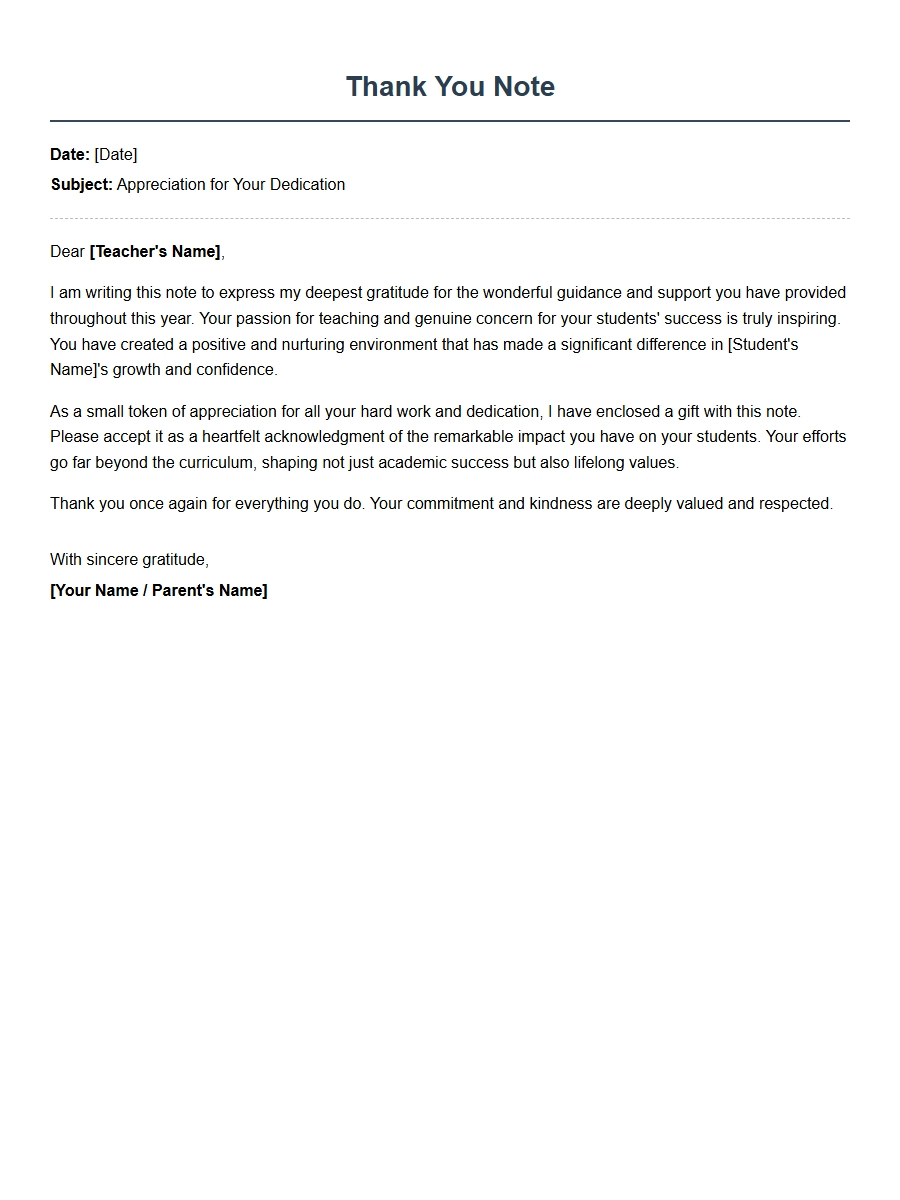 Sample Thank You Note for Teacher Gift
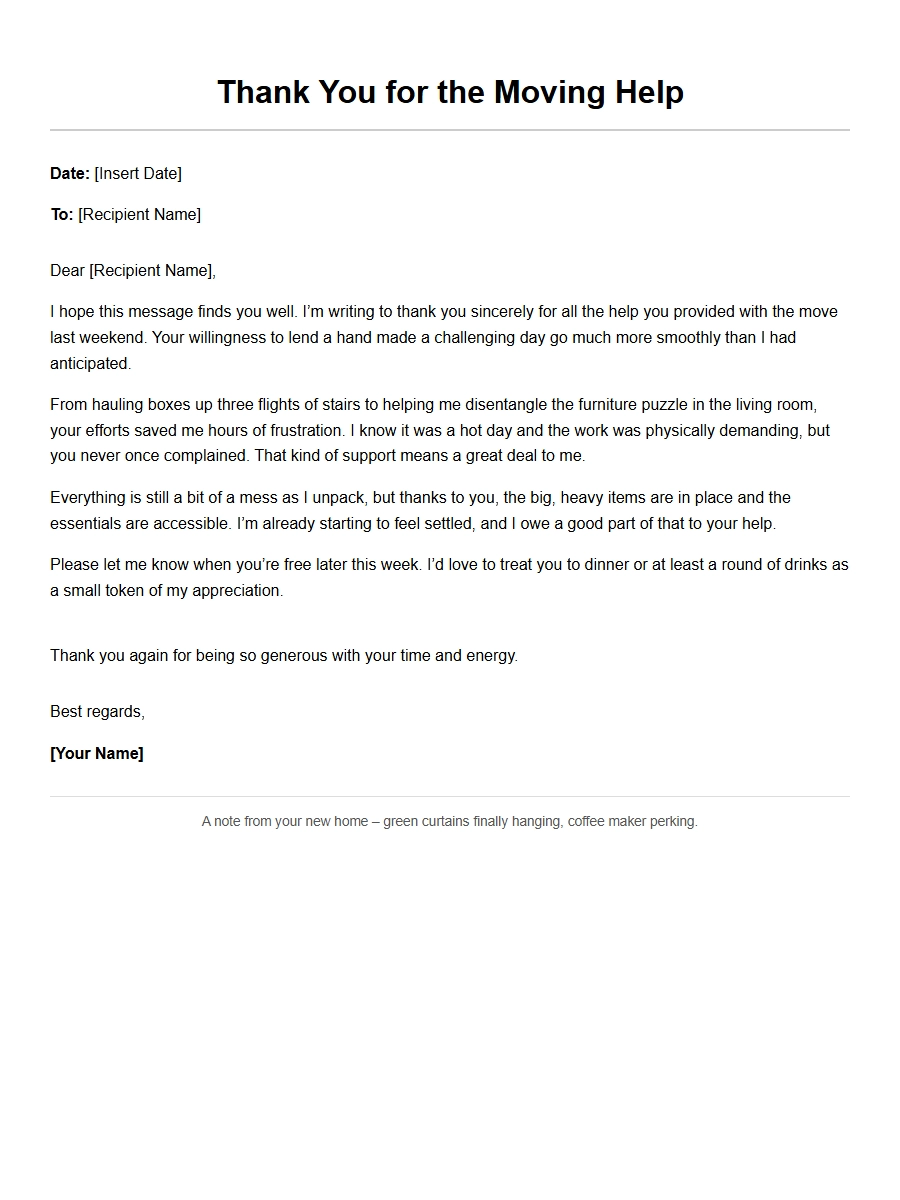 Thank-You Letter for Help with Moving
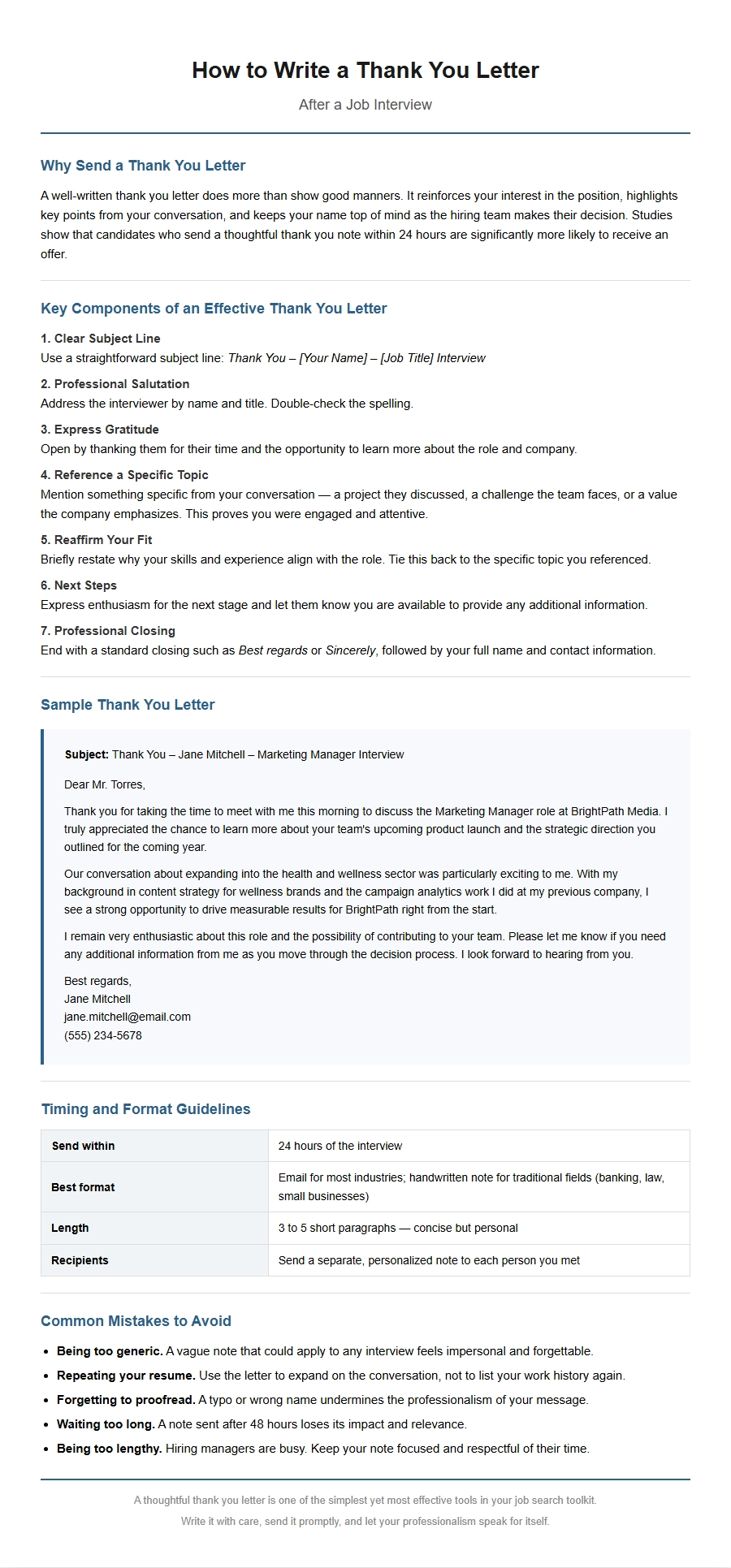 How to Write a Thank You Letter After an Interview
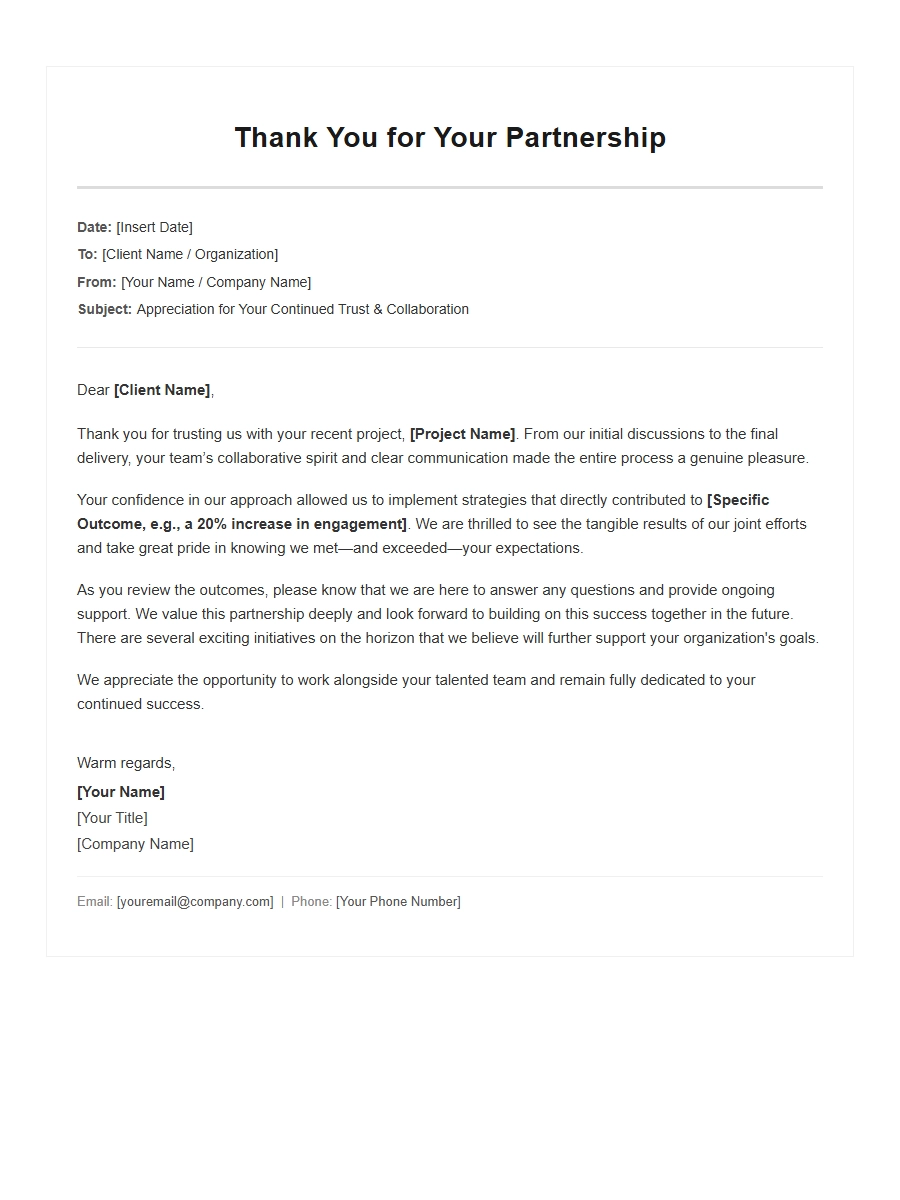 professional thank you email example for client - Thank-You Letters
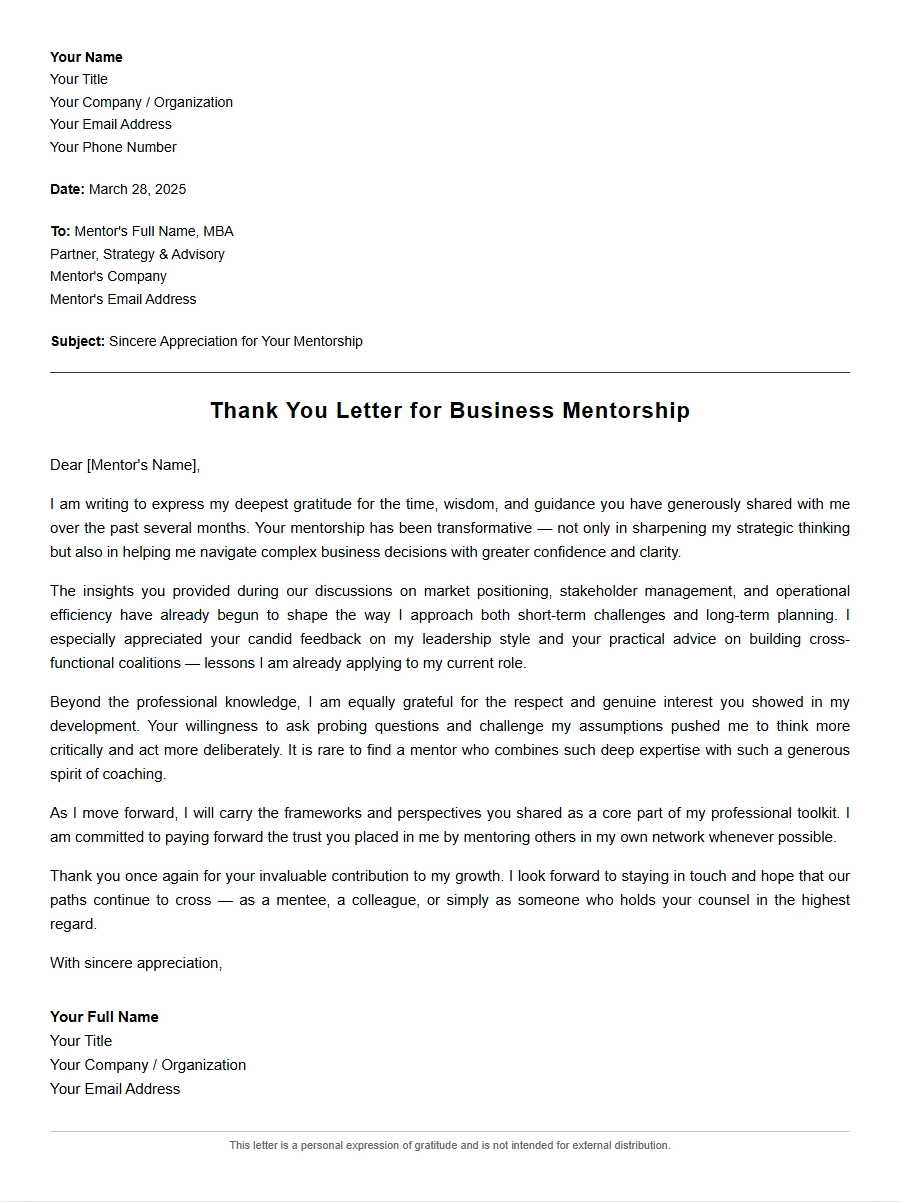 Business Mentor Thank-You Letter Guide
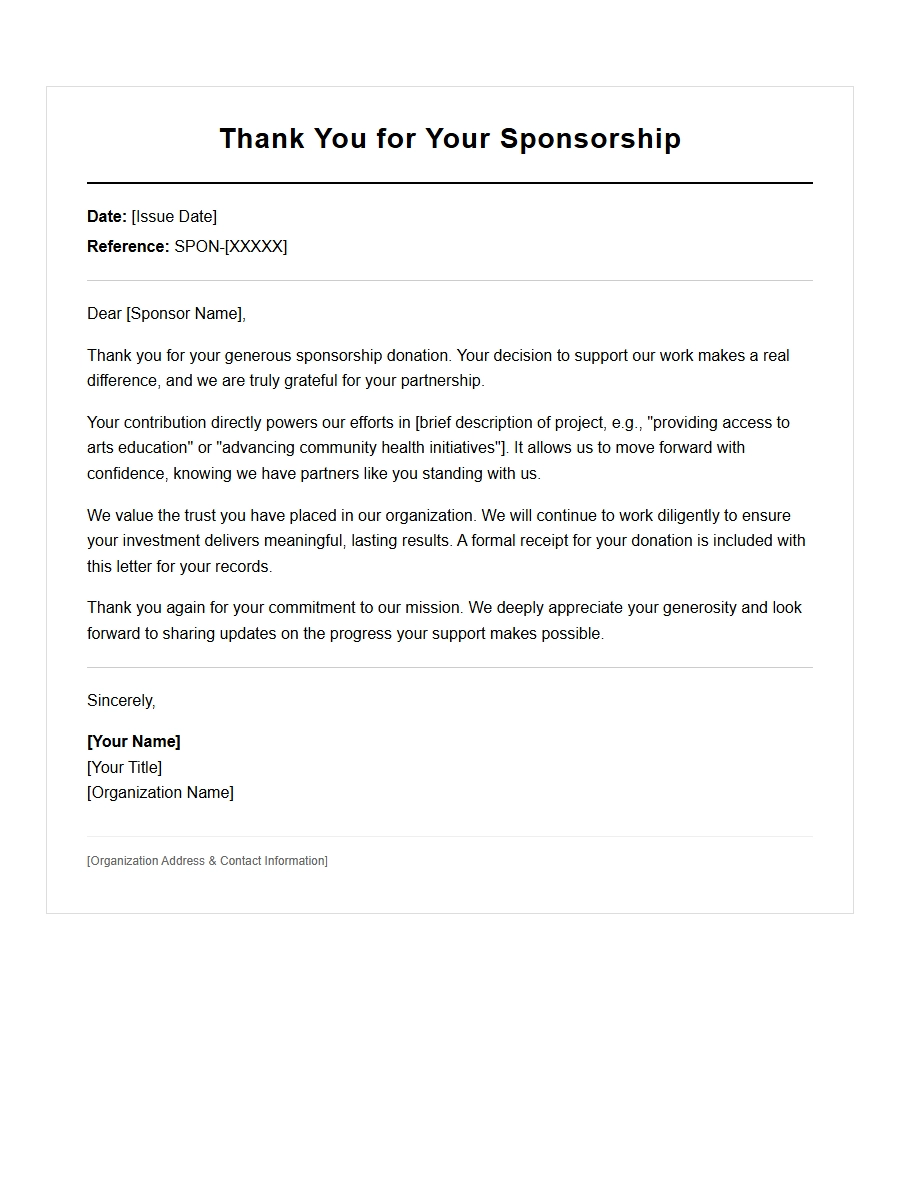 Thank You Letter for Sponsor Donation