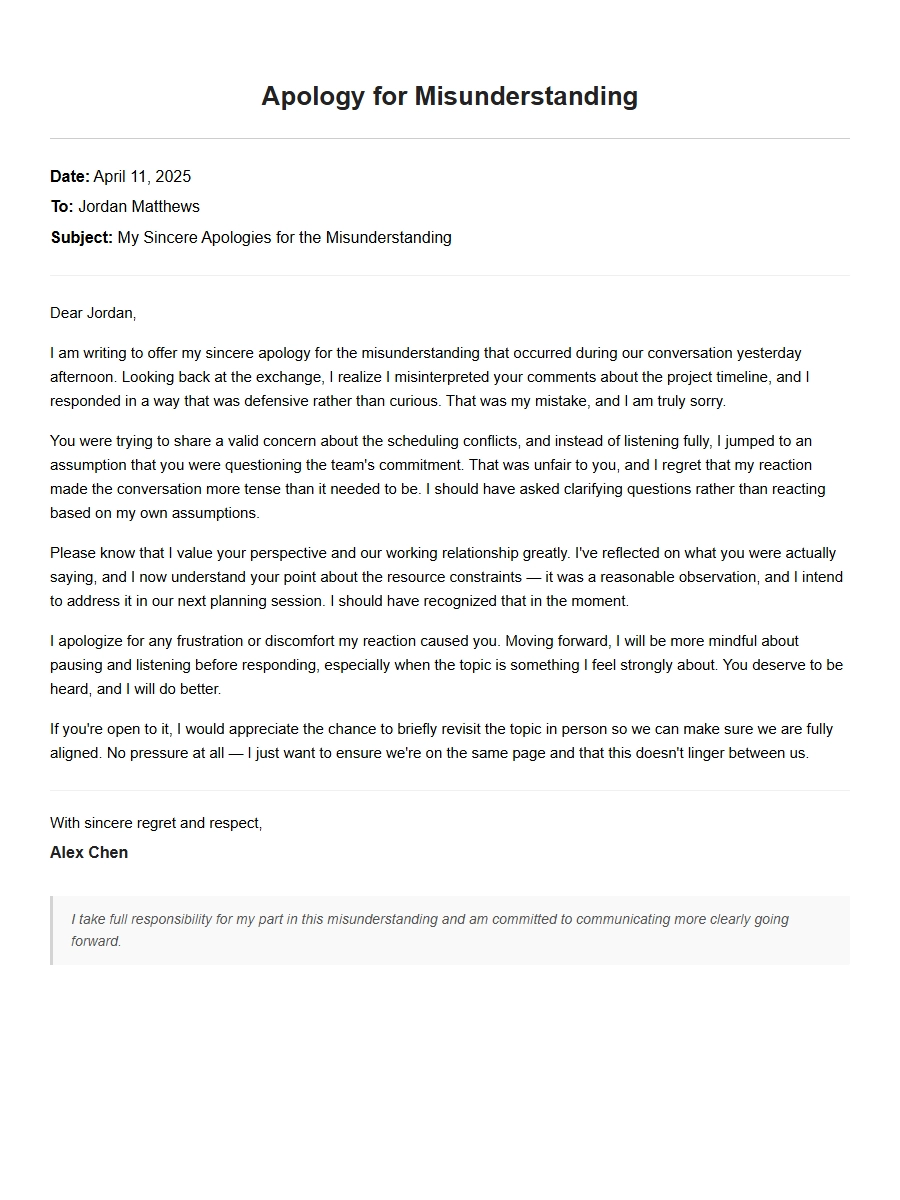
You need to send a sincere apology for a misunderstanding, but every draft sounds defensive or robotic. That blank page feels like an accusation. Maybe you misread an email, or someone took your casual tone the wrong way. Either way, you want to mend things without making it worse. That’s where a good sample email becomes your best friend.
Using a letter template isn’t cheating. It’s a smart shortcut. Samples give you the right structure, the appropriate tone, and key phrases you might forget when you’re stressed. Professional correspondence doesn’t require reinventing the wheel. A well-chosen template lets you focus on making the message personal and honest.
Category: Professional Correspondence
What a sincere apology for misunderstanding email should include
First, name the misunderstanding directly without blaming the other person. Say something like “I realize my earlier email came across as dismissive, and I’m sorry for that.” Then explain briefly what you intended, but don’t over-explain. Focus on their feelings, not your defense.
The best apology emails follow standard business letter format: a clear subject line (e.g., “Apology for misunderstanding – [Project Name]”), a proper salutation (use their name, not “To Whom It May Concern”), the apology, a short explanation, and a forward-looking statement. End with a warm closing that leaves the door open for a conversation.
How to choose the right sample for your situation
Are you apologizing to a client, a coworker, or a friend? The tone changes. For professional correspondence, keep it formal but warm. Avoid overly stiff phrases like “I hereby apologize” unless you’re writing a formal grievance letter. For a colleague, a slightly lighter tone works, but still avoid jokes.
If you’re unsure, look for letter writing etiquette guides that break down when to use “Dear” versus “Hi.” Also consider the digital letter format: email apologies should be shorter than printed letters, and you can skip the letterhead design unless it’s a formal company letter. Remember, salutation and closing set the stage. A mismatched tone is a common mistake.
Adapting a sample without losing your voice
Take the skeleton of a template, then swap generic phrases with your specific words. For example, if a sample says “I regret any confusion,” you might say “I’m genuinely sorry I didn’t clarify earlier.” Customizable letter templates give you a starting point, but your own voice makes the apology real.
One quick tip: revise the opening paragraph to show you’ve thought about the recipient’s perspective. “I imagine my email left you frustrated, and that was never my intention” is stronger than a generic “I apologize for the misunderstanding.”
Common mistakes to avoid in apology emails
Using outdated salutations like “Dear Sir” when you know their name. Ignoring the difference between email and printed apology letter formats — email needs a clear subject line and shorter paragraphs. Forgetting to proofread the letter. A typo in an apology can make you look careless. Always run a spell-check, and if the situation is serious, ask a trusted friend to read it.
Another slip: focusing too much on your side of the story. An apology isn’t a cover letter for your intentions. It’s about the other person’s feeling of being heard. Similarly, don’t use a letter of recommendation format by accident — stay on message.
When to use a more formal approach
If the misunderstanding happened in a high-stakes setting (like an important client or a performance review), consider borrowing formal writing tips from business letter examples. Use standard letter structure, avoid slang, and keep the tone respectful. In those cases, a resignation letter sample might even offer a good model for humility and professionalism — just adapt the content.
For personal misunderstandings, like a miscommunication with a family member, you can soften the language. Check out examples of admitting mistakes in personal correspondence to see how tone shifts.
Turning the apology into a positive next step
After you apologize, suggest a quick fix or a follow-up. For instance, “I’d like to hop on a call to clarify the details — would tomorrow morning work?” That shows you’re committed to fixing the issue, not just clearing your conscience.
Sometimes a misunderstanding stems from an unclear invitation or message. If you’re also planning future communication, you might look at how to write an invitation to a housewarming party or a hosting open house invitation draft — both can teach you about setting clear expectations from the start.
Practice makes the process faster
Don’t expect your first apology email to be perfect. The more you write professional correspondence, the easier it becomes. Use samples as a springboard, not a crutch. Let the structure guide you, but let your own words carry the sincerity. Next time you need to apologize, you’ll know exactly where to start.
I am writing to sincerely apologize for the misunderstanding about our lunch plans last Saturday. I realize now that my message about needing to reschedule came across as dismissive, which was never my intention. I deeply value our friendship and feel terrible that you felt I was blowing you off.
To clarify, here is what happened:
I had a family emergency that morning.
I tried to call but you were unavailable.
I left a brief text, assuming you would understand.
I should have explained right away instead of rushing. Please know that I cherish our time together and I never meant to hurt you. I hope we can talk soon and clear this up. Can I make it up to you with lunch this weekend?
With warm regards, [Your Name]
Apology to a Family Member
Dear Mom,
I owe you a sincere apology for my harsh words during our call yesterday. I was stressed about work and completely misinterpreted your advice as criticism. I am truly sorry for snapping at you and for the misunderstanding.
I have since re-read your messages and I see now that you were only trying to help. Below is what I want you to know:
What I thought you meant
What you actually meant
That I was failing
That you believed in me
That I should give up
That I should take a break
I appreciate your patience and love. Let me call you tonight to make things right.
With love, [Your Name]
Apology to a Romantic Partner
My love,
I am writing this because I cannot stop thinking about the misunderstanding we had yesterday evening. When you said you wanted to spend the weekend with your friends, I reacted poorly because I thought you were avoiding me. I realize now that you were just asking for a little space, not pulling away.
I am sorry for jumping to conclusions and for the cold silence that followed. Here is my honest reflection:
I felt insecure and let that cloud my judgment.
I should have asked you to explain rather than assume.
I never want to make you feel guilty for having your own plans.
You mean the world to me, and I promise to communicate better. Would you like to talk about it over coffee tomorrow?
Yours, [Your Name]
Apology to a Neighbor
Hello [Neighbor's Name],
I want to sincerely apologize for the misunderstanding regarding the fence repair. When I mentioned I would handle it, I meant that I would arrange the contractor—not that I expected you to pay half without notice. I realize my wording was unclear and caused confusion.
To set things straight, here is the situation:
I will cover the full cost of the repair.
The work is scheduled for next Tuesday.
I will notify you in advance if any noise occurs.
I value our neighborly relationship and regret any stress I caused. Please let me know if you have any concerns. Thank you for your understanding.
Best regards, [Your Name]
Apology to a Former Friend
Dear [Name],
It has been some time since we last spoke, and I have been reflecting on the argument that ended our friendship. I now understand that my comment about your career choice was taken as an insult, but it was a clumsy attempt to show concern, not a dig. I am deeply sorry for the misunderstanding and for not reaching out sooner.
I want to acknowledge my part:
My mistake
How I should have said it
Phrasing it as "you could do better"
"Are you happy with your current path?"
Not apologizing immediately
Admitting my poor choice of words
I miss our friendship and would like the chance to make amends if you are open to it. No pressure, just heartfelt regret.
Sincerely, [Your Name]
Apology for a Misunderstood Text
Hey [Name],
I am so sorry about the text I sent last night. I realize that without emojis or tone, my words came across as sarcastic when I was actually trying to be supportive. It was a complete misunderstanding on both sides.
Let me be clear:
I did not mean to dismiss your feelings.
I was trying to say "I understand" but failed.
I should have called instead of texting.
I feel terrible that you thought I was mocking you. You are one of the kindest people I know, and I value your trust. Can we talk soon to clear the air?
With sincere apologies, [Your Name]
Apology for Overreacting
Dear [Name],
I am writing to apologize for my overreaction to your comment about my new job. I misread your tone and thought you were downplaying my achievement, but I now see you were simply asking a question. My defensive response was uncalled for.
Here is what I want you to know:
I have been under a lot of pressure lately, which is no excuse.
Your words were actually supportive, and I twisted them.
I am working on managing my emotions better.
I am truly sorry for the tension I caused. Please give me a chance to make it up to you over dinner.
Thank you for your patience, [Your Name]
Apology for a Misunderstanding at a Gathering
Dear [Name],
I want to apologize for what happened at the barbecue last Saturday. When I saw you talking to my ex, I assumed you were gossiping about me, and I gave you the cold shoulder the rest of the evening. I later learned you were actually defending me. I feel awful.
I realize now I let jealousy get the best of me. Please accept my sincere apology for the misunderstanding and my rude behavior. You are a good friend and did not deserve that.
To make things right:
I will apologize in person as well.
I will be more trusting in the future.
I hope we can laugh about it someday.
With regret, [Your Name]
Apology for a Financial Misunderstanding
Dear [Name],
I owe you a sincere apology regarding the money I borrowed last month. When you mentioned my repayment timeline, I thought you were implying I was irresponsible, and I reacted defensively. I now understand that you were simply asking for clarity, not accusing me.
To clear up the confusion, here is a summary:
Amount borrowed
Original deadline
New plan
$200
June 1
June 15 (due to unexpected expenses)
I will stick to this new date and keep you updated. I value your generosity and am sorry for the misunderstanding. Thank you for being understanding.
Best, [Your Name]
Apology for a Misunderstood Joke
Hey [Name],
I am so sorry about the joke I made during the game night. I thought we had the kind of humor where anything goes, but I clearly crossed a line. Your reaction made me realize that what I said about your cooking was taken as a genuine criticism, not a silly tease.
It was never my intention to hurt you. Here is what I learned:
Not everyone appreciates sarcasm in the same way.
I should read the room better.
I care more about your feelings than being funny.
Please accept my heartfelt apology. I hope you can forgive me. Next time, I will keep the jokes light and positive.
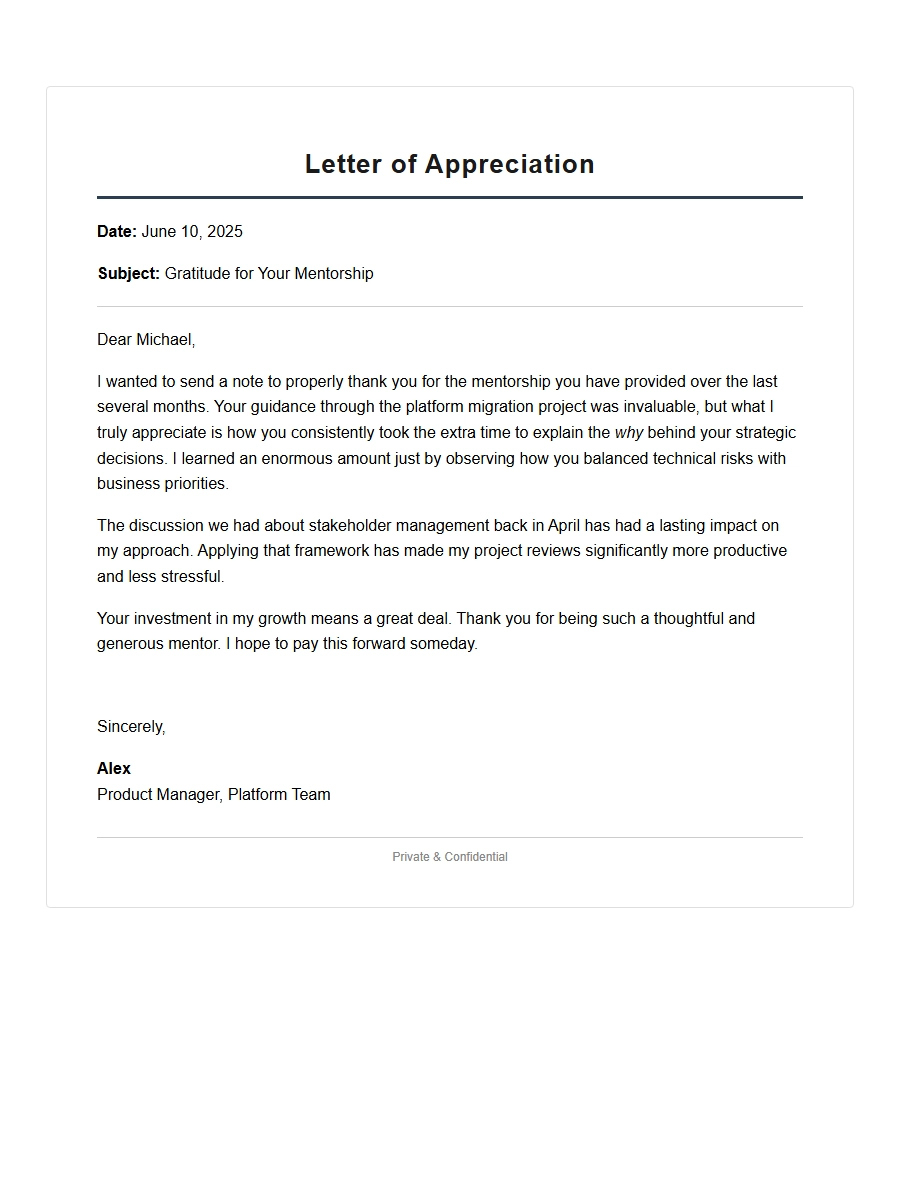 Thanking a Mentor for Guidance: Sample Messages
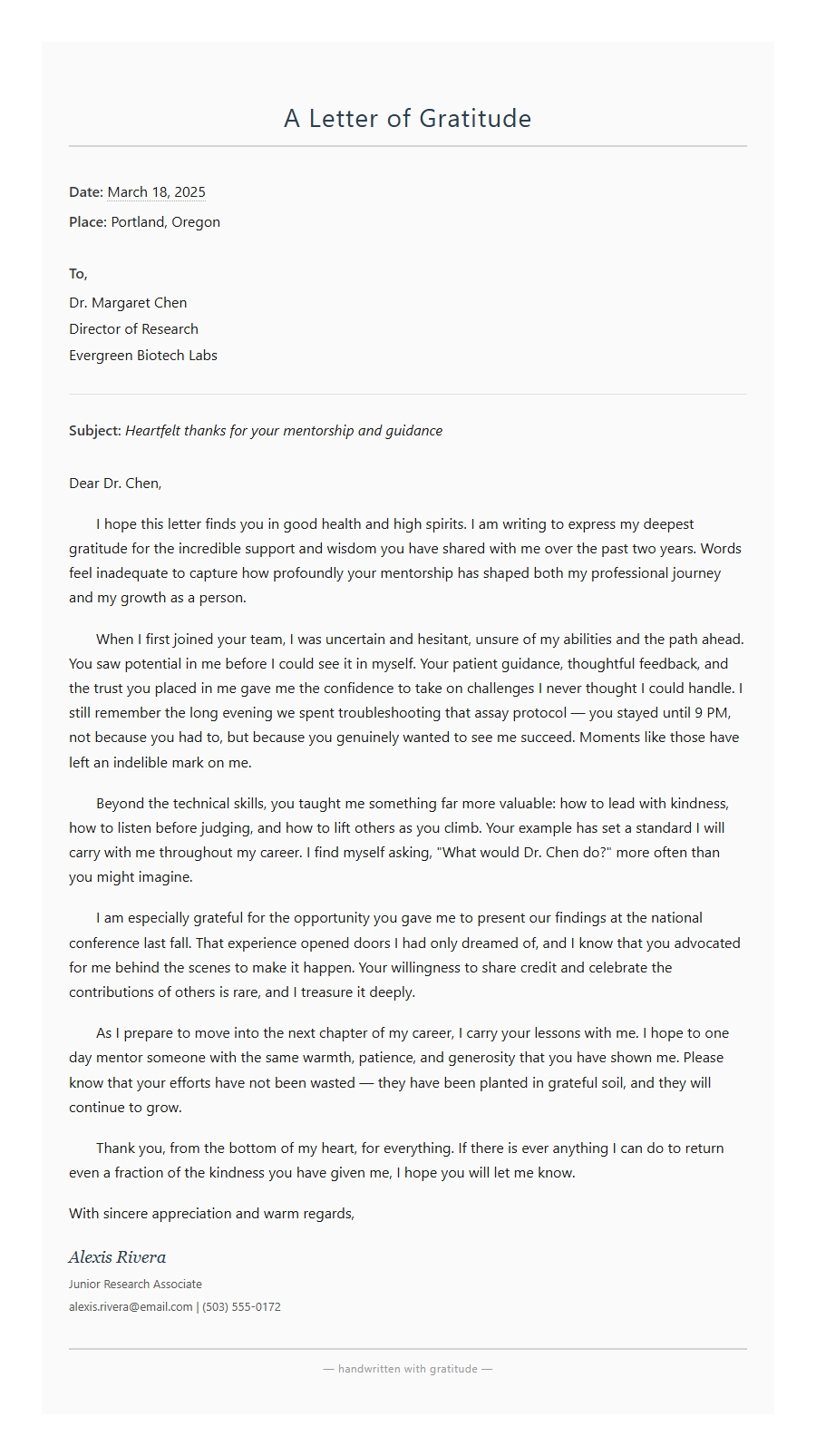 Expressing Gratitude: Handwritten Letter Example
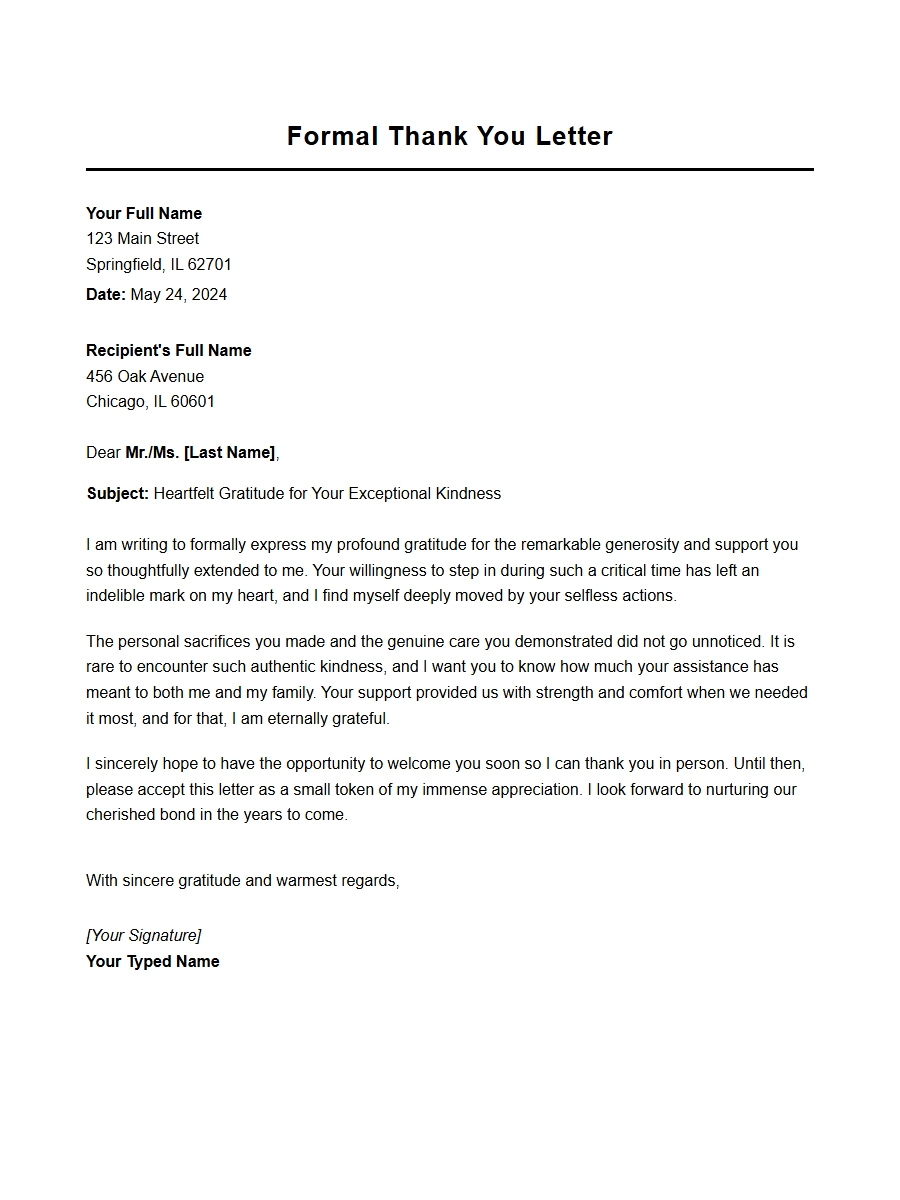 Expressing Thanks in a Formal Personal Letter
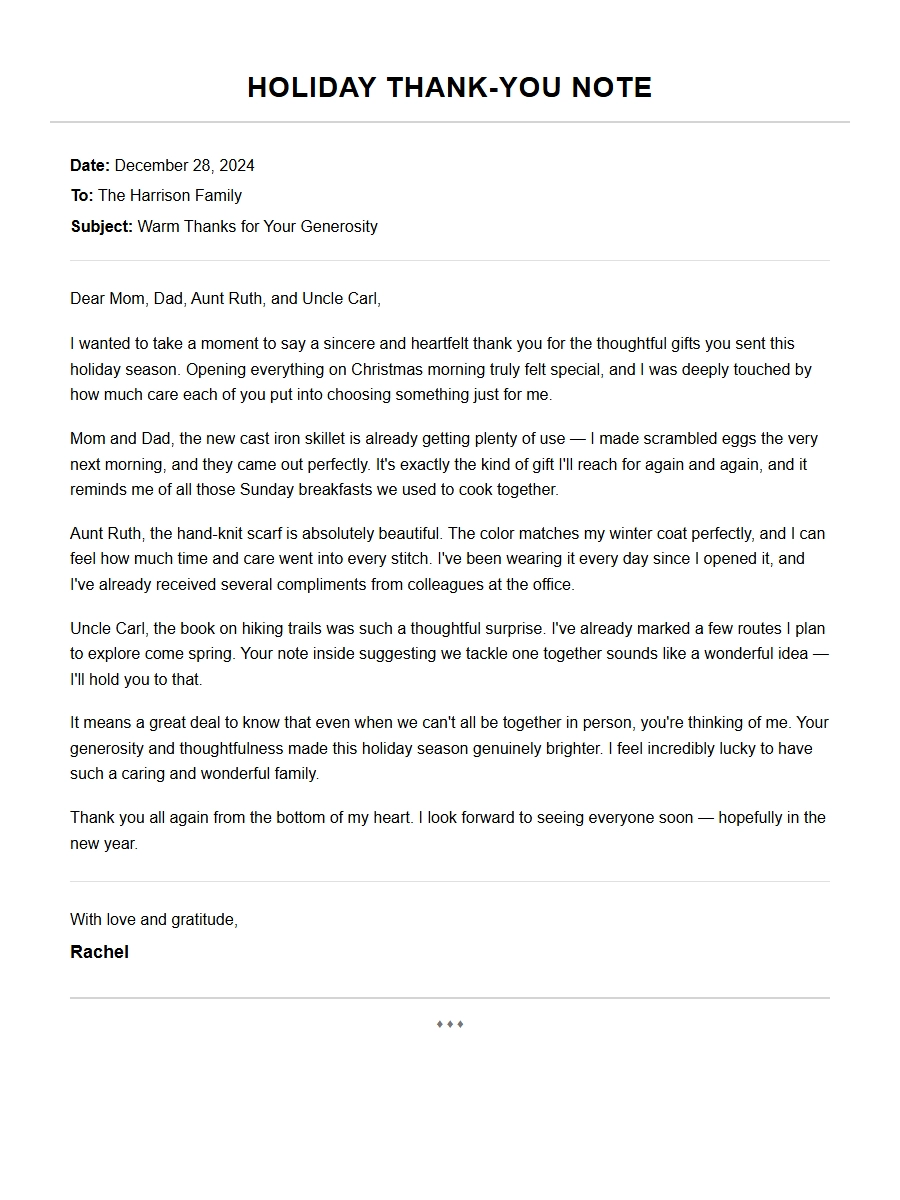 Thank You Letter Examples for Family Holiday Gifts
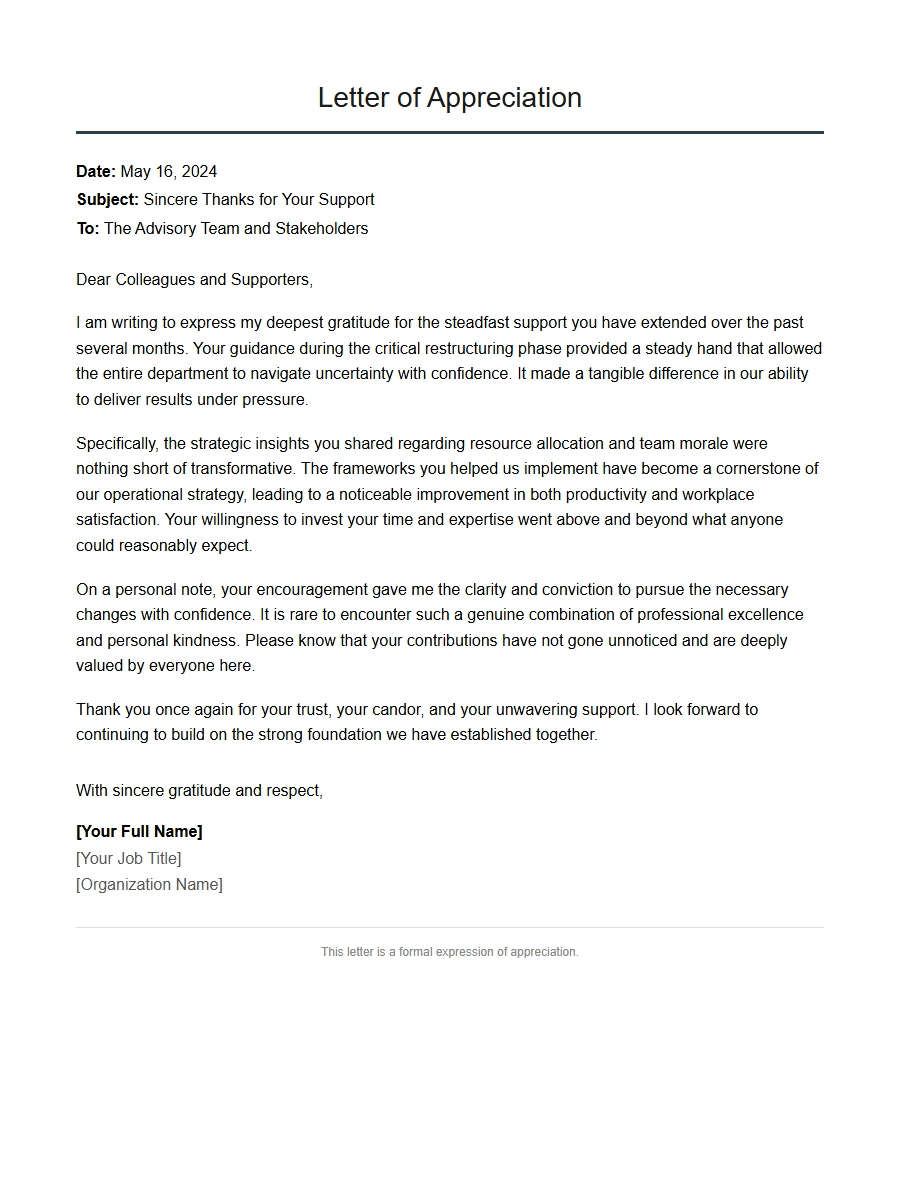 Sample Thank You Letter for Support
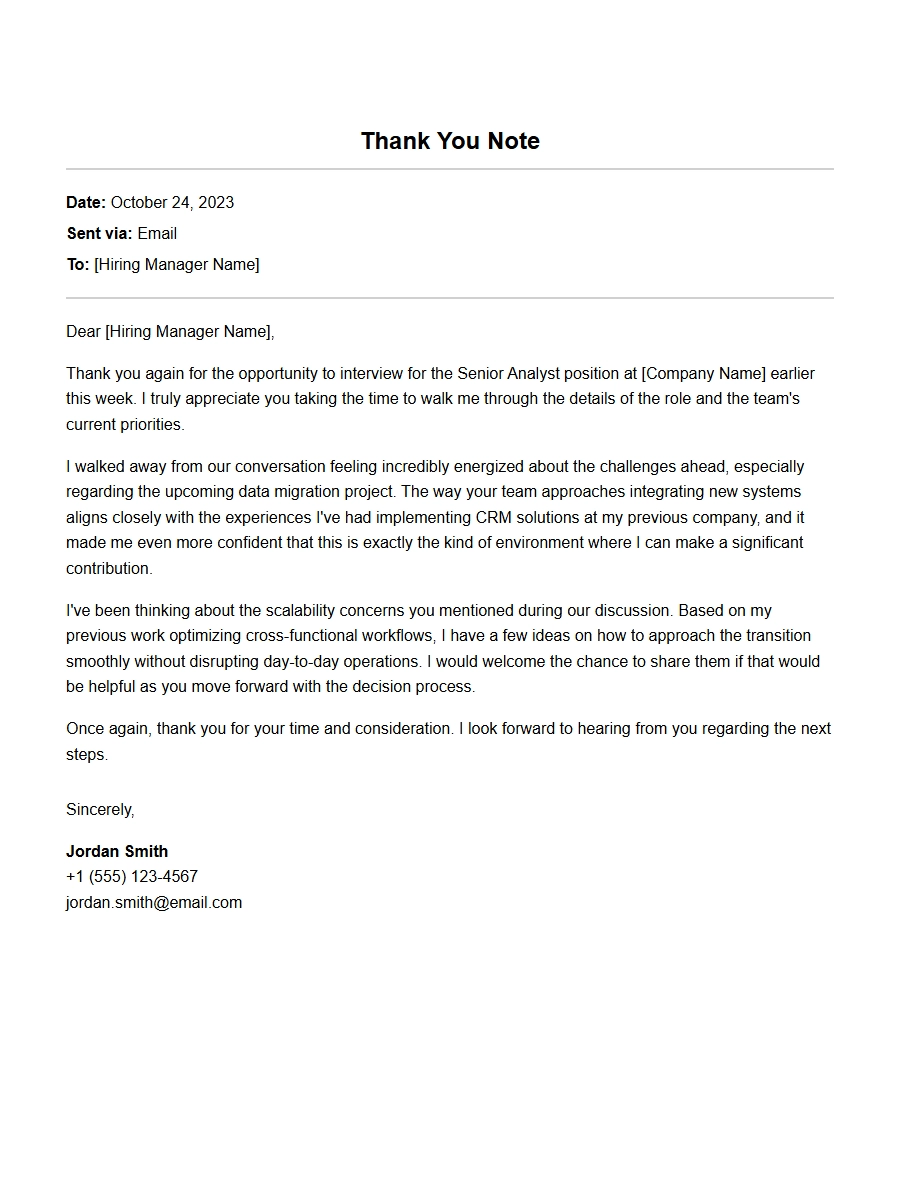 How to Write a Personal Thank-You Note After an Interview