Staring at a blank page when you need to write a professional note for completing certification training can feel paralyzing—but the right sample turns that anxiety into a confident, polished draft in minutes. Whether you’re thanking a trainer, updating your boss, or adding a formal record to your file, having a template keeps you from second-guessing every word.
Why a sample isn’t cheating—it’s smart
Using a letter template for your certification completion note saves time and gives you a proven structure. Professional correspondence relies on clear formatting, appropriate tone, and key phrases that convey respect and competence. A good sample handles all that so you can focus on personalizing the content. Think of it as a starter house: the foundation is solid, but you paint the walls and choose the furniture.
What is a professional note for completing certification training?
It’s a short, formal or semi-formal document you send after finishing a certification program. You might write it to your employer, a client, a professional association, or the training provider. The purpose can be to thank the instructor, notify your manager of your new credential, or update your LinkedIn summary in writing. The tone depends on your audience—a note to your boss can be brief and direct, while one to an external mentor should lean more formal.
No matter the recipient, the note acknowledges the effort, expresses gratitude, and often includes the certification name and date. It’s a small gesture that builds goodwill and demonstrates professionalism. For example, after passing a Certified ScrumMaster course, you might write: “Thank you for the excellent training. I’ve already applied the sprint planning techniques to our current project.”
When do you need one?
You’ll need this note right after you receive your certificate. Some training programs provide a template, but many don’t. Common situations include:
Thanking the instructor or training organization for a valuable experience.
Announcing your new certification to your manager or HR department so they can update your file or discuss a raise.
Writing a short cover letter to accompany your certificate when submitting it to a licensing board or employer.
Creating a record for your own portfolio—especially useful if you freelance or consult.
How to adapt a sample without sounding fake
The trick is to start with a reliable business letter format. Use a clear subject line if email, or a proper heading if printed. A typical structure includes: salutation, opening that states the purpose (e.g., “I am writing to formally notify you of my completion of the XYZ certification”), a brief reflection on what you learned, and a closing with next steps or appreciation.
Don’t copy every word. Swap generic phrases for your own experience. Instead of “I gained valuable insights,” say “The module on risk management changed how I handle project deadlines.” That authenticity makes the letter feel human. Salutation and closing matter: “Dear [Name]” with a colon for formal, or a comma for semi-formal. End with “Sincerely” or “Best regards,” never “Cheers” in a corporate setting unless you know the recipient well.
One common mistake is ignoring the digital letter format. If you’re sending by email, skip the letterhead design and just use a simple signature block. For printed letters, include your contact details and date. Also avoid outdated salutations like “To Whom It May Concern” when you can find a specific name.
Category: Professional Correspondence Templates
Tailoring the opening paragraph to grab attention
The first sentence should be direct and specific. For a manager: “I’m pleased to inform you that I completed the six-month Cybersecurity Certification training on March 15.” For a trainer: “Thank you for leading such an engaging certification program.” Avoid vague openings like “I am writing this letter to say…” It wastes words. Jump straight to the point. If you’re uncertain about the tone, read it aloud. Does it sound like you? If not, tweak until it does.
Mistakes to avoid
Using a one-size-fits-all template without personalization. A generic letter feels lazy. Add a specific example from the training.
Forgetting proofreading letter for small typos. A certification note must reflect your attention to detail. Read it twice, then ask a colleague to scan it.
Choosing the wrong level of formality. When in doubt, err on the side of slightly more formal. You can always soften later.
Ignoring the context. If you’re attaching the note to an email, keep it brief. If it’s a standalone letter to an external body, include your full contact info and the certification number.
Sometimes the note is part of a larger professional correspondence, like a scholarship thank-you letter if the certification was funded. Or it could mimic the structure of a thank-you note to a service provider, but with more technical detail. If you’re writing to someone who helped you financially, a loan repayment thank-you note can guide your tone of gratitude. For a broader audience, such as wedding guests who contributed to your training fund, see these wedding guest thank-you templates. And if a concierge or assistant arranged your training session, a note like thanking a concierge shows similar courtesy.
Make the sample your springboard
The best professional notes feel both competent and personal. A sample gives you the skeleton; you bring the heartbeat. After you finish one or two of these notes, the process becomes faster. The next time you earn a certification, you’ll know exactly what to write. So grab a template, adapt it with your voice, and send it. That blank page will feel like an old friend.
Useful Formats
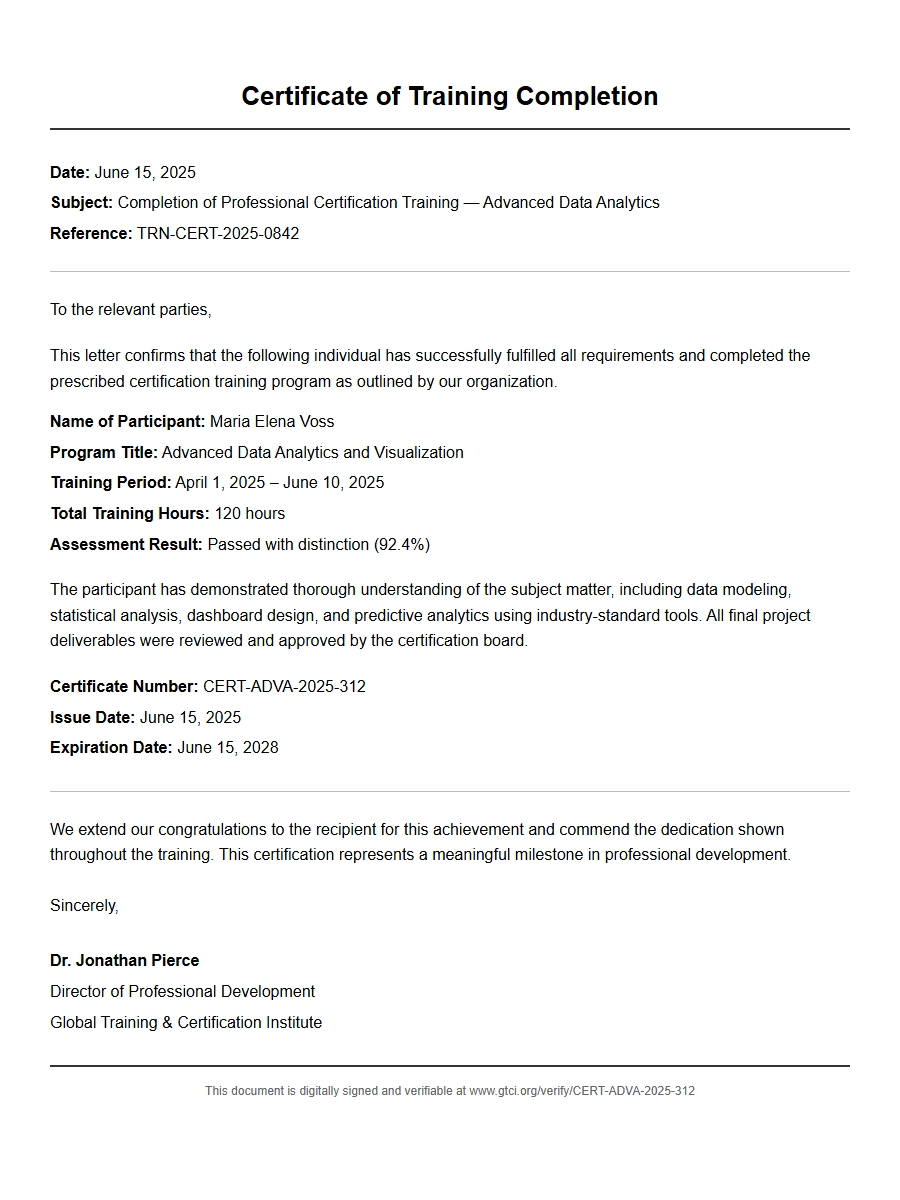
Thank You for Completing Certification Training
Heartfelt Appreciation to the Instructor
Dear Instructor,
I am writing to express my sincere gratitude for your outstanding guidance throughout the Advanced Project Management Certification training. Your ability to break down complex concepts into actionable insights made the learning process both effective and enjoyable. The real-world examples you shared during the weekly sessions gave me a deeper appreciation for the practical side of project governance.
Specifically, I found the following aspects particularly valuable:
Your interactive approach to risk management simulations
The detailed feedback on our capstone project proposals
The extra resources you provided on agile methodologies
Thanks to your mentorship, I passed the final exam with confidence and have already applied earned value management techniques to my current project. I look forward to staying in touch and hope to attend future workshops you facilitate.
Warm regards, [Your Name]
Thank-You to Management for Supporting Certification
Dear [Manager’s Name],
I want to thank you from the bottom of my heart for approving my enrollment in the Certified Cybersecurity Analyst program. Your trust in my professional growth means a great deal, and I am delighted to report that I have successfully completed all modules and earned the certification.
During the training, I focused on areas that directly benefit our team:
Module
Application at Work
Threat Intelligence
Enhanced our vulnerability scanning process
Incident Response
Reduced average response time by 15%
Compliance Frameworks
Aligned our protocols with NIST standards
I am committed to leveraging this new knowledge to strengthen our security posture. Thank you again for investing in my development.
Sincerely, [Your Name]
Gratitude to Colleagues Who Covered My Workload
Hi Team,
I’m writing a quick note to say a huge thank you for covering my responsibilities while I was completing the Lean Six Sigma Black Belt certification training. Your willingness to step in during my absence made all the difference—I could focus entirely on the coursework without worrying about pending tasks.
I especially appreciated:
Sarah for handling the client presentations last week
Mark for managing the data migration sprint
Everyone who attended the extra stand-up meetings
Now that I’m certified, I’d love to share some process improvement techniques that could help us streamline workflows. I’ll schedule a knowledge‑share session next month. Thank you once more for your support—it truly embodies the collaborative spirit of our department.
Best, [Your Name]
Appreciation to Training Provider
To the Training Team at [Provider Name],
I recently completed the Certified Data Professional program, and I wanted to extend my sincere appreciation for the seamless experience. From the registration process to the final examination, every detail was handled professionally.
Highlights of my experience include:
User‑friendly learning management system with 24/7 access
Prompt and helpful responses from your support staff
Well‑structured course materials that balanced theory and practice
The practical labs and case studies were particularly effective. Attending your training has given me confidence to tackle complex data architecture challenges. I will definitely recommend your programs to colleagues and professional networks.
Thank you for creating such a valuable learning opportunity.
With gratitude, [Your Name]
Thank-You to a Mentor for Guidance
Dear [Mentor’s Name],
I am writing to express my deep appreciation for your encouragement and advice regarding the Project Management Professional (PMP) certification. When I was uncertain about pursuing it, you shared your own journey and convinced me that the effort would be worthwhile. Your belief in me gave me the push I needed.
Your guidance was instrumental in my success:
Area
How You Helped
Study Strategy
Recommended a structured 8‑week plan
Mock Exams
Reviewed my answers and offered tips
Time Management
Helped me balance work and study
I passed the exam on my first attempt, and I truly believe I wouldn’t have done so without your support. I hope to pay it forward by mentoring others in the future.
Thank you for being an inspiring role model.
Warmly, [Your Name]
Thank-You to Study Group Peers
Fellow Study Buddies,
I wanted to thank each of you for the incredible collaboration during our AWS Certified Solutions Architect training. The weekly review sessions, shared flashcards, and late‑night troubleshooting on Discord transformed a daunting syllabus into a manageable and even fun experience.
We held each other accountable with daily progress check‑ins
You never hesitated to explain a concept multiple times
I am proud to say we all passed the certification and earned badges. Let’s keep the momentum going—maybe we can tackle the DevOps professional exam next! Thank you for being such dedicated teammates.
Cheers, [Your Name]
Gratitude to Family for Understanding
Dear Mom, Dad, and [Partner’s Name],
Now that I’ve completed the Certified Information Systems Auditor (CISA) training, I want to thank you for your patience and understanding over the past three months. The late‑night study sessions, skipped weekend outings, and stacks of notes on the dining table weren’t easy for any of us, yet you never complained.
Simple things that meant a lot:
Mom leaving coffee and snacks by my desk during marathon study blocks
Dad handling grocery runs without being asked
[Partner] taking over chores and offering words of encouragement when I felt overwhelmed
Your unwavering support gave me the mental space to absorb complex audit frameworks and risk management concepts. I earned the certification, but honestly, this achievement belongs to all of us. I look forward to celebrating together this weekend.
With love, [Your Name]
Thank-You to the Certification Body
To the Team at [Certification Body Name],
I am writing to express my sincere gratitude for the well‑designed Certified Professional in Talent Development program. From the comprehensive syllabus to the rigorous assessment process, every element reflected a commitment to high professional standards.
Program strengths I particularly valued:
Feature
Personal Benefit
Modular learning path
Allowed me to focus on areas relevant to my role
Practical assignments
Helped me apply theories to actual workplace scenarios
Timely support from your team
Answered all queries within 24 hours
Earning this certification has already opened doors for new career opportunities. Thank you for setting a high bar and for making the journey so rewarding.
I am writing to thank you for awarding me the scholarship to attend the Advanced Leadership Certification program. Without your generous support, I would not have been able to enroll in this intensive training. Your investment in my professional development is both humbling and motivating.
Your sponsorship covered:
Full tuition for the 12‑week program
Access to premium online resources and tools
Travel and accommodation for the two in‑person workshops
The skills I gained in strategic decision‑making, executive communication, and change management have already enriched my contributions at work. I have since led a cross‑functional team through a process reengineering initiative that improved our turnaround time by 20%.
I will continue to put this training to good use and hope one day to sponsor others as you have sponsored me. Thank you for believing in potential.
Gratefully, [Your Name]
Thank-You to Professional Network for Resource Sharing
Dear [Network Name] Members,
I wanted to send a collective thank‑you for the wealth of resources you shared during my preparation for the Certified Ethical Hacker (CEH) certification. Your recommendations for practice labs, study guides, and community forums saved me countless hours of research and pointed me to the most effective materials.
Resources that made a difference:
John’s curated list of vulnerable machines for hands‑on practice
Lisa’s flashcard deck covering all exam domains
The group’s weekly “Crack the Challenge” sessions on Fridays
I successfully passed the exam last week and have already referenced several techniques from the training in a security audit. I’m eager to give back—please let me know if anyone needs peer review for their practice tests or notes.
Thank you for building such a generous and knowledgeable community.
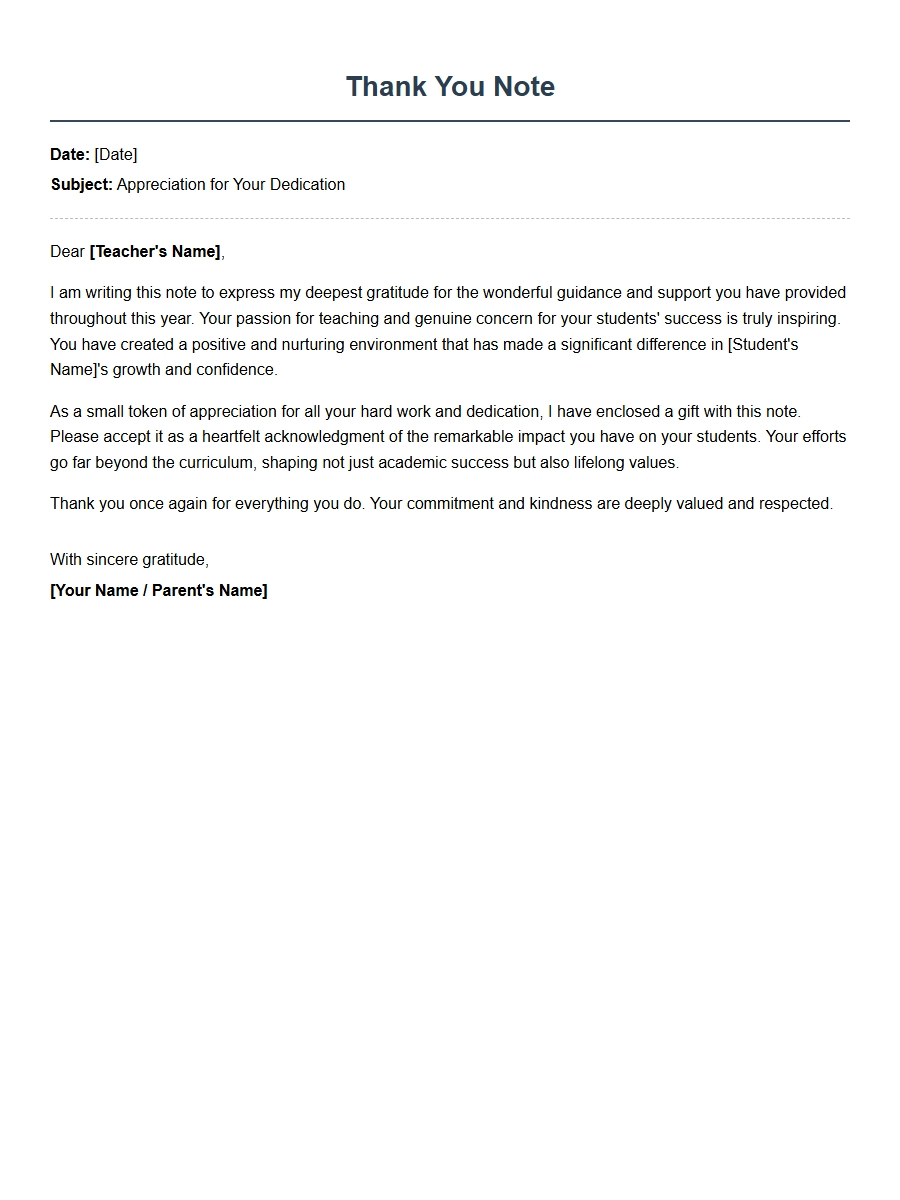 Sample Thank You Note for Teacher Gift
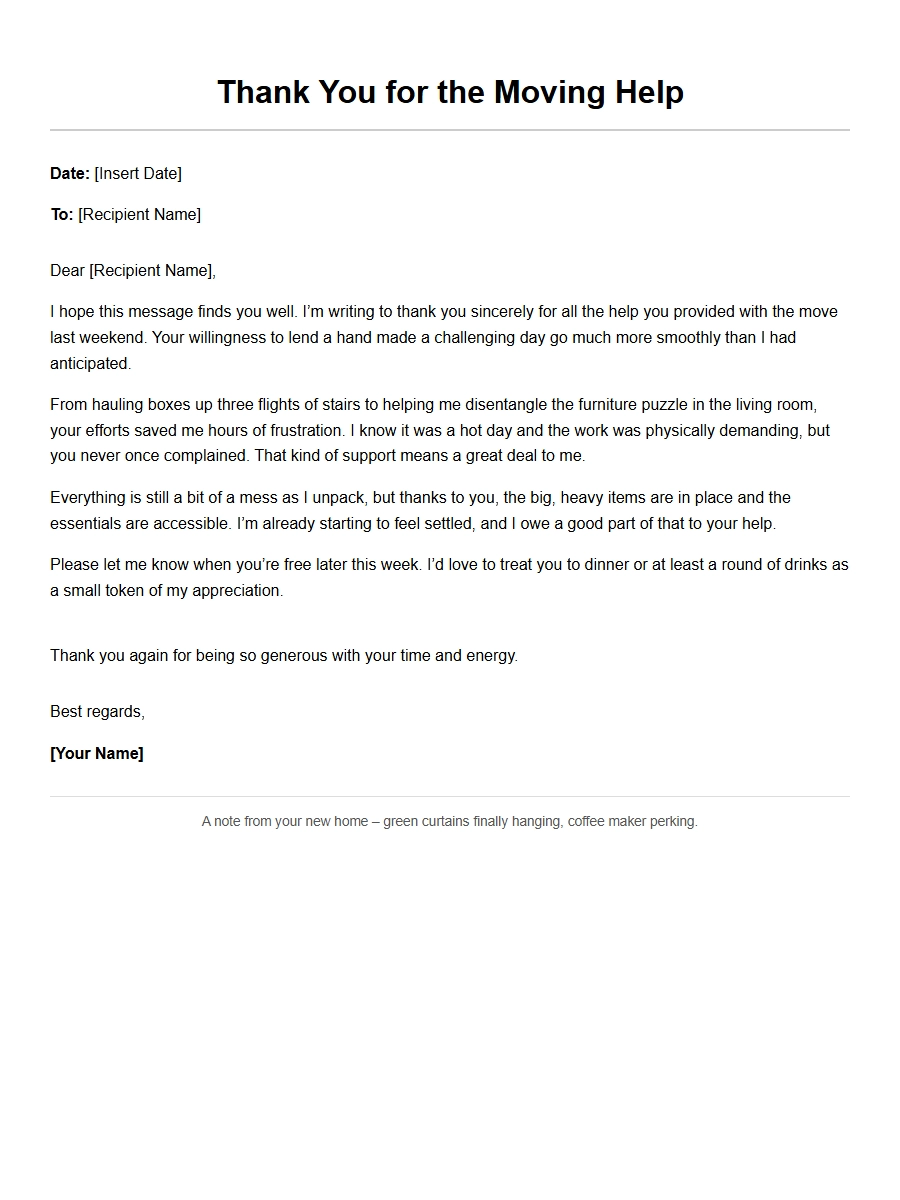 Thank-You Letter for Help with Moving
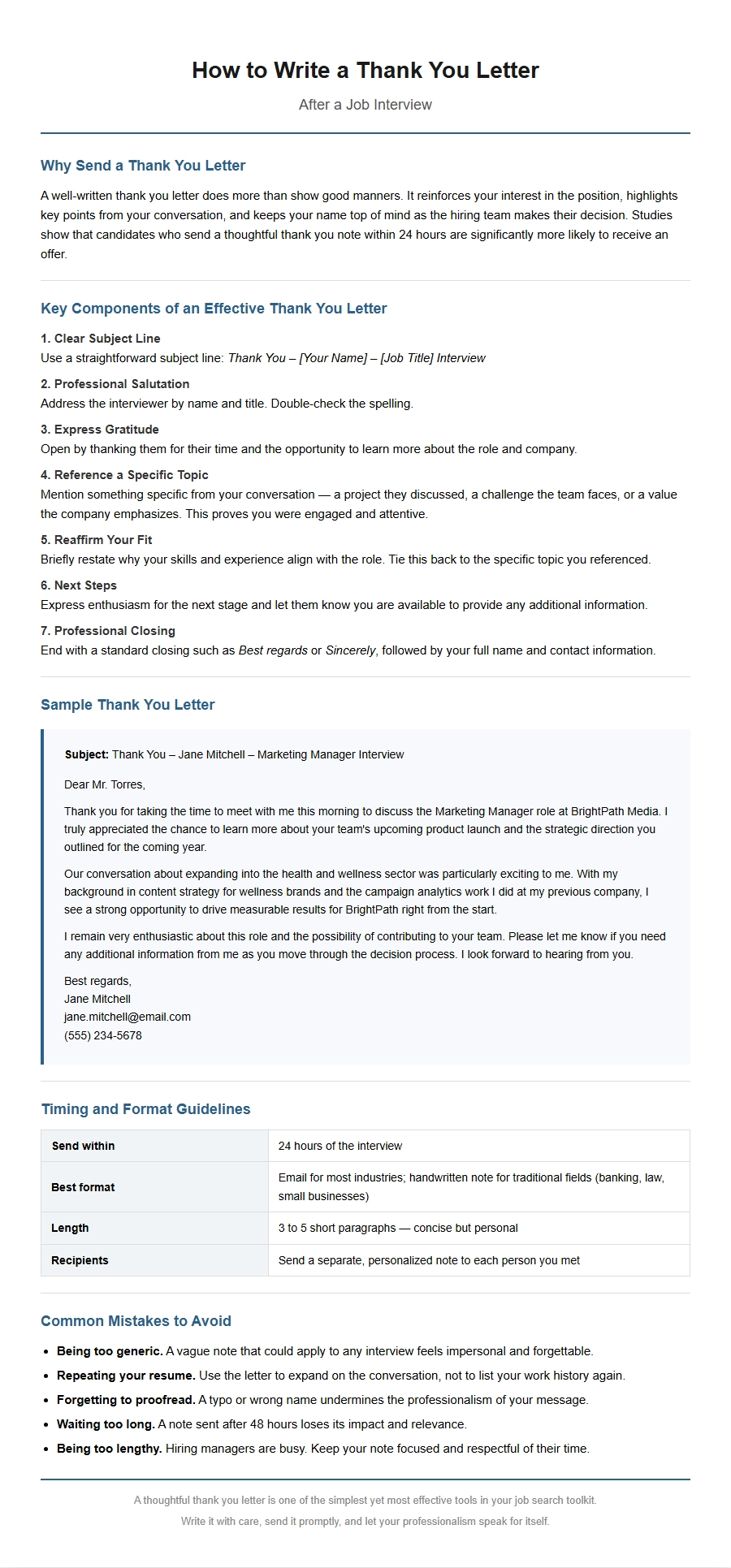 How to Write a Thank You Letter After an Interview
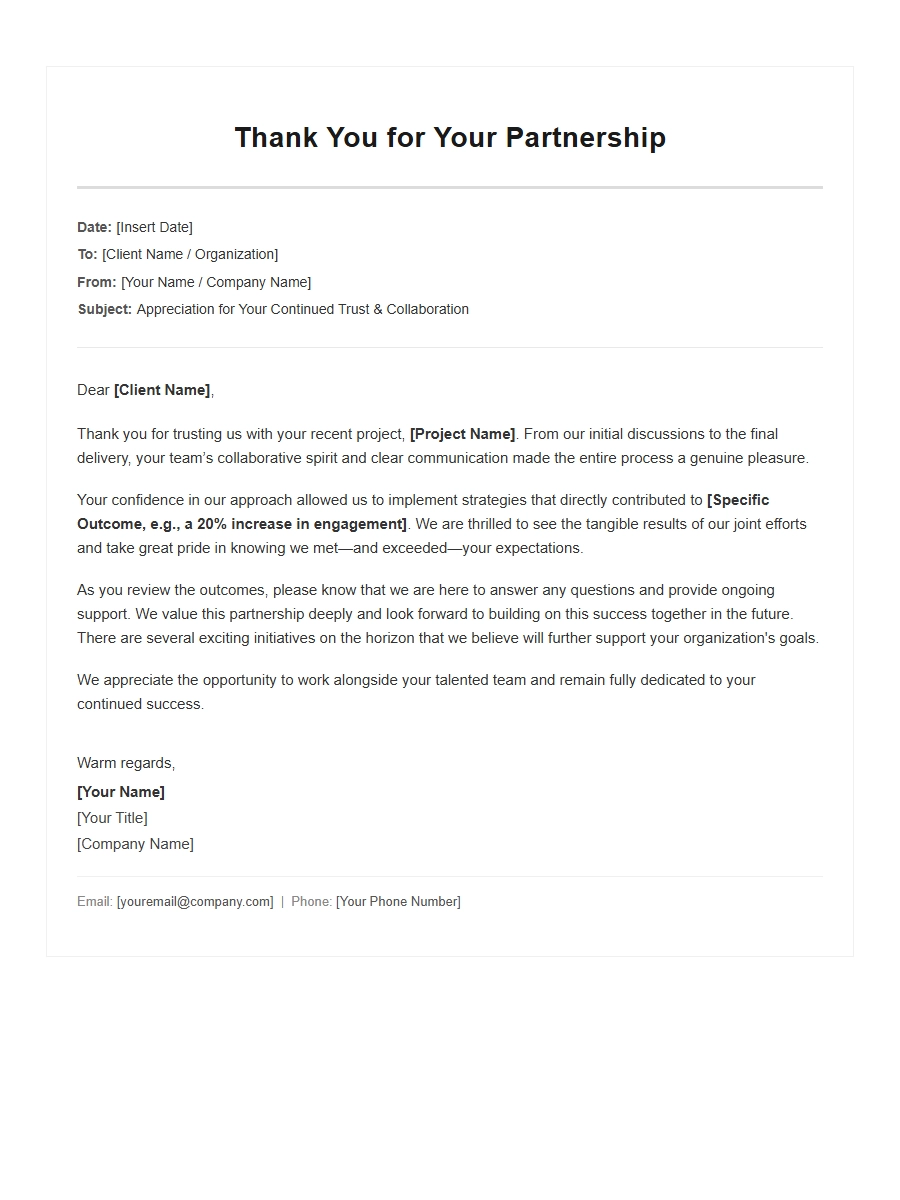 professional thank you email example for client - Thank-You Letters
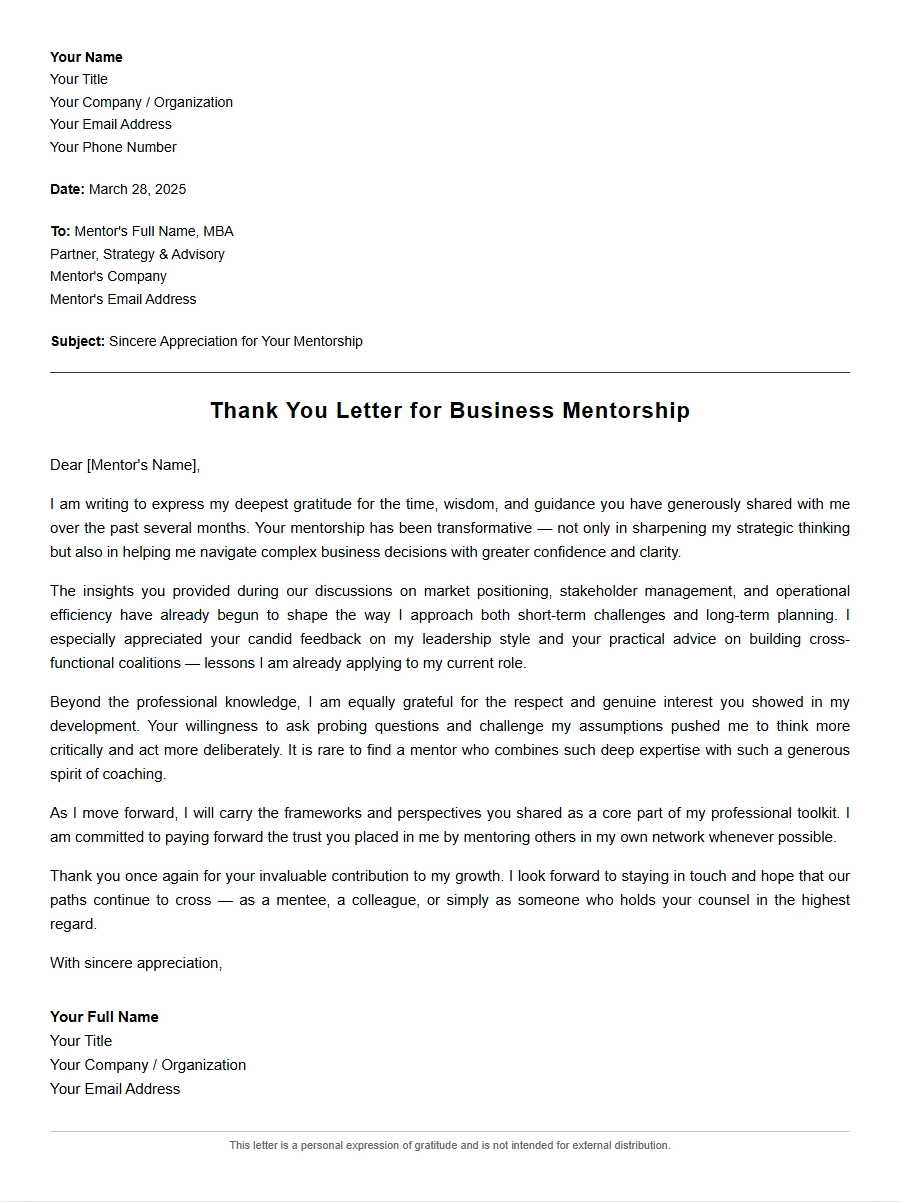 Business Mentor Thank-You Letter Guide
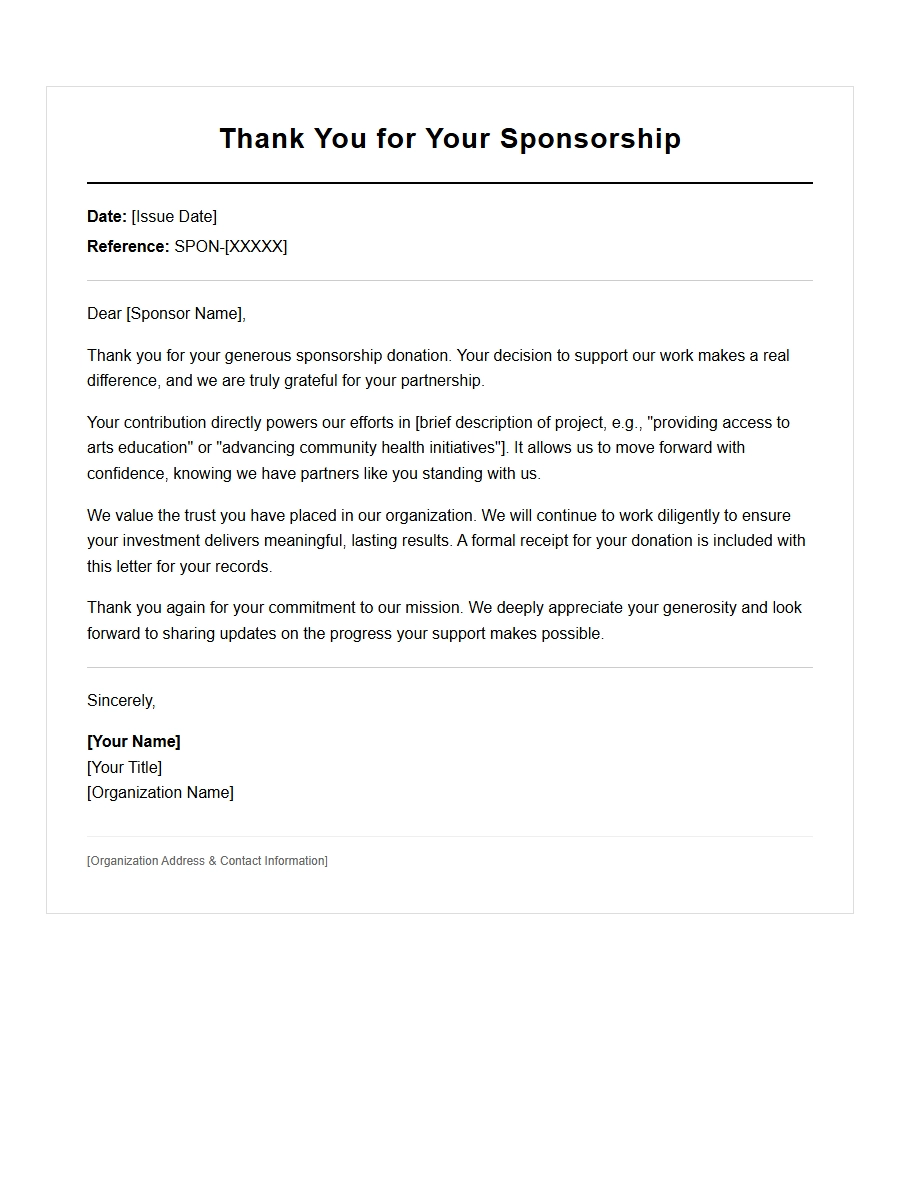 Thank You Letter for Sponsor Donation