Apology for Delayed Feature Request Backlog Priorities
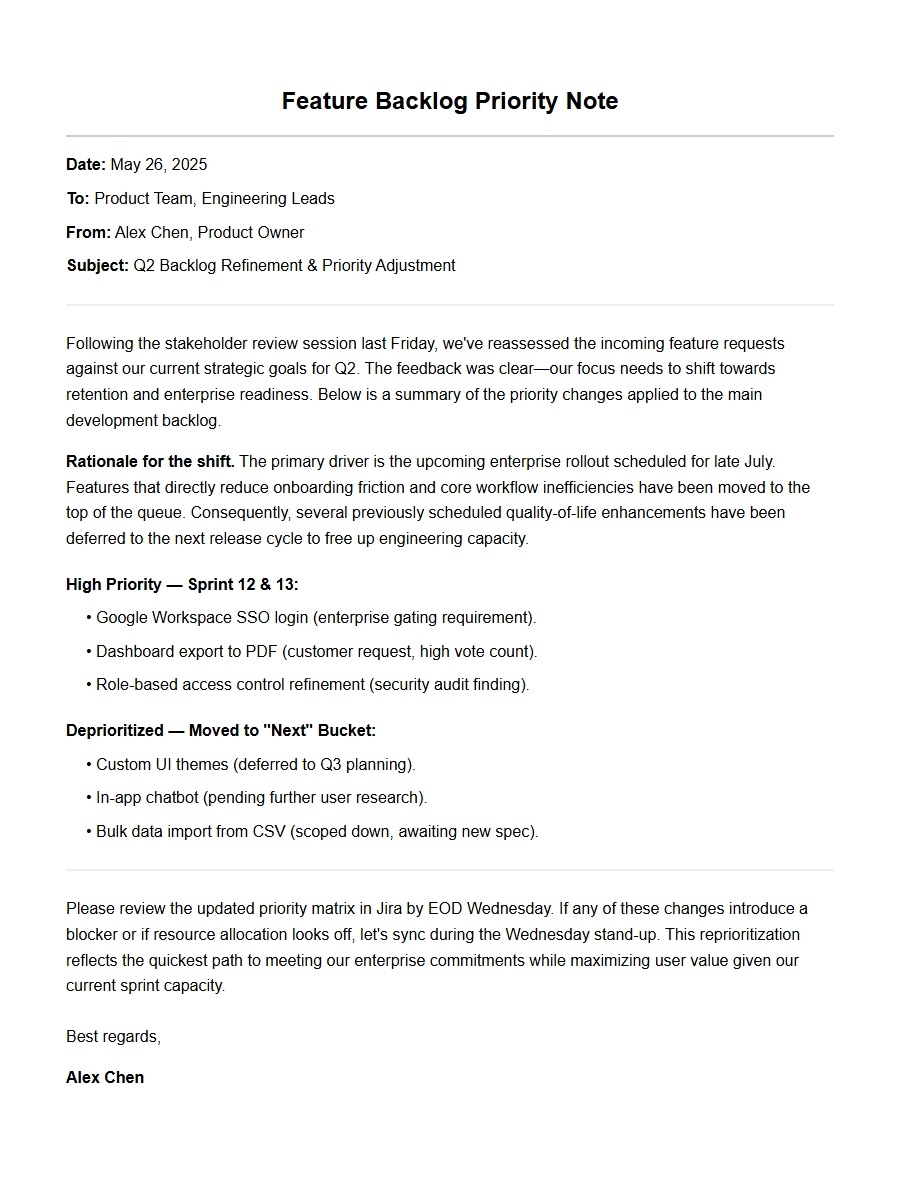
You have to write a note for feature request backlog priority — now what?
You’re staring at the board. Twenty feature requests. Some are urgent. Some are nice‑to‑haves. And you need to leave a clear note explaining why Feature A goes before Feature B. It sounds simple, but the blank field can freeze you. What do you actually write? How do you justify the decision without sounding defensive or vague?
This is where a sample note becomes your best friend. Using a template isn’t lazy. It’s smart. It gives you a structure so you don’t waste time reinventing the format. The best product managers keep a mental library of standard phrases for backlog prioritization — and you can build yours in minutes.
Category: Product Management Communication
Why bother with a note at all?
A good priority note saves everyone time. Developers understand why they’re building this now. Stakeholders see the reasoning. And your future self won’t wonder, “Why did I bump that request?” A note is not a long essay. It’s a short, factual explanation. Think of it as a mini‑decision log.
Ever received a priority note that was just “High priority”? That tells you nothing. A solid note includes the context, the expected impact, and sometimes the trade‑offs. That’s where a good feature request template helps.
How to choose the right template for your situation
Not all notes are the same. If you’re writing for your engineering team, you’ll want technical context: dependencies, effort estimates, and risk. If the note is for executives or external stakeholders, focus on business value, revenue impact, or customer satisfaction. Pick a sample that matches your audience.
For example, a note for feature request backlog priority might look like:
Feature: In‑app chat notifications
Priority reason: Customer feedback scores dropped 12% after we removed push alerts. Re‑adding them is projected to recover retention.
Dependencies: Requires API update from backend team (estimated 3 days).
Alternative considered: Email fallback – low engagement, so not recommended.
That’s it. Clear, short, and actionable. You can adapt the format for any request.
Adapting without losing your voice
Don’t copy a sample word for word. Read it, understand the logic, then rewrite it in your own words. Keep the structure — objective, reasoning, trade‑offs — but make it sound like you. If your team uses casual language, drop the formality. If your company prefers bullet points, use them. The best professional correspondence in product management feels natural, not stiff.
One quick trick: start the note with the most important sentence. “We should prioritize this because it directly impacts next quarter’s renewal rate.” That grabs attention immediately. Then back it up with data.
Common mistakes that ruin a good priority note
The biggest error is writing for yourself, not for your reader. If you use internal acronyms that a new engineer won’t know, you create confusion. Another mistake is ignoring the format — a long paragraph in a digital ticket gets skipped. Keep it scannable. And don’t forget to update the note when the priority changes. Stale notes are worse than no notes.
Also watch out for outdated salutations. You don’t need “Dear Team” in a backlog item. Just state the facts. And if you’re writing in an email or a document, adjust the digital letter format — shorter lines, clear subject, and proper salutation and closing if it’s a formal request.
How tone can make or break your note
Too formal and you sound like a robot. Too casual and you risk being unclear. Find a middle ground. Use contractions. Ask yourself: “Would I say this out loud to a teammate?” If yes, you’re probably on the right track. The tone in writing should be factual but not cold. A little empathy goes a long way — acknowledge that postponing a feature is a trade‑off, not a rejection.
If you ever need to explain a controversial prioritization, consider referencing a memo for executive leadership failure apology letters to see how honest, direct language handles difficult decisions. Those same principles apply here.
Don’t forget to proofread
Even a short note can damage credibility if it’s full of typos. Proofreading letter (or note) best practices apply: read it aloud, check names and numbers, and ensure the priority reasoning is consistent with the rest of the backlog. One small error — like saying “high priority” when a different ticket was already marked critical — creates confusion.
If you’re sharing the note in a document, consider using a simple letterhead design for company‑wide communication, but avoid fancy formatting in a ticket system. Keep it clean.
Use this note as a springboard, not a crutch
The first time you write a priority note using a sample, it might take ten minutes. The tenth time, it’ll take two. That’s the goal. Over time you internalize the structure and your notes become faster and better. The best notes feel both professional and personal — they show you know the product and you respect the team.
Thank you for your patience and for submitting the Advanced Analytics Dashboard request. After our quarterly product strategy review, I must apologize that we are unable to prioritize this feature in the current roadmap. Our portfolio now focuses on core compliance enhancements, which have taken precedence over analytical tools.
Your request remains in our backlog under Priority: Low. We will reassess it during the next review in Q3. I understand this may be disappointing, especially given your team’s reliance on data insights. Please feel free to share any additional business impact data—it can help us re-evaluate sooner.
We value your continued partnership and are committed to transparency. Should you have questions, please contact me directly.
Sincerely, Maria Chen Product Manager, Acme Software
I’m writing to apologize for the prolonged delay on the Batch Export Tool. Our sprint capacity has been fully consumed by critical security patches and a database migration, leaving no room for new feature work.
We have added your request to the backlog with a note: “Revisit after Q1 stability initiatives complete.” The current priority is P4, reflecting its lower urgency relative to active incidents. Our team is small, and we must balance innovation with platform reliability.
To compensate, I have added a workaround guide to our knowledge base (see attached). I will notify you as soon as development begins, expected no later than April. Thank you for understanding.
We apologize that your Custom Invoice Templates request remains unaddressed. After a thorough prioritization exercise, it has been placed at priority level 5 (lowest tier) in our backlog. The primary driver is that we are focusing on automating standard invoices for all users, which benefits a larger segment.
We understand your business requires a unique layout. While we cannot commit to a timeline, your request is noted in the backlog with the tag “Enterprise Client – Revisit quarterly”. Our product owner will review it again in two months.
In the interim, I have attached a guide on using the current custom CSS feature. If that does not suffice, please let me know—we may assign a professional services consultant to assist.
We regret not being able to deliver sooner.
Warmly, James Okafor Customer Success Manager, Invoicely
Resource Constraints Impacting Feature Backlog
Date: February 18, 2025 Re: Feature Request Community – “Single Sign‑On (SAML)”
Dear Valued Users,
On behalf of the entire team, I apologize for the continued absence of SAML integration in our product. We know many of you have been requesting this for over a year, and we haven’t delivered.
The reality is that our engineering team is small and has been redirected to foundational infrastructure work. Your request sits in the backlog with the note “High effort, moderate demand – reconsider after Q2 2025 headcount increase.” We are actively hiring two backend engineers, which should free up capacity.
To be transparent, this feature currently has a priority score of 23 (on a 100-point scale) based on weighted user votes. It is behind security improvements and performance optimizations.
We hear your frustration and share it. I commit to publishing a quarterly update on this request’s standing. Thank you for your patience.
Sincerely, Alexandra Nilsen CEO, StarterApp
Project Portfolio Review Leads to Deprioritization
I am writing to apologize for the recent deprioritization of your API Rate Limit Monitoring feature. During our portfolio review last week, we realigned investments toward the new Partner Portal integration. As a result, this request was moved from In Progress back to Backlog – Priority 3.
We recognize this affects your operational visibility. The backlog note now reads: “On hold until Portal v2 launch. Revisit in August 2025.” We will retain your original submission date of November 2024 for fair queue ordering.
We apologize for any disruption this may cause. To mitigate, we are providing daily usage reports via a temporary script. Please reach out if you need additional data.
I need to apologize for the lack of progress on Custom Notification Rules. This feature is blocked by a third‑party vendor API upgrade that is delayed indefinitely. We have documented the dependency in the backlog with a high priority flag, but we cannot move forward until the vendor releases their new SDK.
Our current backlog priority is P2 (important, but blocked). We are in weekly contact with the vendor and have escalated internally. Once the block is removed, we estimate two sprints to implement.
In the meantime, I have scheduled a workshop next month to explore a manual workaround using webhooks. Your input would be valuable.
We understand this is frustrating. Please know we haven’t forgotten the request.
Regards, Priya Sharma Product Owner, NotifyCloud
Enterprise Client Priority Reassessment Letter
Date: February 15, 2025 Re: Feature Request #FR-880 – “Role‑Based Access Control (RBAC)”
Dear Mr. Goldstein,
We apologize for the delay in implementing RBAC, a feature critical to your compliance needs. Our backlog priority for this item has been P3 (medium), but after your account review, we are reassessing it.
I have added a note: “Re‑evaluate for Q2 planning – enterprise dependency.” Our product team will score it higher based on your contract renewal risk. I cannot guarantee immediate action, but I am pushing for inclusion in the next quarter’s committed work.
To help bridge the gap, we are offering temporary manual permission management via a dedicated admin. Please let me know if this works for you.
We value your business and regret not prioritizing this sooner.
Sincerely, Elena Vogt Enterprise Account Manager, SecureHub
I’m sorry to share that the Real‑Time Collaboration feature is stuck in the backlog with a priority of P2 due to accumulated technical debt in our legacy editor. The note reads: “Blocked – requires refactoring of editor architecture first. Estimated 6 months of debt remediation.”
We have allocated two developers to begin debt reduction next sprint, but this pushes feature work out by at least 4 months. I understand this slows down your roadmap, but building on the current code would cause instability.
I’ll provide a monthly debt status update. Once the foundation is stable, we will pull Collaboration into the active queue.
Thank you for your patience. We are committed to quality.
Thank you for suggesting Dark Mode. I apologize that we haven’t implemented it yet. Our backlog currently lists it as Priority: Low, with a note: “Low demand from other users – reconsider if we reach 500 upvotes.” Currently at 47 upvotes.
I know this is frustrating, especially for night users. We are a small team and must prioritise features that benefit the majority. Your request is not forgotten, and we do review the list each quarter.
In the meantime, you can use a browser extension to force dark overlay. I can recommend a few if needed. Please keep voting—every voice counts.
I am writing to apologise for the indefinite deferral of Unified Search. Following our merger with CloudIndex, all feature backlogs have been consolidated. Your request was originally priority 2, but it has been re‑scored to priority 4 due to overlapping capabilities in the acquired product.
The backlog note now reads: “Evaluate whether CloudIndex’s existing search module meets requirements – decision pending by April. If yes, will close request; if no, re‑prioritize to P2.”
We understand this creates uncertainty. We will inform you of the outcome within 60 days. Meanwhile, both legacy search functions remain available.
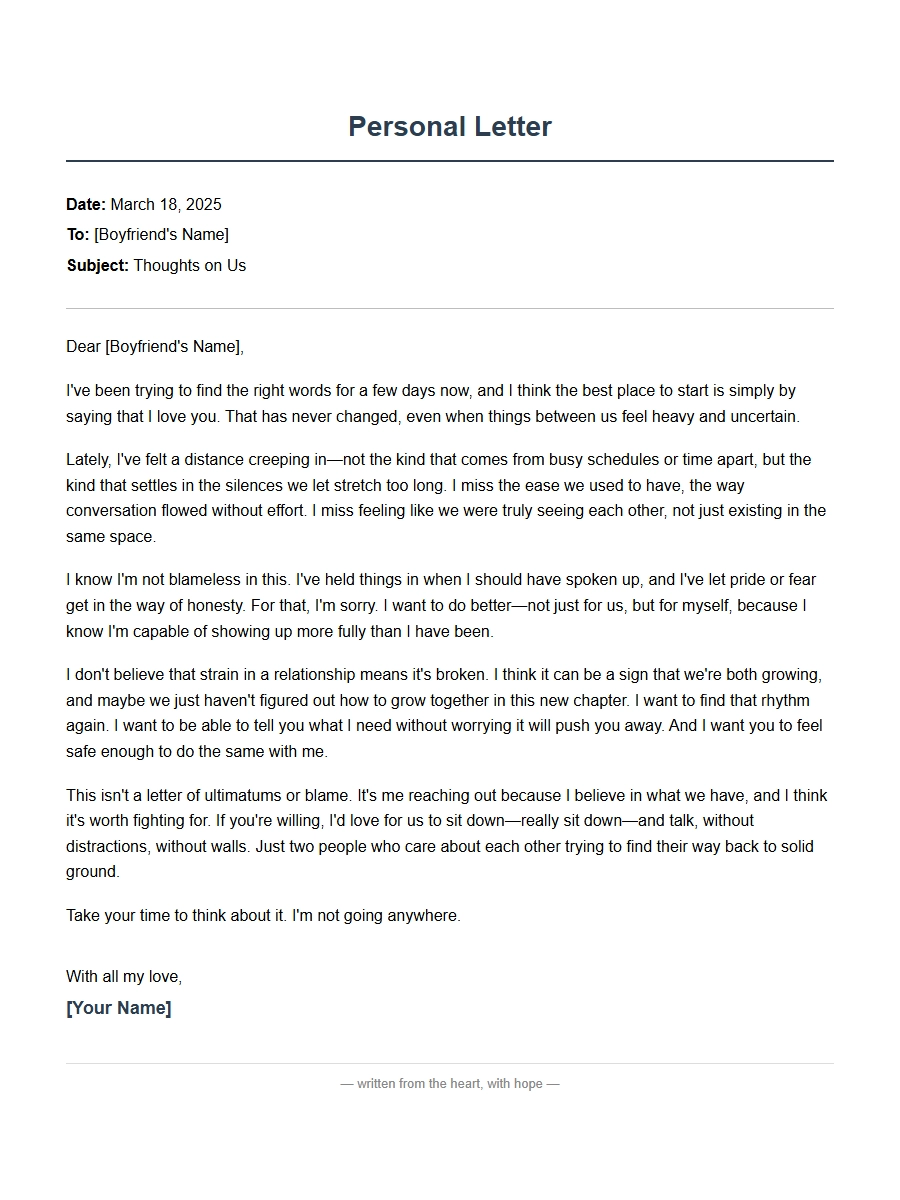 Personal Apology Letter for Boyfriend Relationship Strain
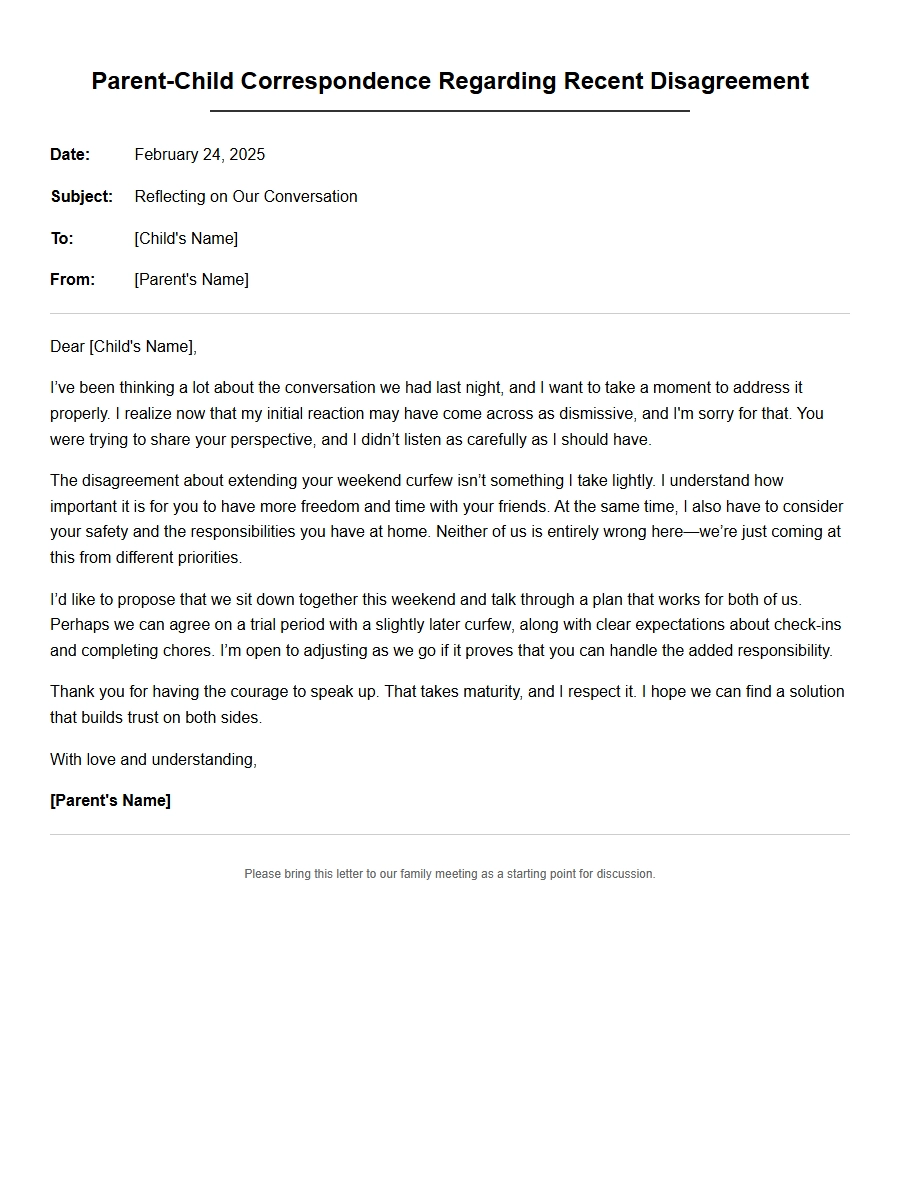 Apology Correspondence for Parent-Child Disagreements
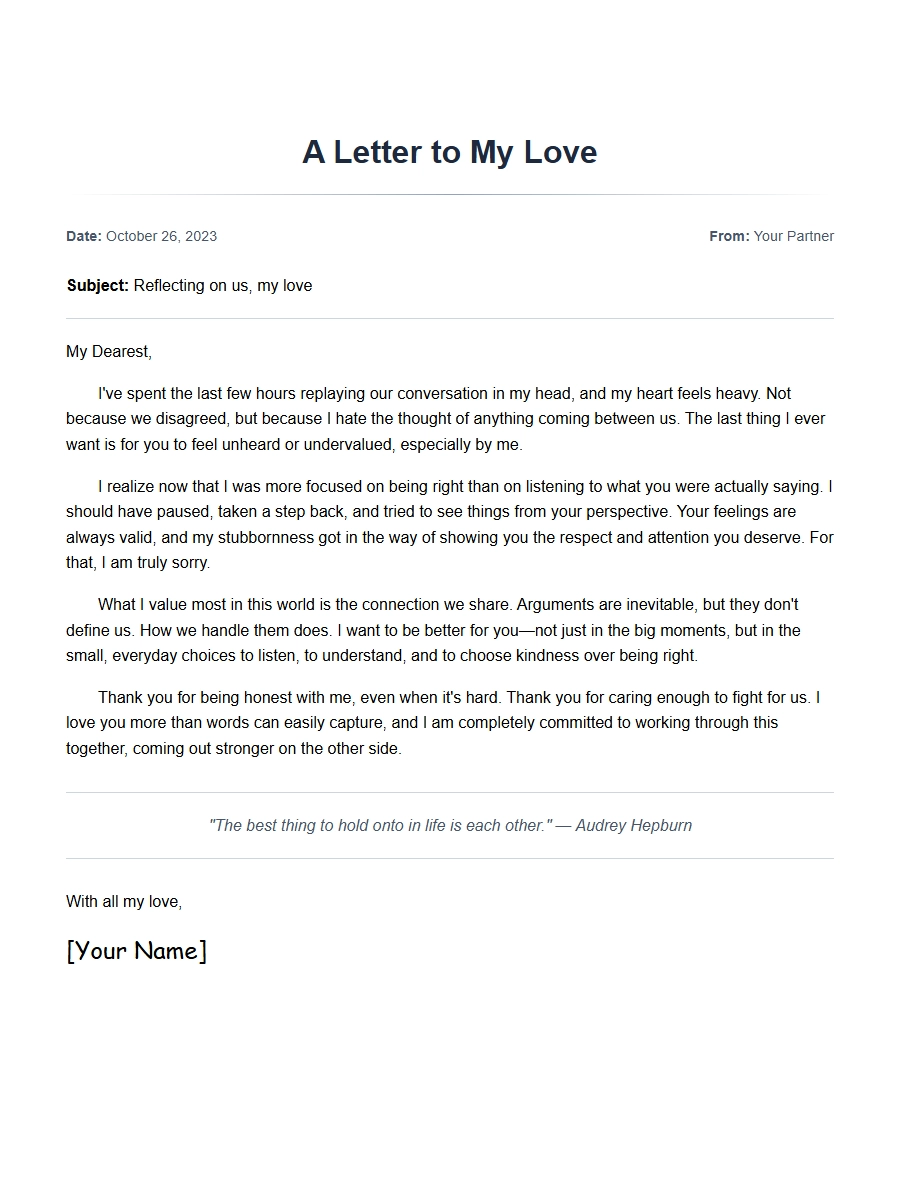 Apology Message for Girlfriend After Argument
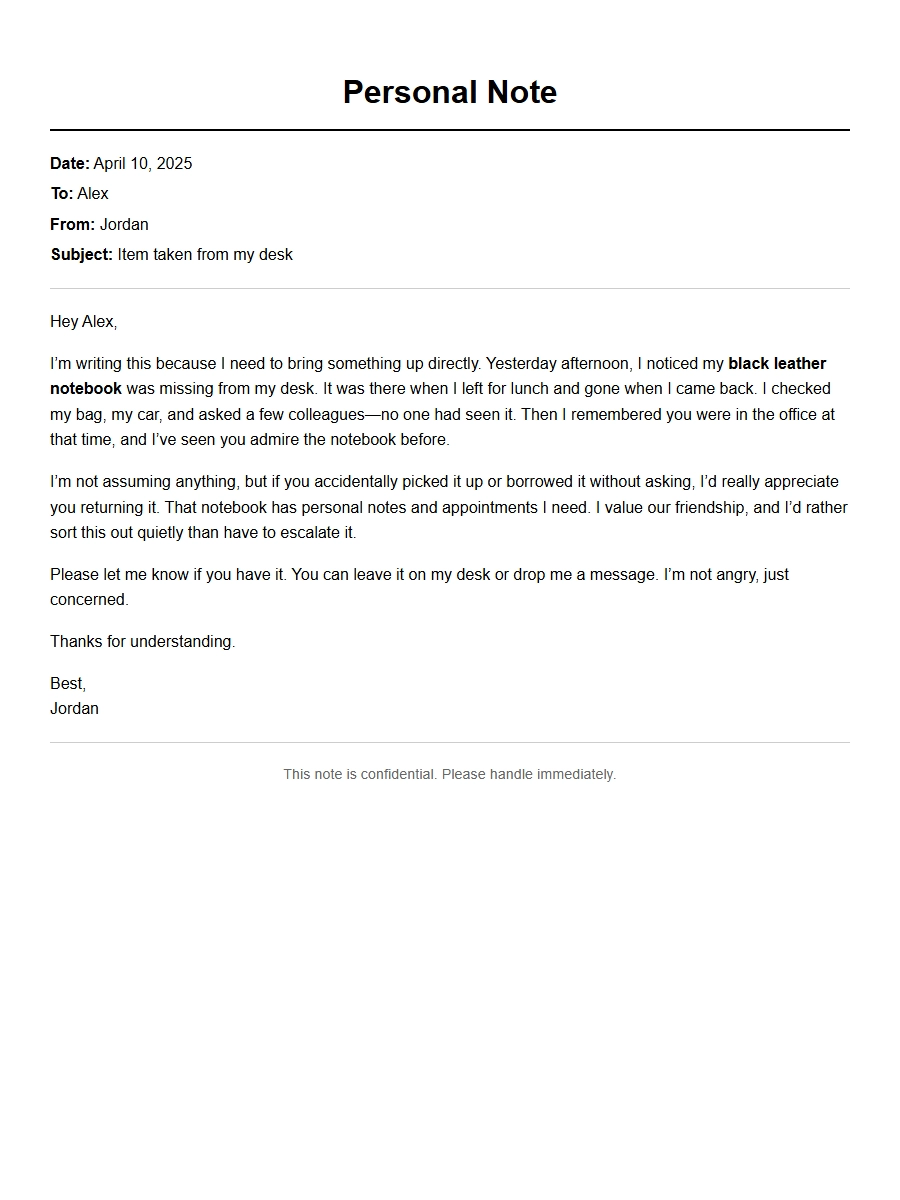 note for friend stealing item - Apology Letters
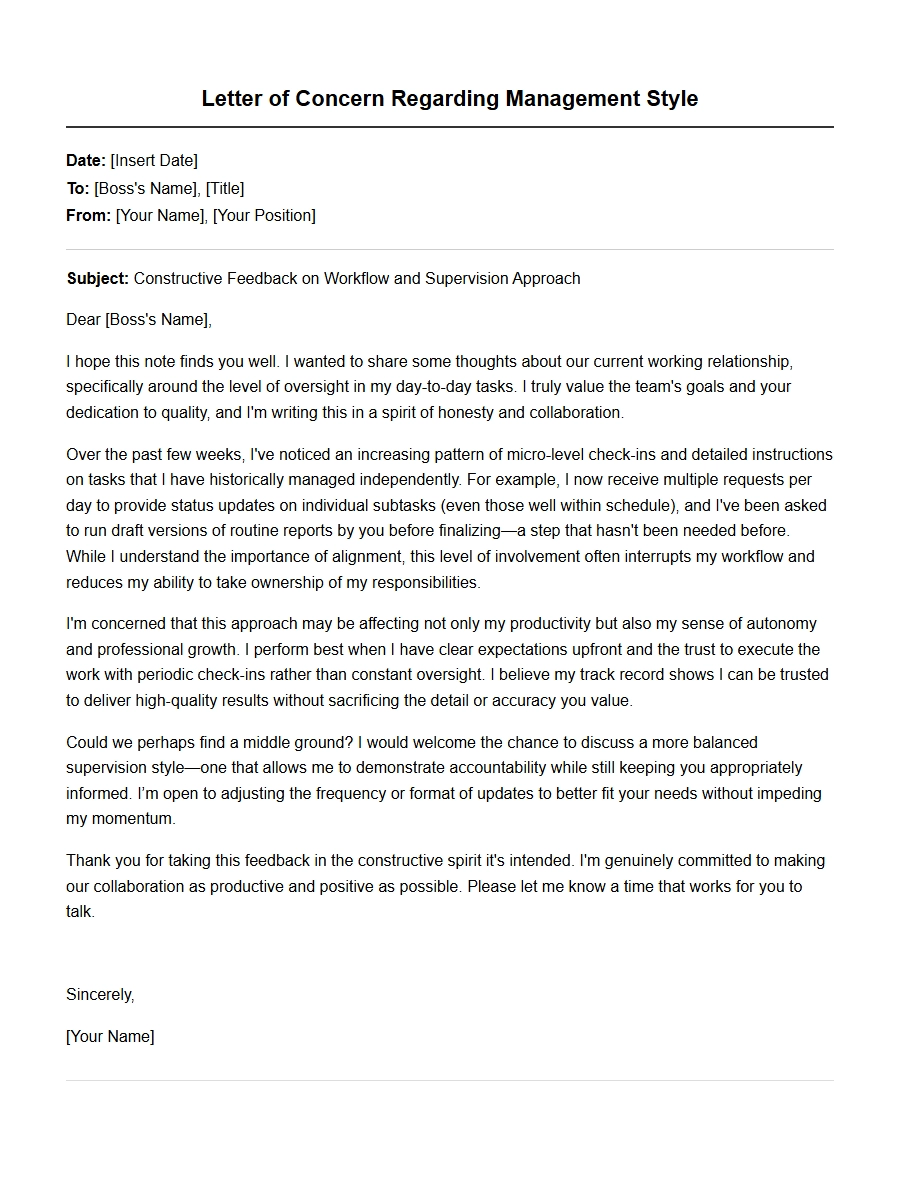 Apology to Boss for Micromanagement Complaint
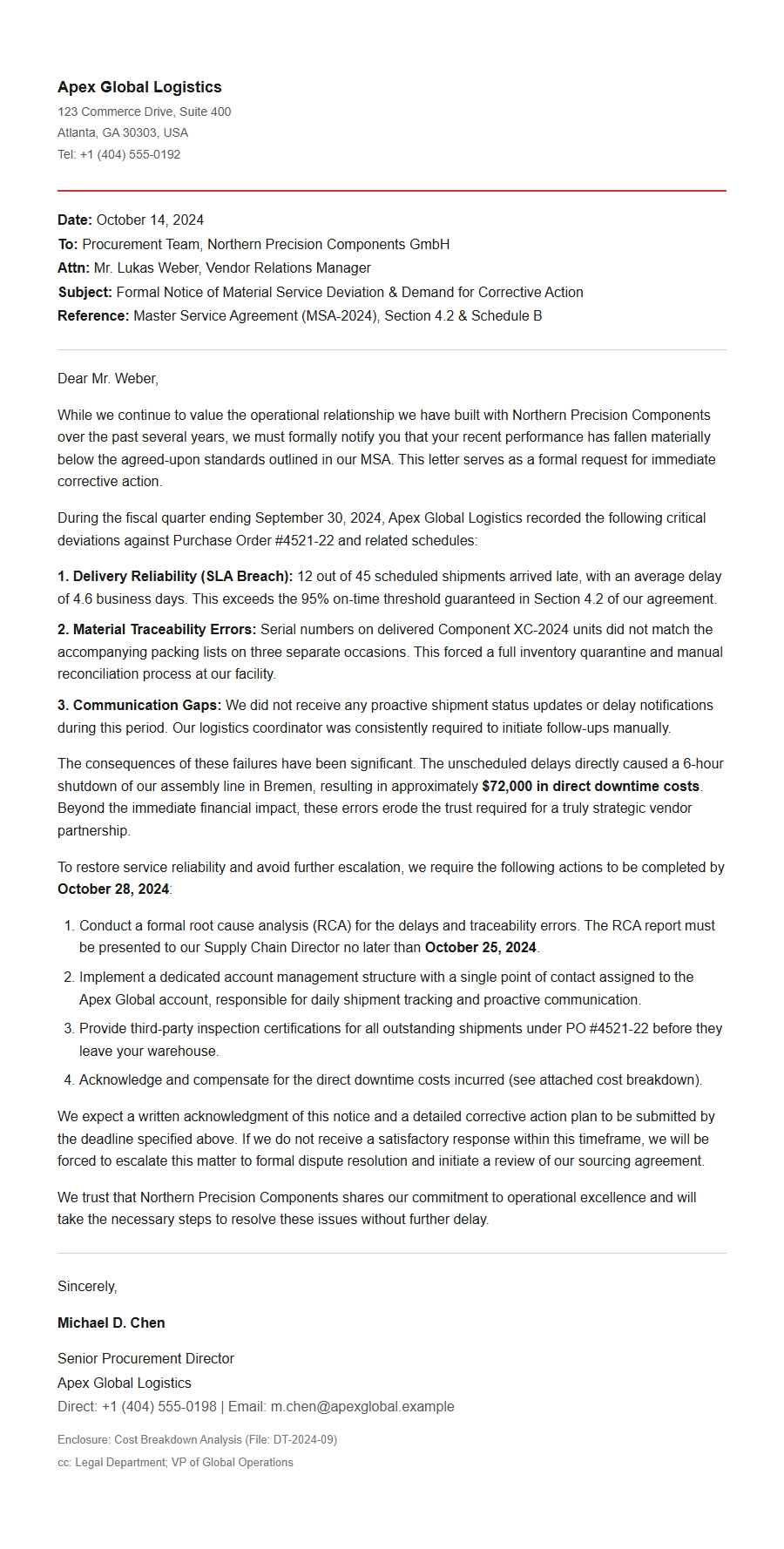 Apology Document for Vendor Supply Chain Issue