Staring at a blank email to your HR department, trying to figure out how to say your boss is driving you crazy without sounding like you're just complaining—it's a tough spot. You need to write a formal complaint about micromanagement, but every draft sounds either too angry or too weak. That's where having the right letter template comes in. It's not about cheating. It's about starting with a structure that works so you can focus on getting your specific situation down in a professional way.
A good template gives you a backbone for your professional correspondence. It handles the business letter format—the salutation and closing, the spacing, the flow—so you don't have to reinvent the wheel. Your only job then becomes customization: swapping in the facts that matter and injecting your authentic voice.
Category: Workplace Communication & Formal Complaint Letters
When a formal complaint makes sense
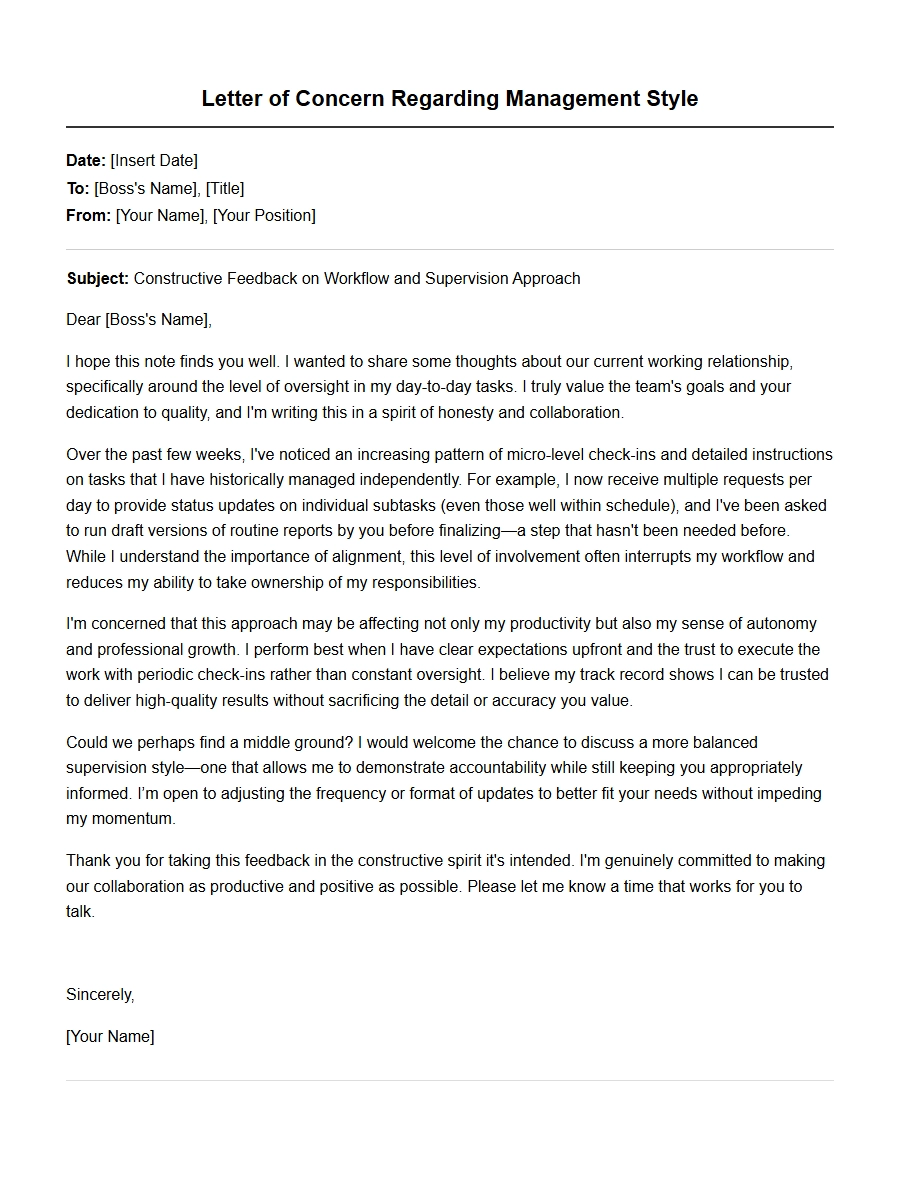
You don't write this letter after one bad day. You write it when informal conversations haven't changed anything, and the micromanagement is actively hurting your performance or well-being. You're seeking a solution, not just venting. Understanding the right business letter format for a complaint is similar to structuring other formal documents, like a notice addressing a seasonal promotion inventory gap—it needs a clear subject, specific dates, and a professional tone.
How to adapt a sample without sounding robotic
A sample gives you phrases like "I wanted to bring to your attention…" but you should adjust them so they sound like you. If you're naturally direct, say "I'm writing to discuss a concern about supervision styles." The goal is to sound like a reasonable human being, not a corporate memo. Good tone in writing balances professionalism with authenticity. If the situation doesn't improve, you might eventually need a resignation letter sample, but this complaint is the first and most professional step to fix things.
Ever written a draft and thought, "This sounds way too stiff"? That happens when you rely too heavily on formal boilerplate. A customizable letter is a starting point, but your specific examples bring it to life. Replace generic phrases with your real experiences.
Structure your argument like a case
You don't want to ramble. A solid letter structure works like this:
Opening: State your purpose clearly. "I am writing to formally document concerns regarding the management style in my department."
Body (The Facts): Describe 2-3 specific incidents. "On March 10, I was required to get approval for direct client emails, which delayed our response time by four hours. This is one example of a pattern where oversight exceeds what is necessary for my role."
Impact: Explain how this affects the company's goals. "This constant oversight has reduced my output by roughly 20% and impacts team morale." If the micromanagement stems from a broader issue, framing it properly can help. For instance, if your boss is stressed due to departmental errors, a clear email apologizing for a specific error models the kind of straightforward accountability you're hoping to see from them.
Resolution: Offer a path forward. "I would appreciate a discussion about setting clear boundaries and trust benchmarks for independent work."
Three mistakes that ruin your credibility
Being vague: Don't say "He micromanages everything." Say "I receive check-in requests every 30 minutes, which fragments my focus on complex tasks."
Wrong format for the medium: Is this a digital letter or a printed one? For email, digital letter format means a clear subject line, short paragraphs, and no attached PDF unless required. You don't need fancy letterhead design for an internal email, but a professional signature block helps.
Bad letter writing etiquette: Avoid accusatory "you" statements. Use "I" statements focused on impact. "I feel my autonomy is limited" works better than "You won't let me do my job."
Proofreading is your last power move
Proofreading your letter is non-negotiable. A typo in a complaint undermines your credibility. Read it out loud. Does it sound like something a respected colleague would say? If not, revise it. If the situation involves a clear policy breach, your approach might borrow elements from a formal workplace incident report, which demands even stricter accuracy and detail. For a micromanagement issue, your tone should lean toward constructive feedback, not an accusation.
What happens after you send it
Don't view this letter as an ending. View it as a tool to start a better working relationship. A well-written complaint can actually build trust if it's handled well. Give HR a reasonable window to respond—usually a week—and follow up if you don't hear back. Your goal isn't just to vent. It's to create space for you to do your best work without someone looking over your shoulder every minute.
Use the sample as your springboard, not your crutch. The more you practice this kind of clear, direct communication, the less daunting it becomes. And if you need a model for how clear communication resolves a specific issue, look at how a letter explaining a billing cycle error provides clarity and a path forward. The same logic applies here: state the problem, show the impact, and offer a solution.
Templates and Samples
Apology to Boss for Micromanagement Complaint
Humble Apology for Micromanagement Accusation
Dear [Manager's Name],
I am writing to sincerely apologize for my recent complaints regarding your management style{sub}. It was wrong of me to label your close oversight as "micromanagement," and I deeply regret any disrespect this may have implied. I now realize that your detailed guidance stems from a genuine commitment to excellence and a desire to ensure our team meets high standards.
My frustration was misguided. Instead of addressing my concerns professionally, I let stress affect my judgment. I am truly sorry for any hurt feelings or tension this has caused in our working relationship.
To make amends, I have prepared a self-improvement plan:
Area of Focus
Action Step
Timeline
Communication
Schedule weekly check-ins for feedback
Ongoing
Trust Building
Deliver updates without being reminded
Next 2 weeks
Professionalism
Use constructive tone in all discussions
Immediate
Thank you for your understanding. I value your mentorship and hope we can move forward positively.
Sincerely, [Your Name]
Formal Letter of Regret for Micromanagement Feedback
Dear [Manager's Name],
Please accept this letter as my formal apology for the strong words I used in my recent complaint about your micromanagement approach. Upon reflection, I recognize that your attention to detail is a strength, not a flaw, and I acted hastily by framing it negatively.
I understand that my comments may have undermined your authority and created an uncomfortable atmosphere. I sincerely regret this lapse in professionalism. To clarify, my concerns were about workload autonomy, not about your competence or intentions.
I propose the following steps to rebuild mutual respect:
I will attend a conflict resolution training session within 30 days.
I will limit future feedback to private, constructive discussions.
I will document my tasks more thoroughly to reduce the need for oversight.
Please know that I am fully committed to this team and to supporting your leadership. I hope you can forgive this mistake and allow me to demonstrate my dedication.
Respectfully, [Your Name]
Short and Sweet Apology for Micromanagement Complaint
Hi [Manager's Name],
I wanted to write a quick note to wholeheartedly apologize for my recent complaint about micromanagement. I spoke out of turn and with little thought to your perspective. Your guidance has always been valuable, and I am sorry for not appreciating it.
I have reflected on this and realize I need to be more open to feedback myself. There was no excuse for my bluntness. From now on, I will approach such situations with more patience and gratitude.
Thank you for being a great leader. I look forward to resetting our dynamic.
Best, [Your Name]
Apology from a Team Lead for Criticizing Boss's Style
Dear [Manager's Name],
As a team lead, I should have set a better example. Instead, I filed an unprofessional complaint about your micromanagement, and I apologize for that hypocrisy. My actions do not reflect the respect I truly have for you.
I understand now that your detailed oversight is a response to project complexities, and my complaint was an emotional overreaction. I have already discussed with my team the importance of trusting your direction.
To repair trust, I am implementing these changes in my own management style:
Change
Purpose
More frequent updates
Reduce need for your follow-ups
Proactive problem-solving
Show independence responsibly
Mentoring junior staff
Improve team confidence in roles
I am determined to earn back your confidence and lead by example.
With regret, [Your Name]
Apology After Escalating Micromanagement Issue to HR
Dear [Manager's Name],
I am deeply sorry for escalating my micromanagement concerns to HR without first resolving them with you directly. That was a betrayal of trust and a failure of direct communication. I recognize now that I made the situation far bigger than it needed to be.
You deserved the chance to hear my perspective in a private conversation, and I robbed us of that opportunity. My frustration with project deadlines clouded my judgment. I apologize to both you and the team for any disruption this caused.
Moving forward, I will follow a structured feedback protocol:
Schedule a one-on-one meeting first.
Listen fully before responding.
Focus on solutions, not accusations.
I hope you can find it in your heart to accept my sincere apology and that we can work together positively again.
Forgive me, [Your Name]
Apology from a Remote Worker for Micromanagement Complaint
Dear [Manager's Name],
I am writing to apologize for my recent complaint about your micromanagement of my remote work. I realize now that your frequent check-ins were not about distrust, but about supporting me in a remote environment where visibility is limited. I was wrong to assume negative intent.
My frustration came from feeling isolated and wanting more independence. But instead of discussing this constructively, I complained in a way that was disrespectful. I am truly sorry.
Here is my plan to improve remote collaboration:
Provide daily status updates proactively.
Flag risks earlier to reduce surprise checks.
Use video calls to build stronger rapport.
Thank you for your patience. I value your guidance and look forward to a more positive working relationship.
Warmly, [Your Name]
Formal Apology Letter to Executive for Criticizing Boss
To the Leadership Team,
I am writing to formally retract and apologize for the complaint I made regarding my immediate supervisor's micromanagement style. I acted unprofessionally and without full consideration of the pressures he faces. This complaint was directed at a person who has consistently mentored and supported me.
My comments were not constructive and reflect solely my own inability to adapt to a structured management approach. I humbly ask for forgiveness from both my supervisor and the organization.
As a commitment to change, I am enrolling in a communication workshop and have already scheduled a coaching session with my supervisor to align expectations better.
I deeply regret any embarrassment this caused. I am dedicated to this role and to improving my conduct.
Sincerely, [Your Name]
Sincere Apology After Resigning Over Micromanagement
Dear [Manager's Name],
Now that I have left the company, I feel I owe you a sincere apology. My resignation was partly triggered by what I perceived as micromanagement, and I expressed those frustrations harshly in my exit interview. I was unfair and ungrateful for the years of support you gave me.
Retrospectively, I realize your attention to detail helped me grow professionally. I am sorry for blaming you for my own burnout and lack of balance. I hope you can see my apology as genuine.
I have since reflected on my conduct:
Lesson Learned
How I Will Apply It
Feedback should be kind
Use "I" statements, not blame
Understand managerial pressure
Empathize before complaining
Exit gracefully
Never burn bridges
Thank you for everything. I wish you and the team continued success.
With gratitude, [Your Name]
Apology for Complaining to Coworkers About Micromanagement
Dear [Manager's Name],
I am sorry for complaining about your management style to other team members before speaking to you. That was gossip, not feedback, and it poisoned the atmosphere. I should have been professional enough to address concerns directly with you.
I created a culture of disrespect, and for that I am profoundly sorry. You deserve loyalty and open communication from your team.
I will now work to repair the damage:
I will personally clarify to my colleagues that my complaints were unfounded.
I will set up a weekly progress meeting to reduce any oversight needs.
I will focus on positive contributions rather than perceived control issues.
Please allow me the chance to restore your trust in my professionalism.
Apologetically, [Your Name]
Apology for Misunderstanding Boss's Intentions
Dear [Manager's Name],
I owe you a deep apology for misinterpreting your close involvement as micromanagement. I see now that your behavior was motivated by a desire to help me succeed, not to control me. My complaint was unfair and based on my own insecurity.
I was wrong, and I am sorry for the hurt and frustration I caused. Your leadership has always been fair, and I took that for granted.
To show my commitment to improvement, I have created a personal action plan:
Goal
Action
Review
Better communication
Request feedback weekly
Monthly with you
Trust building
Share work progress early
Ongoing
Positive attitude
Focus on gratitude
Daily
I hope we can move past this. I value your mentorship more than words can express.
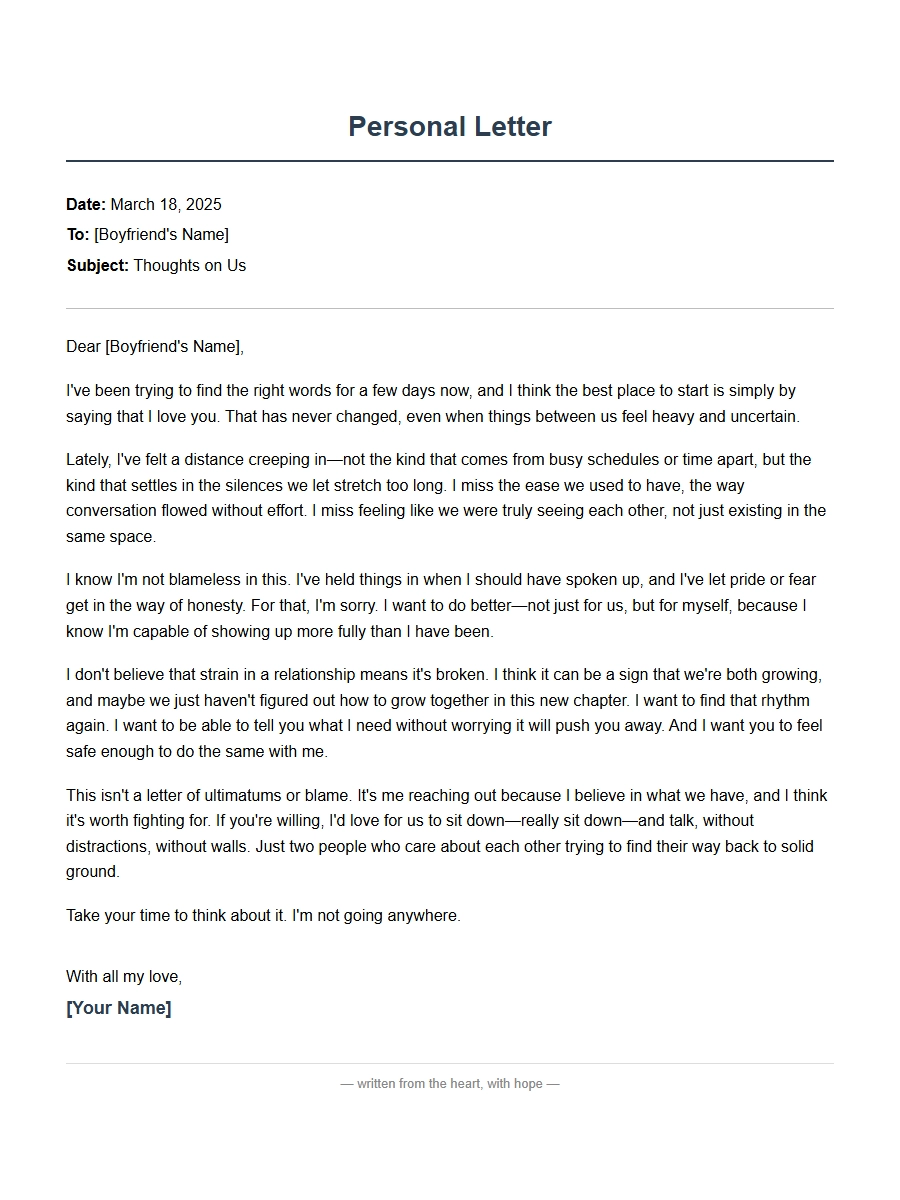 Personal Apology Letter for Boyfriend Relationship Strain
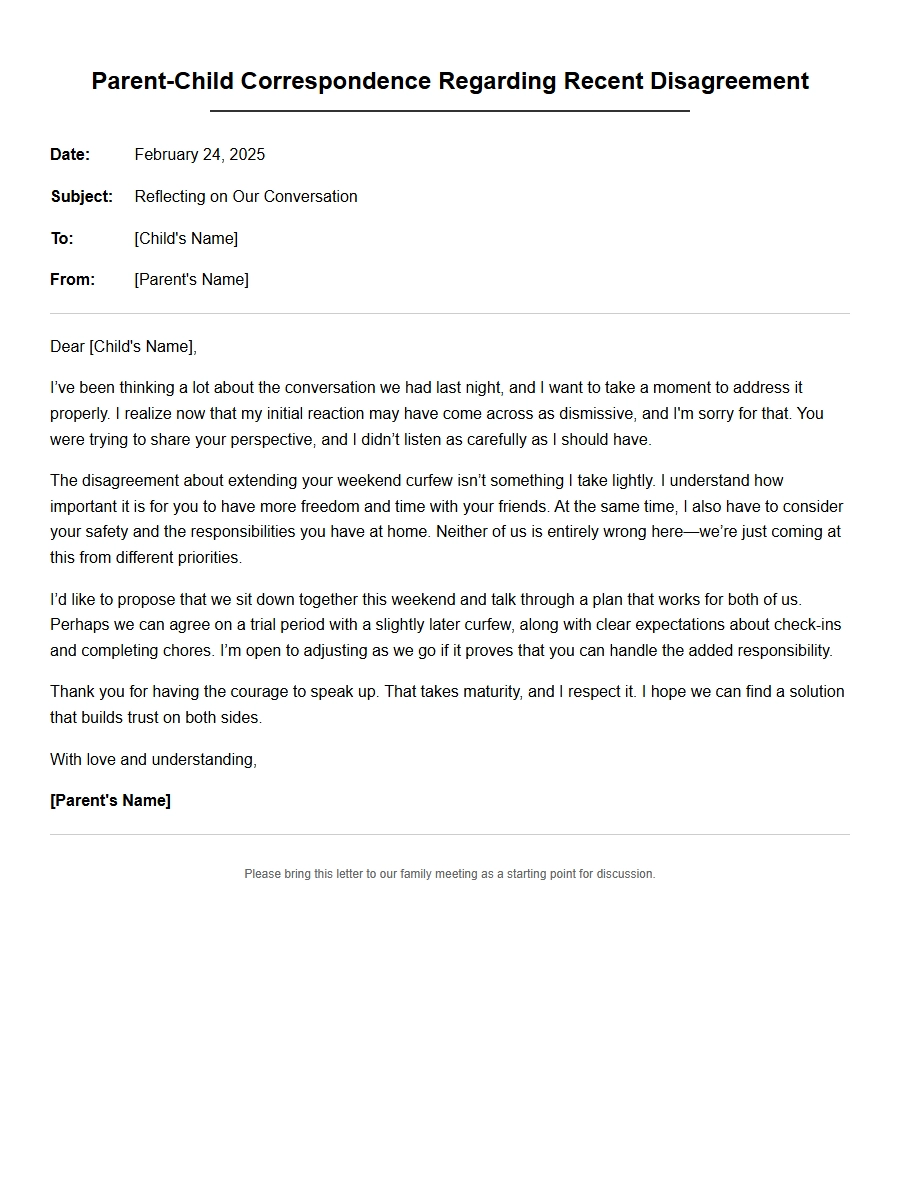 Apology Correspondence for Parent-Child Disagreements
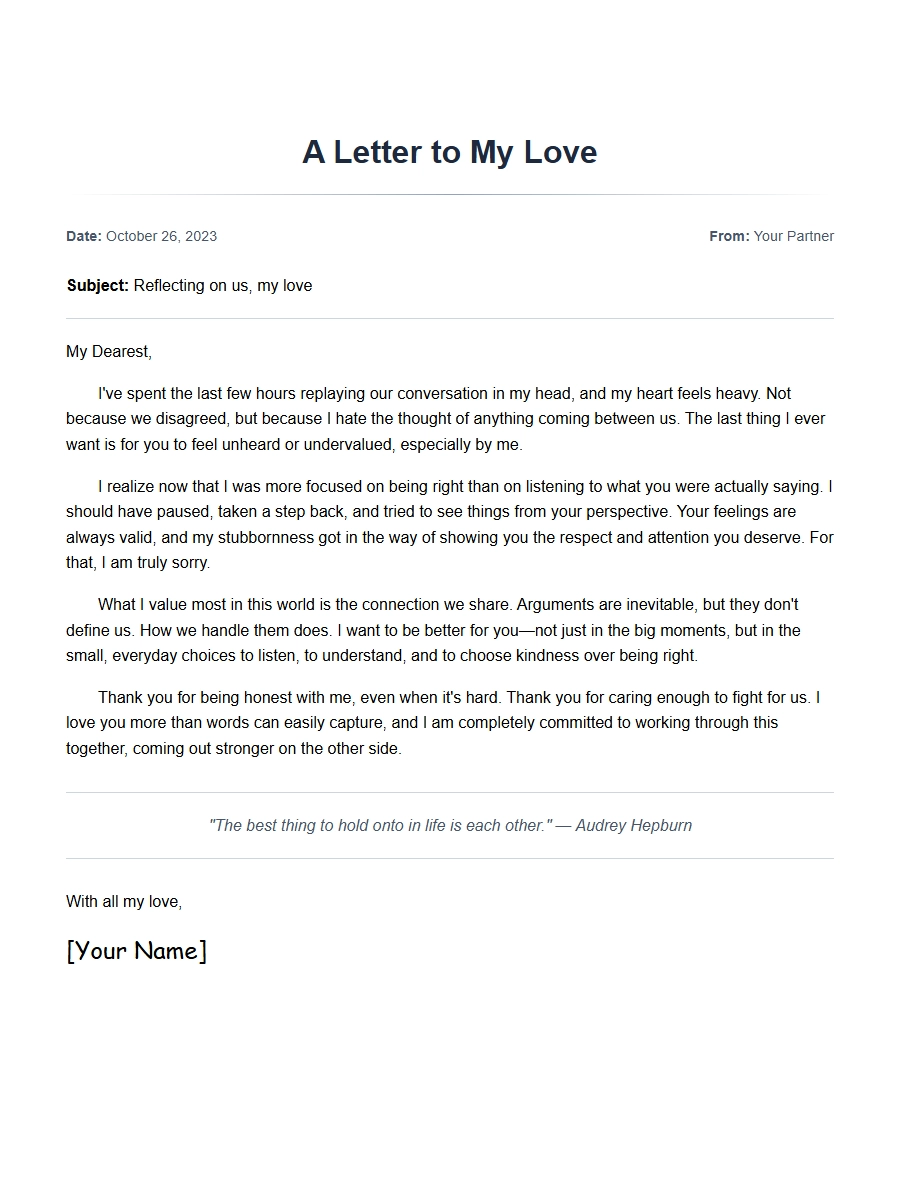 Apology Message for Girlfriend After Argument
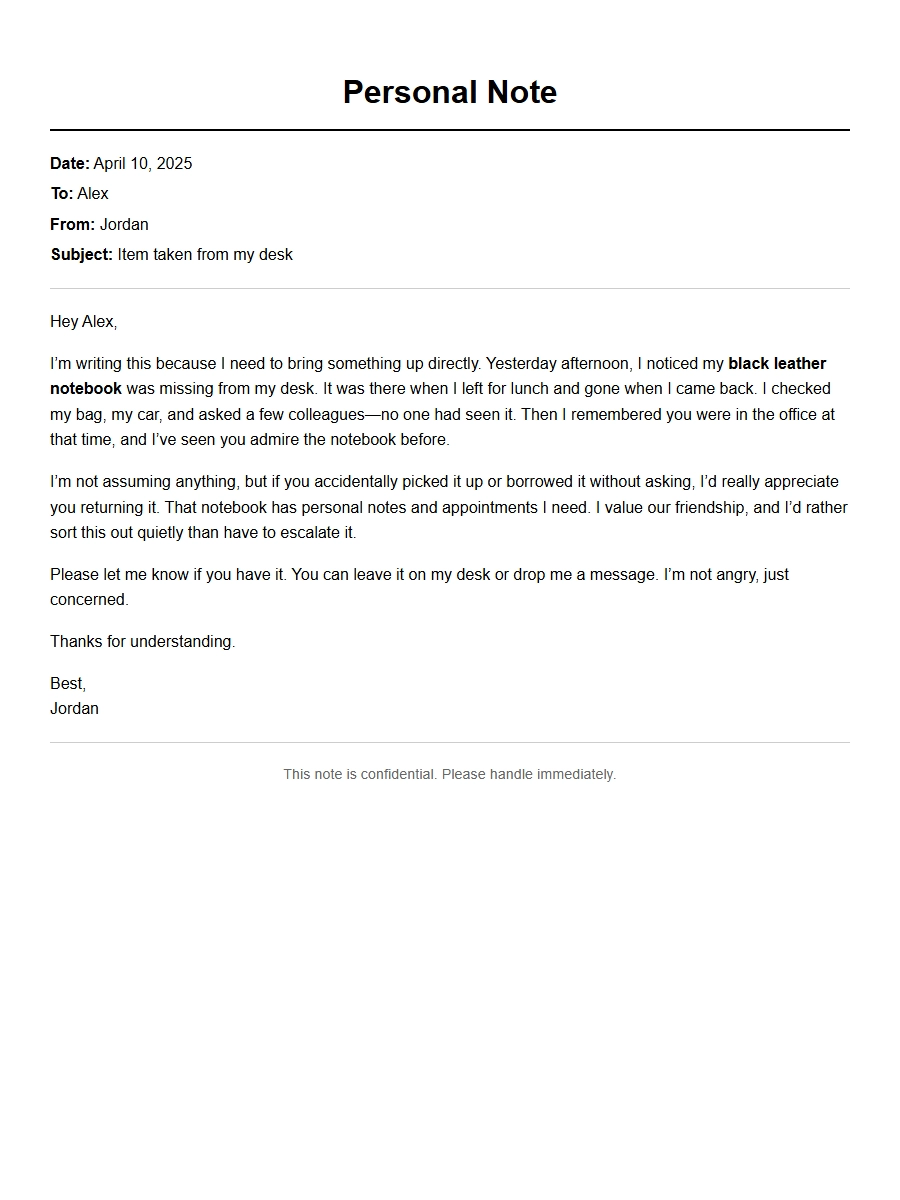 note for friend stealing item - Apology Letters
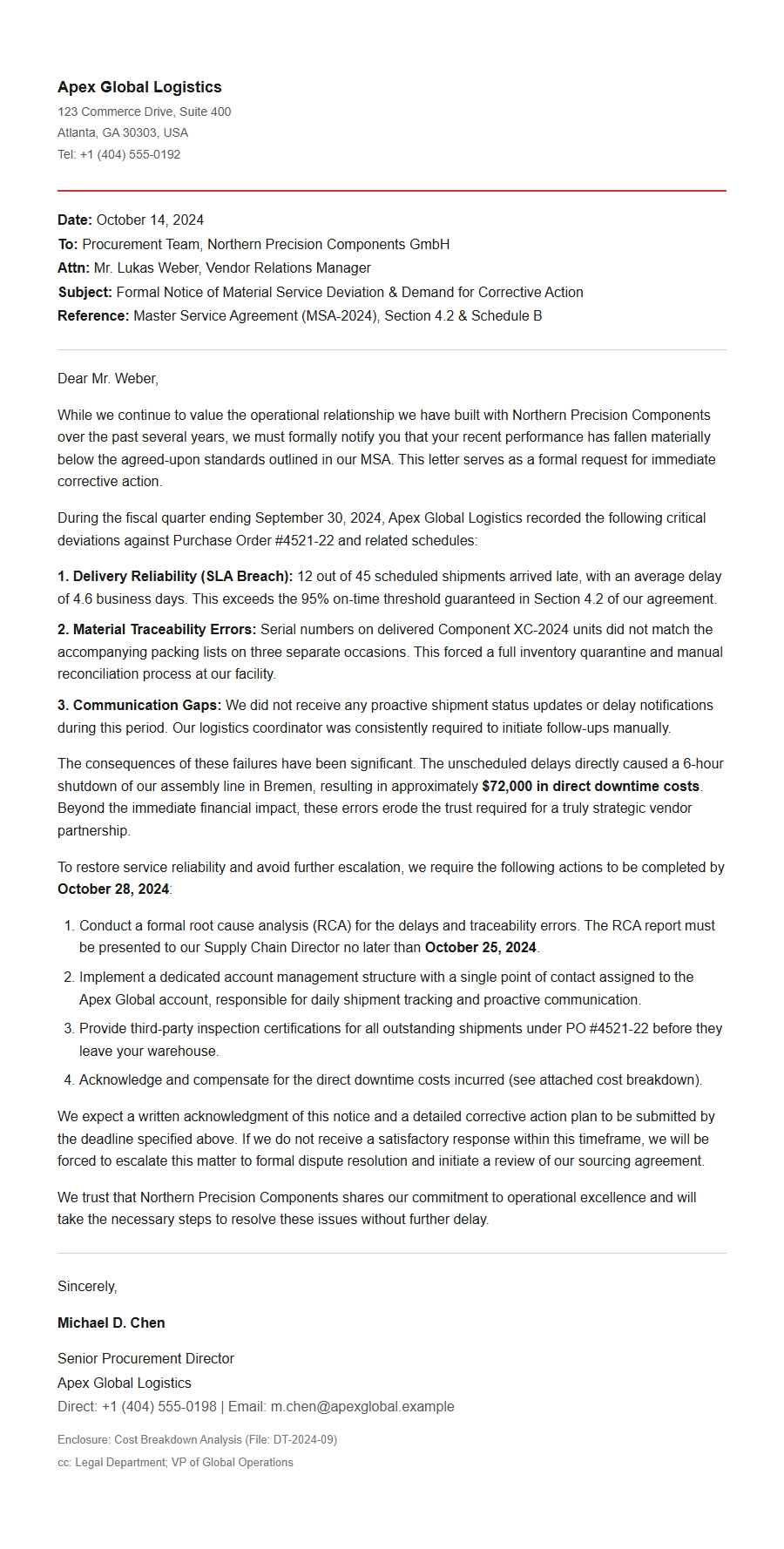 Apology Document for Vendor Supply Chain Issue
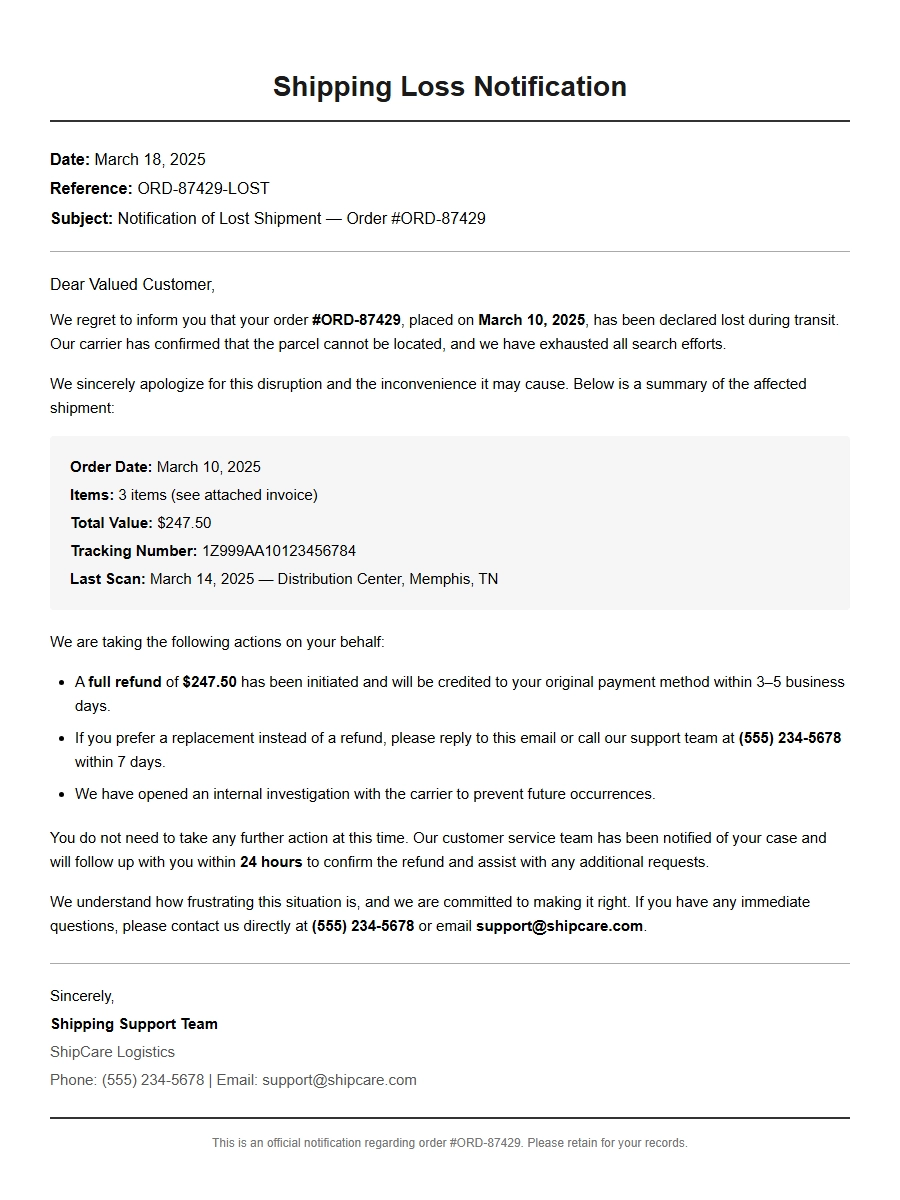 Apology Notification for Lost Shipping Order