You’ve been working with this vendor for a while. They’re reliable, the product is decent, and you’ve built a solid working relationship. But lately, the pricing feels a little high. Maybe margins are tightening on your end, or you’ve found a competitor offering something similar for less. The awkward part? You have to ask for a better rate without damaging the relationship. It's a conversation no one enjoys starting, but getting it right matters more than you think.
Using a sample letter to start that negotiation isn't a shortcut or a cop-out. It’s a practical way to structure your thoughts when emotions might otherwise take over. A good template gives you the framework for professional correspondence—the right business letter format, a clear salutation and closing, and a tone that stays respectful even when you’re pushing back on price. You just have to fill in the specifics that make it yours.
Let’s break down how to use a sample without sounding like you copied it from the internet. Because the goal isn’t just to get a discount. It’s to get a “yes” while keeping the door open for future work.
Where to start with vendor rate negotiation
Don’t open an email with “I want a lower price.” That’s abrupt and puts the other person on the defensive. Instead, frame the conversation around the value of the relationship. A good negotiation letter sample will include a line that re-establishes why you chose this vendor in the first place. Something like, “We’ve appreciated the consistency of your delivery over the past year.” That does two things: it shows you’re not just price-shopping, and it reminds them you’re a customer worth keeping happy.
Pick the right sample for your situation
There’s a difference between asking for a discount on a one-off service and renegotiating a long-term contract. If you’re dealing with a repeat delivery or ongoing service, you want a customizable letter that references your history together. If you’re comparing prices for a new project, your tone in writing should be more exploratory. A generic letter template won’t cut it here. Search for “vendor rate negotiation letter” and look for examples that include phrases like “reviewing our current agreement” or “aligning with market standards.” Those small signals matter.
Common mistakes to avoid
One of the biggest errors in professional correspondence is using an outdated salutation. “To Whom It May Concern” in a vendor negotiation feels impersonal and lazy. If you’ve been working with someone, address them by name. Another mistake? Ignoring the format. If you’re sending a formal letter via email, use a proper letterhead design or at least a clear subject line. But if you’re sending the same message through a quick email, loosen the format slightly. A digital letter format should still feel professional, but it doesn’t need a company seal.
How to tailor a sample without losing your voice
Start with the structure from a sample, then rewrite the opening paragraph to sound like you. If the sample says, “We are writing to request a revised pricing structure,” and you normally write, “Hey, I wanted to talk about the numbers on this project,” then don’t force the formal version. Meet in the middle. Try, “I’d like to discuss adjusting the pricing for our ongoing work together.” That’s clear, respectful, and still sounds human.
After you’ve drafted your letter, read it out loud. If it sounds stiff or like someone else wrote it, change those sentences. Your letter structure can stay solid—opening, context, request, closing—but the words should feel like they came from you.
A quick tip on proofreading
Nothing kills a good request faster than a typo in the numbers. Double-check the figures you mention. Then have someone else read it. Proofreading your letter isn’t just about grammar—it’s about catching a place where your tone accidentally turned demanding. You can be firm and still be polite. The line between them is usually just a word or two.
What to include in the email versus a printed letter
If you’re sending a letter by mail, include a physical signature and a proper date. If it’s an email, skip the formalities that feel forced—like a full address block—but keep the salutation and closing respectful. A simple “Thanks for your continued partnership” works better than “Sincerely” in most digital communication. For a printed letter, stick with something traditional like “Best regards” or “Respectfully.”
You might also want to attach a brief note about your budget situation. Not a sob story, but a straightforward explanation. Vendors appreciate transparency. It’s easier for them to say yes when they understand your constraints.
When to walk away from the negotiation
Sometimes the rate won’t move. That’s okay. If you’ve presented clear reasons—market comparison, volume commitment, or loyalty—and they still can’t adjust, you have a decision to make. It can be helpful to have a backup plan. If you need to end the relationship, keep it clean. A short email thanking them for their time and stating your decision works better than a long explanation. You can also use this as practice for future conversations. Sharing news in a professional context gets easier the more you do it.
Using this skill beyond vendor pricing
Once you get comfortable negotiating rates, you’ll notice the same principles apply to other kinds of professional correspondence. Whether you’re sending a thank-you note to family or drafting a more formal request, the core ideas are the same: clear structure, respectful tone, and a specific ask. You’ll start to see patterns in what works and what doesn’t.
For example, if you’re dealing with an issue like reporting a lost item to the local police, or even following up after a doctor’s visit, the same attention to tone and detail applies. Each situation asks for a slightly different approach, but the core habit of matching your language to your audience stays the same.
And if you ever need to acknowledge a mistake in a personal relationship, that same careful phrasing you practiced here will help you there too. Good writing is transferable. You’re building a skill, not just sending one letter.
Your next step
Find one sample letter for vendor negotiation. Read it twice. Then rewrite the first paragraph with your actual situation. If you get stuck, just explain why you value the vendor and what you’re hoping to change. The sample will carry the structure. You just bring the honesty. That mix is what makes a negotiation feel like a conversation instead of a demand.
Simple Examples
How to Negotiate Better Vendor Rates Yourself
Request for Revised Vendor Pricing
Dear Mr. Harrison,
I am writing to follow up on our recent discussion regarding the contract renewal for office supply services. After reviewing the updated proposal, I believe there is room to negotiate the rates to better align with our budget constraints and the current market trends.
Specifically, I would like to propose the following adjustments:
Reduce the per-unit cost for printer toner from $45 to $38, given our projected volume of 200 units per quarter.
Offer a 10% discount on bulk paper orders exceeding 500 reams.
Eliminate the monthly service fee of $25 for standard delivery, as we have consistently met minimum order thresholds.
I value our partnership and believe these changes will allow us to continue working together. Please let me know a convenient time to discuss this further next week.
Thank you for your consideration.
Vendor Rate Adjustment Confirmation Letter
Dear Ms. Lin,
Thank you for your willingness to renegotiate the rates for our IT support services. As discussed during our call on March 5, I am pleased to confirm the mutually agreed changes.
The updated pricing structure is as follows:
Service
Previous Rate
New Rate
Remote support (per hour)
$95
$80
On-site visit (flat fee)
$150
$130
Monthly maintenance package
$500
$450
These rates will take effect on April 1 and remain valid for one year. I appreciate your flexibility in accommodating our budget needs and look forward to continued collaboration.
Please sign and return the attached amendment by March 15.
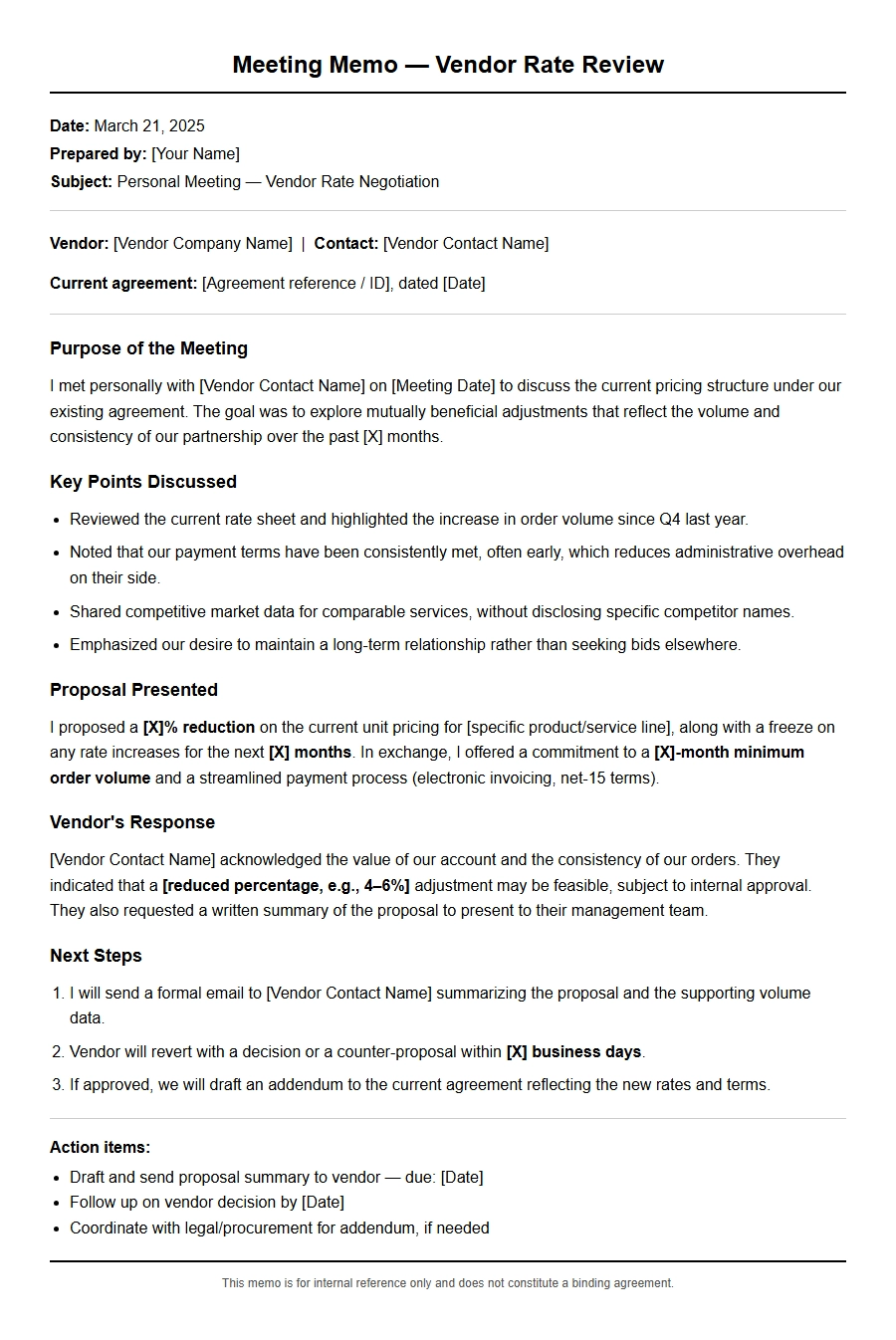
Personal Negotiation Script for Vendor Meeting
Use the following talking points during your face-to-face meeting with the vendor:
Start with a positive tone: "I truly value the quality of your products and our working relationship over the past year."
State your case clearly: "However, to stay competitive in my own business, I need to reduce my operational costs. I am hoping we can work together on the pricing."
Suggest specific changes:
Lower the unit price on high-volume items by 5-8%.
Waive any annual administrative fees.
Extend payment terms from net 30 to net 45 days.
Close with a win-win mindset: "If we can agree on these adjustments, I am ready to commit to a 12-month contract with a 10% increase in order volume."
Pause and wait for the vendor's response. Be prepared to listen and counteroffer.
Follow-Up Letter After Initial Rate Discussion
Dear Mr. Patel,
It was a pleasure speaking with you last Tuesday about adjusting the rates for our cloud storage subscription. I appreciated your openness to revisiting the pricing structure.
Based on our conversation, I would like to propose a revised plan that benefits both parties:
Reduce the monthly fee from $299 to $249 for the 2TB plan, which we currently use for 50 users.
Offer a 15% discount on additional storage beyond 2TB, as we anticipate expansion next quarter.
Include basic customer support at no extra cost, instead of the current $20/month add-on.
I believe this is a fair starting point. Please review and let me know your thoughts by March 20. I am available for a call anytime next week.
Looking forward to your positive response.
Informal Email to Vendor About Rate Negotiation
Hi Sarah,
I hope this email finds you well. I wanted to touch base regarding the catering services we discussed for our upcoming events.
Given that we are planning at least 15 corporate lunches this year, I am hoping we can negotiate a better rate than the listed $18 per person. Specifically, I was thinking:
A bulk discount of 12% for orders over 100 people.
Free delivery for all orders above $500.
A flat rate of $16 per person for the entire year if we sign an exclusive agreement.
I understand you need to maintain quality, but these adjustments would help me allocate more budget to other areas. Let me know if we could meet for coffee to discuss—I am free Thursday after 2 PM.
Thanks again for your flexibility.
Vendor Comparison Table for Rate Negotiation
To support my request for lower rates, I have prepared a comparison of current and competitor pricing. This demonstrates the market standard and my commitment to finding a fair deal.
Item
Your Current Price
Competitor A Price
Competitor B Price
Office chairs (each)
$350
$320
$310
Desk lamp (each)
$45
$38
$40
Monthly cleaning service
$600
$550
$530
As you can see, your prices are 8-15% higher than your competitors for comparable products. I value your reliability and after-sales support, but to continue our partnership, I kindly request a reduction to $330 per chair and $35 per lamp. Additionally, matching the $550 monthly cleaning fee would make your offer more competitive.
Proposal for Multi-Year Contract Rate Reduction
Dear Mrs. Chen,
I am writing to propose a long-term partnership that would benefit both our companies. My goal is to secure a lower rate on packaging materials in exchange for a multi-year commitment.
Here is my proposal:
Sign a 3-year contract for all packaging supplies, including boxes, tape, and cushioning materials.
Start with a 15% discount on current rates for the first year.
Increase the discount to 18% in year two and 20% in year three, based on annual volumes exceeding $50,000.
This arrangement gives you guaranteed revenue and reduces your marketing costs, while I gain predictable pricing. I am open to discussing the exact discount percentages.
Please let me know if you are willing to schedule a meeting early next month to finalize details.
Thank you for considering this offer.
Negotiation Checklist for Personal Vendor Meeting
Before meeting with your vendor to negotiate rates, use this checklist to prepare:
Research and Data:
Gather current contract details and pricing history.
Collect competitor quotes for comparison.
Know your budget limits and minimum acceptable rates.
Strategy:
Set a target rate and a walkaway point.
Identify non-price concessions you can offer (e.g., longer commitment, larger volume).
Prepare a list of priorities (e.g., lower per-unit cost, free shipping, extended payment terms).
During the Meeting:
Begin with appreciation for the vendor's service.
Present your data calmly and professionally.
Use active listening and ask open-ended questions.
Follow-Up:
Document agreed changes in writing.
Set a timeline for implementation and next review.
Rate Negotiation Summary Letter After Agreement
Dear Mr. Davis,
Thank you for meeting with me yesterday to discuss the rates for janitorial services. I am pleased that we reached a mutually beneficial agreement.
Below is a summary of the changes we agreed upon:
Service Detail
Previous Cost
New Cost
Daily office cleaning (per visit)
$200
$175
Deep cleaning (quarterly)
$400
$350
Window washing (semi-annual)
$300
$250
In return, I have committed to a 12-month contract and will provide monthly feedback. The new rates will apply starting April 1. I will send a signed copy of the updated agreement by the end of the week.
Thank you for your cooperation. I look forward to continuing our productive partnership.
Polished Request for Vendor to Reconsider Pricing
Dear Ms. Thompson,
I hope you are doing well. I am reaching out to respectfully ask you to reconsider the pricing for the marketing materials we recently discussed.
Your initial quote of $1,200 for the set of flyers, brochures, and banners is slightly above my budget of $1,000. Given my intention to place a repeat order every quarter, I believe a reduction to $1,050 would be reasonable, especially if we combine orders for all upcoming campaigns.
Additionally, I would appreciate clarification on potential volume discounts. If I commit to a minimum of $3,000 in orders this year, could we discuss a 10% overall discount?
I value the high quality of your work and am eager to proceed as soon as possible. Please let me know if you can accommodate this request or if you have alternative suggestions.
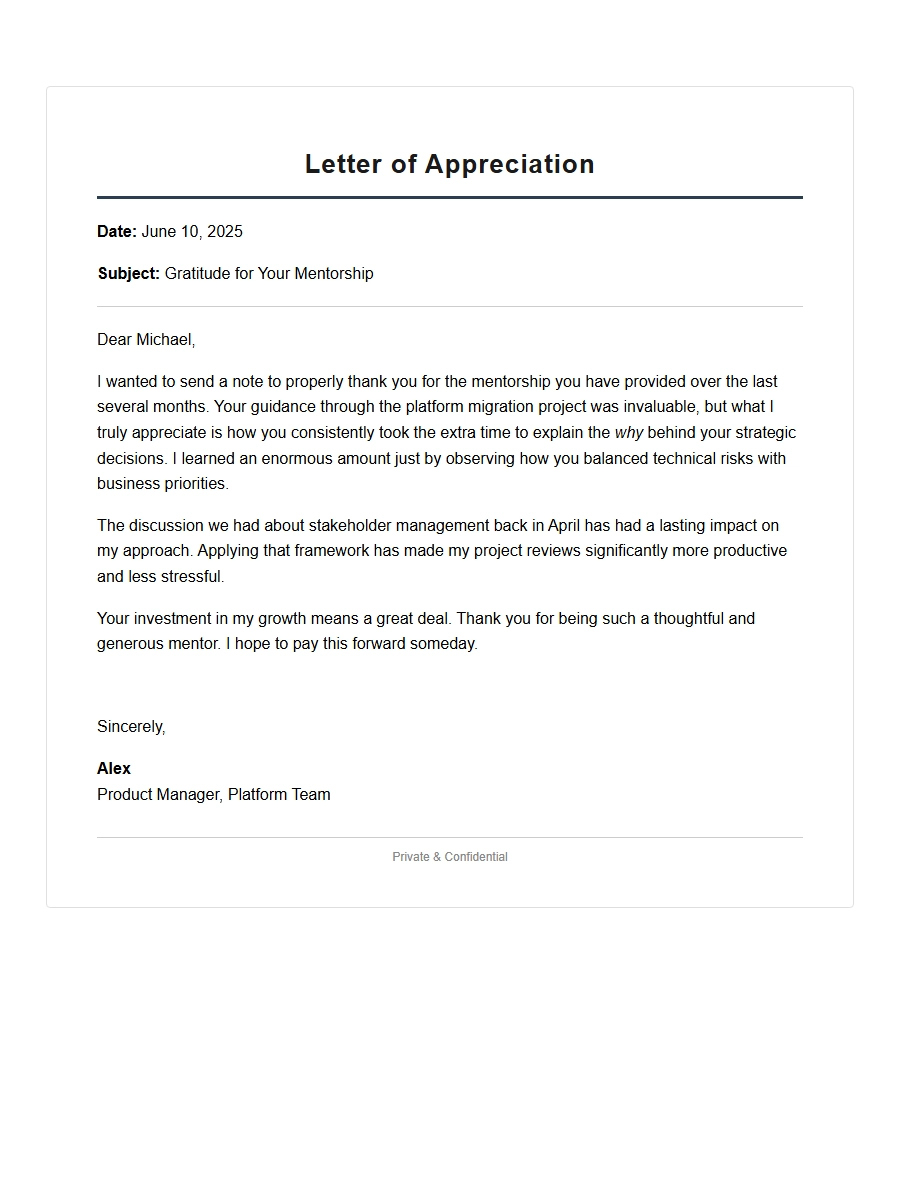 Thanking a Mentor for Guidance: Sample Messages
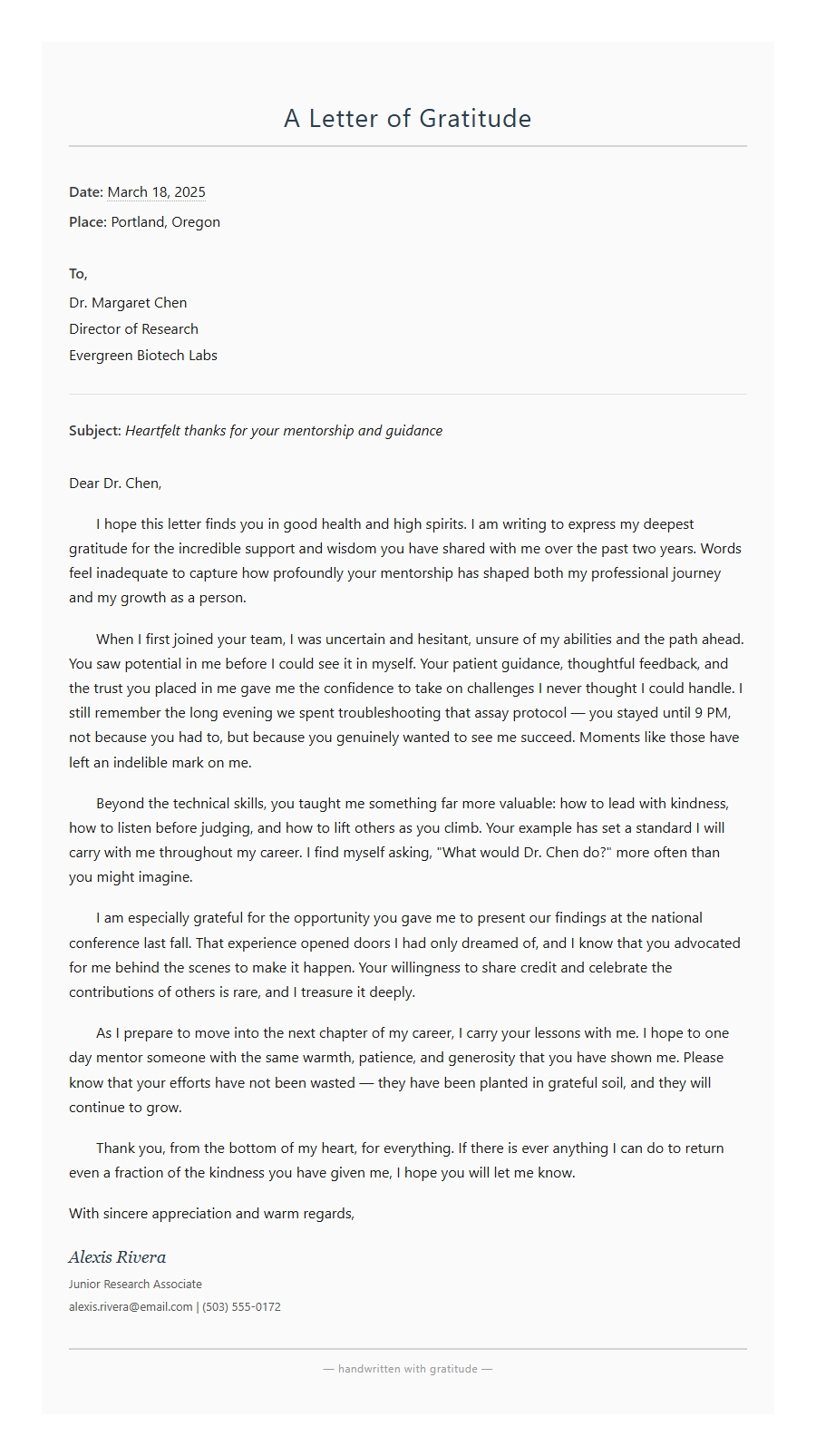 Expressing Gratitude: Handwritten Letter Example
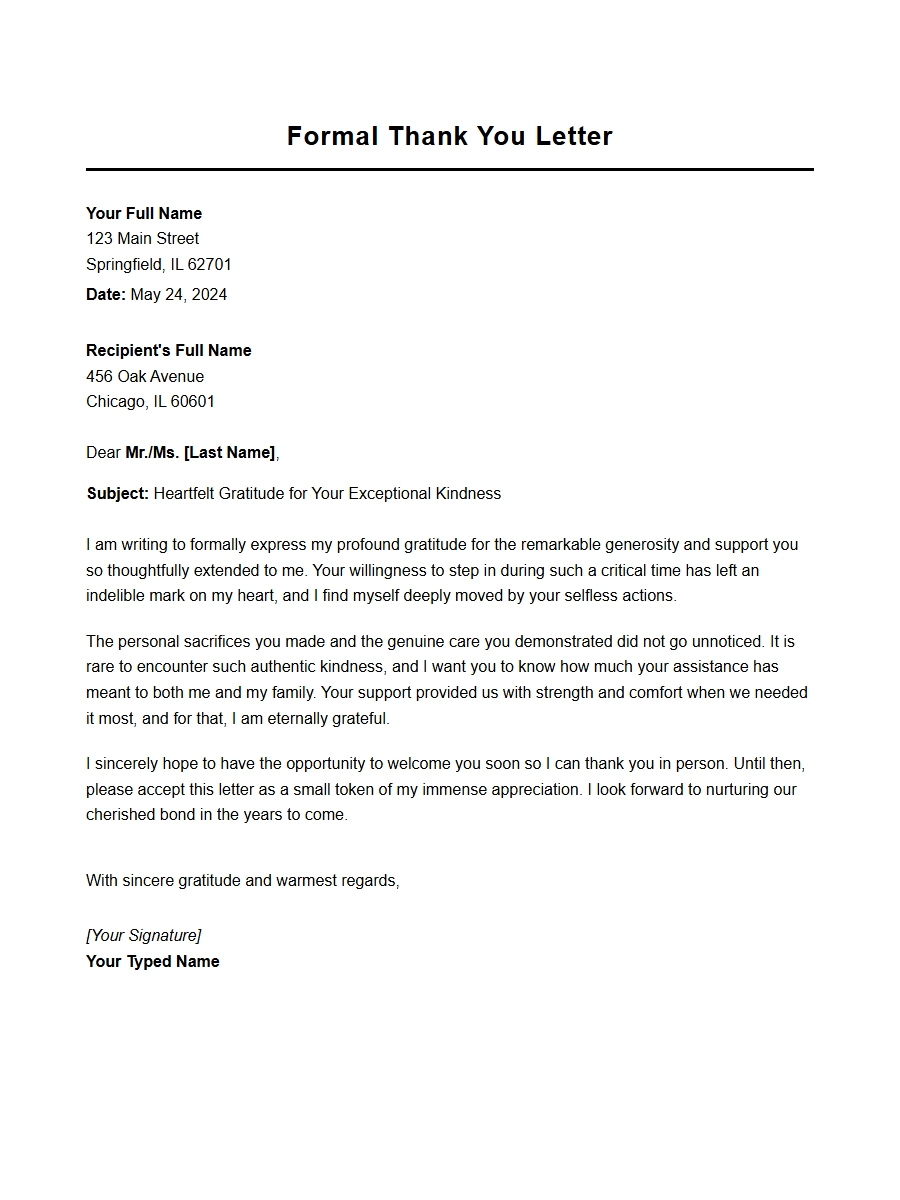 Expressing Thanks in a Formal Personal Letter
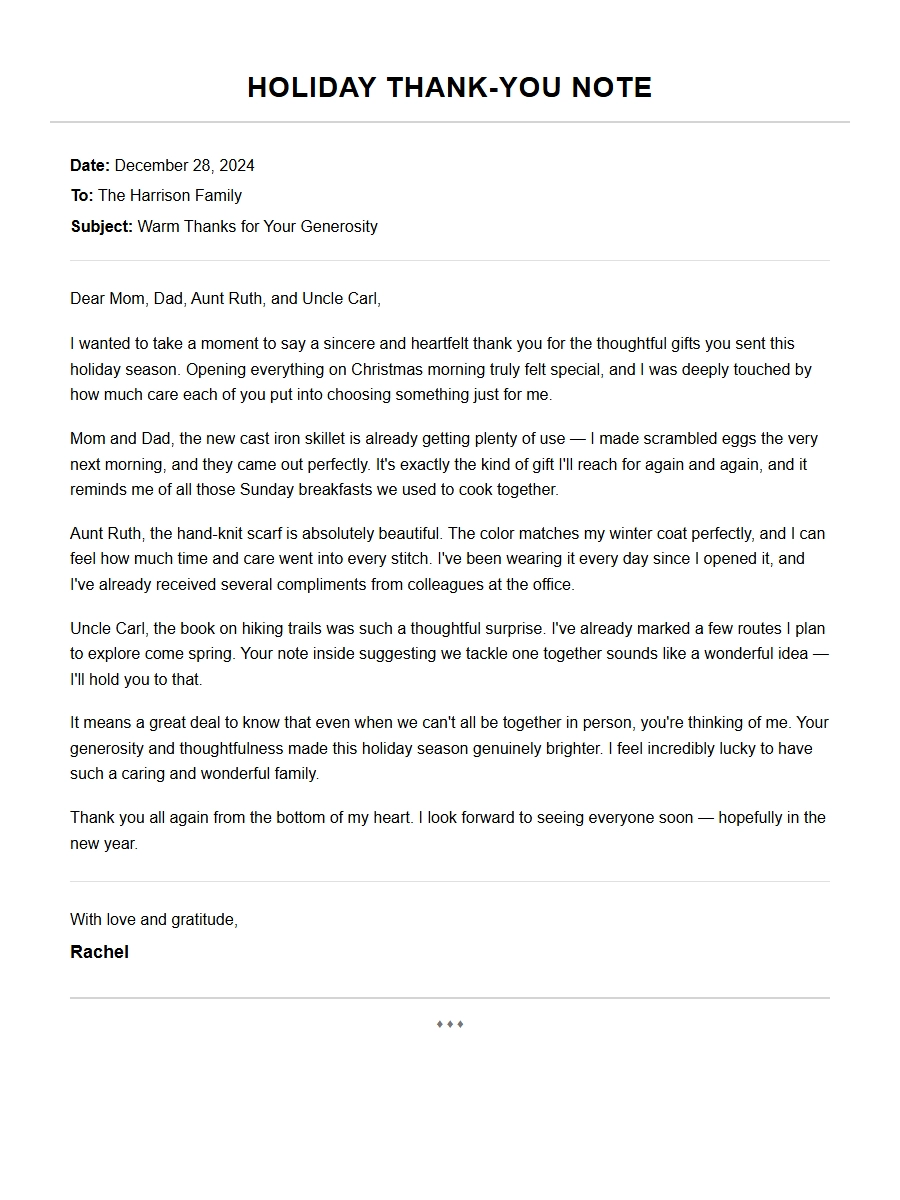 Thank You Letter Examples for Family Holiday Gifts
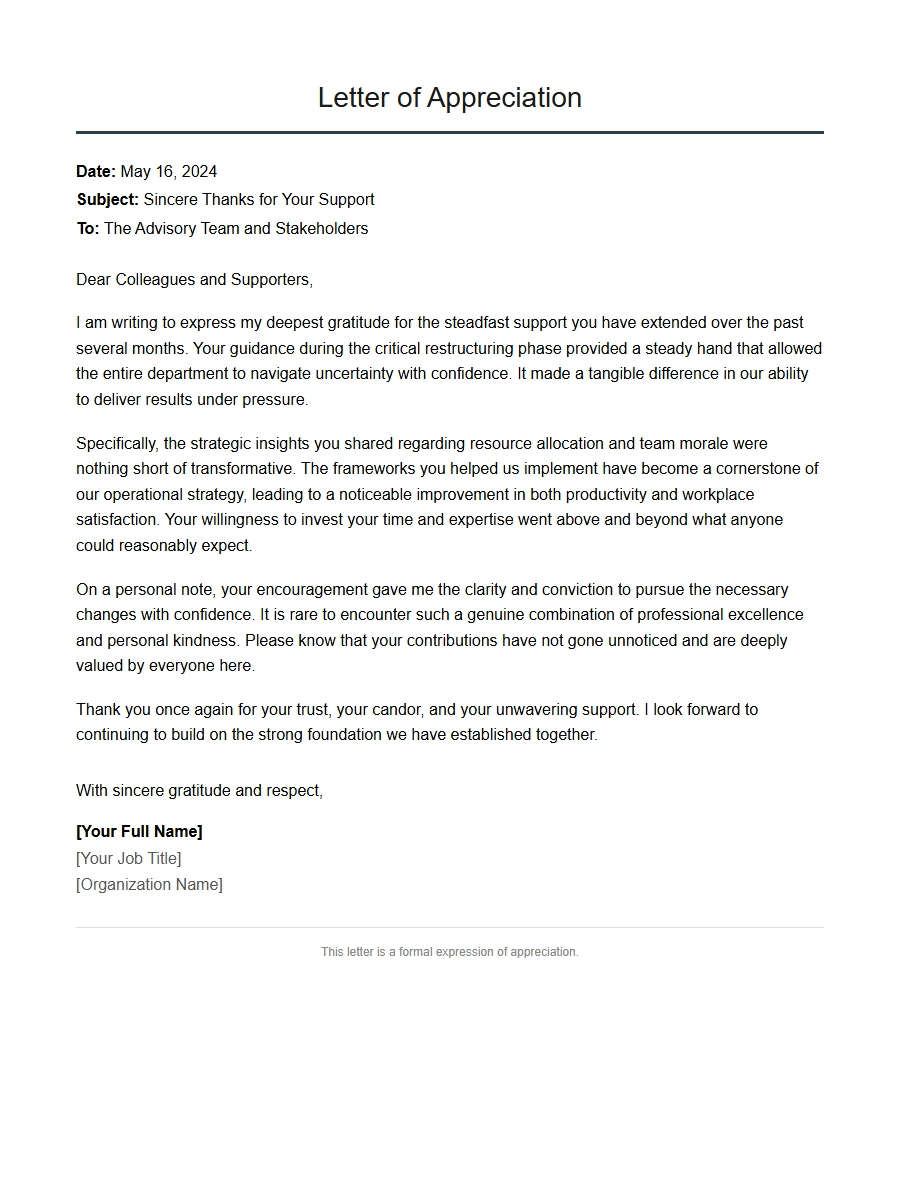 Sample Thank You Letter for Support
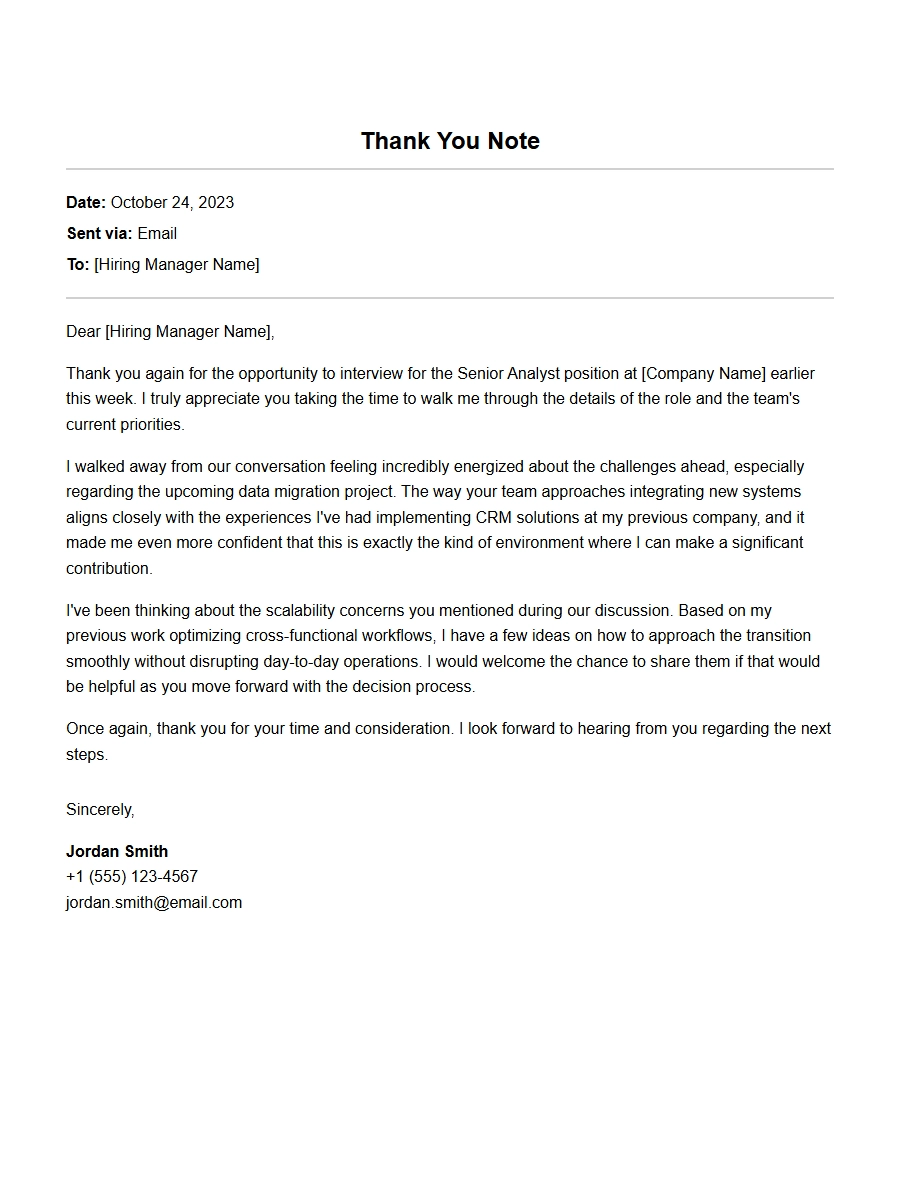 How to Write a Personal Thank-You Note After an Interview