medical resident rotation evaluation - Recommendation Letters
You’ve finished a month supervising a new intern, and now you need to write a rotation evaluation letter. You want it fair, accurate, and useful—but putting it into words feels like a chore. Maybe you’re unsure how formal it should be, or you’re worried your feedback won’t sound professional. That blank page stares back, and the clock is ticking.
Using a sample isn’t cheating. It’s a smart way to save time while keeping your own judgment front and center. A good medical resident rotation evaluation sample gives you the structure, tone, and key phrases you need, leaving room for your personal observations. You’re not copying—you’re adapting.
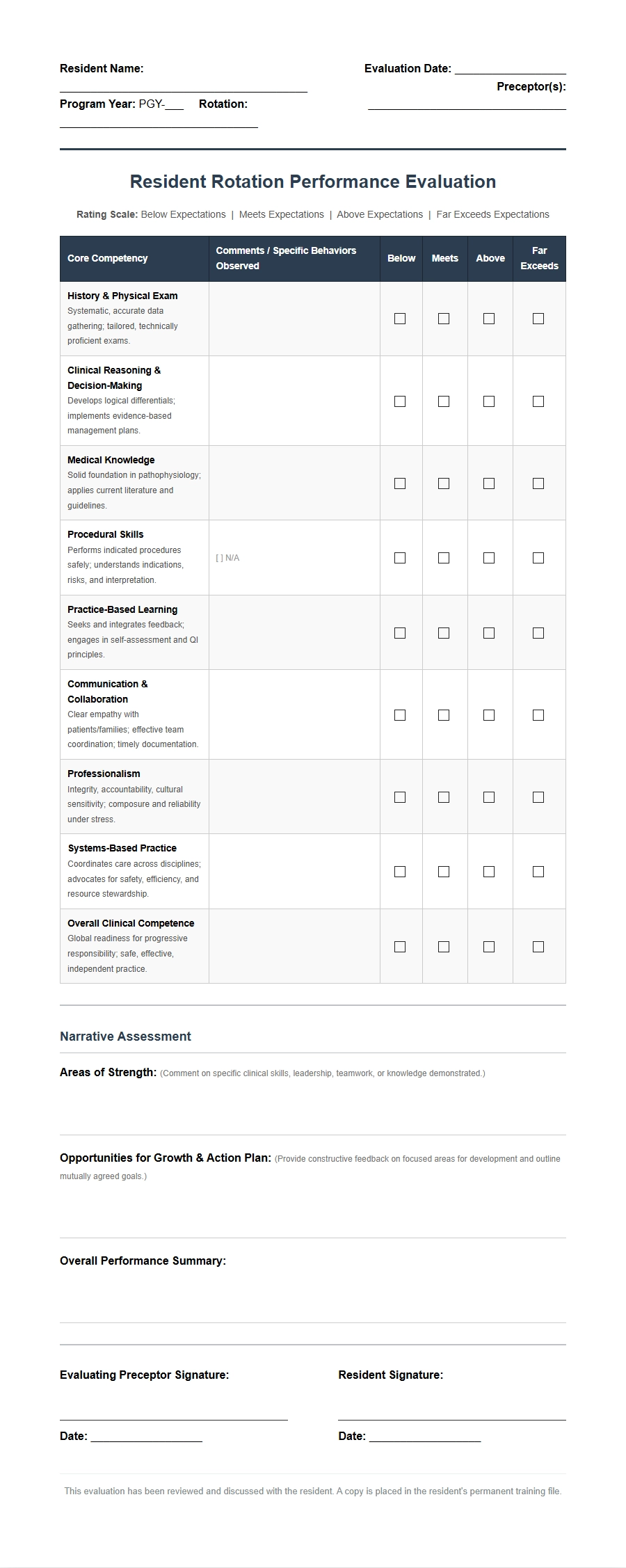
Why reinvent the wheel? Professional correspondence in healthcare follows conventions. A letter template for rotation evaluations typically includes sections for clinical skills, communication, professionalism, and areas for growth. That framework keeps you organized and ensures you don’t miss anything important. The same principle applies to any formal writing: a solid structure helps both the writer and the reader.
Choosing the right sample depends on context. If you’re writing a formal evaluation for a resident’s permanent file, you’ll want a business letter format with a clear heading, date, and signature block. For a less formal feedback note shared directly with the resident, a shorter digital format works fine. Pay attention to letter writing etiquette—for example, avoid outdated salutations like “Dear Sir or Madam” unless you’re certain of the reader’s preference. A simple “Dear Dr. Last Name” is usually safe.
Adapt the sample without losing your voice. Start by adjusting the opening paragraph to reflect your specific experience. Instead of a generic opener like “I am writing to evaluate,” try something more direct: “During her four-week rotation in cardiology, Dr. Patel consistently showed strong diagnostic reasoning.” That small change grabs attention and sets a personal tone. Similarly, keep your salutation and closing warm but professional—something like “Best regards” or “Sincerely” works in most cases.
Common mistakes? Using a letterhead design that looks cluttered or ignoring the difference between a printed letter and an email. For emailed evaluations, skip the formal letterhead and just include a clear subject line and your signature at the end. Also, resist the temptation to pad the evaluation with vague praise. Specific examples—like “She handled the code blue protocol calmly and communicated clearly with the team”—carry more weight than generic statements.
Tone in writing matters a lot in medical evaluations. Too clinical and the feedback feels cold; too casual and it lacks credibility. Aim for balanced professionalism. Think of it as a conversation with a colleague: honest, constructive, and respectful. If you’re unsure, read the draft out loud. Does it sound like something you’d actually say? If not, adjust.
Don’t forget to proofread. Even a small typo can undermine your credibility. Use a proofreading letter checklist: check names, dates, verb tenses, and consistency in pronoun usage. A second set of eyes helps too.
The structure of your evaluation letter doesn’t have to be rigid. You might start with an overview paragraph, then break down specific competencies. This aligns with the letter structure many residency programs expect. If you’re writing a letter of recommendation for a future fellowship or job, you’ll want to emphasize the resident’s strengths with concrete examples. In that case, a cover letter examples format (though not identical) can give you ideas for an engaging opening.
For digital correspondence, keep digital letter format simple. Use a readable font (Arial or Times New Roman, 11–12pt), avoid excessive formatting, and include your contact info at the end. If the evaluation is part of an online system, follow the system’s guidelines but still aim for a natural flow.
Finally, remember this: the best evaluation letters feel both professional and personal. Use the sample as a springboard, not a crutch. With practice, you’ll get faster and more confident. Next time you face that blank page, you’ll already know exactly where to start.
Samples to Guide You
medical resident rotation evaluation - Recommendation Letters
Dr. Jane Doe demonstrated exceptional clinical reasoning and empathy during her internal medicine rotation. She consistently performed thorough histories and physical exams, and her presentations were concise and accurate. She actively participated in morning reports and teaching conferences.
Competency
Rating (1–5)
Clinical Knowledge
5
Patient Communication
5
Team Collaboration
4
She managed a complex case of sepsis with appropriate fluid resuscitation and early antibiotics, showing sound judgment. I strongly recommend her for further training in internal medicine.
Surgical Rotation Assessment
Rotation: General Surgery, 4 weeks (Mar–Apr 2024)
Evaluator: Dr. R. Patel, Chief of Surgery
Dr. John Smith met all surgical rotation objectives. He demonstrated steady improvement in sterile technique, knot tying, and wound closure. His anatomical knowledge was above average, and he assisted confidently in laparoscopic cholecystectomies.
Pre-operative planning: thorough review of imaging
Intra-operative assistance: calm and responsive
Post-operative care: meticulous with drain management
He also contributed to a quality improvement project on reducing surgical site infections. I recommend him for a surgical residency.
Pediatrics Rotation Letter
Rotation: Pediatrics, 4 weeks (May–Jun 2024)
Evaluator: Dr. L. Thompson, Pediatrician
Dr. Emily Chen excelled in pediatric care. She quickly developed rapport with children and their families, using age-appropriate language. She diagnosed a case of atypical Kawasaki disease early, which prevented complications.
Skill
Comments
Growth & Development Assessment
Accurate Denver II screening
Immunization Counseling
Addressed vaccine hesitancy effectively
Acute Illness Management
Proficient in respiratory distress evaluation
Her notes were thorough and she demonstrated responsibility in follow-up care. I give her my highest recommendation.
Psychiatry Rotation Endorsement
Rotation: Psychiatry, 4 weeks (Jul–Aug 2024)
Evaluator: Dr. M. Wright, Psychiatrist
Dr. Sarah Johnson showed keen diagnostic skills and deep empathy. She conducted comprehensive mental status exams and built therapeutic alliance with patients suffering from major depression and bipolar disorder.
Diagnostic accuracy: correctly identified early psychosis
Dr. Michael Brown thrived in the fast-paced ED. He triaged efficiently, managed multiple simultaneous patients, and performed procedures including laceration repair and lumbar puncture.
Domain
Rating
Clinical Decision-Making
5
Procedural Skills
4
Team Communication
5
He remained calm during a resuscitation of anaphylactic shock. His differential diagnoses were always well prioritized. I enthusiastically recommend him for emergency medicine.
Obstetrics & Gynecology Evaluation
Rotation: OB/GYN, 4 weeks (Nov–Dec 2024)
Evaluator: Dr. S. Gupta, OB/GYN Attending
Dr. Laura Martinez demonstrated dedication in obstetrics and gynecology. She assisted in multiple cesarean sections and vaginal deliveries, showing proper sterile technique and respect for patient dignity.
Labor management: correct interpretation of contraction patterns
Surgical assistance: retraction and suturing skills improved
She also counseled a patient on contraceptive options with sensitivity. I recommend her without reservation for OB/GYN residency.
Neurology Rotation Recommendation
Rotation: Neurology, 4 weeks (Jan–Feb 2024)
Evaluator: Dr. F. Osei, Neurologist
Dr. Robert Kim performed exceptionally in neurology. He systematically differentiated strokes from seizures, and his localization skills were superior for a resident level.
Competency
Performance
Neurological Exam
Flawless cranial nerve assessment
Case Presentation
Clear, with relevant imaging correlation
Patient Education
Explained MS management thoroughly
He initiated IV thrombolysis correctly for acute ischemic stroke. I strongly endorse his pursuit of neurology.
Family Medicine Rotation Letter
Rotation: Family Medicine, 4 weeks (Mar–Apr 2024)
Evaluator: Dr. C. Rivera, Family Physician
Dr. Amanda Taylor integrated preventive care with acute management seamlessly. She saw a diverse panel of patients from pediatrics to geriatrics, addressing hypertension, diabetes, and depression.
Continuity of care: followed a diabetic patient through several visits
Health maintenance: updated vaccines and cancer screenings
Community orientation: participated in a free clinic session
Her notes reflected a biopsychosocial approach. She is an excellent candidate for family medicine residency.
Radiology Rotation Feedback
Rotation: Radiology, 4 weeks (May–Jun 2024)
Evaluator: Dr. N. Lee, Radiologist
Dr. Daniel Clark showed strong aptitude in image interpretation. He reviewed more than 200 studies, from plain radiographs to MRIs, and improved in pattern recognition.
Modality
Accuracy (Final)
X-ray
95%
CT
90%
Ultrasound
85%
He also assisted in thyroid biopsy under ultrasound guidance. He maintained meticulous documentation. I recommend him for diagnostic radiology training.
Anesthesiology Rotation Evaluation
Rotation: Anesthesiology, 4 weeks (Jul–Aug 2024)
Evaluator: Dr. J. Liu, Anesthesiologist
Dr. Olivia White demonstrated vigilance and precision. She competently performed induction, intubation, and extubation, and managed intraoperative hemodynamics effectively.
Pre-op assessment: thorough history and airway evaluation
She stayed calm during a case of malignant hyperthermia simulation. She also taught junior residents bag-mask ventilation. I give her my strongest recommendation for anesthesiology.
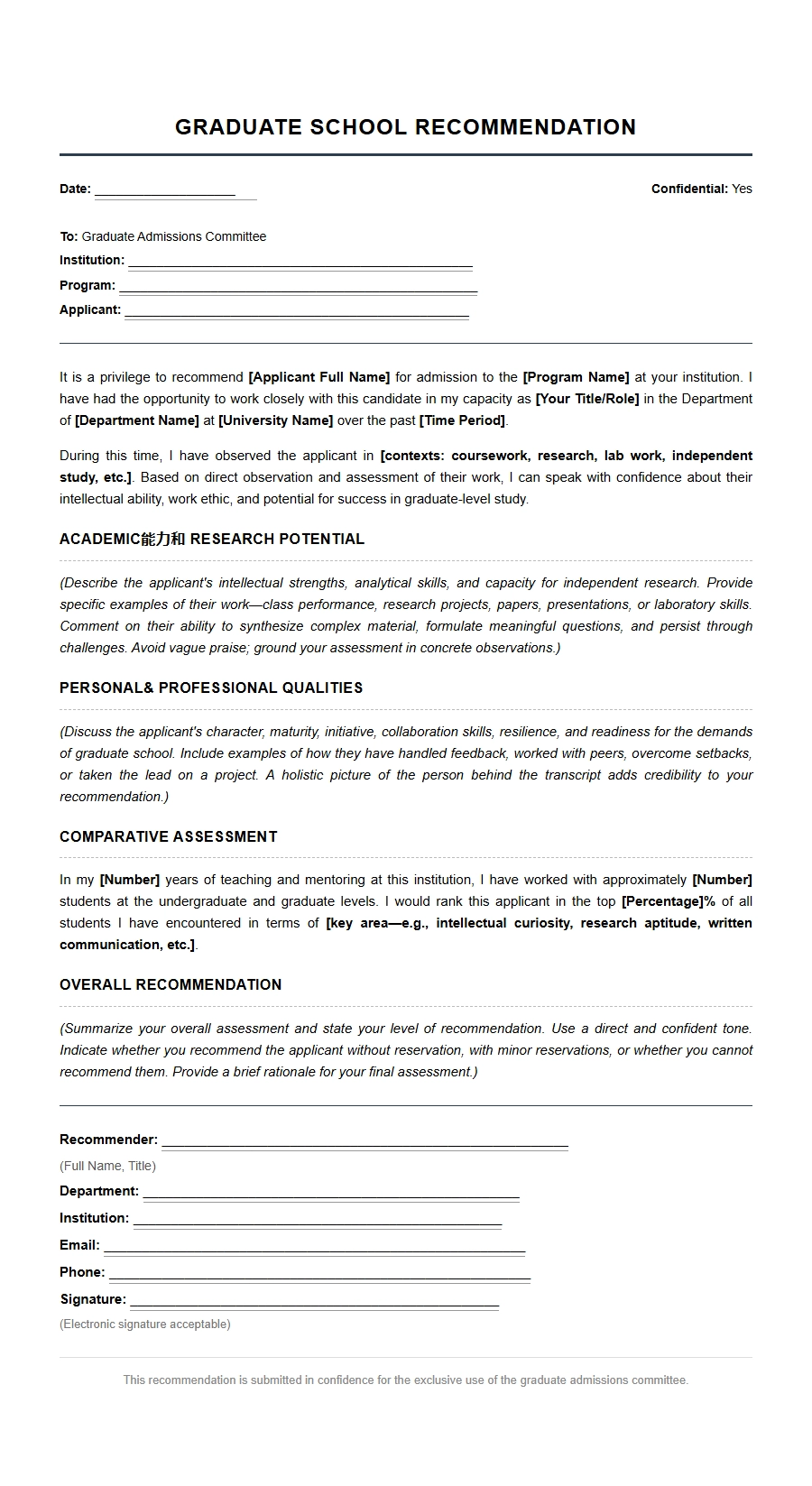 Format for Graduate School Faculty Recommendation Letters
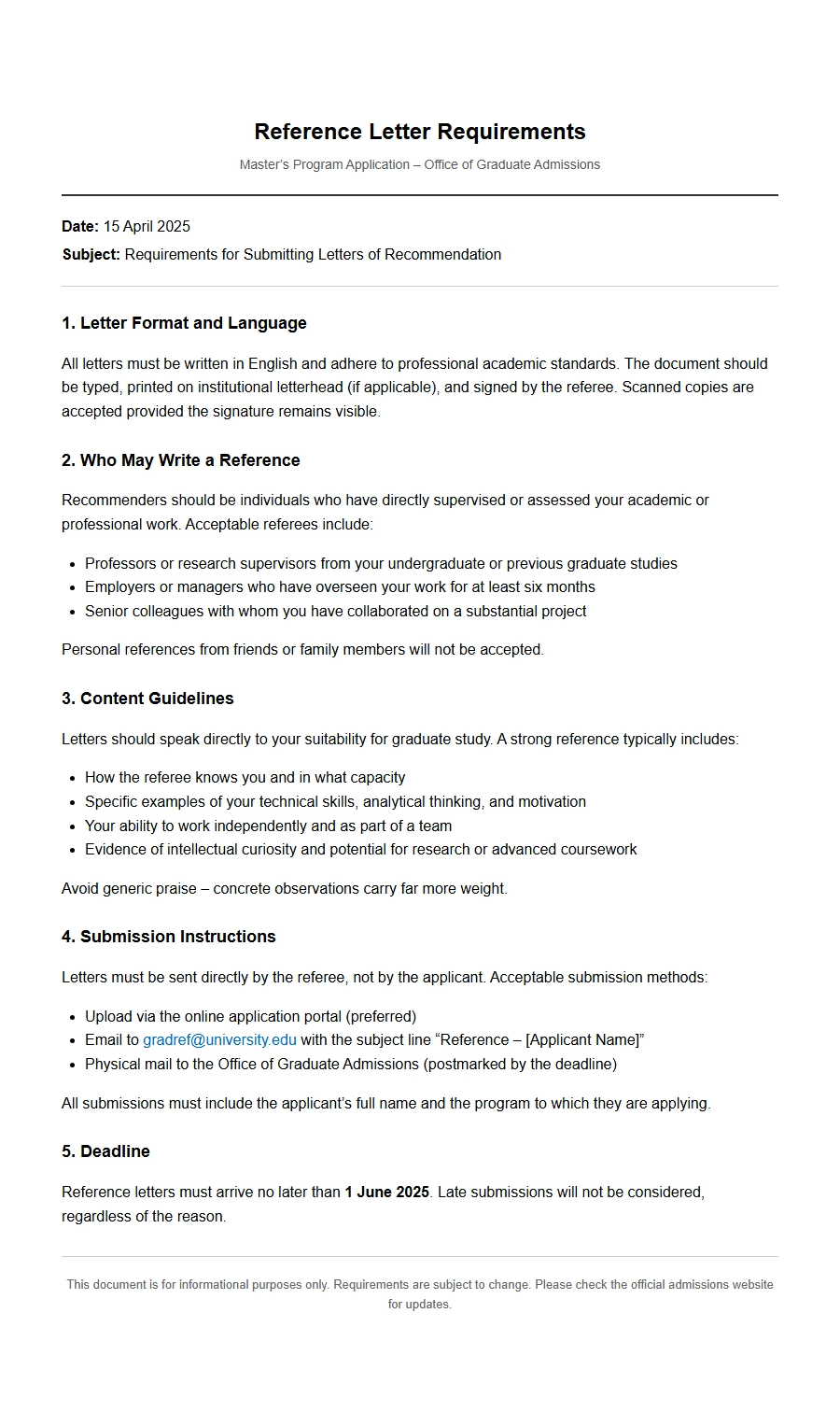 Master's Program Reference Letter Requirements
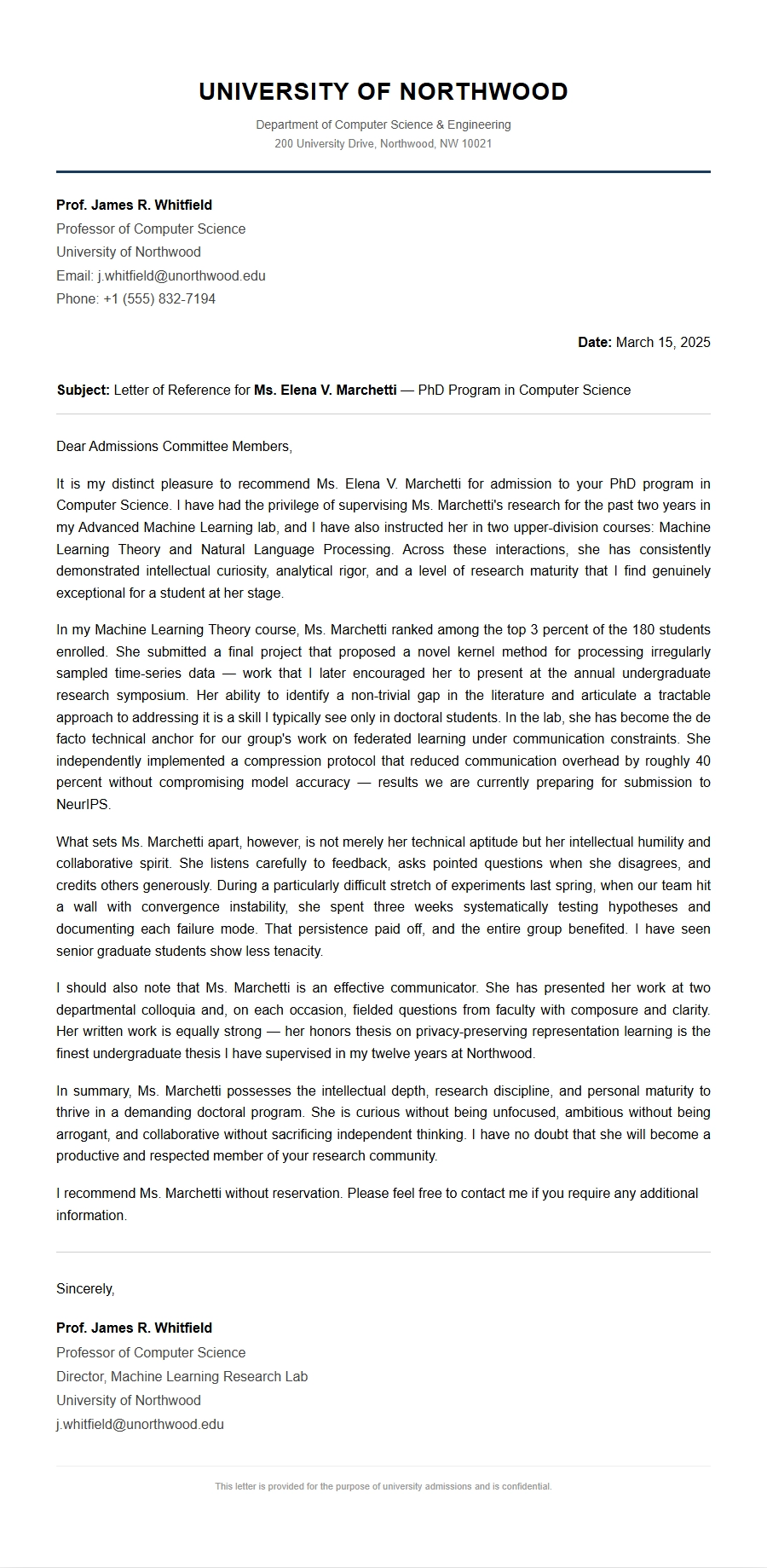 The Perfect Structure for a University Reference Letter
 scholarship essay recommendation portion - Recommendation Letters
 Sample PhD Supervisor Endorsement Letter
 How to Find Your Merit Award Referee Contact Info