Apology for Billing Cycle Confusion on Gym Membership
You just checked your bank statement and saw a gym membership charge that doesn't make sense. Maybe it billed you twice, or the amount changed without notice, or you canceled last month and the fee still shows up. Whatever it is, you need to write a letter about it—and you don’t want to sound angry or confused on paper. You want clear, professional, and effective. A good letter for a gym membership billing cycle issue can save you money and frustration if you get the tone and structure right.
Why using a letter sample helps (and isn’t cheating)
When you’re already annoyed about a billing error, the last thing you want to do is stare at a blank screen. That’s where a letter template can be a lifesaver. It gives you a solid starting point: the right salutation, a logical flow, and phrases that have worked for others. But a sample isn’t a crutch—it’s a springboard. You still personalize it with your details, your situation, and your voice. Think of it as having a trusted colleague whisper, “Start here, then make it yours.”
How to write a letter about your gym billing cycle problem
First, figure out what exactly went wrong. Common issues include being charged the wrong month, an unexpected annual fee, or a billing date that doesn’t match your contract. Once you know the problem, decide whether you’re requesting a refund, a correction, or a change to the billing cycle itself. That will guide the tone in writing—polite but firm usually works best.
Start your letter with a clear subject line if it’s digital, or a reference line if printed. For example: “Re: Billing Error – Membership ID 12345 – Overcharged on March 1.” Follow with a standard salutation and closing (“Dear Customer Service Team” and “Sincerely”). The first paragraph should state the issue in one or two sentences. Don’t bury the lede. Say flat out: “I was charged $59.99 on March 1, but my billing cycle runs on the 15th, and I should have been billed $49.99.”
If you need to adjust the billing cycle itself—maybe you want to align it with your payday—explain why and ask politely. “Could you move my billing date to the 1st of each month? That would make it easier for me to manage payments.”
What to include in your letter
A professional correspondence about money needs specific details. Include your full name, membership number, contact information, and any relevant dates. Attach copies (not originals) of bank statements or receipts if possible. Mention the business letter format you’re following—single-spaced, block style, with your address at the top. If you’re sending it by email, use a clean digital letter format with no fancy fonts.
One mistake people make is writing a long emotional story. Keep it factual. “I signed the contract on January 5, 2025, which states the billing occurs on the 5th of each month. On March 5, I was charged $79.99 instead of the agreed $59.99.” That’s enough.
Remember letter writing etiquette: be polite, but don’t apologize for asking what’s right. If you’ve been overcharged, you’re in the right. Say “Please correct this charge and refund the difference.” No need to grovel.
Practical tips to adapt a sample without losing your voice
When you use a sample, change the salutation and closing to fit your style. If you’ve had good interactions with the gym before, a warmer tone works. “Hi Lisa in Billing” is fine if that’s who you’ve dealt with. For a first-time complaint, stick with a formal salutation. Also adjust the letter structure so your paragraphs are short—three or four lines max. No one wants to read a dense block of text about billing.
One quick tip: tailor the opening paragraph to grab attention. Instead of “I am writing to notify you of a billing issue,” try “I noticed a charge on my March statement that doesn’t match my membership agreement. Can you help me resolve this?” That sounds human, not robotic.
Common mistakes to avoid
Using outdated salutations like “To Whom It May Concern” makes your letter feel generic. If you don’t know a name, use the department. Another mistake? Ignoring formatting for email vs. printed letter. An email doesn’t need a return address block, but a printed letter does. If you’re mailing it, put it on letterhead design if you have one—otherwise, plain white paper with your name and contact at the top is fine.
Also avoid vague language. “I’ve had problems with my billing lately” won’t get you far. Be specific: “My billing date changed from the 10th to the 15th without notice.” That gives them a clear problem to fix.
When you need more than a simple correction
Sometimes a billing cycle issue is part of a bigger problem—like the gym refusing a refund or denying responsibility. In those cases, the same structure works, but your tone may need to be more formal. For example, an inquiry about a refund denial can follow a similar template but includes a request for escalation. If you’re dealing with a broken trust situation—like being charged after cancellation—you might frame it as a formal complaint, similar to how you’d handle a betrayal of trust in a personal relationship. The key is to stay factual and keep emotions off the page.
If the billing error was caused by a third-party system glitch, you can reference that in the letter. A statement about third-party integration risk might be overkill in a simple billing letter, but if the gym blames a processing vendor, you can ask for proof. And if you need to cancel a speaking engagement at a conference because of billing confusion, an email to a keynote speaker would be a different format entirely—but it shows how tailored each letter needs to be.
You don’t need to write the perfect letter on your first try. Start with a sample, fill in your details, read it out loud, and tweak anything that sounds stiff. The best letters feel both professional and personal—like a real person explaining a real problem. Over time, you’ll get faster at writing them. The goal isn’t to sound like a lawyer; it’s to get your billing fixed so you can move on. Use the sample as a springboard, then add your voice. That’s how you turn anxiety into a confident, polished draft in minutes.
Practical Writing Samples
Apology for Billing Cycle Confusion on Gym Membership
Double Charge Due to System Error
Dear [Member Name],
We sincerely apologize for the duplicate charge of $49.99 on your account for the current billing cycle. Our billing system erroneously processed two payments on the same day. We have already reversed one charge, and the refund of $49.99 will appear in your account within 3–5 business days.
As a gesture of goodwill, we are adding one free month to your membership. Below are the corrected billing details:
Date
Description
Amount
Status
Mar 1, 2025
Monthly dues (duplicate)
$49.99
Refunded
Mar 1, 2025
Monthly dues (valid)
$49.99
Cleared
Please contact us at 555-0100 if you have further questions. We value your membership and regret the inconvenience.
Sincerely, Gym Management
Billed at Wrong Membership Tier
Dear [Member Name],
We apologize for charging your account $79.99 this billing cycle instead of the agreed $59.99 for the Standard plan. This was caused by an internal update error. We have immediately corrected your plan and issued a $20 credit to your account.
Here is your adjusted billing summary:
Billing date: April 1, 2025
Charged amount: $79.99 (incorrect)
Credit applied: -$20.00
Next bill: $59.99
To prevent future errors, we’ve added a verification step for all plan changes. If you believe you are still being overcharged, please call our front desk.
We are sorry for the mistake and appreciate your understanding.
Best regards, Billing Department
Late Fee Applied Despite On-Time Payment
Dear [Member Name],
We deeply regret the late fee of $15 charged to your account on March 10, 2025. Our records show your payment was sent on March 1, but due to a processing delay during the cycle change, it was marked as late. We have removed the fee and added a $10 account credit for the inconvenience.
Item
Amount
Late fee charged
$15.00
Late fee reversed
-$15.00
Goodwill credit
$10.00
Going forward, we will extend your billing grace period from 3 to 5 days to avoid similar issues. Please allow 5–7 business days for the credit to reflect.
We sincerely apologize and thank you for your continued membership.
Yours truly, Customer Support Team
Automatic Upgrade Without Consent
Dear [Member Name],
We apologize for upgrading your membership from the Basic ($39.99) to the Premium ($69.99) plan without your authorization during the April billing cycle. This was due to a system glitch that has now been fixed. We have reverted your plan and refunded the difference.
Corrective actions taken:
Plan reverted to Basic effective immediately.
Refund of $30 issued to your original payment method.
Free personal training session added to your account as compensation.
Please review your next statement to confirm the correct charges. If you wish to upgrade in the future, we will ensure only explicit consent triggers a change.
We are sorry for this oversight and value your trust.
Sincerely, Membership Services
Incorrect Proration for Mid-Cycle Change
Dear [Member Name],
We apologize for the incorrect proration charge of $45.00 when you changed from monthly to annual billing on March 15. Your previous cycle had already been paid, and the proration should have credited you $20 instead. We have corrected the amount and issued a $65 credit.
Billing Item
Original
Corrected
Proration charge
$45.00
$0.00
Credit due
$0.00
$65.00
Your new annual billing cycle will start on May 1, 2025. For any further concerns, please reply to this email or visit our help desk.
We sincerely regret the confusion and appreciate your patience.
Best regards, Billing Team
Charge After Cancellation
Dear [Member Name],
We sincerely apologize for charging your account $49.99 on April 5, 2025, despite your membership being canceled on March 28, 2025. This occurred because our billing system processed a final cycle before reflecting your cancellation. We have immediately refunded the full amount.
Your account status is now closed with a zero balance. To make amends, we are offering you a complimentary one-week pass (valid for 90 days) if you ever wish to rejoin.
We are reviewing our cancellation procedures to prevent this from recurring. If you see any further charges, please contact us at once.
We deeply regret this error and thank you for bringing it to our attention.
Sincerely, Gym Administration
Missed Billing Causing Account Suspension
Dear [Member Name],
We apologize for the inconvenience caused by the missed billing on your account. Our payment processor failed to charge your card on April 1, 2025, and your account was suspended on April 5. This was due to a system timeout error. We have now successfully processed the payment and reactivated your membership.
To compensate, we are waiving the $10 reactivation fee and adding five days to your current cycle. Below are the details:
Action
Date
Payment retried
April 7, 2025
Account reactivated
April 7, 2025
Reactivation fee waived
$10 saved
If you experienced any lost access days, we will extend your membership accordingly. Please let us know.
We value your patronage and are sorry for the disruption.
Best regards, Billing Support
Billed on Wrong Date
Dear [Member Name],
We apologize for charging your membership fee on March 28 instead of the originally scheduled April 1 due to a calendar error in our billing system. This early deduction may have caused a short-term inconvenience. We have corrected the next billing date to April 1 of the following month and are issuing a $5 credit.
Revised billing schedule:
Charge that occurred: March 28, 2025
Next charge will be: May 1, 2025 (skipping April)
Credit applied: $5.00
We ensure that all future billing dates will align with your original contract. Please accept our apologies for this oversight.
Thank you for your understanding.
Sincerely, Membership Department
Annual Fee Billed Twice in Same Year
Dear [Member Name],
We sincerely apologize for the duplicate annual membership fee charged on your account. On March 1, 2025, the system processed both the regular annual renewal ($299) and a mistaken second charge. We have refunded the extra $299 immediately and added a $25 account credit as compensation.
Please find the corrected billing below:
Date
Description
Amount
Resolution
Mar 1, 2025
Annual fee (correct)
$299.00
Kept
Mar 1, 2025
Annual fee (duplicate)
$299.00
Refunded
Mar 5, 2025
Goodwill credit
$25.00
Applied
Your next annual billing will occur on March 1, 2026, as originally scheduled. We regret the error and appreciate your patience.
Best regards, Billing Operations
Failure to Adjust Billing Cycle After Request
Dear [Member Name],
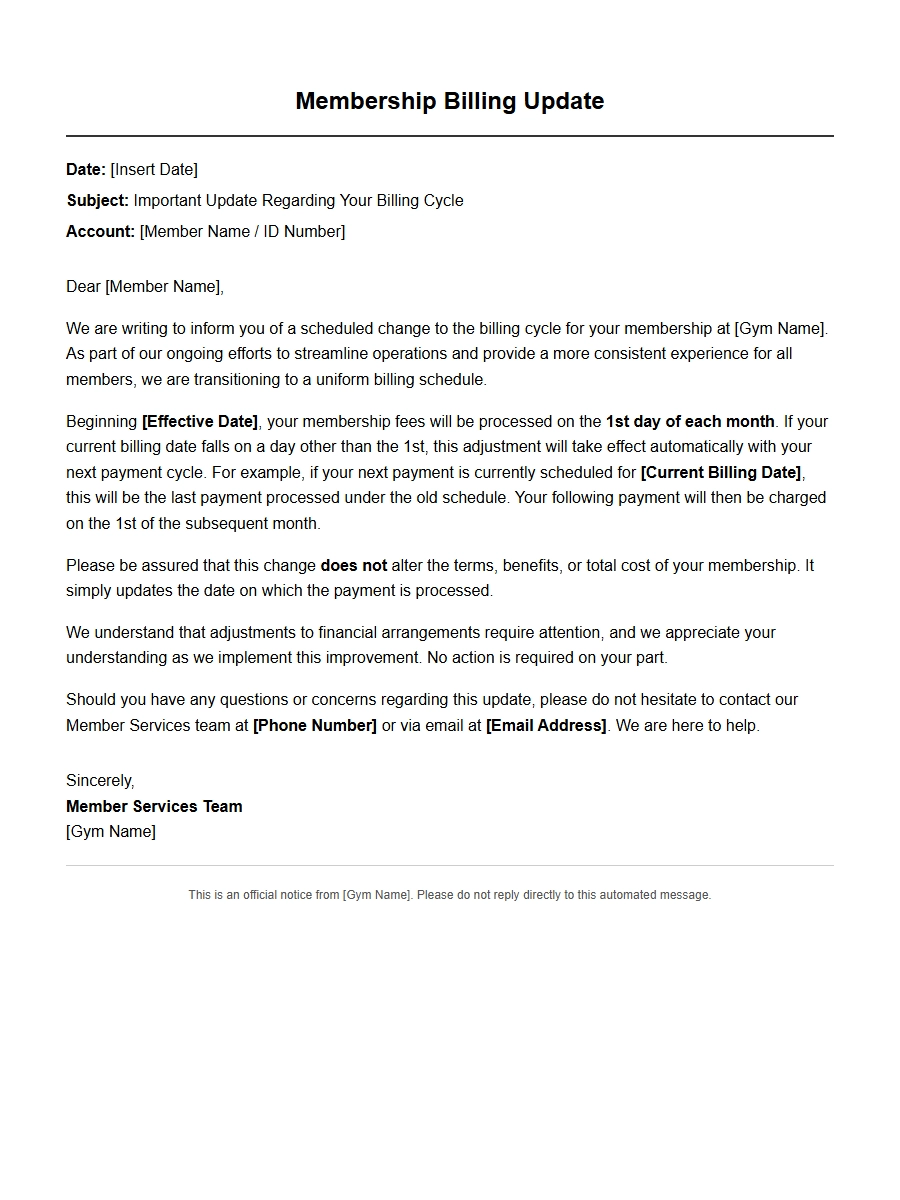
We apologize for not processing your request to change your billing cycle from the 15th to the 1st of the month, submitted on February 10, 2025. Our system continued billing on the 15th for March and April. We have now corrected the cycle effective May 1 and credited you $20 for the extra days.
Here’s a summary of the adjustment:
Previous billing date: 15th of each month
New billing date: 1st of each month (starting May 1)
Credit for April 15 partial month: $20.00
To prevent future delays, we have added a confirmation step for all billing change requests. We sincerely regret the oversight and hope this resolution meets your expectations.
 Personal Apology Letter for Boyfriend Relationship Strain
 Apology Correspondence for Parent-Child Disagreements
 Apology Message for Girlfriend After Argument
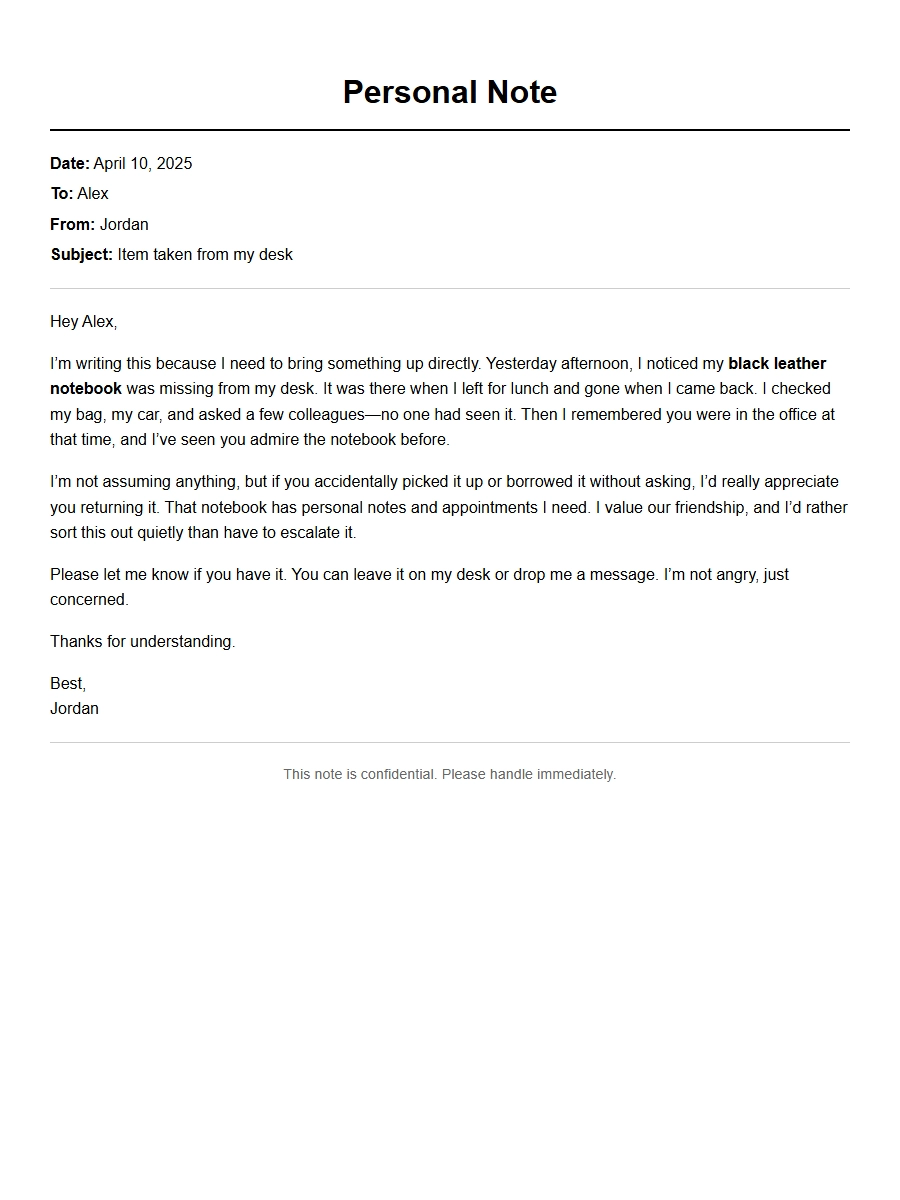 note for friend stealing item - Apology Letters
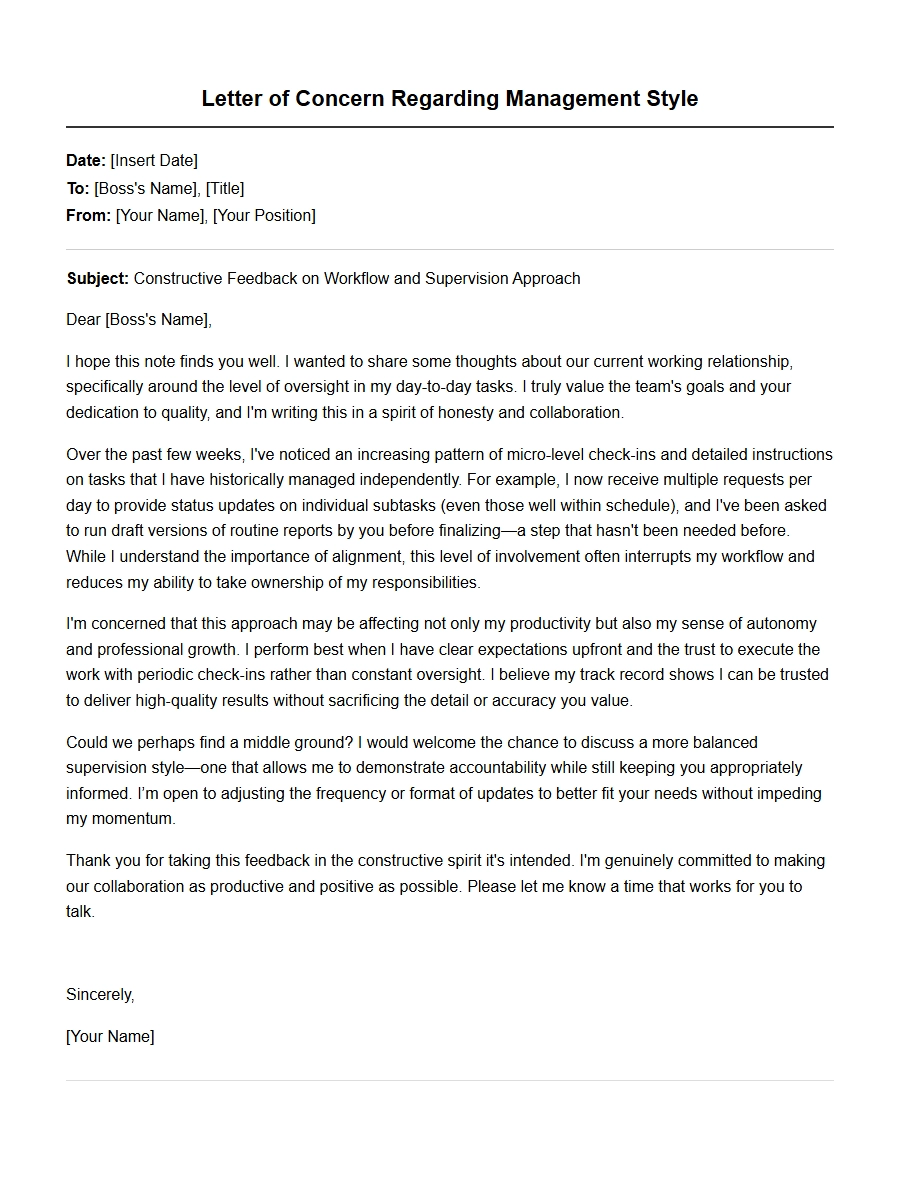 Apology to Boss for Micromanagement Complaint
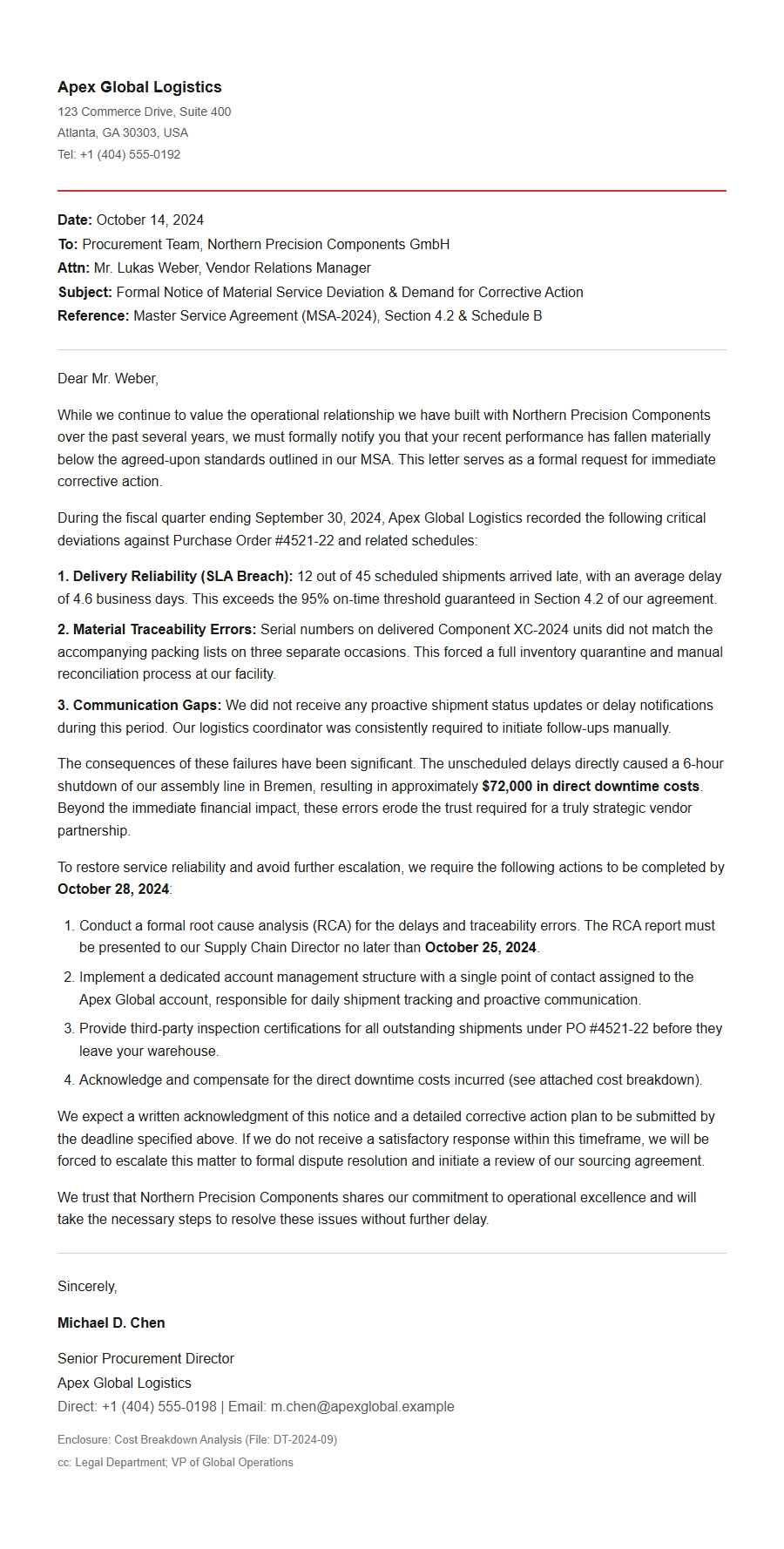 Apology Document for Vendor Supply Chain Issue