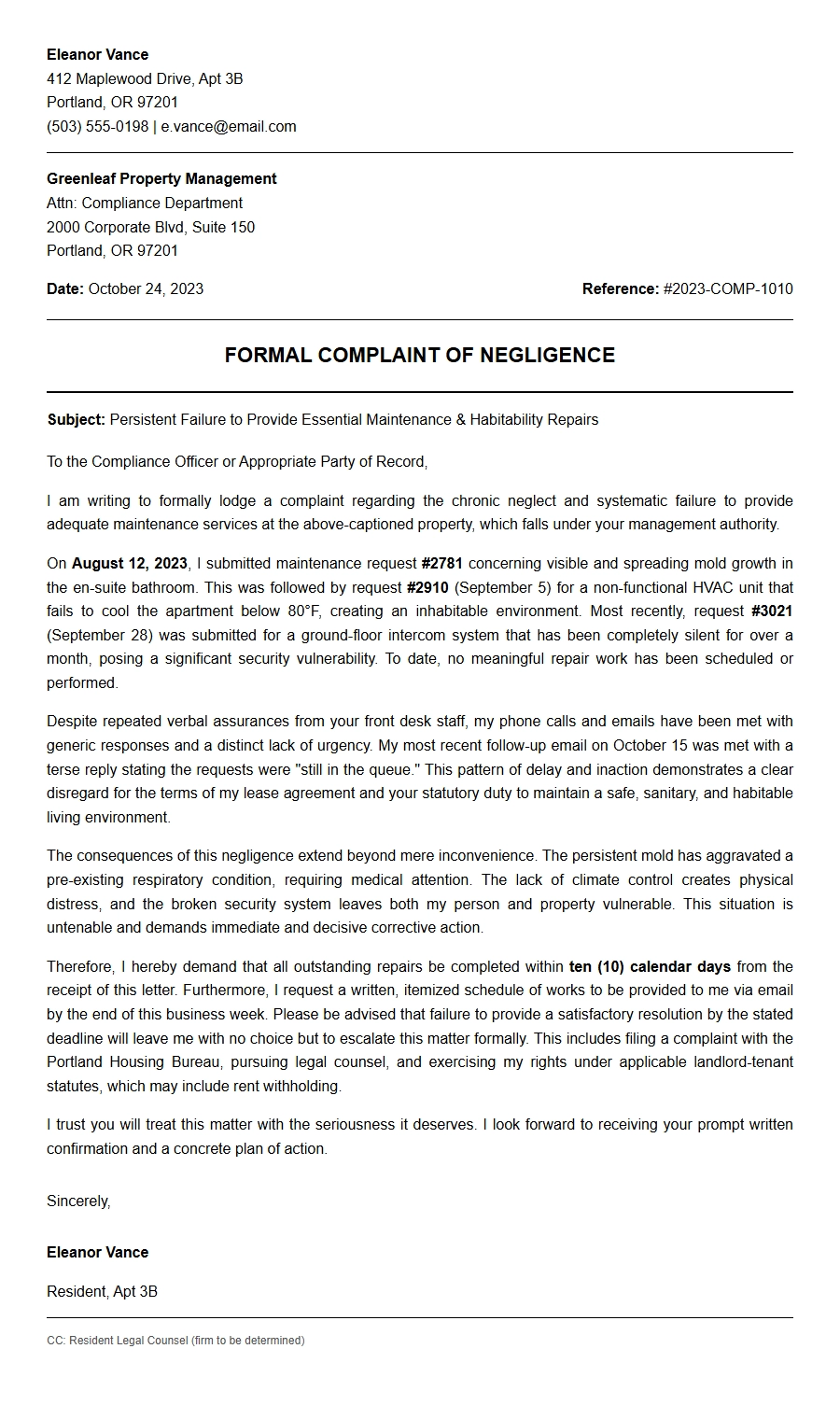
It’s one thing to deal with a minor inconvenience. It’s another to feel like your property manager is actively ignoring a serious issue. Maybe it’s the mold in the bathroom that keeps growing. Or the broken gate that’s been “on the list” for three weeks. You’re frustrated, and you want them to take action. That’s exactly why you need a clear, structured complaint, not just an angry email.
Starting with a proven letter template isn’t cheating. It’s a smart way to organize your facts. It elevates your complaint from a rant to serious professional correspondence. A template gives you a skeleton, but you get to fill it with the specific details that prove negligence. Think of it as building a paper trail that’s hard to ignore.
Category: Property Management Letter Templates
Why a Structured Complaint Letter Matters
When you’re dealing with property management negligence, your word isn’t always enough. You need a record. A well-written letter documents what happened, when it happened, and what you expect next. This isn't just about venting; it’s about creating leverage. If you ever need to escalate to a supervisor, a housing authority, or even a lawyer, this letter becomes your key evidence.
Using a customizable letter means you don’t have to start from scratch every time. You can adapt a strong letter structure to match your specific situation. Whether it’s a leaky roof or a broken furnace, the core goal is the same: state the problem clearly and demand a solution.
Perfecting Your Tone and Format
Your tone in writing is everything here. You want to be firm, but not emotional. “I am disappointed in the lack of response” works better than “You are ignoring me!” Stick to the facts. Describe the issue, reference previous attempts to fix it (like a phone call on the 1st or an email on the 5th), and explain how the negligence violates your lease agreement.
Most effective complaints follow a standard business letter format. Start with your name and address, then a clear subject line. Something like, “Formal Complaint Regarding Untimely Repairs at 123 Main St.” This lets the reader know exactly what the letter is about before they read a single word.
Here’s a quick formal writing tip: always use a proper salutation and closing. If you know the manager’s name, use “Dear [Name].” If not, “Dear Property Management Team” is fine. Close with “Sincerely” or “Respectfully.” It shows you’re serious about letter writing etiquette.
Practical Steps to Adapt Your Sample
Don’t just copy and paste. A good template is a starting point. You need to tailor it to your story. Did you report the issue three times? List the dates. Did they promise a repair last week? Mention it. This proves the negligence wasn't a one-time slip-up but a pattern of ignoring responsibilities.
Unlike writing a letter of recommendation, here you want to highlight failures, not successes. Be specific. If you’re dealing with a complex situation, like a delay in fixing something that costs you money, you can look at how other formal complaints handle damages. For example, if the delay is causing financial loss, treat it like a payment dispute. You might find useful language in a letter for affiliate commission payout delay where they discuss specific damages and deadlines.
One common mistake is making it too long. Get to the point. State the problem, give the background, and make your demand. If you waffle, you look less credible. Also, always finish by proofreading the letter. One typo won’t ruin it, but a clean, clear document commands more respect.
Digital Format and Follow-Up
Saving it as a PDF is the best digital letter format for emailing. It keeps your layout intact. If you’re printing it, a simple letterhead design with your name and contact info adds a layer of formality. Keep a copy for yourself.
Sometimes, property managers ignore letters just like they ignore phone calls. If you get no response, you need to escalate. Writing a formal memo to the regional manager or the building owner can be the next step. Learning how to structure an escalation is key. You can see how to address a failing leadership structure in our memo for executive leadership failure for ideas on how to frame that conversation.
Getting the structure right is the hard part. Once you have a solid complaint written, you can use it as a blueprint for any future issues. The first one takes the longest. After that, you’ll have a system.
Use the sample as a springboard. The best letters feel professional and personal. They show you know your rights and you’re organized. That’s the kind of tenant property managers don’t ignore.
Common Sample Formats
Apology for Property Management Negligence
Apology for Delayed Emergency Repairs
Dear Tenant,
We sincerely apologize for our delayed response to your emergency repair request regarding the burst pipe in unit 204. Our maintenance team was not dispatched until 24 hours after your report, which is unacceptable under our emergency protocol. We acknowledge that this delay caused water damage to your belongings and disruption to your daily life.
To rectify this, we have taken the following corrective actions:
Immediately repaired the pipe and dried the affected areas.
Arranged for professional restoration of your damaged property.
Retrained our dispatch team to ensure emergencies are prioritized within 2 hours.
As a goodwill gesture, we are waiving your rent for the week of the incident. We value your tenancy and are committed to improving our response times. Please contact our property manager at 555-0100 if you have further concerns.
Thank you for your patience.
Sincerely, Property Management Team
Apology for Neglected Security Lighting
Dear Residents,
We are writing to apologize for the prolonged failure of security lighting in the parking lot and rear alley. Over the past three weeks, several lights have been non‑functional, creating safety risks that we failed to address promptly. This neglect is contrary to our commitment to provide a secure living environment.
We understand that inadequate lighting has made you feel vulnerable, especially at night. Our maintenance supervisor has now replaced all faulty bulbs and installed timers to ensure consistent illumination. Additionally, we have scheduled weekly inspections of all exterior lights.
Below is a summary of the corrective measures implemented:
Issue
Action Taken
Parking lot lights (4 units)
Replaced with LED fixtures
Alley light (2 units)
Wiring repaired and new bulbs installed
Weekly inspection
Added to maintenance checklist
We deeply regret this oversight and are taking steps to ensure it does not recur. If you notice any other safety concerns, please report them immediately.
With sincere apologies, Your Property Management
Apology for Unresolved Pest Infestation
Dear Resident,
Please accept our apologies for the ongoing cockroach infestation in your unit, which we failed to address despite multiple service requests. Our negligence in scheduling timely extermination treatments has caused undue stress and health concerns for you and your family.
We take full responsibility for this lapse. Effective immediately, we have contracted a licensed pest control company to perform a comprehensive treatment of your unit and the surrounding common areas. The schedule is as follows:
Initial treatment: Thursday, June 15, 9:00 AM
Follow‑up inspection: June 22, 2:00 PM
Monthly preventive sprays: Starting July 1
We are also crediting your account $150 to compensate for the inconvenience. Our management team will monitor the situation personally to ensure the infestation is fully resolved.
We are sorry for failing you. Please expect a confirmation call from our pest control vendor to arrange access.
Regards, Property Management
Apology for Inadequate Snow Removal
Dear Tenants,
We apologize for the poor snow removal service this winter, particularly after the January 10 storm. Walkways and parking spots remained icy and uncleared for over 48 hours, creating hazardous conditions. This negligence caused several slips and falls, for which we deeply regret.
Our snow removal contractor failed to meet the contractual response time, and we did not follow up adequately. We have since issued a warning to the contractor and revised our snow removal policy:
Contractor must begin clearing within 4 hours of snowfall ending.
Manager will inspect conditions within 6 hours and report any deficiencies.
We have procured extra bags of salt for tenants to use in emergencies.
To make amends, we are deducting 10% from next month’s rent for all affected units. We are committed to ensuring safe access throughout the rest of the season. Thank you for your understanding.
With apologies, Property Management Office
Apology for Water Leak Response Delay
Dear Mr. Johnson,
We sincerely apologize for our delayed response to the water leak in your bathroom that began on March 3. Our maintenance log shows that you reported the issue three times before we dispatched a plumber 36 hours later. During that time, the leak caused ceiling damage and mold growth.
We acknowledge that this delay was a result of poor work order prioritization. We have since taken the following actions:
Repaired the leaking pipe and replaced damaged drywall.
Hired a mold remediation specialist to treat the affected areas.
Revised our work order system so that water leaks are flagged as urgent and assigned within 4 hours.
We are also reimbursing you $200 for any out‑of‑pocket expenses. We value your patience and assure you that we are working to prevent such failures in the future.
Please contact our office if you notice any remaining issues.
With apologies, The Management Team
Apology for Ignored Noise Complaints
Dear Resident,
We are writing to apologize for failing to address your repeated noise complaints regarding unit 3B. Over the past month, you have reported loud parties and shouting after 11 PM, but we did not intervene effectively. This neglect has disrupted your sleep and quality of life.
Our leasing office acknowledges that we did not follow up with the offending tenant or enforce the quiet hours clause in the lease. We have since issued a formal warning to the tenant and placed them on a probationary status. Further violations will result in eviction proceedings.
To ensure peace in the building, we have implemented the following measures:
Noise patrols by security on weekends.
Signage in hallways reminding residents of quiet hours (10 PM – 8 AM).
Direct line to after‑hours manager for noise complaints.
We are sorry for the inconvenience. Your comfort is important to us, and we will monitor this situation closely.
Sincerely, Property Manager
Apology for Broken Elevator Maintenance
Dear Residents of Tower A,
We apologize for the extended outage of the main passenger elevator, which has been non‑operational for 10 days. This neglect has caused significant hardship for elderly residents, families with strollers, and anyone with mobility challenges. We understand your frustration and are deeply sorry.
The elevator failure was due to a worn cable that our maintenance company failed to replace in a timely manner. We have now completed the repair, and the elevator is back in service. To prevent future breakdowns, we have arranged a monthly preventive maintenance schedule with a new vendor.
Below is a timeline of the repair process for transparency:
Date
Action
March 1
Elevator shut down; parts ordered
March 5
Parts arrived; contractor delayed
March 11
Repair completed and inspected
As compensation, we are reducing the common area maintenance fee by 15% for this quarter. We thank you for your patience and assure you of our commitment to reliable elevator service.
Regards, Building Management
Apology for Improper Trash Disposal Service
Dear Residents,
We apologize for the unsanitary conditions caused by our negligence in managing trash disposal over the past two weeks. The dumpsters were not emptied on schedule, leading to overflowing bins, odors, and pest attraction. This is unacceptable, and we take full responsibility.
Our waste contractor failed to adhere to the pickup schedule, and we did not monitor the situation. We have since switched to a new provider with a proven track record. The updated schedule is:
Monday & Thursday: General waste pickup (6 AM)
Wednesday: Recycling pickup (7 AM)
Friday: Bulk item pickup by request
Additionally, we have power‑washed the dumpster area and placed new lids on all bins. We are also enforcing a fine for any resident who leaves trash outside the bins.
We are sorry for the health hazard this created. If you notice any issues, please report them to our office immediately.
With apologies, Property Management
Apology for Faulty HVAC System
Dear Tenant,
We apologize sincerely for the failure of your HVAC system during the recent heatwave. Despite your service requests on July 8, 10, and 12, we did not dispatch a technician until July 15. This neglect left you without air conditioning for a week in extreme temperatures, which is completely unacceptable.
Our records show that the system required a new compressor, but we delayed ordering the part due to administrative oversight. We have now replaced the compressor and serviced the entire unit. To ensure reliability, we have scheduled quarterly HVAC inspections for your building.
We understand the discomfort this caused. As compensation, we are providing a $300 rent credit and a free window AC unit for future emergencies. We are also retraining our maintenance staff to prioritize HVAC issues during extreme weather.
Please accept our heartfelt apologies. Your comfort is our priority.
Sincerely, Property Management Team
Apology for Unattended Common Area Damage
Dear Residents,
We apologize for neglecting to repair the damaged ceiling tiles and broken window in the lobby common area. The visible deterioration has been present for over three weeks, creating an unkempt appearance and potential safety hazard. We failed to respond to previous complaints and take responsibility for this oversight.
Our maintenance crew has now completed the following repairs:
Replaced all damaged ceiling tiles (12 units).
Installed a new window pane and sealed the frame.
Painted the affected wall area to match.
We understand that a well‑maintained common area contributes to your pride in the building. To prevent future neglect, we have assigned a staff member to inspect common areas weekly and log any necessary repairs in our system with a 48‑hour response target.
We regret the inconvenience and unsightly conditions. Thank you for your feedback; it helps us improve.
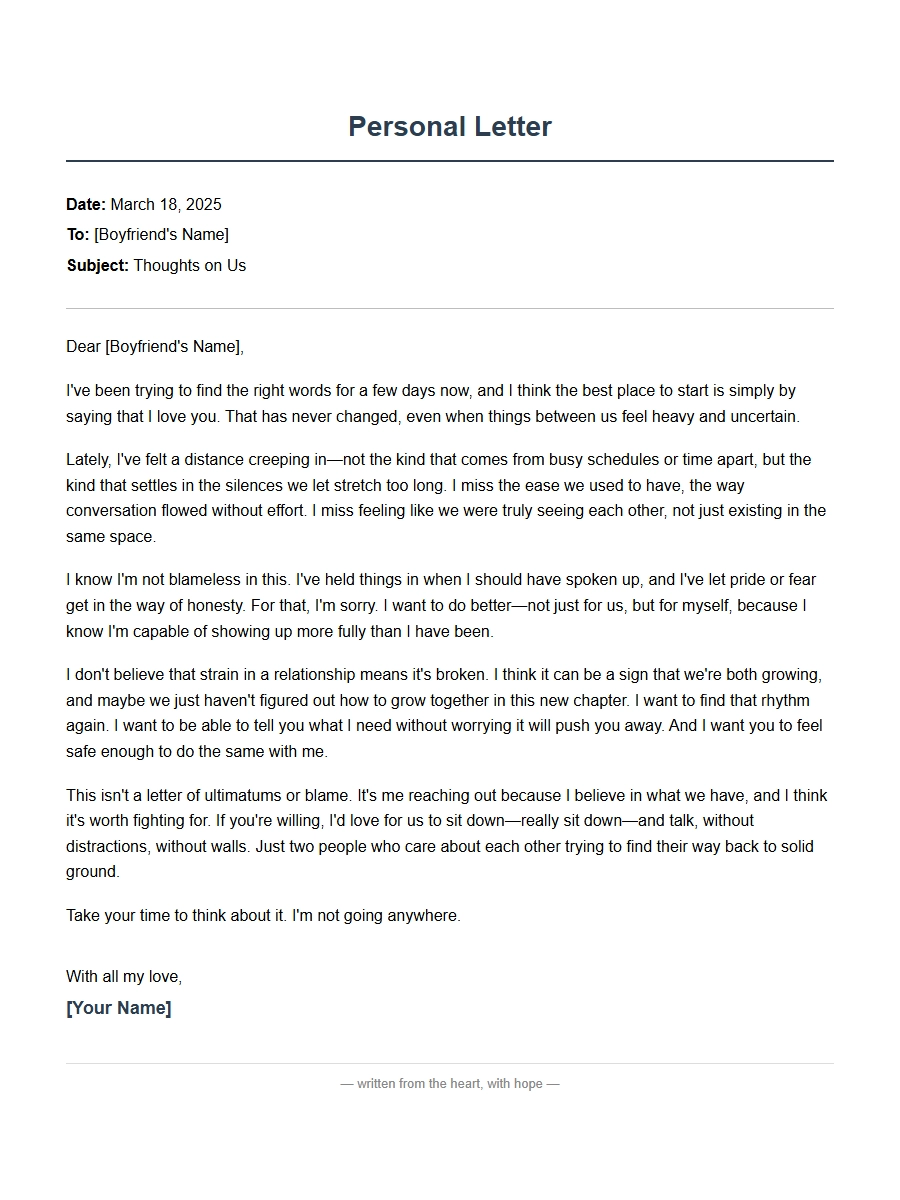 Personal Apology Letter for Boyfriend Relationship Strain
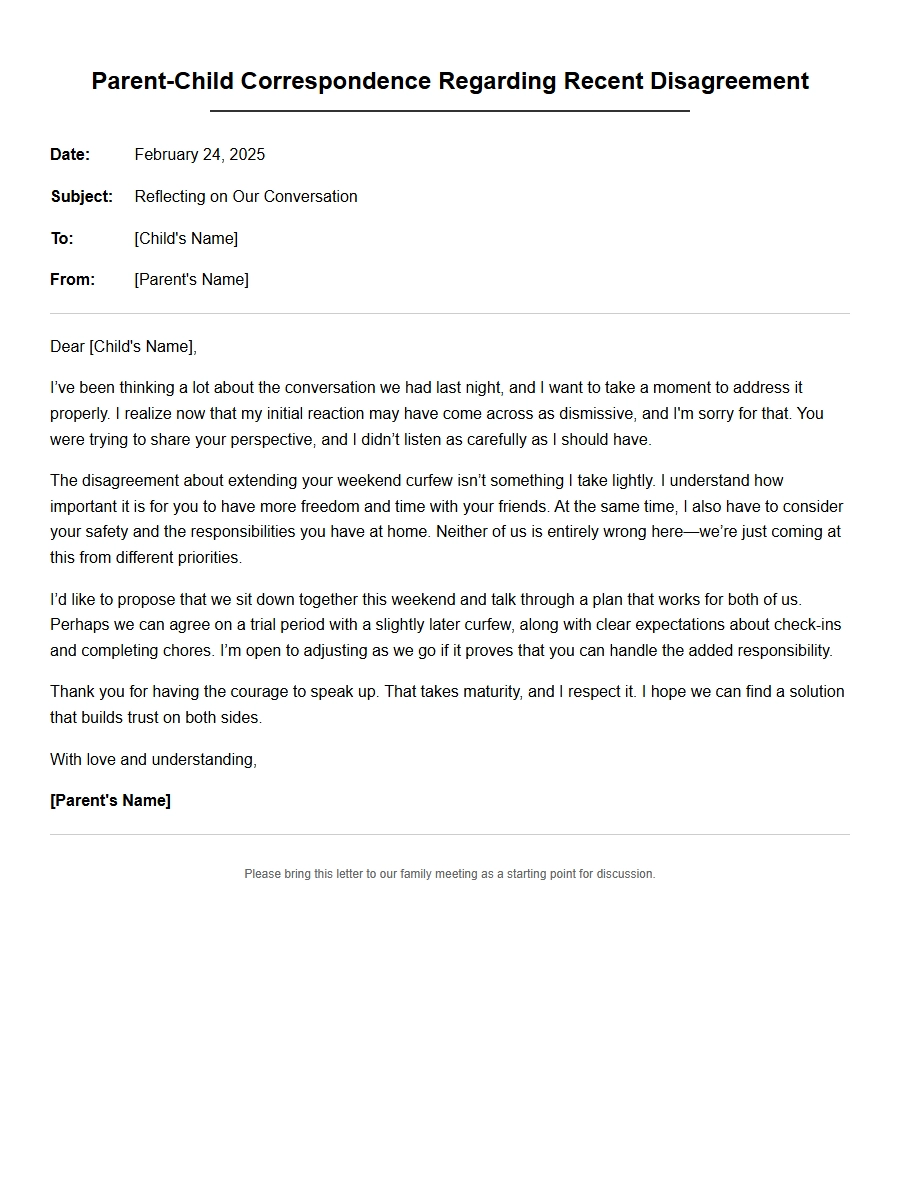 Apology Correspondence for Parent-Child Disagreements
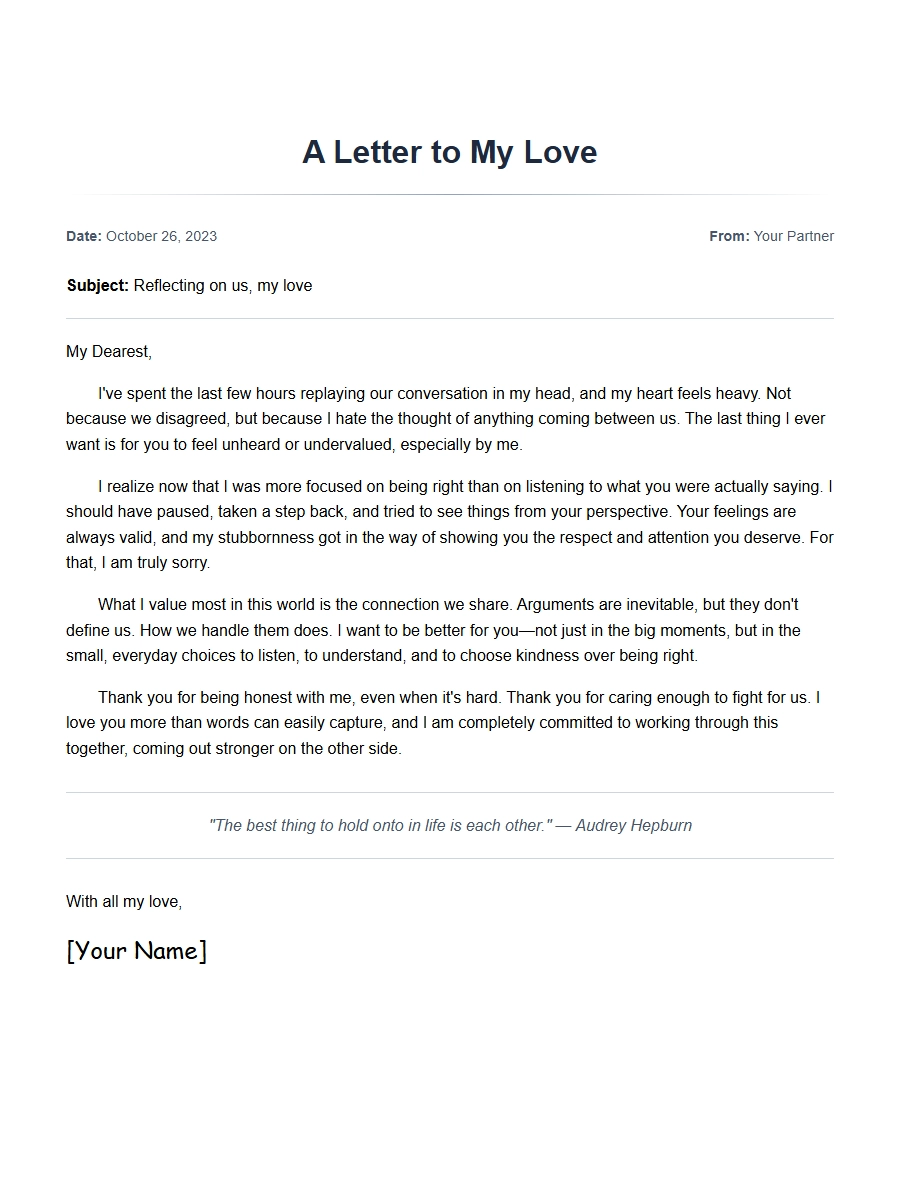 Apology Message for Girlfriend After Argument
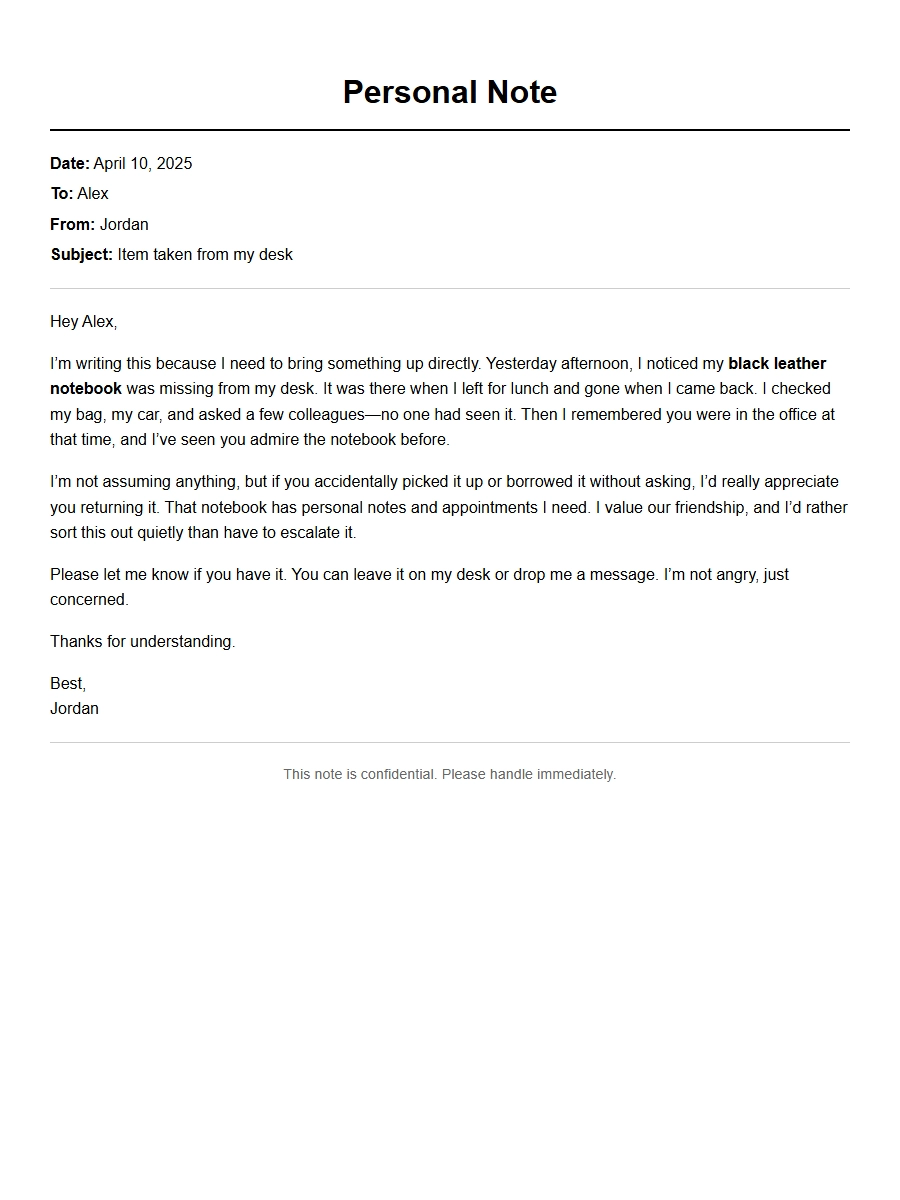 note for friend stealing item - Apology Letters
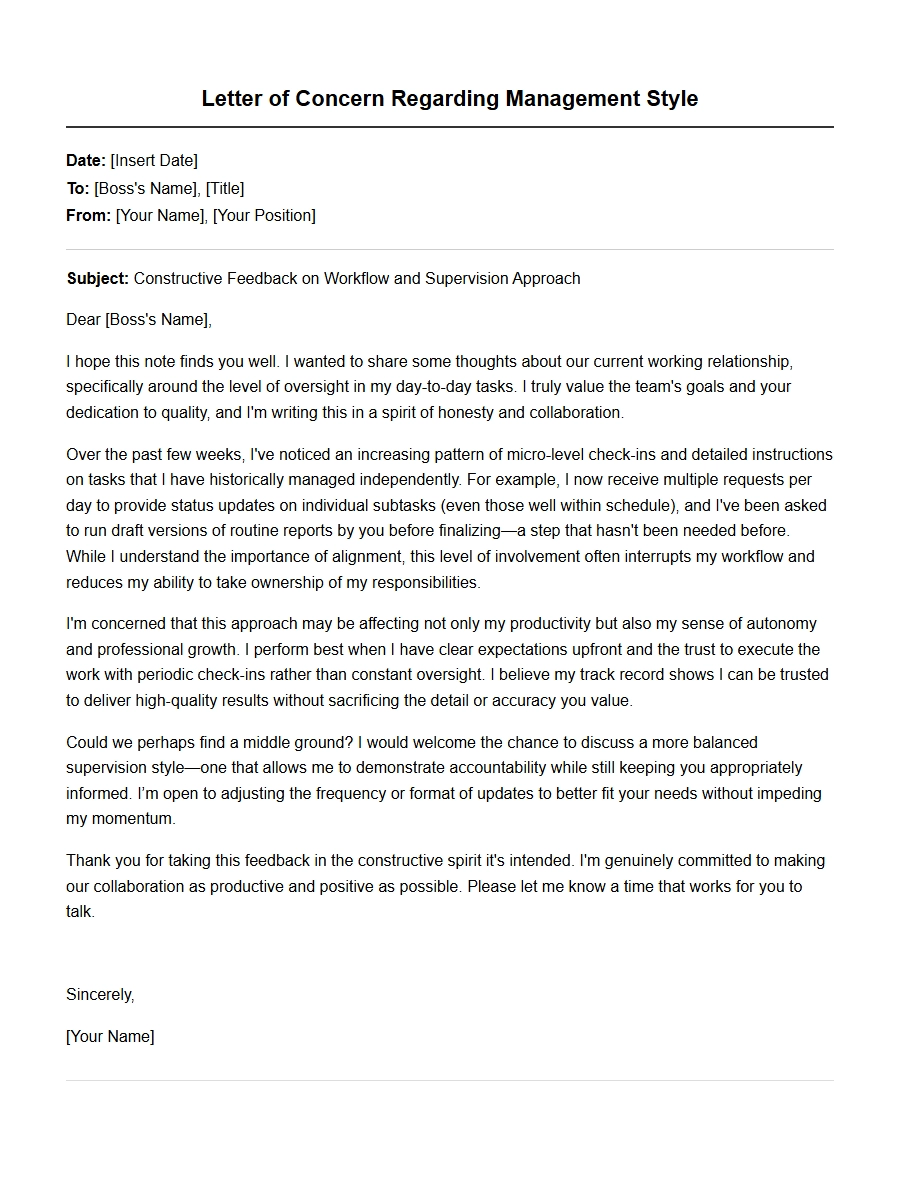 Apology to Boss for Micromanagement Complaint
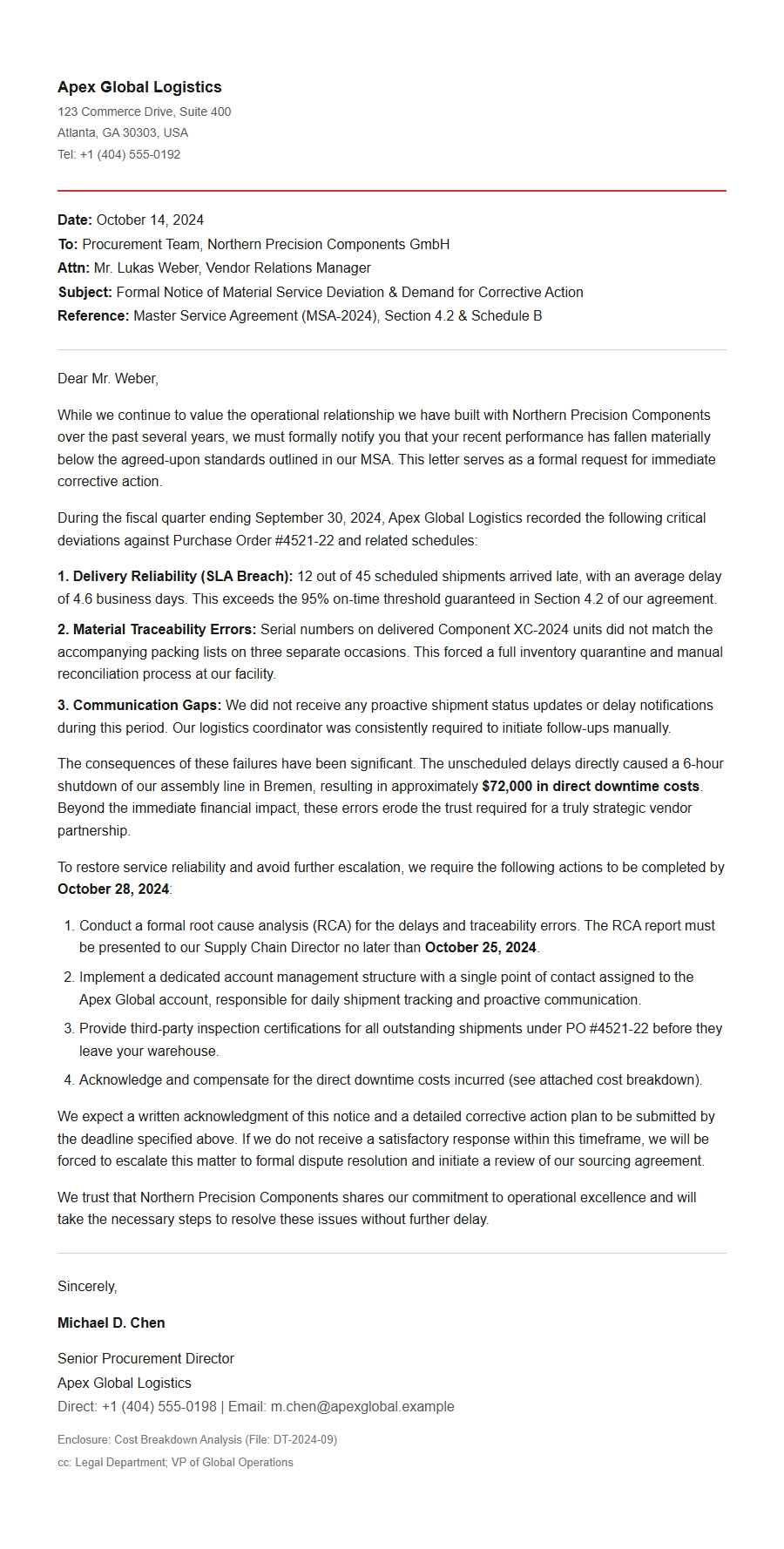 Apology Document for Vendor Supply Chain Issue