You’ve finally finished packing, the boxes are stacked, and the new place looks like a home. Now you need to invite people over to celebrate—but writing that moving day invitation feels oddly hard. You’re not alone. Most people freeze when they have to turn a simple event into the right words. A well-chosen invitation sample can take that blank‑page panic and turn it into a warm, clear invite in minutes.
Why using a sample isn’t cheating
A good sample gives you structure, a natural tone, and key phrases you can steal—without losing your own voice. Think of it like a letter template you customize. Whether you’re sending a text, an email, or a printed card, starting from a proven draft saves time and helps you avoid awkward phrasing. You’re not copying; you’re adapting. And that’s a smart move for any professional correspondence, even when the “business” is just friends helping you move a couch.
Category: Moving Day Invitations
Choosing the right sample for your party
Moving day celebrations range from casual backyard BBQs to slightly more formal housewarming dinners. The sample you pick should match the vibe. For a casual drop‑in, look for short, friendly wording. For a semi‑formal gathering (say, you’re inviting neighbors and coworkers), you’ll want something with a proper salutation and closing—think “Dear Everyone” or “Hello Friends” and “Hope you can make it.” The key is to match the tone in writing to your relationship with the guests. If you’re inviting family, you can be sillier. If it’s your boss, keep it polite but still warm.
How to adapt a sample without sounding like a robot
Start by replacing the obvious details: your name, date, time, address. Then read the sample aloud. Does it sound like something you’d actually say? If not, tweak the words. Swap “residence” for “place” or “celebration” for “party.” Add a personal line, like “Bring your favorite snack to share” or “We’ll have the pizza ready.” This keeps your authentic voice while using the sample as a safety net. A common mistake is using outdated salutations—like “To Whom It May Concern” for a party invite. Unless you’re inviting the mail carrier, skip it. Use “Hey everyone” or “Dear friends” instead.
Tailoring the opening to grab attention
The first sentence should answer “What’s happening?” and “Why should I come?” For a moving day invite, something like “We finally moved in—come see our new place and help us break in the backyard” works well. Avoid long introductions. Get to the point. If you’re using a cover letter examples approach, think of your opening as the hook. For a moving celebration, it can be fun: “The boxes are unpacked (mostly), and the sofa is facing the right way. Now we need people to laugh at our paint choices.” That grabs attention better than a dry statement.
Common mistakes to avoid
One big error is ignoring the format. If you’re sending a digital invitation, keep it short and scannable—people read on phones. For a printed card, you can be a bit more elaborate, but still avoid dense paragraphs. Also, don’t forget to include time, date, address, and an RSVP request. Without that, you’ll get twenty texts asking “Is it this Saturday?” Proofread everything. A typo in the address or time is embarrassing. Run it through a quick proofreading letter check, or ask a friend to glance at it.
Another mistake? Using language that’s too stiff. Letter writing etiquette for a party invite is different from a resignation letter sample. You don’t need “I hereby request the pleasure of your company.” Just say “We’d love for you to come.” And if you’re using a digital letter format, make sure the subject line is clear: “You’re invited to our new home!”
Real examples you can borrow
Here’s a simple sample you can adapt:
“Hey friends! We’re finally settled in our new home at [address]. To celebrate, we’re having a moving‑in party on [date] from [time]. There will be snacks, drinks, and probably a few boxes we still need help cutting open. Come by whenever—we’d love to see you. RSVP to [email or text] so we know how much pizza to order.”
That’s direct, friendly, and gives guests all the info. You can shorten it for a group chat or expand it for a formal invitation. The structure—greeting, event details, reason, logistics, closing—works for almost any celebration. For a more polished tone, like you’d use for a letter of recommendation or professional occasion, swap “Hey friends” for “Dear [Group Name]” and soften the jokes.
If you’re inviting a mix of casual and more formal guests, consider writing one version for email and a shorter one for a text blast. Consistency in business letter format isn’t needed here, but clarity is. Always include a way for people to confirm.
Other invitation styles to inspire you
Moving day invitations share DNA with other celebration invites. The same principles apply when you’re writing an invitation for a Christmas dinner or drafting text for a retirement party. The tone shifts slightly—a retirement party might be more formal—but the core (who, what, when, where) stays the same. You can also borrow structure from an engagement party invite if you want a celebratory feel, but adjust the language to be less focused on couple milestones. For creative events, like an art show, the wording might be playful—check out an invitation draft for a visual arts contest to see how imagery is described. Even for more structured events, like a rehearsal dinner invitation, the etiquette around timing and RSVP is useful.
Your next step: use the sample, then personalize
Don’t stress about getting it perfect on the first draft. Pick a sample, fill in your details, then read it as if you were a guest. Does it feel like you? Great. Does it sound too formal or too silly? Tweak one or two sentences. Over time, you’ll get faster at writing these invitations, and you’ll develop a style that’s both professional and personal. The best moving day invitation isn’t the one with the fanciest words—it’s the one that makes your friends smile and put the date on their calendar. So grab a sample, make it yours, and send it out. Your new home is waiting for the laughter.
Templates and Samples
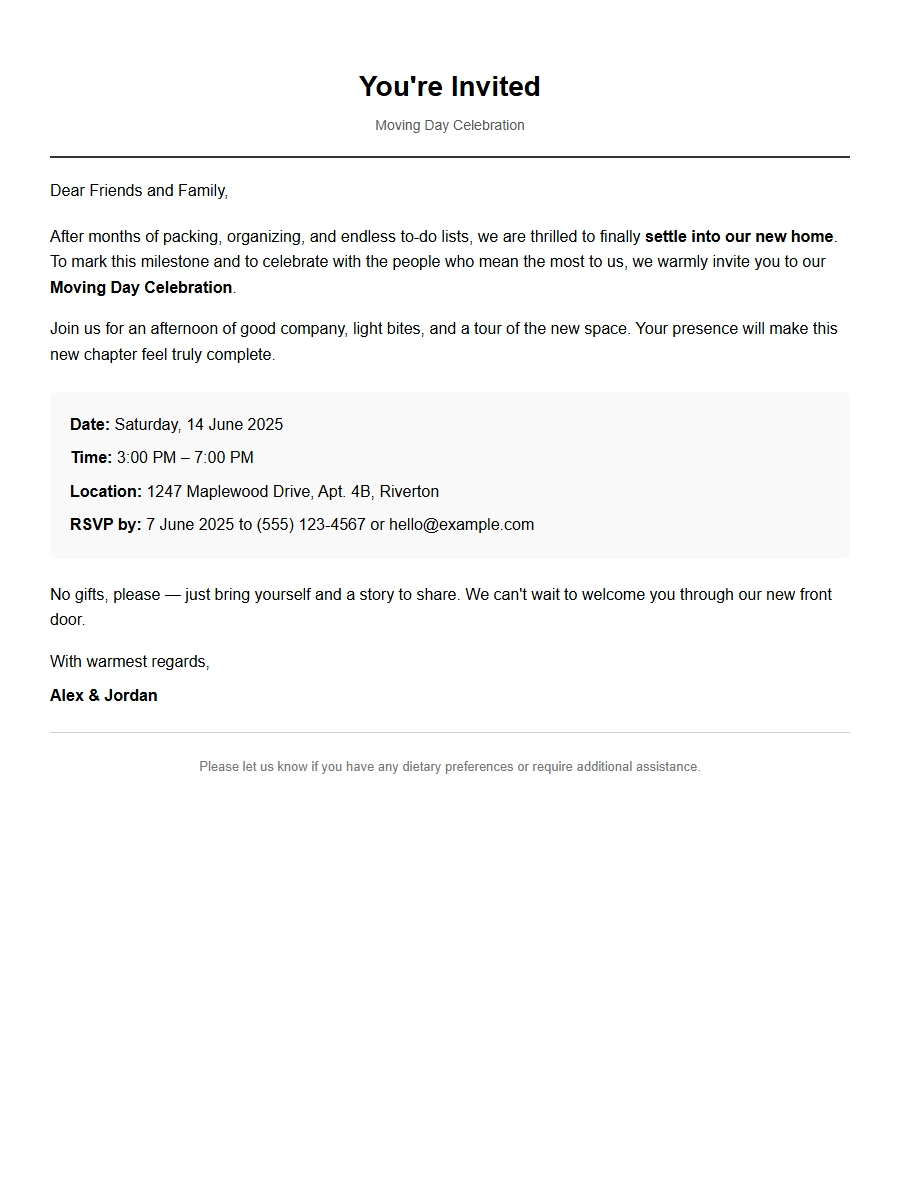
Moving Day Celebration Invitation Letter
Classic Housewarming Open House
You are cordially invited to our Moving Day Celebration! After months of packing and planning, we have finally settled into our new home. Join us for an open house as we unveil our fresh start.
Date: Saturday, June 15, 2025 Time: 2:00 PM – 6:00 PM Address: 742 Evergreen Terrace, Springfield
Come enjoy light refreshments, a tour of the house, and good company. No gifts required—your presence is the best present. Please RSVP by June 10 so we can prepare accordingly.
RSVP Contact
Phone
Email
Jamie
555-1234
jamie@example.com
We look forward to sharing our new chapter with you!
Casual BBQ Moving Party
We’re moving and we want to celebrate with our favorite people! Join us for a Backyard BBQ at our new place. Mark your calendars because we’re firing up the grill!
When: Sunday, July 7, 2025, from 3:00 PM until dark Where: 1482 Oak Lane, Rivertown
We’ll provide burgers, hot dogs, and drinks. Feel free to bring a side dish or your favorite lawn game. This is a come-as-you-are, kids-welcome affair.
Please bring your own chair if you can.
Parking available on the street.
RSVP by July 4th so we know how many burgers to buy.
Text Sam at 555-9876 to let us know you’re coming. Let’s make our first weekend in the new house unforgettable!
Help Us Move – Then Party!
We need your muscles and your smile! Instead of hiring movers, we’re calling on our awesome friends for a Moving Day & Celebration combo.
Moving: Saturday, May 25, 2025, 9:00 AM – 1:00 PM Party: 1:00 PM – 5:00 PM Old address: 321 Maple St. (meet there) New address: 567 Pine Ave. (party location)
After we haul boxes and furniture, we’ll reward everyone with pizza, cold drinks, and music. No need to bring anything but your willingness to lift (and a water bottle).
Task
Needed
Load boxes
4 people
Furniture carriers
6 strong folks
Unpacking helpers (light)
anyone
Party setup & cleanup
all welcome
Please RSVP to Alex at 555-2345 and let us know which shift you’re joining. Thanks for making moving fun!
Potluck Housewarming
We’ve officially moved into our dream home and we want to celebrate with you—the community that makes life sweet. Join us for a Potluck Housewarming & Moving Day Celebration.
We’ll provide the main dish (pulled pork sandwiches) and a stocked cooler. Please bring a side dish, dessert, or beverage to share. We’ll have tables set up in the backyard (weather permitting).
Please let us know what you’re bringing so we can coordinate.
We have a few foldable chairs; extra seating is helpful.
Kids are welcome, but no pets this time.
RSVP by June 18 to Maria: maria@example.com or 555-8765. Let’s fill this house with laughter and love!
Small Intimate Gathering for Close Friends
Dear friends, we’ve moved and we can’t wait to show you our new sanctuary. This is a quiet, intimate evening for our closest circle—just good wine and deeper conversations.
When: Thursday, June 27, 2025, at 7:00 PM Where: 214 Elm Street, Apt 3B (downtown)
We’ll have cheese, crackers, and a few bottles. No need to bring anything except your wonderful self. Our little balcony offers a nice city view.
Because space is limited, please confirm by June 24. Text Lynn at 555-4321. We’re so grateful to have you in our lives—come see where we’ll make more memories.
New Home Blessing Invitation
We invite you to a heartfelt New Home Blessing & Moving Celebration. After settling in, we want to dedicate this space with the people we love.
Date: Saturday, July 13, 2025 Time: 11:00 AM – 2:00 PM (blessing ceremony at noon) Address: 45 Peaceful Lane, Harmony
We’ll have a short blessing ritual (all faiths welcome), then share a potluck lunch. Please bring a dish that represents a blessing you wish for our home – think prosperity, joy, health.
Suggested Blessing Dish
Meaning
Bread
Nourishment
Honey
Sweetness
Fruit
Abundance
Salt
Preservation
RSVP to David at david@example.com or 555-1111 by July 10. Let’s fill this home with love and intention.
Pizza Party for Moving Volunteers
You helped us move boxes and furniture—now let us feed you! Join us for a Moving Day Celebration Pizza Party to thank you for your hard work.
Date: Saturday, August 2, 2025 (move day) Time: 1:30 PM – after we’re done moving Location: 789 Cedar Court, Greenfield (new home)
We’ll order from Tony’s Pizza (your choice of toppings) and have soft drinks and beer on ice. No tasks, just relaxation and appreciation.
Please RSVP by July 30 so we can order enough pizza.
Tell us your favorite topping in your RSVP.
Bring a camping chair if you want to sit outside.
Contact Riley at 555-6543 to join the party. Thanks for being our moving superheroes!
Virtual Moving Day Celebration
Wish you could be here in person? So do we! But distance won’t stop us from celebrating our new home together. Join our Virtual Moving Day Party via Zoom.
Date: Wednesday, July 2, 2025 Time: 7:00 PM – 8:30 PM (your local time) Zoom link: will be sent after RSVP
We’ll give a live tour of our new place, share moving stories, and raise a glass (literally – have your favorite drink ready). Feel free to show us your own space too.
What to bring to the virtual party
Your webcam and a smile
A drink of your choice (mocktail, cocktail, tea)
A short memory of our old place (optional)
Your favorite moving joke
Please RSVP to taylor@example.com by June 30. We’ll send the link the day before. Can’t wait to see you, even through a screen!
First Barbecue at New Home
The moving boxes are unpacked, the patio furniture is set – now it’s time for our First Barbecue at the New Place! Come celebrate our moving day milestone with grilled goodness.
When: Sunday, August 10, 2025, from 4:00 PM to 8:00 PM Where: 102 Sunset Boulevard, Seaside
We’ll have the grill hot with burgers, sausages, and veggie options. Bring your own drinks if you want something specific, but we’ll have lemonade and iced tea.
Please bring a side dish or dessert to share.
We have a big yard – feel free to bring lawn games.
Parking is available in the driveway and on the street.
RSVP by August 6 to Casey at 555-7890 or casey@example.com. Let’s kick off many happy summers here!
Box Opening Party (Unpack Together)
We’ve moved but there are still boxes everywhere! Turn unpacking into a party: Box Opening Celebration at our new home.
Date: Saturday, June 28, 2025 Time: 10:00 AM – 3:00 PM (drop in any time) Address: 56 Garden View Drive, Bloomfield
Grab a box, open it, and help us decide where things go. It’s like a treasure hunt – you might find old photos, that weird kitchen gadget, or a hidden snack! We’ll provide lunch and plenty of laugh.
Box Zone
What’s inside
Kitchen
Dishes, pans, spices
Living room
Books, decorations, electronics
Bedroom
Linen, clothes, personal items
Mystery box
You’ll find out when you open it!
No need to dress up – wear casual clothes and bring your unpacking spirit. RSVP to Jordan at 555-2468. Let’s turn work into a party!
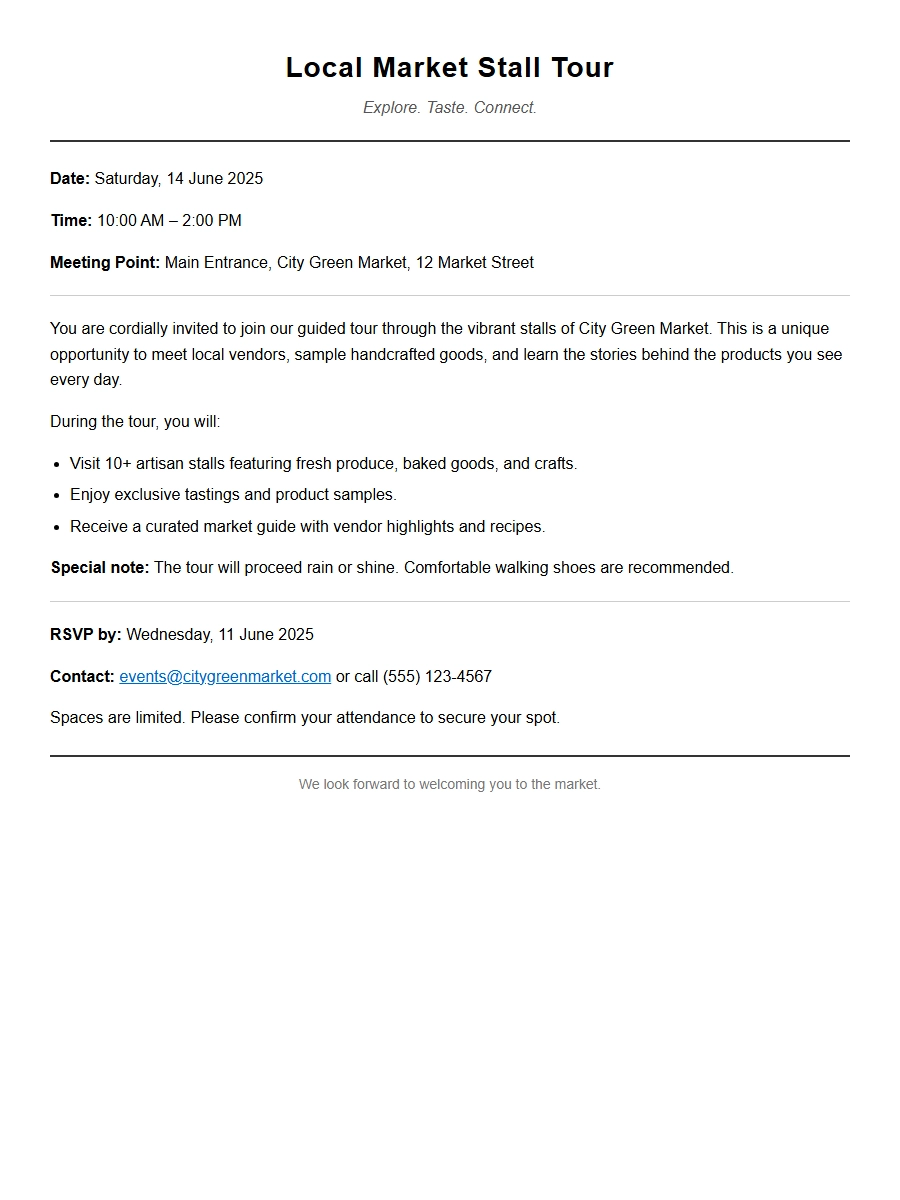 sample invitation for local market stall tour - Invitation Letters
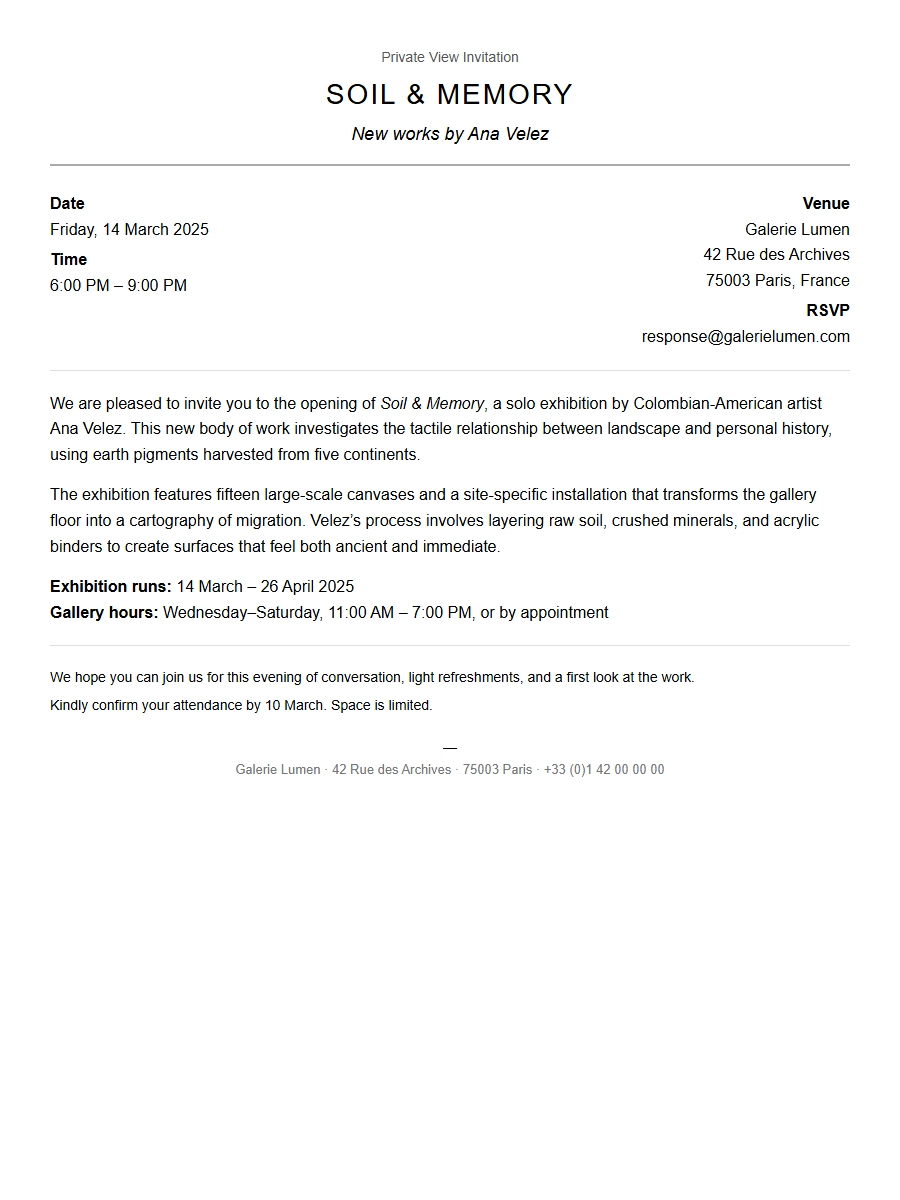 Art Exhibition Opening Invitation Wording Ideas
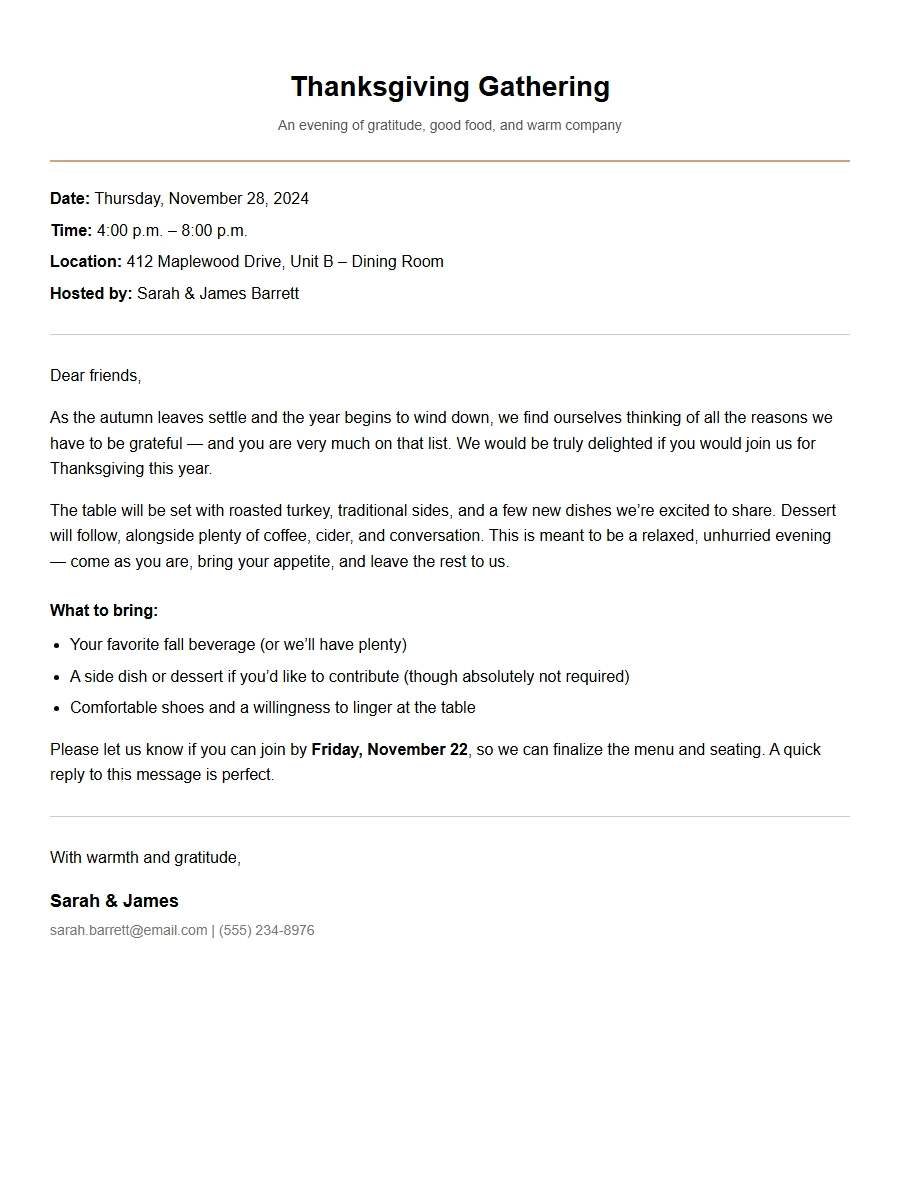 Thanksgiving Meal Gathering Invitation Text
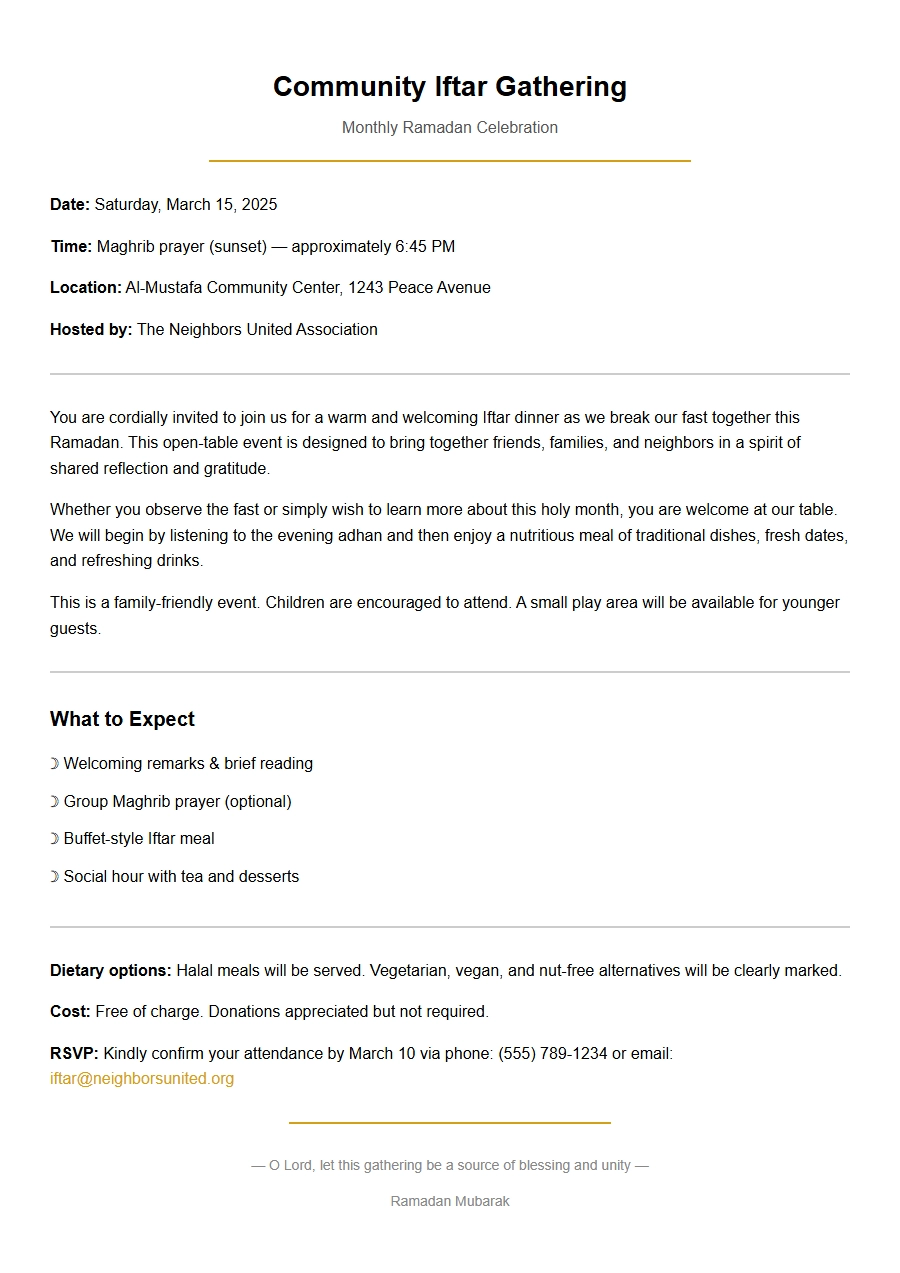 Ramadan Iftar Community Event Invitation
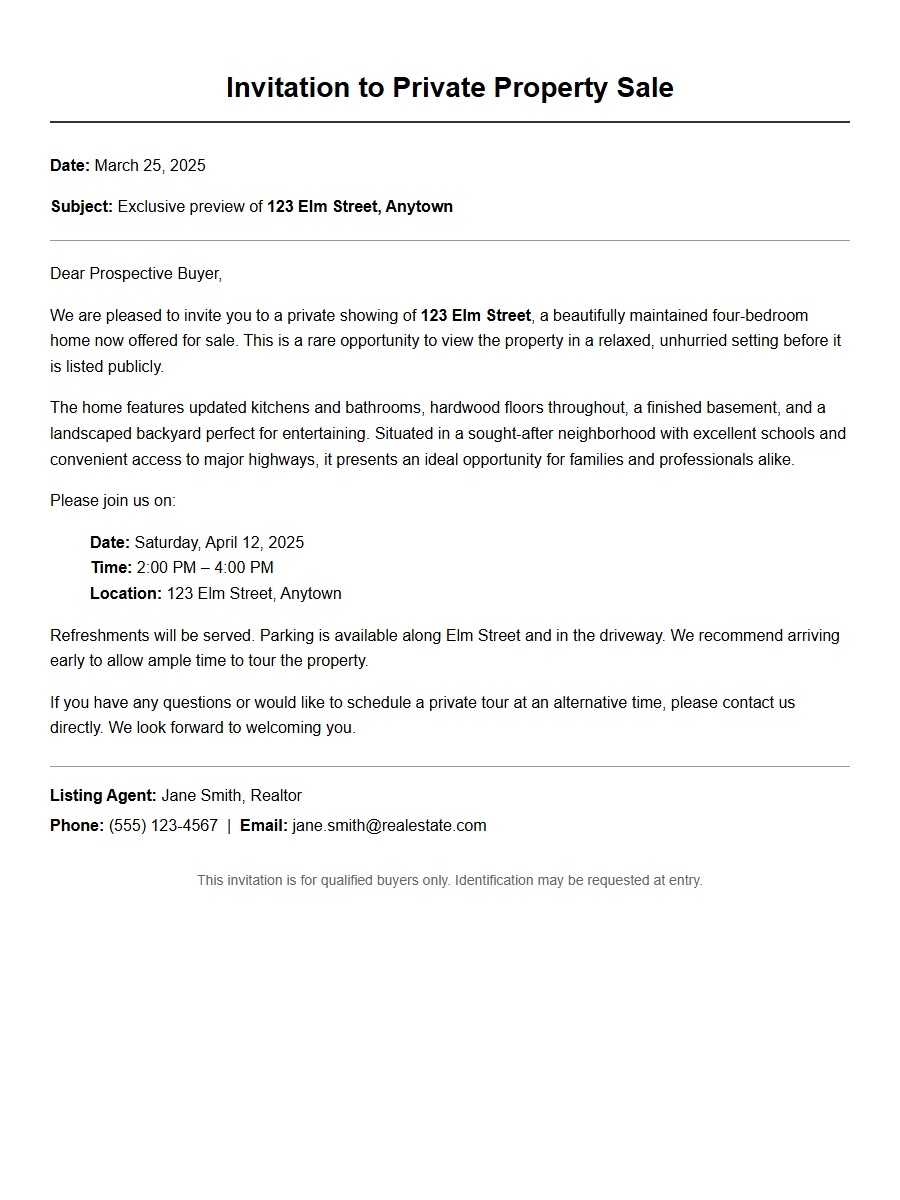 Sample Wording for Property Sale Invitations
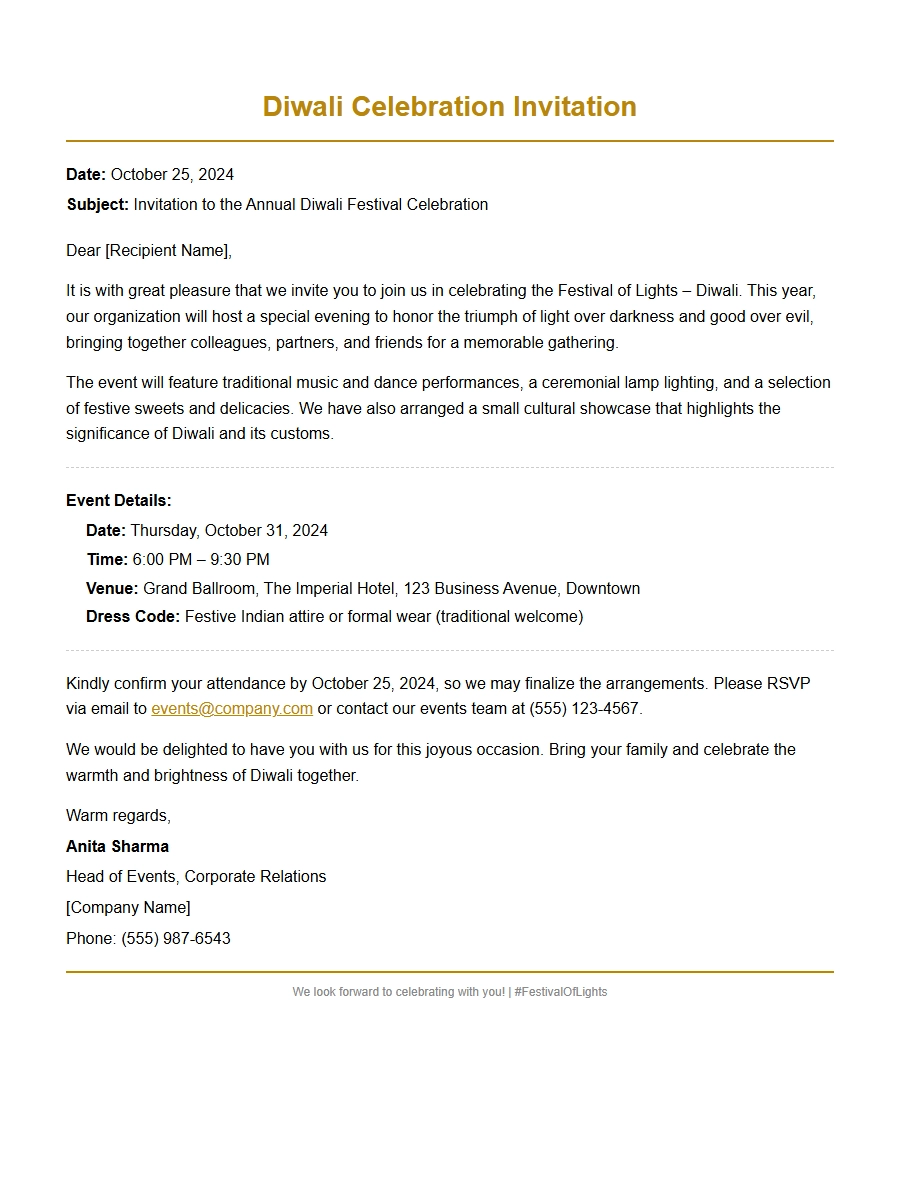 Diwali Festival Celebration Invitation Draft