Why you need an evicted tenant explanation letter (and how to write one)
If you’ve been evicted before, your next rental application can feel like walking into a room where everyone already knows your worst story. Landlords run credit and background checks, and that eviction record pops up instantly. A short, honest letter gives you a chance to explain what happened — on your own terms. It’s not a magic fix, but it’s often the difference between your application being tossed in the trash and actually being considered.
A good sample saves you time, not your voice
Using a letter template isn’t cheating. It’s smart. A sample shows you the right structure, the professional tone, and the key phrases you need (like “I take full responsibility” or “here’s what I’ve done to prevent it from happening again”). But the real work is making it sound like you. Don’t copy-paste. Change the details, adjust the salutation and closing, and write in your natural voice. The sample is your scaffolding, not your crutch.
Think of it this way: you wouldn’t build a house without a blueprint. A customizable letter gives you the blueprint so you can focus on the parts that matter — your story, your current stability, your promise to be a reliable tenant going forward.
What to include (and what to leave out)
Your evicted tenant explanation letter should follow standard business letter format. Start with your name, address, and date, then the landlord’s name and address. Use a professional salutation like “Dear [Landlord Name]” — avoid “To Whom It May Concern” when you can avoid it. If you’re sending it by email, use a clear subject line like “Explanation of prior rental history” and treat the email body as your letter.
In the first paragraph, get straight to the point. Acknowledge the eviction. Don’t bury it in excuses. Something like: “I understand that my credit report shows an eviction from [date]. I want to explain the circumstances and show you that I am now a stable, responsible tenant.” Then briefly explain what happened — job loss, medical emergency, divorce, whatever. Be honest but concise. Avoid blaming others or sounding defensive. Tone in writing here matters more than the facts themselves.
Next, show what’s changed. Did you find stable income? Attend financial counseling? Pay off old debts? This is your proof that the eviction was a one-time event, not a pattern. End with a forward-looking statement: “I am ready to be a respectful, on-time tenant, and I’d welcome the chance to discuss my application further.”
Common mistake: using outdated language like “Please find enclosed” or “I beg your pardon.” Keep it modern and direct. Also, don’t attach the letter to an email as a scanned image; paste the text or send a clean PDF. If you’re mailing a printed letter, use simple letterhead design — name and address at the top is fine. Fancy fonts or graphics won’t help.
Where to use it (and when a sample isn’t enough)
This letter works best when you hand it to a prospective landlord along with your application. If you’re applying through a large property management company, they may have a standard process. But even then, attaching a short explanation letter to your application can make a human being pause and read it.
Sometimes, you might need more than a letter. If the eviction involved a legal dispute or a broken lease agreement, you could also offer a reference from a current or past landlord. That’s where related recommendation letters come in. For example, a probate court administrator reference recommendation letter is a different kind of official endorsement, but the same principle applies: a credible third party can vouch for your character. Similarly, if your eviction was tied to a failed mediation, a mediation settlement agreement terms recommendation letter might help you show that you’ve resolved the issue. In all cases, stick with honest, verifiable information.
If you’re writing the explanation letter for a rental history report or for a housing authority, check if they need a specific form. Some agencies have their own category of letters. But for most private landlords, a well-written one-page letter is all you need.
Tailor each letter to the landlord
Don’t send the same letter to every landlord. A small landlord who owns a duplex might appreciate a warmer, less formal tone. A corporate property manager will expect strict professional correspondence. Read the rental ad, look at the application, and decide. If you’re applying for a high-demand unit, your letter should be short and confident. If the unit has been vacant for a while, you can add a little more context.
And before you send it, proofread your letter. Read it out loud. Check for typos. Ask a friend to look it over. A single mistake can make you look careless, which is the last thing you want when you’re trying to prove you’re now a responsible tenant.
One last thought
An eviction explanation letter isn’t a guarantee, but it’s a shot. It shows you’re willing to be transparent and take ownership. That alone puts you ahead of many applicants who let the record speak for itself. Use a sample to get started, then make it your own. The more you write, the easier it gets. And if this one doesn’t land, you’ll know what to tweak for the next.
Samples You Can Use
Evicted Tenant Explanation Letter Sample
Landlord's Recommendation After Non-Payment Eviction
To Whom It May Concern,
I am writing to recommend Jane Doe, who was a tenant at my property from June 2021 to March 2022. During her tenancy, she was a responsible and communicative renter. Unfortunately, she lost her job during an economic downturn and fell behind on rent. An eviction was filed for non-payment totaling $4,200. However, Jane worked with me on a repayment plan and cleared the balance in full after securing new employment. She left the unit in excellent condition and paid all subsequent utility bills on time.
I believe the eviction was a result of temporary hardship rather than irresponsibility. Jane has since rebuilt her credit and maintained stable income. I would recommend her as a tenant under normal circumstances.
Sincerely, Mark Johnson, Landlord
Tenant's Explanation for Medical Eviction
Dear Prospective Landlord,
I am writing to explain the eviction on my rental history. In 2020, I experienced a severe medical emergency that required multiple surgeries. Hospital bills overwhelmed my finances, and I fell three months behind on rent at my previous apartment at 123 Oak Street. The landlord filed for eviction in January 2021.
Since then, I have recovered fully and have been employed steadily as a nurse. I have made full restitution to the previous owner and have a letter from them acknowledging payment. I am now financially stable and can provide bank statements showing six months of rent savings.
I understand that an eviction is a red flag, but I hope you consider the circumstances and my current reliability.
Best regards, Sam Rivera
Property Manager's Letter on Repaid Eviction
Re: Tenant Explanation for Eviction – Unit 4B
This letter serves to explain the eviction filed against Alex Chen in November 2023. Alex had been a model tenant for two years until a temporary layoff caused a rent shortfall of $3,800. The eviction was filed due to non-payment. Alex immediately sought assistance and secured a loan to pay the full back rent within 30 days of the filing. The eviction case was voluntarily dismissed after repayment.
Below is a summary of the situation:
Total arrears: $3,800 (September & October 2023)
Payment date: December 5, 2023 (in full)
Unit condition: Excellent, no damages
Lease ended: Natural move-out on Feb 28, 2024
I consider the eviction a one-time hardship and have no hesitation in recommending Alex as a tenant.
Carol White, Community Manager
Tenant's Letter on Retaliatory Eviction
To the Rental Committee,
I am providing context for the eviction listed on my record from my previous address at 456 Elm Street. During my tenancy, I repeatedly reported unsafe mold and broken heating to the landlord. Instead of making repairs, the landlord issued a notice to vacate citing late payments. I believe the eviction was retaliatory. I have copies of my repair requests and a letter from the health department confirming violations.
I never missed a rent payment; all were made on time via bank transfer. The court dismissed the eviction due to the landlord's failure to provide habitability. I am a reliable and clean tenant who values communication. I hope you will consider the facts rather than the record alone.
Thank you, Maria Lopez
Landlord's Recommendation After Noise Complaint Eviction
Dear Future Landlord,
I am writing on behalf of David Kim, who was evicted from my property in 2022 due to repeated noise complaints from neighbors. David was a friendly tenant but had frequent late-night gatherings that violated the lease. After three warnings, I proceeded with eviction. However, David has since taken anger management and community mediation courses. He expressed genuine remorse and has maintained quiet behavior in his current rental for the past year.
I believe he has matured significantly. Provided the new lease includes clear quiet hours, I would recommend him as a responsible tenant.
Feel free to contact me for further details.
Respectfully, Linda Tran, Landlord
Tenant's Explanation for Co-Tenant's Eviction
Dear Landlord Review Team,
My eviction record stems from an incident where my former roommate violated the lease by operating an unlicensed business from the apartment. I was unaware of his activities until the eviction notice arrived. I cooperated fully with the property management, provided evidence of my separate income, and attempted to remove the roommate legally. The eviction was filed under all tenants due to joint liability.
I have since moved into a solo rental and have perfect payment history for 14 months. I am a quiet professional with stable employment. Please see my current landlord’s reference attached. I hope you can see the eviction does not reflect my character.
Yours truly, Jordan Hall
Landlord's Letter on Cooperative Eviction
To Whom It May Concern,
I am providing an explanation regarding the eviction of Tina Brown from 789 Pine Lane. Tina was evicted for violating the lease by subletting without permission. Upon discovering this, I discussed it with her, and she admitted the mistake. She voluntarily vacated the unit within the notice period and paid for cleaning and minor repairs. The eviction was filed but closed as satisfied.
Tina was otherwise an excellent tenant—always paid on time and maintained the property. I would consider her again if the new landlord addresses the subletting rule clearly.
Best, Paul Grant
Tenant's Letter on COVID-Related Eviction
Dear Prospective Landlord,
I am writing to explain the eviction that appears on my rental history from 2021. During the COVID-19 pandemic, I worked in hospitality and my income dropped drastically. I applied for rental assistance but delays caused an accumulation of debt. My previous landlord filed for eviction after I missed three months of rent. The case was later dismissed because I paid the full balance through aid programs.
I now have a stable job as a software developer with a salary well above the area median. I have not missed a payment since. I also have a letter from the previous landlord confirming my good faith efforts. I am committed to being a reliable tenant and hope you give me a chance.
Sincerely, Nancy Ortiz
Landlord's Explanation for Fire Incident Eviction
Re: Eviction Recommendation for Carlos Silva
Carlos Silva was a tenant at my property from 2019–2021. An eviction was filed after a small kitchen fire caused by a faulty appliance that Carlos reported immediately. The fire damaged the counter and required insurance claims. Although the incident was accidental, it violated the clause requiring immediate reporting of hazards (he did report, but the lease required prior approval for certain appliances). The eviction was settled with Carlos paying a $500 deductible and moving out amicably.
He was an otherwise perfect tenant—quiet, clean, and always paid early. I recommend him without reservation to any landlord.
Regards, Martha Chen
Tenant's Explanation for Unauthorized Pet Eviction
Dear Property Manager,
I am providing context for the eviction on my record from my previous apartment at 321 Birch Street. I was evicted for having a cat without permission. At the time, I was dealing with personal stress and adopted an emotional support animal without following proper documentation procedures. The landlord discovered the cat and initiated eviction. I have since registered the cat as an ESA with proper medical notes and have paid the required pet deposit at my current residence.
I now fully understand pet policies and always communicate with landlords in advance. I have been in my current home for a year with no issues. I am a responsible, employed individual.
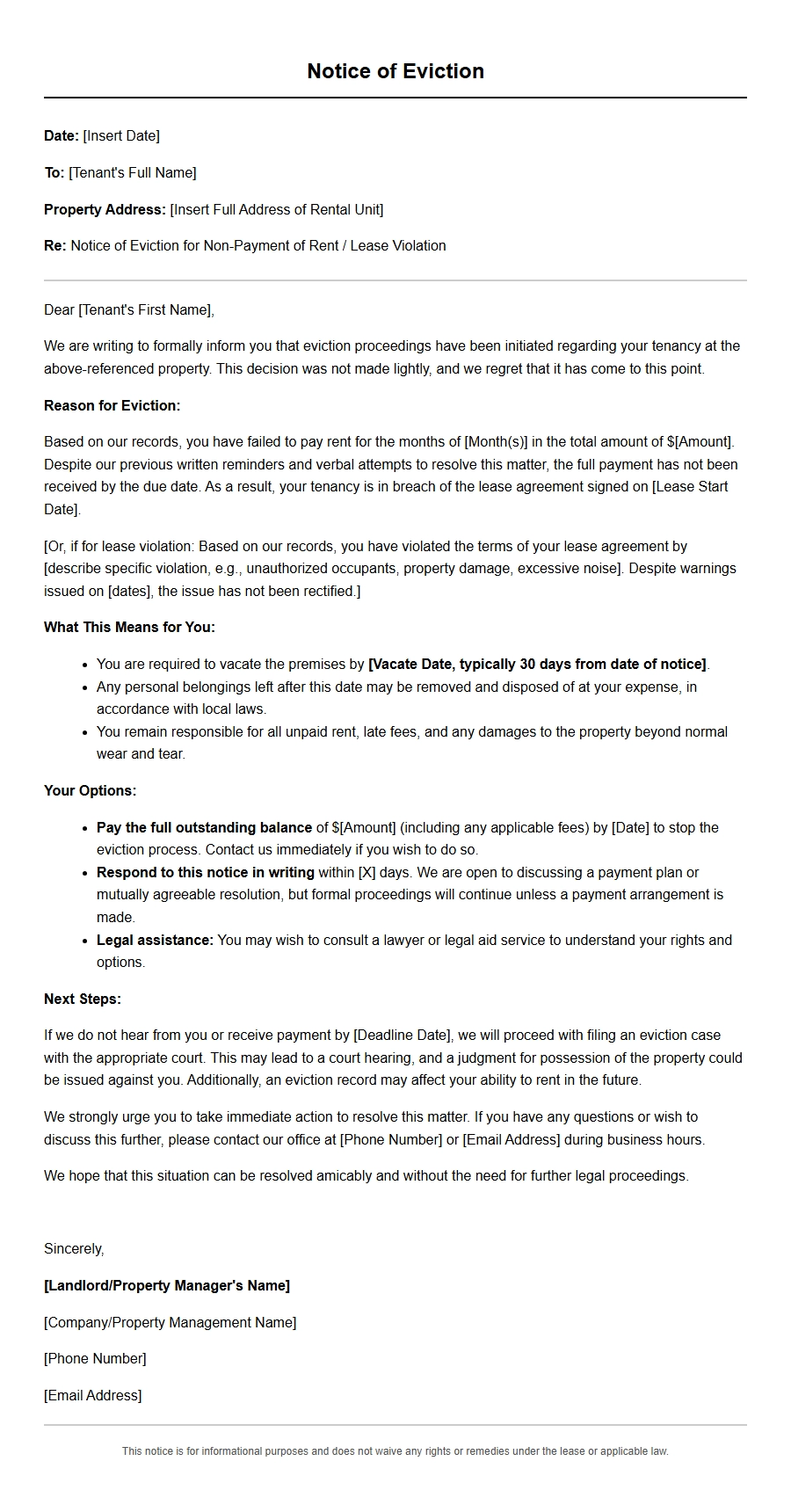
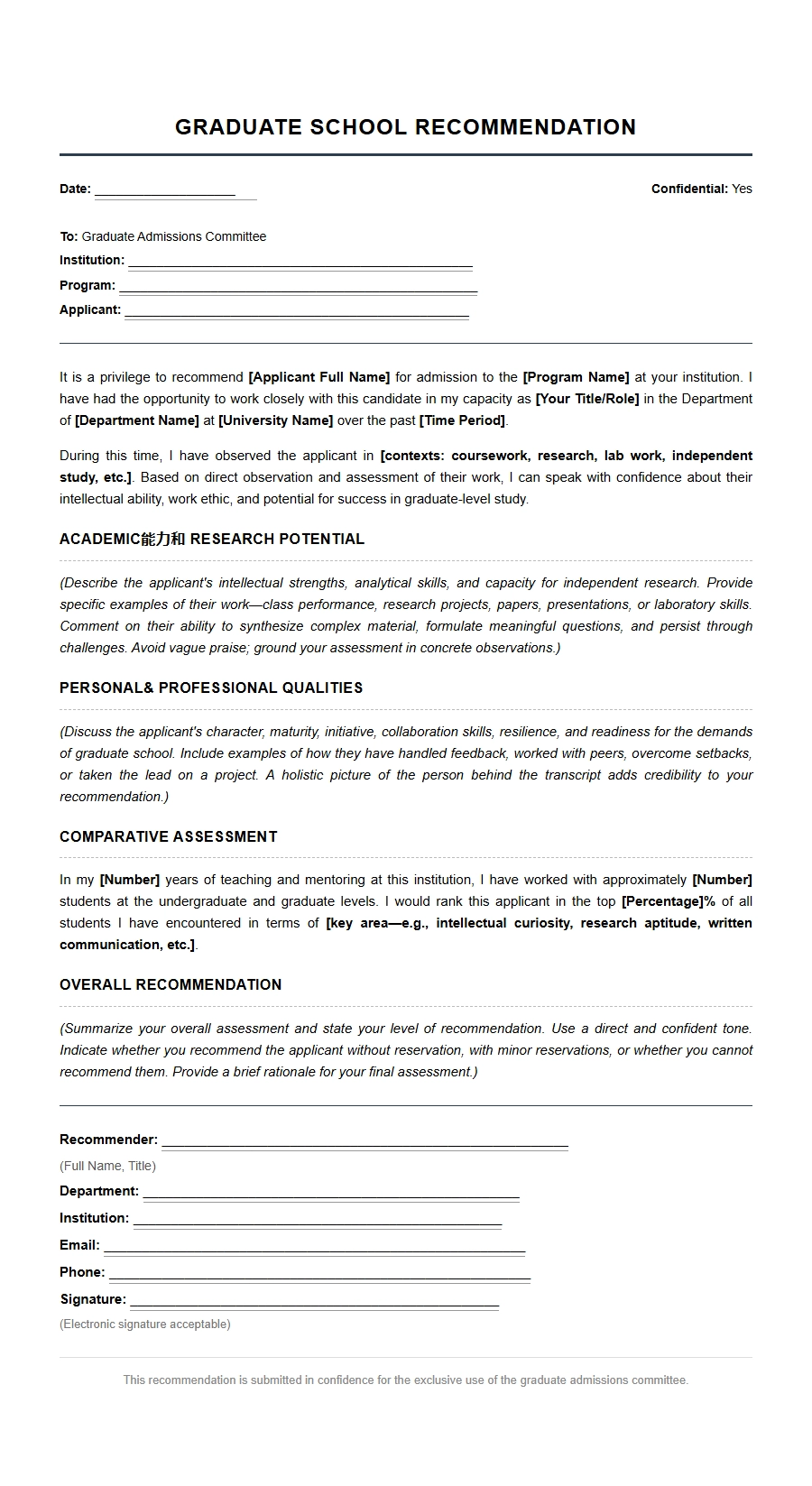 Format for Graduate School Faculty Recommendation Letters
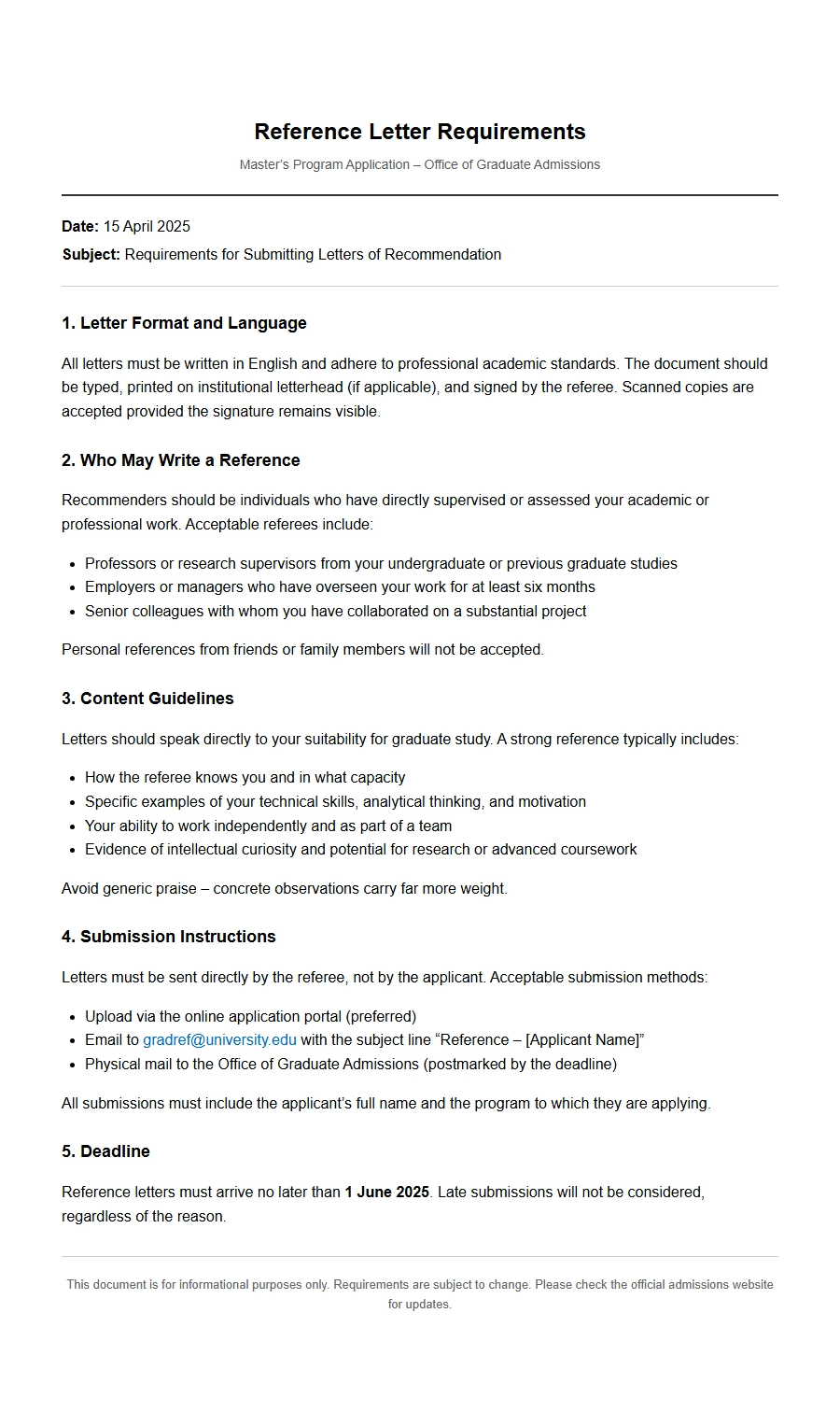 Master's Program Reference Letter Requirements
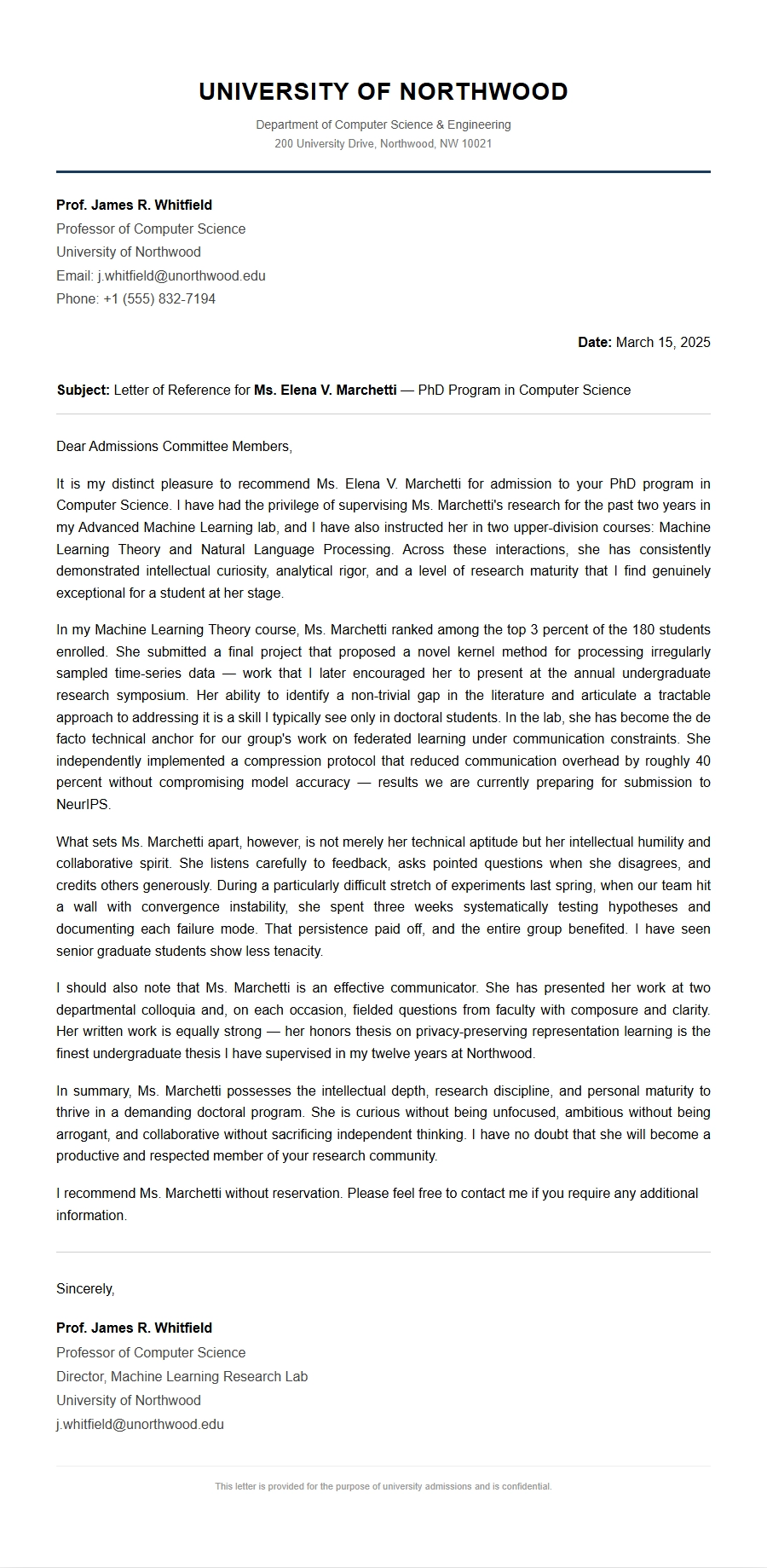 The Perfect Structure for a University Reference Letter
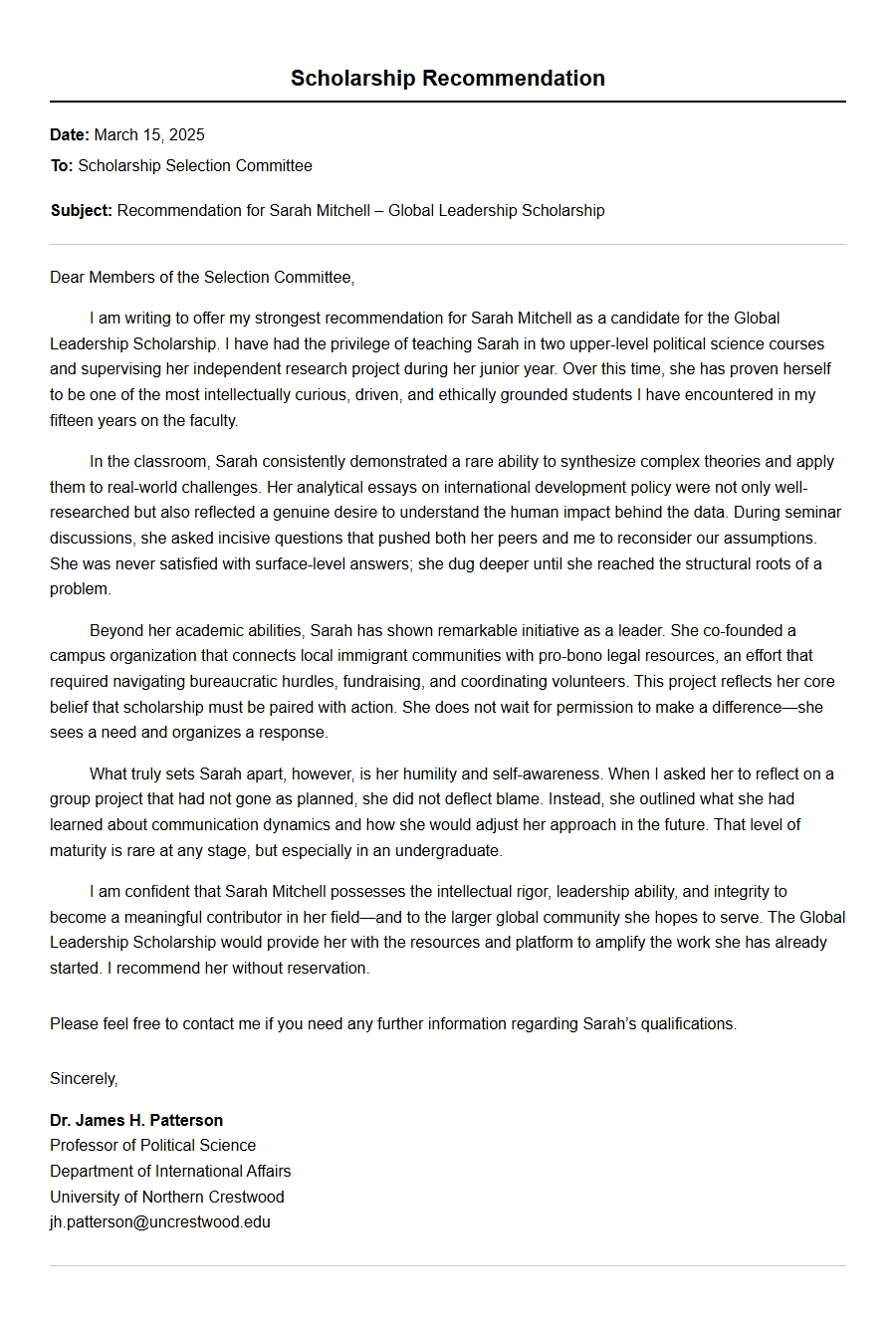 scholarship essay recommendation portion - Recommendation Letters
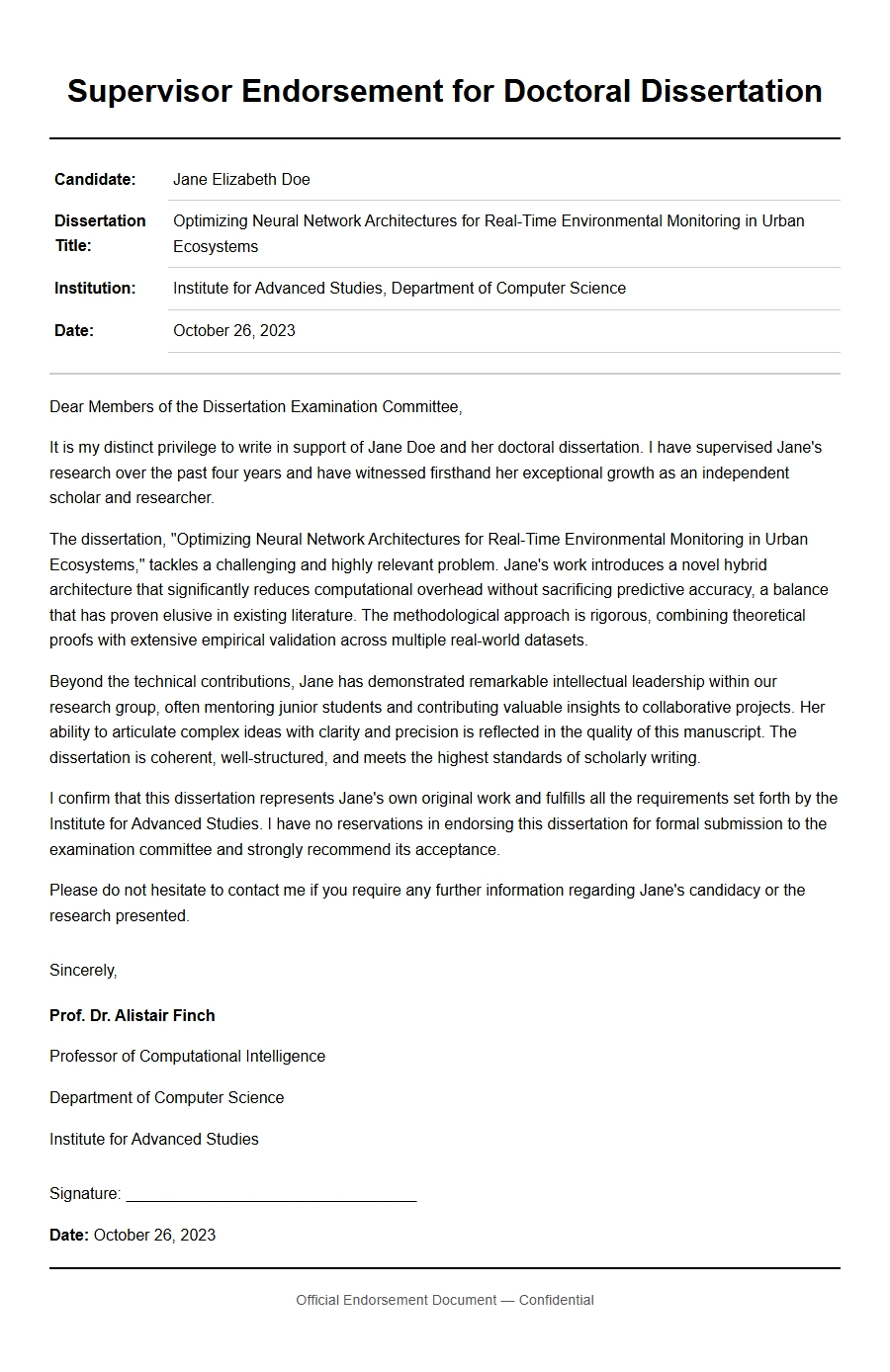 Sample PhD Supervisor Endorsement Letter
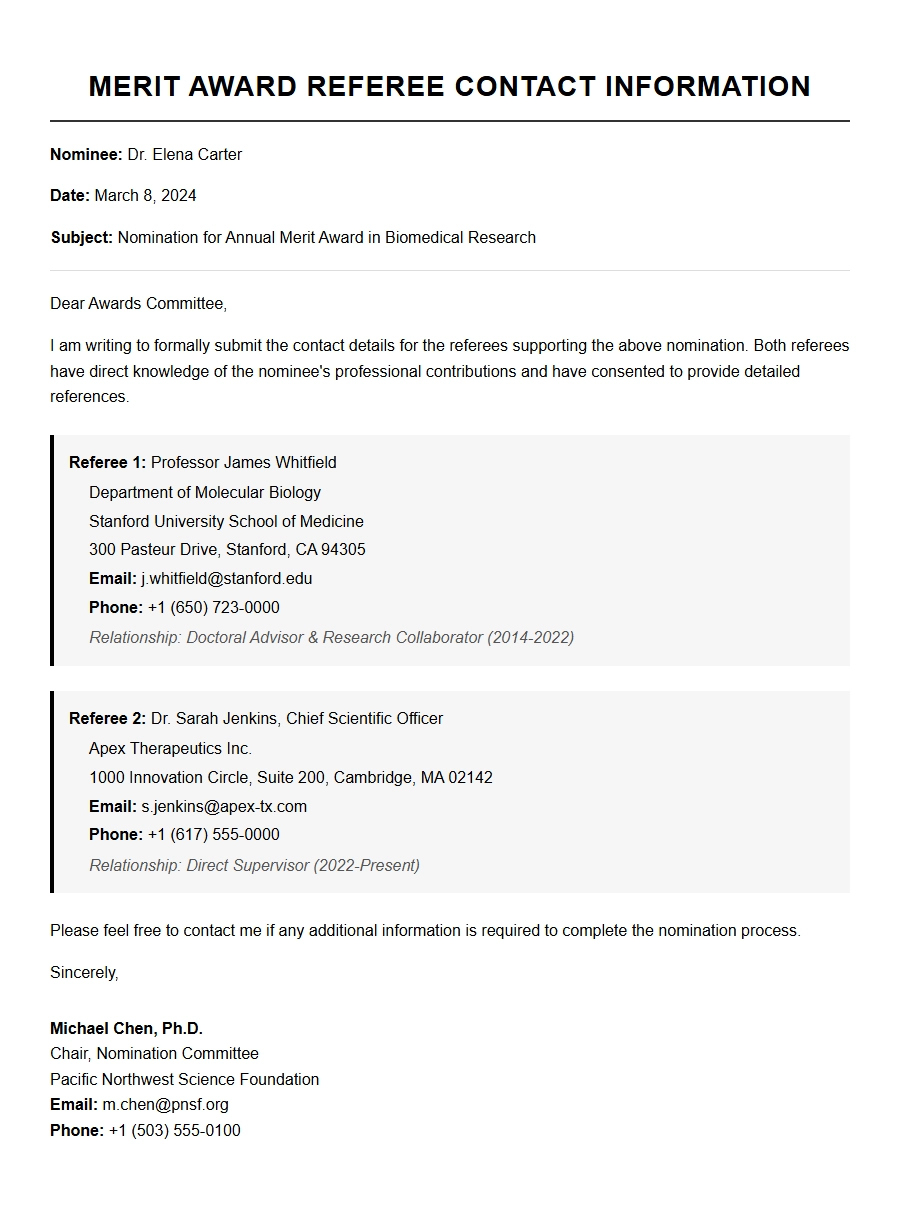 How to Find Your Merit Award Referee Contact Info