You’re staring at a blank screen, the cursor blinking. A reputation is on the line—a mistake was made, a product failed, or maybe a comment was taken out of context. The pressure to issue a public relations crisis response statement is real, and you need to get the tone exactly right. It’s a high-stakes moment, and it feels like there’s no room for error.
Using a sample statement for public relations crisis response isn't a shortcut. It’s a smart way to find the right structure and tone when your brain is frozen. A good letter template gives you the bones—the formal opening, the acknowledgment of responsibility, the forward-looking plan. You just need to add the flesh of your specific situation. It’s about saving time without sacrificing professionalism.
Think of it as professional correspondence with a roadmap. The goal isn't to copy and paste; it's to adapt. The best crisis statements walk a fine line: they show accountability without admitting legal liability, and they express empathy without sounding like a robot.
Let’s break down how to use a sample effectively. Start with the salutation. If you’re writing to a broad audience, skip "To Whom It May Concern." That feels outdated. Use "Dear Valued Customers," or if it’s a local issue, "Dear Neighbors." If you’re responding directly to an individual, use their name.
The opening paragraph is where you hook the reader. Don't bury the lede. State the issue plainly. For example: “We want to address the noise complaint regarding our construction work on [Date]. We understand this disrupted your evening, and we take full responsibility.” That’s direct and honest. It shows you’re not hiding.
Now, for the body of your statement. This is where you explain what happened without making excuses. Use simple language. Avoid corporate jargon like "unforeseen circumstances" or "operational challenges." Those phrases can sound dismissive. Instead, say: "We had a scheduling error that led to the late work. We’ve corrected the process to ensure it doesn't happen again." That’s clear, actionable, and shows you’ve fixed the root cause.
Humans struggle with tone in writing when emotions run high. Ever received a letter that felt too stiff or too casual? It’s jarring. A tip: read your draft out loud. If it doesn’t sound like something you’d say to someone face-to-face, rewrite it. The letter writing etiquette for a crisis is about being humble and clear—not defensive.
Avoid common mistakes. Don’t use outdated salutations like "Dear Sir or Madam" if you could easily say "Dear Customer." Don't ignore the format. If you’re sending an email, use a clear subject line, like "Update: Resolution for [Issue]." If it’s a printed letter, use proper letterhead design—your logo and contact info at the top builds trust. Also, pay attention to digital letter format if you’re posting the statement on your website or social media; shorter paragraphs and bold headings help readability.
Proofreading is non-negotiable. A typo in a crisis statement can make you look careless and worsen the situation. Print it out, read it backwards, or have a colleague check it. A tiny error can undermine your message of being diligent.
Your closing matters. End with a commitment, not just an apology. Say something like: "We have implemented new procedures to avoid this in the future. Thank you for your patience." Then use a standard closing like "Sincerely" or "With gratitude," followed by your title and contact info.
These samples are springboards, not crutches. The best letters feel both professional and personal. Practice makes the process faster. Next time a crisis hits—and it probably will—you’ll already have the template in mind. You can adapt it in minutes, not hours. That’s the real value of knowing your letter structure ahead of time.
Practical Writing Samples
Public Relations Crisis Apology Statement
Apology for Service Disruption
We sincerely apologize for the recent interruption to our platform. This incident was caused by an unforeseen technical error in our data management system.
We take full responsibility and have already implemented measures to prevent recurrence:
Upgraded server monitoring protocols
Added redundant backup systems
Conducted a full security audit
For affected users, we offer the following compensation:
Service Tier
Compensation
Premium
One month free credit
Standard
50% discount on next invoice
We value your trust and are committed to doing better. Thank you for your understanding.
Apology for Product Safety Issue
We are deeply sorry to inform our customers about a safety concern with our Model X electric kettle. A small number of units may have a faulty heating element.
Your safety is our top priority. We have initiated an immediate recall and urge anyone who purchased this product to stop using it.
Please follow these steps:
Check your unit’s serial number using our online tool
Request a free replacement or full refund
Return the affected product with a prepaid label we provide
We regret any inconvenience caused and are reviewing our manufacturing process to ensure this does not happen again. Contact our support team at recalls@company.com for assistance.
Apology for Data Breach
We are writing to offer our sincere apologies for the data breach that exposed limited personal information of some users. This incident occurred due to a vulnerability in our third-party payment processor.
We have taken the following actions:
Terminated the vulnerable service
Engaged a forensic security team
Reported the incident to relevant authorities
Affected users have been notified individually. As part of our response:
Action
Details
Credit monitoring
24 months free via TrustGuard
Identity theft insurance
Up to $50,000 coverage
We are devastated by this failure and are working tirelessly to restore your trust. Please monitor your accounts and contact us with any concerns.
Apology for Employee Misconduct
We extend our deepest apologies for the inappropriate comments made by one of our staff members during a public event. This behavior does not reflect our values.
The matter has been thoroughly investigated and appropriate disciplinary action has been taken. We have also implemented new training requirements for all employees.
Our commitment includes:
Mandatory diversity and inclusion workshops
Revised code of conduct updates
Anonymous reporting system for incidents
We are heartfully sorry for the distress caused. We will continue to listen and learn from this experience to foster a more respectful environment. Thank you for holding us accountable.
Apology for Environmental Violation
We sincerely apologize for the chemical spill that occurred at our manufacturing facility last month. This was a direct result of inadequate safety protocols.
We acknowledge the harm this may have caused to the local ecosystem and community. Immediate steps taken include:
Containment and cleanup of the affected area
Cooperation with environmental agencies
Compensation fund for impacted residents
We are also investing $2 million in upgraded safety systems. We understand apologies alone are not enough, and we will publish quarterly progress reports on our environmental record.
Phase
Timeline
Cleanup completion
Q2 2024
Full system upgrade
Q4 2024
Apology for Shipping Delays
We apologize for the significant shipping delays experienced during our holiday sale. Our logistics partner underestimated demand, causing many orders to arrive late.
We take full responsibility and have made changes to ensure this does not happen again:
Switched to a more reliable carrier
Added real-time tracking updates
Increased warehouse capacity
To make up for the inconvenience, we are issuing the following credits:
Original Delivery Time
Credit Amount
Delayed 1–3 days
10% of order total
Delayed 4+ days
25% of order total
We value your patronage and are sorry we let you down. A dedicated team is handling each affected order personally.
Apology for Misleading Advertising
We apologize unreservedly for the misleading claims in our recent TV advertisement for PowerClean detergent. We claimed the product removes stains instantly, which is not supported by evidence.
This was a serious error in our marketing process. We have already:
Pulled the advertisement from all channels
Issued a retraction in major newspapers
Reviewed our internal approval workflow
Customers who purchased the product based on this ad are eligible for a full refund. Please contact our customer service with your receipt. We are also offering a 20% discount on your next purchase as a gesture of goodwill. We are committed to honest communication and regret any confusion caused.
Apology for Vendor Misconduct
We offer our sincere apologies after discovering that one of our suppliers, TechParts Inc., used child labor in their production chain. We terminated the contract immediately upon learning this.
We take supplier ethics very seriously and are implementing stricter oversight:
Announced unannounced audits for all current suppliers
Require third-party certification for labor standards
Established a supplier hotline for reporting violations
We recognize our responsibility extends to our entire supply chain. To affected communities, we are contributing $100,000 to local education programs. We trust this response demonstrates our commitment to ethical practices. We deeply regret any hurt this may have caused.
Apology for Service Outage During Crisis
We are truly sorry that our emergency notification system failed during the recent flood warning. This outage occurred due to a power failure at our primary data center.
We understand that reliable communication is critical during crises. Our response includes:
Installed backup generators at all facilities
Added failover to a secondary data center
Conducted 24/7 stress testing protocols
We are also working with local authorities to review our performance. For those affected, we are offering a free upgrade to our premium support package for one year. We apologize for the added stress during an already difficult time. Our goal is to earn back your trust.
Upgrade Benefit
Duration
Priority notification
12 months
Dedicated emergency line
12 months
Apology for Billing Error
We sincerely apologize for the billing error on your recent statement. A system bug caused duplicate charges for subscription fees between January and March.
We have corrected the issue and reversed all duplicate transactions. Your account has been credited the full amount:
Invoice Number
Amount Credited
INV-2024-0012
$29.99
INV-2024-0018
$29.99
INV-2024-0025
$29.99
We have also implemented automated checks to prevent similar problems. If you see any remaining issues, please contact our billing team at billing@company.com. We value your patience and apologize for the inconvenience caused by this oversight.
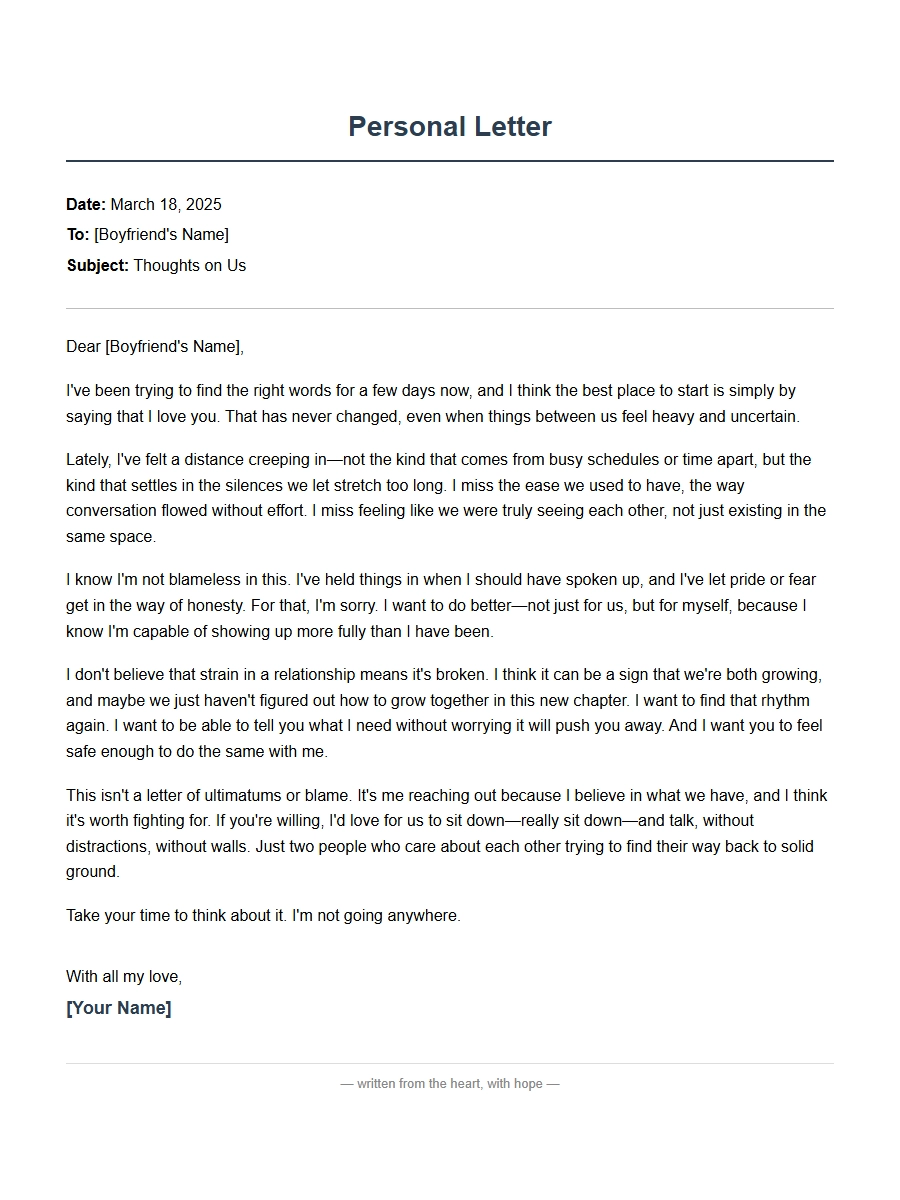 Personal Apology Letter for Boyfriend Relationship Strain
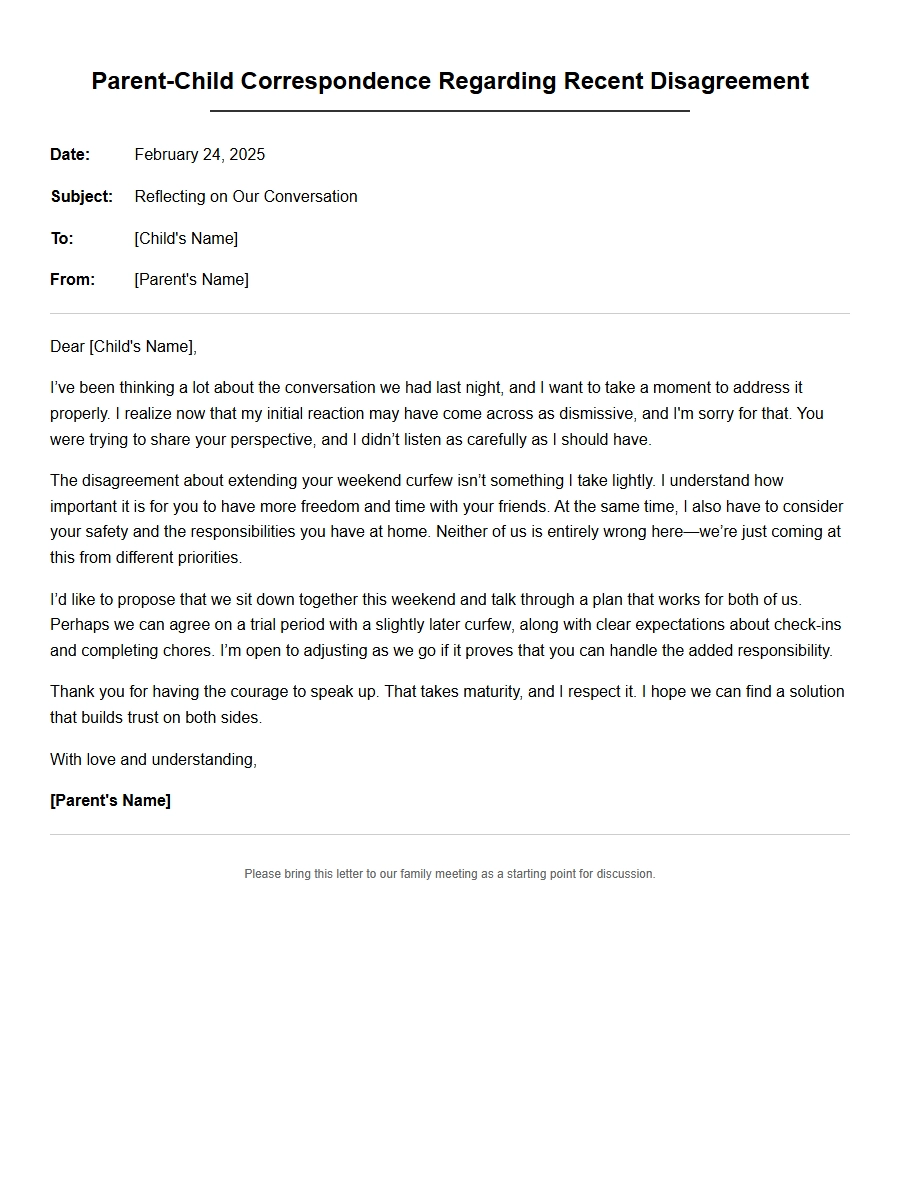 Apology Correspondence for Parent-Child Disagreements
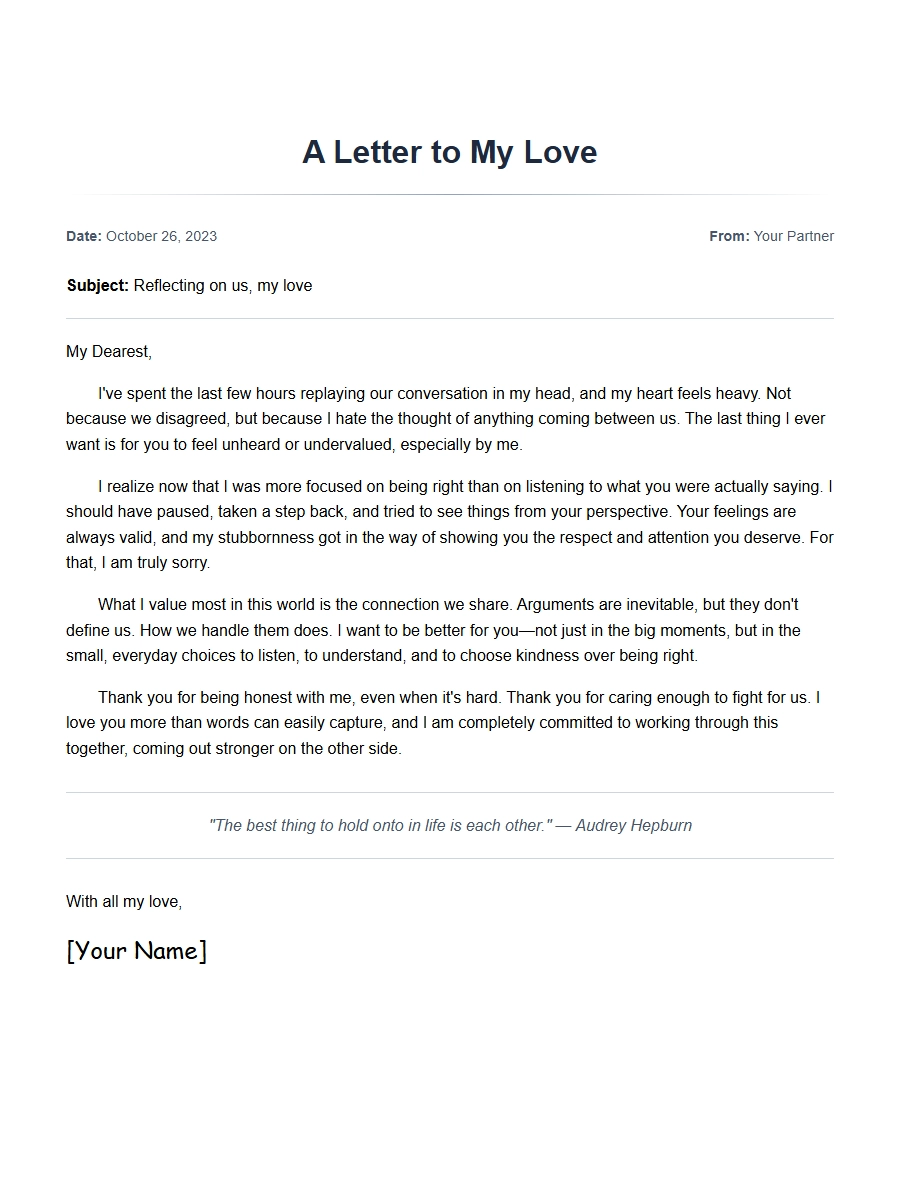 Apology Message for Girlfriend After Argument
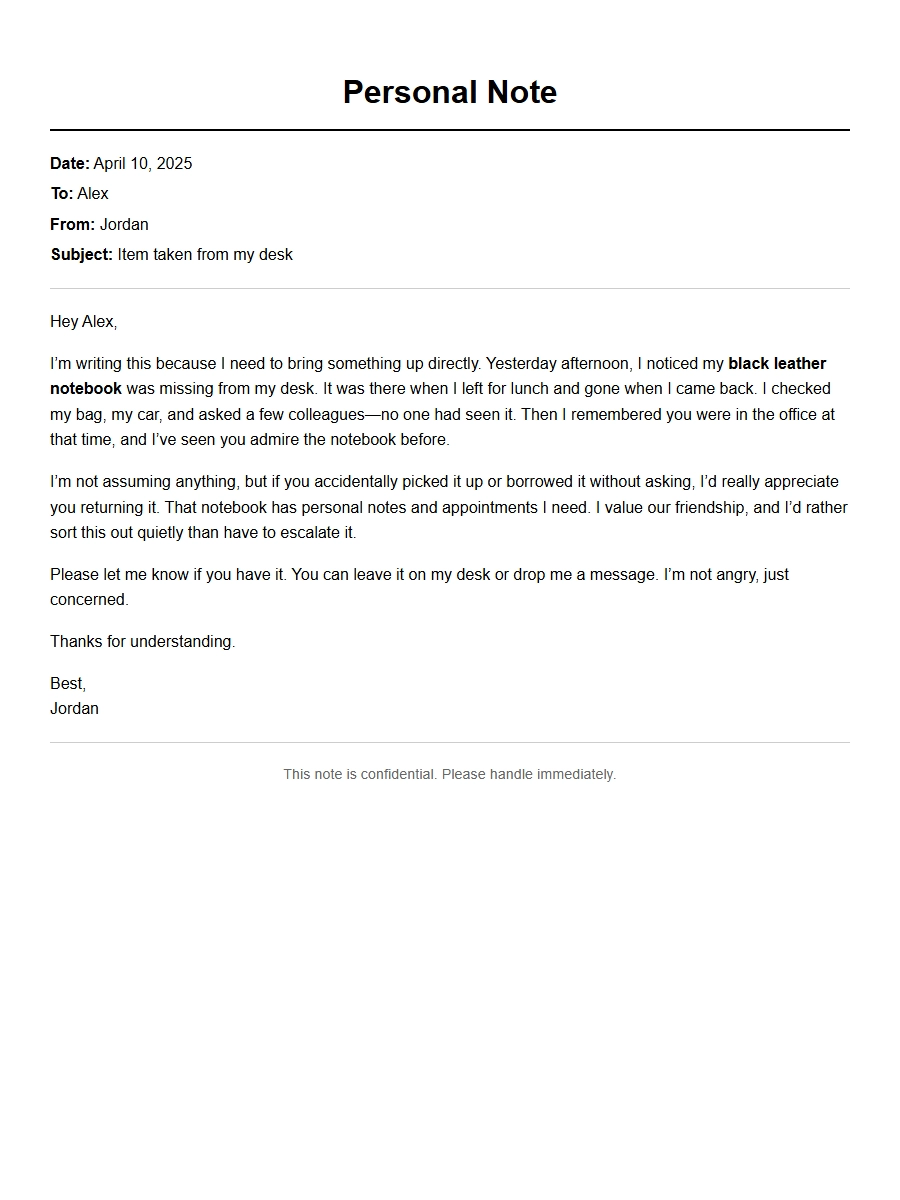 note for friend stealing item - Apology Letters
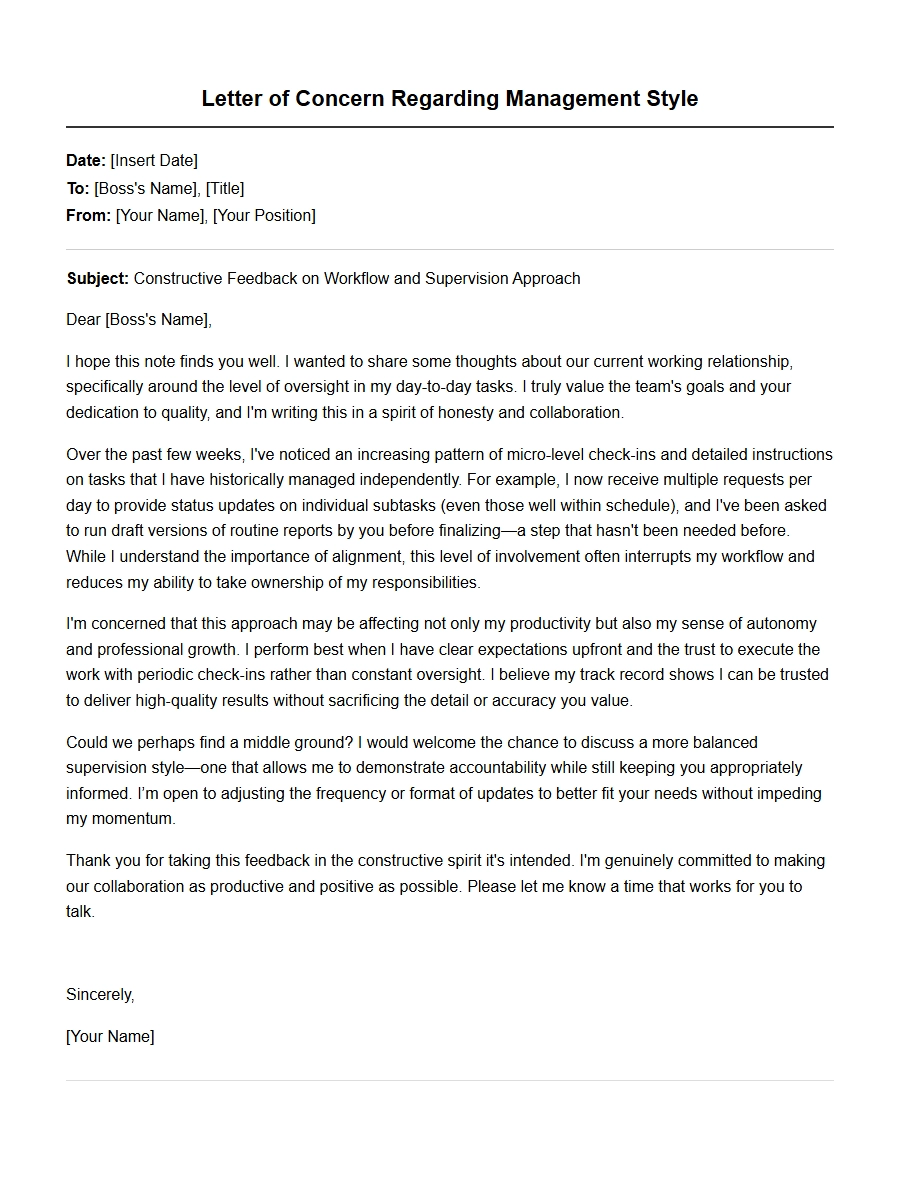 Apology to Boss for Micromanagement Complaint
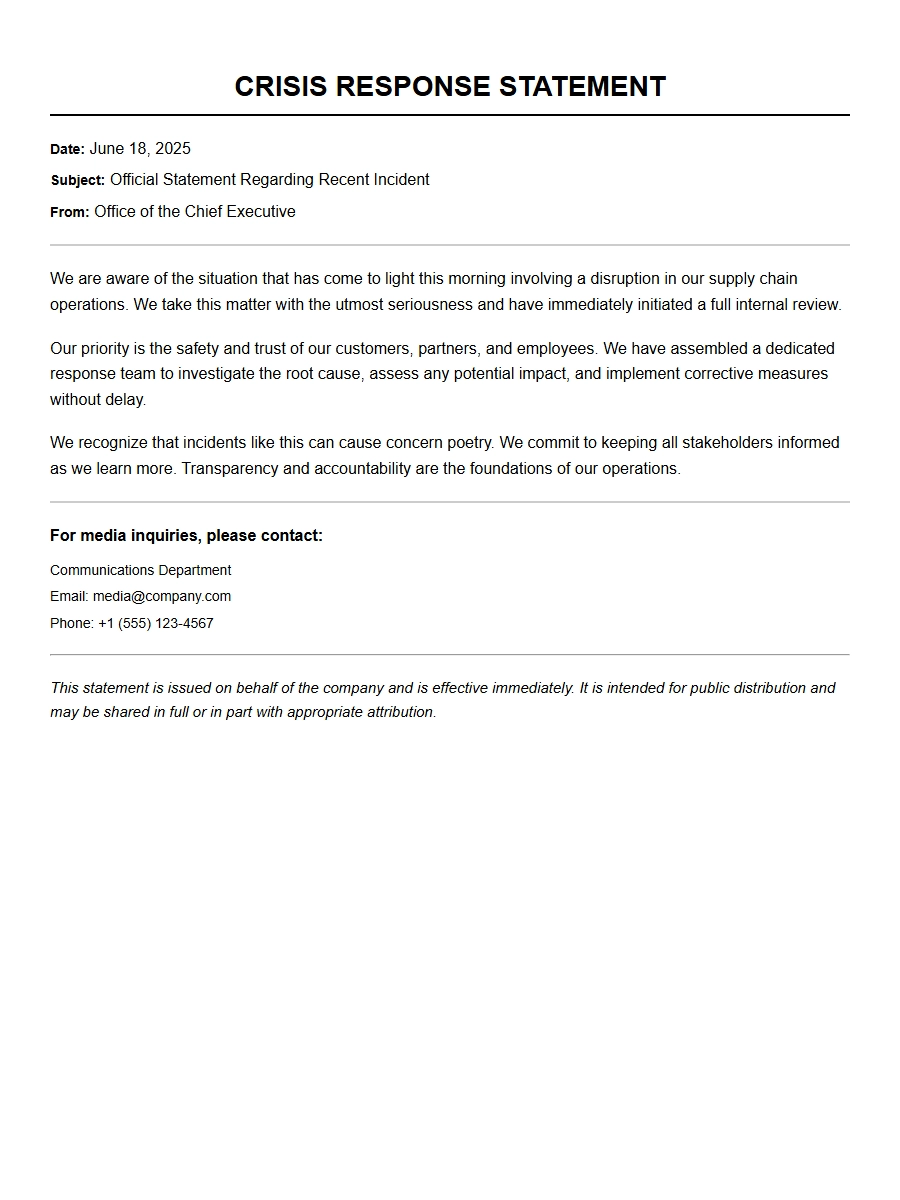
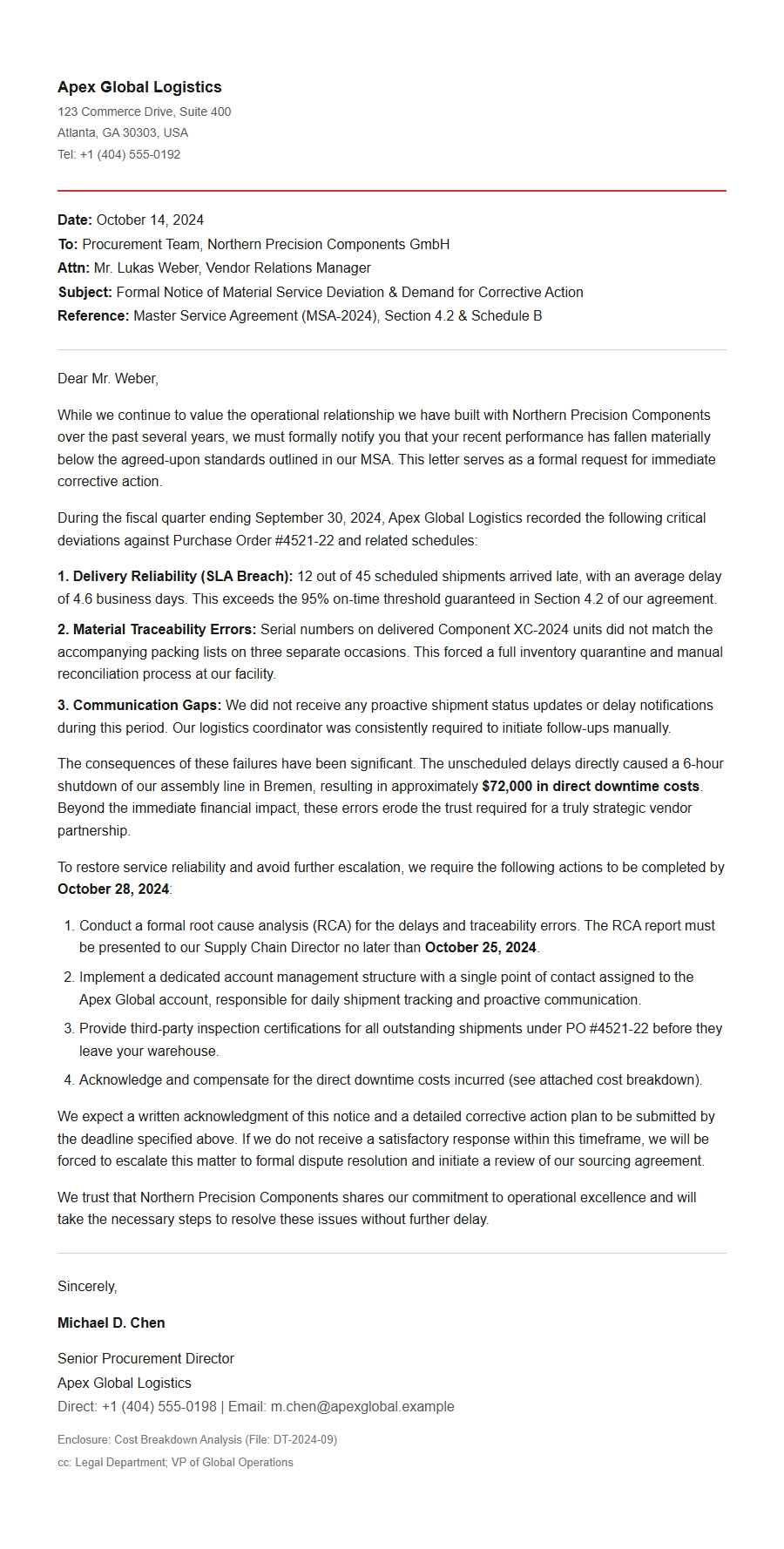 Apology Document for Vendor Supply Chain Issue