You're staring at a blank page, toggling between a dozen browser tabs, and the cursor blinks like it's mocking you. You need to write a cover letter for a marketing specialist role focused on brand strategy—and you need it to land. Maybe it's been a few years since you wrote one, or maybe this is your first shot at a job that actually excites you. Either way, using a well-crafted sample is not cheating. It's a shortcut to clarity.
Think of a sample as a map. It shows you the route, the structure, and the tone that works. You still bring your own stories, your own results, and your own voice. A good letter template gives you the skeleton. You fill in the muscle. That's why smart professionals use them. They save time, reduce anxiety, and help you avoid rookie mistakes like forgetting a salutation or writing a closing that sounds like a robot.
[Category: Marketing Cover Letters]
What Makes a Brand Strategy Cover Letter Different?
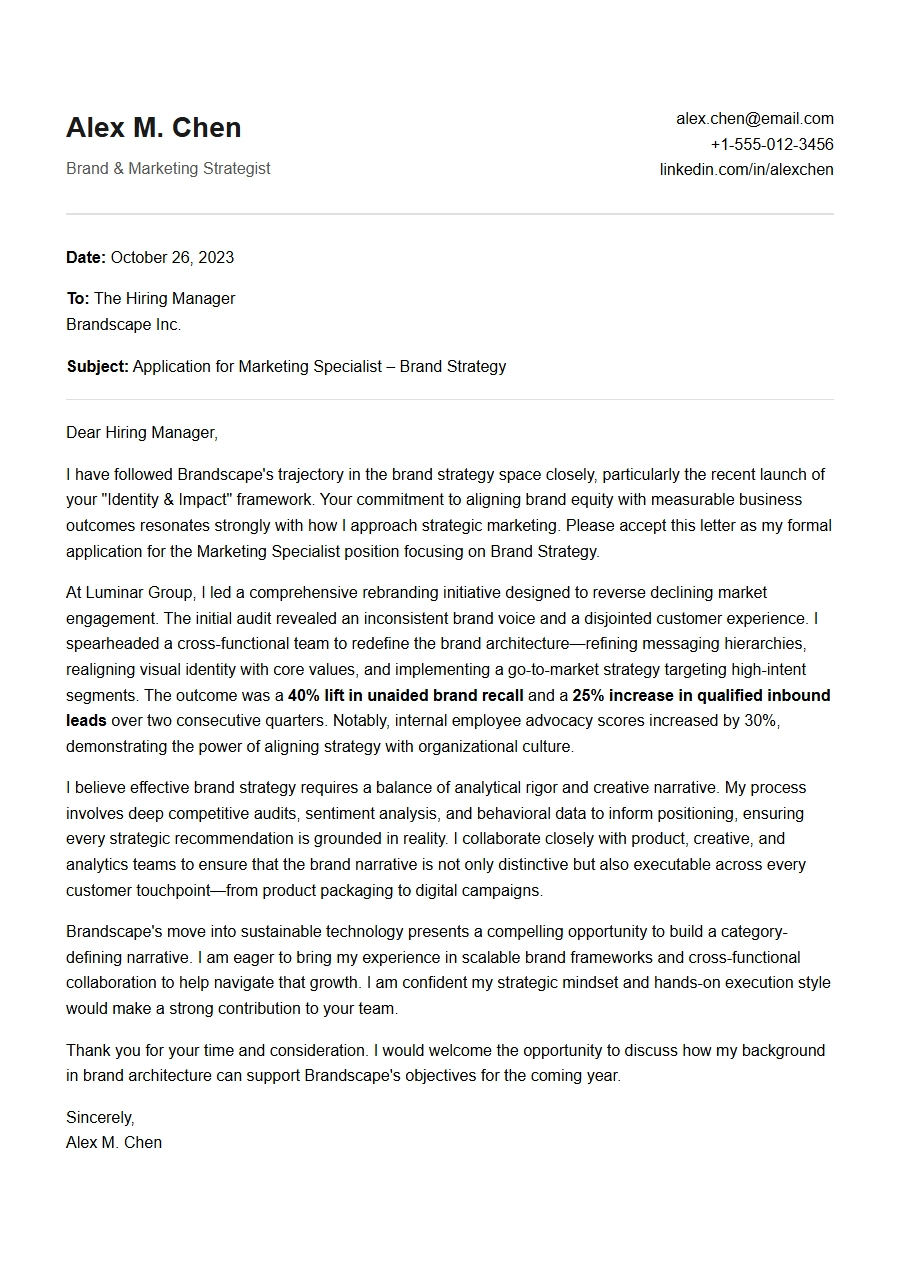
Marketing specialist roles vary wildly. But when you're applying for a position centered on brand strategy, recruiters want to see that you think beyond tactics. They want proof you understand positioning, narrative, and long-term equity. So the sample you pick should match that weight. Avoid generic "I'm a hard worker" templates. Instead, look for cover letter examples that show strategic depth—samples that talk about audience insights, competitive analysis, and measurable brand lift.
For instance, if the job description asks for experience in "building brand architecture," your letter should mention how you reorganized a product line's messaging hierarchy. If they want "brand storytelling," describe a campaign where you shifted perception through consistent narrative across channels. Your sample is a starting point, but you must customize those phrases to reflect your actual work.
How to Adapt Without Losing Your Authentic Voice
The biggest trap people fall into is copying a sample word for word. It reads stiffly, and hiring managers can tell. Instead, read the sample to understand its flow—then rewrite each section in your own language. Keep the structure, but swap out the generic achievements for yours. If the sample says "developed a brand voice guide," replace that with "wrote a brand voice guide for a SaaS startup that reduced customer confusion by 15%." Specific numbers beat vague statements every time.
Pay attention to the tone in writing. A formal business letter format might work for a corporate role, but a startup brand strategy position may expect a friendlier, more conversational tone. Adjust the salutation and closing accordingly. "Dear Hiring Manager" is safe, but if you know the recruiter's name, use it. And skip outdated closings like "Sincerely yours" unless the company culture demands it. "Best regards" or "Thanks for your time" is often better.
Three Common Mistakes to Avoid
First, don't ignore the format. If you're sending a digital letter format (PDF or emailed body), you don't need letterhead design with fancy logos. But if you're printing and mailing, include a clean letterhead with your contact info. Second, do not overload the first paragraph with fluff. Get to the point: "I'm applying for the brand strategy role because my background in building brand equity at [Company] directly aligns with your need to reposition [Brand]." Third, forget to proofread. A typo in the word "strategy" will haunt you. Read it aloud. Have a friend scan it. Use proofreading letter checklists if needed.
If you're coming from a different industry or role, you might find it helpful to see how others handle career transitions. For example, our career changer administrative assistant example cover letters show how to reframe administrative skills into strategic thinking. The same principle applies here: connect your past experience to brand strategy outcomes.
Choosing the Right Sample for Your Situation
Not all samples are equal. If you're applying for a senior marketing specialist role, look for samples that include leadership language and measurable results. If you're entry-level, find a sample that emphasizes learning and project-based examples. And don't be afraid to mix elements from different sources. You might like the opening of one sample and the closing of another. That's fine—professional correspondence doesn't have to be cookie-cutter.
Also consider the industry. A brand strategy cover letter for a fashion label should feel different from one for a B2B software company. The core structure stays the same—introduction, why you, what you did, why them, call to action—but the vocabulary and examples shift. Use customizable letter templates that let you swap out keywords easily.
Even if you're writing about a very different area, like a support ticket escalation process cover letter, the core structure of a cover letter remains surprisingly consistent. The challenge is to adapt that structure to highlight strategic brand thinking rather than operational problem-solving.
What to Include in the Opening Paragraph
Your opening should hook the reader within two sentences. Mention the role, a specific reason you're interested, and a hint of your value. For example: "When I saw that [Company] is expanding into sustainable packaging, I knew my experience crafting brand narratives around eco-conscious materials could help you lead that conversation." That's far stronger than "I am writing to apply for the marketing specialist position."
If you have a referral or know someone at the company, drop that in early. Otherwise, focus on the intersection between their need and your capability. You can find similar openings in entry-level teacher cover letter examples—they often start by connecting the candidate's teaching philosophy to the school's mission. The same logic applies here, just with brand strategy.
Tailoring the Body to Brand Strategy
In the body paragraphs, avoid listing every job duty. Instead, pick two or three brand strategy achievements. Describe the situation, your action, and the result. Use numbers if you have them. For example: "At my previous role, I led a brand audit that recommended a repositioning toward millennial buyers. After implementation, brand awareness among that demographic increased 23% in six months." That's concrete. The same format works whether you're writing a formal letter or an email.
Don't forget to mention soft skills that matter in brand strategy—collaboration with creative teams, presentation to executives, ability to distill market research into a clear narrative. These are often more important than technical marketing skills.
If you need inspiration for how to structure these paragraphs, look at a technical writer API documentation cover letter. It shows how to explain complex work in a clear, results-focused way. Brand strategy is similarly abstract—you need to translate it into tangible outcomes.
One More Thing: The Closing
End with a forward-looking statement. Restate your interest and your availability for an interview. Avoid passive language like "I hope to hear from you." Instead, try "I'd welcome the chance to discuss how my brand strategy work can contribute to your team." Then add a polite thank you.
And finally, proofread. Read it backward if you have to. Check the letter structure—does it flow from opening to closing? Is your tone consistent? Did you accidentally leave a placeholder from the template? Those little mistakes scream "I rushed this."
The best brand strategy cover letters feel both professional and personal. They show you've done your homework about the company and that you can execute strategic ideas. Use a sample to get started, but always make it your own. Over time, you'll get faster at writing these letters from scratch, but until then, let a good template be your training wheels.
If you're also preparing for roles that require a more operations-focused approach, a construction foreman safety protocols cover letter might seem unrelated, but it uses the same principle: match your specific experience to the employer's most pressing need. That's the core of any effective cover letter, regardless of industry.
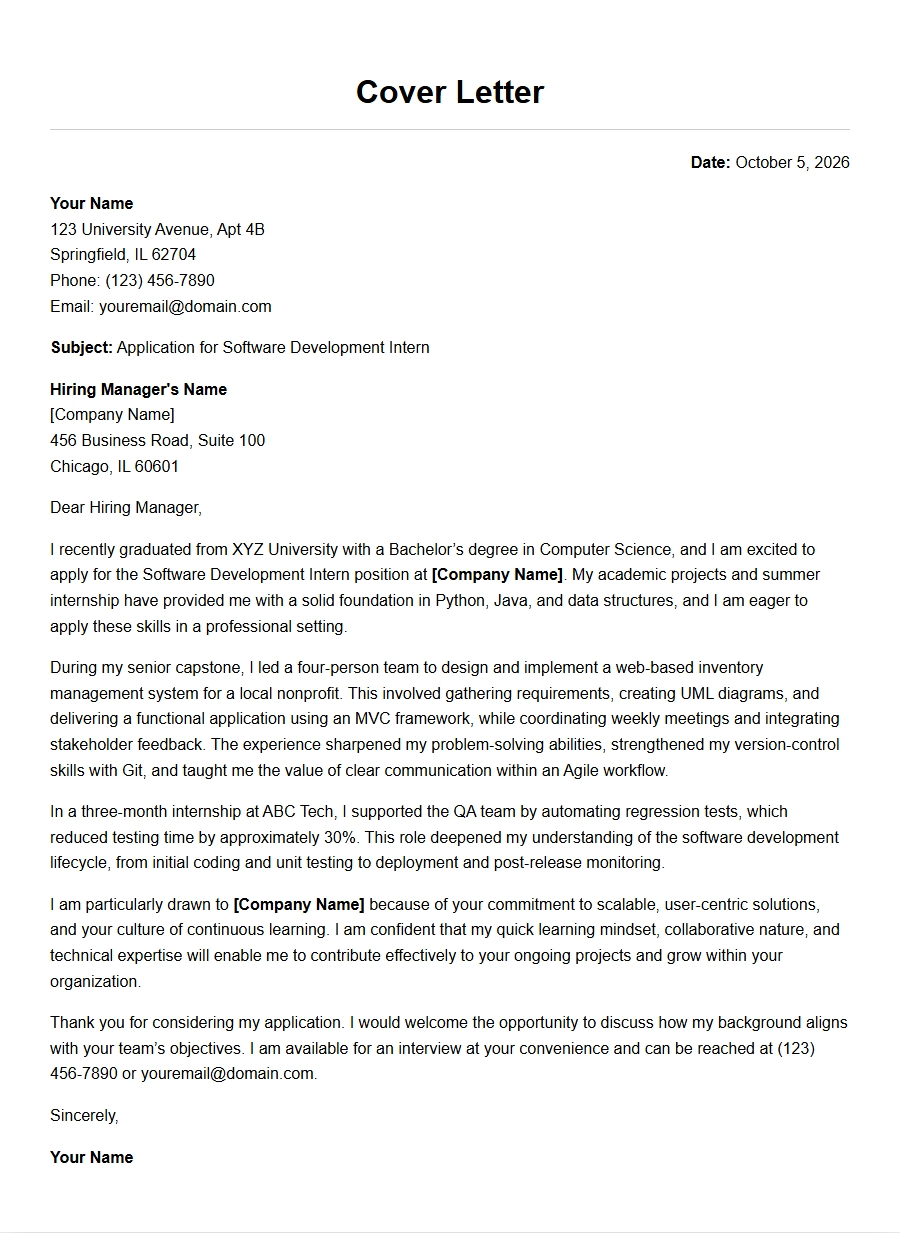 Recent College Student Cover Letter for Internship
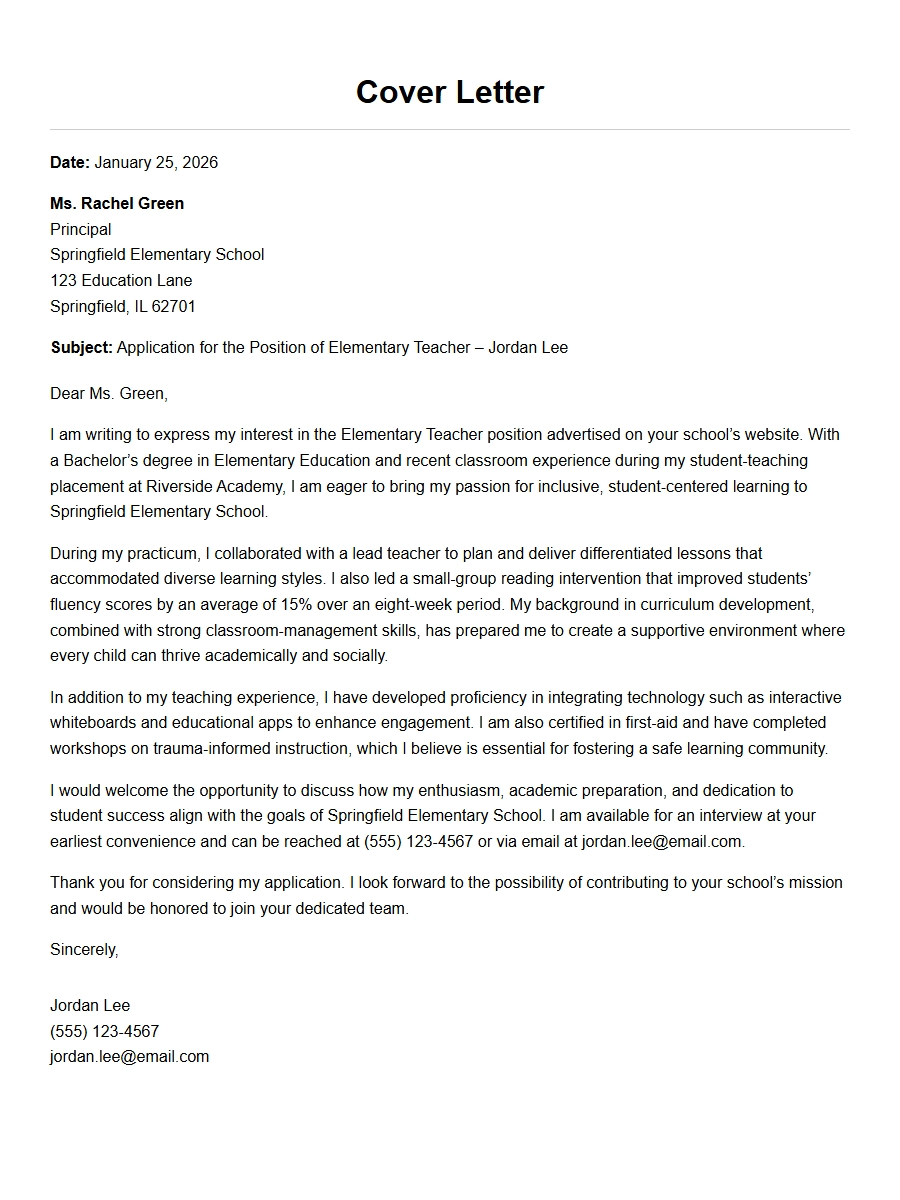 Entry Level Teacher Cover Letter Examples
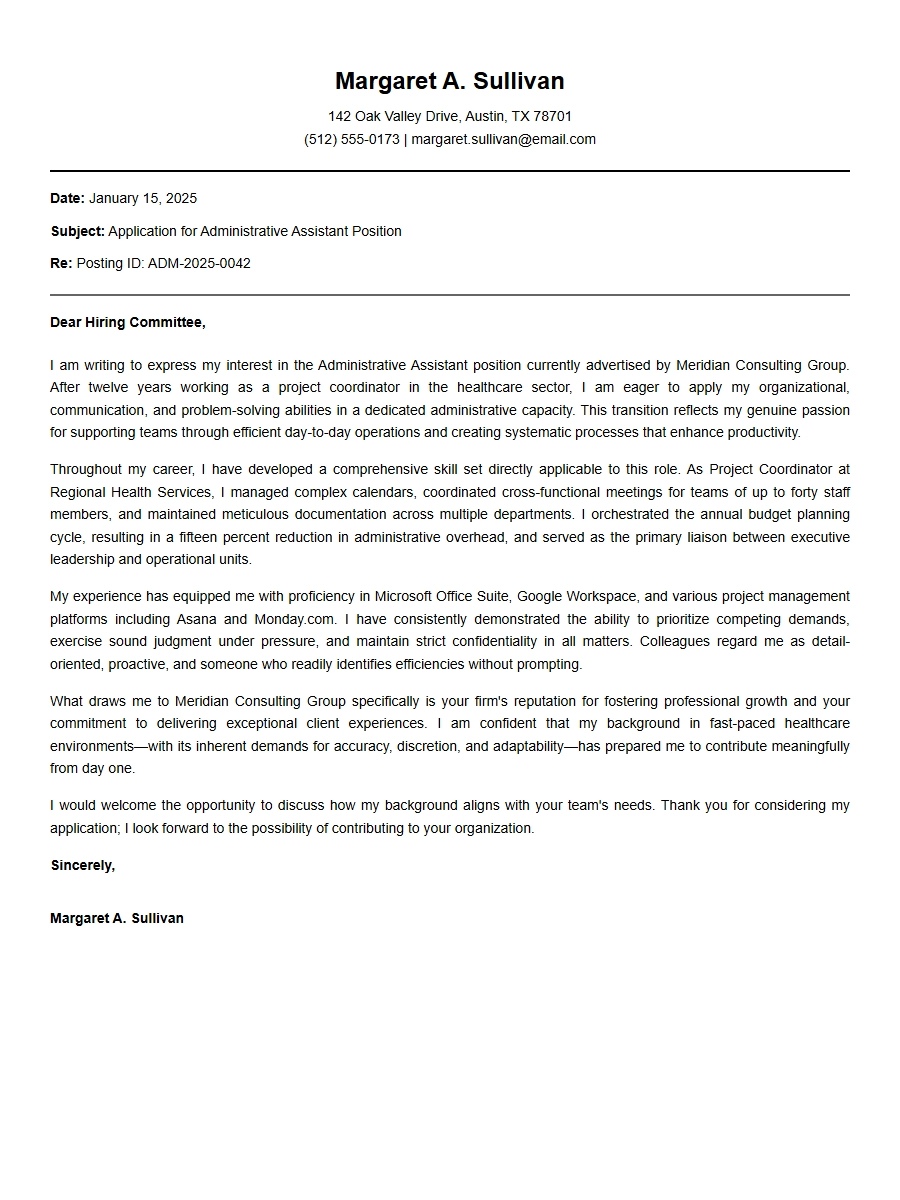 Career Changer Administrative Assistant Cover Letter
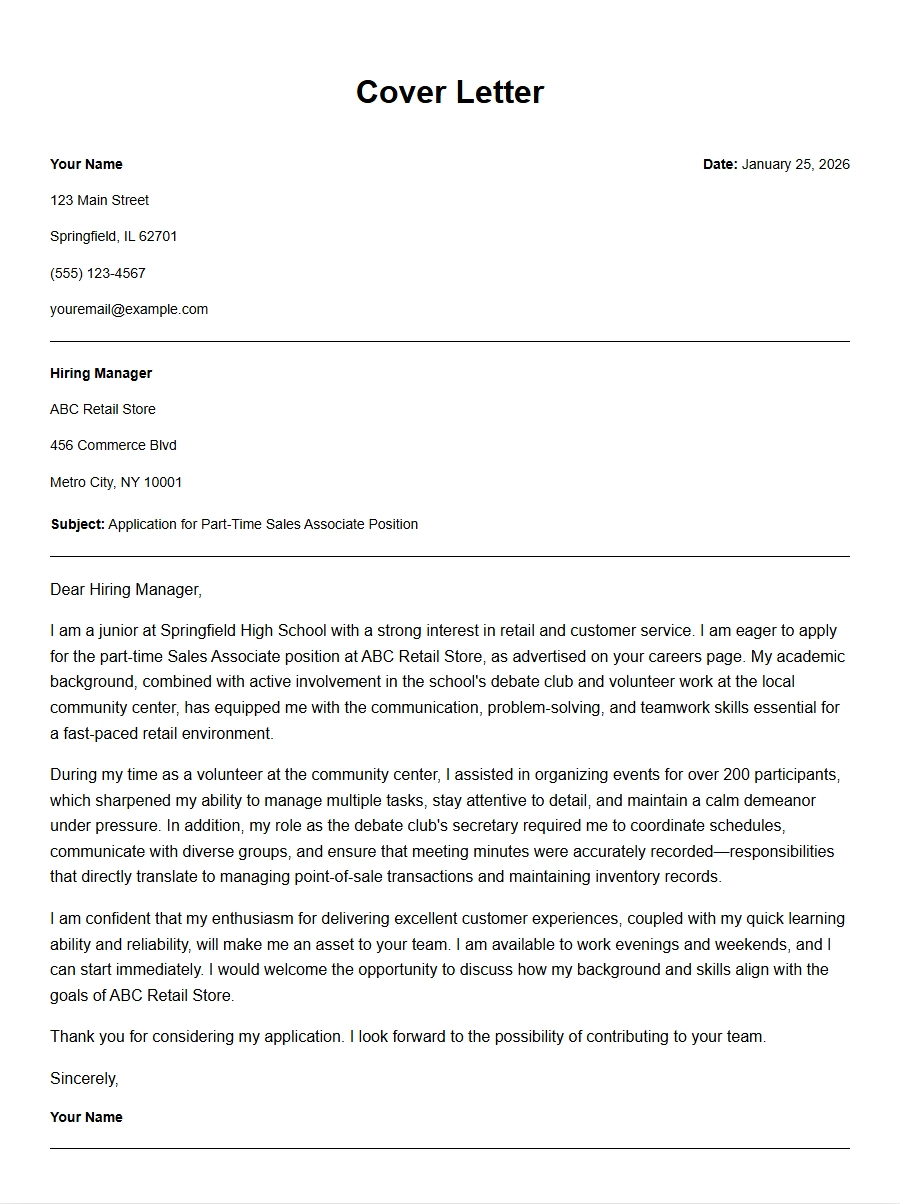 High School Student Part Time Job Cover Letter
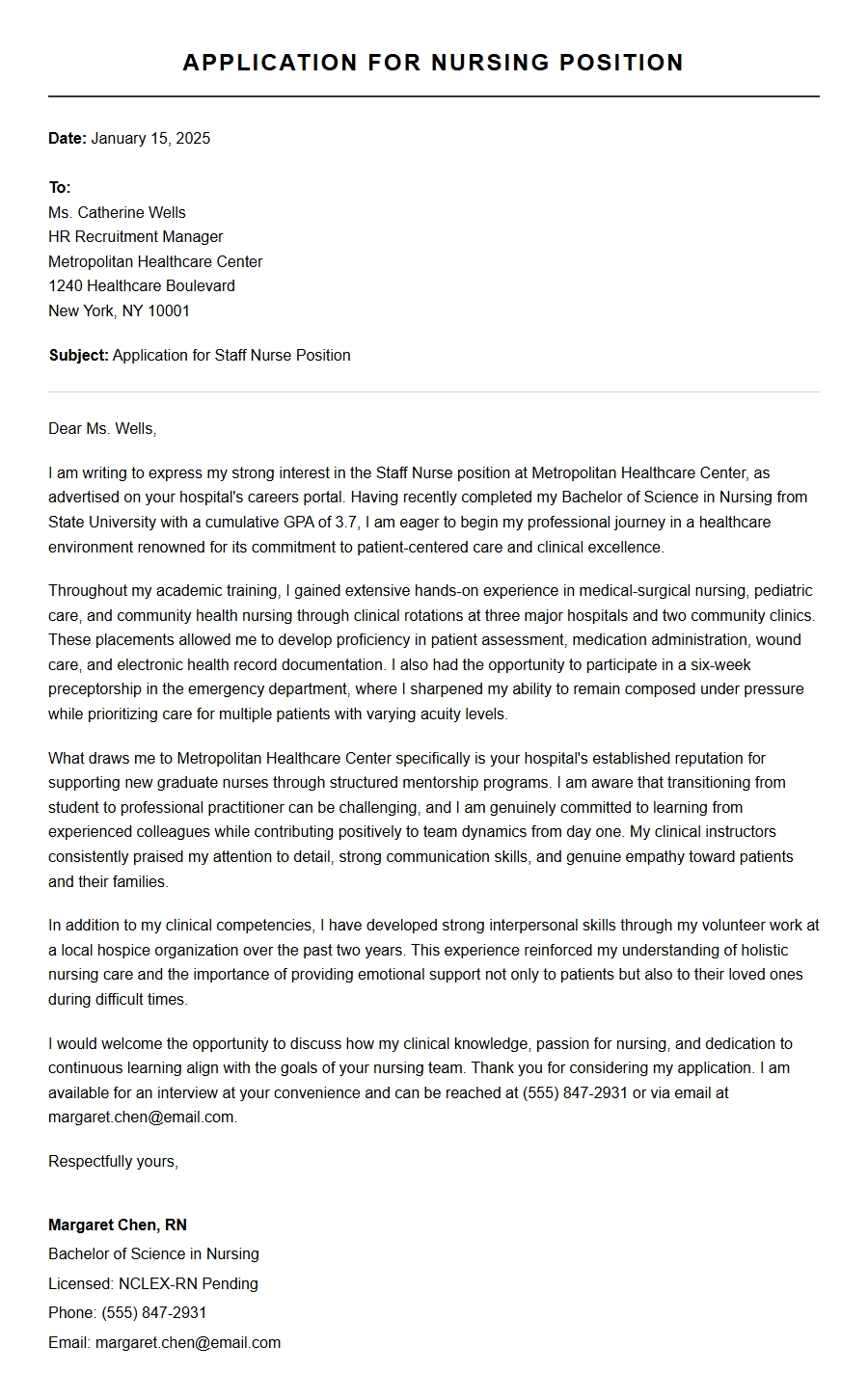 Fresh Graduate Nursing Application Letter
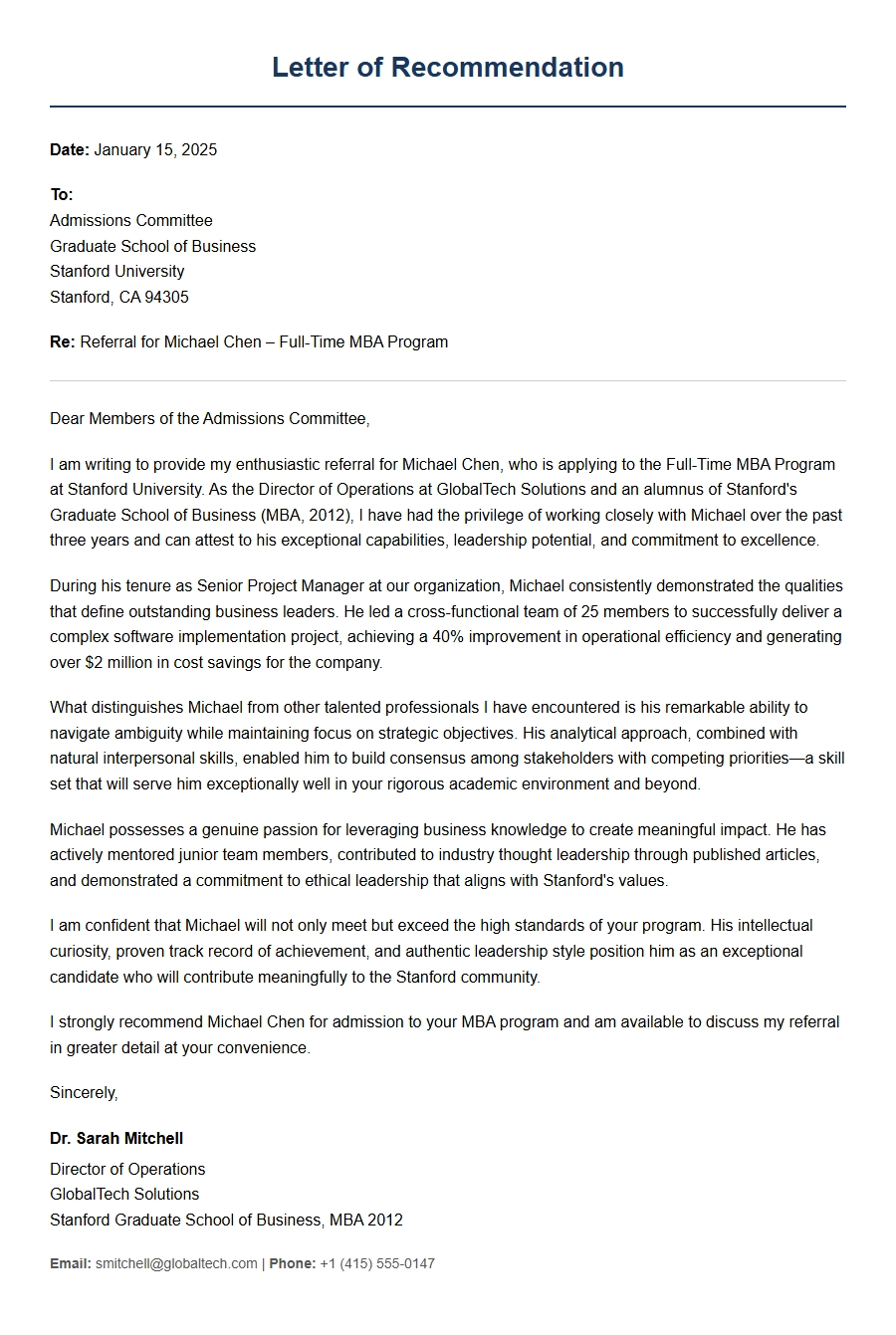 University Alumni Referral Email Cover Letter