You're staring at a blank screen, cursor blinking, wondering how to tell a potential employer why a high school student deserves a part-time job. Maybe this is your first time writing a cover letter, or maybe you haven't done this in years and the rules feel hazy. Either way, that tightness in your chest is completely normal. The good news? You don't have to invent this from scratch.
Using a cover letter sample isn't cheating—it's smart planning. Think of it like using a blueprint when you're building something. The sample gives you structure, shows you what a professional salutation and closing look like, and reminds you of the basic business letter format that employers expect. You're not copying someone else's words; you're borrowing a framework that works and filling it with your own story.
Category: High School Student Job Search Resources
Finding the Right Sample for Your Situation
Not every sample fits every situation. If you're applying to a retail store, you want something conversational but professional. If you're applying to a law firm as an office assistant, the tone needs to be more formal. Before you download anything, ask yourself: Does this look like the kind of letter someone would actually send to this industry?
A good letter template gives you placeholders for your name, the employer's name, and specific details about the job. It should show you how long paragraphs should be (short is better) and how to space everything so it reads cleanly. If a sample looks stiff or outdated, keep looking.
Making the Sample Yours
The biggest mistake students make is tweaking a few words and calling it done. The employer can tell when a letter feels generic. So how do you adapt without losing your voice?
Start with your opening line. Most samples use something bland like "I am writing to apply for..." Swap that out for something specific to you. Maybe you noticed the store's display window on your walk home and it made you want to work there. Maybe you saw their team helping a customer and thought, "That's the kind of place I want to be part of." That specificity is what makes a letter memorable.
Then look at the middle paragraph. The sample probably talks about "excellent communication skills" or "a strong work ethic." Those phrases are fine, but follow them with a real example. Did you lead a group project in class? Have you been managing a social media account for a club? Even volunteer work or helping at a family business counts.
Formatting Details That Matter
Email letters and printed letters need slightly different treatment. For email, you can skip the fancy letterhead design and focus on a clean signature block at the bottom with your phone number and email. For printed letters, leave a bit more white space at the top and make sure your contact info is centered or right-aligned.
The salutation and closing matter more than most students realize. "Dear Hiring Manager" is safe but generic. If you can find the name of the manager, use it. "Dear Ms. Chen" feels much more intentional. For the closing, "Sincerely" still works best in most situations. "Best regards" is fine for more casual workplaces like cafes or movie theaters.
Proofreading Is Non-Negotiable
Read your letter out loud before you send it. You'll catch awkward phrasing you didn't notice when reading silently. Ask someone else to read it too—a parent, teacher, or friend. Typos and grammar mistakes in professional correspondence suggest carelessness, and that can sink an application before anyone reads your actual qualifications.
Watch out for outdated phrases too. "To whom it may concern" sounds formal, but most employers now prefer a direct address. Also, avoid starting every sentence with "I" — mix it up so the letter flows naturally.
When You're Done
Your cover letter should sound like a real person wrote it—someone who's enthusiastic, a little nervous, and genuinely interested in the job. It shouldn't sound like a robot filling in blanks on a resignation letter sample or any other formal template.
The best letters balance professionalism with personality. They're specific without being overly long, and they end with a simple statement of next steps. "I'd love to discuss how I can contribute to your team" works better than generic phrases about being a "hard worker."
Once your letter feels right, send it. Then move on. If you don't hear back within a week or two, consider following up with a brief email. Persistence shows initiative, and that matters just as much as the words on the page.
Writing Examples
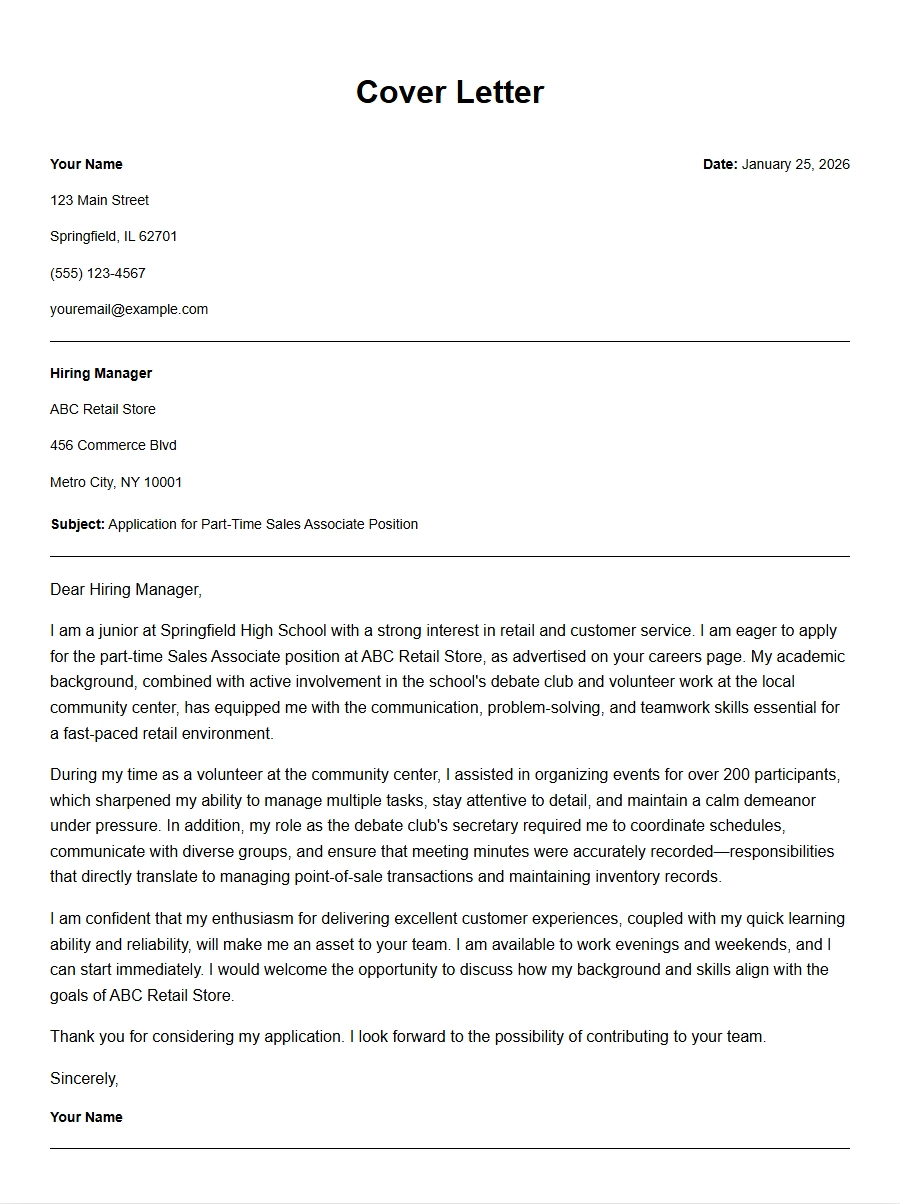
High School Student Part Time Job Cover Letter
Retail Associate Cover Letter
John Doe 123 Main St., City, State 12345 (555) 123‑4567 | johndoe@email.com
Date
Phone
Email
Sept 1, 2026
(555) 123‑4567
johndoe@email.com
Dear Hiring Manager,
I am excited to apply for the Retail Associate position at XYZ Clothing. As a sophomore at Lincoln High School, I have developed strong communication and teamwork skills through group projects and after‑school clubs. I am punctual, reliable, and eager to learn, which are essential for delivering excellent customer service. I have experience handling cash transactions during my school’s fundraising events and can quickly adapt to fast‑paced retail environments. My ability to stay calm under pressure helps me assist customers with a friendly attitude. I am available on weekday afternoons and weekends, and I am open to flexible scheduling to meet your needs. Enclosed is my resume; I would love the opportunity to discuss how I can contribute to your team. Thank you for considering my application.
Customer service: Assisted peers during the school store fundraiser, ensuring accurate cash handling.
Teamwork: Collaborated with 20+ classmates on the science fair, meeting deadlines together.
Reliability: Never missed a shift in the after‑school tutoring program.
Food Service Crew Cover Letter
Emily Smith 456 Oak Ave., Suite 2 Springfield, IL 62701 (555) 987‑6543 | emilysmith@email.com
Dear Manager,
I am eager to join the Food Service Crew at Quick Bites Restaurant as a part‑time team member. Currently a junior at Westview High School, I have participated in the school’s culinary club and helped organize weekly lunch service for over 100 students. This experience taught me the importance of speed, accuracy, and maintaining a clean workstation. I am comfortable working in a fast‑paced environment and thrive under pressure while keeping a positive attitude. My communication skills allow me to interact effectively with customers and colleagues. I can lift up to 30 pounds, stand for long periods, and follow food safety protocols. I am available on weekends and after school, and I am flexible with shift changes. Please review my attached resume; I look forward to discussing how I can contribute to your team.
Food handling: Practiced safe cooking methods and maintained hygiene standards.
Team coordination: Worked with 5 club members to serve meals efficiently.
Problem solving: Quickly resolved a line backup by reorganizing serving stations.
Tutoring Assistant Cover Letter
Michael Johnson 789 Maple Dr. Hillcrest, OH 44120 (555) 246‑8135 | mjohnson@email.com
Day
Available Hours
Monday – Friday
3:30 PM – 6:00 PM
Saturday
10:00 AM – 2:00 PM
Dear Hiring Coordinator,
I am interested in the Tutoring Assistant position at Bright Futures Learning Center. As a senior at Hillcrest High School, I maintain a 3.8 GPA and have excelled in math and science courses. My strong academic background, combined with my patience and communication skills, enables me to explain concepts clearly to younger learners. I have volunteered as a peer tutor for two years, assisting middle‑school students with algebra and basic chemistry. I believe every student can succeed given the right guidance and a supportive environment. I am able to adapt my teaching methods to accommodate different learning styles and can provide progress reports to parents. I am excited about the opportunity to help students build confidence and achieve their academic goals. Thank you for considering my application.
Academic achievement: 3.8 GPA, honors in math and science.
Peer tutoring: Two years assisting middle‑school students.
Communication: Explains complex topics using simple language.
Office Assistant Cover Letter
Sarah Lee 321 Birch Ln. Riverside, CA 92501 (555) 777‑8888 | sarahlee@email.com
Position Applied
Availability
Office Assistant
Mon‑Fri 4 PM‑8 PM, Sat 9 AM‑12 PM
Dear Hiring Manager,
I am writing to apply for the Office Assistant role at Riverside Tech Solutions. As a sophomore at Riverside High School, I have completed coursework in computer applications, including Microsoft Word, Excel, and PowerPoint. I am organized, detail‑oriented, and comfortable managing multiple tasks in a fast‑moving office environment. My after‑school involvement in the debate team sharpened my written communication and research abilities, which I can apply to filing, data entry, and answering phones. I am eager to learn new software and contribute to the team’s productivity. I am able to work 15‑20 hours per week and can adjust my schedule as needed. Please find my resume attached; I would welcome the chance to discuss my qualifications further.
Computer proficiency: Microsoft Office Suite, basic Google Workspace.
Organization: Managed supplies inventory for school store.
Communication: Wrote newsletters for the debate club.
Camp Counselor Cover Letter
David Martinez 654 Pine St. Sunnyvale, CA 94086 (555) 333‑4444 | dmartinez@email.com
Dear Camp Director,
I am excited to apply for the Camp Counselor position at Summer Fun Day Camp. I am a junior at Sunnyvale High School and have been an active member of the Student Council, where I organized events for over 200 peers. My experience planning school assemblies and coordinating volunteer activities has prepared me to lead group activities, ensure safety, and engage children of various ages. I am enthusiastic about outdoor games, arts and crafts, and educational workshops, and I enjoy creating a supportive environment for campers. I hold a current CPR certification and have completed a peer‑leadership program that emphasized conflict resolution and team building. I can commit to full‑time summer work and can also assist with pre‑camp setup and post‑camp cleanup. Thank you for reviewing my application; I look forward to contributing to an unforgettable camp experience.
Leadership: Organized Student Council events, managed budgets and schedules.
Safety: CPR certified, trained in first‑aid and conflict resolution.
Engagement: Designed interactive games for school functions.
Library Assistant Cover Letter
Jessica Wang 987 Cedar Rd. Portland, OR 97201 (555) 888‑9999 | jessicawang@email.com
Day
Hours Available
Monday – Thursday
3:00 PM – 7:00 PM
Saturday
10:00 AM – 4:00 PM
Dear Library Manager,
I am eager to apply for the Library Assistant position at Portland Public Library. As a senior at Lincoln High School, I have been a member of the Book Club and the after‑school tech help desk, where I assist patrons with computer and printing tasks. My love for literature, combined with my ability to maintain a quiet and organized environment, makes me a good fit for this role. I am comfortable shelving materials, checking in/out items, and guiding visitors in locating resources. I have strong attention to detail, which helps me keep the catalog accurate and the shelves tidy. I can work 12‑15 hours per week and am willing to adapt to rotating weekend shifts. Please consider my resume; I am excited about the chance to support the library’s mission and help the community discover knowledge.
Customer service: Assisted patrons with computer and printing needs.
Organization: Shelved over 500 books weekly during school library duties.
Tech savvy: Familiar with online catalog systems and basic troubleshooting.
Pet Care Assistant Cover Letter
Alex Johnson 456 Elm St. Austin, TX 73301 (555) 222‑3333 | alexjohnson@email.com
Dear Hiring Manager,
I am interested in the Pet Care Assistant role at Paws & Claws Pet Store. As a sophomore at Austin High School, I have cared for my own dog, Max, and have helped neighbors with dog walking and feeding schedules. My responsibilities include ensuring pets are groomed, exercised, and monitored for any health concerns. I am comfortable handling various animals, from small mammals to larger dogs, and I understand the importance of maintaining a clean and safe environment for both pets and staff. I am reliable, punctual, and able to lift up to 40 pounds when necessary. I can work weekends and after‑school hours, and I am happy to assist with inventory and cleaning tasks. Thank you for considering my application; I look forward to the opportunity to support the well‑being of animals in your store.
Animal handling: Cared for personal pet and neighbor’s pets daily.
Reliability: Never missed a scheduled dog‑walking shift.
Safety awareness: Trained in basic pet first aid and handling protocols.
Social Media Marketing Intern Cover Letter
Emily Chen 123 Rose Blvd. San Francisco, CA 94102 (555) 444‑5555 | emilychen@email.com
Dear Marketing Team,
I am applying for the Social Media Marketing Intern position at Brightwave Digital. As a junior at City High School, I manage my own Instagram and TikTok accounts, growing my personal following to over 2,000 across platforms. I am familiar with content creation tools, basic photo editing, and scheduling software such as Buffer. I understand the target demographic and can craft posts that engage and inspire action. My coursework includes a digital marketing elective where I completed a class project analyzing social media metrics. I am excited to bring my creativity and analytical mindset to a professional setting, supporting campaign brainstorming, community management, and performance tracking. I am available 10‑15 hours per week and can attend meetings after school. Please review my resume; I am eager to contribute to your team’s success.
Social media expertise: Grew personal accounts to 2,000+ followers.
Content creation: Skilled in Canva, basic video editing, and captions.
Analytics: Conducted metric analysis for class marketing project.
Warehouse Associate Cover Letter
Marcus Brown 789 Industrial Pkwy. Seattle, WA 98101 (555) 666‑7777 | marcusbrown@email.com
Dear Hiring Supervisor,
I am interested in the Warehouse Associate position at FastShip Logistics. As a sophomore at Seattle High School, I participate in the robotics club, where I assemble and test components using hand tools and scanners. I am physically capable, able to lift up to 50 pounds, and comfortable standing for extended periods. I understand the importance of accuracy in inventory tracking and can operate handheld barcode scanners with speed and precision. My teamwork experience on the robotics team has taught me the value of clear communication and following safety protocols. I am available for early morning shifts, evenings, and weekend overtime as needed. I am eager to contribute to a fast‑paced distribution center and help ensure timely order fulfillment. Thank you for considering my application.
Equipment operation: Proficient with handheld barcode scanners.
Physical stamina: Able to lift 50 lbs and stand for long shifts.
Safety awareness: Trained in laboratory and warehouse safety procedures.
Customer Service Representative Cover Letter
Jessica Patel 321 Maple Dr. Chicago, IL 60601 (555) 999‑0000 | jessicapatel@email.com
Dear Hiring Manager,
I am excited to apply for the Customer Service Representative role at CityCall Center. As a senior at Chicago High School, I have served as the school’s student‑government liaison, handling inquiries and resolving issues for a diverse student body. This role strengthened my communication skills, patience, and ability to remain calm under pressure. I am comfortable using phone systems, taking detailed notes, and providing clear information to callers. I am proficient in basic computer programs and can quickly learn new software. I am available on weekdays from 4 PM to 9 PM and on weekends from 9 AM to 5 PM. I am confident that my positive attitude and problem‑solving abilities will help deliver excellent service to customers. Thank you for reviewing my application; I look forward to the opportunity to contribute to your team.
Communication: Handled student inquiries as liaison, achieving satisfaction.
Computer skills: Proficient in Windows, Word, and basic CRM software.
Reliability: Maintained a perfect attendance record in after‑school activities.
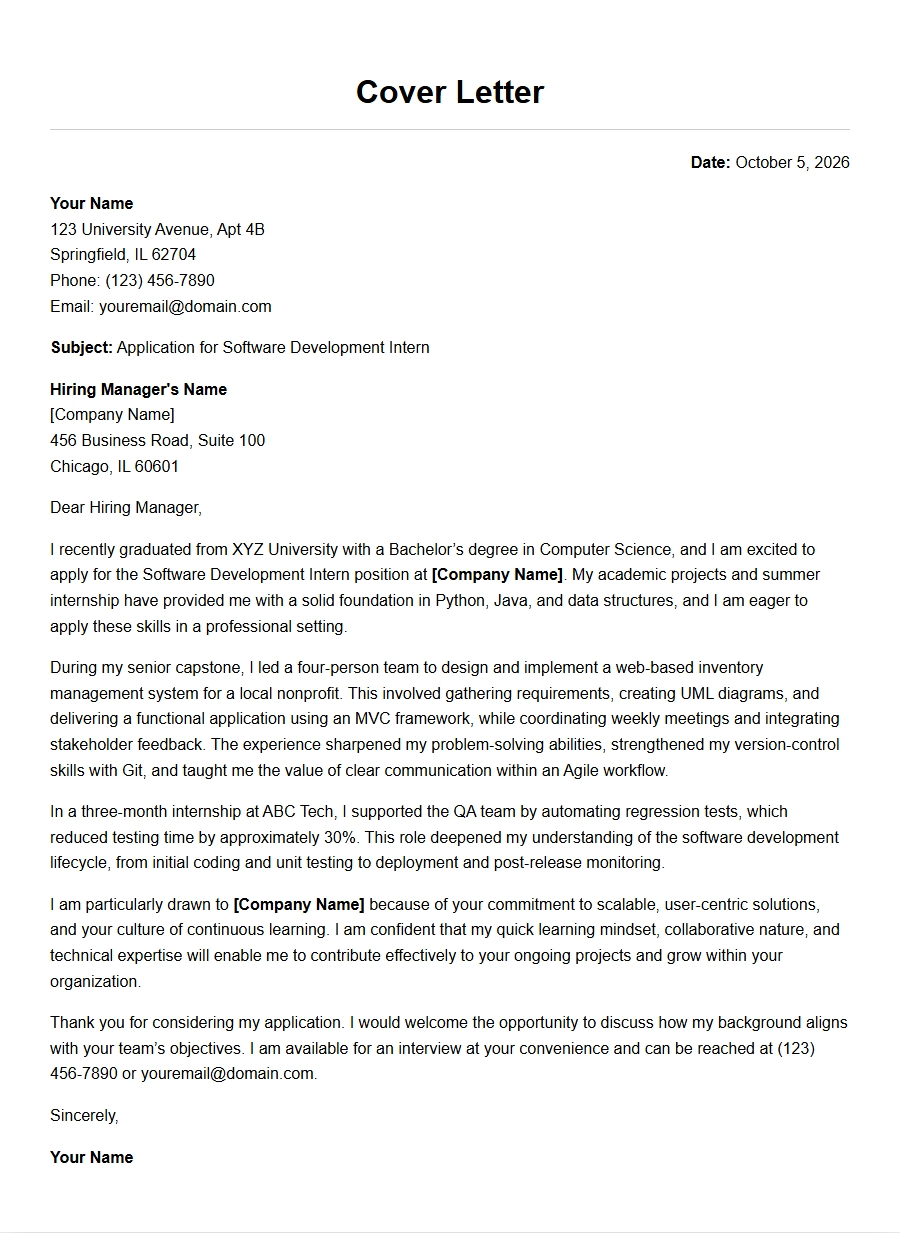 Recent College Student Cover Letter for Internship
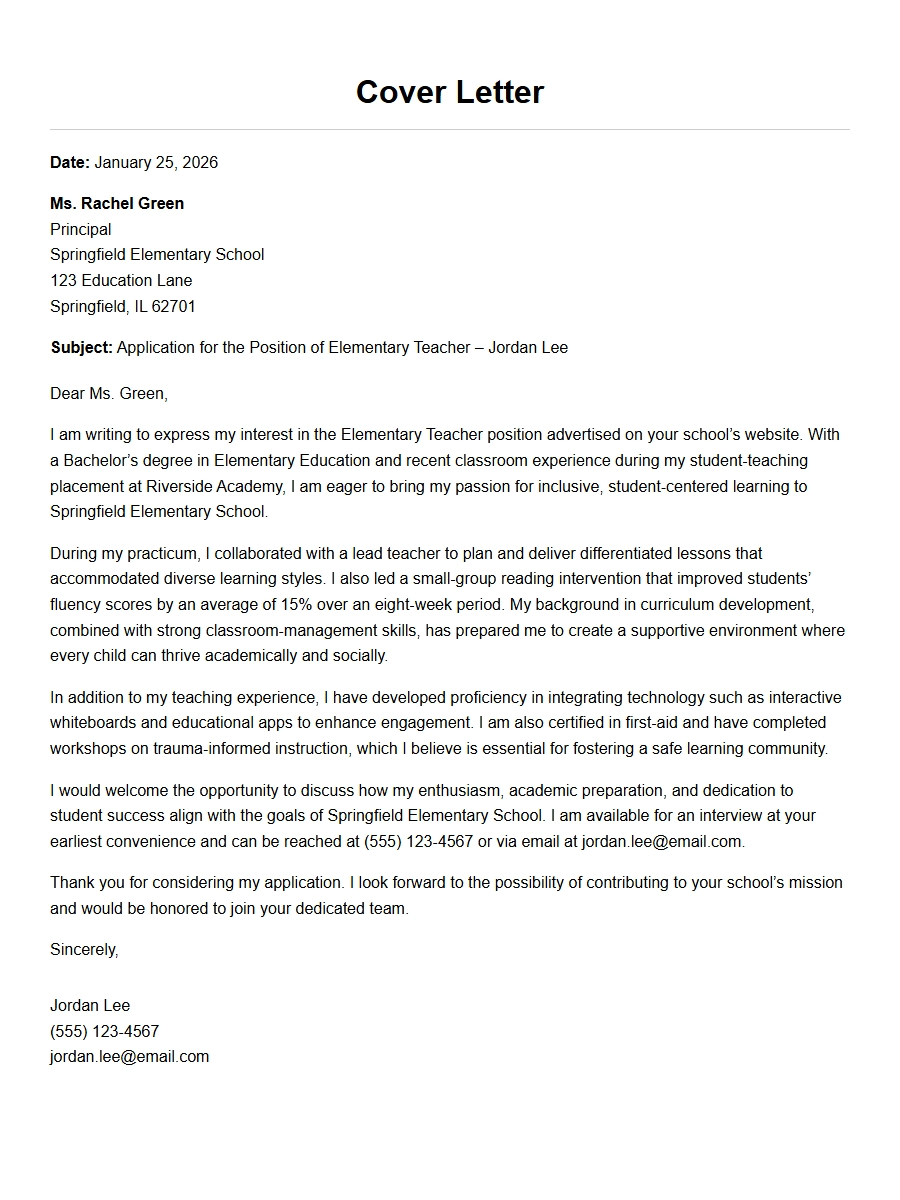 Entry Level Teacher Cover Letter Examples
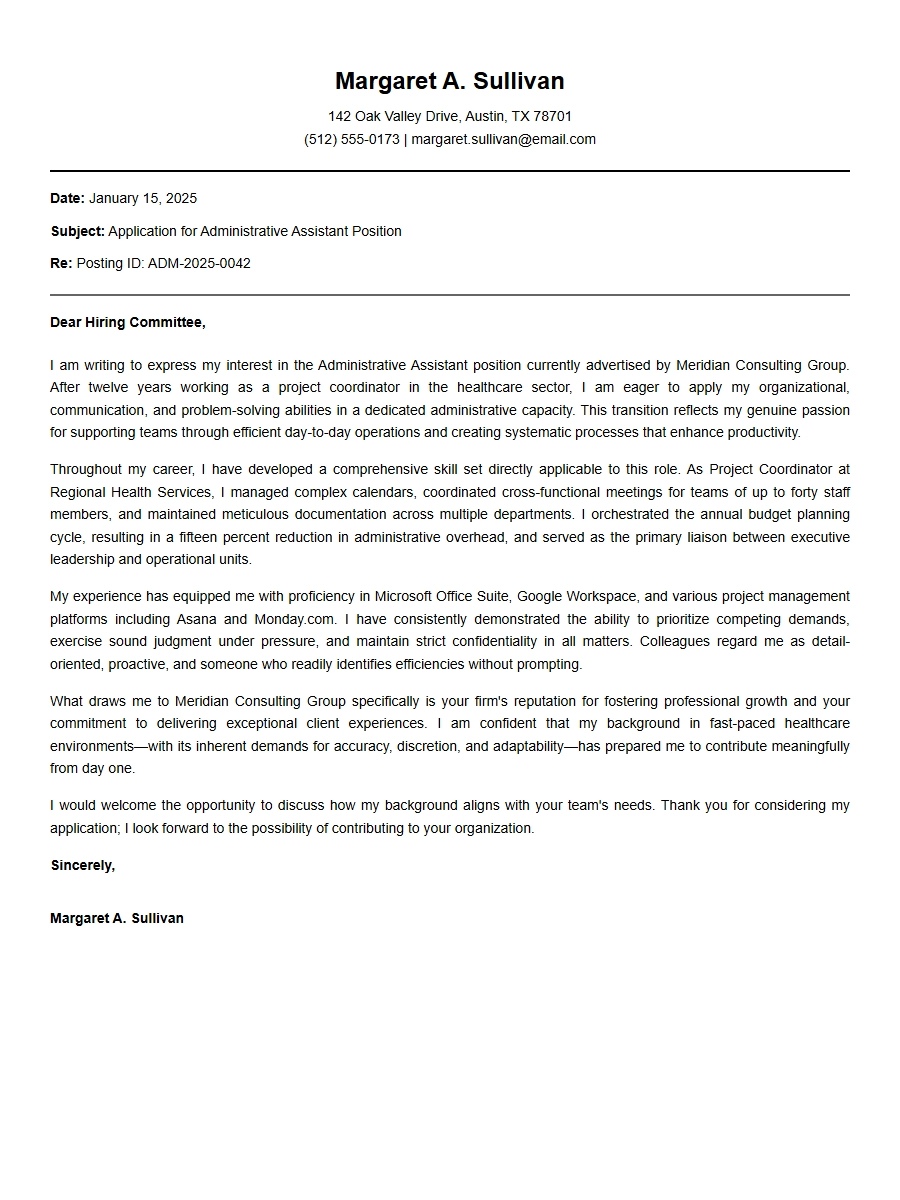 Career Changer Administrative Assistant Cover Letter
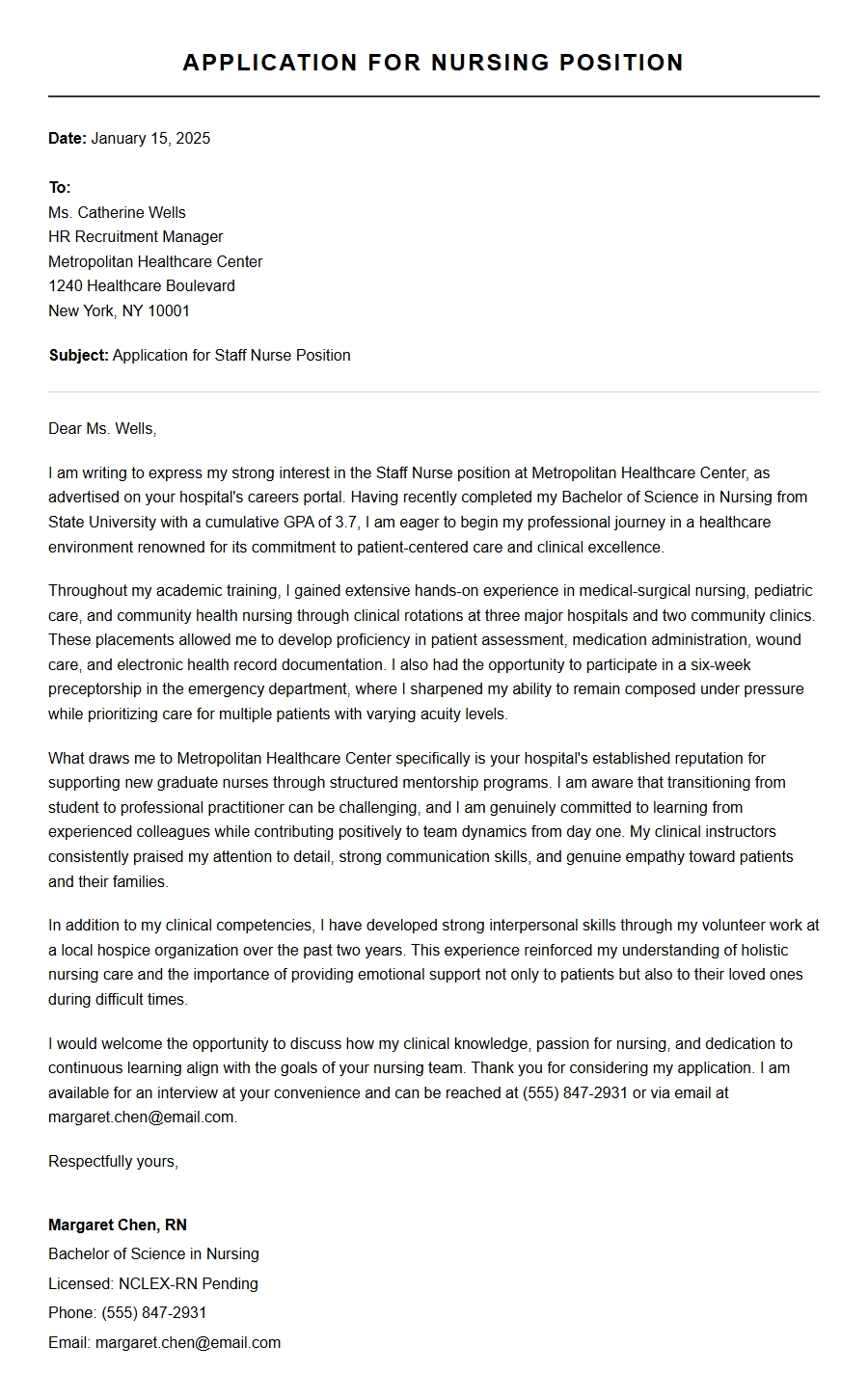 Fresh Graduate Nursing Application Letter
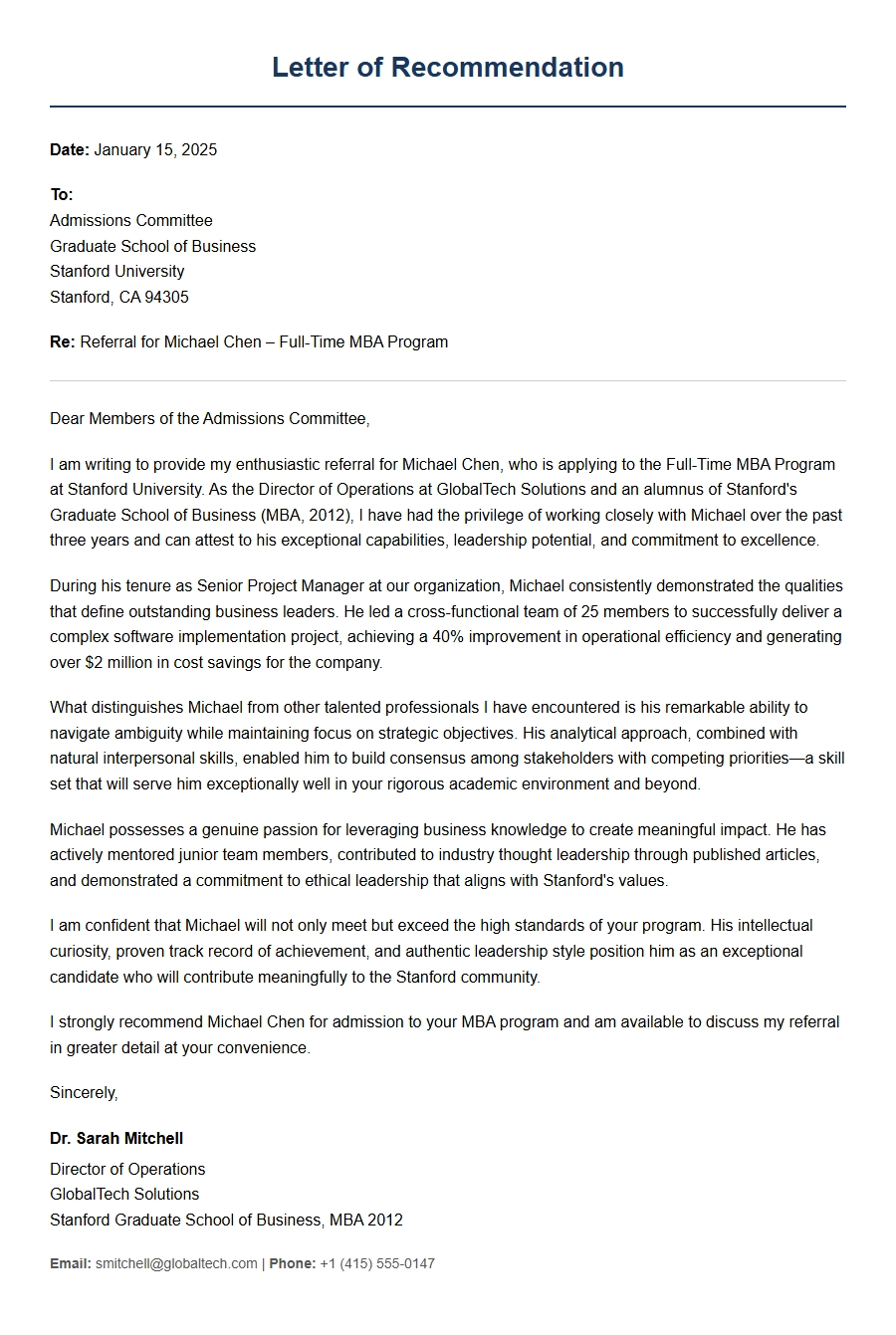 University Alumni Referral Email Cover Letter
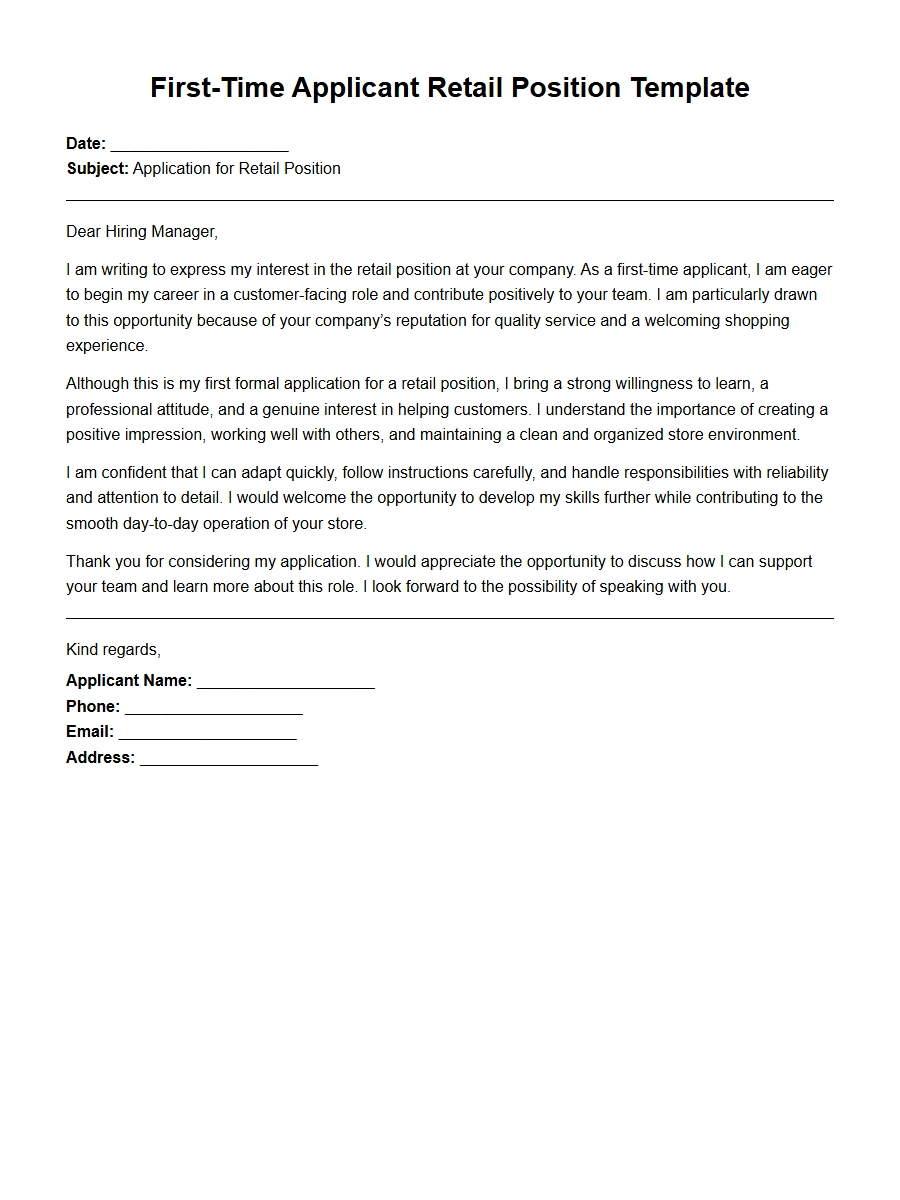 Cover Letter Template for First-Time Retail Applicant