You’ve got the skills to handle complex commercial wiring—three-phase systems, panel upgrades, load calculations—but now you need to convince a contractor or project manager to hire you. Staring at a blank screen, trying to turn your experience into a persuasive cover letter, can feel frustrating. You know you can do the work, but putting it on paper? That’s a different skill. A good sample changes that. It gives you a starting point so you stop second-guessing and start writing.
Using a letter template isn’t cheating. It’s smart. A strong sample shows you the right structure, professional tone, and key phrases that hiring managers expect. The trick is to treat it like a framework, not a script. You adapt it to sound like you. That way, you save time and still come across as genuine.
Category: Cover Letter Templates
Why a sample works for an electrician’s cover letter
Commercial wiring projects often require more than technical know-how. Clients want someone who communicates clearly, shows up on time, and understands safety codes. Your cover letter is your first chance to prove that. A sample helps you organize your thoughts around these priorities. You don’t have to invent the wheel—just pick a structure that highlights your relevant projects, certifications (like OSHA 30 or a journeyman license), and ability to read blueprints.
For example, a typical business letter format starts with your contact info, date, recipient’s details, a clear salutation, and a focused body. The sample you choose should reflect whether you’re writing to a general contractor, a facilities manager, or a commercial real estate firm. The tone shifts slightly. A letter to a small GC can be a little more direct; one to a large corporation might need more formality.
How to adapt a sample without losing your voice
First, read the sample once to understand its flow. Then change the opening paragraph to mention a specific commercial project you’ve worked on—maybe a retail build-out or an office renovation. That grabs attention. Instead of “I am writing to apply for the electrician position,” try “Having completed the full electrical rough-in for a 10,000-square-foot medical office, I understand the demands of commercial wiring projects.” That’s much more powerful.
Common pitfalls? Using outdated salutations like “To Whom It May Concern” when you can easily find the hiring manager’s name on LinkedIn. Also, ignoring the difference between a digital letter format (attached as a PDF) and something pasted into an email body. For email, shorten the salutation and closing. Keep the same structure but drop the header if it’s inline.
Key elements your cover letter should include
Every piece of professional correspondence for a wiring project should show three things: relevant experience, reliability, and attention to detail. Mention specific tools or methods you use (e.g., conduit bending, troubleshooting with multimeters) but don’t overdo the jargon. Explain why your background fits that specific job. A good sample will include a paragraph for this—use it as a guide, then write your own version.
Your closing matters. End with a polite call to action, like “I’d welcome the chance to discuss how I can support your upcoming commercial projects.” And always proofread. Even a small typo on an electrician’s cover letter can raise doubts about your thoroughness on the job.
Finding the right sample for your situation
Not all cover letter examples are created equal. Look for one that’s specifically for an electrician or a trade professional. A generic cover letter for an office job won’t emphasize the same skills. If you’re targeting a fleet manager role or a customer experience coordinator position, the tone and priorities differ. But for an electrician commercial wiring project, you want a sample that showcases hands-on work, project management, and safety compliance.
Treat your cover letter like a conversation starter, not a checklist. The best letters feel both professional and personal. They show you’ve thought about what the client needs—whether it’s finishing a warehouse on schedule or retrofitting an office building for energy efficiency. Use the sample as a springboard, not a crutch. The more you practice, the faster you’ll get at writing a clear, confident letter that lands you the next commercial wiring project. And that’s a skill worth keeping.
Experienced Electrician for Large Commercial Project
I am writing to express my interest in the electrician position for your upcoming commercial wiring project at the Downtown Tech Hub. With over 12 years of hands-on experience in commercial electrical installations, I have successfully completed wiring for office complexes, retail centers, and industrial facilities.
My expertise includes:
Running conduit and cable trays for 277/480V systems
Installing switchgear, panelboards, and lighting controls
Performing load calculations and coordinating with general contractors
I hold a Journeyman Electrician license in three states and am proficient in reading blueprints and applying NEC codes. I am available for immediate start and can bring my own tools and safety gear. I look forward to discussing how my skills can contribute to a safe and efficient project completion.
Commercial Wiring Foreman Cover Letter
I am applying for the role of Electrical Foreman on your commercial wiring project at Riverfront Plaza. Over the past 8 years, I have led crews of 10+ electricians on projects ranging from 50,000 to 200,000 square feet.
My supervisory experience includes:
Scheduling and material procurement to avoid delays
Enforcing strict adherence to OSHA and company safety policies
Conducting daily tool box talks and progress reports
I have a proven track record of completing projects ahead of schedule and under budget. I am proficient in project management software and hold a valid Master Electrician license. I am ready to bring my leadership and technical skills to ensure your wiring project meets all specifications and deadlines.
Apprentice Electrician Seeking Commercial Project Work
I am writing to apply for an apprentice electrician position on your commercial wiring project. I am currently in my third year of apprenticeship and have completed 4,000+ hours of on-the-job training, including work on commercial sites.
Relevant skills I have developed:
Pulling and terminating THHN wire in conduit systems
Assisting with installation of panelboards and distribution equipment
Using power tools such as benders, saws, and crimping tools
I am OSHA 10 certified, possess a valid driver’s license, and am eager to learn from experienced journeymen on your team. I am reliable, punctual, and ready to contribute to the success of your project. Thank you for considering my application.
Licensed Master Electrician – Commercial Project Lead
I am submitting my candidacy for the lead electrician role on your commercial wiring project at the new Medical Arts Building. As a licensed Master Electrician with 15 years of commercial experience, I have overseen electrical designs and installations for hospitals, schools, and data centers.
Key qualifications include:
Designing and installing emergency power systems and generators
Managing budgets and material takeoffs for multi-million dollar projects
Leading inspections and ensuring code compliance with local AHJs
I am well-versed in BIM coordination and can collaborate effectively with other trades. I have a clean safety record and excellent references. I am confident I can deliver a high-quality wiring system for your project on time and within budget.
Safety-Focused Electrician for Commercial Wiring
I am interested in contributing to your commercial wiring project as an electrician who prioritizes safety without sacrificing productivity. I have 7 years of experience in commercial settings, including high-rise office buildings and distribution centers.
My safety credentials:
Completed OSHA 30-Hour Construction Safety Training
Certified in NFPA 70E for electrical safe work practices
Zero recordable incidents in my career
I am skilled in installing MC cable, EMT, and rigid conduit, and I always follow lockout/tagout procedures. I am a team player who communicates hazards clearly. I would be proud to bring my safety mindset to your project team. Thank you for your time and consideration.
Green Building Commercial Electrician
I am thrilled to apply for the electrician position on your commercial wiring project aiming for LEED certification. I have 6 years of experience specializing in energy-efficient electrical systems for commercial buildings.
I can contribute to your green project by:
Installing occupancy sensors, daylight harvesting controls, and LED systems
Wiring for photovoltaic systems and EV charging stations
Implementing power monitoring and energy management systems
I hold a LEED Green Associate credential and understand the documentation required for commissioning. I am also a state-licensed journeyman. I would love to apply my passion for sustainable electrical work to your project. I am available for an interview at your earliest convenience.
Project Manager for Commercial Electrical Contractor
I am applying for the Project Manager position to oversee the electrical scope of your commercial wiring project. With a degree in electrical engineering and 10 years of project management experience, I have successfully delivered over $20M in commercial electrical projects.
My management approach includes:
Developing detailed project schedules and tracking progress using MS Project
Managing change orders and client communications
Ensuring quality control and commissioning of all electrical systems
I hold a PMP certification and a Master Electrician license. I have a strong network of subcontractors and suppliers. I am confident I can keep your commercial wiring project on track, on budget, and fully compliant. I look forward to discussing my fit for this role.
Commercial Wiring Specialist – Low Voltage & Data
I am writing to offer my services as a low-voltage electrician for your commercial wiring project. Over 9 years, I have specialized in structured cabling, fire alarm, and security systems for commercial buildings.
Specific skills I bring:
Installation of Cat6/6A, fiber optic, and coax cabling
Terminating and testing according to TIA/EIA standards
Programming and commissioning access control and CCTV systems
I hold BICSI Installer and NICET Fire Alarm certifications. I am comfortable working in ceiling spaces and coordinating with IT teams. Your project will benefit from my attention to detail and ability to keep data and power systems separate and code-compliant. I am excited about the opportunity to join your team.
I am eager to join your commercial wiring project focused on renovation of an existing retail space. With 5 years of renovation experience, I am adept at working in occupied buildings while minimizing disruption.
My renovation-specific skills:
Identifying and reusing existing conduit and wiring where possible
Working from as-built drawings and uncovering hidden conditions
Coordinating with drywallers and painters to maintain schedule
I am a licensed journeyman with a strong work ethic. I prioritize clean workmanship and proper labeling. I have my own PPE and basic tools. I am ready to start immediately and help make your renovation project a success. Thank you for your consideration.
Commercial Wiring Estimator Cover Letter
I am applying for the estimator position to support your commercial wiring project pipeline. With 8 years of estimating experience in the electrical trade, I can accurately bid on projects ranging from tenant fit-outs to large-scale new construction.
My estimating skills include:
Performing quantity takeoffs from plans and specs
Using estimating software (AccuBid, McCormick) to generate detailed proposals
Analysis of labor, material, and equipment costs
I have a strong understanding of commercial wiring methods and material pricing. I can provide competitive bids while ensuring profitability. I hold a degree in construction management and am comfortable working with design-build teams. I would love to bring my precision and industry knowledge to your company.
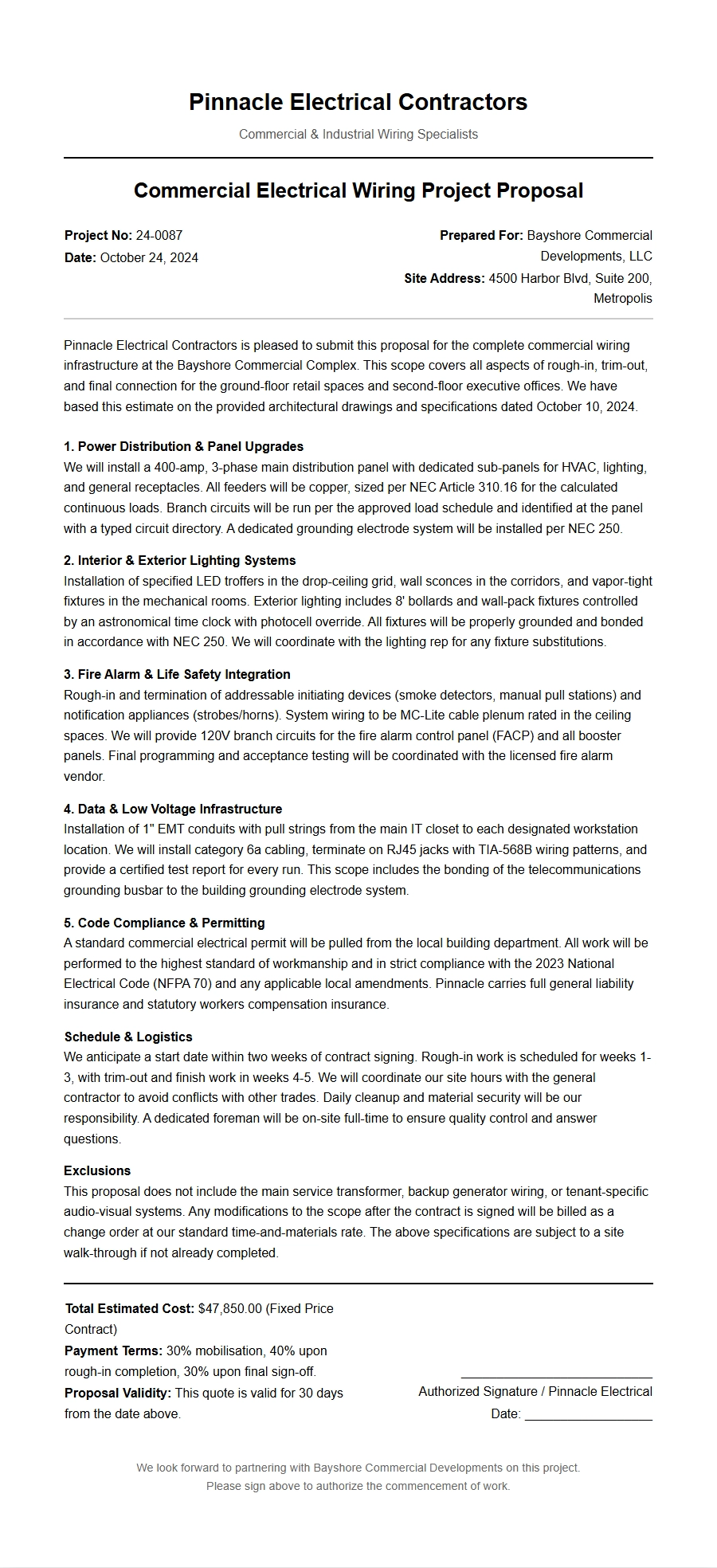
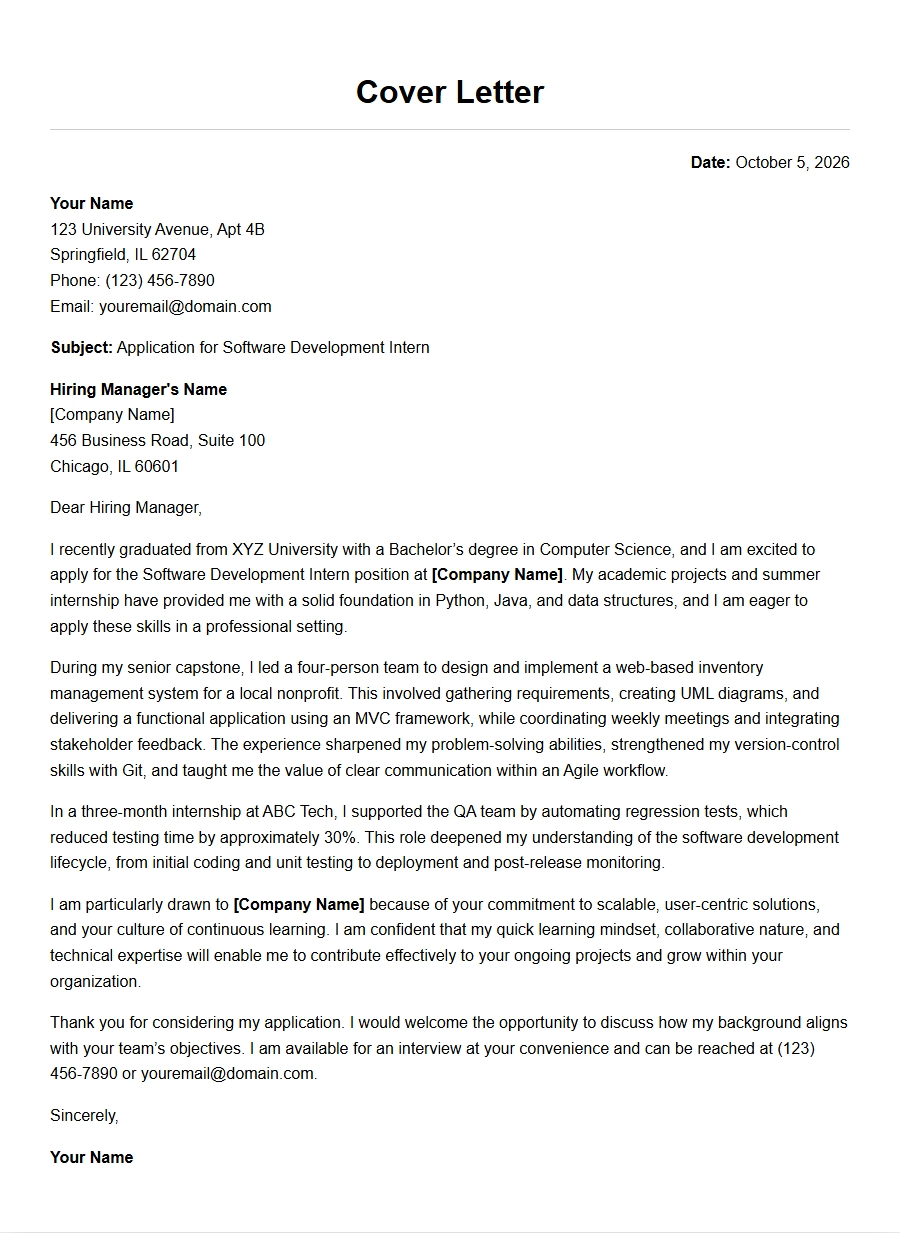 Recent College Student Cover Letter for Internship
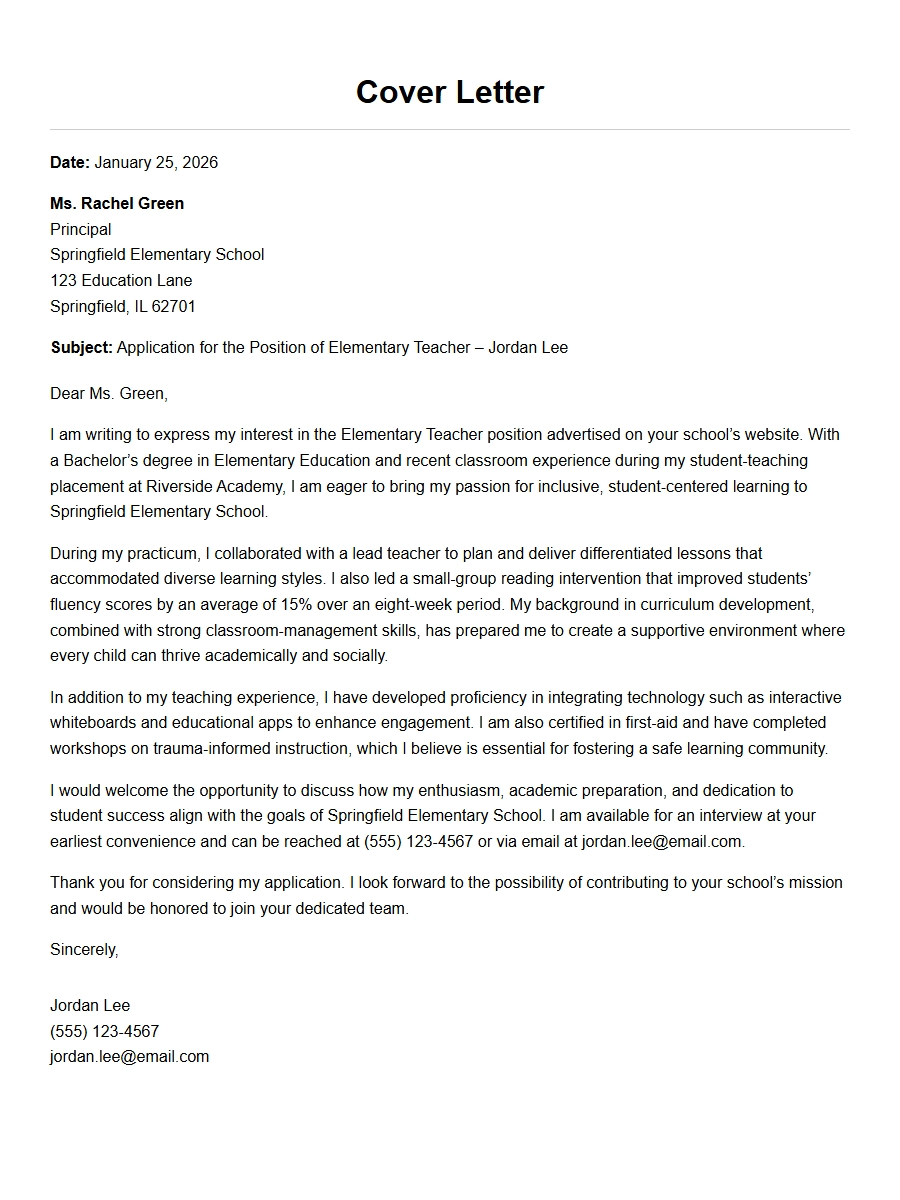 Entry Level Teacher Cover Letter Examples
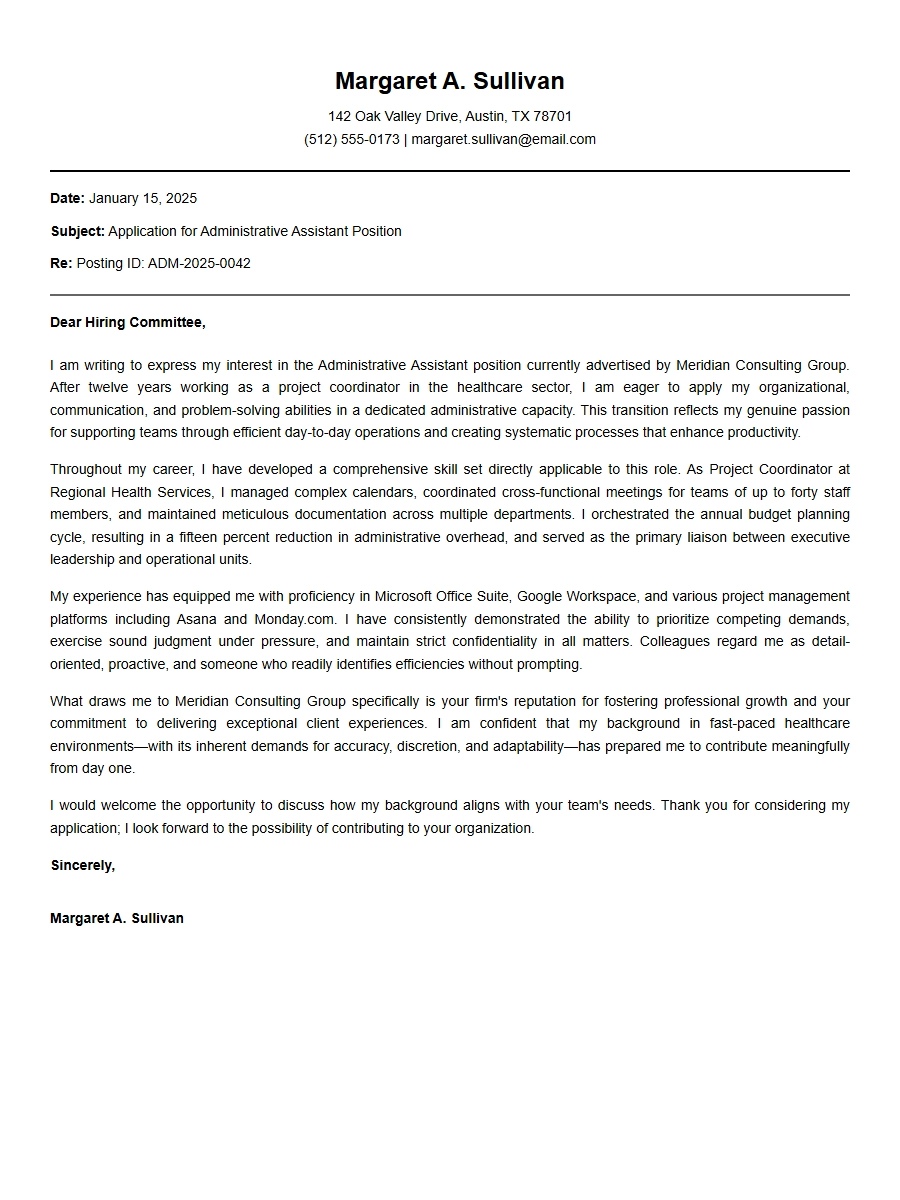 Career Changer Administrative Assistant Cover Letter
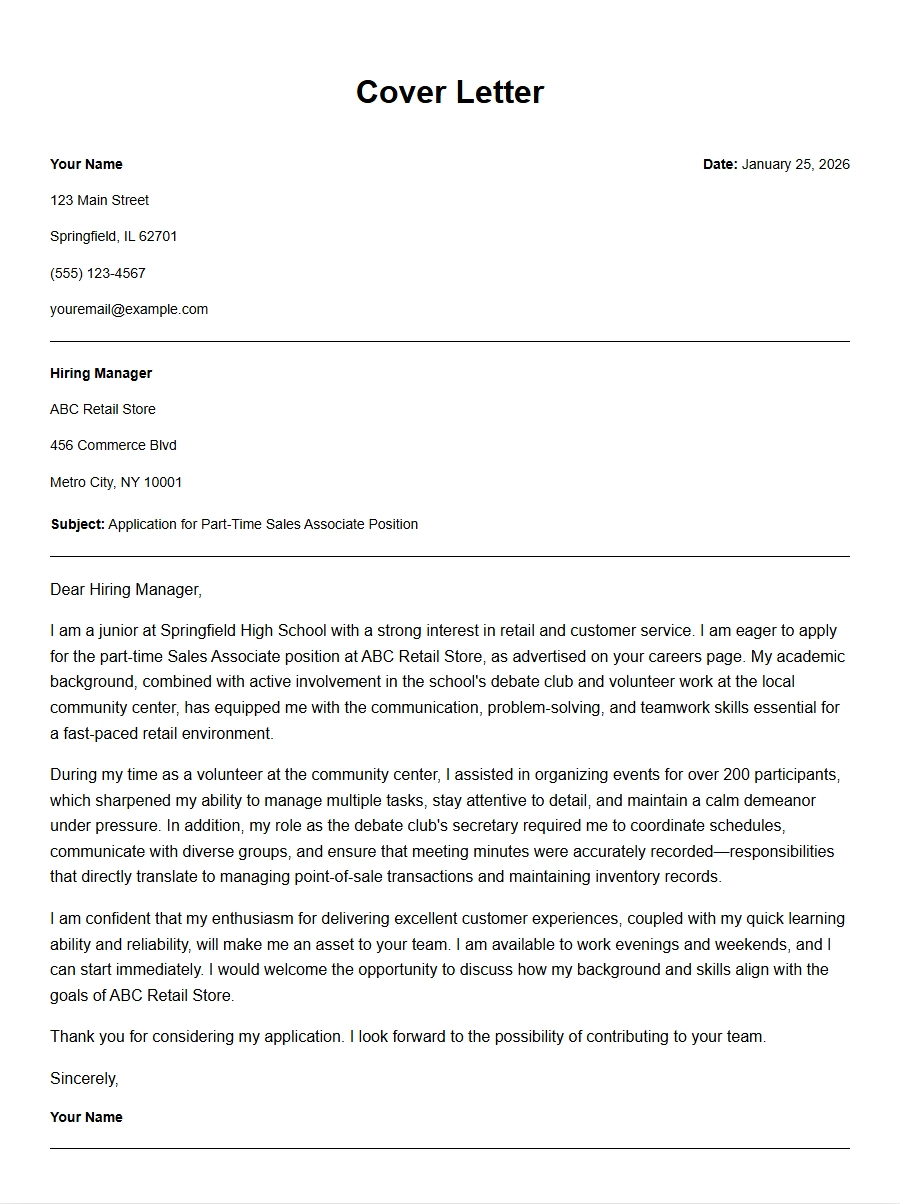 High School Student Part Time Job Cover Letter
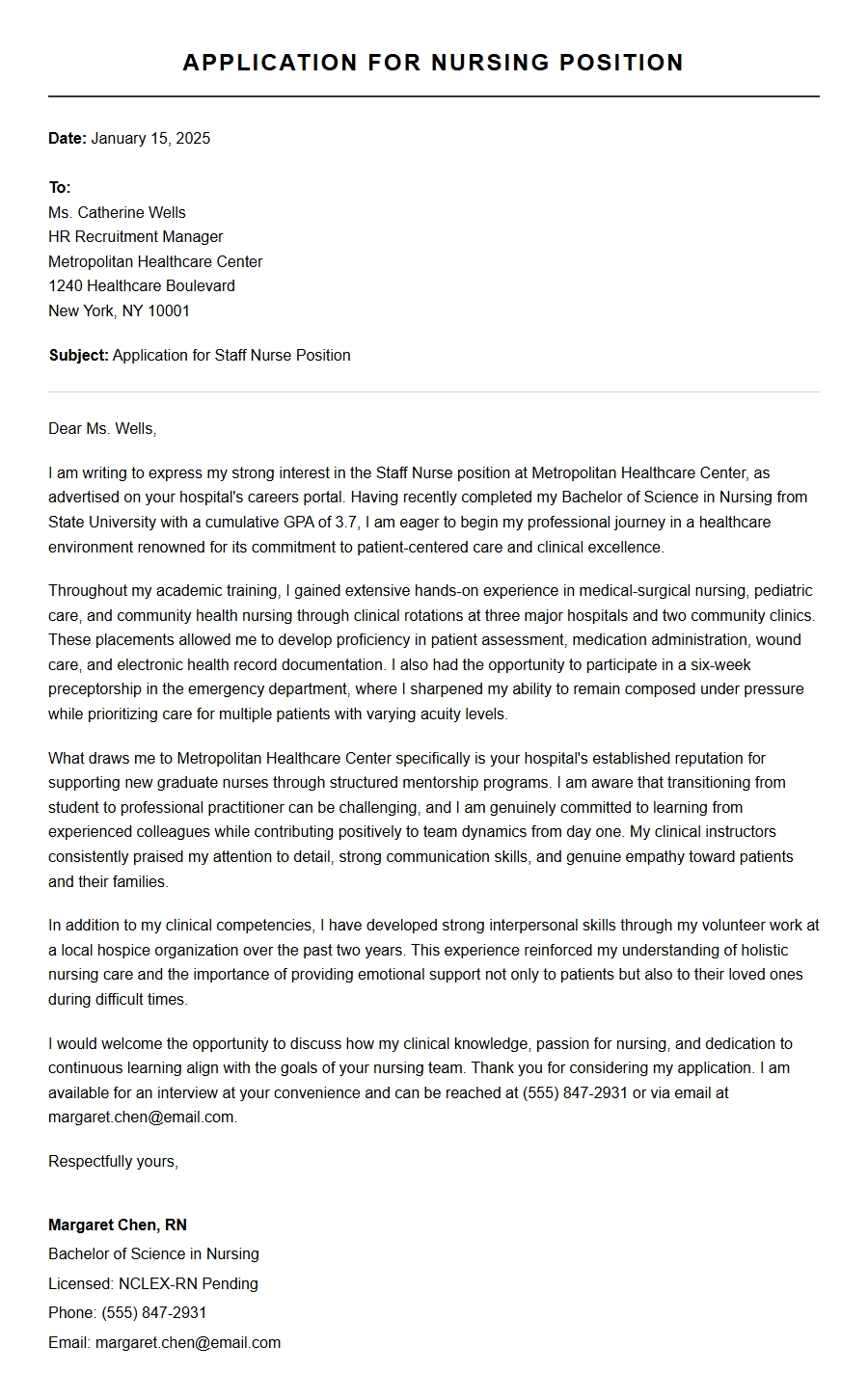 Fresh Graduate Nursing Application Letter
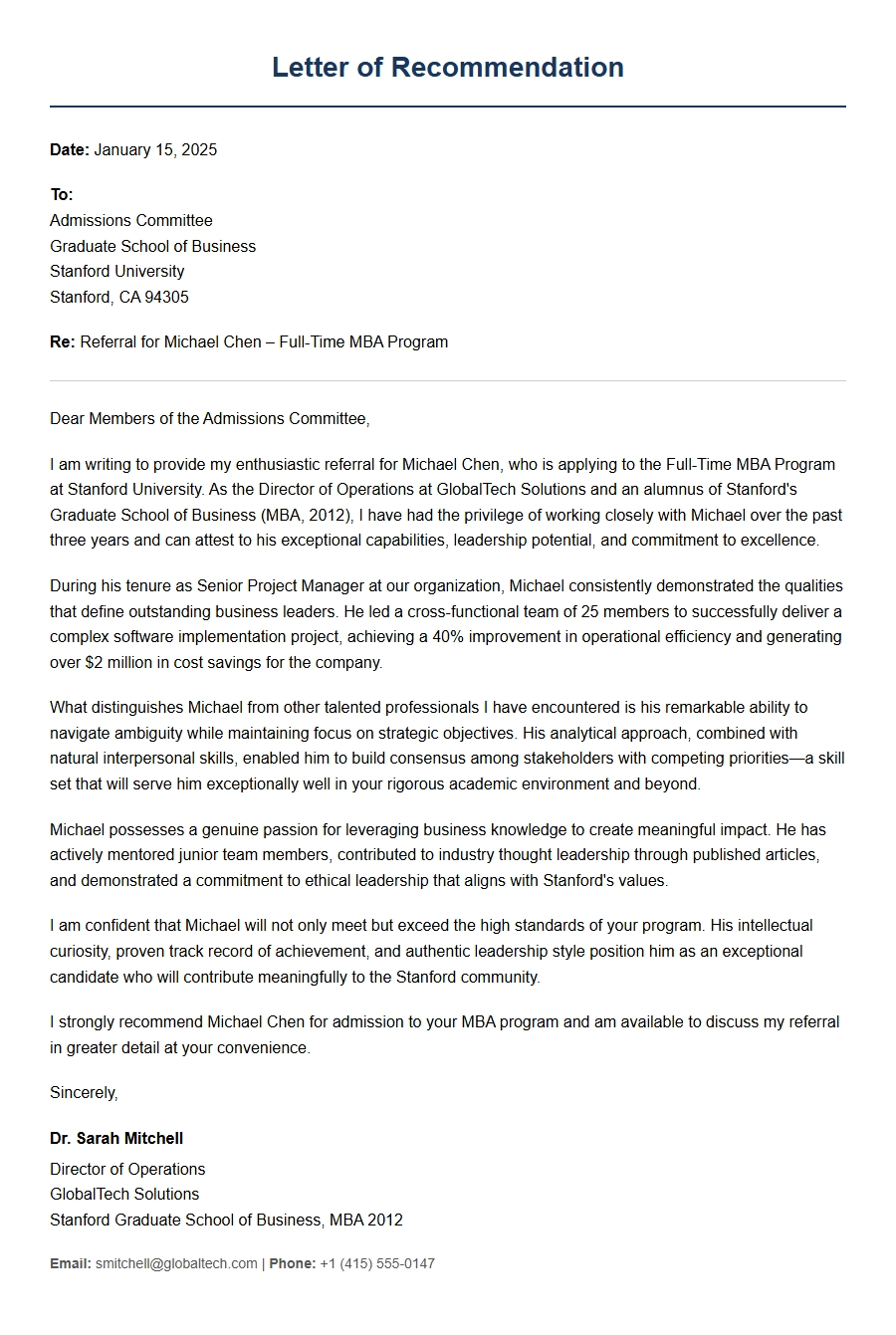 University Alumni Referral Email Cover Letter