How to Ask for a Dental Hygiene License Recommendation
You’ve been asked to write a letter of recommendation for a dental hygienist’s license application. Maybe the hygienist was a coworker or a student you supervised. You know their work is solid, but suddenly you’re staring at a blank screen, and the formal tone feels unnatural. That’s normal. The good news is that using a letter template isn’t cheating—it’s a smart shortcut that gives you structure, saves time, and leaves room to add your own voice.
Category: Dentist Hygiene License Recommendation
These letters are a key part of professional correspondence for licensing boards. They need to show the hygienist’s clinical competence, professionalism, and patient rapport. A good sample helps you hit all the right notes without starting from scratch. Think of it as a skeleton you can dress up with real examples from your experience.
What to look for in a sample
Not all letter of recommendation samples fit the same situation. For a license application, the tone should be formal but not stiff. The board wants to see specific skills—like how the hygienist handles periodontal therapy, educates patients on oral health, or maintains sterilization protocols. Avoid samples that are too generic or only talk about character. Look for ones that include letter structure with an introduction, body paragraphs on professional skills, and a strong closing.
If you’re asked for a recommendation by a hygienist who works in a pediatric clinic, the sample you choose should reflect that specialty. A one-size-fits-all template might miss important details like experience with anxious patients or adjustments for children with special needs.
Adapting a sample without losing your voice
Once you’ve picked a suitable cover letter examples or recommendation draft, rewrite it in your own words. Replace generic phrases with specific observations. Instead of “she is patient-focused,” say “she remembers each child’s name and explains the cleaning process in a way that calms their worries.” The board wants evidence, not flattery.
Pay attention to tone in writing. A dentist writing for a long-term assistant might use a warmer tone than a professor recommending a recent graduate. Both are valid, but the level of formality should match your relationship. If in doubt, aim for polite and professional—you can always loosen up later.
Common mistakes to avoid
One frequent error is using outdated salutation and closing formulas like “To Whom It May Concern” when the board gives a specific name. Always check the application instructions. Another mistake is ignoring the format. If the board accepts digital submissions, a digital letter format with a proper subject line and attachment can be more convenient than a printed one. For printed letters, use a clean letterhead design (your practice’s logo at the top) and sign the document in blue ink—it shows authenticity.
Don’t forget proofreading letter before sending. A typo on something as important as a license recommendation can undermine your credibility. Read it aloud or ask a colleague to review it.
Tailoring the opening paragraph
The first two sentences decide if the reader continues. Start by stating your relationship with the hygienist, how long you’ve known them, and your own credentials (e.g., “I’ve practiced dentistry for over 15 years and have supervised Jane for three years”). Then briefly state your recommendation. That’s your hook. It tells the board you have firsthand knowledge.
If you need more examples of professional correspondence for different roles, our job application referral request email samples can give you ideas for structure. The same principles apply—just swap the context.
Formatting and etiquette
Follow standard business letter format: your contact info, date, board’s address, salutation, body, closing, and signature. Keep paragraphs short and focused. Each paragraph should cover one key area—clinical skills, interpersonal skills, and reliability. That makes it easy for the board to scan.
If you’re writing for a hygienist applying to multiple states, note that customizable letter versions are fine as long as you adjust details like state-specific regulations. A letter writing etiquette question: should you mention minor weaknesses? Only if you also show how they improved. Otherwise, stick to strengths.
For other fields, similar structures work. Check our stage manager cue sheet recommendation letters to see how different industries emphasize specific competencies. The core remains honest, specific evidence of performance.
Using the sample as a springboard
Treat the sample as a starting point, not a final product. Tweak it until it sounds like you. If you find yourself copying a whole paragraph without personalizing it, start over with a different sample or write from scratch using the structure. The best recommendation letters feel both professional and personal. They make the reader feel like they know the candidate a little better after finishing the letter.
With practice, writing these letters becomes faster. You’ll build a mental library of phrases and examples that fit your style. So next time a hygienist asks you for a license recommendation, you’ll know exactly what to do—open your sample file, customize a few details, and send a confident, polished letter.
Everyday Writing Examples
How to Ask for a Dental Hygiene License Recommendation
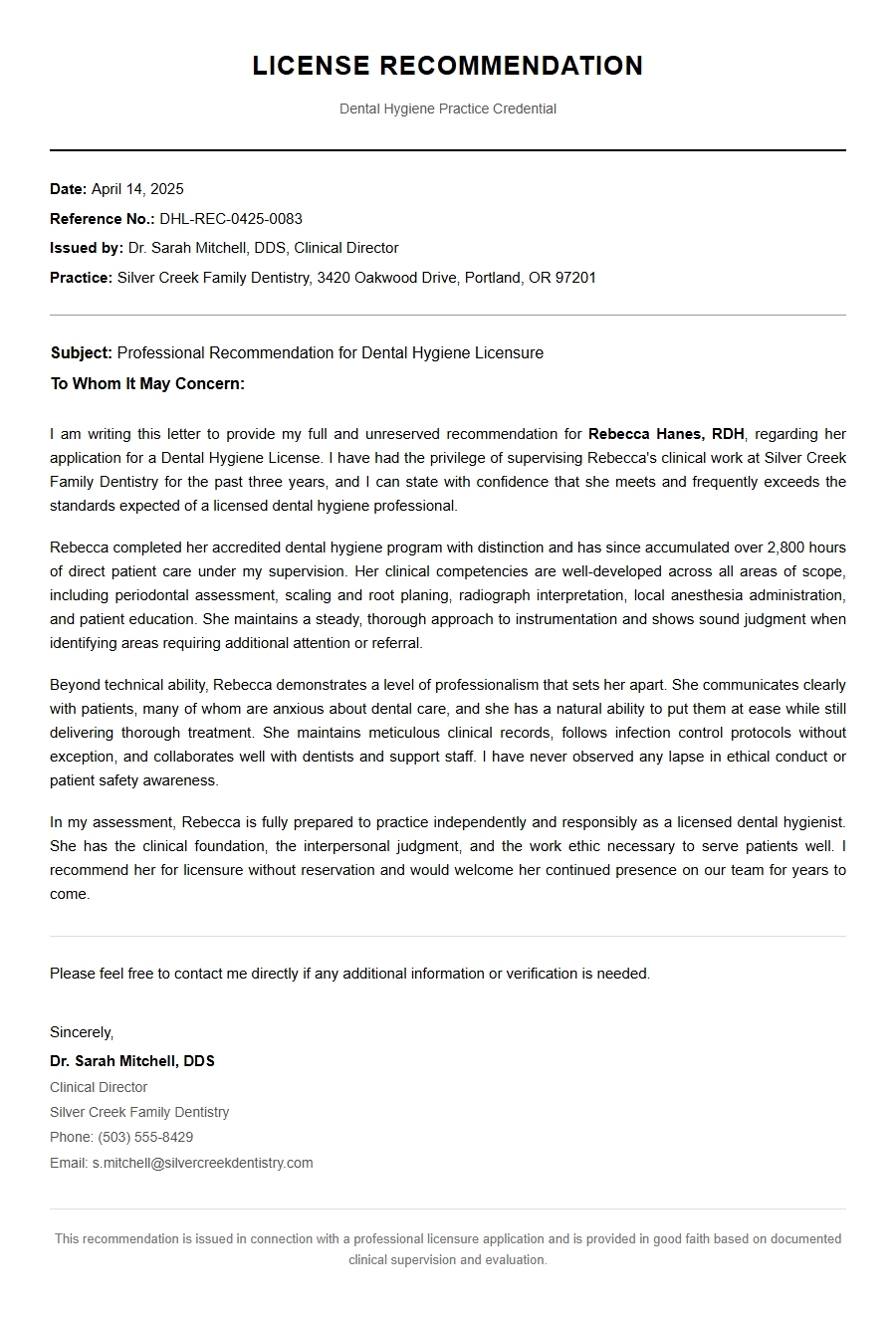
Practice Owner Recommendation for Dental Hygienist Licensure
To the State Dental Board:
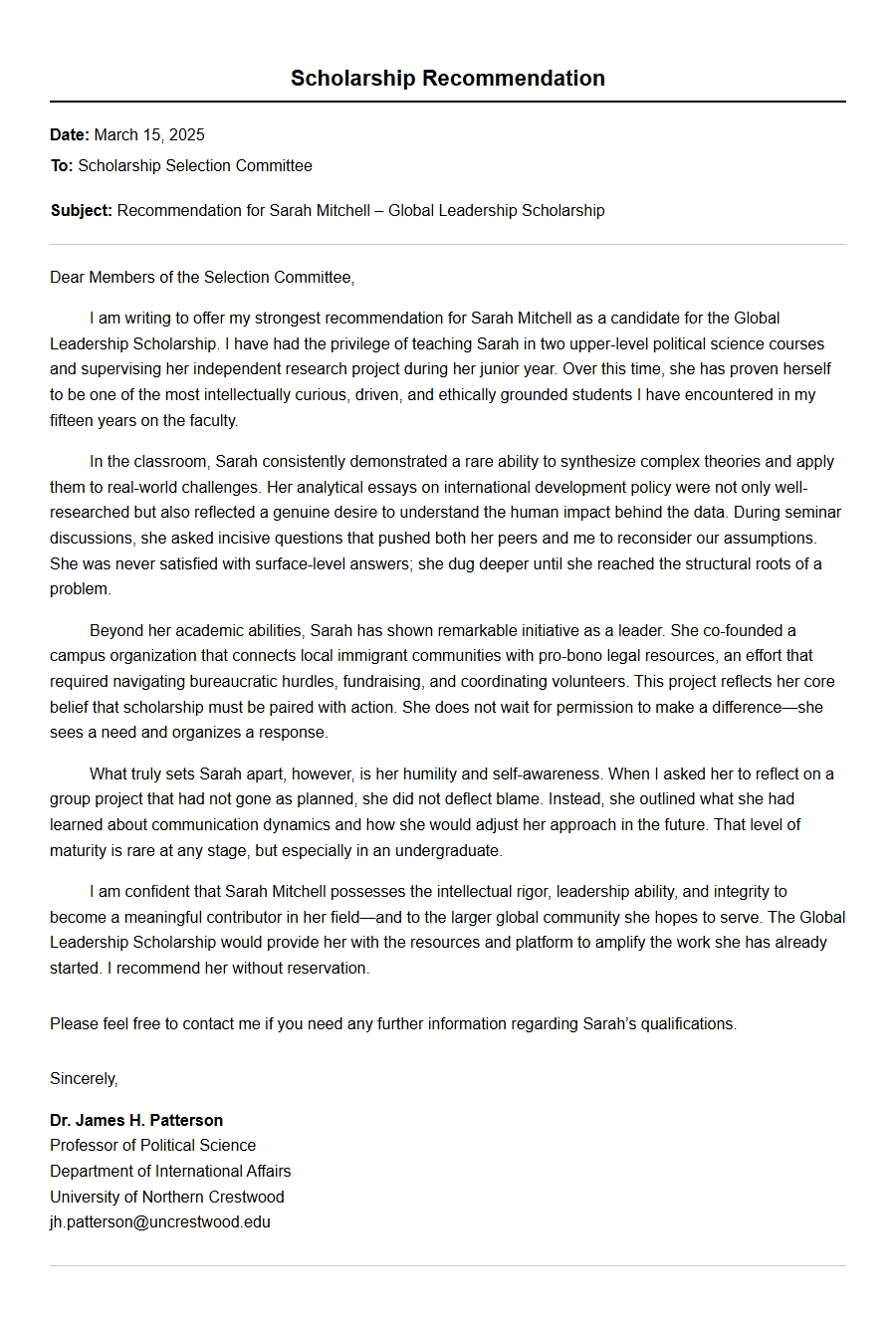
I am writing to wholeheartedly recommend Sarah Mitchell for licensure as a registered dental hygienist. Sarah has worked at Bright Smile Dental Care for the past three years under my direct supervision. During that time, she has consistently demonstrated exceptional clinical skills in periodontal scaling, root planing, and preventive oral health education.
Sarah maintains meticulous patient records and follows all infection control protocols. She is particularly skilled in administering local anesthesia and nitrous oxide sedation, having completed additional certification in pain management. Her ability to calm anxious patients is remarkable.
Below is a summary of her key qualifications:
Category
Detail
Employer
Bright Smile Dental Care
Role
Registered Dental Hygienist (supervised)
Years of experience
3 years full-time
License held
Pending state licensure (currently working under temporary permit)
Special skills
Local anesthesia, nitrous oxide, digital radiography
I am confident that Sarah will be a valuable asset to any dental practice. She possesses the professionalism, integrity, and clinical excellence required for independent practice.
Dental Hygiene Program Director Recommendation for Initial License
To Whom It May Concern:
I am pleased to recommend James Kim for initial licensure as a dental hygienist. James graduated with honors from Pacific Dental Hygiene Institute in June 2025, completing a rigorous two-year program. He consistently ranked in the top 10% of his class and demonstrated outstanding clinical judgment.
During his clinical rotations, James completed over 800 hours of direct patient care, including treatment of patients with complex medical conditions. He is proficient in all areas of dental hygiene therapy, from supra- and subgingival debridement to sealant placement and fluoride varnish application. His radiographs are consistently of diagnostic quality.
James also served as a peer tutor in our preclinical simulation lab, showing exceptional teaching ability. He holds current certifications in Basic Life Support and the National Board Dental Hygiene Examination.
Graduation date: June 2025
Clinical hours completed: 840
National Board score: 92 (percentile)
Clinical board status: Scheduled for July 2025
I have no doubt that James will pass his clinical licensing exam and become an exemplary licensed dental hygienist. He is conscientious, empathetic, and dedicated to lifelong learning.
Supervising Dentist Recommendation for License Renewal with Advanced Skills
To the Board of Dental Examiners:
This letter is in support of Maria Lopez's application for renewal of her dental hygiene license. Maria has been employed at Downtown Family Dentistry for six years, and I have directly supervised her clinical work throughout that period. She is one of the most competent and thorough hygienists I have ever worked with.
In addition to routine prophylaxis and scaling, Maria is our lead provider for patients with advanced periodontal disease. She performs scaling and root planing under local anesthesia with precision and minimal patient discomfort. She also manages our laser therapy program for periodontal treatment, having completed a 30-hour continuing education course in soft-tissue lasers.
Maria has maintained her CPR certification and annually completes at least 25 CE hours—well above the state requirement. She has never had a complaint filed against her. A summary of her recent CE activities is provided:
Year
Course Topic
Hours
2024
Laser-Assisted Periodontal Therapy
30
2024
Medical Emergencies in the Dental Office
8
2023
Geriatric Dental Hygiene
12
2023
Radiography Updates
6
I fully support Maria's license renewal without any restrictions.
Professional Association Recommendation for License Endorsement
To the Licensing Committee:
On behalf of the State Dental Hygienists' Association, I write to endorse Dr. Lisa Tran (RDH) for licensure endorsement in your state. Dr. Tran is a long‑standing member of our association and has served as chair of our Continuing Education Committee for two years. She has demonstrated unwavering commitment to professional standards.
Dr. Tran holds an active license in her home state with no disciplinary history. She has practiced for over 12 years, with extensive experience in both private practice and public health settings. She is certified to administer local anesthesia, nitrous oxide, and perform expanded functions such as placing temporary restorations and prescribing radiographs under collaborative agreement.
We have verified her credentials through primary sources:
Original license: State of California, issued 2013
NPI number: 1234567890
CDA certification: #ABC-456
ANCC certification: Active (through 2026)
Her reputation among peers is impeccable. She is cited as a mentor by several younger hygienists. We strongly support her application for endorsement licensure and believe she will meet the highest standards of care in your jurisdiction.
Former Employer Dental Office Recommendation for Relocation License
To the State Board of Dentistry:
I am writing to recommend Ashley Brown for licensure as a dental hygienist in your state. Ashley worked full-time at Oak Ridge Dental for five years until her relocation due to her spouse's job transfer. I was her supervising dentist and can attest to her outstanding clinical competence and professionalism.
Ashley consistently delivered high-quality care to our diverse patient population. She managed a full schedule of eight patients per day, performing comprehensive periodontal assessments, prophylaxis, scaling and root planing, and application of preventive agents. She also took and interpreted digital radiographs. Importantly, she educated patients on oral hygiene techniques with patience and clarity.
Below are details of her employment and skills:
Dates
Position
Hours per week
Jan 2019 – Dec 2024
Registered Dental Hygienist
35–40
Local anesthesia permit: Active
Nitrous oxide monitoring: Certified
Digital radiography: Proficient
Patient management: Excellent chairside manner
Her patient satisfaction scores were consistently above 95%. She also helped train two new graduate hygienists. She left voluntarily and remains in good standing. I strongly endorse her application for licensure in your state.
Dental School Professor Recommendation for Licensure Candidate
To the Board of Dental Examiners:
It is my distinct pleasure to recommend Rebecca Green for licensure as a registered dental hygienist. I served as her instructor in the Clinical Periodontics and Oral Radiology courses at Summit Dental School over the past two years. Rebecca consistently demonstrated a deep understanding of periodontal pathology and radiographic interpretation.
She was an active participant in our student clinic, where she treated over 60 patients independently under faculty supervision. She performed all aspects of dental hygiene care, including scaling, root planing, and use of ultrasonic instrumentation. She also developed patient education plans tailored to each patient's needs. Her clinical documentation was thorough and accurate.
Rebecca's academic performance was exemplary:
Course
Grade
Clinical Periodontics I
A
Clinical Periodontics II
A-
Radiology
A
Pharmacology
B+
She also holds a bachelor's degree in biology and is a member of the National Honor Society for Dental Hygienists. I am confident she will excel as a licensed practitioner and contribute positively to the profession.
Peer Hygienist Recommendation for License Renewal with Specialization
To the Dental Licensure Board:
I am honored to provide this peer recommendation for David Chen in support of his dental hygiene license renewal. I have worked alongside David at Harbor Dental Group for four years, and we often collaborate on periodontal cases. He is a highly skilled clinician with a specialization in treating patients with periodontal disease and diabetes.
David has obtained advanced certification in periodontal therapy and uses ultrasonic scalers, hand instruments, and locally applied antibiotics with expertise. He is also certified in laser therapy and has presented two workshops on periodontal disease management for our local hygiene study club. His continuing education record is exceptional.
His recent CE highlights:
2024: Advanced Periodontal Instrumentation (16 CE hours)
2024: Diabetes and Oral Health (8 CE hours)
2023: Laser Dentistry (12 CE hours)
2023: Nitrous Oxide Monitoring Renewal (6 CE hours)
David consistently receives positive feedback from patients and referring dentists. He maintains a calm, efficient work style and is always willing to help colleagues. I fully endorse his license renewal and believe his specialization benefits the community.
Clinic Manager Recommendation for Hygienist License Renewal
To the State Board of Dental Examiners:
I am writing to recommend Emily Johnson for renewal of her dental hygiene license. As practice manager at SmileCare Family Dental, I have observed Emily's work closely for the past seven years. She is an integral part of our team and consistently provides high-quality, compassionate care.
Emily manages a full hygiene schedule and excels at patient education. She is proficient in all aspects of dental hygiene, including scaling, root planing, radiography, and application of fluoride and sealants. She also administers local anesthesia and nitrous oxide when needed. Her patients often request her by name due to her gentle approach.
Key performance indicators:
Metric
Value
Patient satisfaction score
98%
No-show rate for hygiene appointments
3% (lowest in practice)
Continuing education hours per year
30–40
Years with current employer
7
Emily maintains her CPR and radiology certifications, and she has never had a license renewal issue. She is reliable, ethical, and patient-focused. I strongly support her license renewal without conditions.
Dentist Recommendation for Temporary License During Relocation
To the Board of Dentistry:
This letter is in support of Karen White's application for a temporary dental hygiene license while she relocates to your state. Karen has been employed at my practice, River Dental, for the past four years. She is an exceptional hygienist with a clean disciplinary record and a current license in her home state.
Karen is relocating due to her spouse's military reassignment. She has already completed all requirements for a permanent license in your state, but the board's processing timeline extends beyond her start date with a new employer here. A temporary license would allow her to continue providing care without interruption.
Her qualifications include:
Active license in home state (expires Dec 2026)
No history of malpractice or disciplinary actions
Current CPR for Healthcare Providers
National Provider Identifier (NPI) active
Completion of all clinical and written board exams
I have verified her credentials and can confirm that she is in good standing. Karen is meticulous about infection control and patient safety. I strongly recommend issuing a temporary license to facilitate her transition.
Board Member Character Recommendation for License After Review
To the Licensure Board:
I am writing as a former colleague and current member of the State Dental Board to recommend Michael Turner for issuance of a dental hygiene license following his recent disciplinary review. Michael's case involved a minor record-keeping lapse two years ago. He has since completed mandatory ethics training and has demonstrated genuine remorse and improvement.
Michael has worked under my supervision at Community Health Dental for 18 months since that incident. He has maintained perfect compliance with all documentation standards and has proactively sought mentorship. His clinical work remains outstanding—he performs comprehensive periodontal assessments and uses evidence-based protocols for scaling and root planing.
His rehabilitation summary:
Requirement
Status
Ethics course (6 CE hours)
Completed June 2024
Record-keeping audit
Passed quarterly reviews
Mentorship program
Active, with positive quarterly reports
Random chart audits (by board)
No further issues
Michael is a dedicated professional who values his licensure. I believe he is now fully fit to practice independently and recommend his license be reinstated without restrictions.
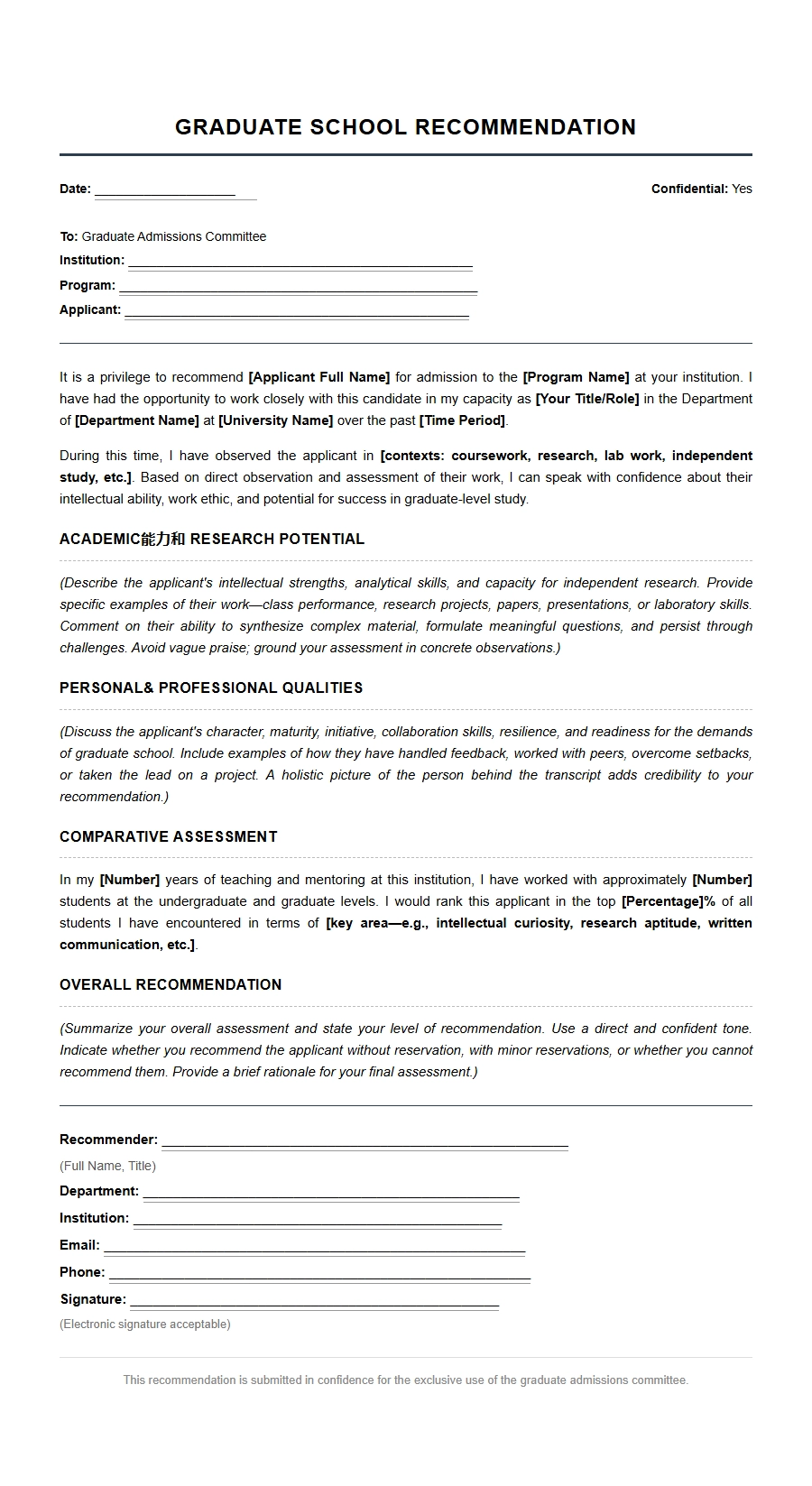 Format for Graduate School Faculty Recommendation Letters
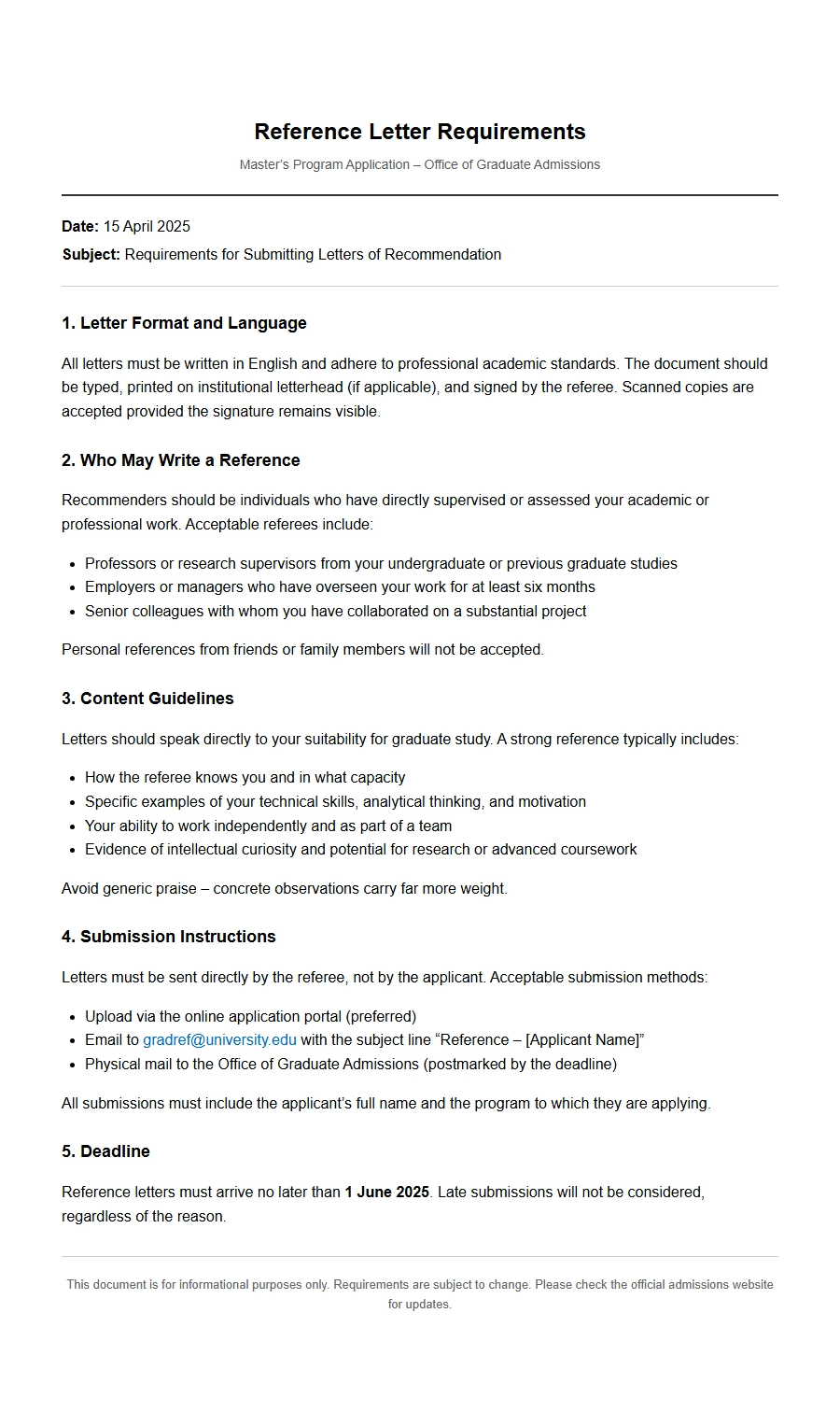 Master's Program Reference Letter Requirements
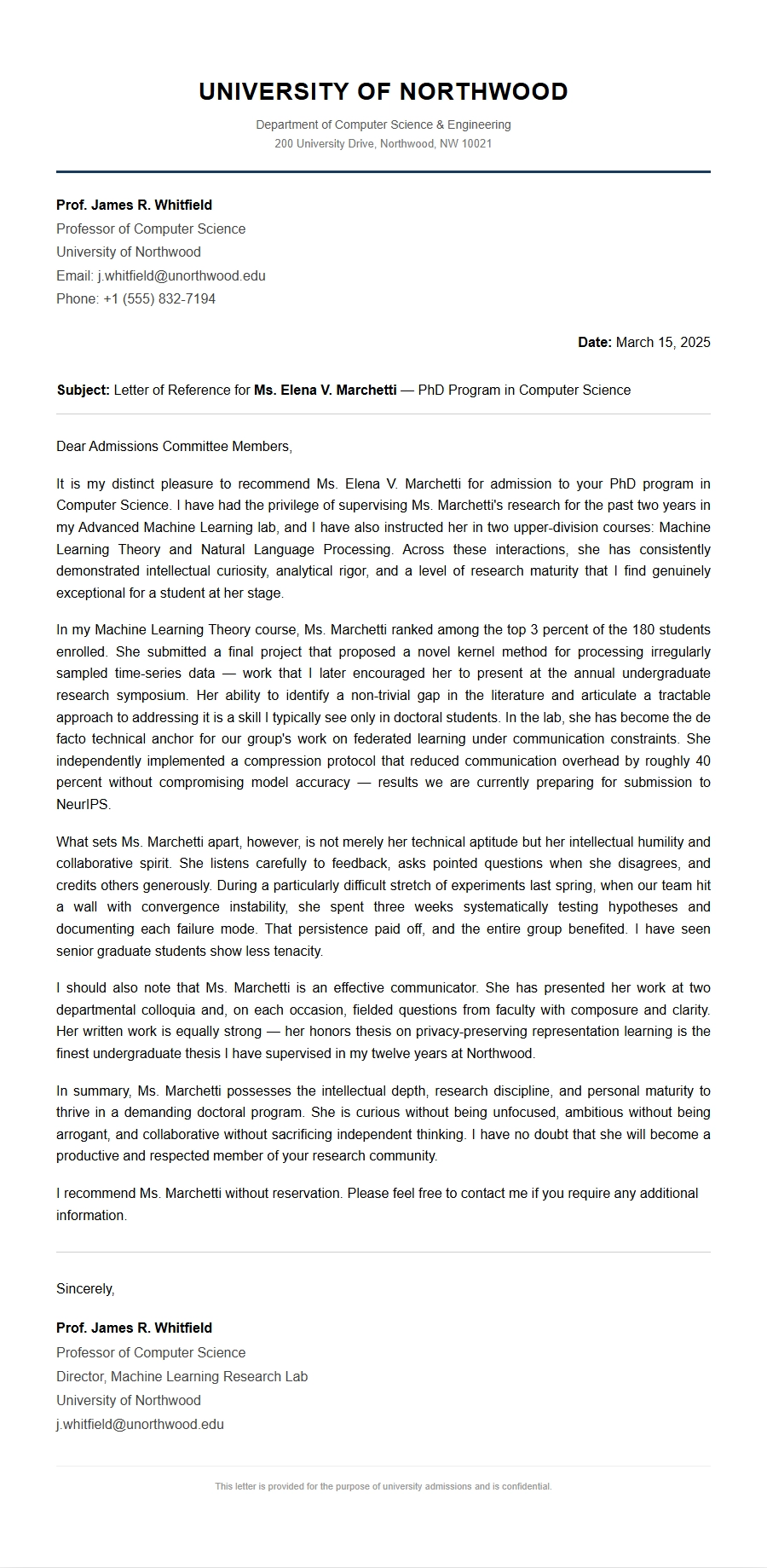 The Perfect Structure for a University Reference Letter
 scholarship essay recommendation portion - Recommendation Letters
 Sample PhD Supervisor Endorsement Letter
 How to Find Your Merit Award Referee Contact Info