You’ve got the data, the calculations, and the site photos—but when it’s time to write that bridge structural report, the blank page can feel twice as heavy as a steel girder. Whether it’s for a client, a regulatory body, or your own team, you need a report that’s clear, professional, and thorough. And you need it done without reinventing the wheel. That’s where a solid sample comes in.
Why a sample isn’t cutting corners
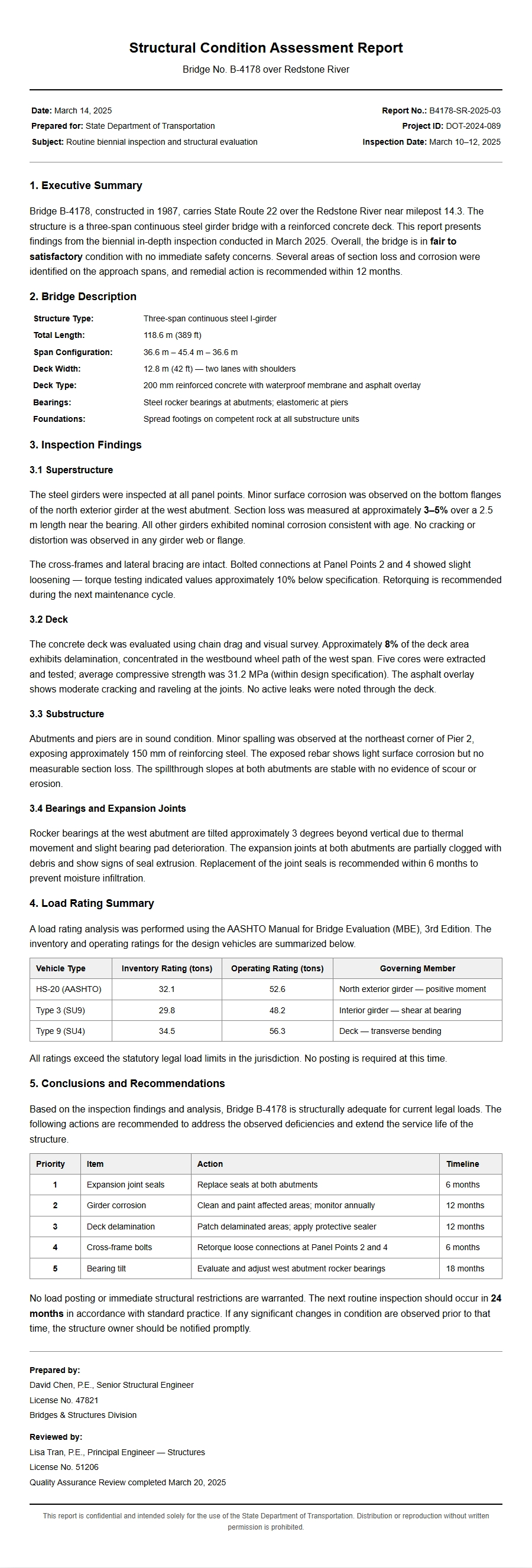
Using a bridge structural report template doesn’t mean you’re cheating. Think of it as borrowing a proven structure so you can focus on what matters: the technical details, your engineering judgment, and the specific findings for that bridge. A good sample gives you the skeleton—proper sections, standard language for findings, and a logical flow—so you can add your own data and conclusions. The best engineers I know keep a few go-to templates handy. It saves time and ensures nothing critical gets left out.
This approach works for any professional correspondence where consistency matters. Whether you’re writing a formal report or a cover letter for a project proposal, having a reference keeps your tone and format on track.
Finding the right structural report sample
Not all samples are equal. A report for a small pedestrian bridge will look different from one for a major highway overpass. Look for a template that matches the scope of your work—same bridge type, similar inspection level, and comparable regulatory requirements. Industry groups like AASHTO or your local DOT often publish example reports. Those are gold because they already follow accepted standards.
If you’re adapting a sample, don’t just copy the text. Replace generic phrases with your actual observations. For example, instead of “Minor cracking observed,” write “Two hairline cracks (0.3 mm wide) on the east abutment, likely due to thermal movement.” That’s the difference between a template and a real report.
Tailoring the opening paragraph
Your report’s first paragraph should grab the reader’s attention—not with drama, but with clarity. State the bridge name, location, date of inspection, and the purpose of the report. For instance: “This report summarizes the structural condition of the Elm Street Bridge (Bridge No. 1234) following the annual inspection conducted on March 15, 2025. The primary focus was on the superstructure and bearing assemblies.”
Avoid vague openings like “The bridge was inspected and found to be in fair condition.” Be specific. The reader—often a senior engineer or a client—wants to know exactly what was evaluated and why.
Common mistakes that weaken your report
One pitfall is mixing formal report language with casual notes. Keep the tone consistent. If you’re writing for a government agency, use the format they expect. Don’t suddenly drop into bullet-point shorthand in the middle of a paragraph. Another issue is ignoring the transmittal letter or cover page. That first page sets the professional tone. Include a clear salutation and closing, and double-check the date and project number.
Also watch your formatting for digital delivery. A PDF sent via email should have a descriptive filename—not “report_final_v3.pdf.” Use something like “ElmStreetBridge_StructuralReport_20250315.pdf.” That’s a small habit that makes you look organized.
How a civil engineer bridge structural report differs from other documents
Unlike a general inspection report, a bridge structural report demands more technical depth. You’re not just listing defects; you’re analyzing load paths, material degradation, and safety margins. Your sample should include sections for methodology, observations with photos, load rating calculations, and recommended repairs. If you’re new to writing these, study how experienced engineers phrase their recommendations. For example, “Prioritize replacement of the expansion joint at Pier 2 before the next annual inspection” is clearer than “Consider repair options.”
And if you ever need to write a cover letter to accompany such a report—say, when submitting to a client or a permitting agency—treat it with the same care. You can find cover letter examples tailored for technical roles—like for a software developer backend engineer cover letter or a data scientist machine learning cover letter—that show how to highlight your specific expertise without sounding robotic.
Tools that make the process faster
Don’t rely on memory alone. Create a folder of your best past reports (with client permission) to use as future samples. Keep a checklist of mandatory sections: executive summary, introduction, inspection findings, structural analysis, conclusions, and recommendations. A customizable template in Word or LaTeX can save hours. Just be sure to proofread carefully—nothing undermines credibility like a typo in a load rating number.
If you’re writing a digital letter format for email submission, keep paragraphs short and use a standard font. For printed copies, consider a simple letterhead design with your firm’s logo and contact info. It adds a polished finish.
And remember, the goal isn’t to produce a perfect document on the first try. You’ll refine your style over time. Each report gets a little easier, and your samples get better because you adapt them to what works in practice.
The best reports feel both professional and personal
Use the sample as a springboard, not a crutch. The most credible structural reports reflect the engineer who wrote them—your observations, your reasoning, your voice. Don’t hide behind generic language. When you stand by your findings and make them clear, your reader trusts you. That’s the real goal.
Realistic Samples
Civil Engineer Bridge Report Cover Letter Sample
Senior Bridge Structural Engineer – Department of Transportation
Dear Hiring Committee,
I am writing to express my strong interest in the Senior Bridge Structural Engineer position with the State DOT. With over 12 years of experience leading structural inspection and load rating projects, I bring a deep expertise in producing comprehensive bridge structural reports that guide critical maintenance and rehabilitation decisions.
Key qualifications I offer:
Led more than 40 major bridge inspection teams, generating detailed condition assessment reports per AASHTO and NBI standards.
Developed load rating analyses for steel truss, concrete girder, and cable‑stayed bridges using LARSA 4D and SAP2000.
Authored rehabilitation recommendation reports that secured $8M in federal funding.
I hold a Professional Engineer license in three states and an M.S. in Structural Engineering from [University]. I am eager to contribute to your department’s safety and infrastructure improvement goals through clear, data‑driven reporting.
Sincerely, [Name], P.E.
Bridge Inspection Engineer – Consulting Firm
Dear [Hiring Manager],
I am applying for the Bridge Inspection Engineer role at [Consulting Firm]. My seven years of field experience have honed my ability to produce methodical, regulation‑compliant bridge structural reports under tight deadlines.
During my tenure at [Previous Firm], I was responsible for:
Performing hands‑on NBIS inspections for over 200 bridges annually.
Drafting structural condition reports that directly informed repair prioritization.
Coordinating with state agencies to ensure report accuracy and timeliness.
I am proficient in using Bridge Inspection Software (BIS) and have completed the FHWA‑compliant Safety Inspection of In‑Service Bridges training. My reports consistently receive commendations for their clarity and technical precision.
I would welcome the opportunity to discuss how my reporting skills can support your firm’s growing inspection workload.
I am excited to apply for the Bridge Design Engineer position, where I can leverage my extensive experience in writing structural design reports for new and replacement bridges. My background includes preparing complete design documentation including load calculation summaries, reinforcement schedules, and construction phasing narratives.
Highlights of my report‑focused achievements:
Authored design reports for 15+ bridge projects valued over $60M total.
Developed standardized report templates that reduced drafting time by 30%.
Presented structural report findings to clients and regulatory boards.
I hold a P.E. license and am skilled in STAAD.Pro, MicroStation, and Bluebeam. I have a strong grasp of AASHTO LRFD specifications and enjoy translating complex engineering data into actionable report language.
Thank you for considering my application. I look forward to contributing to your design team.
Sincerely, [Name], P.E.
Entry‑Level Structural Engineer – Bridge Report Support
Dear [Hiring Manager],
I am writing to apply for the Entry‑Level Structural Engineer position, with a focus on assisting in bridge structural report preparation. My academic projects and internship experience have equipped me with a solid foundation in report writing, data analysis, and structural modeling.
Relevant experience includes:
Assisted senior engineers in compiling inspection data and writing condition summaries for 5 bridge rehabilitation reports.
Created load rating spreadsheets and contributed to final report sections during summer internship at [Firm].
Completed capstone project that produced a 50‑page structural assessment report on a historic truss bridge.
I am proficient in AutoCAD, MATLAB, and basic FEA tools. I am eager to learn from your team and grow as a bridge reporting professional. I have passed the FE exam and am pursuing P.E. licensure.
I am applying for the Bridge Rehabilitation Project Manager role, where my skill in directing the creation and review of structural reports is central to my value proposition. I have managed multi‑year rehabilitation programs from initial assessment through final close‑out documentation.
My approach to structural reports includes:
Establishing report frameworks that meet both client internal standards and DOT requirements.
Reviewing load rating and condition reports for technical accuracy and consistency.
Leading interdisciplinary teams in writing repair justification and cost‑benefit analysis reports.
One notable achievement: I oversaw the report production for a $25M bridge rehabilitation project, which required simultaneous coordination with inspection, design, and construction teams. The reports were used to obtain environmental permits and public funding.
I hold a P.E. license and PMP certification. I am confident I can bring structure and clarity to your project reporting needs.
I am delighted to apply for the Bridge Load Rating Engineer position. My career has been dedicated to producing precise, technically sound load rating reports that comply with AASHTO Manual for Bridge Evaluation and state policies.
Specific capabilities I bring:
Performed load ratings for steel, concrete, timber, and masonry arch bridges using LARSA 4D and VBScript automation.
Authored over 100 load rating reports, including refined analyses for posting and permit vehicles.
Developed a custom Excel‑based report generation tool that cut formatting time by half.
I am also experienced in presenting rating findings to clients and stakeholders, translating structural load paths into clear report narratives. My reports consistently pass peer review with minimal revisions.
I hold a Structural Engineering M.S. and am a licensed P.E. in [State]. I look forward to contributing your firm’s reputation for quality bridge reporting.
I am writing to express my interest in the Forensic Structural Engineer position focusing on bridge structural report investigations. My 15 years of experience include detailed failure analysis, cause determination, and report writing for litigation and insurance purposes.
Notable report examples:
Investigated a prestressed concrete girder crack pattern and authored a 120‑page forensic report that was used successfully in arbitration.
Performed field documentation and material sampling for three bridge collapse cases, delivering reports accepted by NTSB.
Wrote expert witness rebuttal reports that withstood cross‑examination.
I am adept at using finite element analysis to simulate failure scenarios and present findings graphically within reports. I also have training in fracture mechanics and nondestructive evaluation. My reports are comprehensive yet accessible to legal and non‑technical audiences.
Thank you for considering my application. I would be happy to share sample reports upon request.
Sincerely, [Name], P.E., F.ASCE
Bridge Construction Engineer – Structural Reports for New Builds
Dear [Construction Manager],
I am applying for the Bridge Construction Engineer position, where my expertise in producing on‑site structural reports for new bridge construction will be an asset. I have worked on both steel and concrete bridge projects from foundation to deck placement, documenting each phase.
Construction‑related report responsibilities:
Prepared daily structural progress reports detailing concrete compressive strengths, rebar placement, and tensioning records.
Compiled final as‑built structural reports including deviation registers and field changes.
Drafted non‑conformance reports (NCRs) and corrective action proposals to ensure structural integrity.
I am proficient in interpreting structural drawings and specifications, and I have a strong background in quality control documentation. My reporting has helped three bridge projects achieve zero punch‑list items upon final acceptance.
I hold a B.S. in Civil Engineering and am a registered Professional Engineer. I look forward to bringing rigorous reporting practices to your construction team.
Best regards, [Name], P.E.
Bridge Asset Management Engineer – Database and Report Integration
Dear [Hiring Manager],
I am writing to apply for the Bridge Asset Management Engineer role, with a focus on integrating structural reports into lifecycle planning. My experience bridges technical reporting and data management to support long‑term asset strategies.
Key report‑related achievements:
Developed a bridge structural report database that linked NBI condition data with repair cost estimates and priority rankings.
Authored annual state‑of‑the‑network reports summarizing structural trends and investment needs for a 500‑bridge portfolio.
Created automated dashboard updates that pulled data from inspection reports to flag critical components.
I am skilled in SQL, GIS, and Bridge Management Systems (BrM). My reports help agencies make informed decisions on maintenance, preservation, and replacement. I hold a P.E. license and an M.S. in Engineering Management.
I am eager to bring this data‑driven reporting approach to your organization.
I am reaching out to offer my freelance bridge structural report writing services. With 20 years of experience across multiple states and bridge types, I deliver accurate, well‑organized reports tailored to your project’s requirements and deadlines.
Services I provide:
Condition assessment reports following NBIS and state protocols.
Load rating reports (legal, permit, emergency) with complete calculations and narratives.
Design and rehabilitation justification reports for funding applications.
Peer reviews and report editing to ensure compliance and clarity.
I charge on a per‑report or hourly basis, with typical turnaround of 5–10 business days. I maintain a P.E. license in six states and have liability insurance. Past clients include engineering firms, DOTs, and municipalities.
Please see the table below for sample report pricing:
Report Type
Complexity
Estimated Range
Condition Assessment
Simple
$1,200 – $2,500
Load Rating (Refined)
Complex
$3,500 – $7,000
Rehabilitation Justification
Moderate
$2,000 – $4,500
I would be happy to provide references and sample pages. Contact me at [email] to discuss your project.
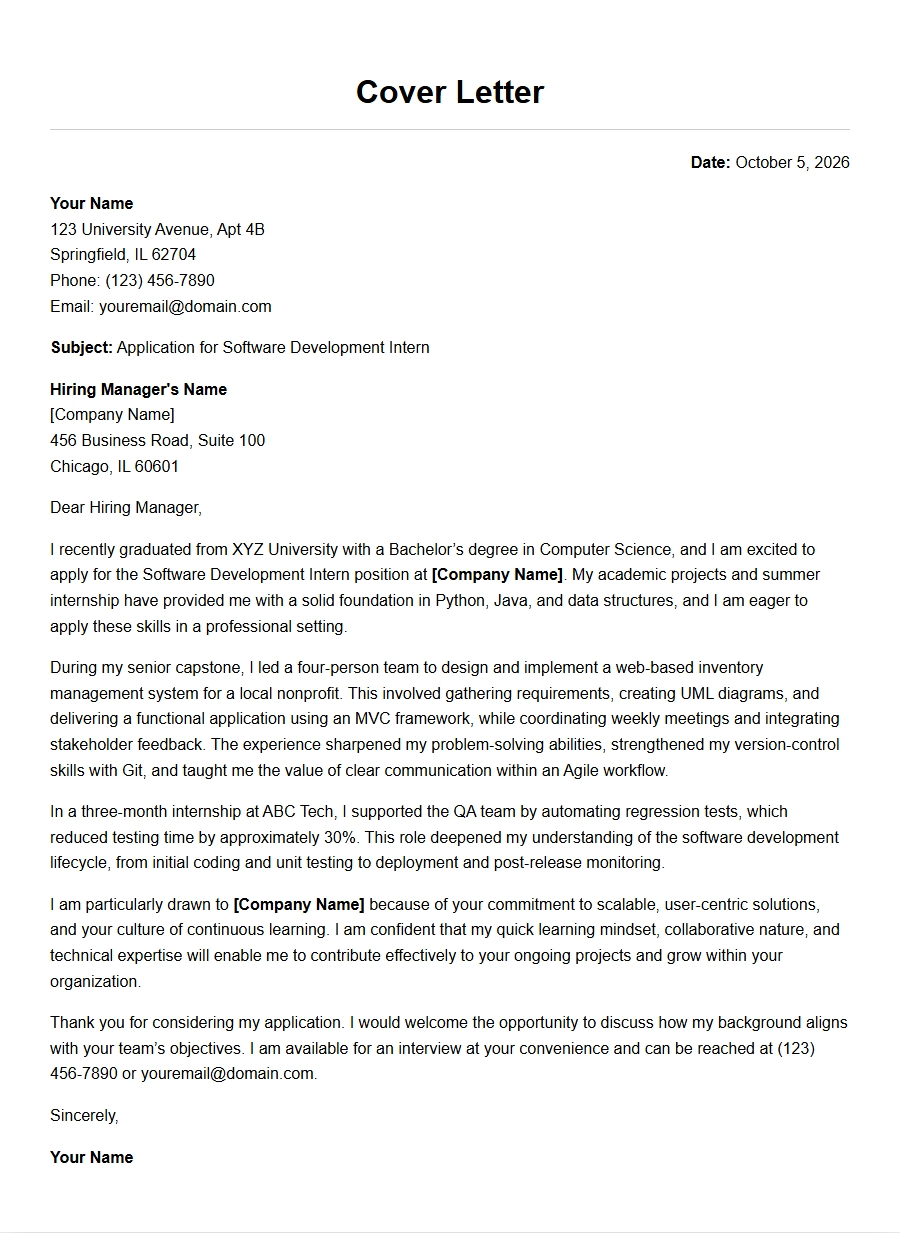 Recent College Student Cover Letter for Internship
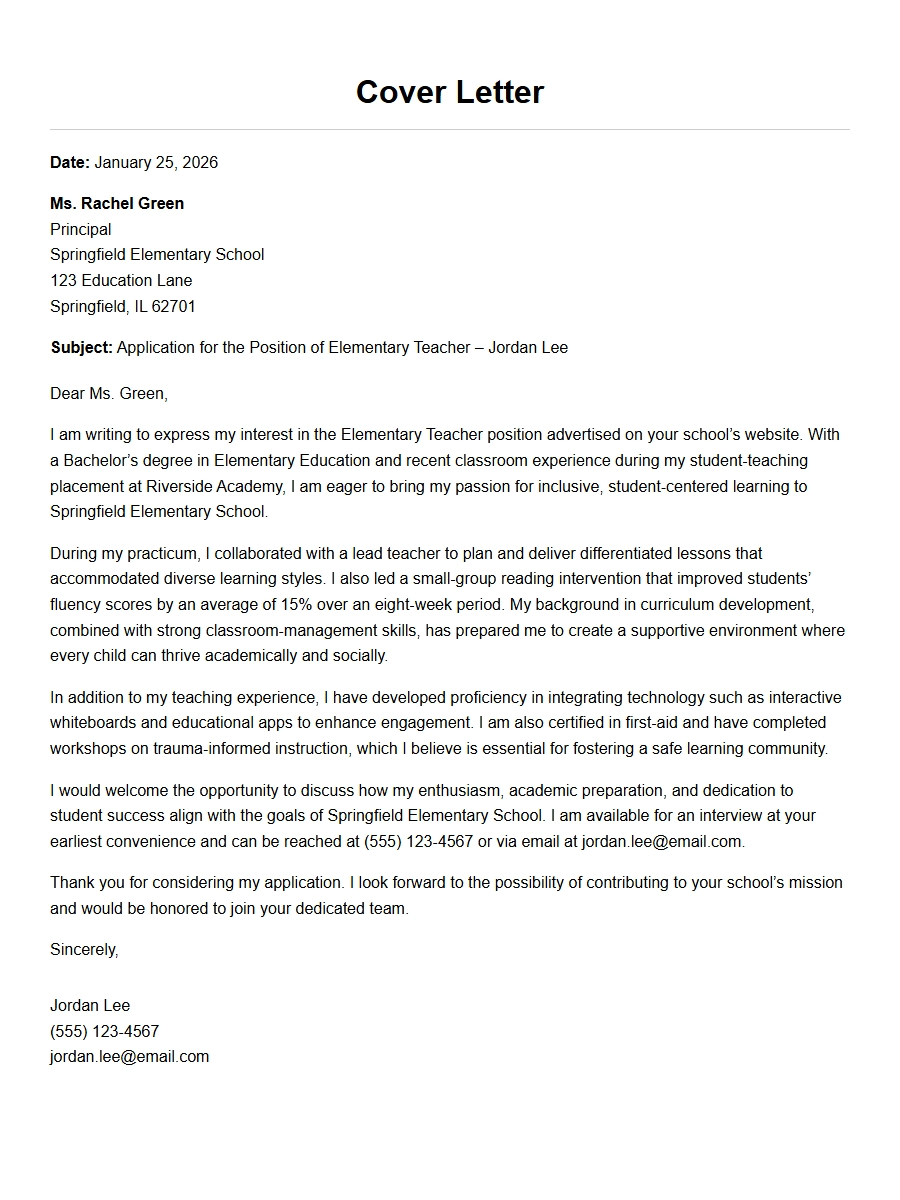 Entry Level Teacher Cover Letter Examples
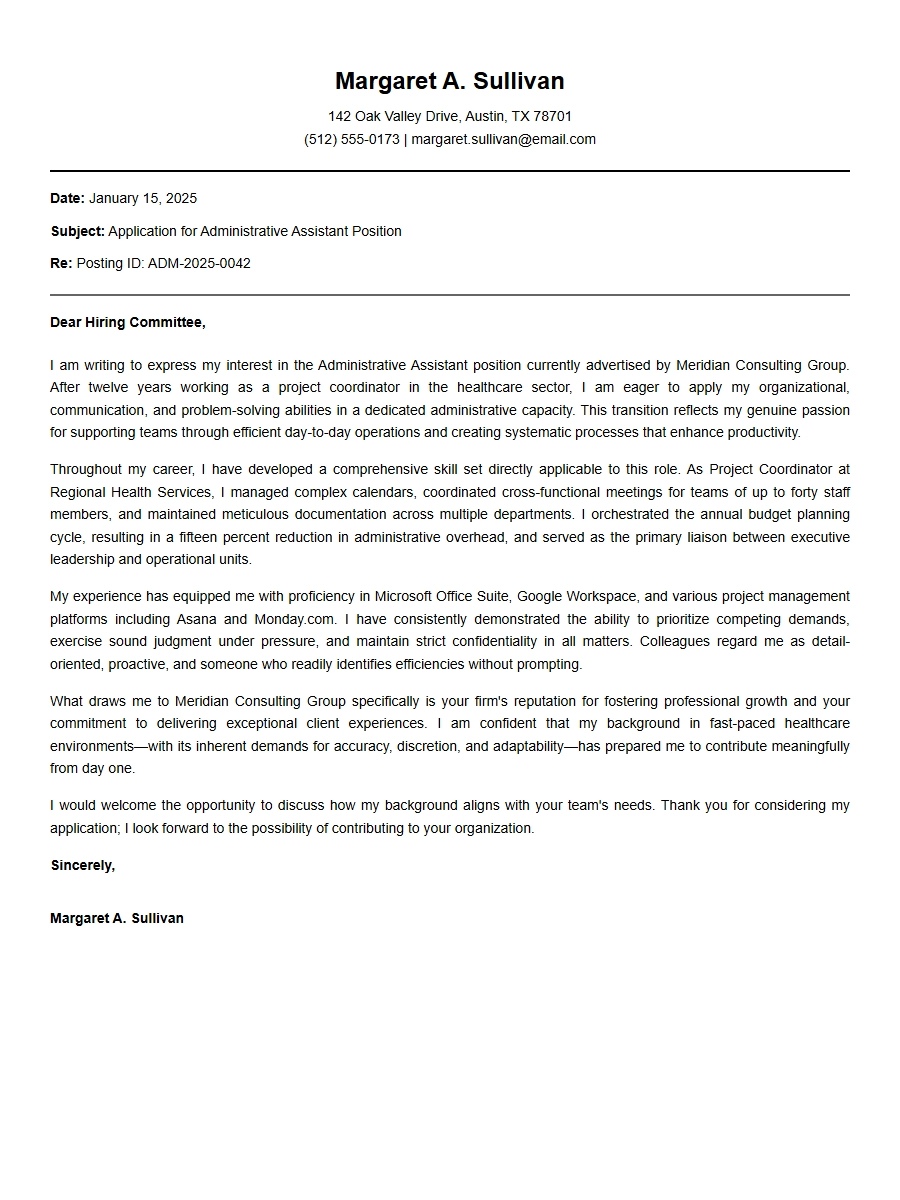 Career Changer Administrative Assistant Cover Letter
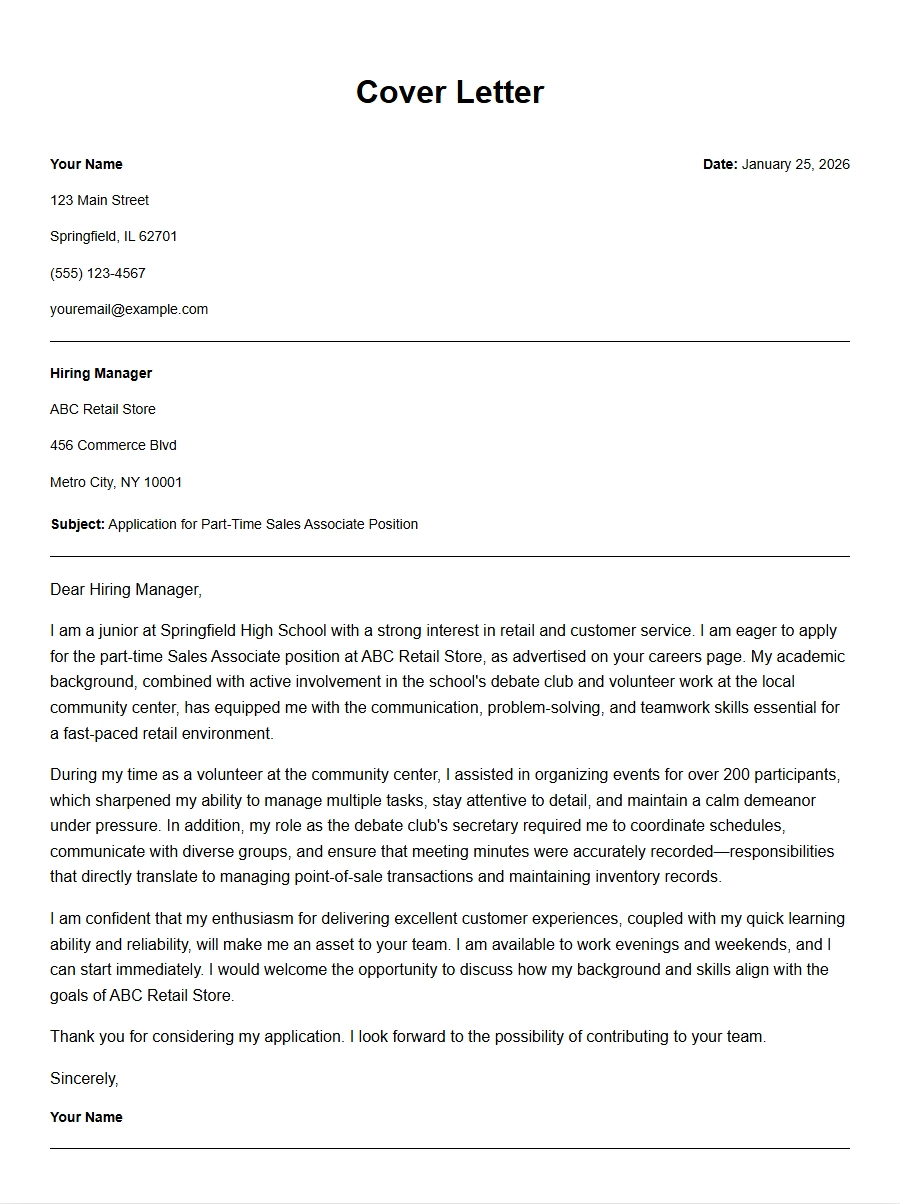 High School Student Part Time Job Cover Letter
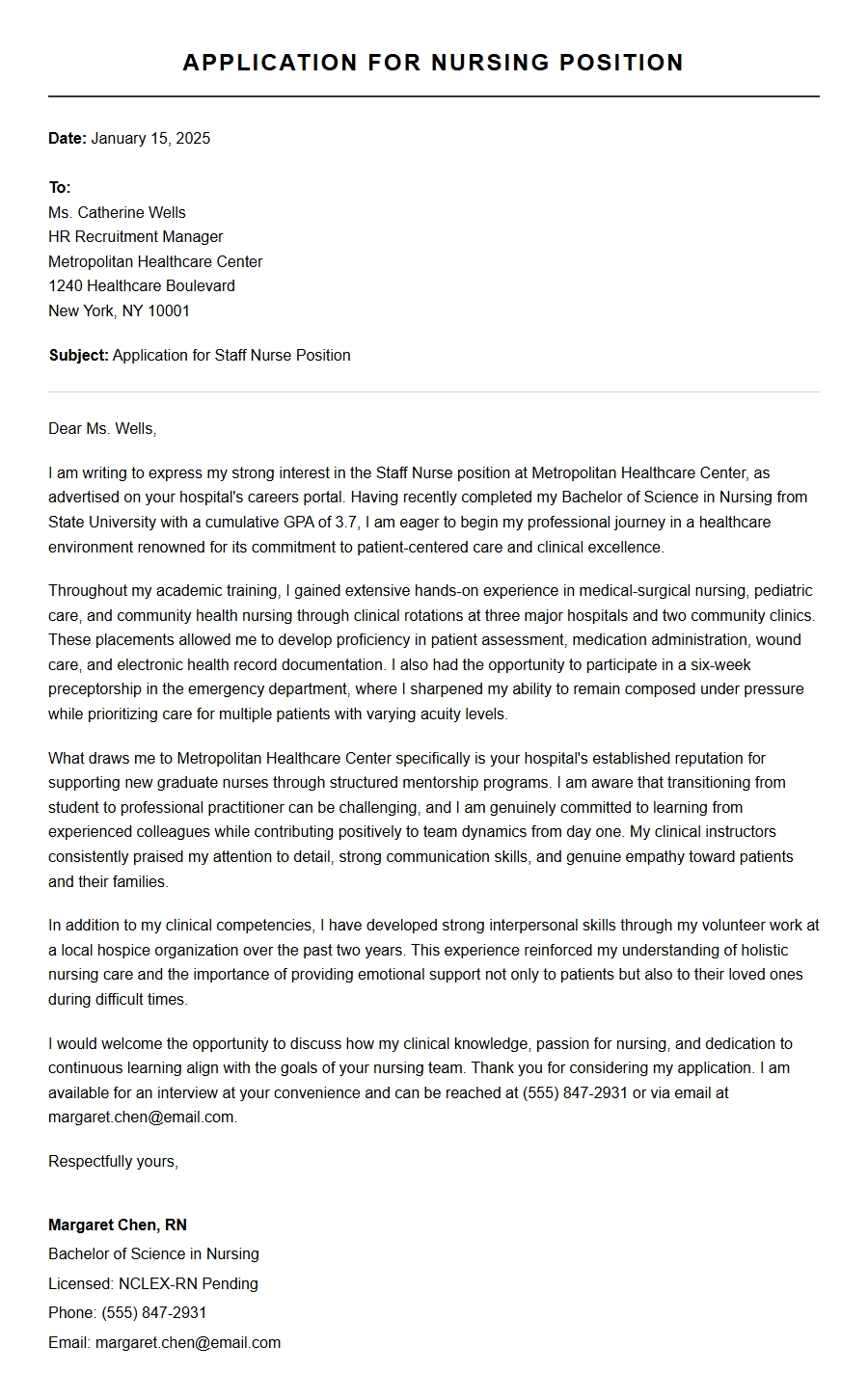 Fresh Graduate Nursing Application Letter
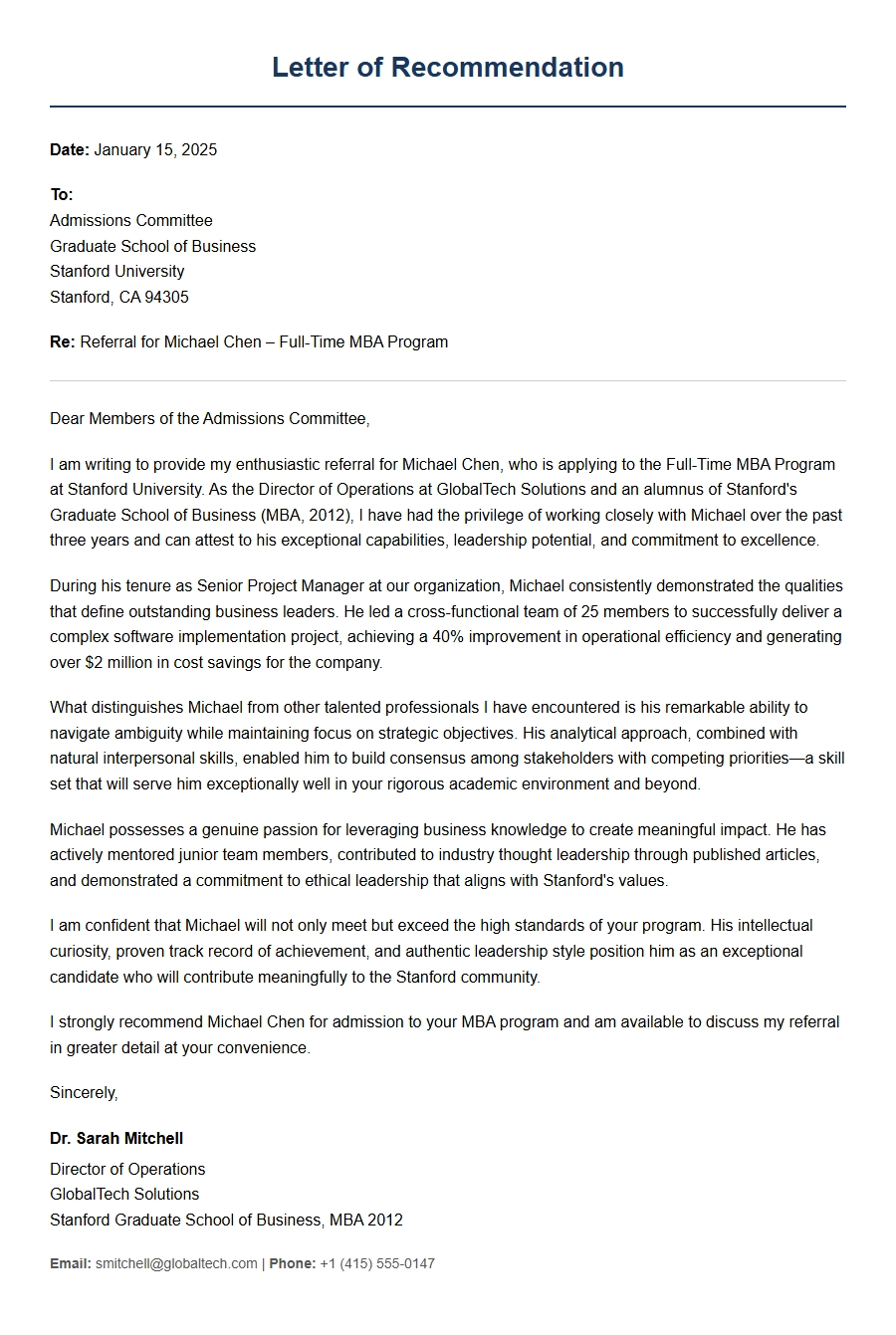 University Alumni Referral Email Cover Letter