If your vendor or supplier has just informed you about a price increase for your contract renewal, you might feel stuck. How do you respond without sounding difficult or ungrateful? You're not alone in this.
Writing a statement for contract renewal price hike is about protecting your budget while keeping a good relationship. A well-worded letter helps you ask the right questions, understand the increase, and see if there's room to negotiate.
First, know when you need this letter. You don't send it when a price goes up a small amount. You send it when the increase is significant enough that it affects your bottom line. Maybe the jump is 10% or more. Maybe the service quality hasn't improved. Whatever the reason, putting your concerns in writing creates a paper trail and shows you're paying attention.
Start with a tone that's curious, not combative. Something like, "We received your renewal notice and noticed an increase of X%. Could you help us understand what factors led to this change?" This keeps the conversation open. You're not accusing anyone of being unfair. You're asking for clarification.
Next, reference the current contract and its terms. Mention the original pricing and the proposed new pricing. This shows you've done your homework. It also makes it easier for the other party to pull up your account and give you a straight answer. Avoid vague language like "the new rate seems high." Be specific.
This is also the right time to remind them of your value as a customer. Mention how long you've been with them, any referrals you've sent their way, or your consistent payment history. You don't need to beg. Just state the facts. For instance, "We've been loyal customers for three years and have never missed a payment."
How to adapt a sample without losing your voice
You'll find plenty of templates online, and they're helpful. But don't copy one word for word. A generic letter feels fake. Instead, take the structure—the salutation, the opening line, the request for explanation—and swap in your specific details. Use your natural voice. If you're usually direct, be direct. If you're more polite and formal, stick with that.
One common mistake is using an outdated salutation. "To whom it may concern" is too stiff for most vendor relationships. Use the name of your account manager or the person who sent the renewal notice. If you don't know their name, a simple "Hello" works better than an overly formal greeting.
Another error? Not tailoring the format for email versus printed mail. If you're sending this as a digital letter format, keep it short. People skim emails. Use short paragraphs and a clear subject line like "Question about our contract renewal pricing." If you're mailing a physical letter, you can afford a bit more detail and a formal business letter format with your letterhead design at the top.
Don't forget letter writing etiquette. Thank them for their continued partnership. Even if you're frustrated, starting with gratitude sets a cooperative tone. The goal is not to win an argument. It's to get a fair price or an explanation you can accept.
Before you send, do a proofreading letter check. Read it out loud. Does it sound like you? If it sounds stiff or full of jargon, rewrite it. A good letter feels like a conversation, not a legal document. Check for typos, especially in numbers and dates. A wrong figure can cause unnecessary confusion.
What to do after you send the letter
Once you've sent your statement, follow up within a week if you don't hear back. A quick email or phone call shows you're serious. When they respond, listen to their reasoning. Maybe their costs went up, or they've added new features you didn't notice. If the increase is justified, you might accept it. If it's not, you can propose a compromise. Maybe a smaller increase now with a longer contract term.
If you've dealt with other issues with this vendor, like a service outage, you might reference a past cybersecurity breach apology letter to remind them of previous problems. It's not about being petty. It's about context. Similarly, if you've had billing issues before, mention your documentation for a bank transaction hold as an example of your patience with their processes.
Sometimes the price hike is non-negotiable. That's okay. Your letter still served a purpose. It opened a dialogue, and it showed you're an engaged customer. That respect can pay off later, perhaps when you need a favor or a faster response time.
If you find yourself writing this kind of letter often, keep a letter template you can customize. It saves time. Over time, you'll get faster at adapting it. You'll know which phrases work and which ones feel forced.
Remember, the best letters feel both professional and personal. They show you know what you're talking about, but they also show you're human. That balance—being firm but fair—is what gets results. Use the sample as a springboard, not a crutch. Fill it with your details and your tone. Practice makes the process faster, and each letter you write builds your confidence.
Next time a contract renewal notice lands in your inbox with a higher number, you'll know exactly what to do. You'll write a clear, respectful response. And you'll handle it like the professional you are.
Samples You Can Use
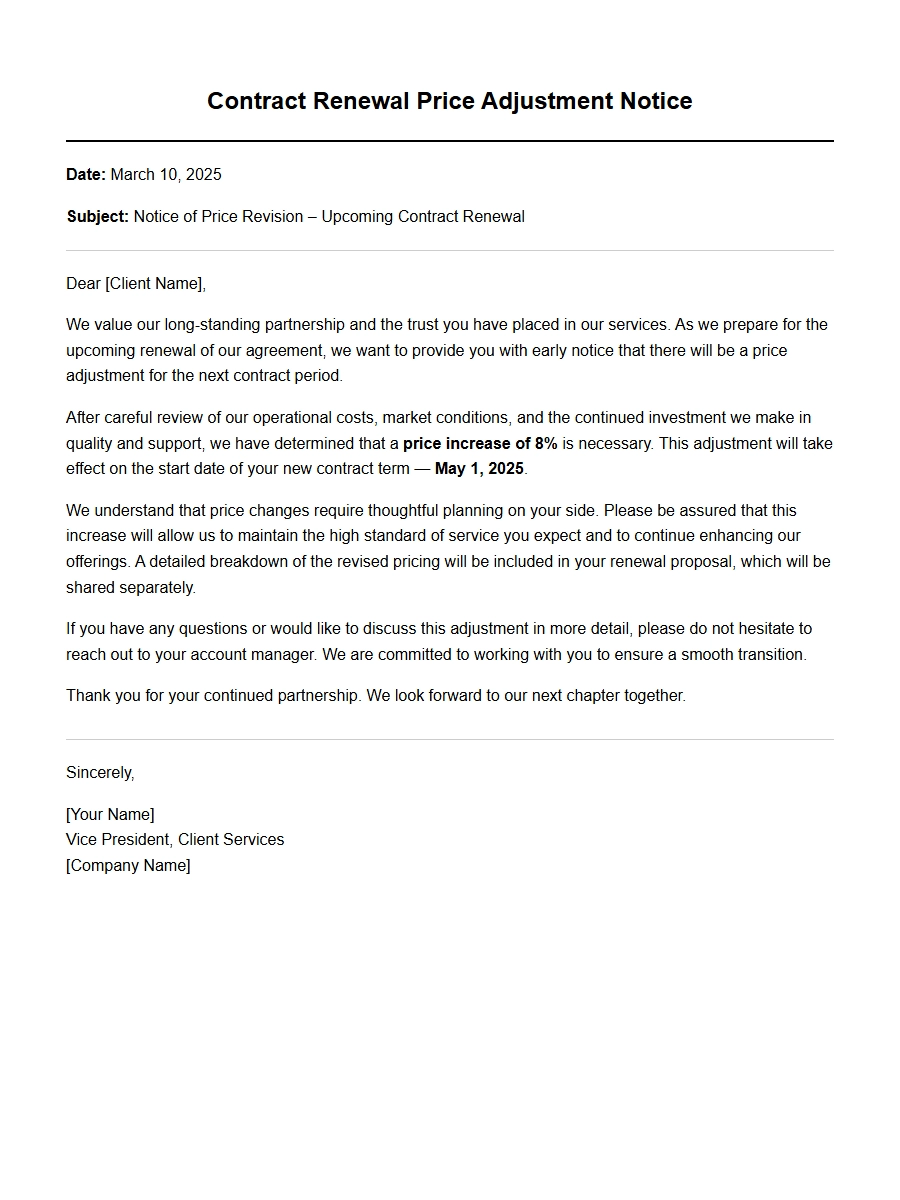
Apology Statement for Renewal Price Hike
Apology to Long-Term Client for Raw Material Cost Increase
Dear Mr. Harrison,
We are writing to inform you of a necessary adjustment to your contract renewal pricing, effective from January 1, 2024. Due to a sustained 20% rise in raw material costs over the past year, we must increase the annual service fee by 10%. This decision was not made lightly, and we sincerely apologize for the inconvenience.
To help you understand the change, please see the revised details:
Component
Current Price
New Price
Base service
$12,000
$13,200
Maintenance package
$3,000
$3,300
Total annual
$15,000
$16,500
We have absorbed cost increases for the last two quarters and improved our procurement efficiency, but the current situation leaves us no alternative. We value your partnership and are committed to maintaining the high quality you expect. Please contact your account manager to discuss any concerns or to explore a flexible payment schedule.
Apology to Small Business for Increased Service Costs
Hi Sarah,
We are reaching out with an apology and an explanation regarding your upcoming contract renewal. After a thorough review, we must implement a 5% price increase on your monthly IT support plan, from $800 to $840, due to rising labor and software licensing costs.
We understand that even a small increase can affect your budget, and we are truly sorry. Below is a comparison of your current and proposed plan:
Current monthly fee: $800
Proposed monthly fee: $840 (+5%)
Contract term: 12 months (same as before)
The increase will take effect on your renewal date of March 1, 2024. We have also added a new 24/7 chat support feature at no extra cost to offset the change. If this is not acceptable, please let us know and we can discuss alternative packages. Thank you for your understanding and continued trust.
Apology to Individual Subscriber for Subscription Hike
Dear valued subscriber,
We sincerely apologize for informing you that your annual premium subscription will increase from $99 to $119 starting with your next renewal. This adjustment is necessary to sustain the platform improvements and new features you have requested.
To be transparent, here is a quick overview of what has changed:
Enhanced content library: 30% more courses added in 2023.
AI-based recommendations: Smarter personalization using advanced algorithms.
Infrastructure costs: 40% increase in cloud hosting fees.
We have delayed this increase for as long as possible, but to continue delivering the best learning experience, we must pass on a portion of the additional costs. As a thank you for your loyalty, your next renewal will include a free one-month extension. We appreciate your understanding and hope you continue to enjoy our service.
Apology to Partner for License Fee Adjustment
Dear Alex,
We are writing to apologize for the upcoming price hike in your software license contract renewal. After extensive analysis, we must increase the annual license fee by 8%, from $25,000 to $27,000, effective April 1, 2024. This is due to significant upgrades in security compliance and server capacity.
Below are the key changes in the new license agreement:
Item
Current
New
License fee (per seat)
$500
$540
Support & updates
Included
Included
Data storage limit
1 TB
1.5 TB
We regret any strain this places on your budget. To ease the transition, we offer a 2% early renewal discount if you sign within 30 days. We value our partnership and are committed to providing you with a secure, scalable platform. Please do not hesitate to contact our licensing team for further clarification.
Apology to Vendor for Renewal Cost Increase Due to Inflation
Dear procurement team,
We apologize for the necessity of adjusting our contract renewal pricing. Due to persistent global inflation, especially in logistics and raw materials, we must increase the annual supply agreement by 7%. Your current contract value of $150,000 will be revised to $160,500 for the next term.
We have summarized the cost drivers below:
Transportation costs: Up 15% year-over-year.
Raw material prices: Steel and plastics increased 12%.
Labor wages: Minimum 6% hike in our production facilities.
We understand this impacts your planning, and we apologize for the short notice. The increase will be applied from the renewal date of May 1, 2024. We have also arranged a volume discount – if you commit to a two-year contract, we can cap the increase at 5% for the second year. We hope you accept this proposal and continue our mutually beneficial relationship.
Apology to Client for Maintenance Contract Hike with Discount Offer
Dear Mrs. Lin,
We are sorry to inform you that your equipment maintenance contract renewal will include a 6% price increase, from $9,000 to $9,540 per annum. This adjustment reflects the rising cost of specialized spare parts and technician training required to support your aging machinery.
To show our appreciation for your loyalty, we are pleased to offer a one-time 10% discount on the first invoice of the new term, reducing the increase effectively to around 5.4%. Here is the cost breakdown:
Fee Component
Current
Proposed (with discount)
Labor & travel
$5,000
$5,300
Parts markup
$2,500
$2,650
Emergency support
$1,500
$1,590
Total after 10% discount
$8,586
We hope this gesture conveys our regret and commitment to your satisfaction. The new pricing will start on your renewal date, June 1, 2024. Please reach out if you would like to discuss further adjustments or payment plans.
Apology to Tenant for Rent Increase with Justification
Dear tenant,
We want to apologize for the forthcoming increase in your lease renewal rent. Starting July 1, 2024, your monthly rent will rise from $1,200 to $1,320 (10% increase). This decision is driven by rising property taxes, insurance premiums, and necessary building upgrades.
Below is a transparent breakdown of the added costs we face:
Property tax: Increased by 8% citywide.
Insurance: 12% higher due to market conditions.
Building improvements: New HVAC system and elevator maintenance.
We have delayed this hike for over two years, absorbing most of the expenses. We genuinely regret the burden this places on your budget. As a goodwill gesture, we will waive the annual parking fee ($240 value) for the first year of the renewed lease. We hope you continue to enjoy living here and understand our position. Please contact our leasing office to discuss any concerns.
Apology to Customer for Annual Service Plan Price Hike
Dear valued customer,
We are sorry to announce that your annual home warranty service plan will increase from $450 to $495, effective upon your next renewal. This 10% price adjustment is due to a surge in service call volume and parts costs, which have risen by 18% over the past year.
We have summarized the changes in the table below:
Plan Feature
Current
Renewed
Annual premium
$450
$495
Service call fee
$75
$75 (unchanged)
Coverage limit
$3,000
$3,500 (increased)
We have increased the coverage limit to offset the price hike, providing you with greater protection. We understand that any price increase is unwelcome, and we apologize sincerely. To assist, we offer a 6-month installment plan without interest. If you have questions, please call our customer service team. Thank you for your continued trust.
Apology to Supplier for Price Increase in Procurement Contract
Dear Mr. Okonkwo,
We apologize for the need to adjust the pricing in your procurement contract renewal. Effective September 1, 2024, the unit price for your key supply items will increase by an average of 9%. For example, component X will rise from $12 to $13.08 per unit.
This change is driven by increased compliance costs and raw material volatility in our sector. We have provided a detailed price list below:
Component X: $12.00 → $13.08 (+9%)
Component Y: $8.50 → $9.27 (+9%)
Component Z: $15.00 → $16.20 (+8%)
We realize this impacts your margins, and we are truly sorry. To mitigate the effect, we are extending payment terms from net 30 to net 45 days for the first year. We hope you will continue to partner with us. Please let us know if you would like to negotiate alternative terms or volumes.
Apology to Franchisee for Renewal Fee Increase with Support Improvements
Dear franchise owner,
We apologize for the revision of your franchise renewal fee. Starting with your next agreement term, the annual fee will increase from $20,000 to $22,500 (12.5% increase). This is necessary to expand our national marketing campaigns and improve operational support systems.
To demonstrate the value you will receive, please review the enhanced benefits:
Support Area
Current Level
New Level
Marketing spend
2% of gross sales
3% of gross sales
Training sessions
2 per year
4 per year
Help desk hours
9–5 weekdays
24/7
We understand that any fee increase is difficult, especially after the challenges of recent years. We have held the current fee steady for three years despite rising costs. As a sincere apology, we will waive the first month of the new fee if you renew before November 1, 2024. We value your partnership and are committed to your success. Thank you for your understanding.
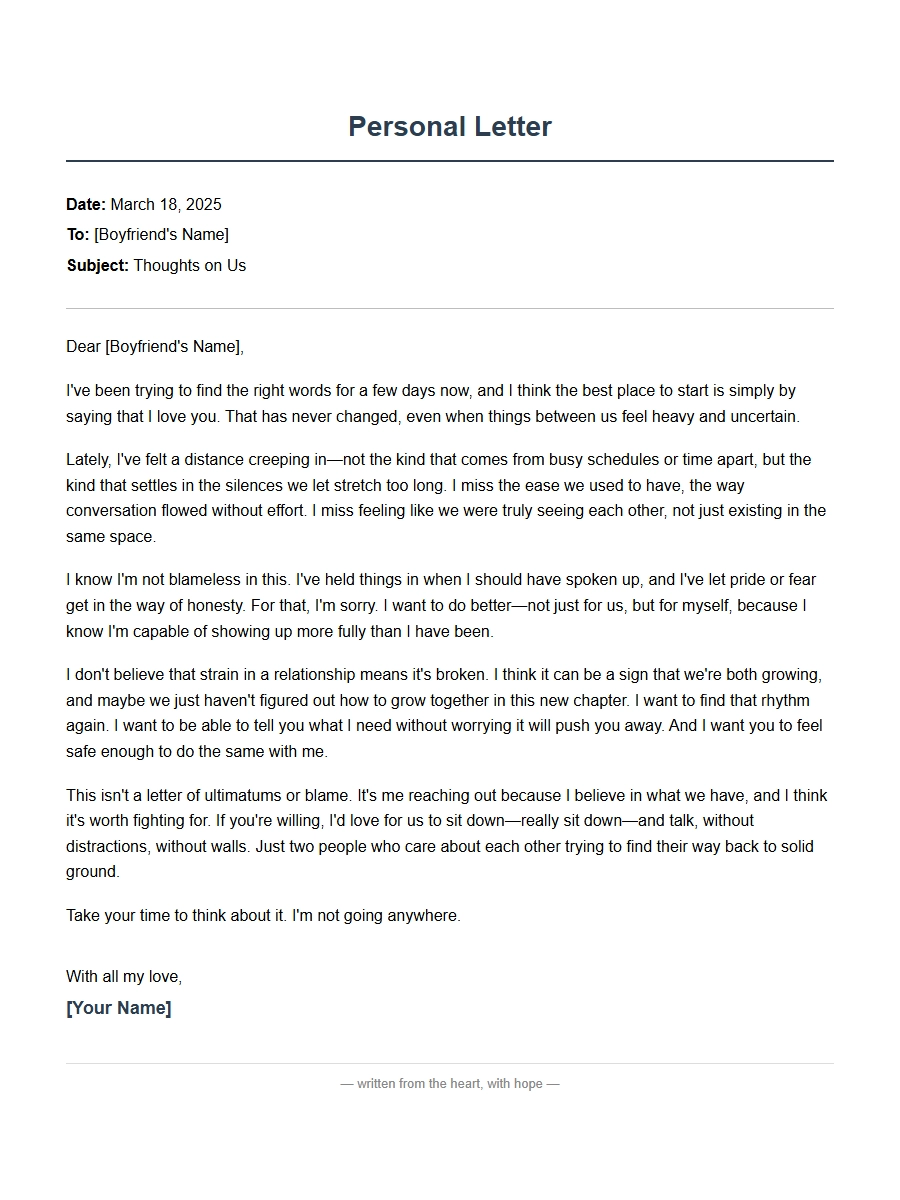 Personal Apology Letter for Boyfriend Relationship Strain
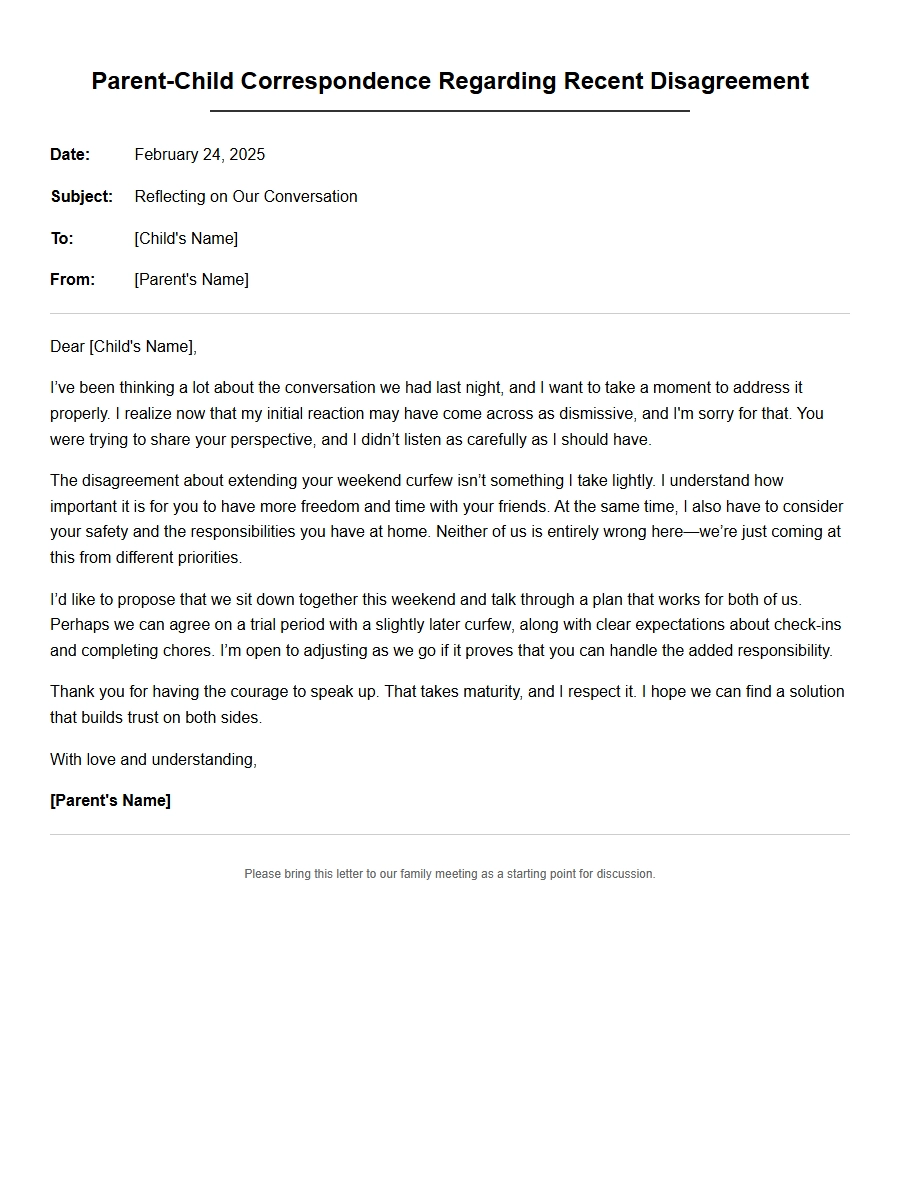 Apology Correspondence for Parent-Child Disagreements
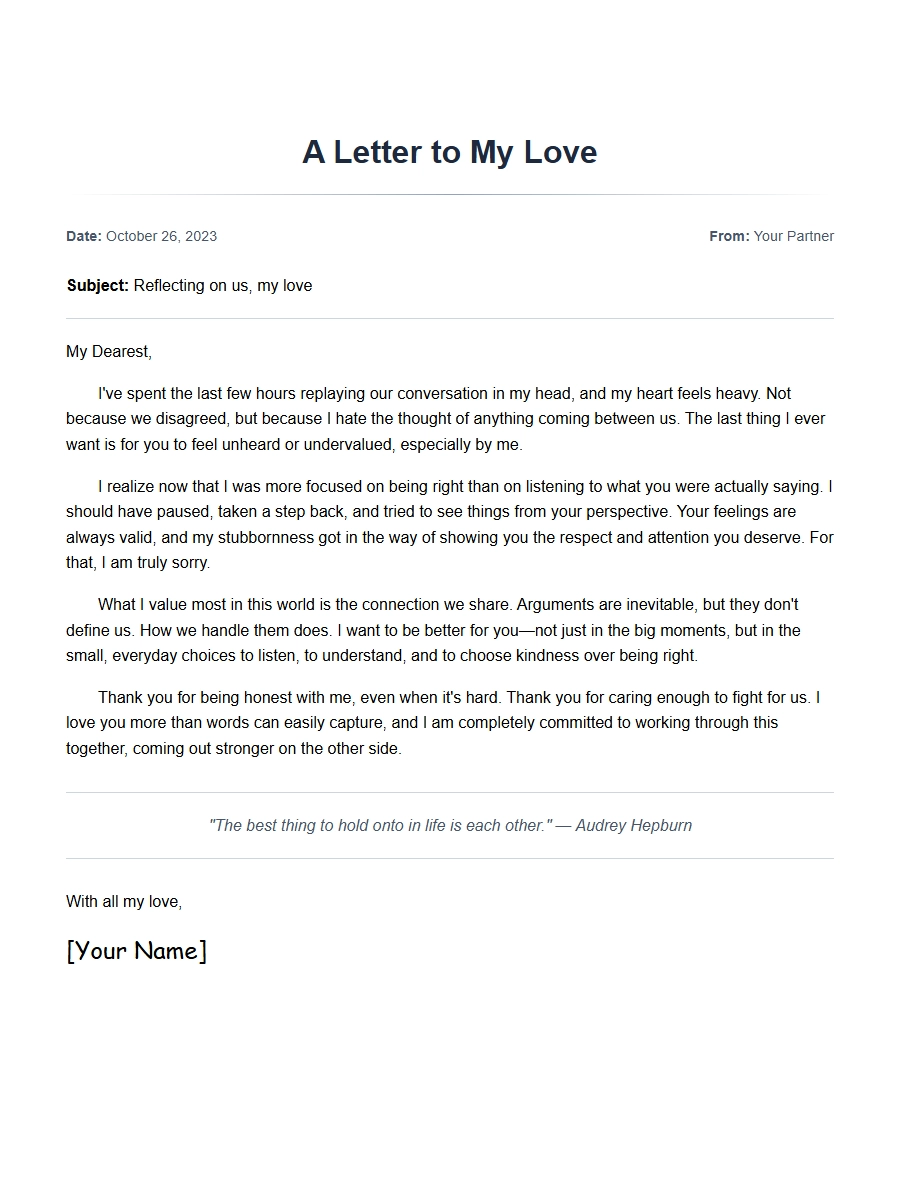 Apology Message for Girlfriend After Argument
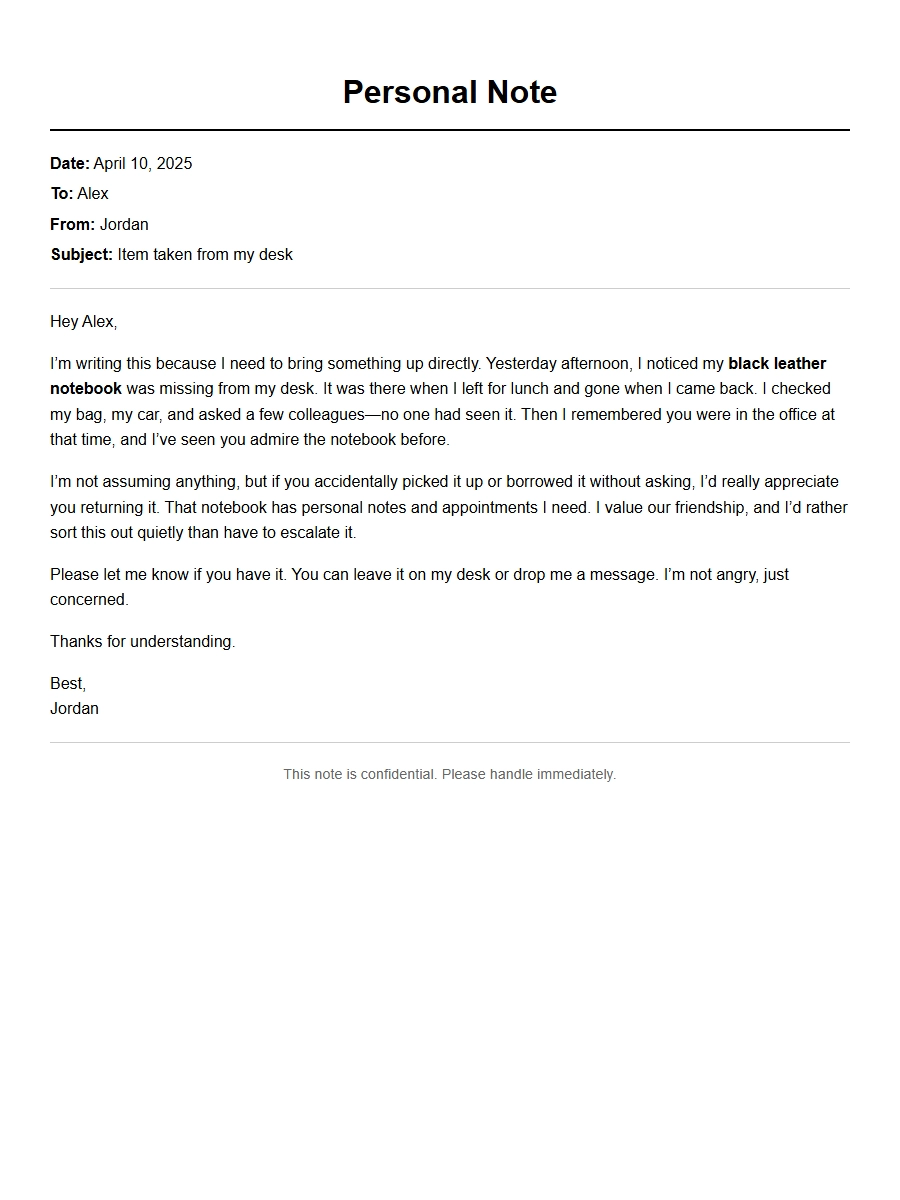 note for friend stealing item - Apology Letters
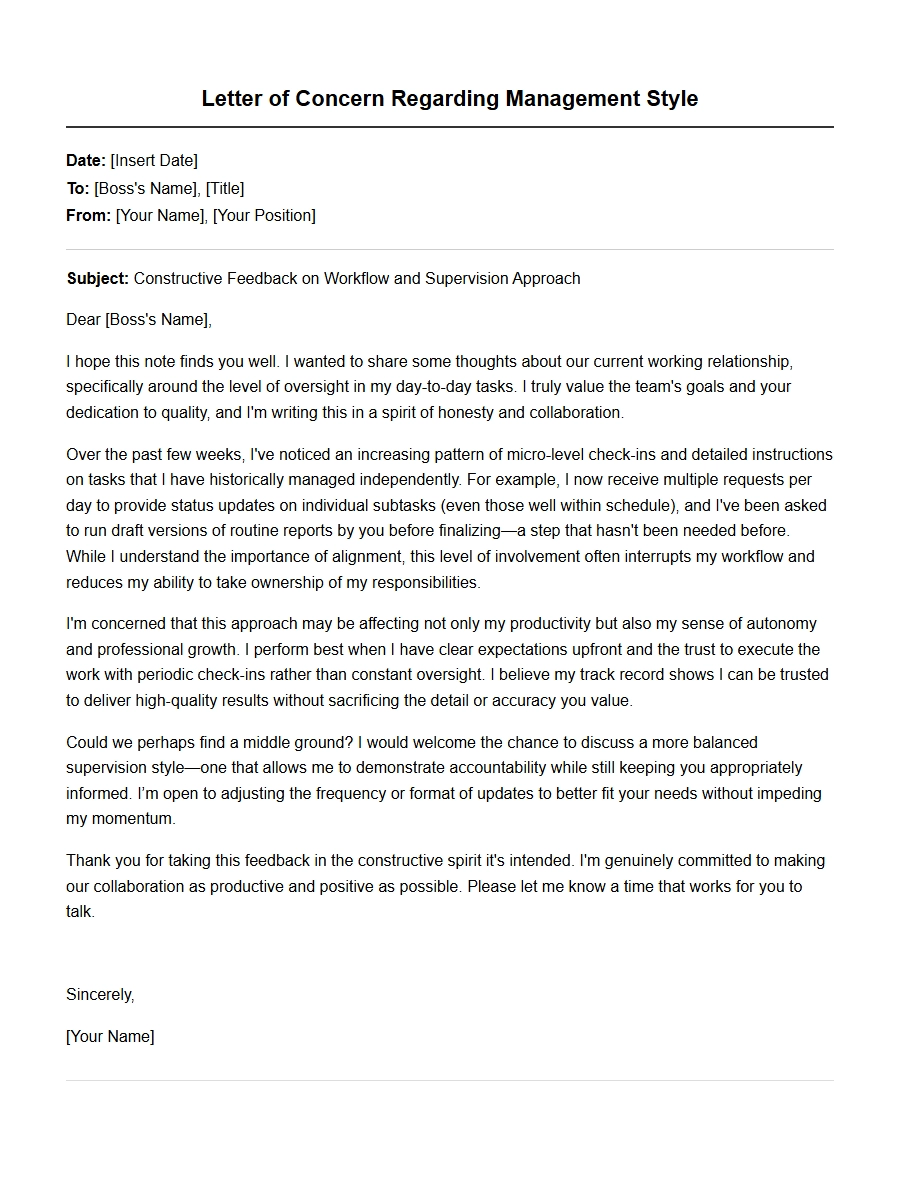 Apology to Boss for Micromanagement Complaint
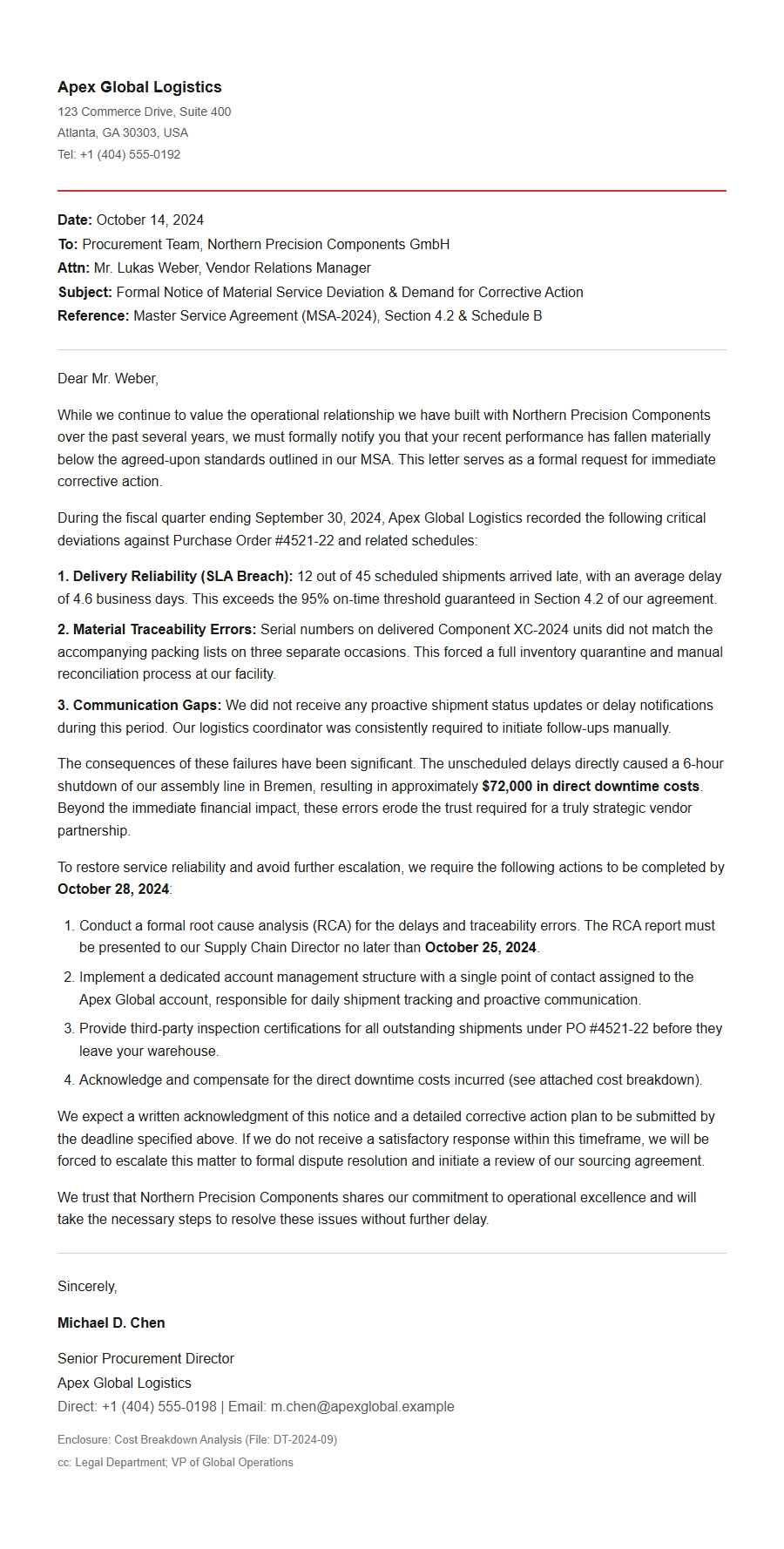 Apology Document for Vendor Supply Chain Issue