You know your neighborhood needs a change. Maybe it’s a stop sign at a dangerous intersection, better lighting in the park, or fixing that pothole everyone dodges. But when you sit down to write the petition signature request letter, the blank page stares back. Suddenly, the words don’t come. You wonder about the right tone, the right format, and whether anyone will even sign. That frustration is normal—but a good sample can cut through it in minutes.
Using a letter sample isn’t cheating. It’s a smart shortcut. A well-written sample gives you the structure, tone, and key phrases you need, so you can focus on what matters: the facts, the personal connection, and the urgency of your cause. Think of it as a reliable template you customize. It saves you from second-guessing the letter structure or worrying about salutation and closing. You get to sound confident and professional without starting from zero.
Category: Community Action Letters
First, pick the right sample for your situation. Is your petition aimed at a local council or a homeowner’s association? That calls for a more formal business letter format, with a clear subject line and a respectful but firm request. Are you asking neighbors to sign for a community garden or a shared improvement? Then a semi-formal letter works fine—friendly, direct, and personal. The key is matching the tone to your audience. If you’re unsure, err on the side of polite. Most people respond better to a courteous ask than a demanding one.
Once you have a sample, adapt it without losing your authentic voice. The best letter templates are skeletons—you add the flesh. Replace generic phrases like “we the undersigned” with specific details: “We, the residents of Oak Street, have seen three near-misses at the corner of Elm and 5th this year.” That’s real and hard to ignore. Tailor the opening paragraph to grab attention fast. State the problem, then immediately say what you’re asking for. People skim, so lead with the need and why it affects them.
Avoid common mistakes that kill a petition letter. One is using outdated salutations like “To Whom It May Concern” when you could address the city council or the specific decision-maker by name. Another is ignoring format for email versus printed letter. An emailed request should have a clear subject line and might skip the full letterhead design—but still include your contact info. Printed letters should have a clean layout, maybe with your group’s letterhead if you have one. Also, watch your tone. Stay firm but never aggressive. You’re inviting support, not demanding it. If you sound angry, you risk pushing people away.
A quick tip on tone in writing: read your draft aloud. Does it sound like something you’d say to a neighbor over a fence? If not, soften it. Use contractions like “we’re” and “you’ll.” Write short sentences. And always include a clear way for people to sign—whether that’s a physical sheet, an online form, or a link. Make it easy, or they won’t bother.
Proofreading is non-negotiable. A typo makes you look careless, and people may question your attention to detail. Run it through spellcheck, then have a friend read it. Check for professional correspondence basics: correct date, proper closing like “Sincerely” or “In thanks,” and your full name with contact info. If you’re collecting signatures for a larger campaign, consider referencing a voting registration assistance request letter as a model for respectful civic engagement. Similarly, if your petition involves neighborhood noise or changes, you might learn from letters that inform neighbors about upcoming construction noise—they balance courtesy with clear need. And if you’re reaching out to new residents to build support, look at extending welcome to new neighborhood residents for that friendly, inclusive tone.
Remember, your petition signature request letter is a tool, not the whole battle. The sample gets you started, but your community’s energy and story make it compelling. Use the structure to stay organized, then fill it with real examples and genuine concern. The more personal you make it, the more signatures you’ll get.
So don’t stare at the blank page again. Grab a sample, adapt it, and send it out. You’ll be surprised how quickly the anxiety fades once you’ve got a draft. And with each signature, you’ll gain confidence for the next letter you need to write. That’s how communities get things done—one well-crafted request at a time.
Everyday Writing Examples
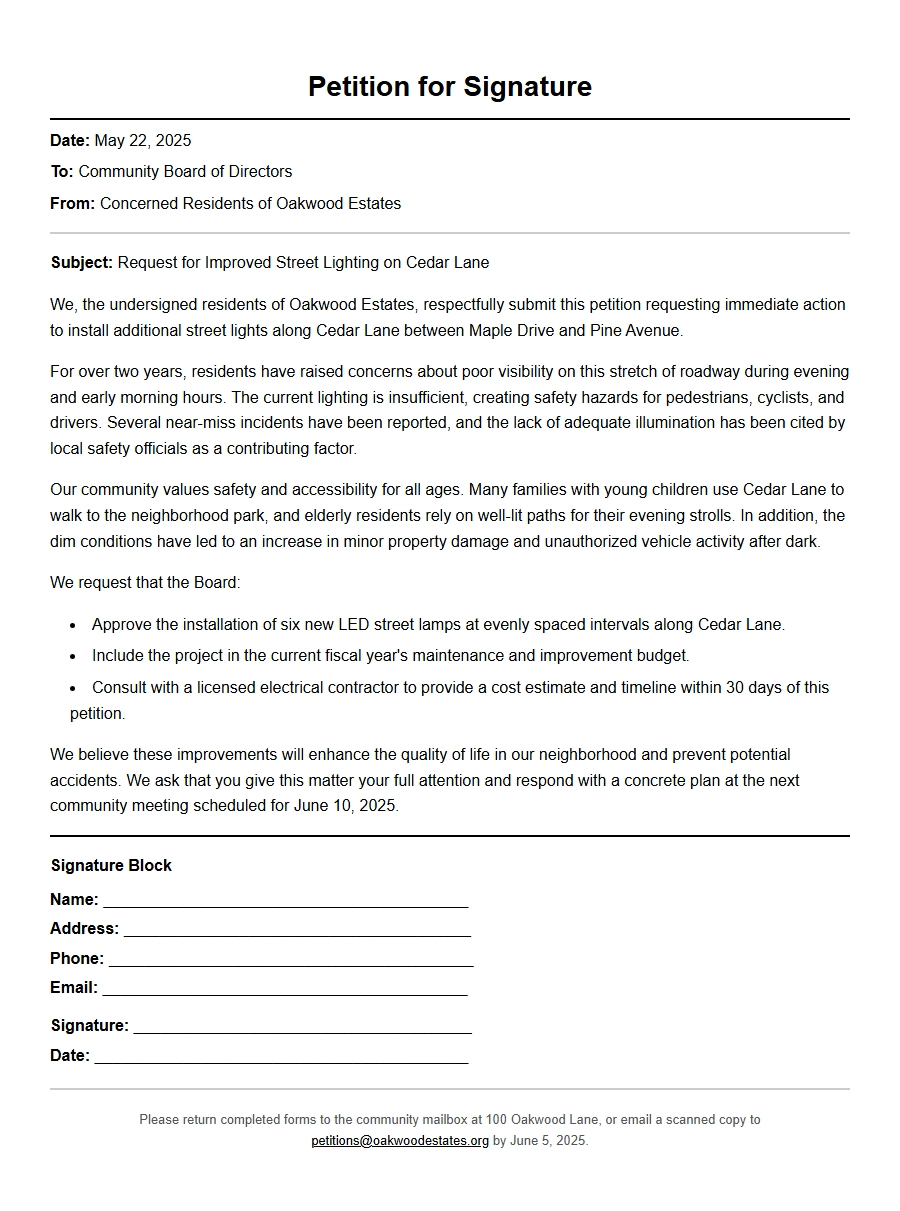
Request for Signatures on Community Petition
Neighborhood Street Lighting Petition
Dear Neighbors,
We are requesting your support for a community petition to improve street lighting along Elm Street and Oak Avenue. Insufficient lighting has raised safety concerns for pedestrians and drivers, especially during evening hours. Our goal is to collect 100 signatures from residents to present to the City Council.
Current lighting issues include:
Three broken street lamps on Elm Street.
No lighting on the corner of Oak Avenue and 2nd Street.
Overgrown tree branches blocking existing lights.
Please sign the petition by November 15, 2025. We will have a collection table at the community center every Saturday from 10 AM to 2 PM. If you cannot come in person, a digital version is available via the link below. Your signature matters!
For questions or to volunteer as a signature collector, contact Jane Doe at (555) 123-4567.
Thank you for making our neighborhood safer.
Sincerely, Jane Doe Petition Organizer
School Recess Time Extension Petition
Dear Parents and Guardians,
We are circulating a petition to extend recess time at Lincoln Elementary from 15 minutes to 25 minutes. Research shows that longer recess improves focus, social skills, and physical health. We need 200 signatures from parents to present to the school board.
Proposed schedule changes:
Morning recess: 10:00 AM – 10:25 AM
Afternoon recess: 2:00 PM – 2:25 PM
Signatures can be submitted at the school office during pick-up or drop-off hours. We will also have a table at the upcoming Fall Festival on October 12, 2025.
Please include your child’s name and your relationship (parent/guardian) when signing. The deadline is October 20, 2025.
Together we can give our children the break they deserve.
Best, Sarah Johnson PTA Member
HOA Pool Hours Change Petition
To: All Residents of Oakwood HOA
We are requesting signatures to change the community pool hours from 8 AM – 8 PM to 6 AM – 10 PM during summer months. Many residents who work late shifts or enjoy early morning swims find the current hours restrictive. The proposed change would accommodate working families and reduce overcrowding on weekends.
Current proposal details:
Day
Current Hours
Proposed Hours
Monday – Friday
8 AM – 8 PM
6 AM – 10 PM
Saturday – Sunday
9 AM – 7 PM
6 AM – 10 PM
We need at least 50 signatures (20% of households) by July 1, 2025. Signature sheets are available at the clubhouse front desk. Please provide your full name, unit number, and contact information.
For any questions, please contact the petition committee at poolhours@oakwoodhoa.com.
Thank you for your support.
Church Community Center Fund Petition
Dear Congregation of Grace Church,
We are launching a petition to request that the church board allocate funds from the reserve budget to build a new community center. The current fellowship hall is too small for our growing number of ministries, youth groups, and outreach programs.
The proposed center would include:
A multipurpose room for 150 people
A commercial kitchen
Two classrooms and a nursery
Accessible restrooms
We need 300 signatures from active members to be considered at the annual business meeting on January 19, 2026. Please sign the petition after service in the narthex or on the clipboard in the church office. Include your name, email, and how long you have been a member.
Together we can create a space that serves our community for decades to come.
In faith, Deacon Mark Rivera Community Center Committee
Sports Club Equipment Upgrade Petition
Dear Members of Hilltop Tennis & Swim Club,
We are gathering signatures to request a $15,000 budget allocation for new equipment before the summer season. Our current tennis nets are frayed, and the ball machine is malfunctioning. Swim lane lines and starting blocks also need replacement.
Proposed equipment list:
Item
Quantity
Estimated Cost
Tennis net set
4
$2,400
Ball machine (professional)
1
$1,800
Swim lane lines
8
$3,200
Starting blocks
6
$3,600
Miscellaneous repair materials
—
$4,000
Please sign the petition at the front desk by March 15, 2025. A minimum of 75 signatures is required to bring this request to the board meeting.
Thank you for supporting our facilities.
Best, Coach Lisa Tran Equipment Committee
Community Garden Protection Petition
Dear Friends of the Riverside Community Garden,
We need your signature to oppose the proposed development of a parking garage on our garden plot. This garden has served as a green space, food source, and educational site for over ten years. The city is reviewing the plan on April 22, 2025, and we must show strong community opposition.
Key points of our petition:
Preservation of all 50 existing plots
Continued free access for low-income families
Inclusion of the garden in the city’s green space master plan
We need 500 signatures from residents within a one-mile radius. You can sign at the garden gate every Saturday from 9 AM to 12 PM, or at the weekly farmers market on Thursdays. Alternatively, download the printable form from our website and drop it off at the library.
For more details, attend our town hall meeting on April 3, 2025 at the community center.
Thank you for nurturing our green heart.
With gratitude, The Riverside Garden Steering Committee
Apartment Pet Policy Change Petition
Dear Tenants of Maplewood Apartments,
We are collecting signatures to request management revise the current pet policy to allow dogs under 25 lbs. Currently, only cats and caged animals are permitted. Many residents would like to own a small dog for companionship, and nearby buildings with similar policies have had no issues.
Our proposal:
Dogs up to 25 lbs, limit one per unit
Non-refundable pet deposit of $200
Annual pet fee of $50 (subject to board approval)
Owners must comply with leash and waste disposal rules
We aim to gather 60 signatures (25% of occupied units) by February 28, 2026. Signature sheets are affixed to the bulletin board in the lobby and also available from building manager Maria. Please include your unit number and signature.
Let’s make Maplewood a more pet-friendly home.
Best, David Chen & Amanda Lee Pet Policy Committee
Library Extended Hours Petition
Dear Patrons of the Westside Public Library,
We are petitioning the county library board to extend weekday hours until 9:00 PM (currently 6:00 PM) and to open Sundays from 12:00 PM – 5:00 PM. Our library is the only one in the district that closes early and remains closed on Sundays, limiting access for students, workers, and families.
Anticipated benefits:
Increased after-school study space for teens
Evening hours for working adults
Weekend storytime sessions for children
We need 400 signatures from library cardholders to submit with the proposal. Sign-up sheets are at the circulation desk and at the Friends of the Library booth during the annual book sale on May 10, 2025.
For more information, please attend our informational meeting on April 20, 2025 at 6:30 PM in the community room.
Thank you for supporting your library.
Sincerely, Maya Patel Library Advocacy Group
Block Party Permit Petition
Dear Residents of Pine Street,
We are requesting your signature for a block party permit to close Pine Street between 1st and 2nd Avenue on Saturday, August 16, 2025, from 3:00 PM to 10:00 PM. The event will include music, food trucks, games, and a neighborhood potluck. City regulations require signed approval from 75% of affected households to close the street.
Households affected (numbers 10-42 Pine Street):
Please sign one form per household (address, phone, and signature)
Deadline: June 30, 2025
Forms available at No. 24 Pine Street or online
We already have 60% support. We need only ten more signatures! If we succeed, no one will have to move their car that day— special parking arrangements will be made nearby.
Let’s make this summer memorable! For questions, call Tom at (555) 987-6543.
Your neighbor, Tom Henderson
Community Clean-Up City Support Petition
Dear Residents of Crestview District,
We are collecting signatures to request that the City Council provide funding and resources for a district-wide community clean-up event. Litter, illegal dumping, and overgrown vacant lots have become major concerns. A one-day clean-up will require $5,000 for equipment rental, disposal fees, and refreshments for volunteers.
Proposed plan:
Date: Saturday, June 7, 2025 (rain date June 14)
Volunteers: target 150 participants
City support: garbage trucks, gloves, bags, and traffic cones
We need 250 signatures from Crestview residents to show community demand. Petition sheets are available at the Crestview Community Center, the library, and from block captains. Please provide your name, address, and contact info.
Let’s take pride in our neighborhood! Join us for a planning meeting on May 5, 2025 at 7 PM at the community center.
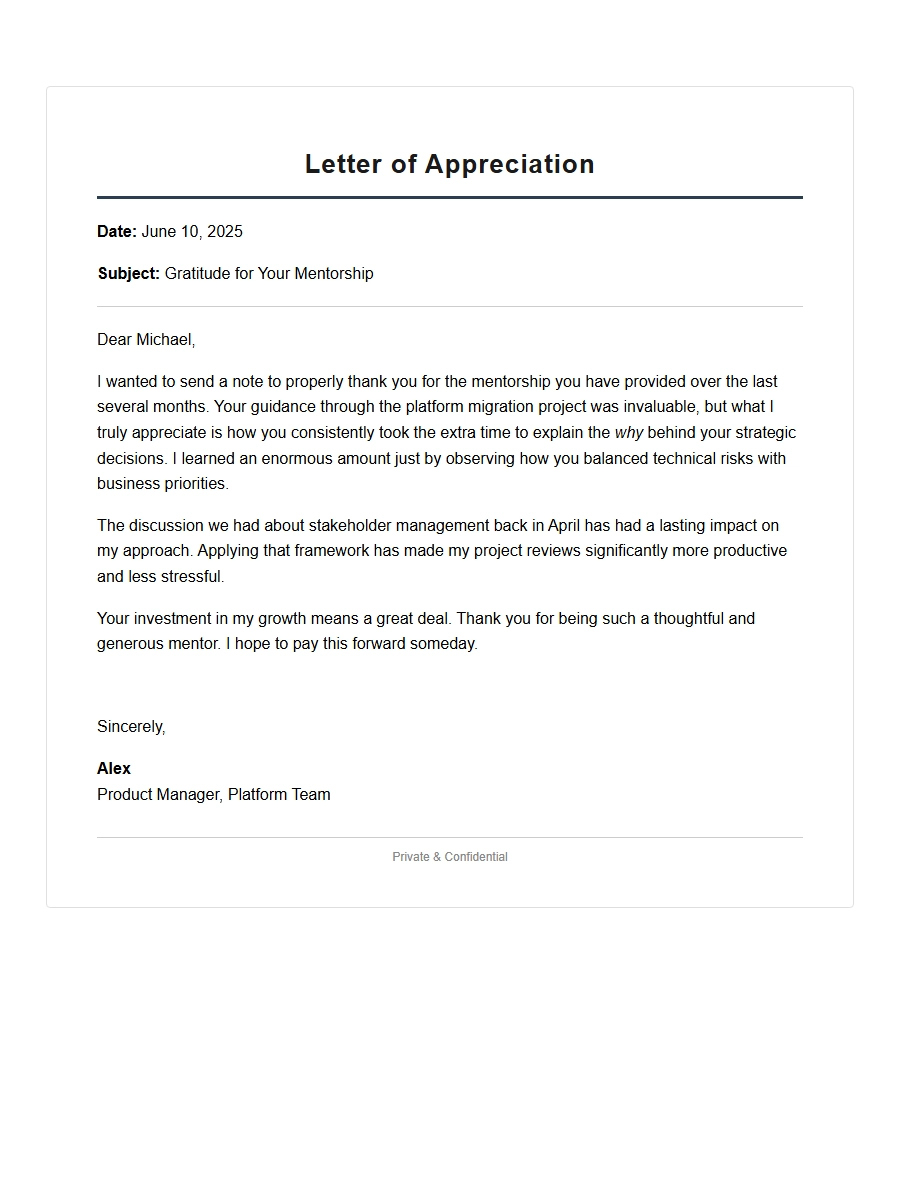 Thanking a Mentor for Guidance: Sample Messages
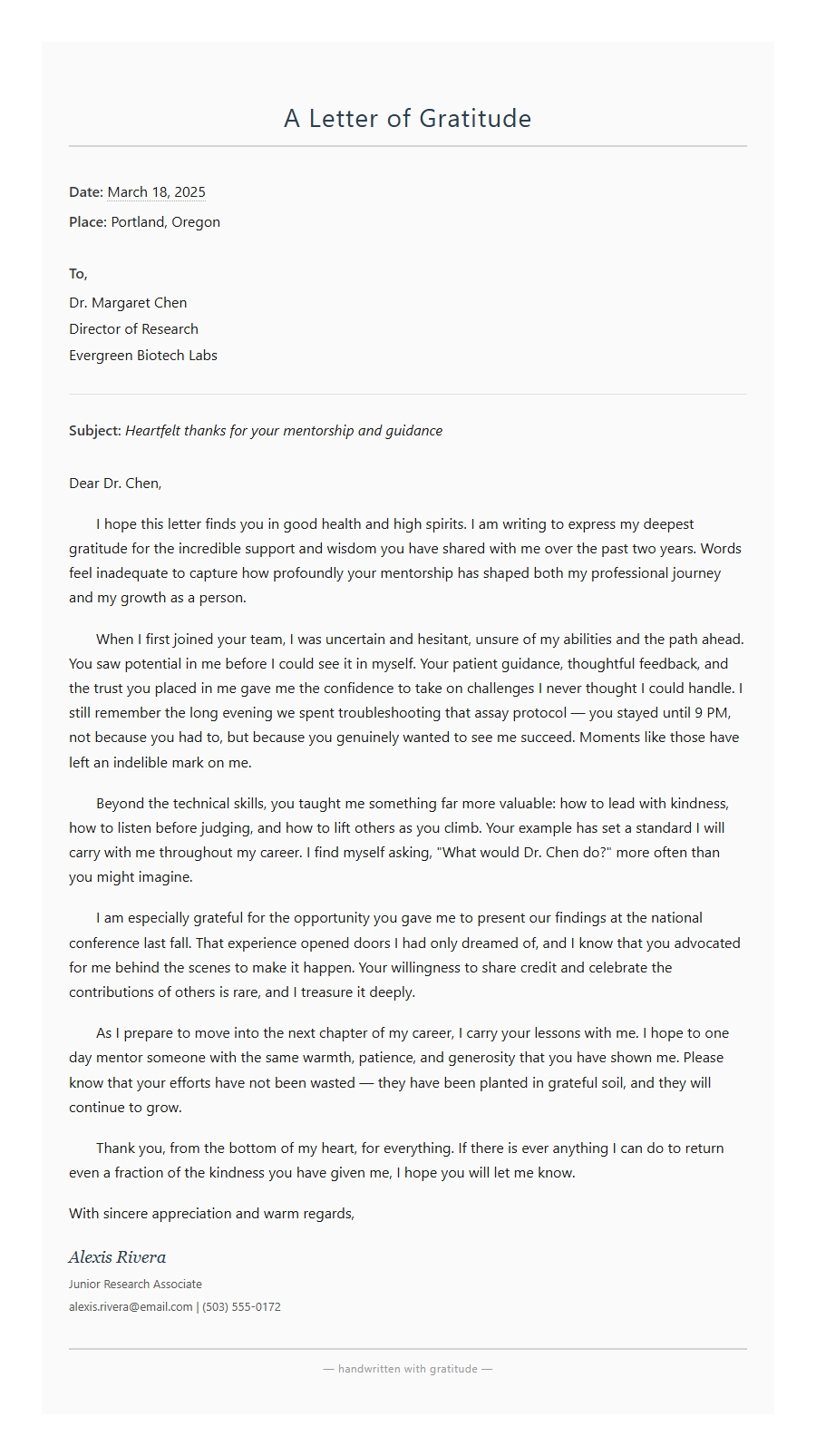 Expressing Gratitude: Handwritten Letter Example
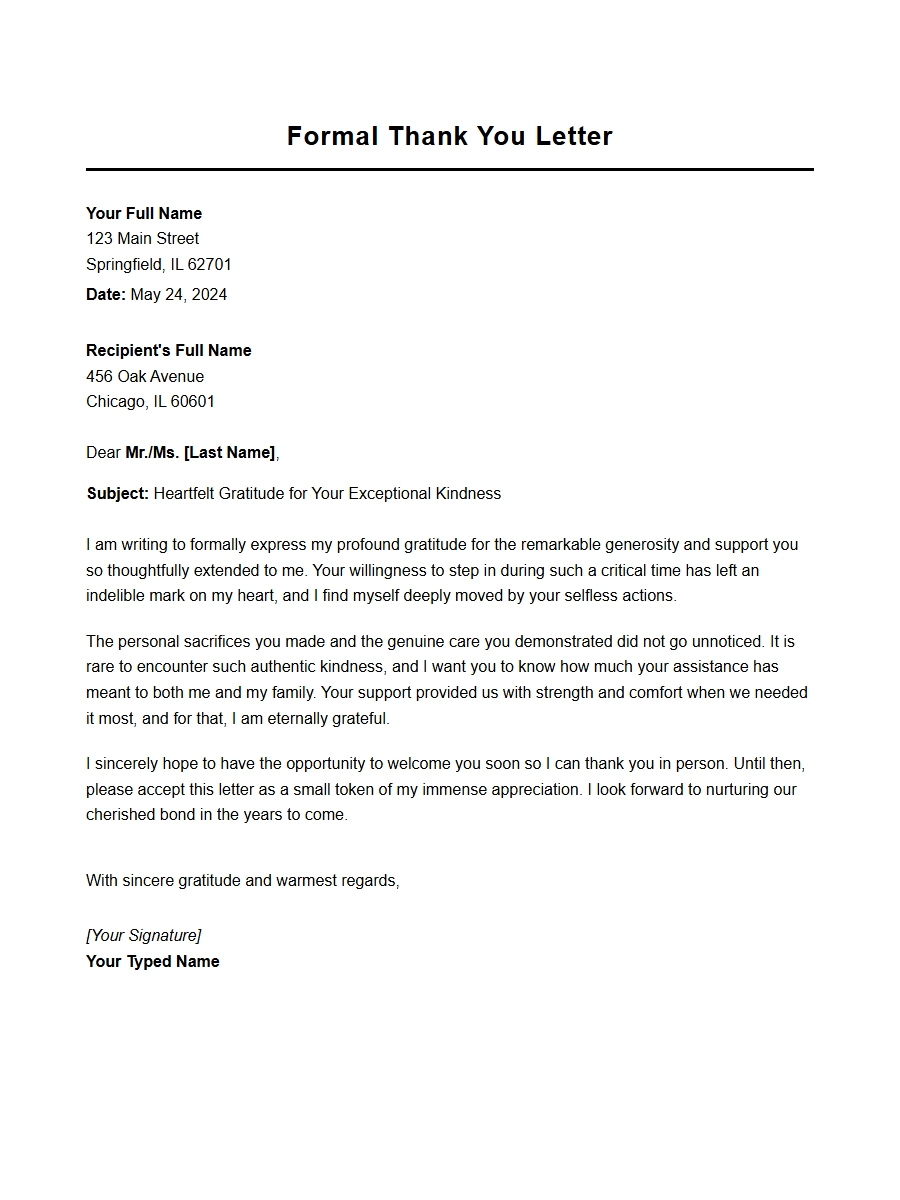 Expressing Thanks in a Formal Personal Letter
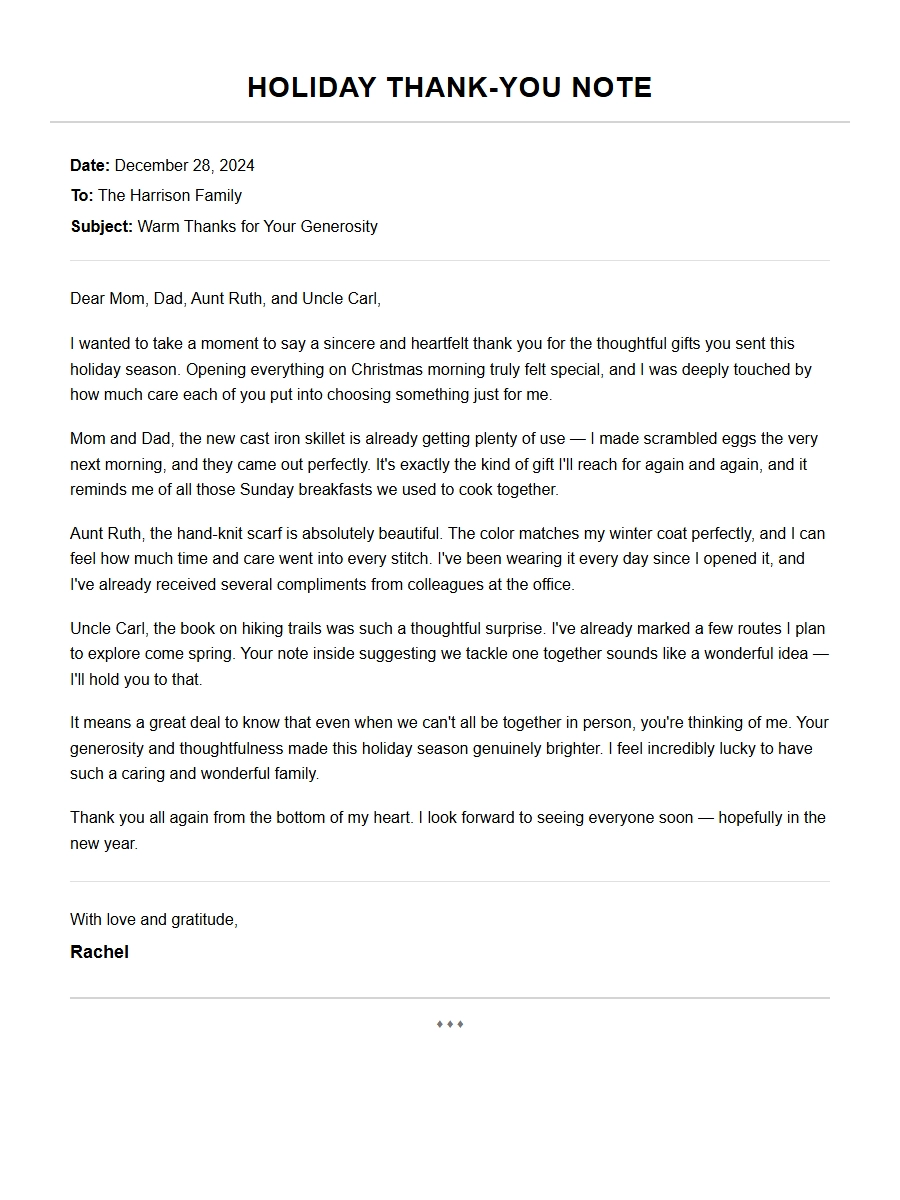 Thank You Letter Examples for Family Holiday Gifts
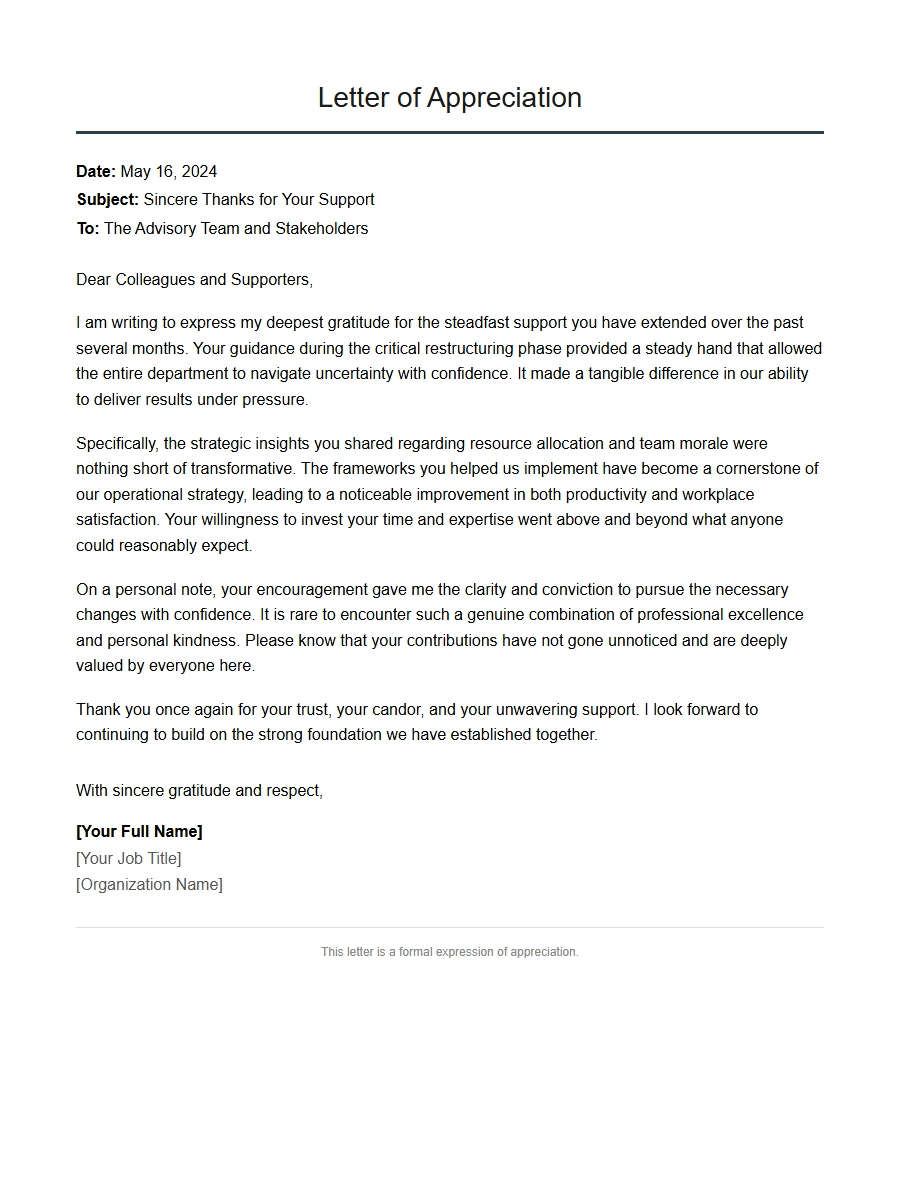 Sample Thank You Letter for Support
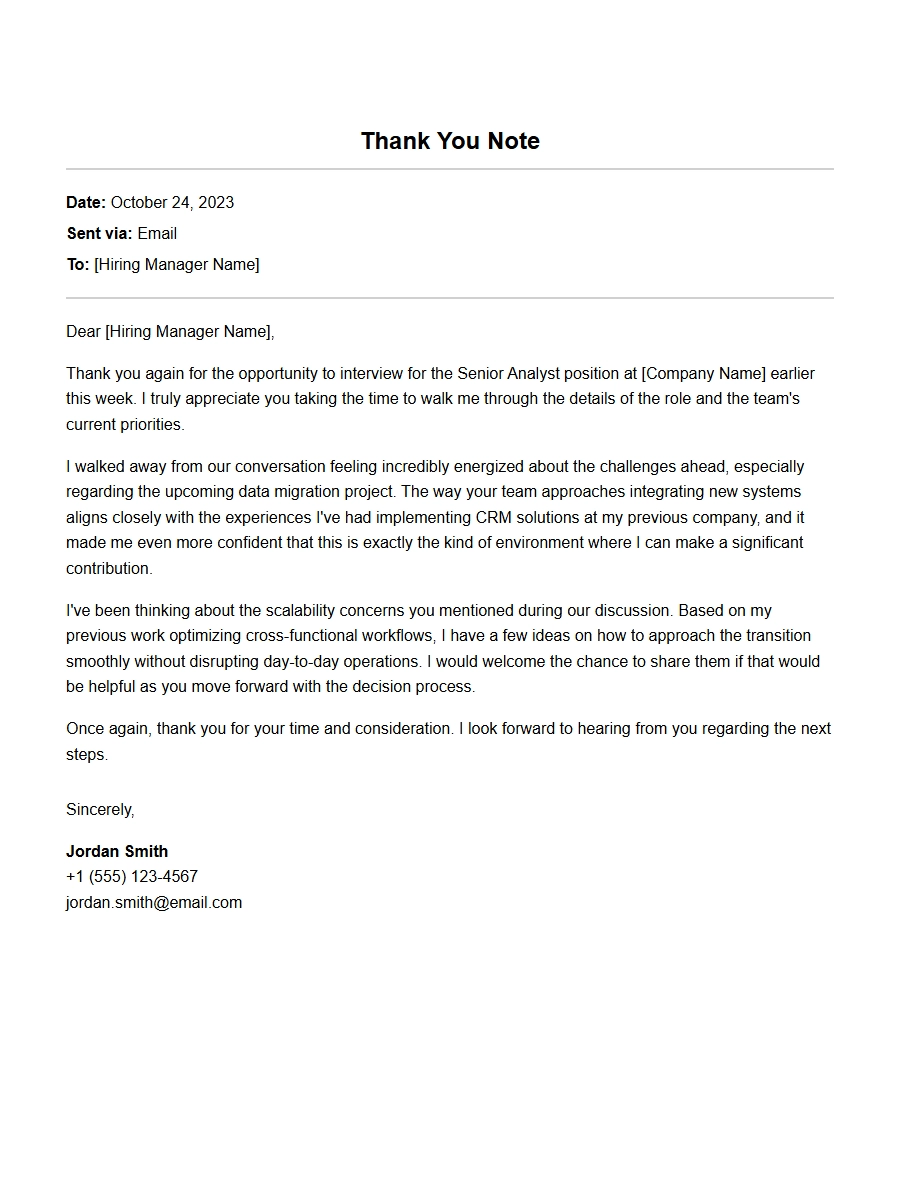 How to Write a Personal Thank-You Note After an Interview