You open the email or envelope. The word "denied" catches your eye. Your stomach drops. But before you close the tab or toss the letter, ask yourself: do you need to reply? Many students skip this step, but a thoughtful response can leave a positive impression for future opportunities. The trouble is, you might not know what to say. That's where a good sample comes in.
Using a letter template isn't lazy. It's efficient. Samples give you a proven structure, a professional tone, and the right phrases to acknowledge the decision without groveling or sounding bitter. You still personalize it, but you start with a skeleton that works. That blank page stops being a wall and becomes a quick edit session.
Category: Scholarship Correspondence
What should you actually write?
First, decide the purpose of your letter. Are you thanking the committee for their time? Asking for feedback? Requesting reconsideration if new information arises? Each goal requires a different emphasis. A thank-you note should be brief and sincere. A feedback request needs a polite, curious tone. Reconsideration letters must be factual and respectful. A good letter template will already match one of these intents.
Once you choose a sample that matches your intent, adapt it. Replace placeholder details with your specifics: your name, the scholarship name, the date. But keep the sentence flow. For instance, the opening should say something like, "Thank you for informing me of your decision regarding my application for the XYZ Scholarship." This is direct, polite, and professional. No fluff. No complaining.
Common mistakes that hurt your letter
Forgetting to update the salutation is a big one. "To Whom It May Concern" feels outdated if you know the committee chair's name. Also, ignore the format difference between email and printed letter at your own risk. Email needs a clear subject line and no letterhead design unless it's a PDF attachment. For printed letters, use standard business letter format with your address, date, and proper closing. Mixing the two looks sloppy.
Tone is crucial. You don't want to sound entitled or angry. Even if you're disappointed, keep it measured. A phrase like "I appreciate your careful review" shows grace. Avoid over-explaining why you deserved the scholarship. Instead, express gratitude and leave the door open. Professional correspondence often includes a proper salutation and closing. Use "Sincerely" or "Respectfully" – not "Best" for a formal letter. Proofreading your letter is essential; one typo can undermine your effort. If you're unsure about letter writing etiquette, review a few cover letter examples to see how others handle similar situations.
When an apology fits into scholarship denial correspondence
Sometimes your denial letter needs to include an apology. Maybe you made an error in your application, or the committee's decision was affected by a miscommunication. In that case, the same structure used in professional apology letters applies. For example, the tone and format from our inheritance distribution query apology letters can help you craft a sincere apology without overdoing it. Similarly, if the situation involves a personal mistake, the approach in a note for friend stealing item apology letters shows how to take responsibility without blame.
Remember, a letter sample is a starting point, not a fixed script. Your genuine voice matters. Swap out formal phrases that feel unnatural. Add a sentence that reflects your specific situation. With practice, writing these letters becomes quicker and more natural. Use the template to overcome the blank page, then make it yours. Next time, you might not even need the sample – but it's good to know it's there.
Everyday Writing Examples
Apology Letter for Scholarship Denial
Undergraduate General Scholarship Denial
Dear [Applicant Name],
Thank you for applying for the University Excellence Scholarship. We deeply regret to inform you that your application has not been successful. The selection committee reviewed a record number of highly qualified candidates this year, and after careful deliberation, we were unable to offer you an award.
We apologize sincerely for this disappointing outcome. Please understand that this decision does not reflect on your strong academic record or potential. We encourage you to consider applying for other scholarships in future cycles. For now, you may also explore financial aid options available to all admitted students.
If you have any questions or would like feedback on your application, please contact our scholarship office at scholarships@university.edu.
With regret and hope, Scholarship Committee University of Excellence
Named Merit Scholarship Denial – High Competition
Dear [Applicant Name],
We appreciate your interest in the [Founder's Merit Scholarship]. After careful evaluation, we must inform you that your application was not selected. The pool of applicants was exceptionally strong, and many candidates had near-perfect scores and extensive extracurricular achievements.
We apologize that we could not offer you this prestigious award. Your academic record is commendable, and we have no doubt you will thrive at our university. As an alternative, you have been automatically considered for a smaller departmental scholarship.
We understand this decision is disappointing, and we share your disappointment. If you wish to speak with a financial aid advisor, please schedule an appointment via our portal.
Sincerely, Scholarship Board University of Excellence
Need-Based Scholarship Denial – Income Criteria Not Met
Dear [Applicant Name],
Thank you for applying for the [Access Grant Scholarship]. After reviewing your financial information, we regret to inform you that your family's income does not fall within the eligibility range for this award, per federal guidelines.
We apologize for any inconvenience this may cause. We know financial need can be challenging, and we want to help. Please see the table below outlining other aid options you may still qualify for:
Aid Type
Description
Eligibility
Federal Pell Grant
Need-based grant
Based on EFC
State Tuition Grant
State-funded
In-state residents
University Work-Study
Part-time campus job
All admitted
We recommend filing the FAFSA to be considered for the above. Our financial aid office is ready to assist you.
With apologies and support, Financial Aid Office University of Excellence
Graduate Research Scholarship Denial – Limited Funding
Dear [Applicant Name],
We have carefully reviewed your application for the [Graduate Research Excellence Scholarship] in the Department of [Department Name]. Unfortunately, we are unable to offer you this award due to a very limited number of funded positions this academic year.
We extend our sincere apologies for this outcome. Your research proposal was innovative, and your academic background is strong. The selection committee noted that only three awards were available out of over eighty applicants.
We encourage you to explore other funding sources, such as:
Teaching Assistantships – contact your department directly
External fellowships (NSF, Ford, etc.)
Graduate assistantships in other departments
We hope this does not deter you from joining our program. Please reach out to our graduate coordinator for guidance.
Regretfully, Graduate Scholarship Committee University of Excellence
International Student Scholarship Denial
Dear [Applicant Name],
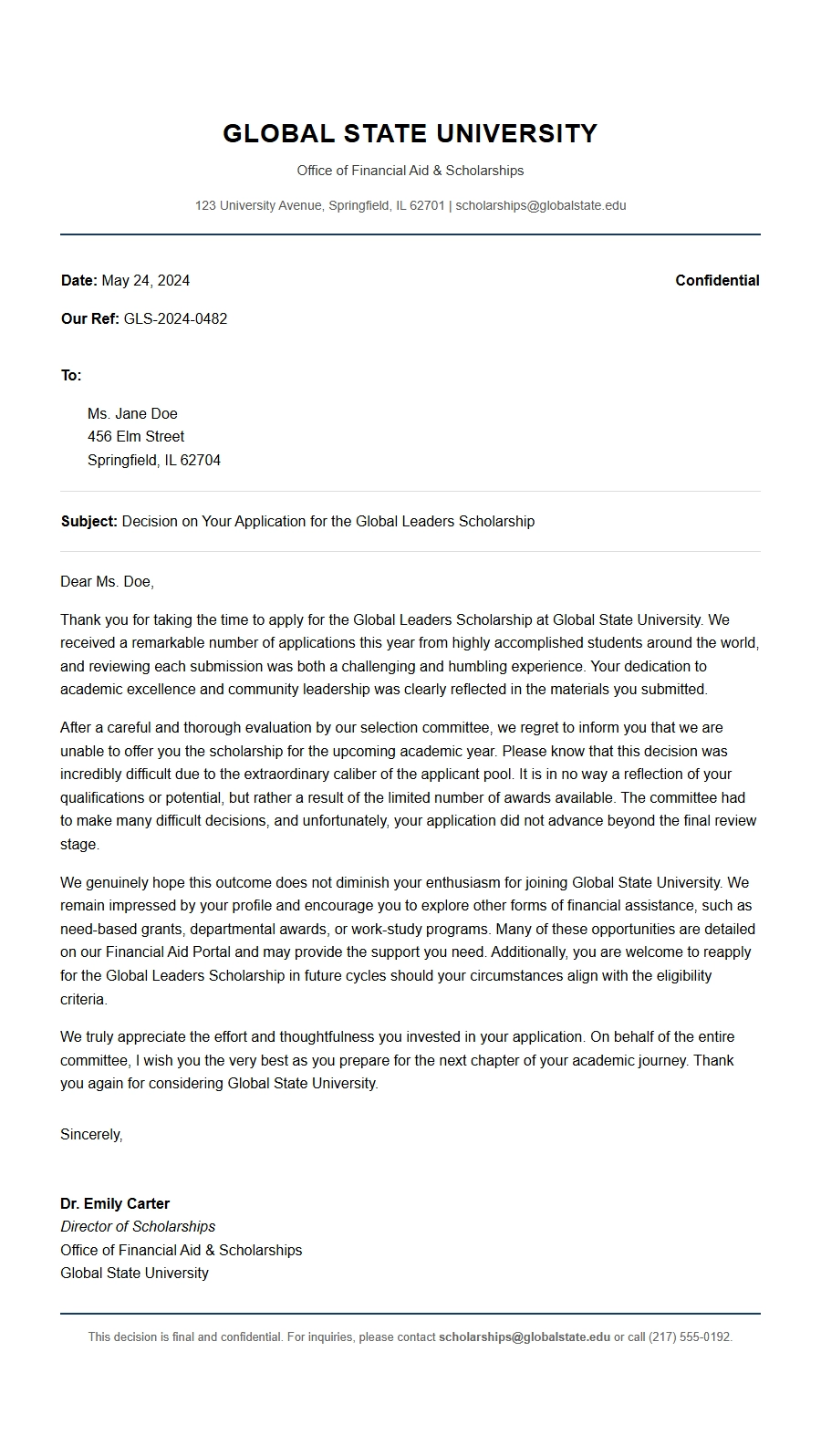
Thank you for your interest in the [Global Leaders Scholarship]. Due to the extremely high number of qualified international applicants, we regret to inform you that your application was not selected.
We apologize that we cannot offer this scholarship at this time. International scholarships are limited, and the committee had to make difficult choices. Your academic achievements and global perspective are impressive.
As an alternative, you may be eligible for:
Partial tuition waivers based on academic merit
On-campus employment opportunities
Private international student loans
We value the diversity you would bring to campus and hope you will still consider enrolling. For more information, please contact international@university.edu.
With sympathy and encouragement, Office of International Programs University of Excellence
We appreciate your athletic talent and your application for the [Varsity Athletic Scholarship]. After evaluating your sports performance and academic record, the athletic committee has decided not to extend this award. We apologize for this disappointing news.
Please know that this decision is not a reflection of your ability as a student-athlete. The competition for athletic scholarships was intense, and the coaching staff had limited roster spots. However, we strongly believe in your academic potential and welcome you to join our university as a student, where you can try out as a walk-on.
You may also qualify for academic merit scholarships. Our financial aid team can review your options.
We regret any discouragement this may cause and remain supportive of your journey.
Best regards, Athletic Scholarship Committee University of Excellence
Thank you for applying for the [Department of Biology Achievement Scholarship]. We regret to inform you that your application did not meet the department's minimum GPA requirement of 3.75 for this award. Your GPA of 3.5 fell slightly below the threshold.
We apologize sincerely for this outcome. We understand that a single number does not capture your dedication and passion for biology. The policy is set annually by the faculty.
We encourage you to reapply next semester after raising your GPA, or to apply for other departmental awards with different criteria:
Award
GPA Requirement
Deadline
Biology Service Award
3.0
November 1
Undergraduate Research Grant
3.2
Rolling
Please visit the department website for details.
With regret and continued support, Department Scholarship Committee University of Excellence
Renewable Scholarship Denial – Admission Granted
Dear [Applicant Name],
Congratulations on your admission to the University of Excellence! We are pleased to offer you a place in our incoming class. However, we must inform you that your application for the [President's Renewable Scholarship] was not successful. We apologize for this mixed news.
The scholarship committee noted your strong profile but had to select only a handful of recipients. This decision does not affect your admission status. You are still welcomed as a full-time student.
Although this scholarship is non-renewable for you, you may qualify for other aid:
Freshman Merit Grant (one-time, need-blind)
Institutional need-based grants
Federal loans and work-study
We regret that we cannot offer you the renewable award, but we remain committed to supporting your education financially as possible.
Sincerely, Scholarship Office University of Excellence
STEM Program Scholarship Denial – Redirect to General Aid
Dear [Applicant Name],
Thank you for applying for the [STEM Women in Science Scholarship]. After a thorough review, we regret to inform you that you were not selected. We apologize for this disappointment.
This award is highly competitive, with a focus on both academic excellence and demonstrated leadership in STEM outreach. While your application was strong, the committee awarded the scholarship to candidates with more extensive community involvement in science education.
We encourage you to apply for the university's general scholarship fund, which does not have the same specific criteria. All admitted STEM students are automatically considered for:
Dean's STEM Grant
Engineering Achievement Award
Science Dean's List Scholarship
You may also contact the STEM Career Center for external funding resources.
We apologize again and hope you will still pursue your studies with us.
Best wishes, STEM Scholarship Committee University of Excellence
Full-Ride Scholarship Denial – Partial Aid Offer
Dear [Applicant Name],
Thank you for your application for the [Chancellor's Full Ride Scholarship]. We deeply regret to inform you that you were not chosen as a recipient. The selection was extremely difficult, and we apologize for this outcome.
Your application was among the top ten finalists, but only two full-ride awards were available. However, in recognition of your outstanding achievements, we would like to offer you a partial scholarship valued at $10,000 per year for four years.
Scholarship
Annual Amount
Duration
Chancellor's Full Ride (denied)
Full tuition + room/board
4 years
Trustee Merit Scholarship (offered)
$10,000
4 years
We hope this partial aid helps ease the financial burden. Please accept or decline this offer by May 1st through your applicant portal.
We apologize again that we could not give you the full award, but we are excited about your future at our university.
Sincerely, Scholarship Committee University of Excellence
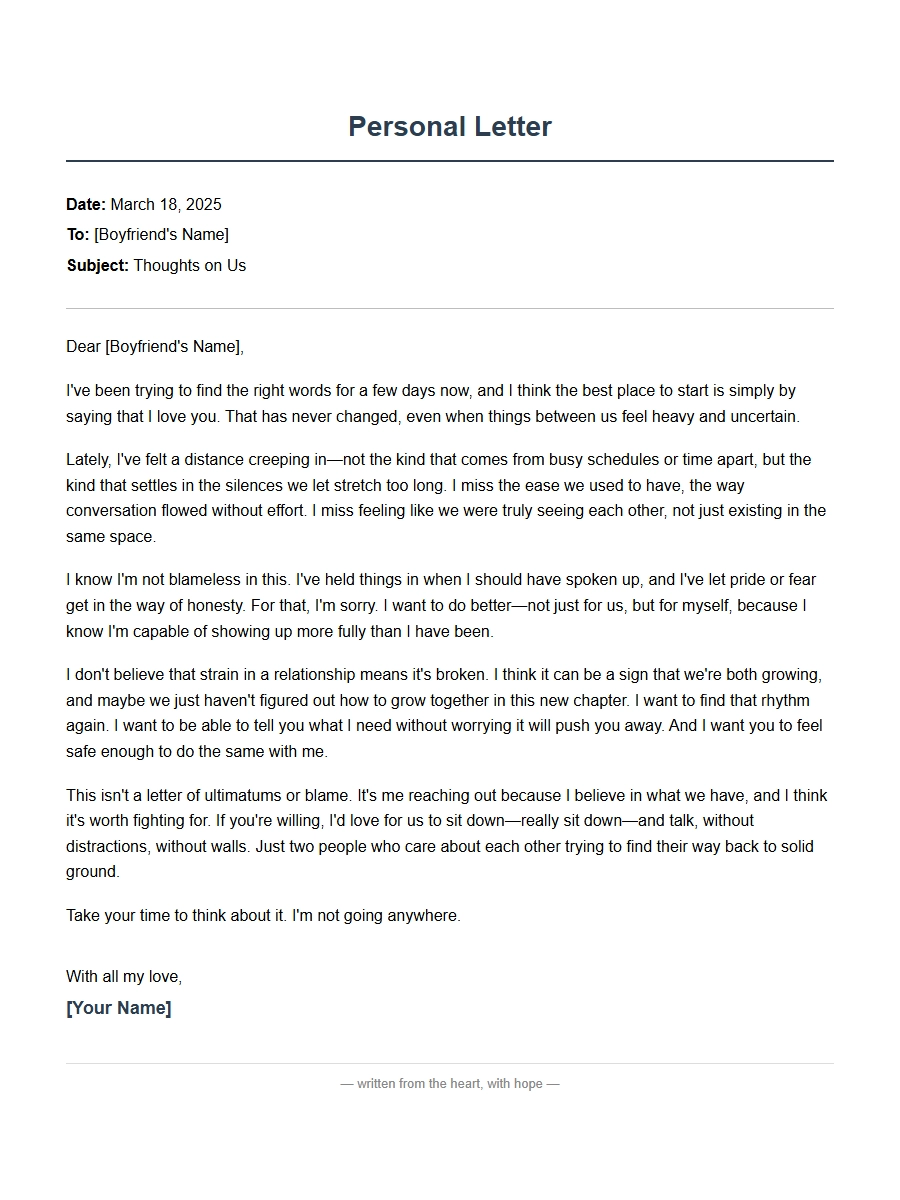 Personal Apology Letter for Boyfriend Relationship Strain
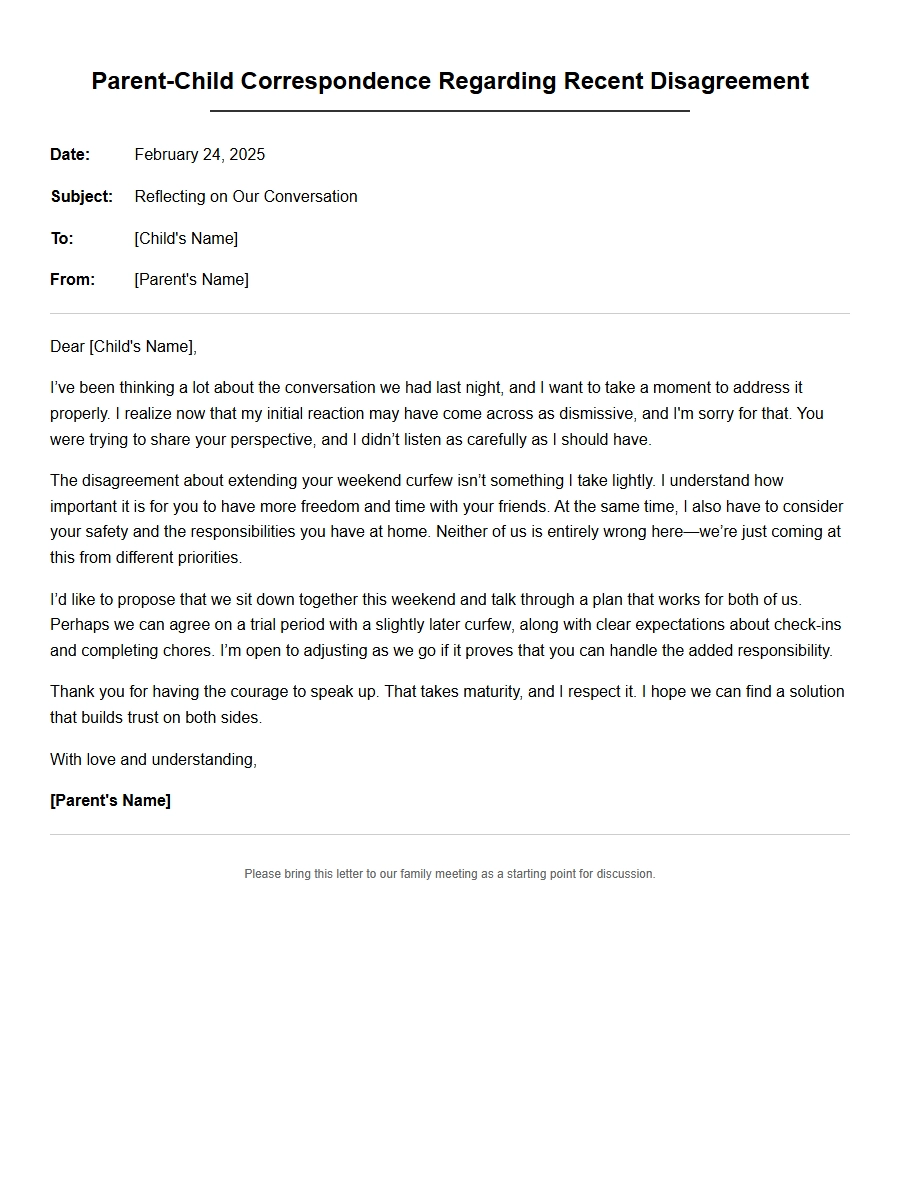 Apology Correspondence for Parent-Child Disagreements
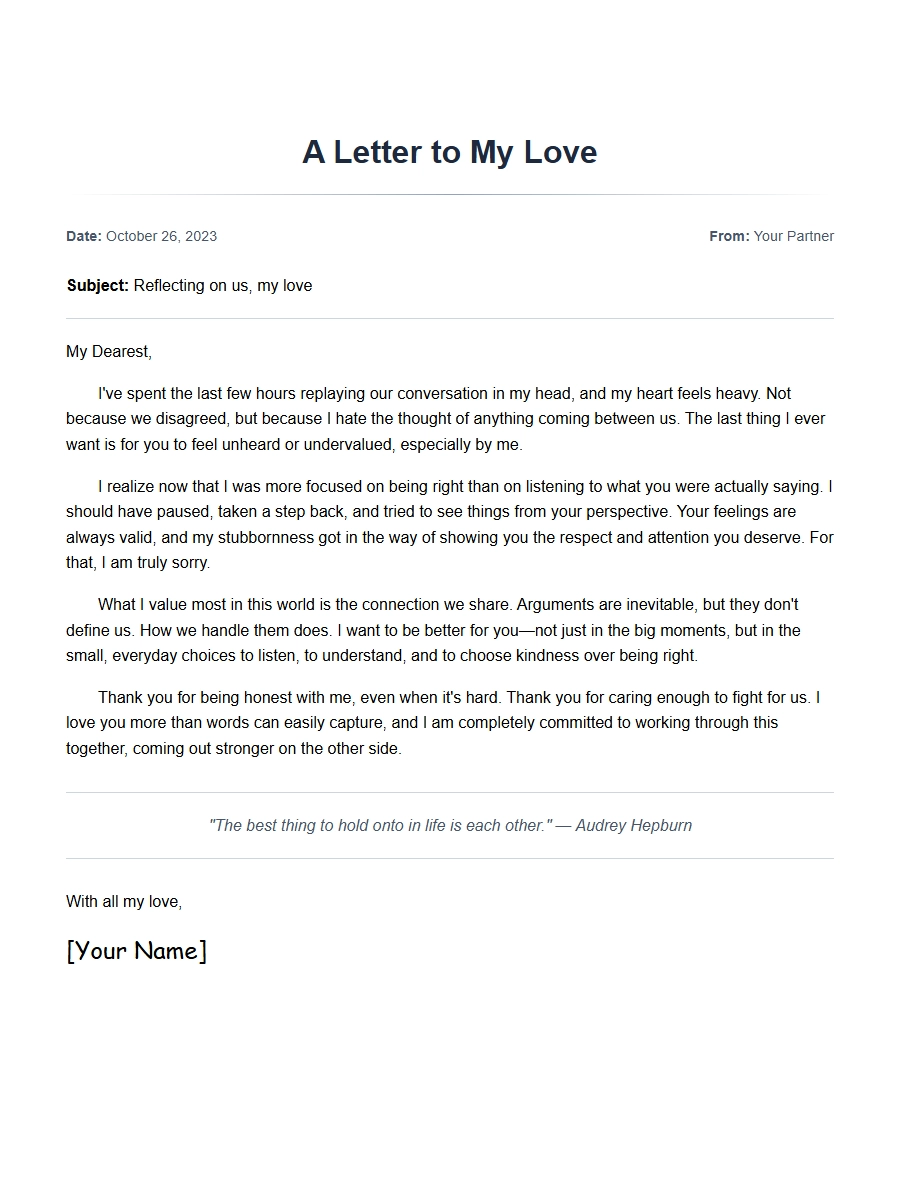 Apology Message for Girlfriend After Argument
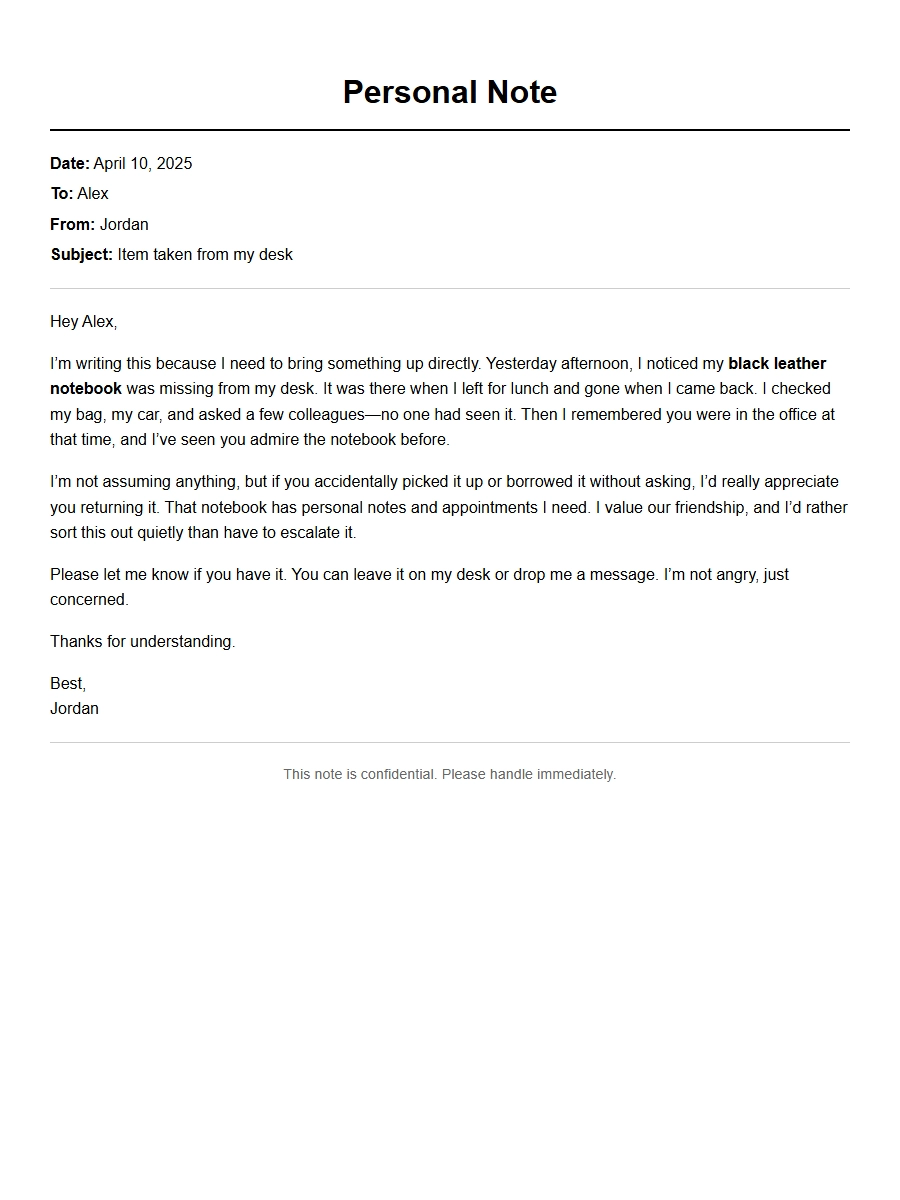 note for friend stealing item - Apology Letters
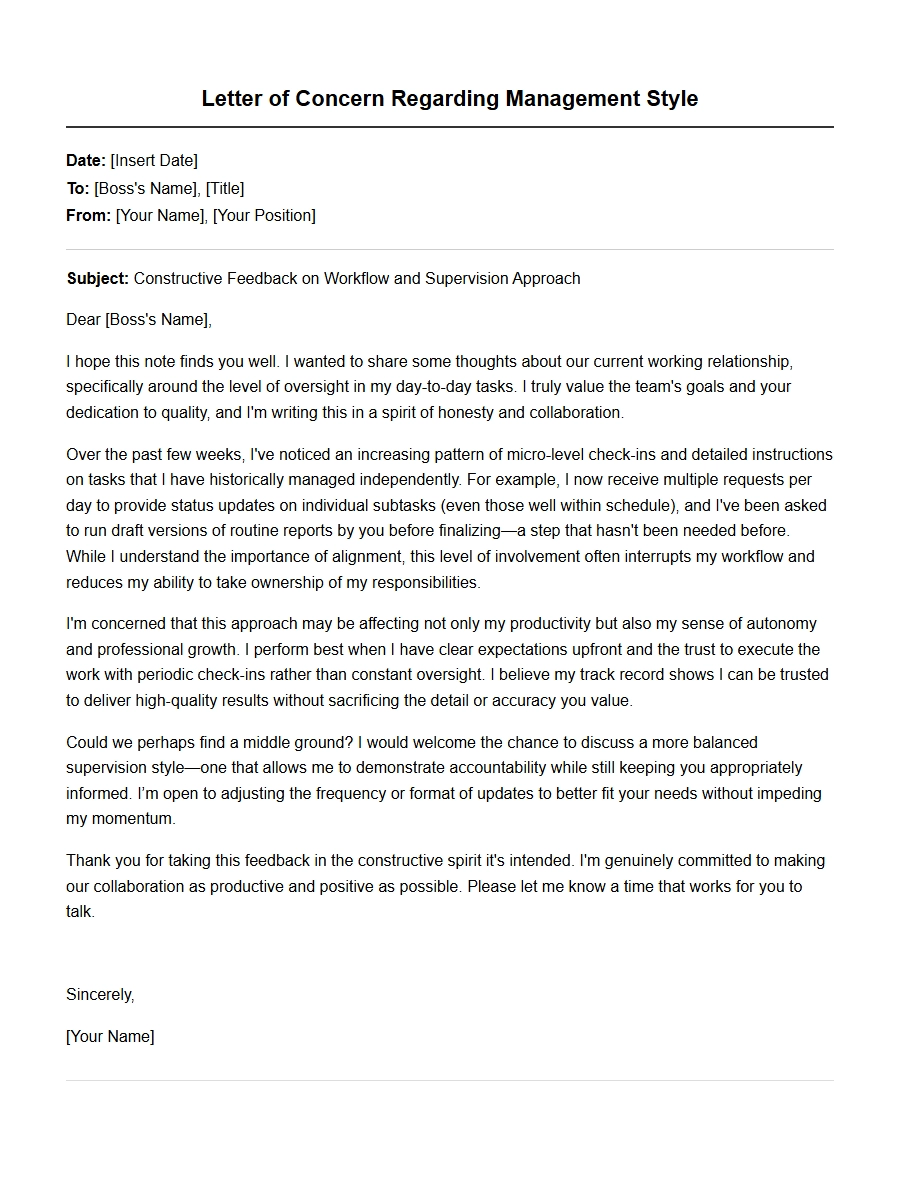 Apology to Boss for Micromanagement Complaint
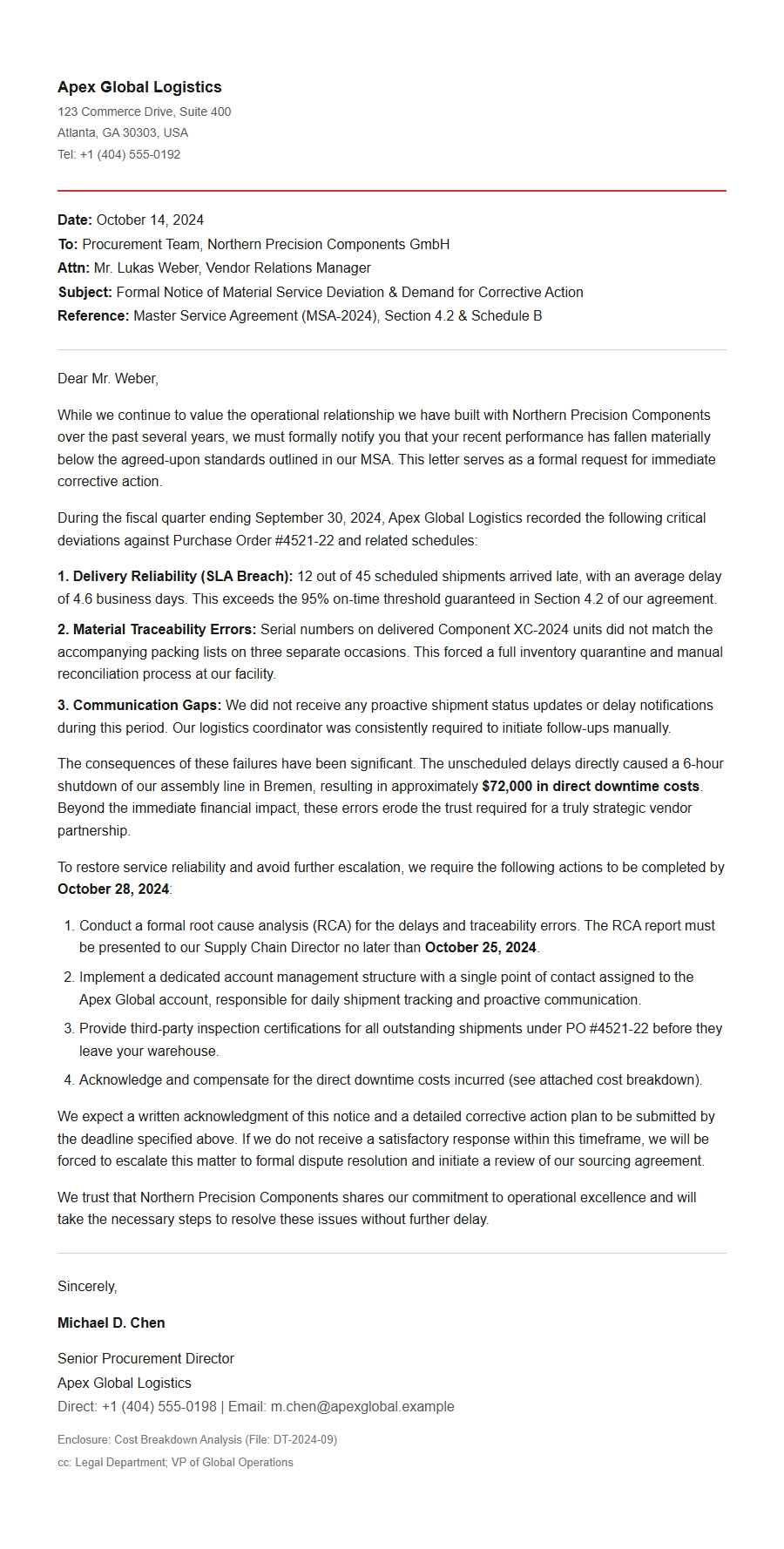 Apology Document for Vendor Supply Chain Issue