You’re planning a home gathering, and the guest list is ready. But you realize you need people to tell you if they’re coming. Suddenly, a simple note feels like a high-stakes negotiation. Will it sound demanding? Too formal? Too casual? You just want a clear headcount without hurting feelings or sounding like a robot. A solid note to request an RSVP can solve this without the stress.
Why a Sample Note Helps (It’s Not Cheating)
Using a letter template for your RSVP request isn’t lazy. It’s smart. A good sample handles the structure, the salutation, and the closing. It gives you a professional tone to start from. You get to focus on what matters—the warmth of your invitation and the clear request. Formal writing tips from a sample can guide you to include key details like date, time, and a deadline. You take the framework and make it your own. Think of it as a shortcut, not a crutch.
How to Request an RSVP for a Home Gathering Without Awkwardness
Start by deciding the vibe. Is it a casual backyard barbecue or a more formal dinner party? Your note’s tone should match. For a relaxed event, use friendly language: “Please let me know if you can make it by next Friday. No worries if not!” For something like a milestone birthday or holiday dinner, you might lean slightly more formal. Letter writing etiquette suggests matching the formality of the event. If you’re inviting a mix of family and friends, aim for warm but clear.
Second, make the request obvious. Don’t bury it in small talk. Place the RSVP line near the end of the note, after the event details. Use direct phrases like “Kindly RSVP by [date]” or “I’d appreciate your response by [date] so I can finalize arrangements.” This keeps your professional correspondence effective even in a personal setting. A simple sentence is better than a paragraph of hints.
Tailor Your Opening to Grab Attention
The first line sets the tone. For a home gathering, you can open with specific warmth: “We’re so excited to host everyone for a casual evening on Saturday, March 15th.” This is more inviting than a generic “You are invited.” It also starts building the personal connection. In digital letter format, a friendly subject line matters too. Try “Quick RSVP Request: Dinner at Our Place on the 15th.” That makes it easy for guests to find and respond.
Adapt the Sample Without Losing Your Voice
Take a customizable letter sample and swap its details for yours. But keep your natural phrasing. If you usually write “Thanks a ton!” in texts, use something similar in your note. Just add a frame of politeness: “Thanks a ton for letting me know—it helps with my shopping list!” The sample gives the letter structure; your words give it life. Common mistakes come from copying a sample exactly without adjusting the tone. An overly stiff note can feel cold for a home gathering. Similarly, a note that’s too casual might miss key details like the time or address.
Avoid These RSVP Request Mistakes
One error is using an outdated salutation and closing for your audience. “Dear Sir or Madam” doesn’t work for a friend. Try their name or a group greeting. Another is ignoring formatting. For an email, keep it short—people read quickly. For a printed note or card, you have more flexibility, but keep the request clear. Proofreading letter drafts is crucial. A typo in the date or time can throw off your whole plan. Read it aloud to check the flow. Also, don’t forget to provide an easy way to respond—reply email, text, or a simple call.
For a more formal occasion, you might also use letterhead design or a simple card. But for a home gathering, a handwritten note or a warm email works beautifully. Business letter format is usually overkill unless you’re inviting a professional group to your home. Stick to what feels natural for your relationship.
Practical Example: A Simple RSVP Request Note
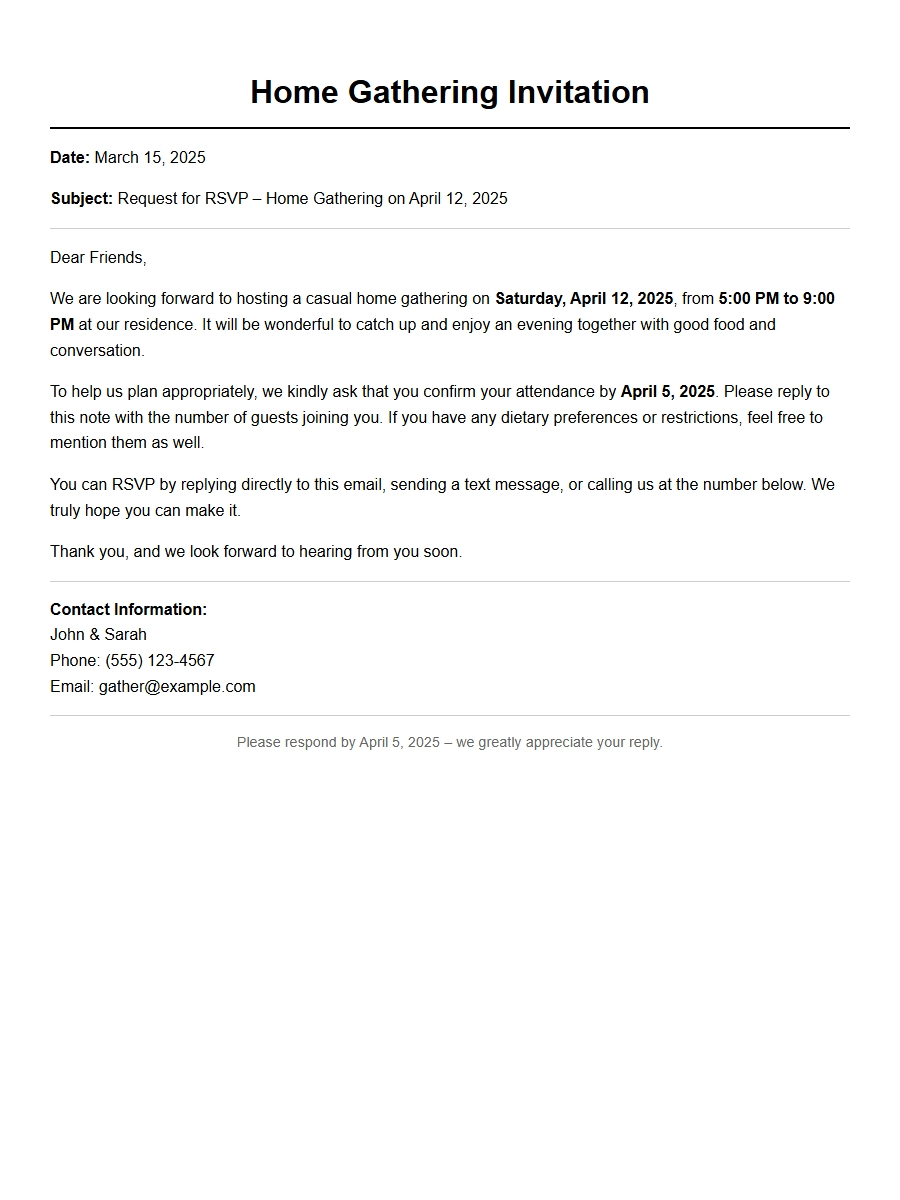
Here’s a short example you can adapt. Change the details and tone as needed:
Hi everyone,
We’re hosting a small get-together at our place on Saturday, March 15th, starting at 6 PM. We’d love to see you. Please let us know if you can come by March 10th so we can get the right amount of food. No pressure if you can’t make it. Just shoot me a text or reply to this email.
Thanks so much, [Your Name]
This keeps the tone in writing friendly and clear. It uses direct language without demanding a response. The deadline is there, but not pushy. That balance works well for most home gatherings.
Use Your RSVP Request as a Springboard
The sample you pick is just the start. After you send your note, think ahead. A quick follow-up a few days before the deadline can help. A simple “Just a gentle reminder about Saturday—hope you can make it!” keeps things open. The better your note, the easier the response. Over time, writing these requests becomes second nature. You’ll learn what phrasing gets the best results. The goal is communication that feels both professional and personal. A well-crafted RSVP request helps you plan effectively and makes your guests feel valued. That’s the real win.
Helpful Examples
Friendly Reminder: Please RSVP for Our Gathering
Friendly Dinner Party RSVP Request
You're Invited!
We are hosting a small dinner party at our home on Saturday, March 25th. Please join us at 7:00 PM for an evening of good food and great company. Our address is 123 Maple Lane, Springfield.
We would love to know if you can make it. Kindly respond by Monday, March 20th. You can reply to this email or text me at (555) 123-4567.
To help us plan, please let me know if you have any dietary restrictions or allergies. Here’s a sneak peek of the menu:
Appetizer: Bruschetta with tomato and basil
Main: Herb-roasted chicken with seasonal vegetables
Dessert: Dark chocolate mousse
We hope you can join us!
Casual Weekend BBQ Invitation with RSVP
Come for a BBQ!
We’re firing up the grill this Sunday, June 18th, starting at 1:00 PM. Bring your appetite and a lawn chair if you can. Location: 456 Oak Avenue, Riverside.
Please let us know if you’re coming by Friday, June 16th so we have enough burgers and buns. You can RSVP via text (555-987-6543) or just drop a note.
We’ll provide burgers, hot dogs, and drinks. Feel free to bring your favorite side dish to share!
Burgers & hot dogs
Buns & condiments
Assorted sodas and water
We’ll have some vegetarian options too
Hope you can make it!
Holiday Open House RSVP Note
You are cordially invited to our Holiday Open House!
Please join us on Saturday, December 16th from 2:00 PM to 6:00 PM at our home, 789 Pine Street, Greenfield. Drop in whenever it suits you – we’ll have warm cider, cookies, and holiday cheer.
To help with planning, kindly let us know if you plan to attend by December 10th. You can RSVP by replying to this email or calling (555) 222-3333.
Hot apple cider & cocoa
Assorted holiday cookies
Coffee & tea
A small gift exchange (optional)
We look forward to celebrating with you!
Game Night Gathering – Please Respond
Game Night at Our Place!
Friday, April 7th at 7:00 PM. We have board games, card games, and maybe a video game or two. Location: 456 Oak Avenue, Riverside (same as before).
We need a headcount to set up enough tables and snacks. Please RSVP by Wednesday, April 5th to Jane at (555) 333-4444 or jane@email.com.
Bring your favorite game if you like, but we have plenty. Snacks will be provided – chips, dip, and pizza. Let us know if you want to bring a snack to share.
Hope you can join the fun!
Potluck Dinner Party RSVP with Menu Options
Potluck Dinner Party – Let’s Feast Together!
You’re invited to a potluck dinner at our home on Saturday, May 13th at 6:00 PM. Address: 234 Birch Street, Oakwood.
Please RSVP by May 8th so we can coordinate dishes. Respond to this email or text (555) 444-5678. When you RSVP, please indicate what dish you plan to bring from the list below or suggest your own.
Category
Dish Options
Appetizer
Veggie platter, cheese board, or deviled eggs
Main
Baked ziti, chicken casserole, or BBQ pulled pork
Side
Potato salad, green beans, or coleslaw
Dessert
Brownies, fruit tart, or cookies
We’ll provide drinks and paper goods. Let me know if you have any questions. Looking forward to a great evening!
Birthday Celebration at Home – RSVP Required
Join Us for a Birthday Celebration!
Jake is turning 10 and we’d love to have your family join us for a small party at our home. When: Saturday, August 12th, from 2:00 PM to 5:00 PM. Where: 567 Walnut Avenue, Hillcrest.
Please RSVP by August 5th so we can plan for cake, games, and party favors. You can reply to this email or call (555) 555-1234.
Here’s what we have planned:
Outdoor games (sack race, water balloon toss)
Cake and ice cream
Goodie bags for the kids
If your child has any allergies or special needs, please let me know. We hope to see you there!
Formal Dinner Invitation with RSVP Card
You are cordially invited to a Formal Dinner
Mr. and Mrs. Johnson request the pleasure of your company for dinner on Saturday, November 11th at 7:00 PM at their residence, 890 Elm Drive, Westbrook. Cocktail attire. Black tie optional.
Kindly respond by October 28th using the enclosed card or by email to events@johnsonhome.com. Indicate any dietary restrictions.
Menu selections (choose one per course):
Course
Options
Appetizer
Shrimp cocktail or Caesar salad
Main
Filet mignon with asparagus or Salmon with dill sauce
Dessert
Crème brûlée or Chocolate lava cake
We look forward to your reply.
Neighborhood Block Party RSVP Reminder
Reminder: RSVP for the Block Party!
Our annual neighborhood block party is coming up on Saturday, July 22nd from 3:00 PM to 9:00 PM. The street will be closed between 100 and 200 blocks of Oak Street. We need a final headcount by July 15th for food and drinks.
If you haven’t already, please RSVP via the signup sheet passed around or email blockparty@neighborhood.org. Include the number of adults and children.
What to expect:
Grilled burgers and hot dogs
Potluck sides – feel free to bring one
Bounce house for kids
Live acoustic music
We need volunteers for setup and cleanup. Let me know if you can help. Thanks!
Family Reunion Home Gathering – RSVP Deadline
Family Reunion at Our Home – Please RSVP
We are hosting the annual Smith family reunion on Saturday, September 9th starting at 11:00 AM until whenever. Location: 345 Cedar Lane, Riverview (our place).
Please RSVP by August 25th so we can arrange seating and food. Respond to this email or call Aunt Linda at (555) 777-8888. Let us know how many in your party and if you have any dietary preferences.
We’ll be providing the main dish (barbecue chicken and pulled pork). We ask that each family bring a side dish or dessert to share. A sign-up sheet is attached for coordination.
Suggested sides: baked beans, corn salad, mac and cheese
Desserts: fruit pie, brownies, or cookies
Don’t forget chairs and blankets for outdoor seating. Can’t wait to see everyone!
Last-Minute Weekend Get-Together – Urgent RSVP
Hey! Last-minute gathering this weekend?
We’re having a spontaneous get-together at our place this Saturday, February 4th at 6:00 PM. Address: 123 Maple Lane, Springfield. It’s casual – just snacks, drinks, and hanging out.
Because it’s last minute, please RSVP by Friday evening (February 3rd) to help us plan. Text me at (555) 123-4567 or reply to this message. Let me know if you can come and if you want to bring anything (like a snack or beverage).
What we have so far:
Pizza ordered around 7 PM
Assorted chips and dips
Soda and beer available
We’d love to see you, but no pressure. Let me know soon!
 Thanking a Mentor for Guidance: Sample Messages
 Expressing Gratitude: Handwritten Letter Example
 Expressing Thanks in a Formal Personal Letter
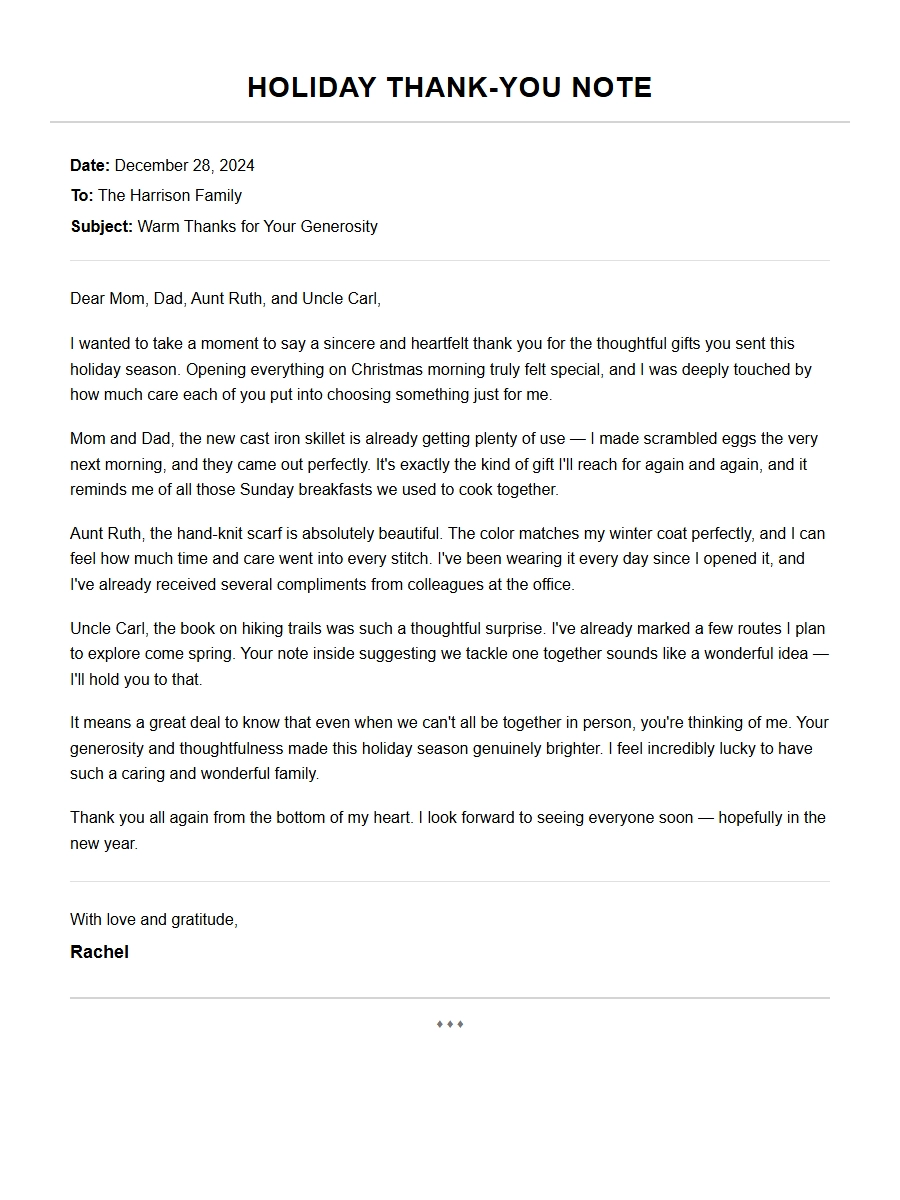 Thank You Letter Examples for Family Holiday Gifts
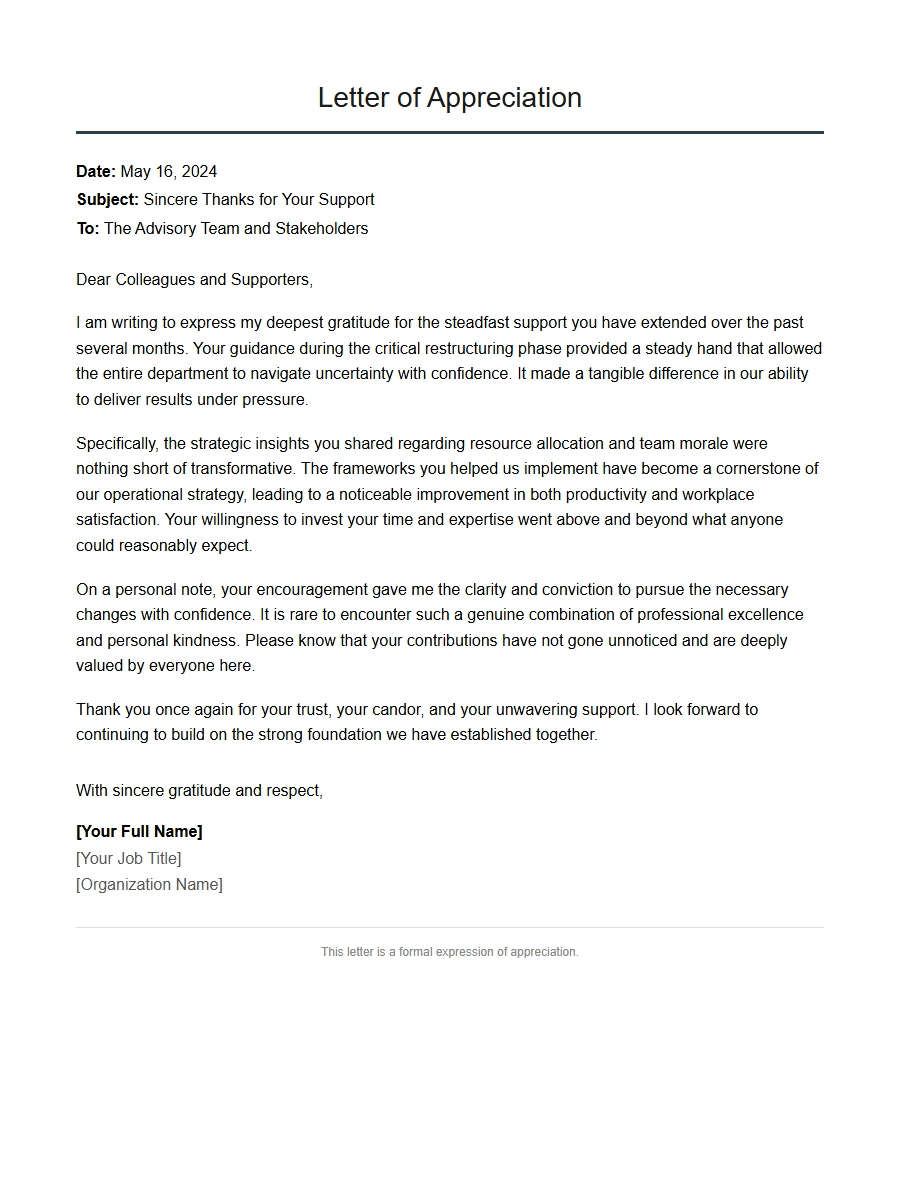 Sample Thank You Letter for Support
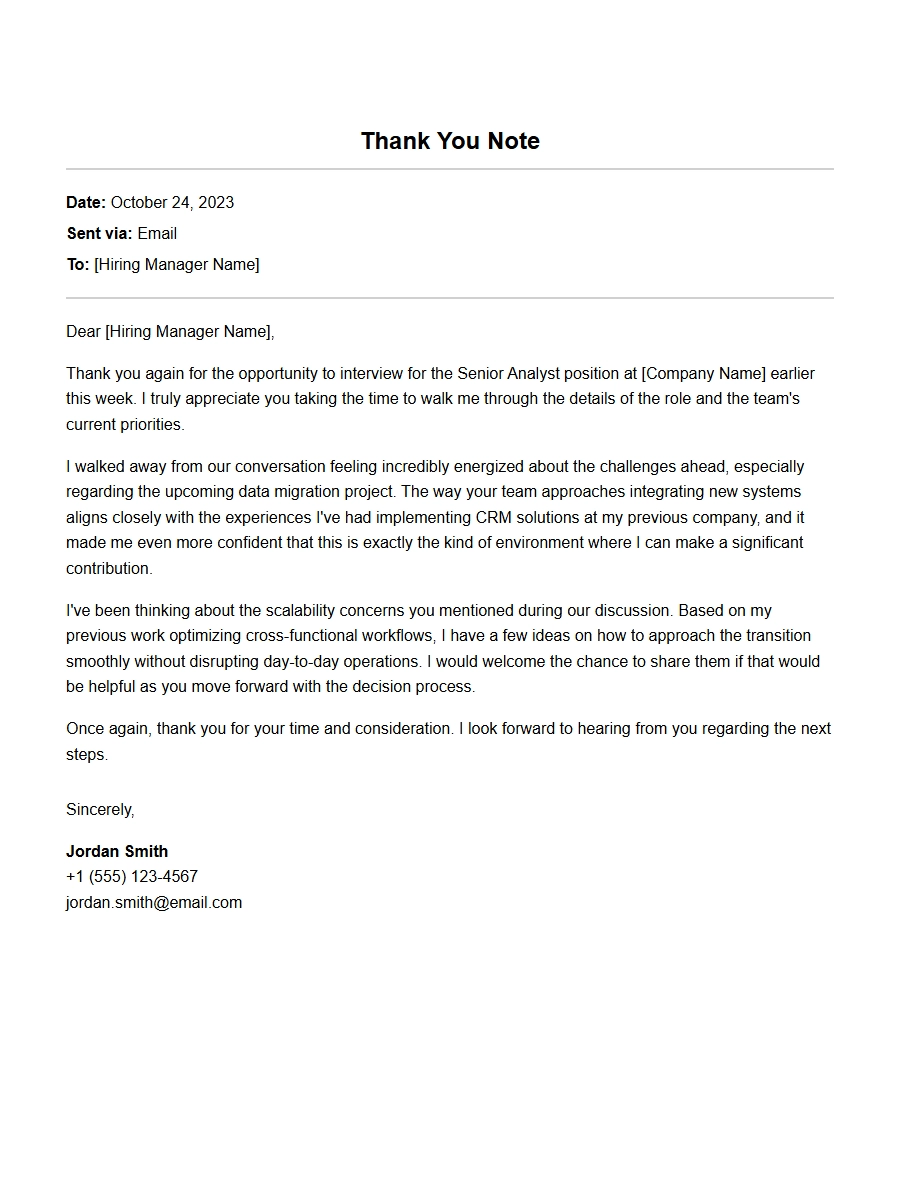 How to Write a Personal Thank-You Note After an Interview