Apology for Server Migration Maintenance Email Delay
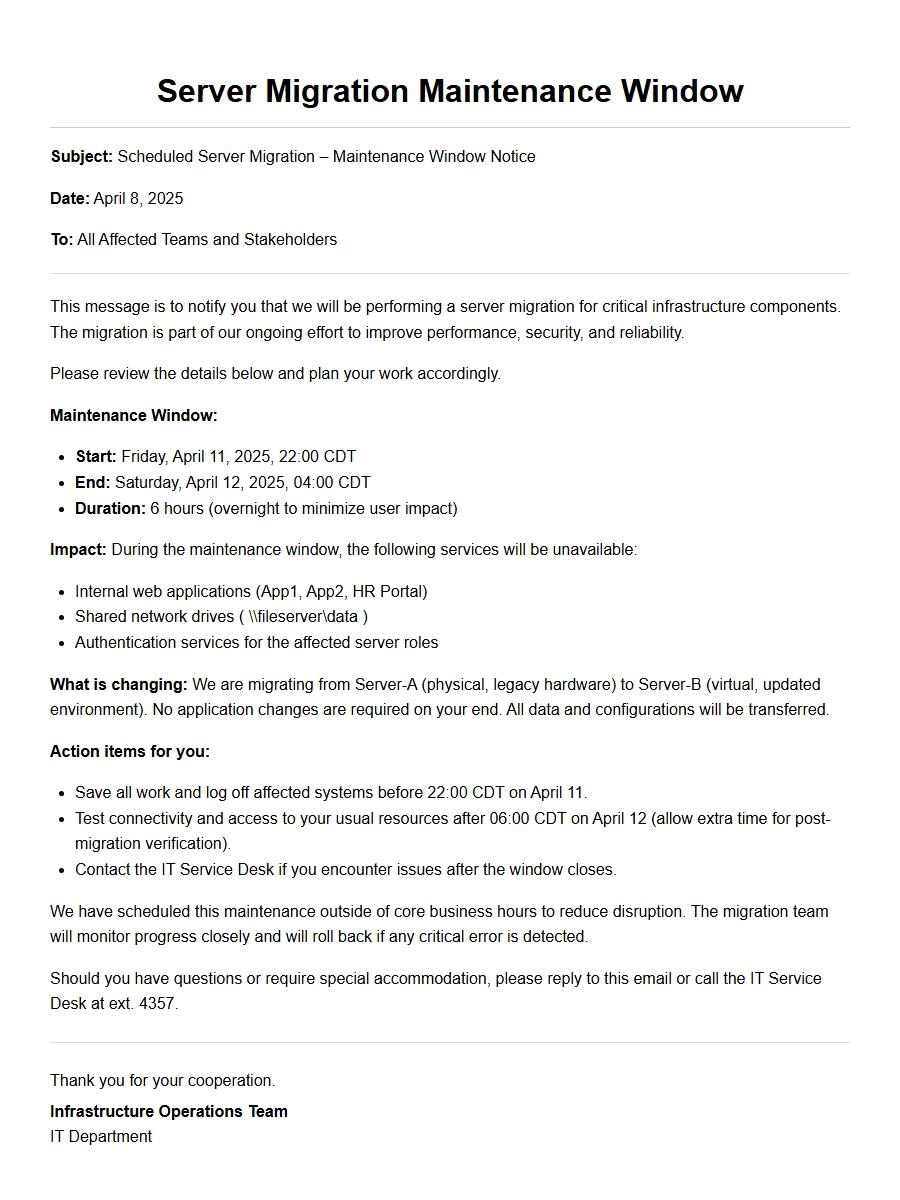
Staring at a blank email when you need to notify users about a server migration maintenance window can feel surprisingly stressful. You know the technical details inside out, but crafting a clear, reassuring message that keeps everyone calm? That’s a different skillset. The right email sample turns that anxiety into a confident, polished draft in just a few minutes.
Why a sample isn't "cheating"—it's smart professional correspondence
Using a letter template or sample for your server migration notice is not lazy. It’s strategic. A good sample gives you a proven letter structure, the right tone in writing, and the key phrases that customers and stakeholders expect. You’re not just copying someone else’s words. You’re starting from a place that already works, so you can focus on making it accurate and personal to your situation.
Think of a sample like a blueprint. It handles all the business letter format decisions—salutation and closing, timing, where to put the details—so you don’t have to reinvent basic letter writing etiquette every time your infrastructure needs an update.
What to actually include in a server migration maintenance email
Your users don’t care about the technical jargon. They care about what’s happening, when, and how it affects them. A strong notice for a maintenance window should cover three things clearly right up front: the date and time (including time zone), the expected duration, and what service will be impacted. If you’re migrating over a weekend, say that.
Here’s a quick example of an opening that works: “We’re upgrading our servers on Saturday, March 15th, from 2:00 AM to 6:00 AM EST. The platform will be unavailable during this window.” Short, direct, no fluff.
Category: Notification for Service Interruption
Explain what’s changing and why it matters to them. You don’t need to describe the database architecture. Just say “This upgrade will improve page load times by about 40%.” That’s the benefit they actually notice. If there’s anything they need to do beforehand—save work, log out, expect a password reset—state that clearly in its own sentence. Don’t bury it in a paragraph.
Avoid common mistakes like forgetting to specify whether the times are in your local time or UTC. That mistake alone creates a flood of support tickets. Also, if you’re sending the email via a digital format, make sure the letterhead design is clean and the subject line is obvious, like “Scheduled Maintenance: Platform Unavailable March 15th, 2-6 AM EST.” Nobody should guess what the email is about.
How to adapt a sample without losing your authentic voice
The best customizable letter is one where you swap in your real specifics and read it back aloud. If it sounds like a robot wrote it, rewrite it. Your professional correspondence should sound like it actually came from your team. That means using contractions (“you’ll,” “we’re,” “it’s”) and keeping sentences short.
Ever received a notice that felt too stiff or too casual? That’s the balance you’re looking for. Be friendly but direct. You’re not apologizing for doing maintenance—you’re giving people the heads-up they deserve. For more advice on handling similar situations where timing and tone matter, check out our article on drafting a notice for temporary office closure. The principles of being clear about timing and what’s affected are the same.
Quick tips for writing a maintenance email that works
Proofreading letter is not optional. One typo in the date or time zone can mean someone shows up to work expecting to log in and can’t. Read it twice. Have someone else glance at it if you can. Formal writing tips for this kind of message are simple: state the facts, be specific about downtime, and end with a single point of contact or knowledge base article link for questions.
Another thing people forget: don’t make promises you can’t keep. If you say “the migration will be complete by 6 AM,” and it takes until 8 AM, you’ve broken trust. Use “estimated completion time” or “planned window” to give yourself some room. That’s just solid letter writing etiquette for operational communications.
Treat the sample as a springboard, not a crutch
Your best email for server migration maintenance window will sound like you. It will have your team’s specific details, your honest timeline, and your genuine appreciation for the user’s patience. The sample gets you started fast. Your edits make it real. The more you practice this kind of letter template adaptation, the faster it gets next time. And there will definitely be a next time—infrastructure never stops changing.
Samples You Can Use
Apology for Server Migration Maintenance Email Delay
Apology for Extended Maintenance Downtime
Subject: Apology for Extended Server Migration Downtime
Dear Valued Customer,
We sincerely apologize for the unexpected extension of the server migration maintenance window that occurred on October 12, 2023. The migration, originally scheduled from 2:00 AM to 6:00 AM UTC, was significantly delayed due to an unforeseen compatibility issue with legacy database systems.
Below is a summary of the actual vs. planned downtime:
Planned
Actual
2:00 AM – 6:00 AM UTC
2:00 AM – 11:30 AM UTC
Affected Services: Email, CRM, File Storage
Additional impact: API Gateway (3 hours off)
We have deployed additional engineering resources to stabilize the environment and are conducting a root cause analysis to prevent recurrence. As a gesture of goodwill, we are applying a 15% credit to your next invoice.
We deeply regret any inconvenience caused. Your trust is important to us, and we are committed to improving our communication during future maintenance events.
Best regards, Infrastructure Team
Apology for Last-Minute Rescheduling of Migration
Subject: Apology for Late Rescheduling of the Server Migration Window
Dear Team,
We apologize for the abrupt rescheduling of the server migration that was originally set for March 5th. Due to an urgent security patch from our upstream provider, we had to move the maintenance window to March 7th, 2:00 AM – 6:00 AM EST, with only 12 hours’ notice.
We understand this caused significant disruption to your planned workflows. The decision was not taken lightly, but the security update could not be deferred. The new schedule is as follows:
New Date: March 7, 2024
New Time: 2:00 AM – 6:00 AM EST
Impact: All web applications and database access will be unavailable
We have set up an online calendar event and will send a confirmation email 48 hours in advance of any future changes. Please accept our sincere apologies for the short notice.
Sincerely, Data Center Operations
Apology for Unforeseen Technical Difficulties
Subject: Apologies for Technical Difficulties During Server Migration
Dear Users,
We want to apologize for the technical difficulties experienced during our server migration maintenance window on April 20th. The migration from legacy hardware to new cloud infrastructure was expected to be seamless, but we encountered unexpected firmware incompatibilities that extended the window by 4 hours.
The following issues were reported during the window:
Authentication services were unavailable from 2:00 AM to 7:30 AM UTC
Database replication lag caused intermittent read errors until 9:00 AM
File sync services resumed at 10:15 AM, 2 hours later than planned
Our engineering team has since applied a permanent fix, and monitoring indicates no further anomalies. We have also updated our maintenance checklist to include pre-flight firmware checks.
We deeply regret the disruption and appreciate your patience while we resolved these issues.
Yours truly, Server Operations Team
Apology for Insufficient Notice of Maintenance Window
Subject: Sincere Apologies for Inadequate Advance Notice
Dear Customers,
We regret to inform you that the server migration maintenance window on February 28th was communicated only 24 hours in advance, rather than the standard 7-day notice we normally provide. This failure was due to an internal scheduling oversight.
We acknowledge that insufficient notice caused many of you to be caught unprepared. As a result, we are implementing the following corrective actions:
All future maintenance windows will have a mandatory 7-day notification period
A dedicated notification calendar will be visible on our status page
We will also send SMS alerts for any urgent changes
We are also offering a 10% service credit for accounts affected during this migration. You do not need to take any action; the credit will appear on your next statement.
Again, we apologize for the lack of proper notice and the inconvenience it caused.
With regret, Customer Service Department
Apology for Data Sync Delay During Migration
Subject: Apology for Delayed Data Synchronization Post-Migration
Dear Team,
We apologize for the data synchronization delays experienced after the server migration window on August 15th. The migration itself completed on time (2:00 AM – 6:00 AM UTC), but subsequent data sync between the new and old environments took an additional 8 hours to complete, causing several applications to show old data.
Details of the sync delays:
Service
Expected Sync
Actual Sync
User Profiles
6:00 AM
9:30 AM
Transaction Logs
6:00 AM
2:00 PM
Report Database
6:00 AM
4:00 PM
We have optimized our data replication scripts and introduced parallel processing to prevent such delays in future migrations. Thank you for your understanding as we worked to ensure data integrity.
We sincerely apologize for any confusion this caused.
Regards, Database Administration
Apology for Service Interruption Beyond Scheduled Window
Subject: Apologies for Service Interruption Exceeding Scheduled Maintenance Window
Dear Valued Users,
We apologize that the server migration maintenance window that was scheduled to end at 8:00 AM UTC on June 10th actually lasted until 1:30 PM UTC. This 5.5-hour overrun was due to a corruption in the migration script that required manual recovery.
During the overrun, the following services were intermittently affected:
Email delivery (queued, not lost)
File sharing (read-only mode)
Admin dashboard (unavailable)
All services are now restored with no data loss. We have taken the following steps to improve future maintenance windows:
Implemented automated rollback testing
Added a 2-hour buffer to all future windows
Established a real-time status dashboard for affected users
We are truly sorry for the extended inconvenience. Please reach out to our support team if you have any questions.
Sincerely, Infrastructure Support
Apology for Performance Degradation Post-Migration
Subject: Apology for Slow Performance Following Server Migration
Dear Customers,
We apologize for the degraded performance you experienced after the server migration maintenance window on September 12th. While the migration itself was completed on schedule (10:00 PM – 2:00 AM UTC), users reported slow page loads and occasional timeouts for the next 48 hours.
We identified that the issue was caused by an incorrect caching configuration after migration. The fix was applied on September 14th at 4:00 AM UTC. Since then, performance has returned to normal levels.
Performance metrics before and after the fix:
Metric
During Degradation
After Fix
Average Page Load Time
4.2 seconds
0.8 seconds
Error Rate
12%
0.5%
We are reviewing our migration checklist to include mandatory caching validation. We deeply regret the impact on your productivity and assure you this will not recur.
Best regards, Performance Engineering Team
Apology for Incomplete Migration Requiring Second Window
Subject: Apology for Incomplete Server Migration – Additional Maintenance Window Required
Dear Customers,
We apologize that the server migration maintenance window on November 5th was incomplete. Due to an unexpected network partition, certain database clusters could not be migrated within the scheduled time. As a result, a second maintenance window is necessary.
Details of the incomplete migration:
Successfully migrated: Web servers, application servers, main database (80% of data)
Not migrated: Legacy finance database, archival storage (due to network timeouts)
The follow-up maintenance window is scheduled for November 12th, 2:00 AM – 6:00 AM UTC. We will send a separate confirmation. During this window, affected services will be briefly unavailable.
We are implementing redundancy measures to avoid this situation in the future. We sincerely regret the additional disruption and appreciate your patience.
With apologies, Migration Project Team
Apology for Missed Communication About Maintenance
Subject: Apology for Failure to Communicate Maintenance Window
Dear Partners,
We apologize that you were not notified about the server migration maintenance window that occurred on July 22nd. Due to a system error in our notification platform, the scheduled email and SMS alerts were not sent to your contact list. This resulted in many of you unexpectedly losing access to services for 4 hours.
We understand that lack of communication is especially disruptive. The maintenance was planned, not emergency, so you should have received notice at least 7 days in advance. We have corrected the notification system and manually tested it for future events.
As compensation, we are extending your subscription by 5 days at no extra charge. This credit will be applied automatically.
We are truly sorry for this oversight and are taking steps to ensure all channels are verified before any future migrations.
Regards, Communications & Operations Team
Apology for Incorrect Estimated Window Duration
Subject: Apology for Underestimating Maintenance Window Duration
Dear Users,
We apologize that the server migration maintenance window was originally estimated at 2 hours but actually took 6 hours to complete on January 18th. This incorrect estimate caused significant disruption to your schedules and workflows.
We underestimated the time needed to reconfigure firewall rules after migration. The planned window was 10:00 PM – 12:00 AM UTC, but the actual window extended to 4:00 AM UTC.
Breakdown of the time spent:
Phase
Estimated
Actual
Data Transfer
30 min
45 min
Configuration
45 min
3 hrs 15 min
Validation
45 min
2 hrs
We have revised our estimation methodology to include buffer time for complex reconfigurations. Please accept our sincere apologies for the inconvenience.
Thank you for your understanding. Network Operations
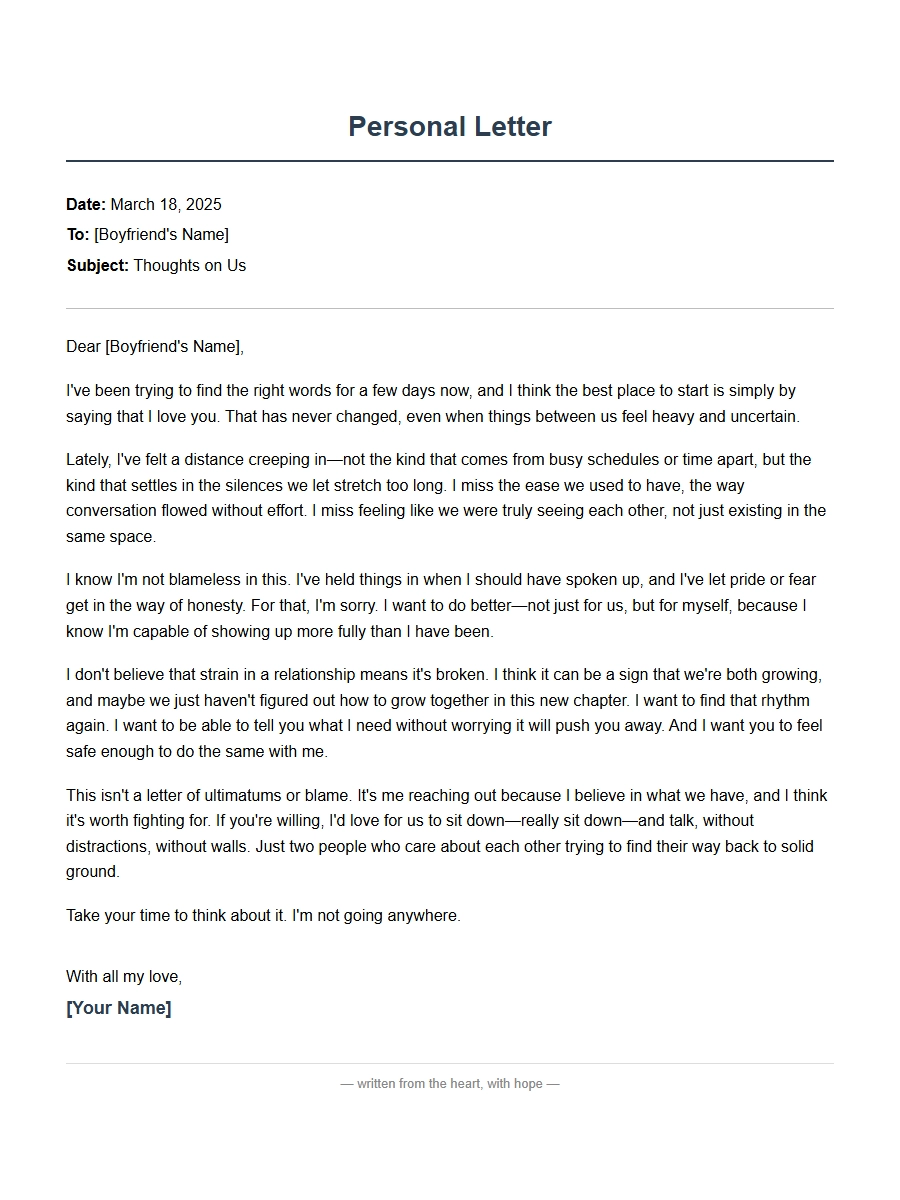 Personal Apology Letter for Boyfriend Relationship Strain
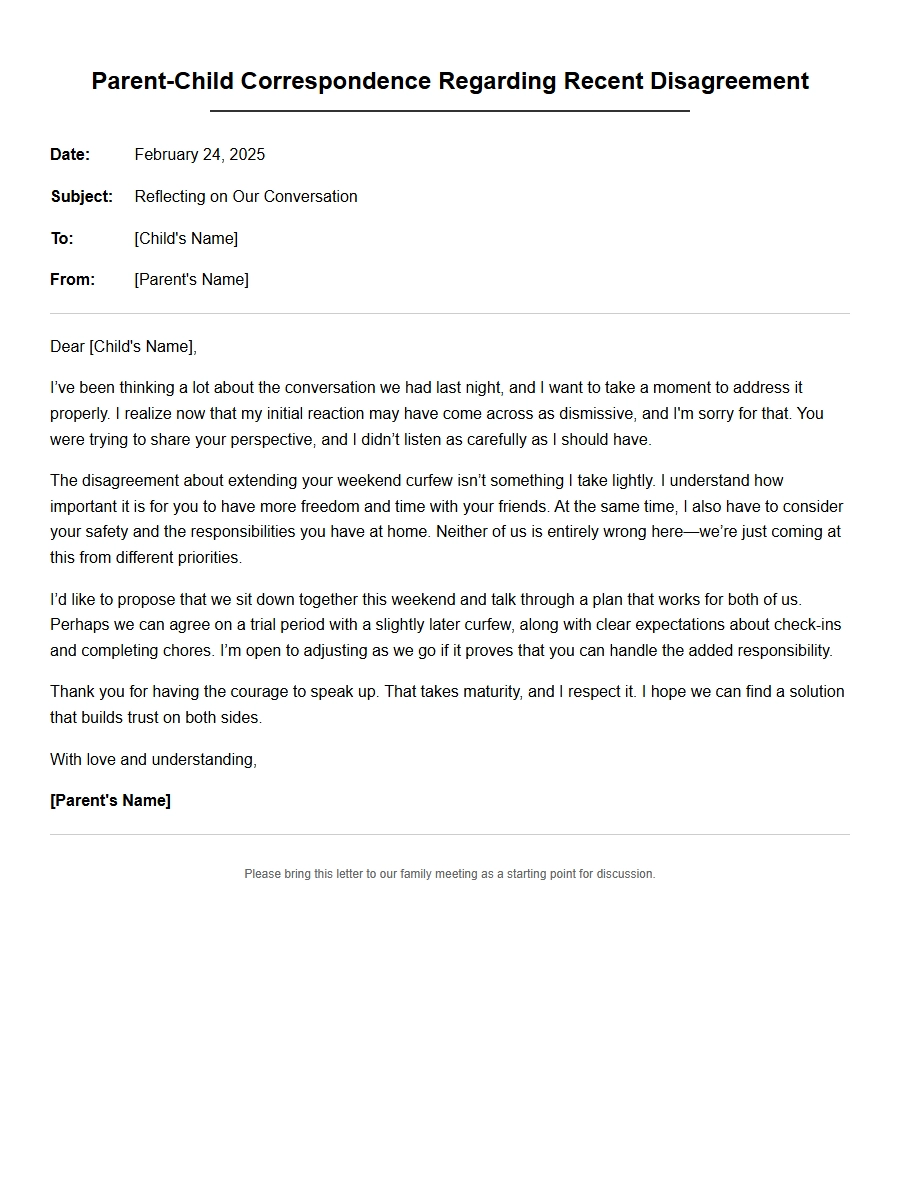 Apology Correspondence for Parent-Child Disagreements
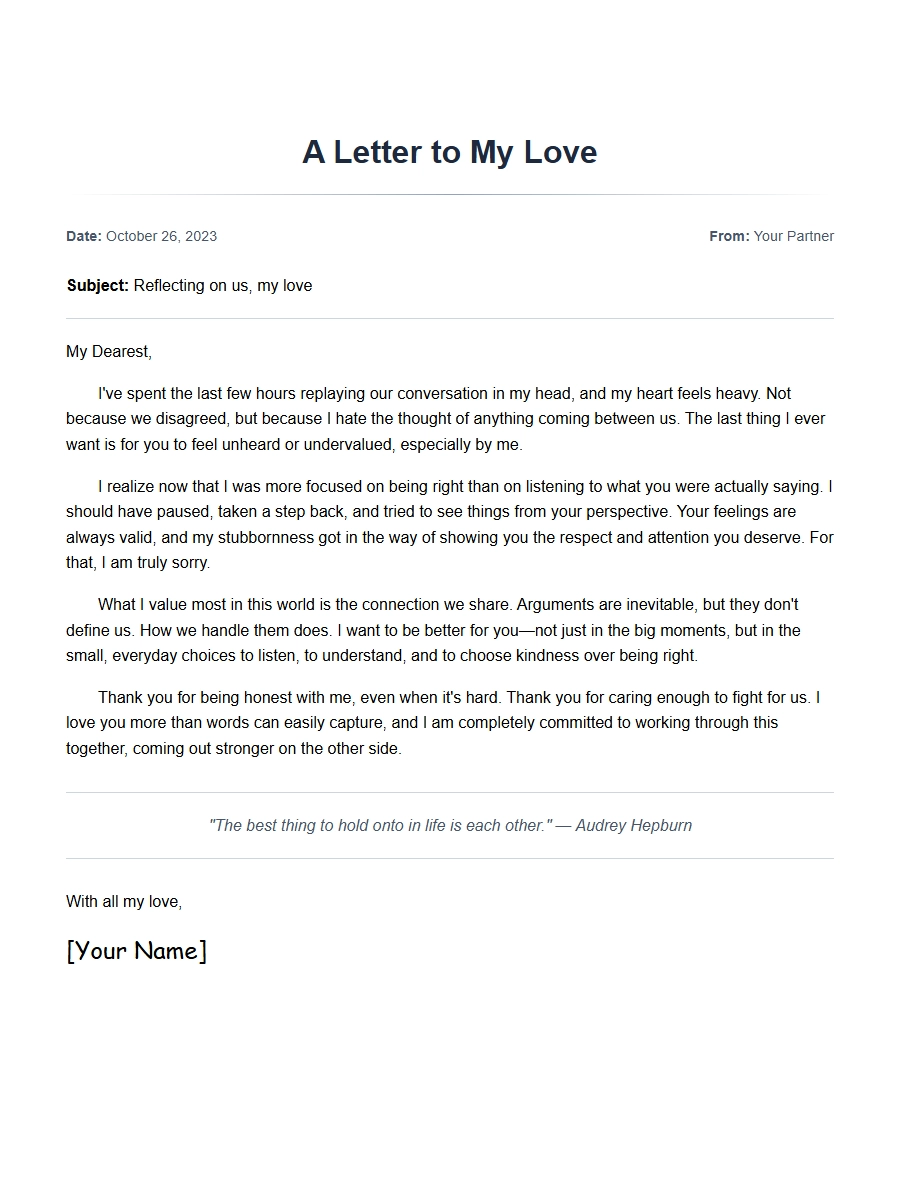 Apology Message for Girlfriend After Argument
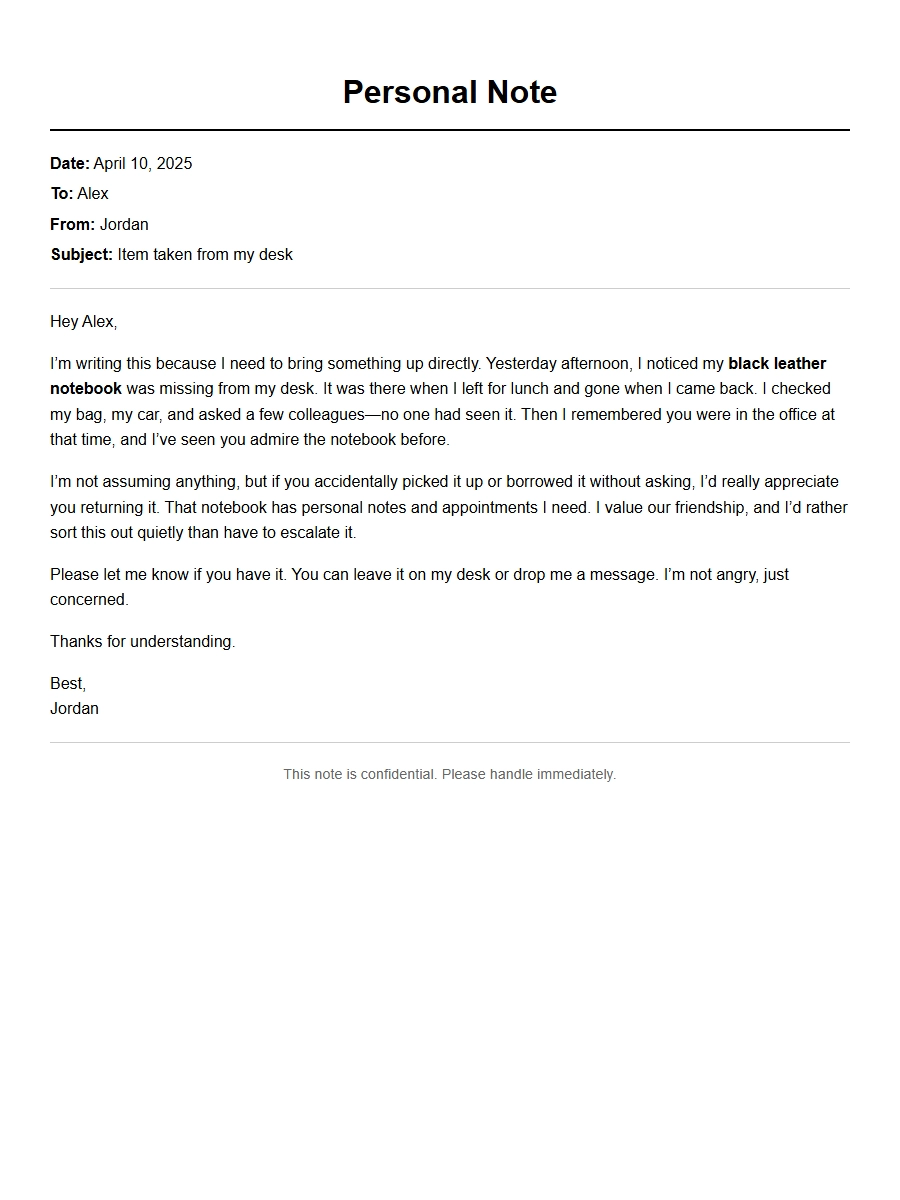 note for friend stealing item - Apology Letters
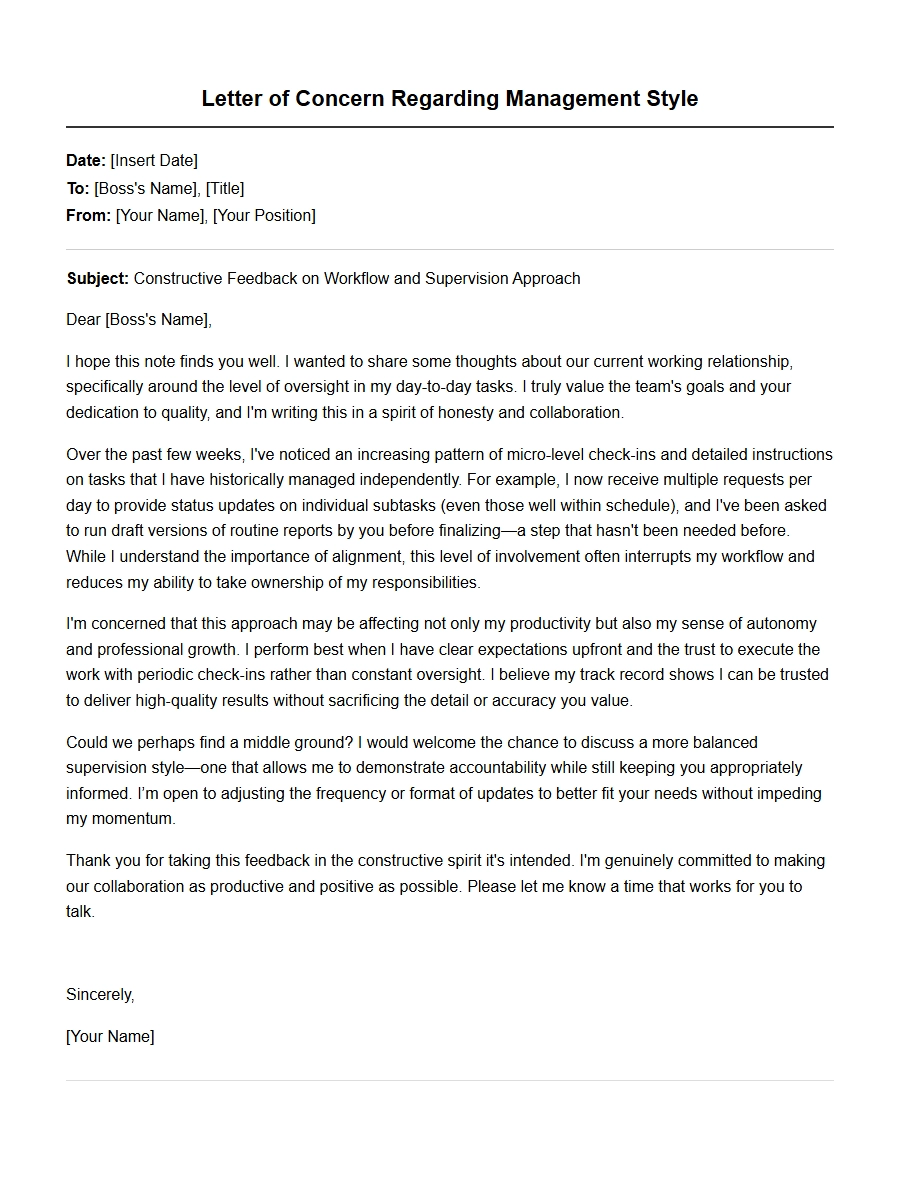 Apology to Boss for Micromanagement Complaint
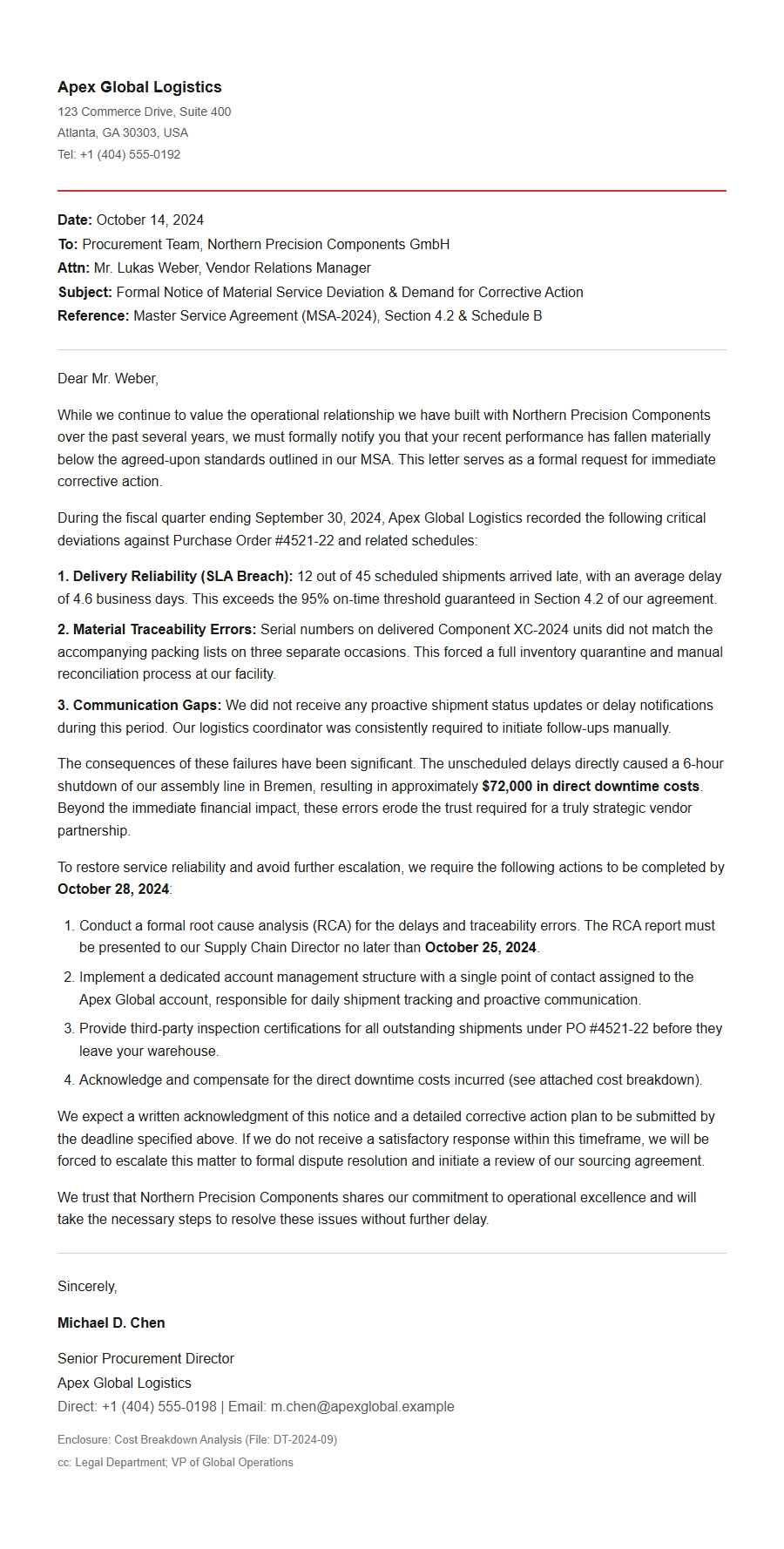 Apology Document for Vendor Supply Chain Issue